
Last updated:
Climate of Rajasthan: A Complete Seasonal Guide for Travelers
Plan this trip: Rajasthan tour packages →
By Experience My India Editorial Team
Destination specialists and licensed local guides
The climate of Rajasthan is as colorful and dramatic as the land itself. From the golden sands of the Thar Desert to the cool hills of Mount Abu, every season paints Rajasthan differently. If you are planning a trip, understanding the climate of Rajasthan will help you pick the best time to experience its majestic forts, colorful festivals, and royal hospitality.
Here’s a detailed guide to help you discover Rajasthan in every season!
How Does Rajasthan’s Climate Make It Unique?
Special Tip: Always carry a scarf, hat, and sunscreen while exploring Rajasthan — they are your best companions!
Book Your Rajasthan Tour Packages Now
- The climate of Rajasthan is primarily dry and desert-like, with extreme temperatures across seasons.
- Rajasthan is known for its hot summers, mild winters, and limited rainfall.
- The Thar Desert significantly influences the weather patterns, making the days hot and the nights surprisingly cooler.
- Regions like Mount Abu offer a refreshing contrast with cooler hill-station weather.
- The state’s arid beauty is one of the reasons it remains an unforgettable travel experience.
What Is Rajasthan Like in Summer (April to June)?
Travel Tip: Plan sightseeing early mornings and spend afternoons relaxing indoors during summers.
Book Your Rajasthan Tour Packages Now
- Summers in Rajasthan are intense, with temperatures often reaching up to 45°C.
- Despite the heat, cities like Mount Abu, Udaipur, and Kumbhalgarh offer relatively cooler weather.
- Famous summer festivals like the Mount Abu Summer Festival and Gangaur Festival add charm even during hotter days.
- Desert areas like Jaisalmer and Bikaner become dry, golden, and vast under the burning sun — a photographer’s delight!
- Days are hot, but evenings often bring cooler breezes, especially in desert towns.
How Magical is the Monsoon Season in Rajasthan (July to September)?
Travel Tip: Carry light rainwear and waterproof footwear if traveling during monsoon.
Book Your Rajasthan Tour Packages Now
- Monsoon brings relief to the climate of Rajasthan, with light to moderate rainfall.
- Udaipur, Mount Abu, and Ranthambore National Park bloom during these months, making the landscape lush and green.
- Rain showers transform the dry, dusty scenery into vibrant green carpets — perfect for scenic photography.
- Though Rajasthan does not receive heavy rainfall, it gets just enough to create a magical effect across its lakes and forts.
- Many offbeat destinations like Bundi and Alwar look stunning after a mild rain.
Why is Winter (October to March) the Best Season to Visit Rajasthan?
Travel Tip: Pack light woolens for desert nights and comfortable cottons for day tours.
Book Your Rajasthan Tour Packages Now
- Winters define the best climate of Rajasthan with cool temperatures ranging from 8°C to 28°C.
- Days are sunny and pleasant, while nights can get chilly, especially in desert towns like Jaisalmer and Bikaner.
- This is the peak tourist season when the state comes alive with fairs like Pushkar Camel Fair and Desert Festivals.
- Cities like Jaipur, Jodhpur, Udaipur, and Jaisalmer are at their best during winter — perfect for sightseeing, desert safaris, and shopping.
- Even the sand dunes become pleasant under the winter sun, creating unforgettable travel memories.
Does Rajasthan Experience Extreme Climate Variations?
Special Tip: Always check the local forecast when planning your daily activities during your trip.
Book Your Rajasthan Tour Packages Now
- Yes, the climate of Rajasthan showcases extreme variations between day and night temperatures.
- In summer, daytime can be extremely hot, but nights may cool down considerably in the deserts.
- In winter, the difference between daytime warmth and nighttime chill can be significant — up to 20°C or more.
- Regions like Mount Abu maintain moderate temperatures year-round, offering a soothing climate.
- This extreme but fascinating range gives Rajasthan its character and charm.
How Does the Desert Influence the Climate of Rajasthan?
Travel Tip: Protect yourself with sunglasses, scarves, and hydration while enjoying desert activities.
- The Thar Desert plays a vital role in shaping the climate of Rajasthan.
- It causes low humidity, high evaporation rates, and minimal cloud cover, leading to intense sunlight during the day.
- Desert regions like Jaisalmer and Barmer remain dry for most of the year, receiving very little rain.
- Winds carrying sand are common during the summer months.
- Desert safaris, camel rides, and cultural programs are best enjoyed post-sunset when the desert cools down quickly.
How to Prepare for Rajasthan’s Climate When Traveling?
Special Tip: Book your desert camps and safaris in advance during peak winter season for the best experiences.
Book Your Rajasthan Tour Packages Now
- Understand the climate of Rajasthan during your travel month to pack smartly.
- Summers need breathable cotton clothing, sunscreen, and lots of water.
- Winters require layers — a light jacket for the day and heavier woolens for nighttime adventures.
- Comfortable walking shoes, hats, and sun protection are must-haves year-round.
- Carry a reusable water bottle to stay hydrated as Rajasthan’s dry air can cause dehydration quickly.
Does the Climate Affect Rajasthan’s Festivals and Events?
Travel Tip: Check local event calendars before planning your visit to match your interests!
- Absolutely! The vibrant festivals align beautifully with the climate of Rajasthan.
- Most major fairs like the Pushkar Fair, Jaipur Literature Festival, and Desert Festival Jaisalmer happen during the winter season.
- Monsoon witnesses smaller local fairs and lush celebrations around Udaipur.
- Even the hot summers are filled with lively local celebrations in smaller towns, showcasing Rajasthan’s undying festive spirit.
- Planning your trip around festival dates will add an unforgettable cultural touch to your journey.
Conclusion
The climate of Rajasthan defines its beauty, colors, and unique charm. Each season adds its own flavor to the forts, palaces, deserts, and lakes of this royal state. Whether you’re marveling at the golden dunes under the winter sun or witnessing Udaipur’s lakes during the lush monsoon, Rajasthan always has something magical to offer.
Understanding the climate of Rajasthan ensures you pick the right time, pack the right clothes, and experience its true spirit. No matter the season, Rajasthan’s warmth, hospitality, and grandeur will leave you with memories to cherish for a lifetime.
Contact Experience My India: call or WhatsApp +91 73022 65809, or plan your trip with a specialist.
Plan your Rajasthan journey with us and experience the royal magic like never before!
Frequently asked questions
1. What type of climate does Rajasthan have?
Rajasthan mainly has a hot desert climate with extremely dry summers, a short rainy season, and mild winters.
2. Is it safe to travel to Rajasthan in summer?
Yes, but it’s advisable to plan your activities during early mornings and evenings to avoid extreme heat during peak summer hours.
3. Which is the best time to visit Rajasthan considering the climate?
The winter season (October to March) offers the best climate of Rajasthan for sightseeing, desert safaris, and festivals.
4. Does Rajasthan get any rain during the monsoon?
Yes, Rajasthan receives light to moderate rainfall between July and September, especially in cities like Udaipur and Mount Abu.
5. How cold does Rajasthan get in winter?
Winter temperatures can drop to as low as 5°C, especially in the desert cities during nighttime.
6. Is Rajasthan extremely humid during monsoon?
No, even during the monsoon, Rajasthan remains relatively less humid compared to coastal regions of India.
7. Can we visit the Thar Desert during summer?
It’s possible but challenging; desert safaris and camps are more comfortable during the cooler winter months.
8. What should I pack when visiting Rajasthan in winter?
Pack layers — lightweight clothes for the day and woolens for chilly nights.
9. Is Mount Abu climate different from the rest of Rajasthan?
Yes, Mount Abu, being a hill station, has cooler and more temperate weather throughout the year.
10. How does the desert affect travel plans in Rajasthan?
The desert causes high daytime temperatures and cool nights, so plan your travel activities and stay hydrated accordingly.
Rajasthan tour packages
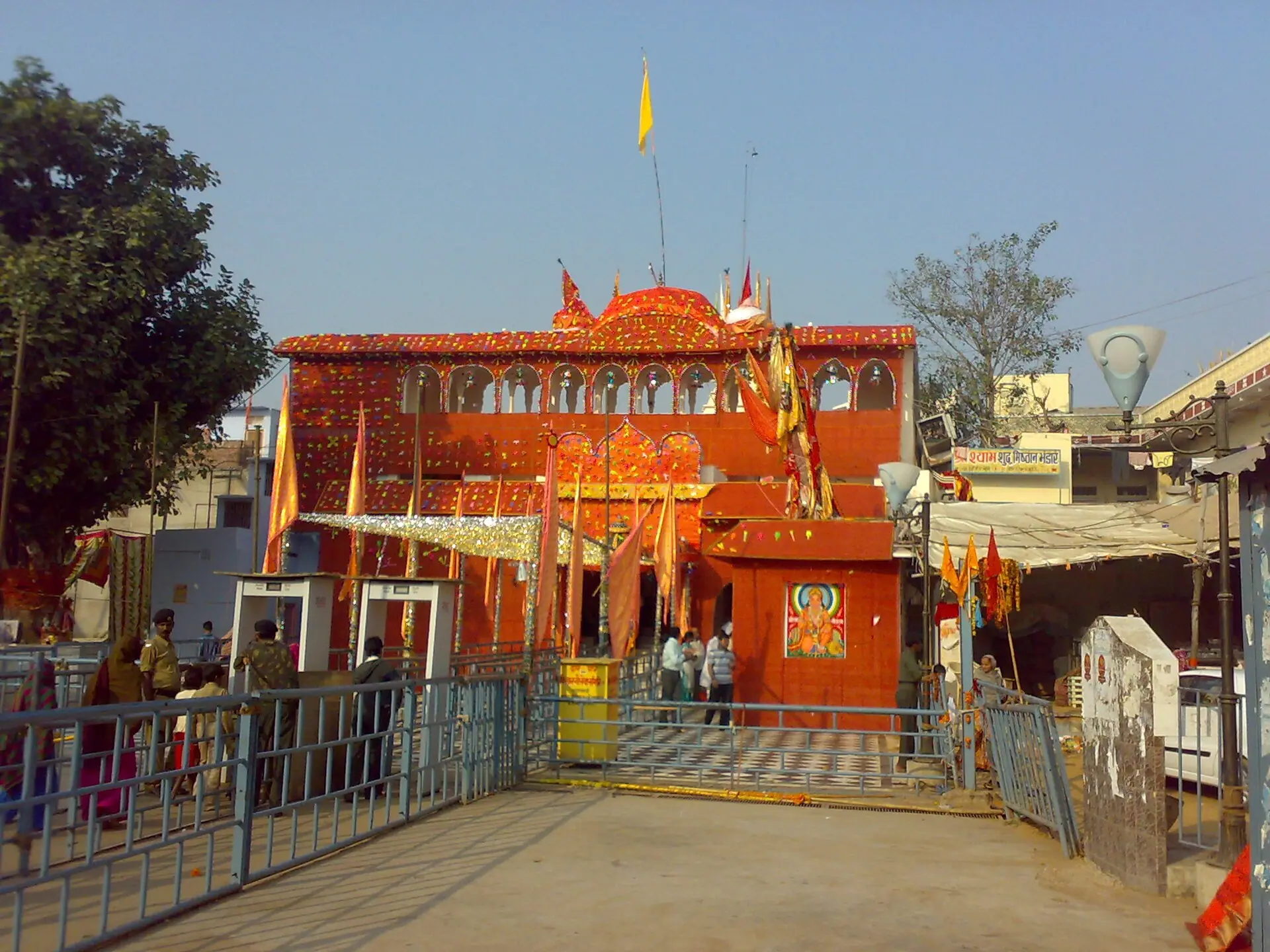 Photo: Indrapal Jangid · CC BY-SA 3.0 · Wikimedia Commons
Tour package
Khatu Shyam Ji temple tour
Free cancellation
Price on request
View itinerary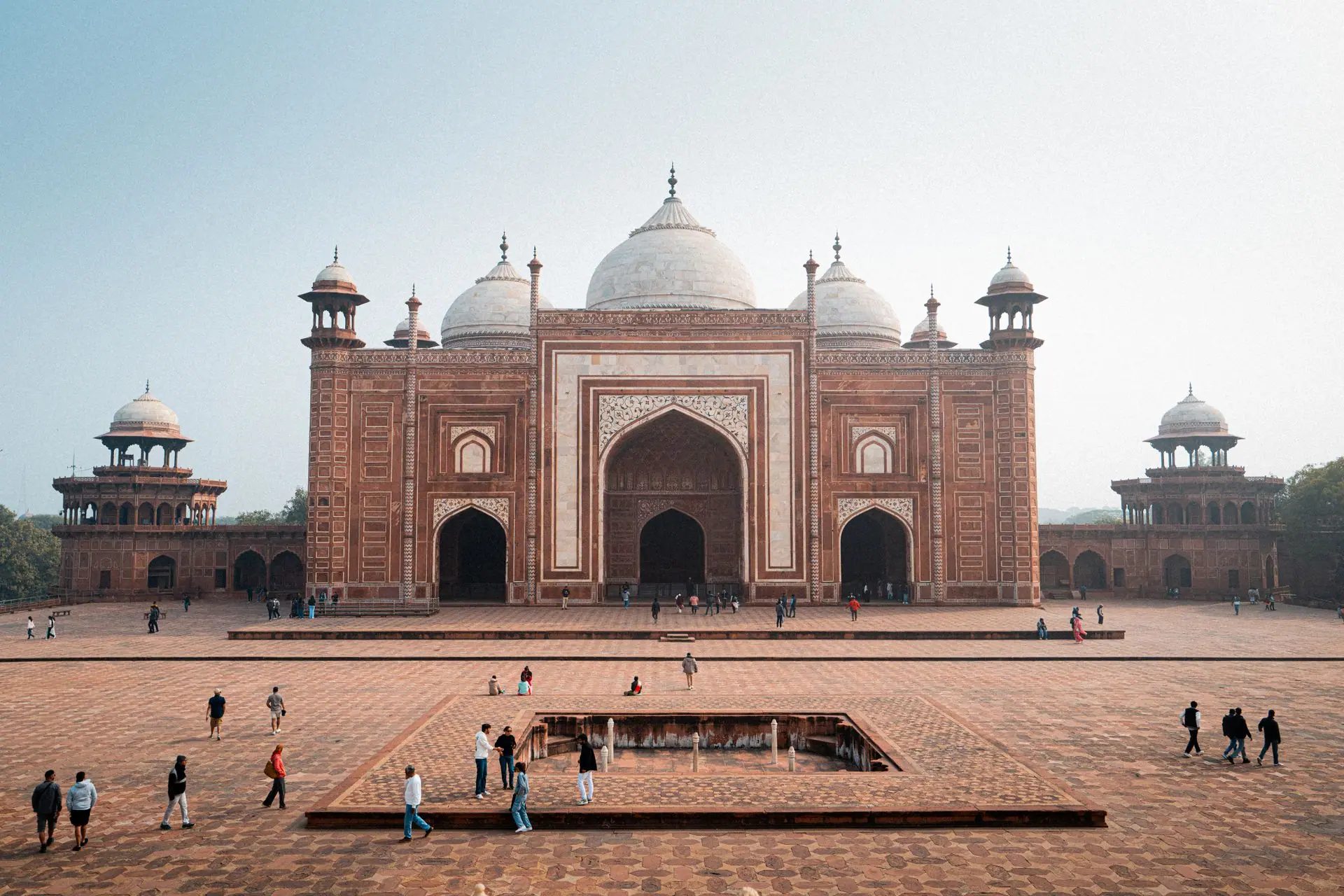
Tour package
Golden Triangle tour: Delhi, Agra and Jaipur
Free cancellation
Price on request
View itinerary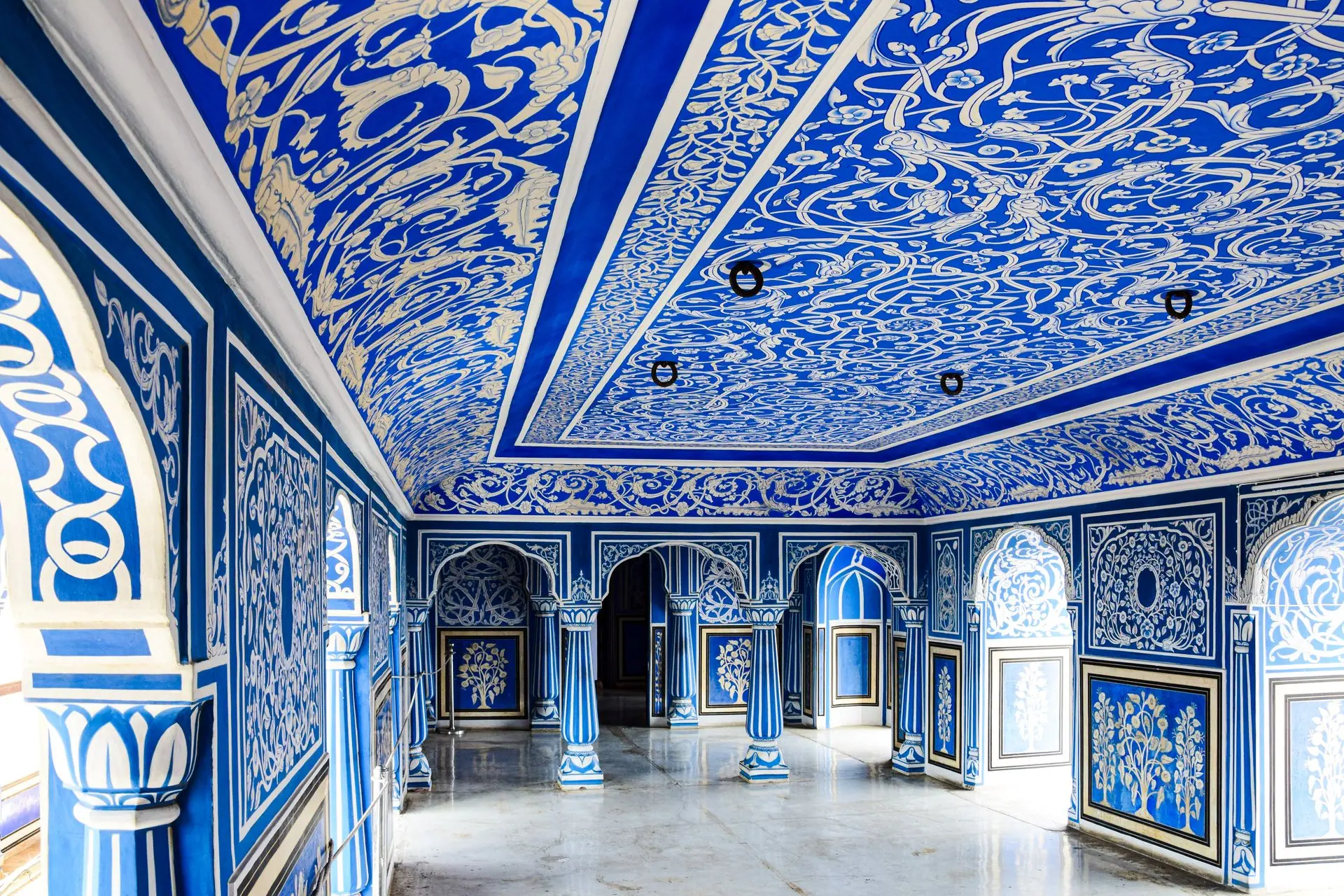
Tour package
Jaipur city tour
Free cancellation
Price on request
View itinerary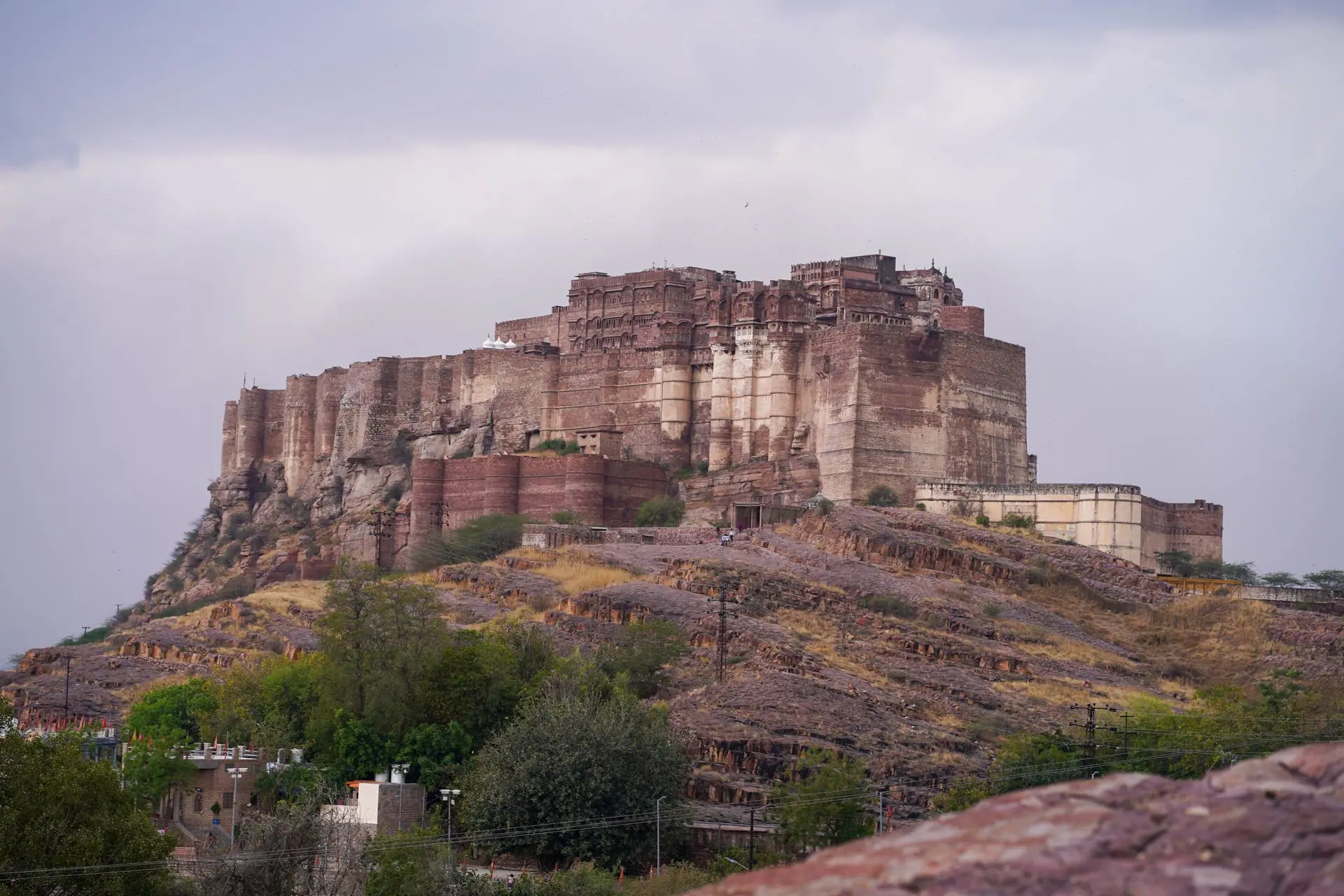
Tour package
Mehrangarh Fort tour
Free cancellation
Price on request
View itineraryExperiences in Rajasthan
Heritage & Architecture
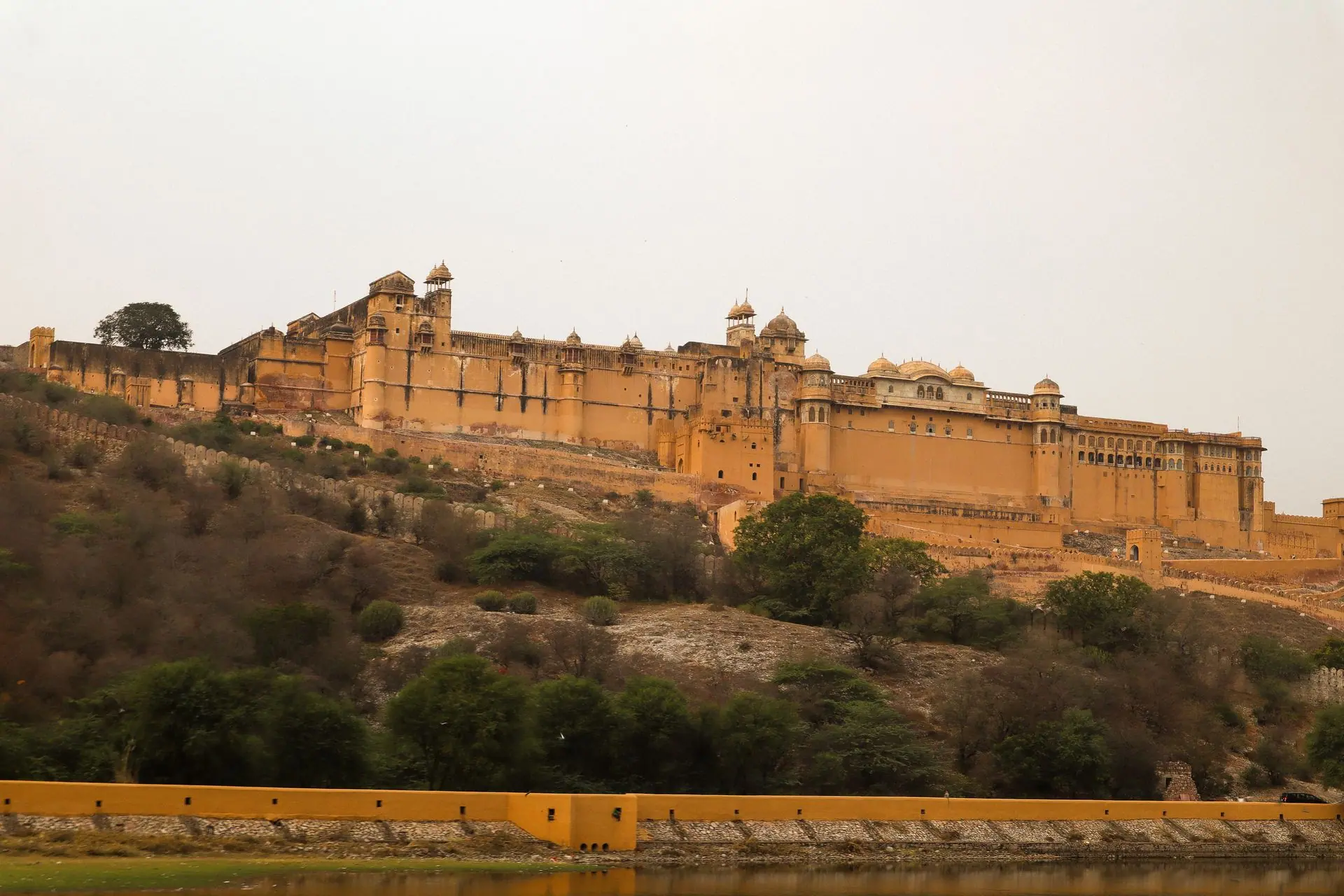
Amber Fort experience
Free cancellation
Price on request
View details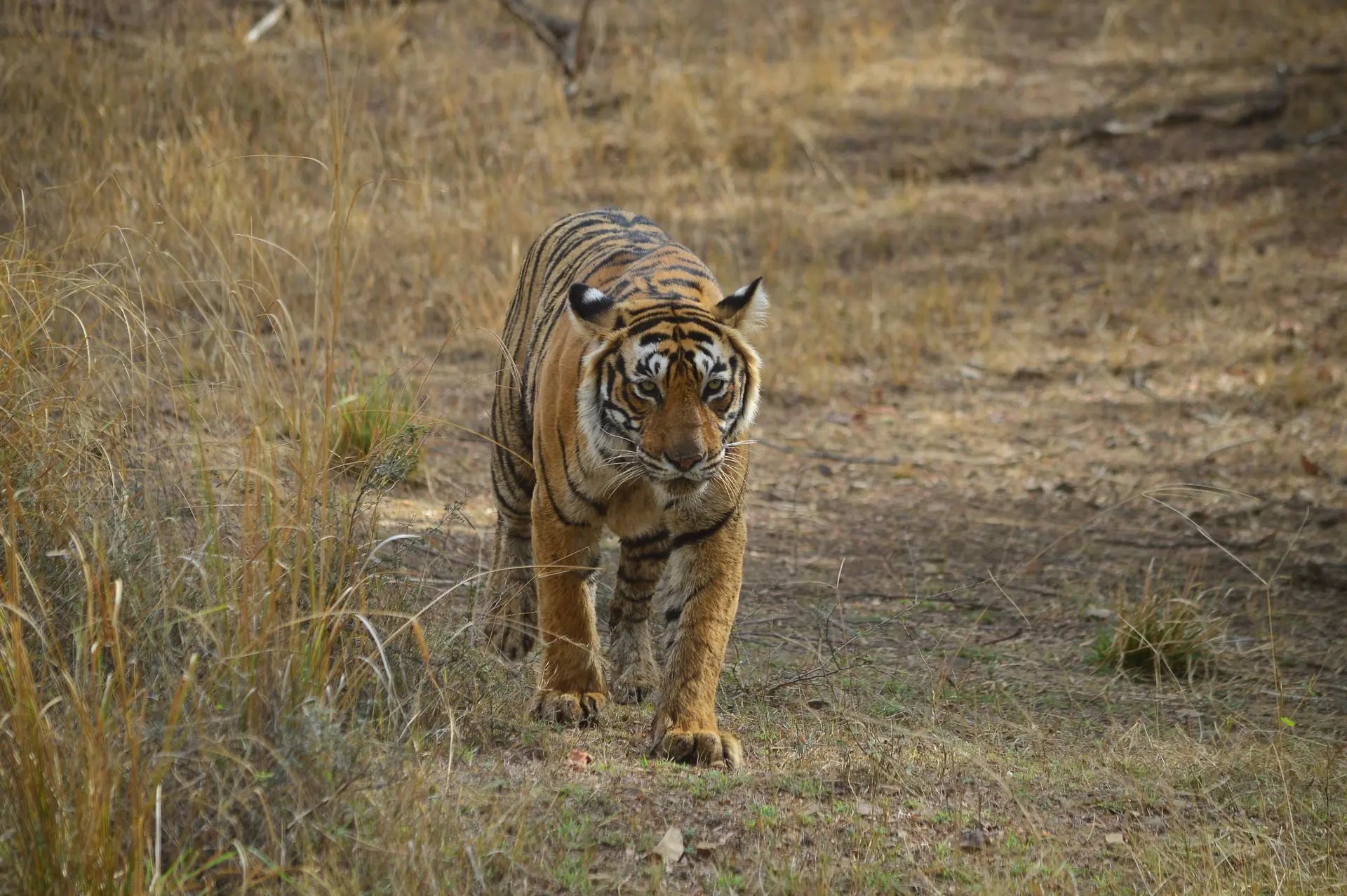
Wildlife Safaris
Ranthambore tiger safari
Free cancellation
Price on request
View details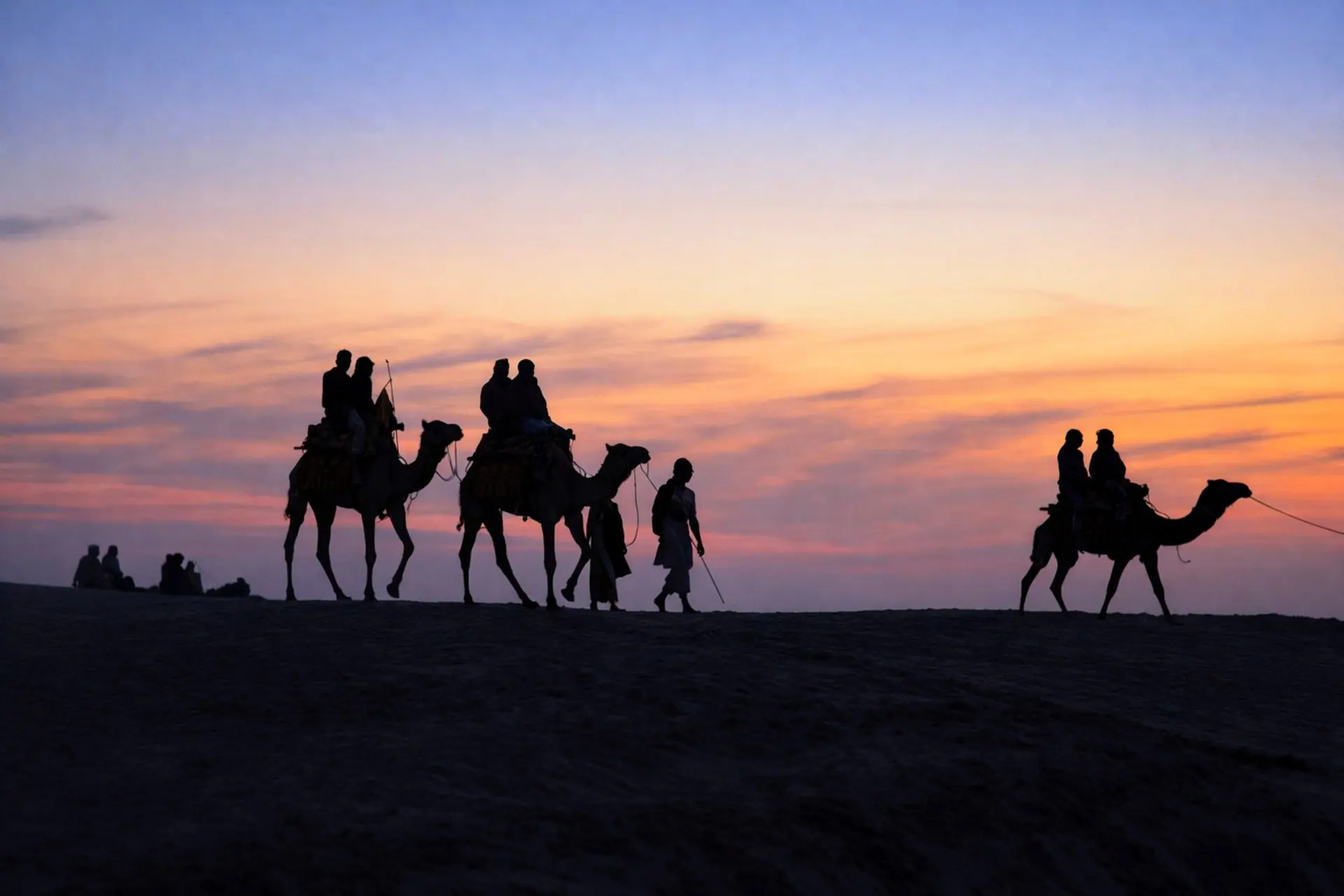
Glamping & Desert
Thar Desert camel safari
Free cancellation
Price on request
View details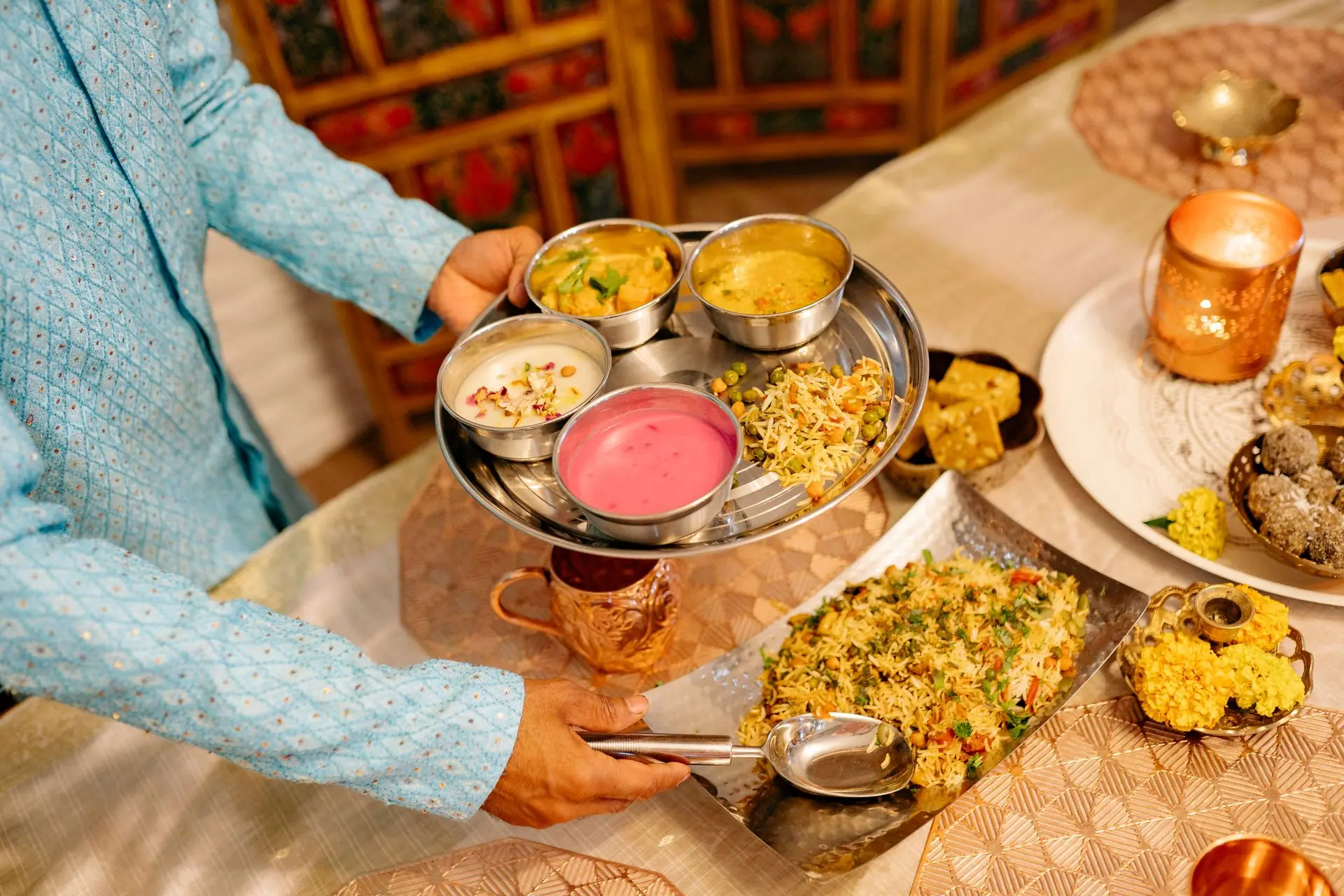
Culinary
Jaipur cooking class
Free cancellation
Price on request
View detailsRelated guides
Customer reviews
Experience My India is rated 4.3 on Tripadvisor. We publish guest reviews after each trip.
Why book with Experience My India
Government-approved operator
Approved by the Ministry of Tourism, Government of India
500+ vetted local guides
35+ destination specialists plan every trip by hand.
Human help, every day
Mon–Sun, 9:00 AM – 9:00 PM IST · +91 73022 65809
No payment until you approve
You receive a written quote first; nothing is charged to start planning.
Browse experiences by theme
See all
Wildlife Safaris
8 experiences
Heritage & Architecture
2 experiences

Beaches & Islands
5 experiences
Wellness & Ayurveda
1 experience
Yoga & Meditation
4 experiences
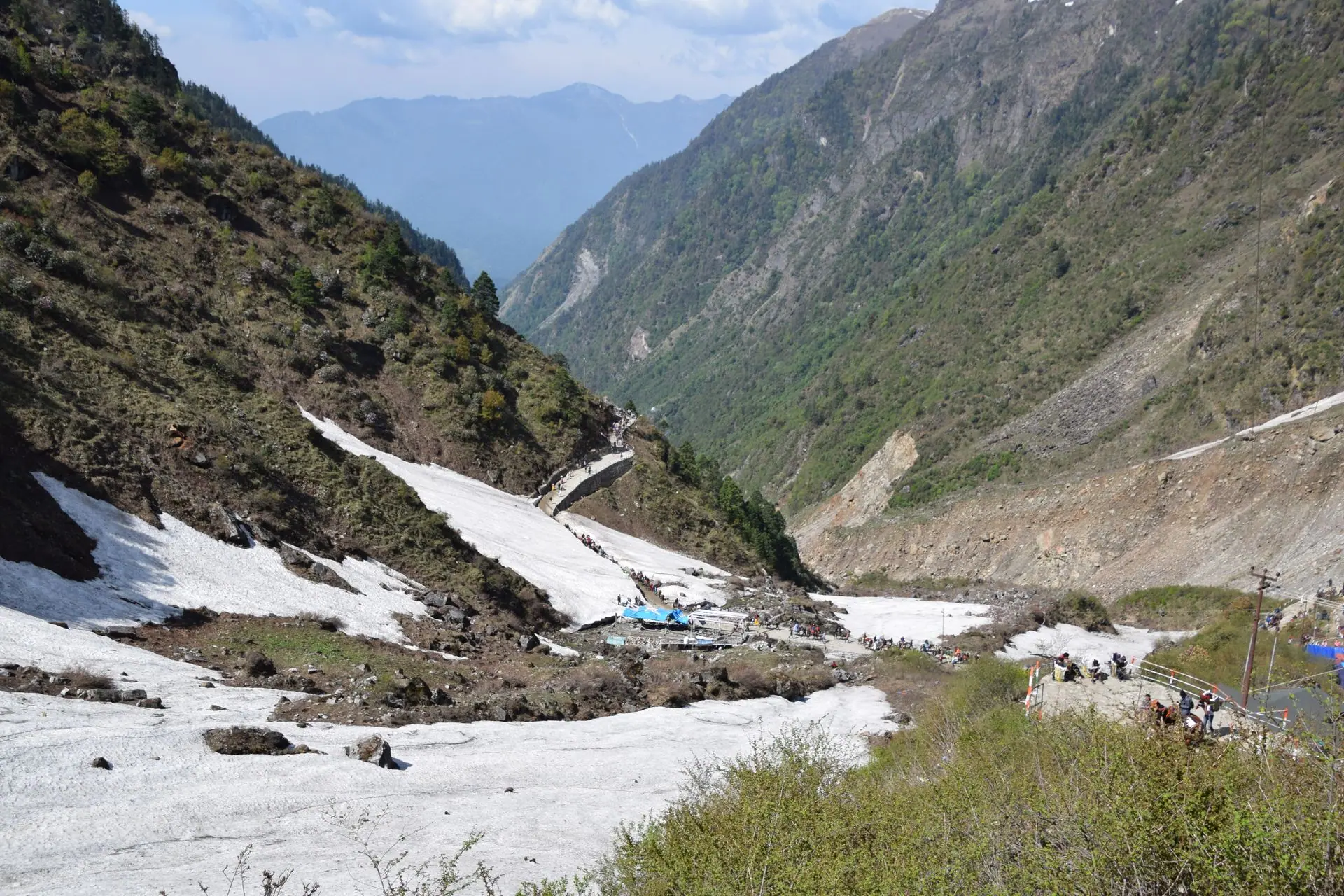
Trekking
2 experiences
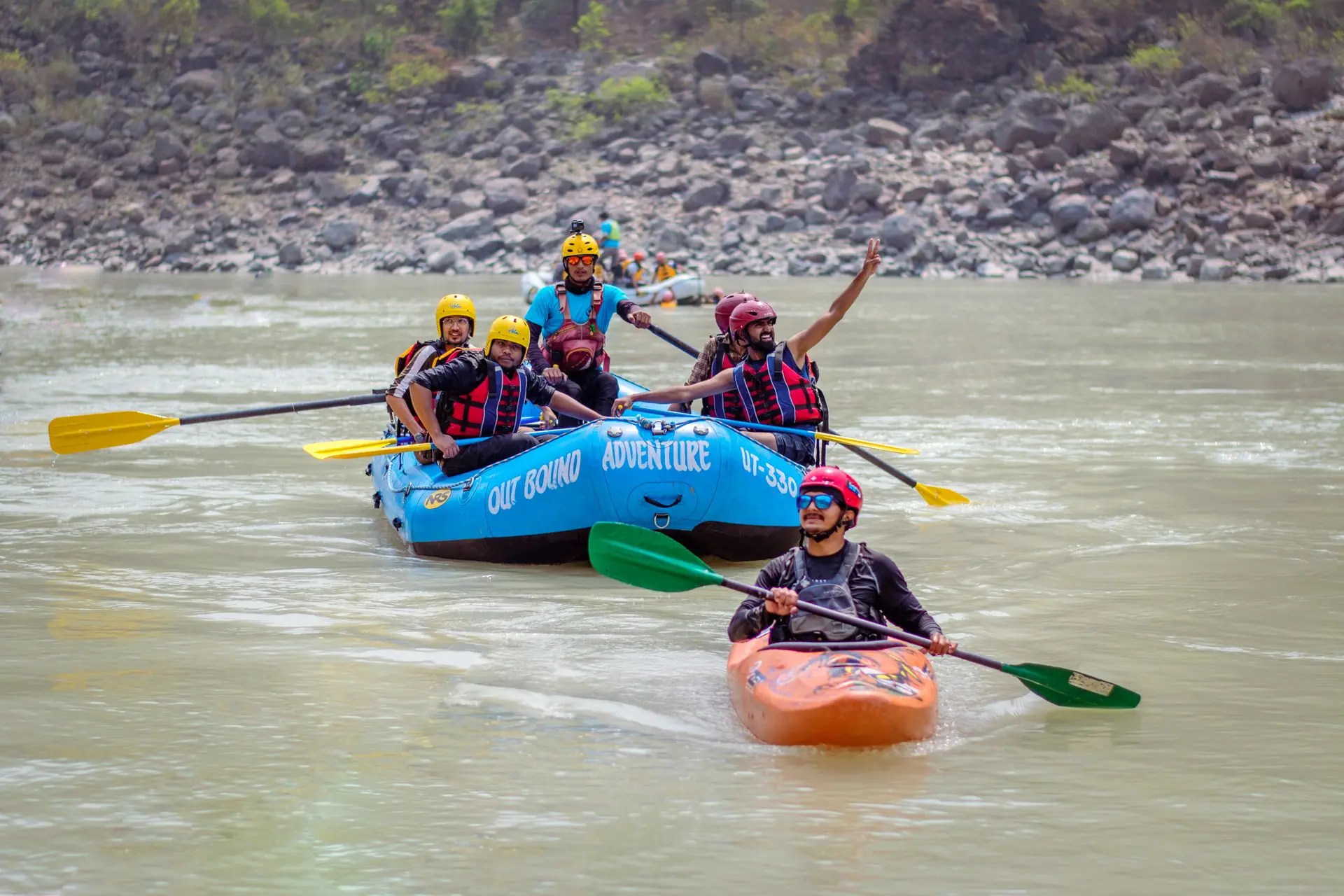
Adventure
6 experiences
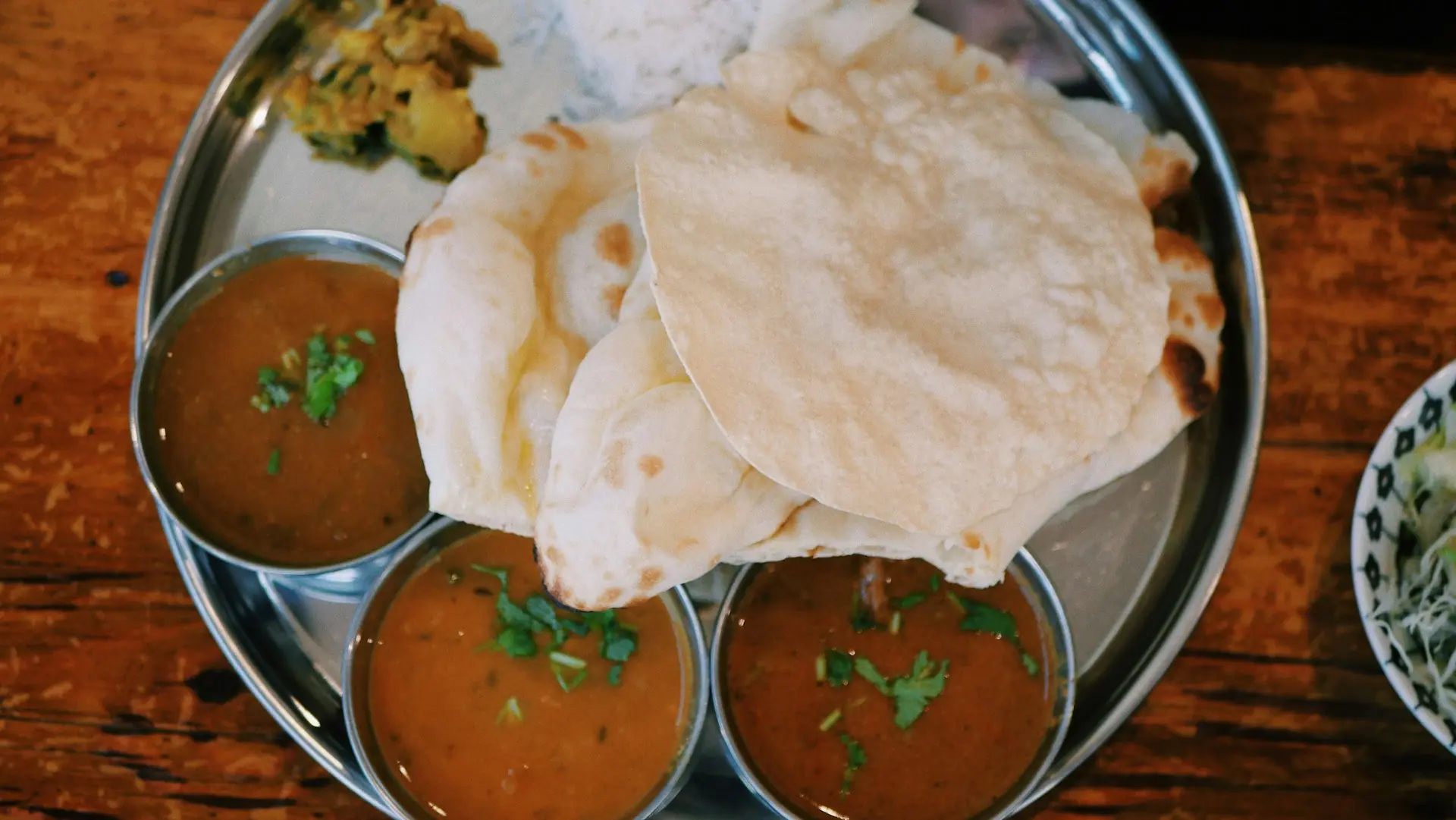
Culinary
5 experiences
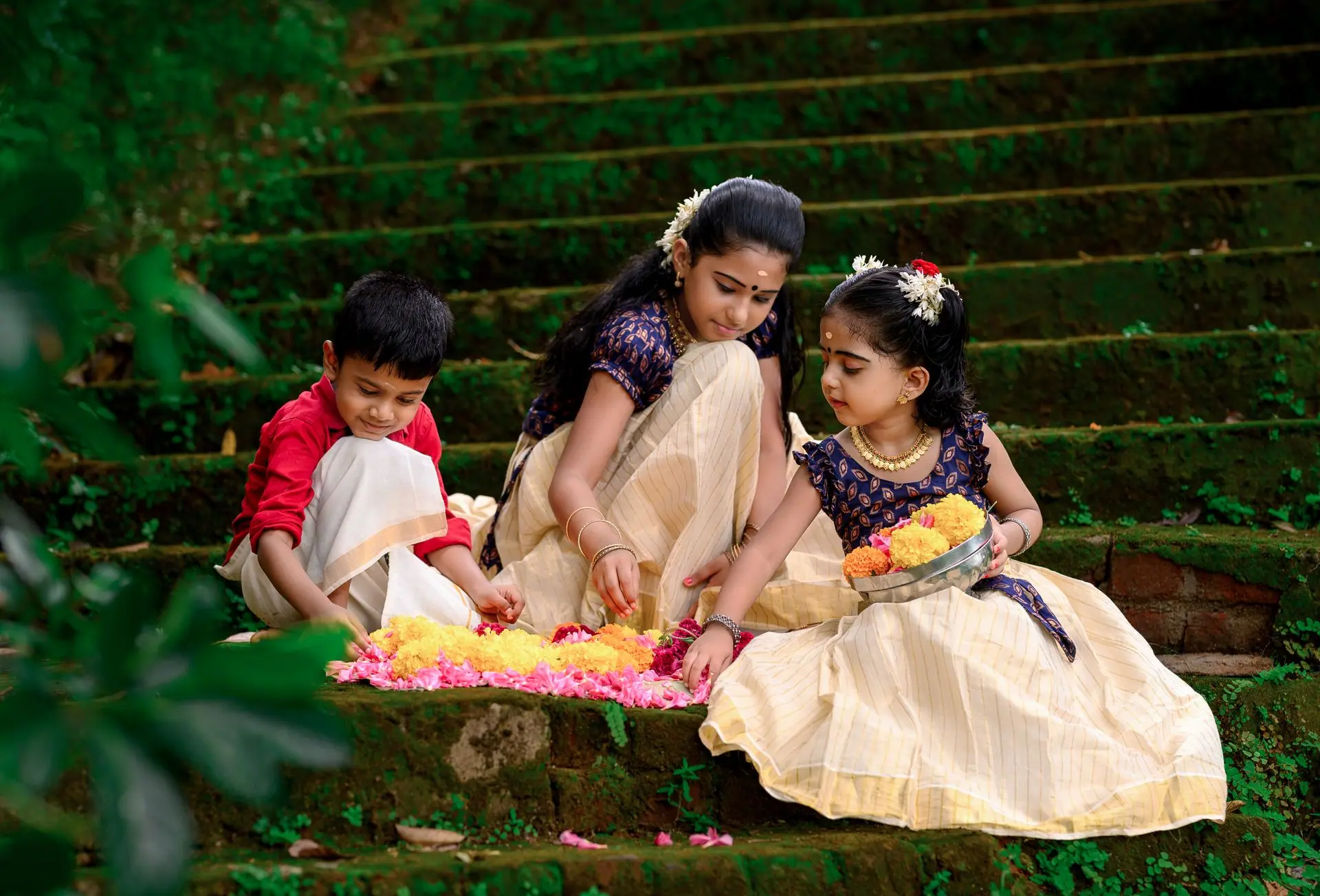
Festivals
8 experiences
Performing Arts
5 experiences

Luxury Trains
4 experiences
Houseboats
3 experiences
Toy Trains & Railways
1 experience
Village & Tribal Tourism
2 experiences
Glamping & Desert
1 experience
Honeymoon & Romance
3 experiences
VIP & Luxury
2 experiences
Plan a trip
Tailor-made quote from a specialist