
Agra Travel Guide: The Taj Mahal, Mughal Tombs and How to Plan Your Days
Agra, on the Yamuna in Uttar Pradesh, was a Mughal capital and holds three UNESCO World Heritage Sites: the Taj Mahal, Agra Fort and Fatehpur Sikri. The main places to visit in Agra fit into one full day and a night, or two days with the riverside tombs, Akbar's tomb at Sikandra and Mehtab Bagh. The Taj closes on Fridays; come between October and March.
By Gurudutt Kaushal · Reviewed by Gurudutt Kaushal · Updated 21 Oct 2026
See all 10 tours and experiences in Agra →
Government-approved operatorApproved by the Ministry of Tourism, Government of India
Places to visit in Agra
Things to do in Agra
See the Taj by moonlight: the Archaeological Survey of India opens it on the full-moon night and the two nights either side, except on Fridays and during Ramzan, to small timed batches booked in advance, and our Taj Mahal moonlight viewing handles the booking; the Taj is seen from a distance. Watch the sunset from Mehtab Bagh, and time a February trip for Taj Mahotsav, UP Tourism's festival of art, craft, culture and food. Beyond the city, migratory birds gather at Sur Sarovar in Keetham, and the National Chambal Sanctuary is home to Gangetic dolphins and crocodiles. Guided versions are on our Agra tours and experiences page.
Best time to visit Agra
How to reach Agra
How many days in Agra
Getting around and visiting tips
Why book with Experience My India
Government-approved operator
Approved by the Ministry of Tourism, Government of India
500+ vetted local guides
35+ destination specialists plan every trip by hand.
Human help, every day
Mon–Sun, 9:00 AM – 9:00 PM IST · +91 73022 65809
No payment until you approve
You receive a written quote first; nothing is charged to start planning.
Frequently asked questions
Is Agra worth visiting?
Yes, and for more than one building. Agra holds three World Heritage Sites, the Taj Mahal, Agra Fort and Fatehpur Sikri, and behind them sit tombs and gardens that see far fewer visitors: the Baby Taj, Chini ka Rauza, Ram Bagh, Mehtab Bagh and Akbar's tomb at Sikandra. It is close to Delhi by expressway and fast train, and it forms the Golden Triangle with Delhi and Jaipur.
What is Agra famous for?
The Taj Mahal first, and then its Mughal past: the city was a Mughal capital, and Agra Fort and Fatehpur Sikri are both World Heritage Sites. It is also known for the marble and soft-stone inlay work its craftsmen still make, for leather goods, and for its sweets, above all petha, a translucent sweet made from ash gourd, and gajak.
Do you need a separate ticket to go inside the Taj Mahal's mausoleum?
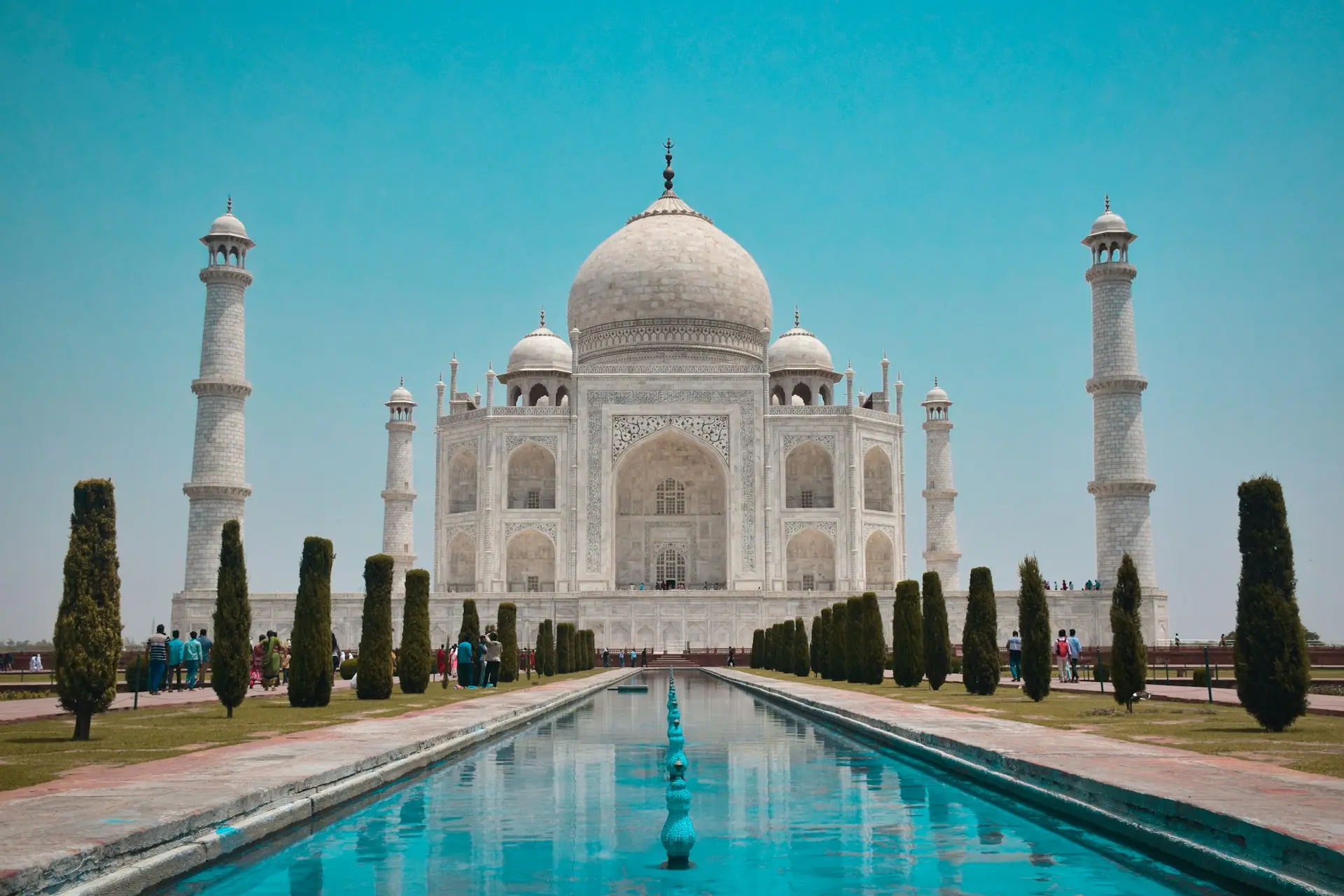
Yes. Entry to the main mausoleum is an optional additional ticket on top of the entry ticket, and both are sold online through the Archaeological Survey of India and at the Eastern and Western Gates. Photography is not allowed inside the mausoleum. Rates and rules change from time to time, so check them on the ASI's ticketing portal before your visit.
Which gate of the Taj Mahal should you use?
Either the Eastern or the Western Gate: both have ticket windows and cloakrooms. Cars cannot come within 500 m of the monument, so you leave the car at the Shilpgram parking near the Eastern Gate or at the Western Gate parking and ride a free battery bus or a paid golf cart to the gate. Wheelchairs are available at the entry gates.
Where can you see the Taj Mahal from across the river?
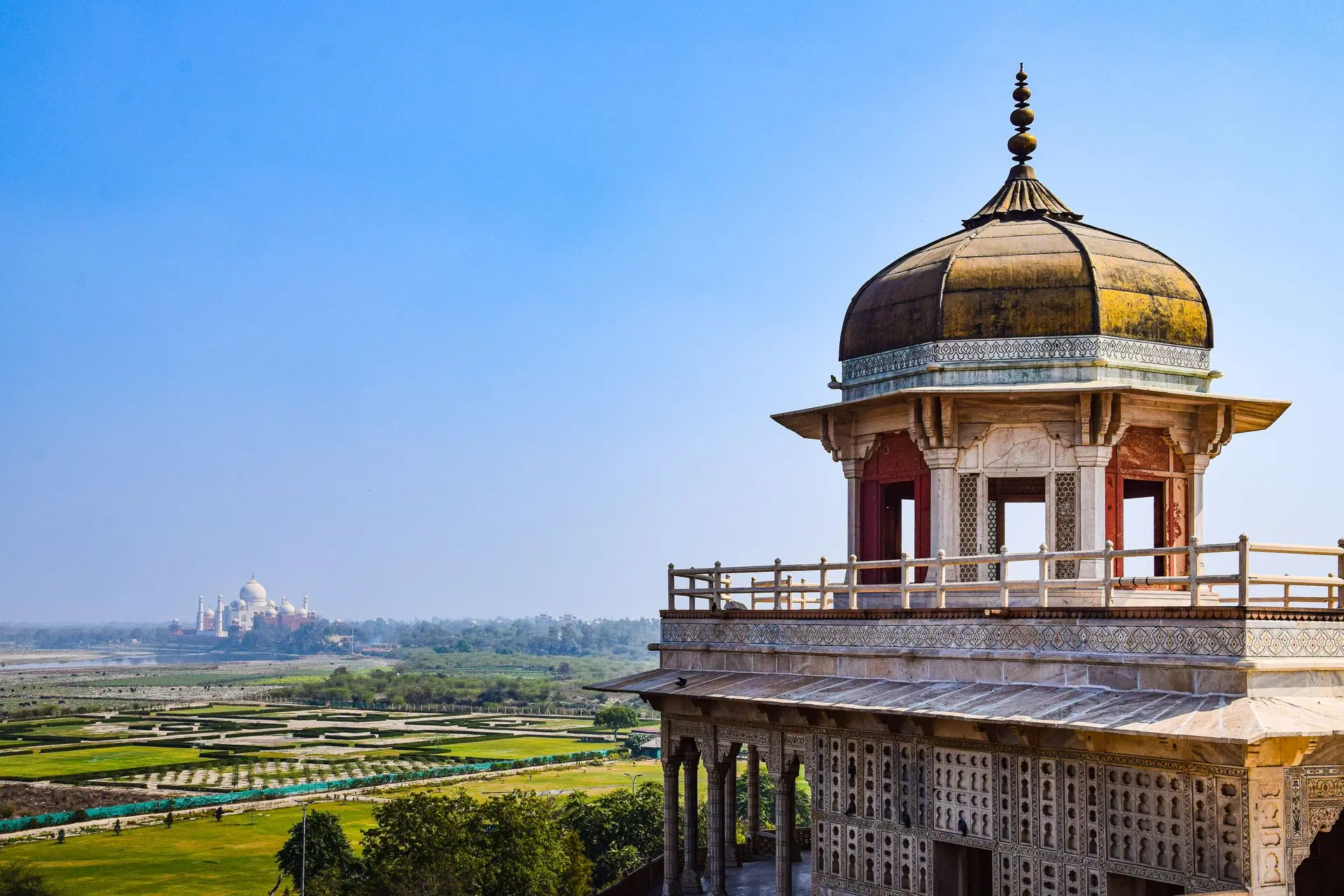
From Mehtab Bagh, the Mughal garden on the far bank of the Yamuna, laid out directly opposite the Taj. The district administration rates it the best viewpoint, especially at sunset, and it is open every day, including Fridays, when the Taj itself is closed. From Agra Fort, the Musamman Burj also looks down the river to the Taj.
What is the Baby Taj?
The Baby Taj is the tomb of Itimad-ud-Daulah, built by Empress Nur Jahan for her father between 1622 and 1628. It was the first Mughal building faced entirely in white marble and the first to use pietra dura inlay extensively, so it is seen as a forerunner of the Taj Mahal. It stands across the Yamuna, about 4 km from Agra Fort.
Is there fog in Agra in winter?
Sometimes. IMD's 1991–2020 table for Agra counts about five foggy days in January and between four and five in December, and IMD warns that dense fog over Uttar Pradesh in late December can disrupt airports, highways and railway routes. If a sunrise at the Taj matters to you, leave a spare morning in December or January, and allow extra time for trains.
What food is Agra known for?
Petha, the translucent ash-gourd sweet sold all over the city, is Agra's best-known food, and UP Tourism also lists gajak, the salty snack dalmoth, kebabs and korma. Petha keeps well, so it is the usual edible souvenir. For a Mughlai meal, the kebab and korma tradition is the one to look for.
Tour packages in Agra
See all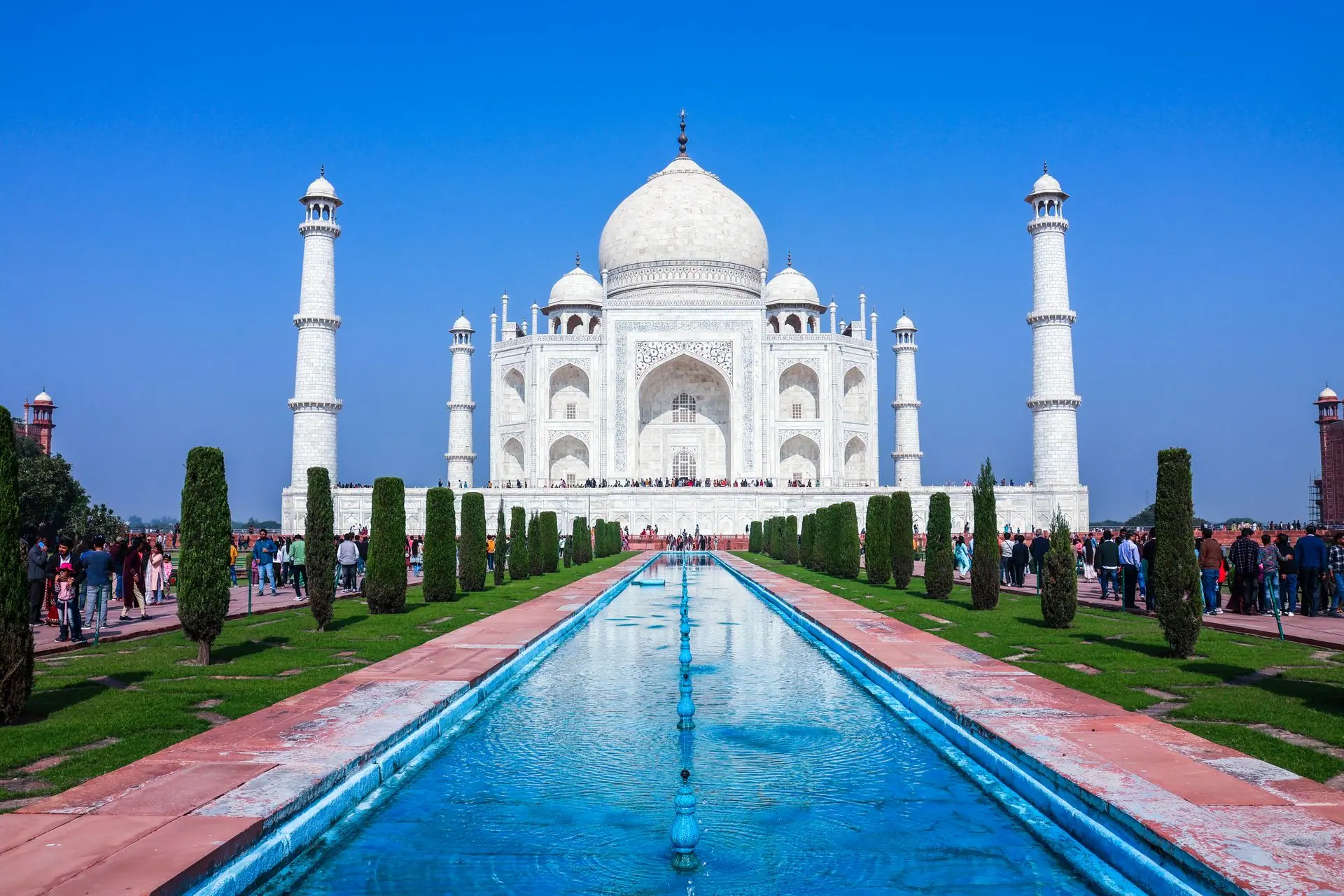
Taj Mahal
Taj Mahal sunrise tour
Private guide and vehicle
Price on request
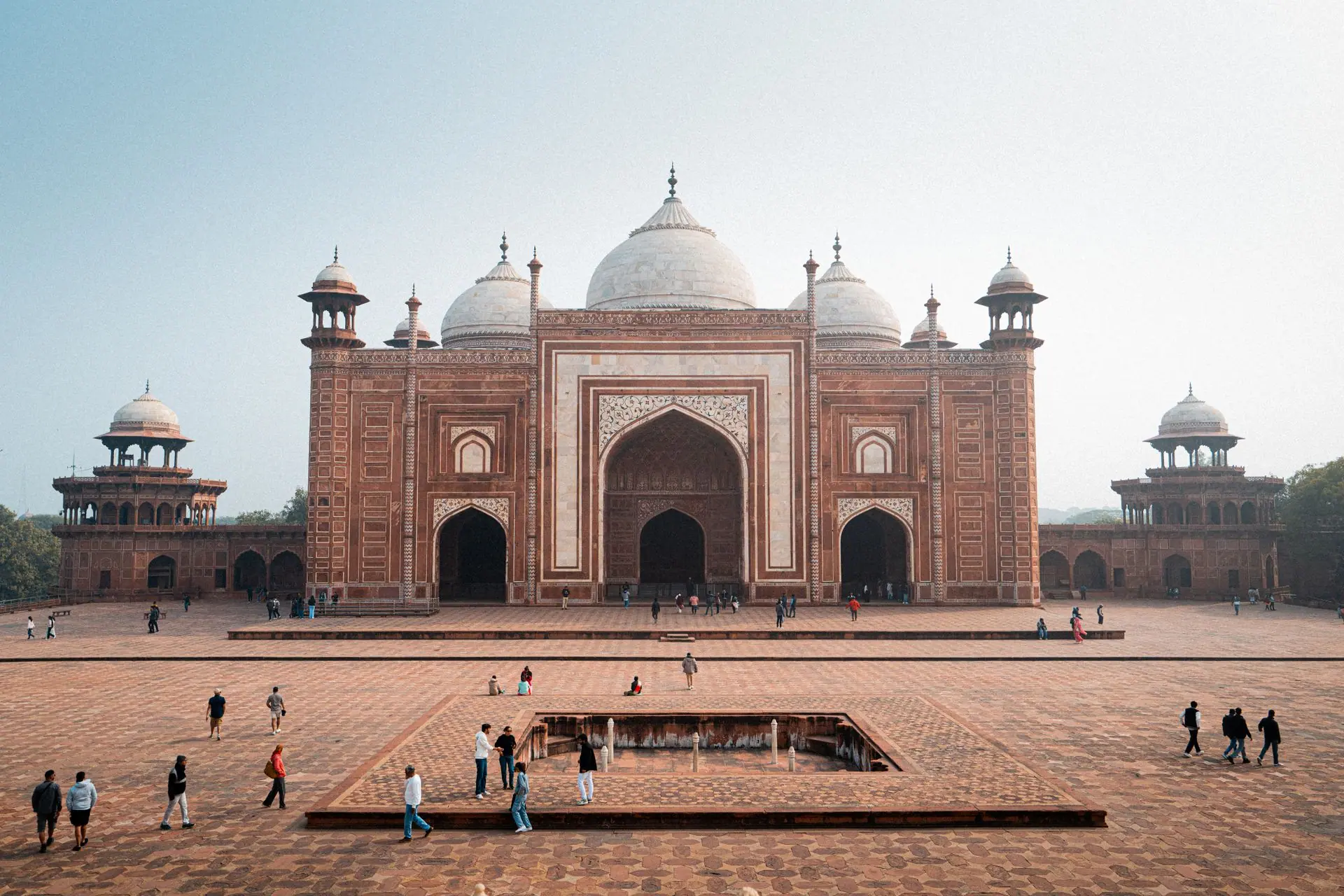
Delhi-Agra-Jaipur Golden Triangle
Golden Triangle tour: Delhi, Agra and Jaipur
Private guide and vehicle
Price on request
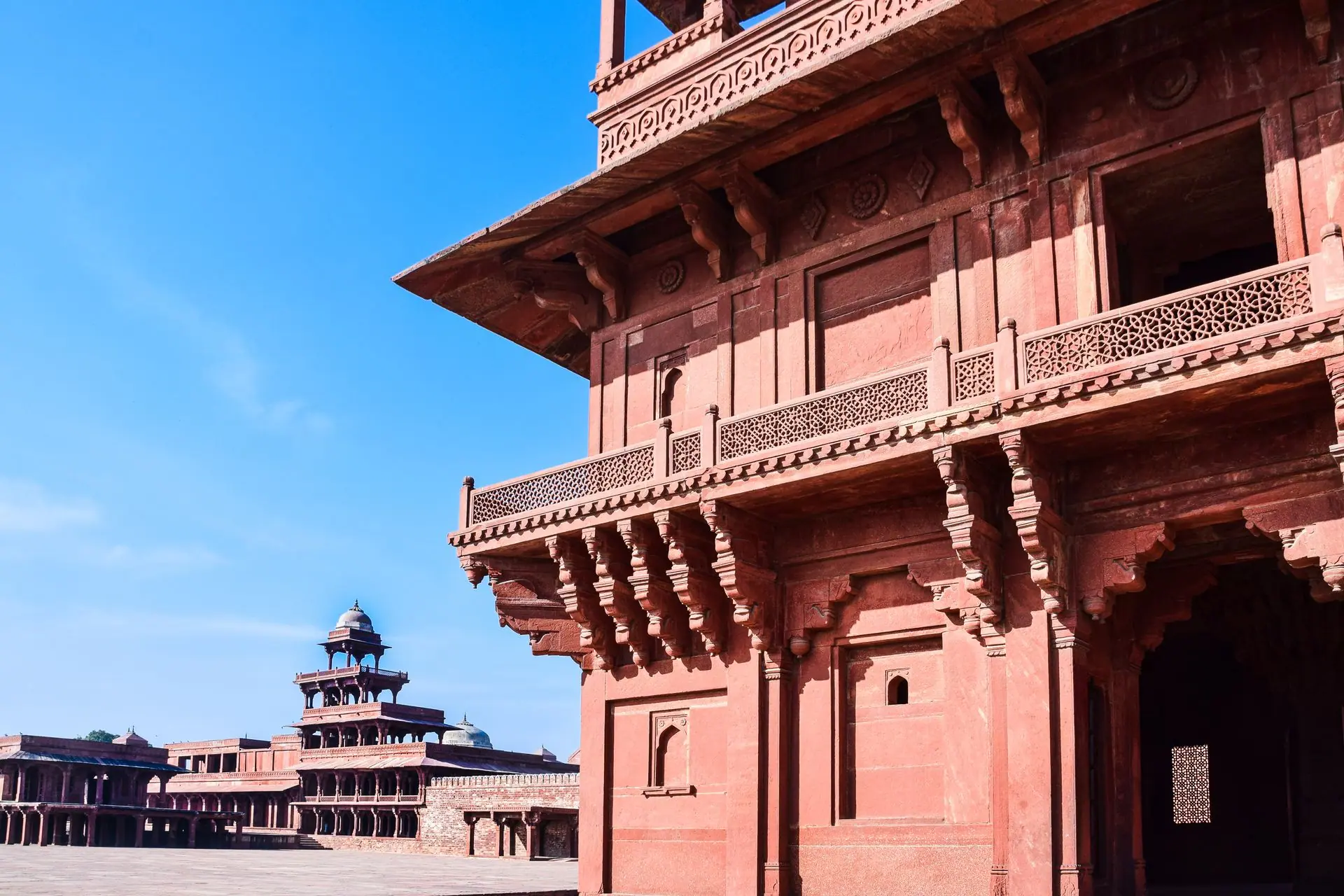
Fatehpur Sikri
Fatehpur Sikri day trip
Private guide and vehicle
Price on request
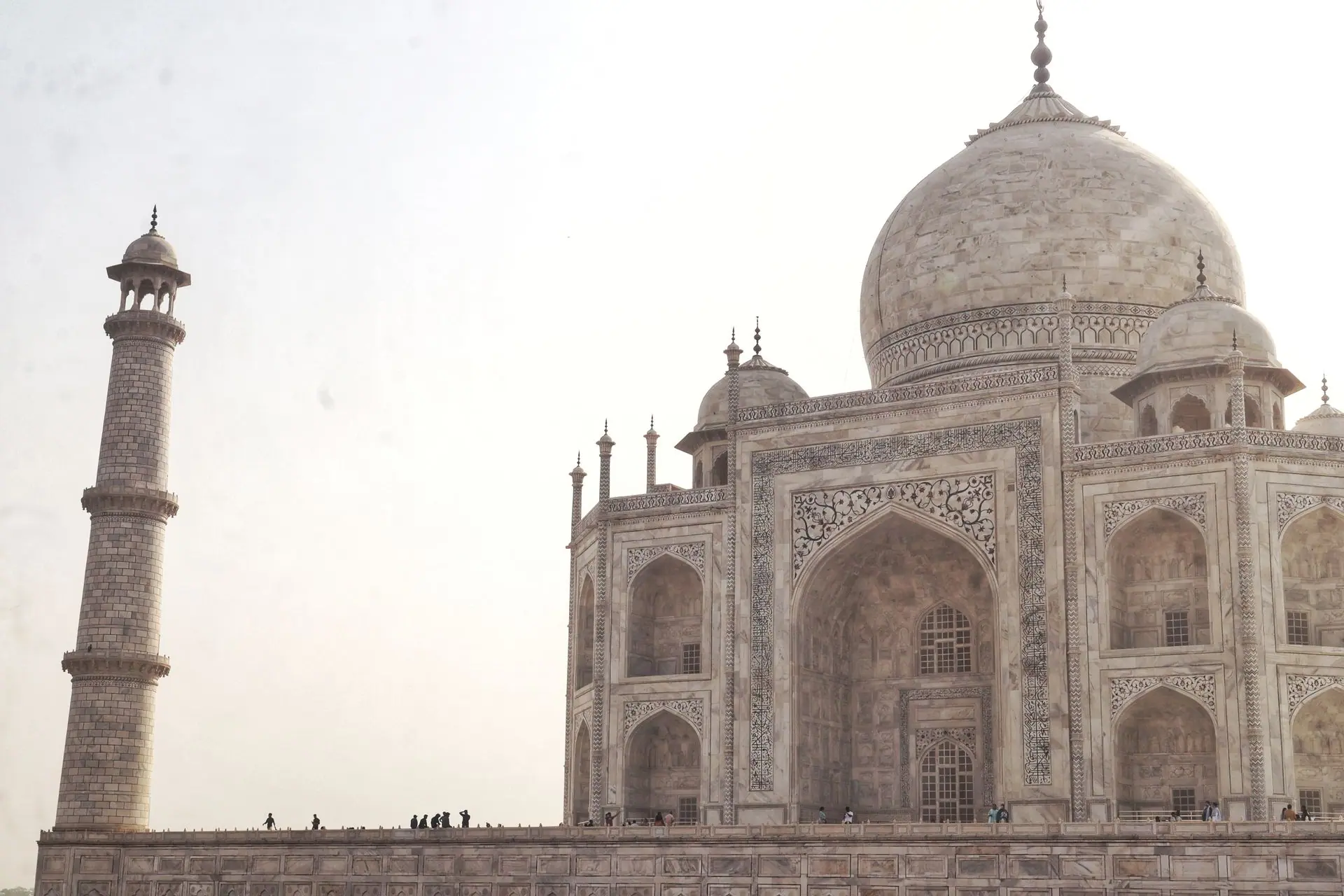
Agra
Agra day trip from Delhi
Private guide and vehicle throughout
Price on request
Fatehpur Sikri
Fatehpur Sikri from Agra
Private guide and vehicle
Price on request
Golden Triangle
Golden Triangle with kids
Private guide and vehicle throughout
Price on request
Golden Triangle Tour — 6 days
Golden Triangle Tour — 6 days, Delhi, Agra and Jaipur
6 days / 5 nights • Private guide and vehicle
Price on request
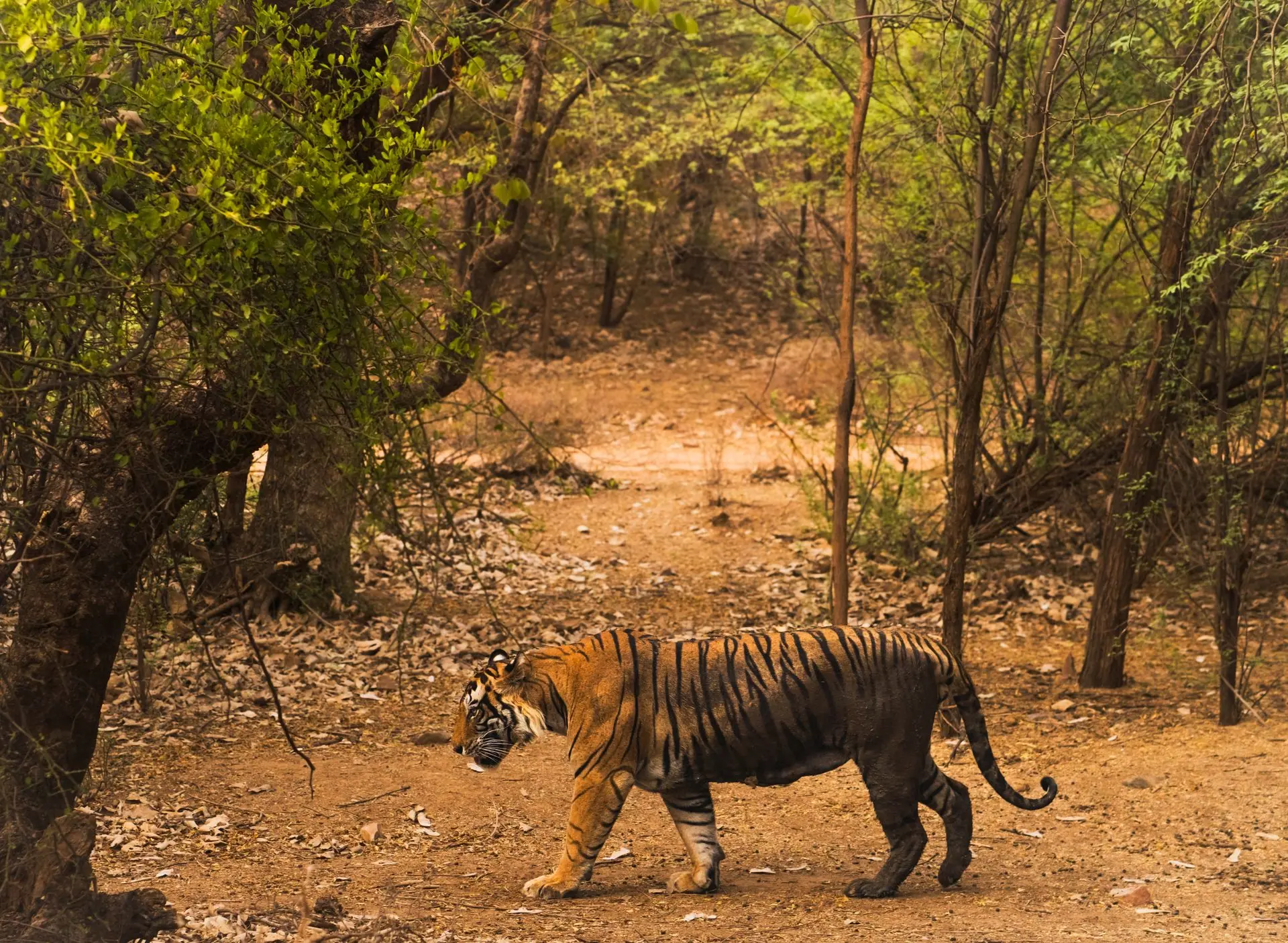
Tiger Safari and Taj Mahal — 7 days
Tiger Safari and Taj Mahal — 7 days
7 days / 6 nights • Private guide and vehicle
Price on request
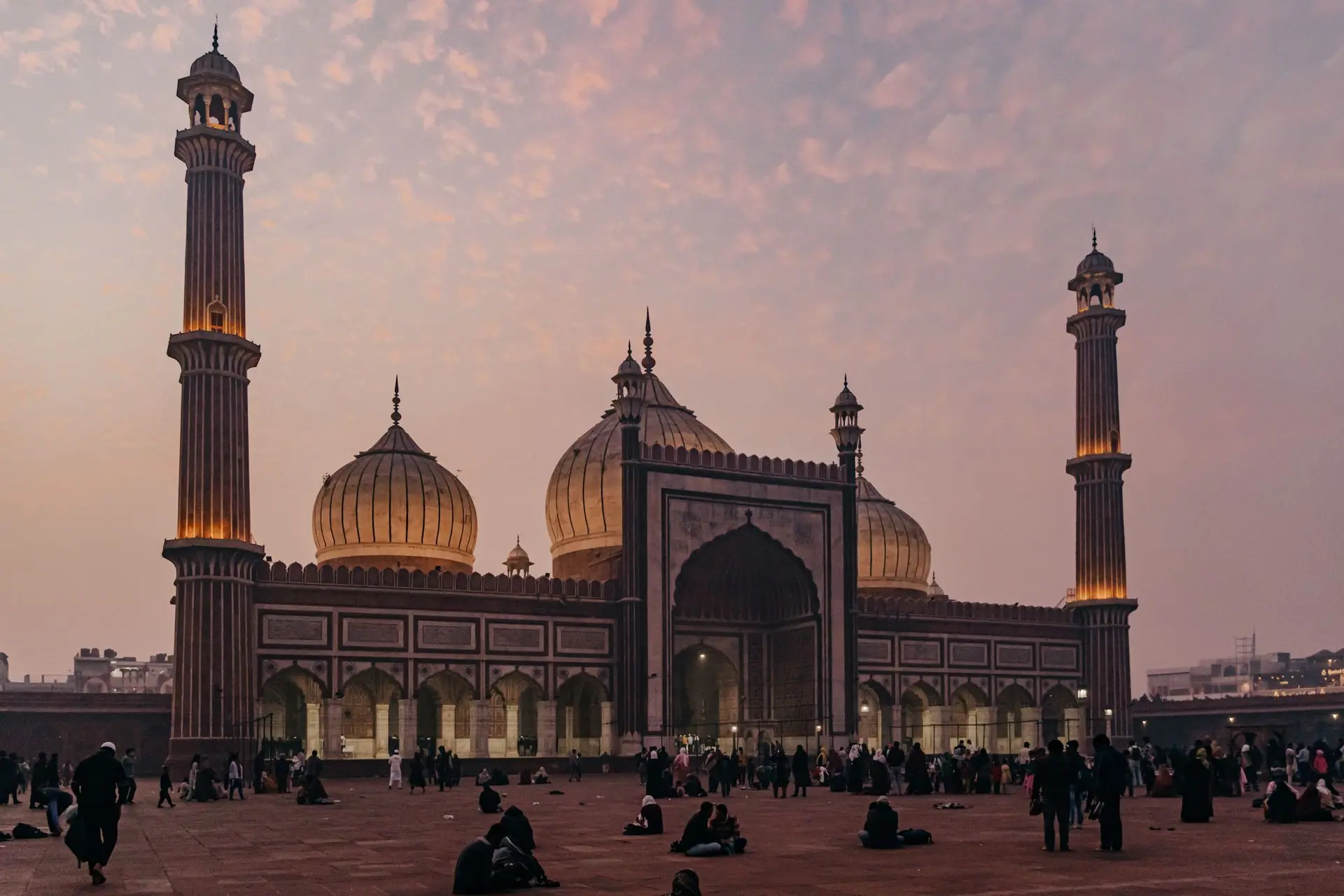
10 Days Delhi Agra Jaipur with Golden Temple Tour
10 Days Delhi Agra Jaipur with Golden Temple Tour
10 days / 9 nights • Private guide and vehicle
Price on request
Experiences in Agra
See all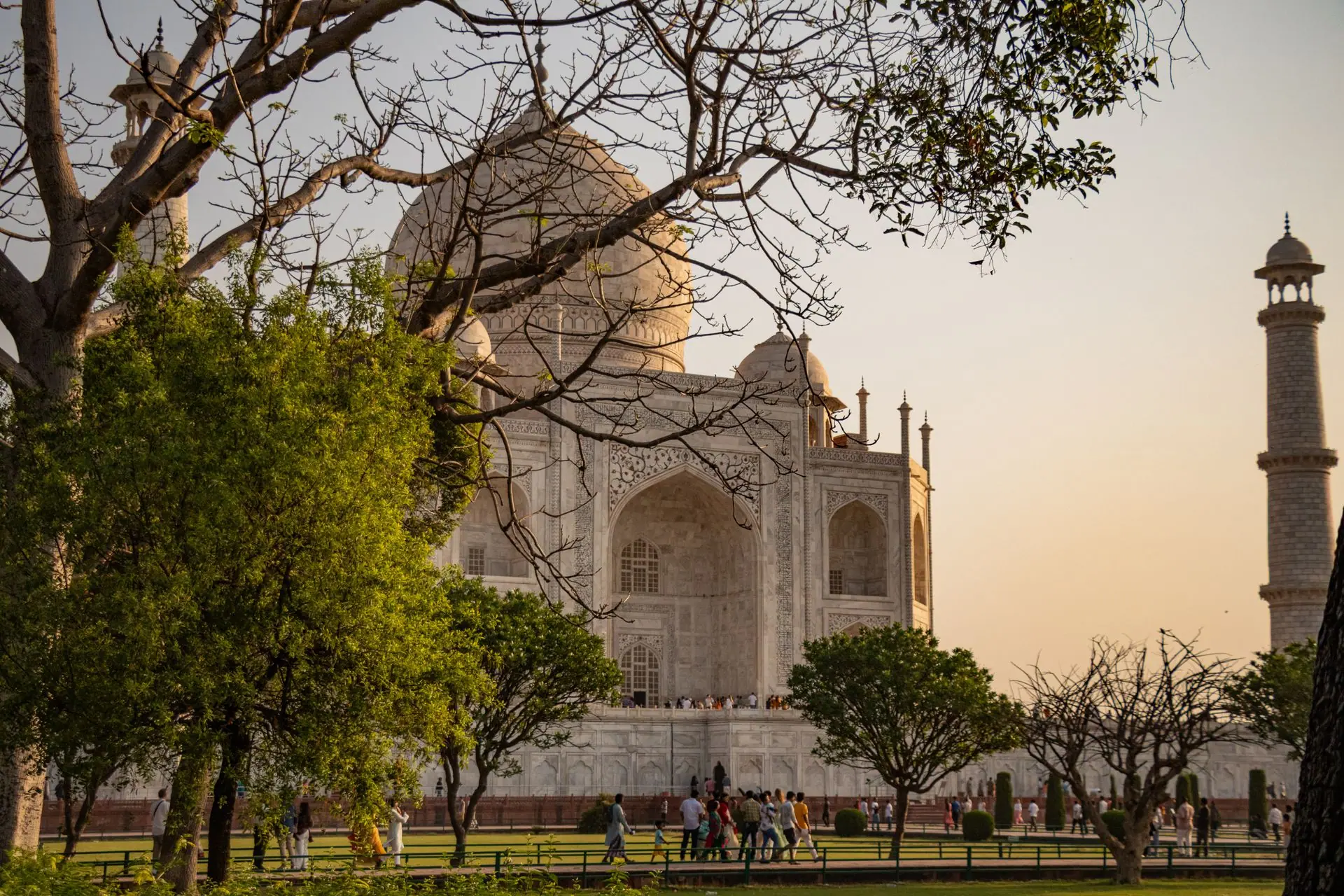
Taj Mahal
Taj Mahal moonlight viewing
Price on request
More places in Uttar Pradesh
See all
Related guides
Destinations
Taj Mahal Tickets: Fees, How to Buy Them and the ASI's Rules
From the journal: Agra
Journal
The Timeless Beauty of the Taj Mahal Agra
Journal
Top 7 Tourist Spot Near Agra – A Complete Guide
Journal
Experience the Timeless Beauty with Taj Mahal Agra Tours
Journal
Delhi to Agra Tour Package: Your Perfect Day Out
Journal
Places to Visit Near Agra: A Journey Beyond the Taj Mahal
Journal
Agra Tour Package from Delhi: Gateway to History and Culture
Journal
Sadar Bazaar: Your Ultimate Shopping Destination in Agra
Journal
Mehtab Bagh: The Mughal Garden of Serenity by the Yamuna
Journal
Akbar Tomb in Sikandra: A Testament to Mughal Art and Vision
Journal
Chini Ka Rauza: The Fascinating Tomb of Allama Afzal Khan in Agra
Journal
Taj Mahal: A Love Story in Marble
Journal
Fatehpur Sikri: Exploring Akbar’s Abandoned Capital
Customer reviews
Experience My India is rated 4.3 on Tripadvisor. We publish guest reviews after each trip.
Plan a trip
Tailor-made quote from a specialist