
Best Time to Visit Delhi: Month by Month
The best time to visit Delhi is October to March, according to Delhi Tourism, but winter has two catches. IMD normals show fog on about 19 days in December and 22 in January, and on the bulletins sampled from November to January the city's air was Poor or worse every time. March brings mild days and clearer air; April to June is hot.
By Experience My India Editorial Team · Reviewed by Experience My India Editorial Team
See all 6 tours and experiences in Delhi →
Government-approved operatorApproved by the Ministry of Tourism, Government of India
Delhi's seasons at a glance
Delhi Tourism recommends October to March. The India Meteorological Department's (IMD) 1991–2020 normals for the Safdarjung observatory show why, and where the catches lie. The mean daily maximum rises from 20.1°C in January to 39.9°C in May, and of the year's 762 mm of rain most falls in July and August. The IMD gives the monsoon a normal onset in Delhi on 27 June and a normal withdrawal on 25 September, and it calls April to June the Hot Weather Season. Air quality adds a second calendar, because winter smog does not follow the temperature: the Central Pollution Control Board (CPCB) publishes a daily bulletin, and the section after the months shows what it said on the days we sampled.
Month by month
Winter air quality in Delhi
Planning around the seasons
Why book with Experience My India
Government-approved operator
Approved by the Ministry of Tourism, Government of India
500+ vetted local guides
35+ destination specialists plan every trip by hand.
Human help, every day
Mon–Sun, 9:00 AM – 9:00 PM IST · +91 73022 65809
No payment until you approve
You receive a written quote first; nothing is charged to start planning.
Frequently asked questions
What is the best month to visit Delhi?
March gives mild days of about 30°C, much less fog than December or January (3.5 days against 19 and 22), and air that on the bulletins sampled had begun to improve. October is the other choice, warm but dry. Delhi Tourism's season is October to March, but between November and January the sampled air was Poor or worse every time.
Is Delhi too hot to visit in summer?
April to June is the Hot Weather Season, with average daily maximums of 36.5°C in April, 39.9°C in May and 39.0°C in June, and the IMD issues heatwave warnings for Delhi. You can still sightsee if you start at sunrise and stop around midday, and May has thunderstorms on about six days.
When does the monsoon reach Delhi, and does it disrupt a visit?
The IMD's normal onset is 27 June and the normal withdrawal 25 September. July and August are the wettest months, with about 196 and 227 mm of rain on nearly ten rainy days each, so expect rain on roughly one day in three, with humid days of 34 to 36°C.
When is Delhi's air quality worst?
From late October through February on the bulletins sampled. Delhi was Very Poor or Severe on 20 of the 23 bulletins from 1 November 2025 to 31 January 2026 and Poor on the rest, and both February bulletins were Poor. Three of four March bulletins were Moderate, and from April to September they were Moderate or Satisfactory.
Does Delhi get cold?
Yes, at night and in the early morning. The IMD's January normals are 20.1°C for the daytime maximum and 7.5°C for the night minimum, and December nights average 8.4°C. Pack a warm layer for mornings and evenings, and expect fog on about two days in three in January.
Is December a good time to visit Delhi?
For comfortable days, yes: the average maximum is about 23°C. But fog is on 19 days of the month and can disrupt flights, trains and roads, and every bulletin sampled in December was Very Poor. If your dates are fixed, plan indoor stops and generous connections.
Tour packages in Delhi
See all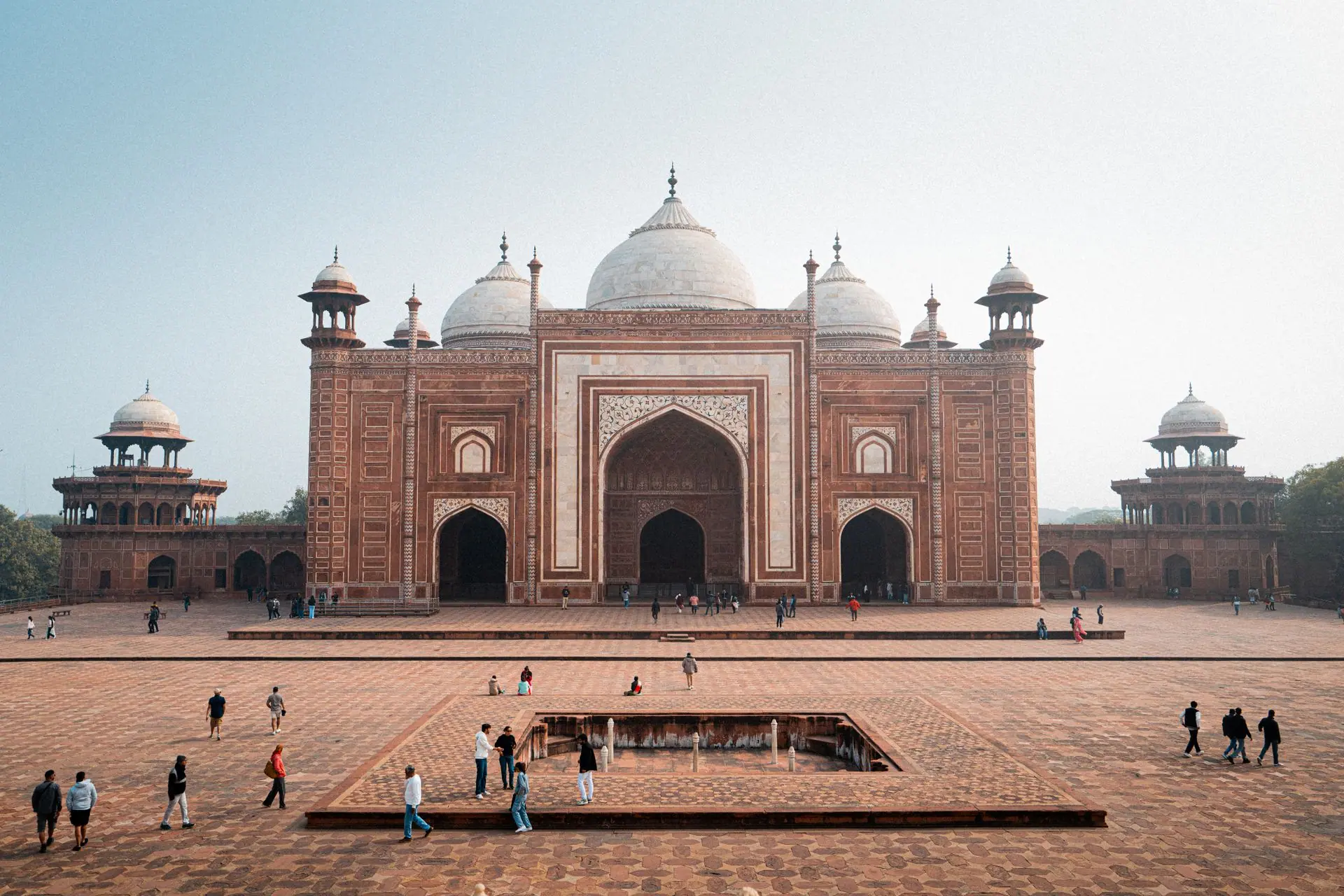
Delhi-Agra-Jaipur Golden Triangle
Golden Triangle tour: Delhi, Agra and Jaipur
Private guide and vehicle
Price on request
Golden Triangle
Golden Triangle with kids
Private guide and vehicle throughout
Price on request
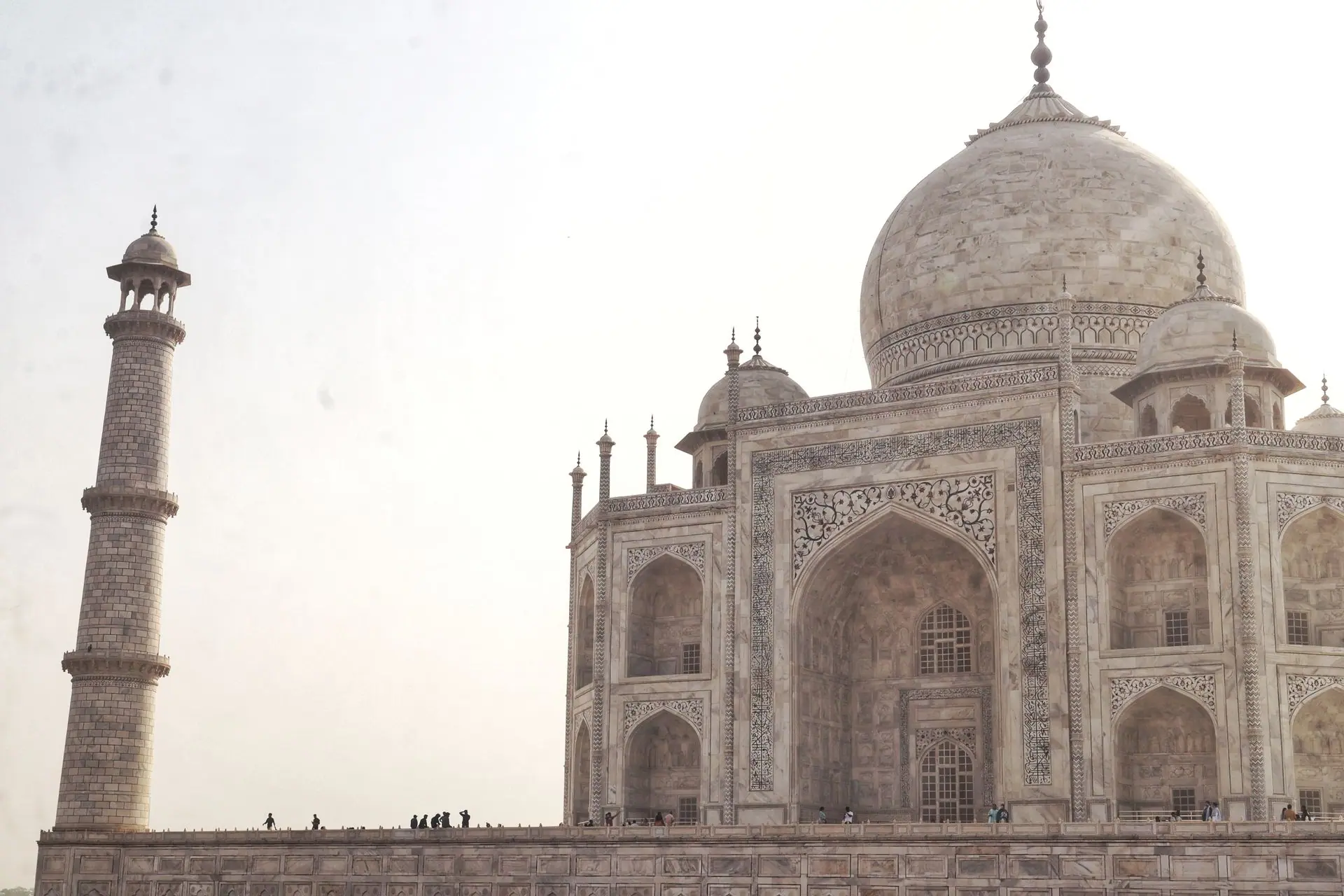
Golden Triangle Tour — 6 days
Golden Triangle Tour — 6 days, Delhi, Agra and Jaipur
6 days / 5 nights • Private guide and vehicle
Price on request
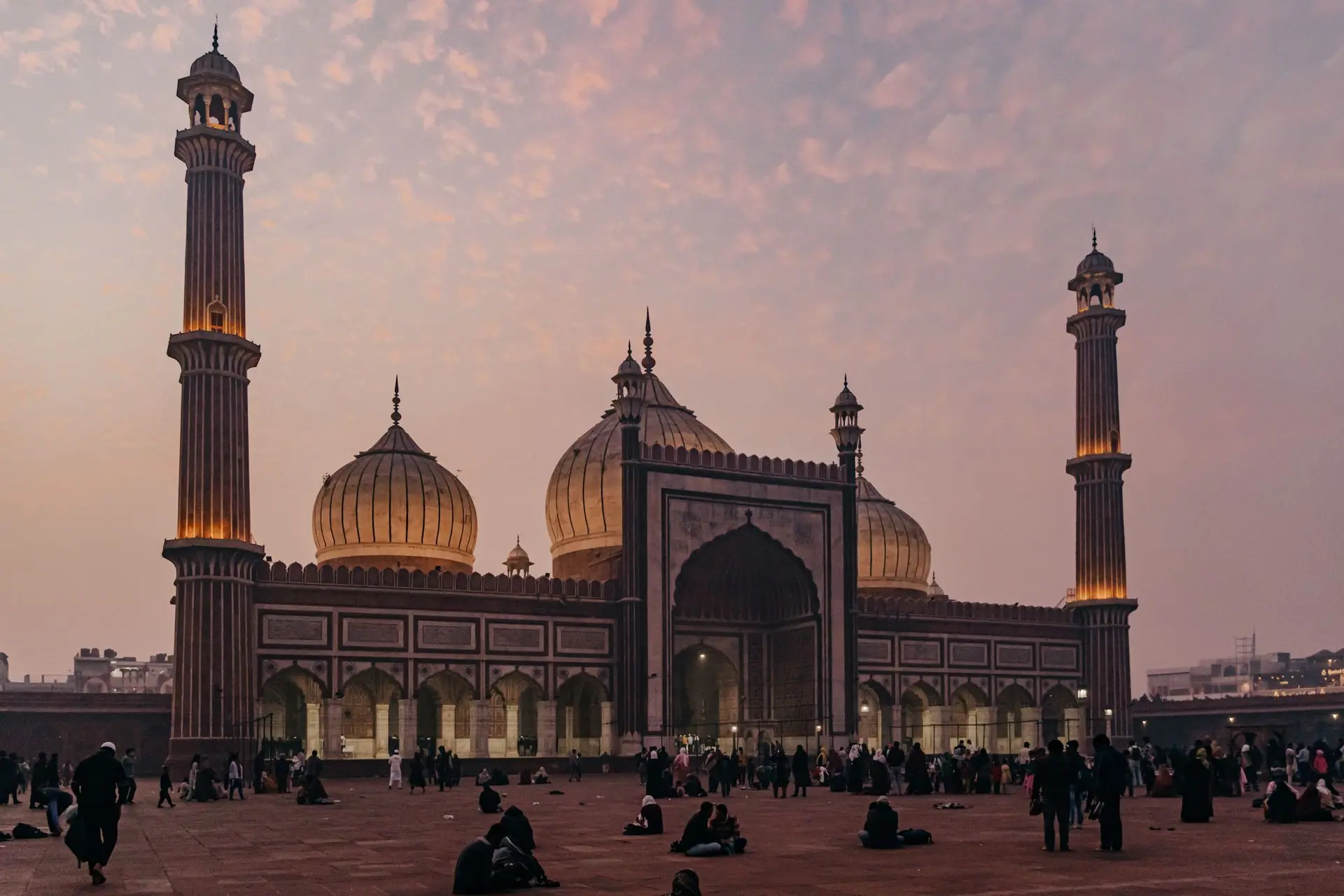
10 Days Delhi Agra Jaipur with Golden Temple Tour
10 Days Delhi Agra Jaipur with Golden Temple Tour
10 days / 9 nights • Private guide and vehicle
Price on request
Experiences in Delhi
See all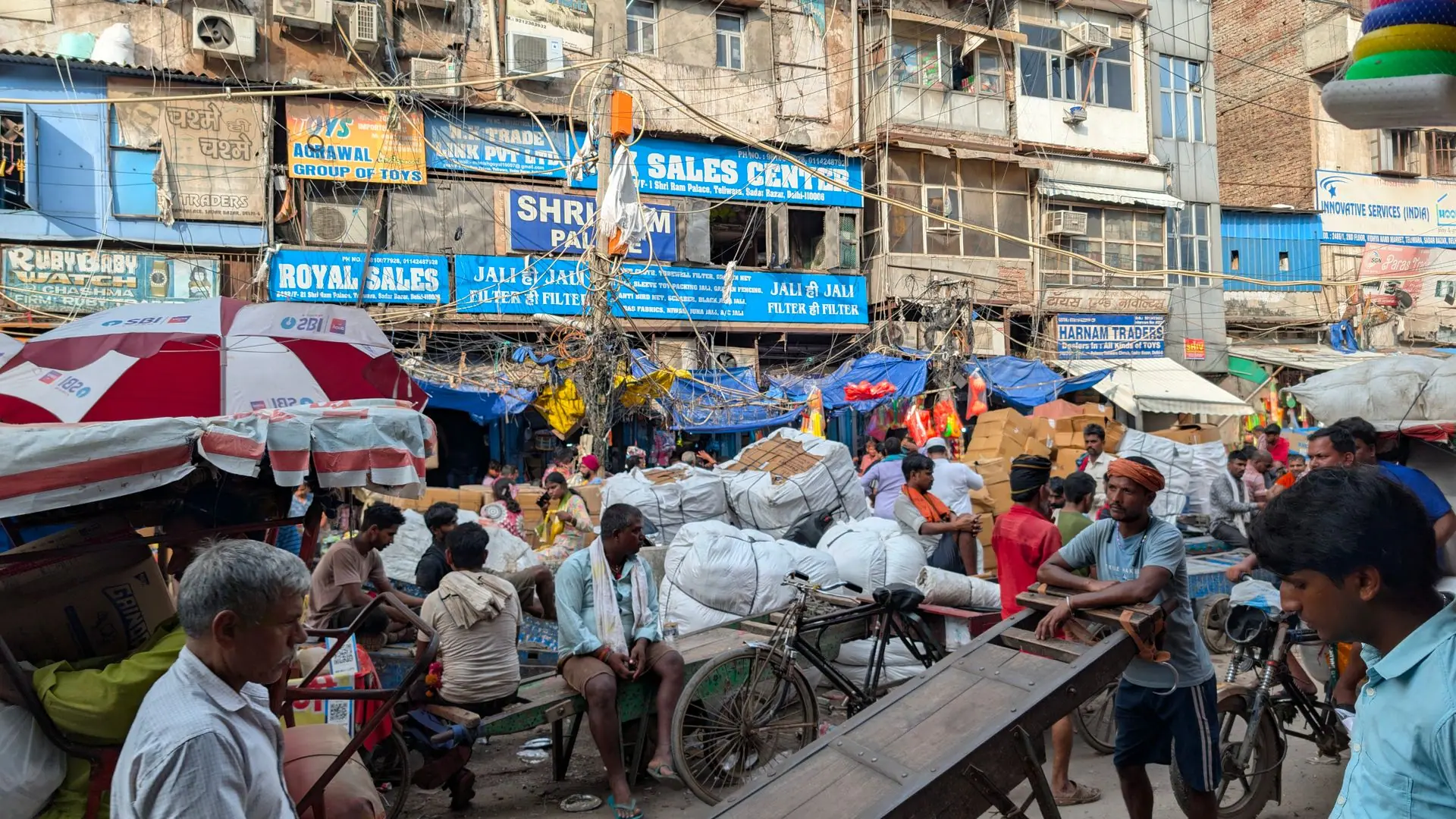
Old Delhi
Old Delhi heritage walk
Private guide and vehicle
Price on request

Old Delhi
Old Delhi street food walk
Private guide, no set group
Price on request
More places in Delhi
See all
From the journal: Delhi
Journal
Best Weekend Getaways from Delhi
Journal
Best Travel Agency in Delhi
Journal
How to Plan a South India Trip From Delhi
Journal
Top 10 Places to Visit Near Delhi for the Weekend
Journal
10 Must Visit Hill Stations Near Delhi
Journal
Top 5 Hill Station Near to Delhi – Your Perfect Escape to the Mountains
Journal
Delhi Day Tour – Same Day Delhi Tour Plan
Journal
Southern Travels Packages from Delhi – Your Gateway to South India’s Wonders
Journal
Must Visit Top 5 Hill Stations Near Delhi
Journal
Exploring the Treasures of Northern India: A Captivating 2 Days Tour from Delhi
2 days
Journal
Discover the Best Hill Stations near Delhi for a Perfect Getaway
Journal
The significance of Akshardham Temple in Delhi
Customer reviews
Experience My India is rated 4.3 on Tripadvisor. We publish guest reviews after each trip.
Plan a trip
Tailor-made quote from a specialist