
Ajanta & Ellora Caves Travel Guide: The Caves, Opening Days and a Two-Day Plan
The Ajanta & Ellora caves are two World Heritage rock-cut sites north of Chhatrapati Sambhajinagar, the former Aurangabad, in Maharashtra. Ellora, about 30 km out, sets Buddhist, Hindu and Jain caves around the Kailasa temple; Ajanta, about 107 km out, holds Buddhist halls with ancient wall paintings. Give each site its own day: Ajanta closes on Mondays, Ellora on Tuesdays.
By Experience My India Editorial Team · Reviewed by Experience My India Editorial Team
See all 1 tour or experience in Ajanta & Ellora Caves →
Government-approved operatorApproved by the Ministry of Tourism, Government of India
Places to visit in Ajanta & Ellora
Things to do in Ajanta & Ellora
A visit here is mostly walking and looking, one site a day, ideally with a guide who can explain the carvings and murals. The guided ways to do it are on our Ajanta and Ellora tours and experiences page, and our packages are on the Ajanta & Ellora Caves tour packages page.
Best time to visit Ajanta & Ellora
How to reach Ajanta & Ellora
- By air: Chhatrapati Sambhajinagar Airport, the city's airport under its new name in the Airports Authority of India's listing.
- By train: Chhatrapati Sambhajinagar station, on South Central Railway, has direct trains from Mumbai CSMT, among them the Jalna–Mumbai Vande Bharat Express.
- By road: from the city, Ellora is about 31 km and Ajanta about 103 km by road, by Maharashtra Tourism's figures, and buses and taxis run to both.
Signs, maps and the ASI's own pages may still say Aurangabad; it is the same city. If you are starting in Mumbai, our Mumbai travel guide covers that end of the trip, and the Maharashtra travel guide the rest of the state.
How many days at Ajanta & Ellora
Two full days, one for each site, is the realistic minimum; a third adds Daulatabad, Grishneshwar and Bibi ka Maqbara.
- Day 1: Ellora, the nearer site, starting with the Kailasa, then Grishneshwar in the late afternoon.
- Day 2: Ajanta, leaving early for the longer drive.
- Day 3: Daulatabad in the cool of the morning and Bibi ka Maqbara in the afternoon.
Fit the order to the closures: a Monday is an Ellora day and a Tuesday an Ajanta day. Our Ajanta and Ellora caves from Aurangabad package follows this plan, Ellora first and Ajanta second, with a private guide and vehicle for both days and a driver throughout; monument entry tickets are paid separately.
Hours, tickets and tips
- Hours: the ASI opens Ajanta from 9 am to 5 pm, closed on Mondays, and Ellora from sunrise to sunset, closed on Tuesdays.
- Tickets: pay at the site's ticket counter or online; the ASI lists both ways to pay.
- Audio guides: Ajanta has them in English, French, Spanish, German, Italian, Hindi and Bangla; ask near the ticket counter.
- On foot: each site means hours of walking on uneven stone, and Ajanta's caves are cut into a cliff above the stream, so expect steps. Wear shoes with grip and carry water.
- Photography: check the rules at the counter or with your guide before taking pictures inside the caves.
Where to stay
Chhatrapati Sambhajinagar is the usual base: it has the airport and the railway station, and the roads to both sites start there. Two or three nights in the city let you take Ellora and Ajanta on separate days and fit in Daulatabad and Bibi ka Maqbara.
Why book with Experience My India
Government-approved operator
Approved by the Ministry of Tourism, Government of India
500+ vetted local guides
35+ destination specialists plan every trip by hand.
Human help, every day
Mon–Sun, 9:00 AM – 9:00 PM IST · +91 73022 65809
No payment until you approve
You receive a written quote first; nothing is charged to start planning.
Frequently asked questions
Can I see Ajanta and Ellora in one day?
It can be done, but it is not worth it. Ellora is about 30 km and Ajanta about 107 km from Chhatrapati Sambhajinagar, both to the north, and each site is a full day on foot. One day means dropping a site or rushing both, and the weekly closures, Mondays at Ajanta and Tuesdays at Ellora, narrow the choice further. Two days, one per site, is the plan we recommend.
How far is Ajanta from Ellora?
Maharashtra Tourism puts the two sites about 100 km apart. Both lie north of Chhatrapati Sambhajinagar, Ellora about 30 km out and Ajanta about 107 km by the Archaeological Survey of India's figures, so most visitors base themselves in the city and give each site its own day rather than try to link them.
What is the Kailasa temple at Ellora?
It is Cave 16: a complete temple cut downwards out of the hillside, which the Archaeological Survey of India calls the largest single monolithic excavation in the world. It is attributed to the Rashtrakuta king Krishna I, who ruled from about 757 to 783 AD, and it stands among Ellora's Hindu caves, at the centre of the site. Allow at least an hour for it alone.
Who built the Ajanta and Ellora caves?
Generations of patrons and craftsmen over many centuries. Ajanta's first caves date to the 2nd century BC; most of the rest came under the Vakataka kings in the 5th and 6th centuries AD, when Varahadeva, a minister of King Harishena, gave Cave 16 to the Buddhist order. Ellora's caves were cut from about the 6th–7th to the 11th–12th century; the Rashtrakuta king Dantidurga left an inscription in Cave 15, and his uncle and successor Krishna I is credited with the Kailasa.
Who discovered the Ajanta caves?
According to the Archaeological Survey of India, an army officer of the Madras Regiment came upon them in 1819 while hunting, and the discovery soon became widely known. Maharashtra Tourism names him as John Smith and says the name he scratched on a cave wall can still be seen. The caves take their name from Ajanta village, about 12 km away.
Are Ajanta and Ellora suitable for a day trip from Mumbai?
Not really. The caves are reached from Chhatrapati Sambhajinagar, and Ajanta alone lies about 107 km beyond the city, so a return trip from Mumbai would leave little time at either site. Fly or take the train to the city, which has direct trains from Mumbai CSMT, and give the caves two days from there.
Where should you stay to visit Ajanta and Ellora?
In Chhatrapati Sambhajinagar. The city has the airport and the railway station, Ellora is about 30 km away and Ajanta about 107 km, and buses and taxis run to both. Two or three nights there let you see the sites on separate days and add Daulatabad and Bibi ka Maqbara.
Tour packages in Ajanta & Ellora Caves
See all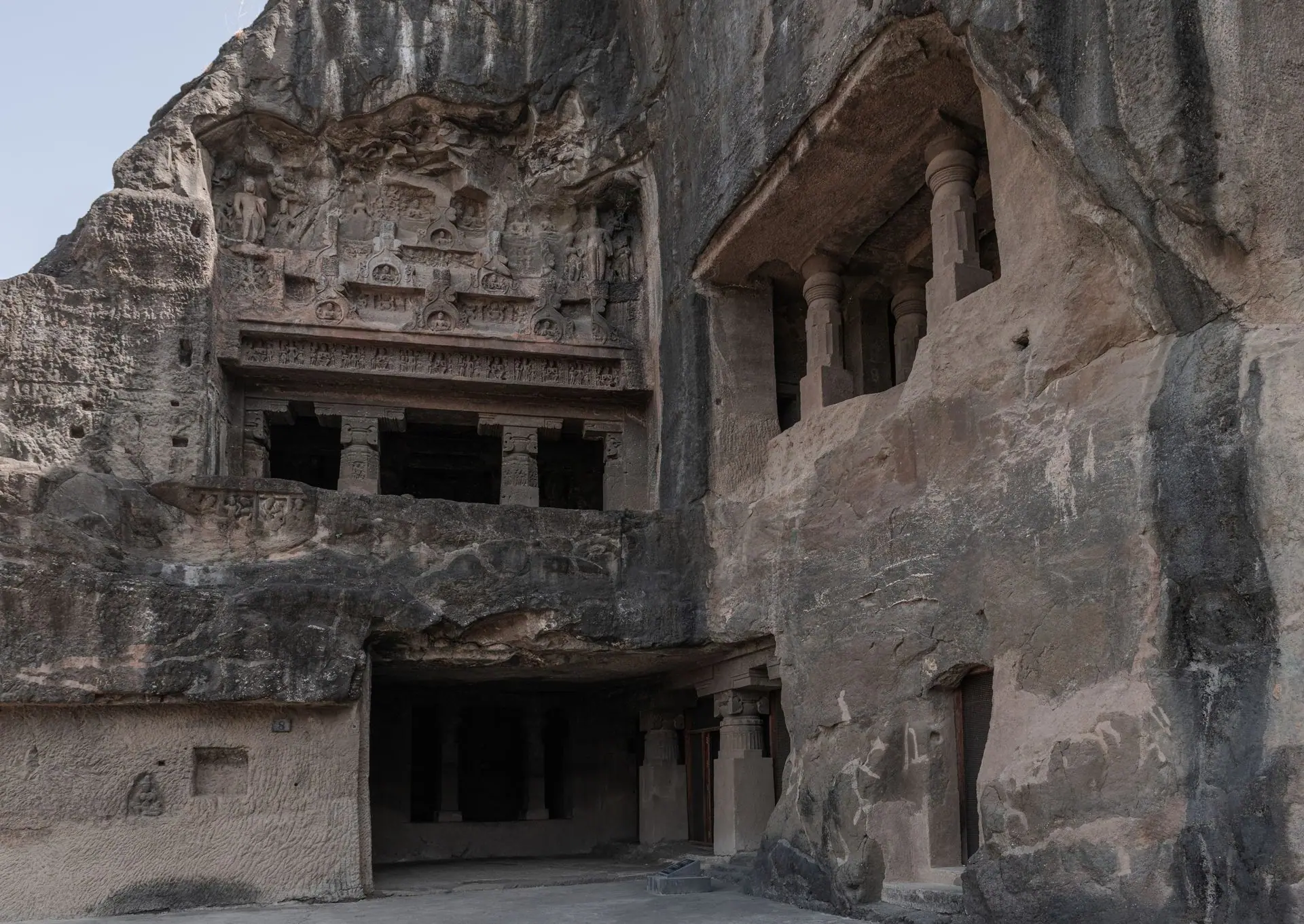
Ajanta & Ellora Caves
Ajanta and Ellora caves from Aurangabad
Private guide and vehicle
Price on request
More places in Maharashtra
See all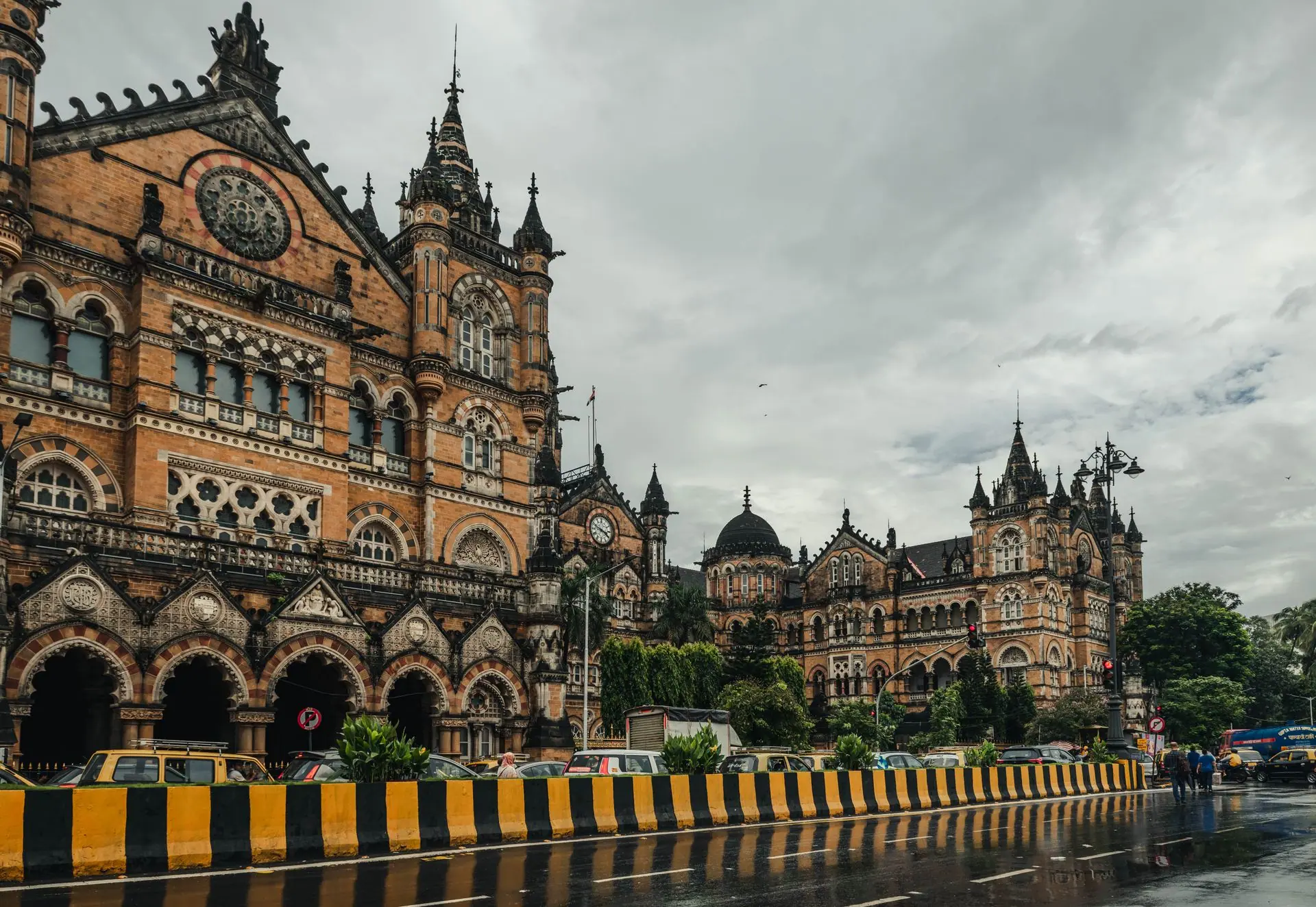
Customer reviews
Experience My India is rated 4.3 on Tripadvisor. We publish guest reviews after each trip.
Plan a trip
Tailor-made quote from a specialist