
Last updated:
Getting Around India: Cars, Trains, Flights and City Transport
Most visitors travel in India by combining three modes: a private car and driver within a region, a domestic flight between regions that are far apart, and the train where the route is worth riding. In town, metros now run in 26 cities, alongside taxis and auto-rickshaws. Book trains early: foreign tourists can reserve up to 365 days ahead.
By Experience My India Editorial Team
Destination specialists and licensed local guides
Which way to travel, journey by journey
India's distances decide most of it. As a rule of thumb from the trips we plan:
- Within a region, such as Delhi, Agra and Jaipur, or the towns of Rajasthan or Kerala, a car and driver is the most flexible choice: door to door, with stops where you want them.
- Between regions that are far apart, such as Delhi and Kerala, or the plains and Ladakh, a domestic flight saves a day or more on the road.
- On routes worth riding, or between two cities with good fast trains, take the train. A day train in a chair car, or a night in an air-conditioned sleeper, is part of the trip rather than dead time.
Each of these has its own guide below. For how they fit together over one, two or three weeks, see India itineraries, and for what each costs in the budget, what a trip to India costs.
By road: a private car and driver
A private car with a professional driver, hired by the day for your route, is how most of our itineraries move within a region. The same driver usually stays with you throughout, waits while you visit, and knows the roads and the timings. A good quote includes fuel, tolls, parking, state permits and taxes, and the driver's daily allowance for meals and lodging. Our guide to private drivers in India explains how the days run.
Road safety shapes how the days are planned. The UK Foreign Office warns that India has a high death rate from road accidents, and advises travellers to avoid travelling at night and in fog and to use a well-maintained vehicle. Long drives are best planned to finish in daylight.
By air: domestic flights
Domestic flights link the main tourist cities, and for long hops they are the obvious choice. A foreign visitor flies on a passport as ID; there is no immigration on a domestic flight, but every passenger passes a security check. Each airline sets its own baggage allowance, which can be smaller than on your international ticket. India's aviation regulator, DGCA, sets what airlines owe you when a flight is delayed or cancelled, and in winter, fog over northwest India can disrupt flights. Read domestic flights in India before you book.
Two cities need a second look at the ticket: Mumbai, which now has a second international airport at Navi Mumbai, and Goa, which also has two airports some distance apart.
By train: Indian Railways and IRCTC
Indian Railways sells reserved tickets through IRCTC. Foreign tourists and NRIs with a valid passport can book under the Foreign Tourist Quota up to 365 days ahead, against 60 days for ordinary bookings, paying by international card at one and a half times the normal fare. Carry your original passport and visa on board. Classes run from air-conditioned First AC down to Sleeper and Second Sitting, which have no air conditioning. Our guide to train travel in India explains booking, the quota's rules and which class to choose.
Some railways are a reason to travel in themselves: the Darjeeling, Nilgiri and Kalka–Shimla lines are World Heritage Sites, and India's luxury trains are multi-night journeys of their own.
In the cities: metros, taxis and auto-rickshaws
- Metros. The government counts metro rail in 26 cities. Delhi, Mumbai, Bengaluru, Chennai, Kolkata and Hyderabad are the ones visitors use most, and Delhi, Mumbai, Chennai and Kolkata now have stations at or beside the airport. Tickets are tokens, QR codes or stored-value cards: see our metro guide.
- Taxis and app cabs. The UK Foreign Office advises against travelling alone and hailing taxis on the street, especially at night. It notes that app-based taxis are widely available, including at airport terminals, and that prepaid taxis are too.
- Auto-rickshaws. Three-wheelers suit short hops. Agree the fare or check the meter before you set off; the UK Foreign Office notes that seatbelts are not common in them.
Arriving, and short stopovers
Your first transport decision is at the airport. Foreign nationals submit the e-Arrival card online in the 72 hours before landing, clear immigration and customs, then take the metro, a prepaid taxi or a driver booked in advance. Our airport arrival guide takes you through it step by step. If you are only passing through, India layover itineraries explains when you can leave the airport and what fits into a few hours in Delhi or Mumbai.
How we plan it
On our tour packages, transport is part of the itinerary: a private car and driver within each region, an airport pickup, and trains or flights where they make more sense than the road. You do not need to work out Indian Railways or the airlines yourself unless you want to. Our private car and driver service can also be booked on its own, and every trip we run can be cancelled for a full refund up to 24 hours before it starts.
Frequently asked questions
What's the best way to get around India?
Combine three modes. Use a private car and driver within a region, where distances are drivable and the roadside stops are worth having; a domestic flight between regions that are far apart, such as Delhi and Kerala; and the train where the route is worth riding or a fast day train links two cities. In cities, the metro, app cabs and auto-rickshaws cover the rest.
Are trains in India good for tourists?
Yes, on the right routes. The UK Foreign Office calls train travel in India generally safe, while advising care with valuables and with touts at stations. Foreign tourists can book seats a year ahead under IRCTC's Foreign Tourist Quota, and air-conditioned classes, from chair cars by day to sleeper berths at night, suit most visitors.
Is it easy to get taxis in Indian cities?
In the big cities, yes. App-based taxis are widely available, including at airport terminals, and prepaid taxis are available too. The UK Foreign Office advises against hailing taxis on the street, especially at night and when alone. For a full day of sightseeing, a car and driver hired for the day is usually simpler than a string of single rides.
Should I drive myself in India?
Most visitors do not. The UK Foreign Office tells British drivers they need the 1949 International Driving Permit with their licence, notes that how long you may drive on a foreign licence varies by state, and warns of a high road death rate, livestock on the roads and risky night driving. A driver who knows the roads is the simpler choice; check your own government's advice too.
Which documents should I carry when travelling around India?
Your passport, every day. It is your ID for domestic flights and for trains, and on a Foreign Tourist Quota train ticket the original passport and visa are compulsory: without them IRCTC treats you as travelling without a ticket. Keep a copy of your visa or e-Visa authorisation with it, and your hotel bookings to hand for check-in.
Can I take the metro from the airport into the city?
In several cities, yes. Delhi's Airport Express runs from Terminal 3 to New Delhi railway station in about 25 minutes, and Terminal 1 has a Magenta Line station. Mumbai's Line 3 has stations at both terminals of its main airport, Chennai Metro stops at Chennai International Airport, and Kolkata's Yellow Line serves the airport at Jai Hind Bimanbandar.
Related guides
Customer reviews
Experience My India is rated 4.3 on Tripadvisor. We publish guest reviews after each trip.
Why book with Experience My India
Government-approved operator
Approved by the Ministry of Tourism, Government of India
500+ vetted local guides
35+ destination specialists plan every trip by hand.
Human help, every day
Mon–Sun, 9:00 AM – 9:00 PM IST · +91 73022 65809
No payment until you approve
You receive a written quote first; nothing is charged to start planning.
Browse experiences by theme
See all
Wildlife Safaris
8 experiences
Heritage & Architecture
2 experiences

Beaches & Islands
5 experiences
Wellness & Ayurveda
1 experience
Yoga & Meditation
4 experiences
Trekking
2 experiences

Adventure
6 experiences
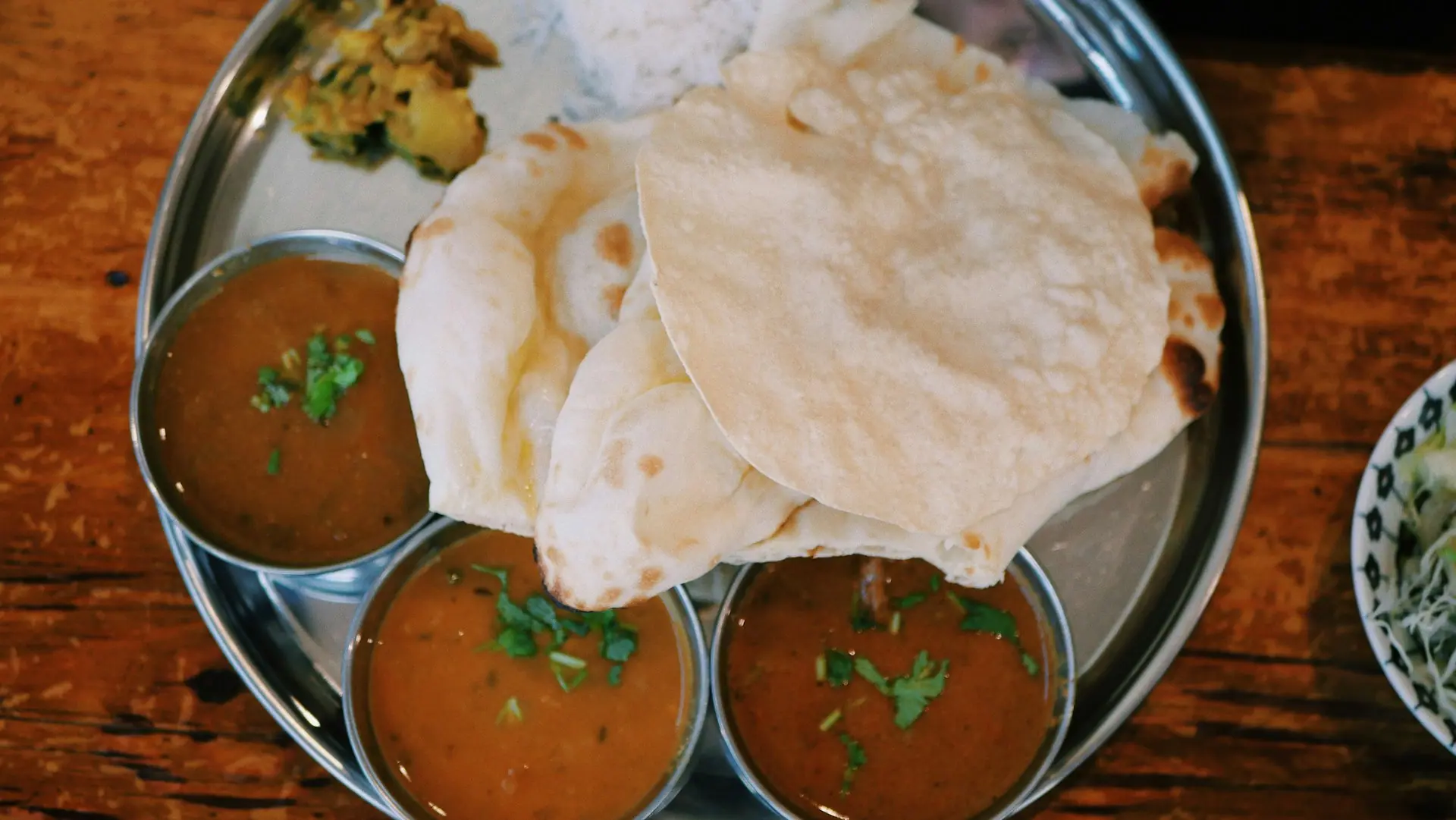
Culinary
5 experiences

Festivals
8 experiences
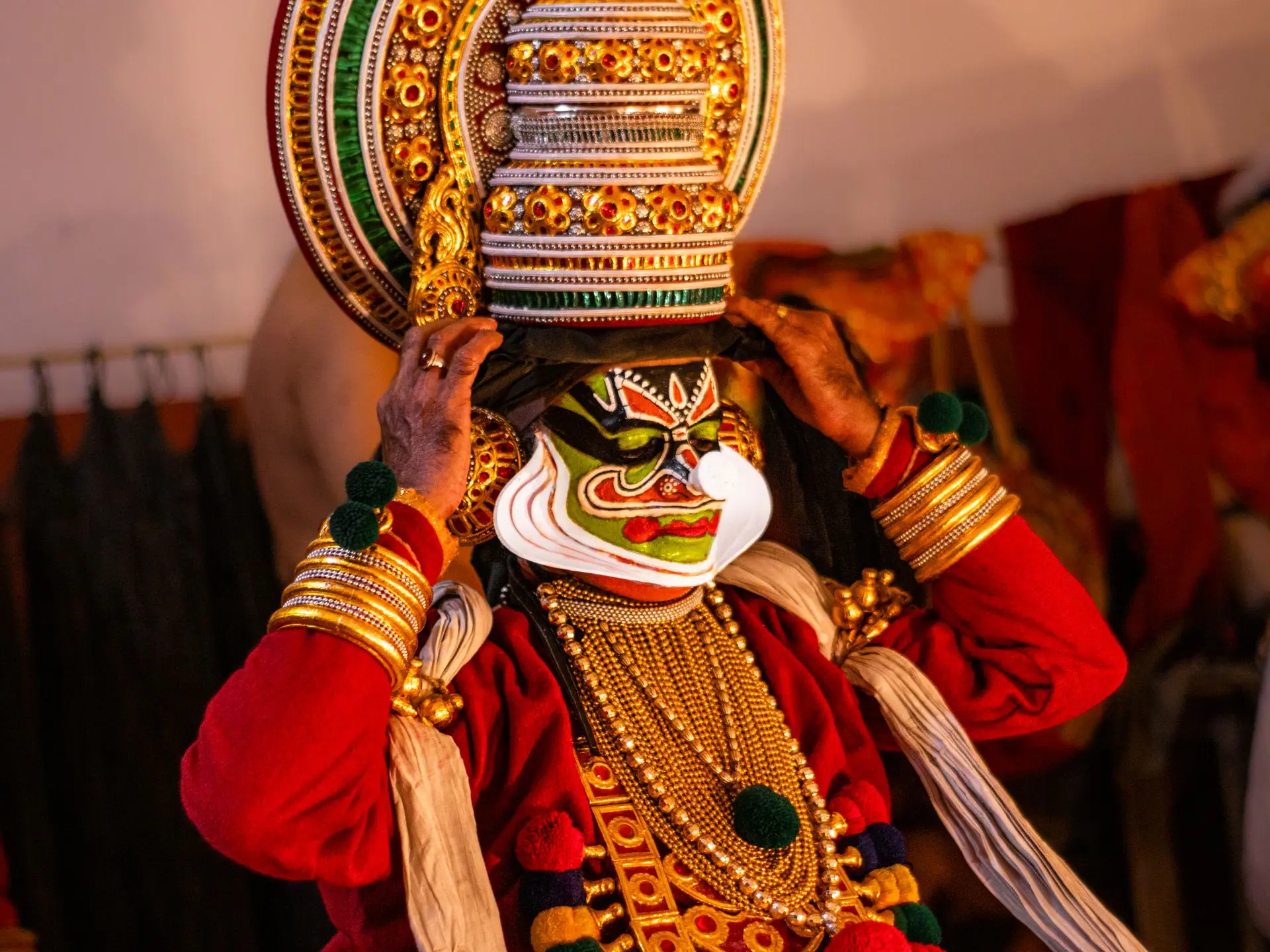
Performing Arts
5 experiences

Luxury Trains
4 experiences
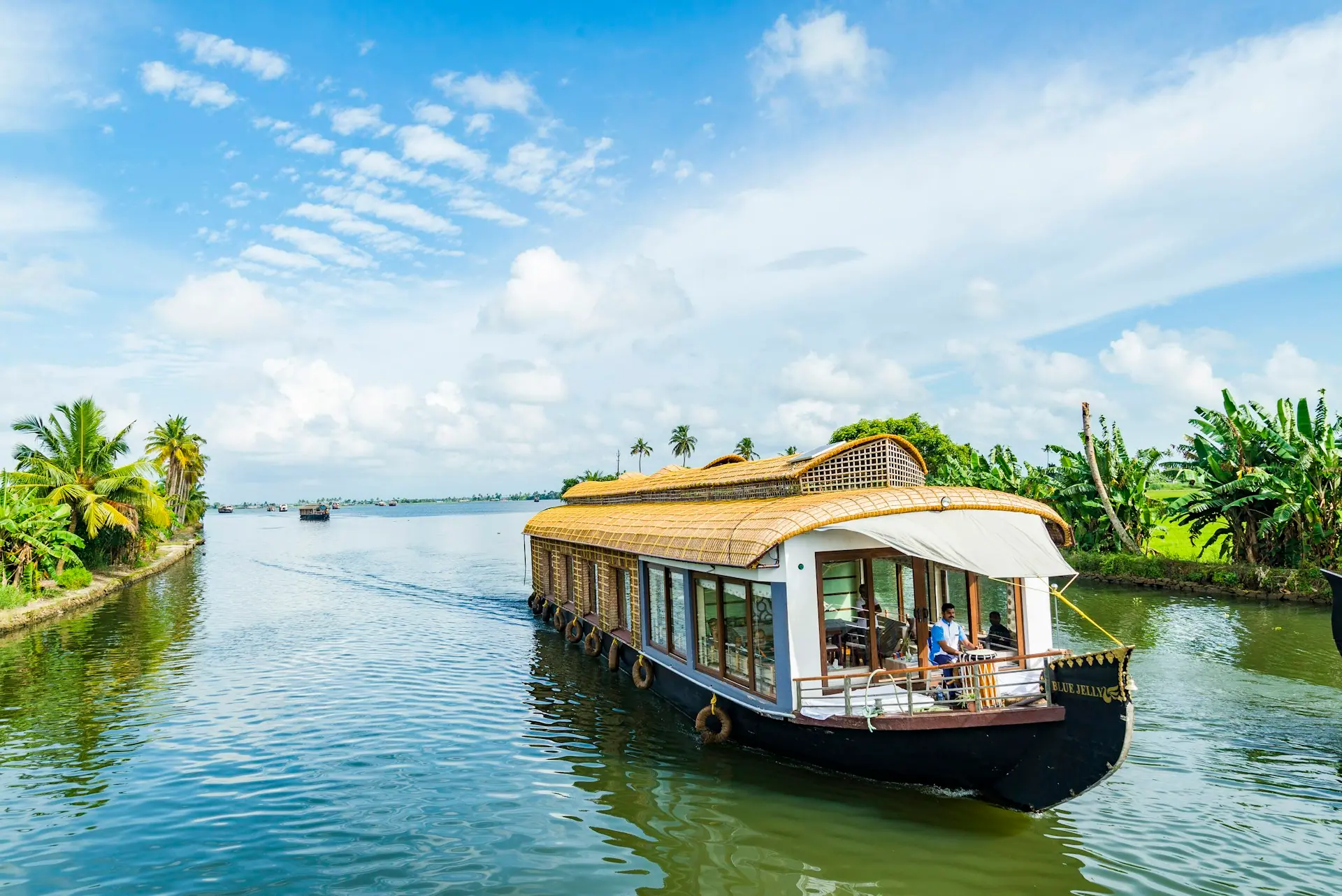
Houseboats
3 experiences
Toy Trains & Railways
1 experience
Village & Tribal Tourism
2 experiences
Glamping & Desert
1 experience
Honeymoon & Romance
3 experiences
VIP & Luxury
2 experiences
Plan a trip
Tailor-made quote from a specialist