Last updated:
India Travel Glossary: Terms Explained
This glossary explains the terms you'll come across planning and taking an India trip — from visa and entry paperwork like the e-Visa, OCI card and e-Arrival Card, to everyday words like thali, ghat and darshan. India's online tourist visa, applied for at the official government portal, indianvisaonline.gov.in, before you travel.
By Experience My India Editorial Team
Destination specialists and licensed local guides
e-Visa (e-Tourist Visa)
See our full e-Visa guide.
OCI (Overseas Citizen of India)
A card that the Ministry of Home Affairs describes as a multiple entry lifelong visa for eligible people of Indian origin and their families, distinct from citizenship. An OCI cardholder travels on the card together with a valid foreign passport.
e-Arrival Card
A free online arrival declaration that foreign nationals, OCI cardholders included, must submit within the 72 hours before landing, separate from the visa. See our e-Arrival Card guide.
Darshan
The act of viewing, and being seen by, a deity's image or a revered person at a temple or shrine; often used as "having darshan".
Aarti
A Hindu ritual of worship performed with lit lamps, usually accompanied by singing. The Ganga Aarti performed on Varanasi's ghats each evening is one of the best known.
Ghat
A series of steps leading down to a river or lake, used for bathing, ritual and, in some places, cremation. Varanasi's ghats along the Ganges are the most famous.
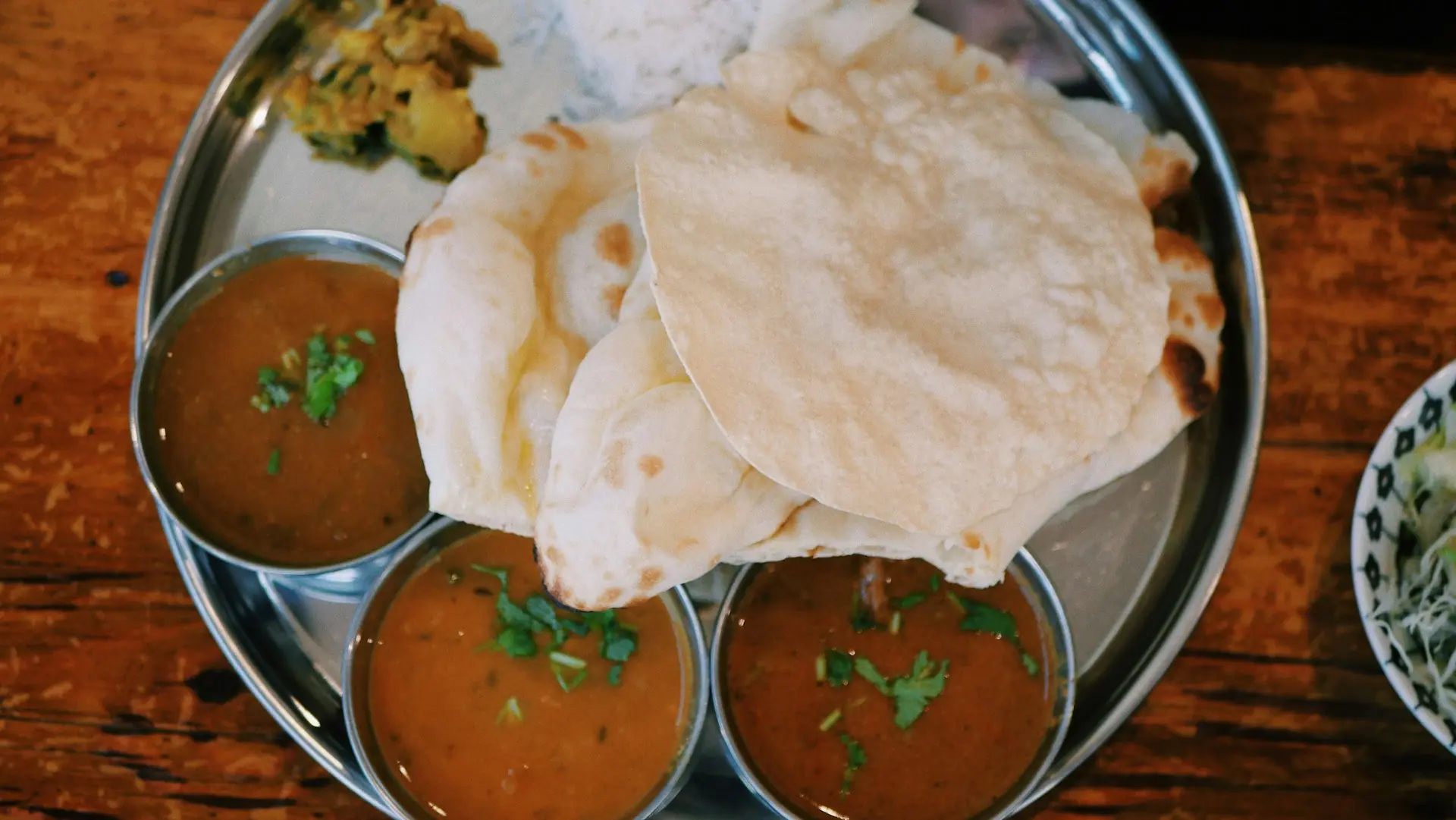
Thali
A single plate or tray served with a selection of small dishes — curries, rice, bread, pickles — that varies by region. The easiest way to try a region's food in one sitting.
Auto-rickshaw (tuk-tuk)
A small three-wheeled motorised taxi, common across Indian cities and towns. Agree the fare or confirm the meter before you get in.
Ayurveda
A traditional Indian system of medicine using herbs, oils and lifestyle practices, most closely associated today with Kerala.
Panchakarma
A structured Ayurvedic detoxification treatment, typically several days long, distinct from a one-off hotel spa massage badged as Ayurveda.
Shikara
A traditional wooden boat used on Kashmir's Dal Lake, often for short rides or as transport to a houseboat.
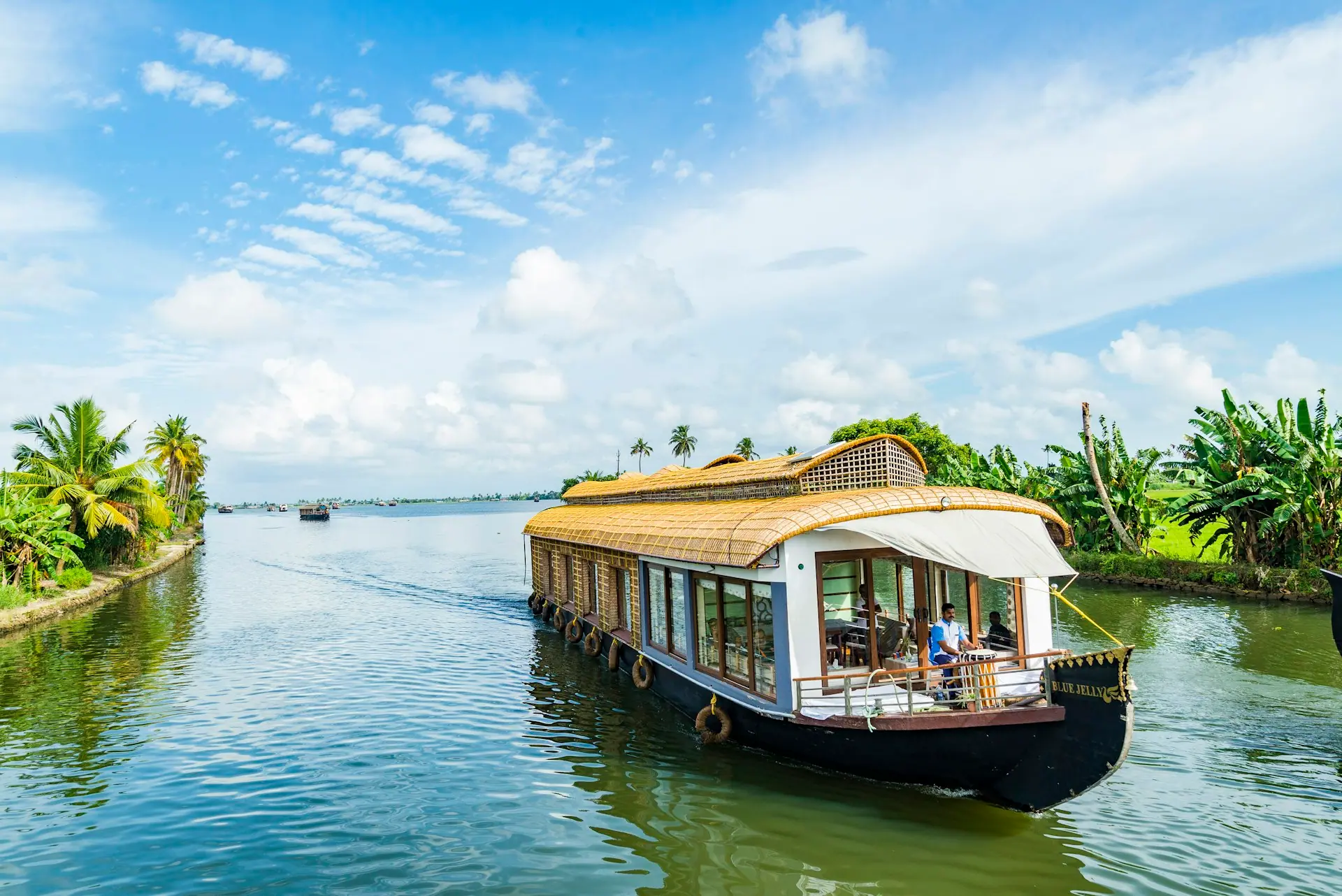
Houseboat
A boat fitted out as a floating hotel room, most associated with Kerala's backwaters and Kashmir's Dal Lake.
Backwaters
The network of interconnected canals, rivers and lakes along Kerala's coast, best known for slow-paced houseboat cruises.
Haveli
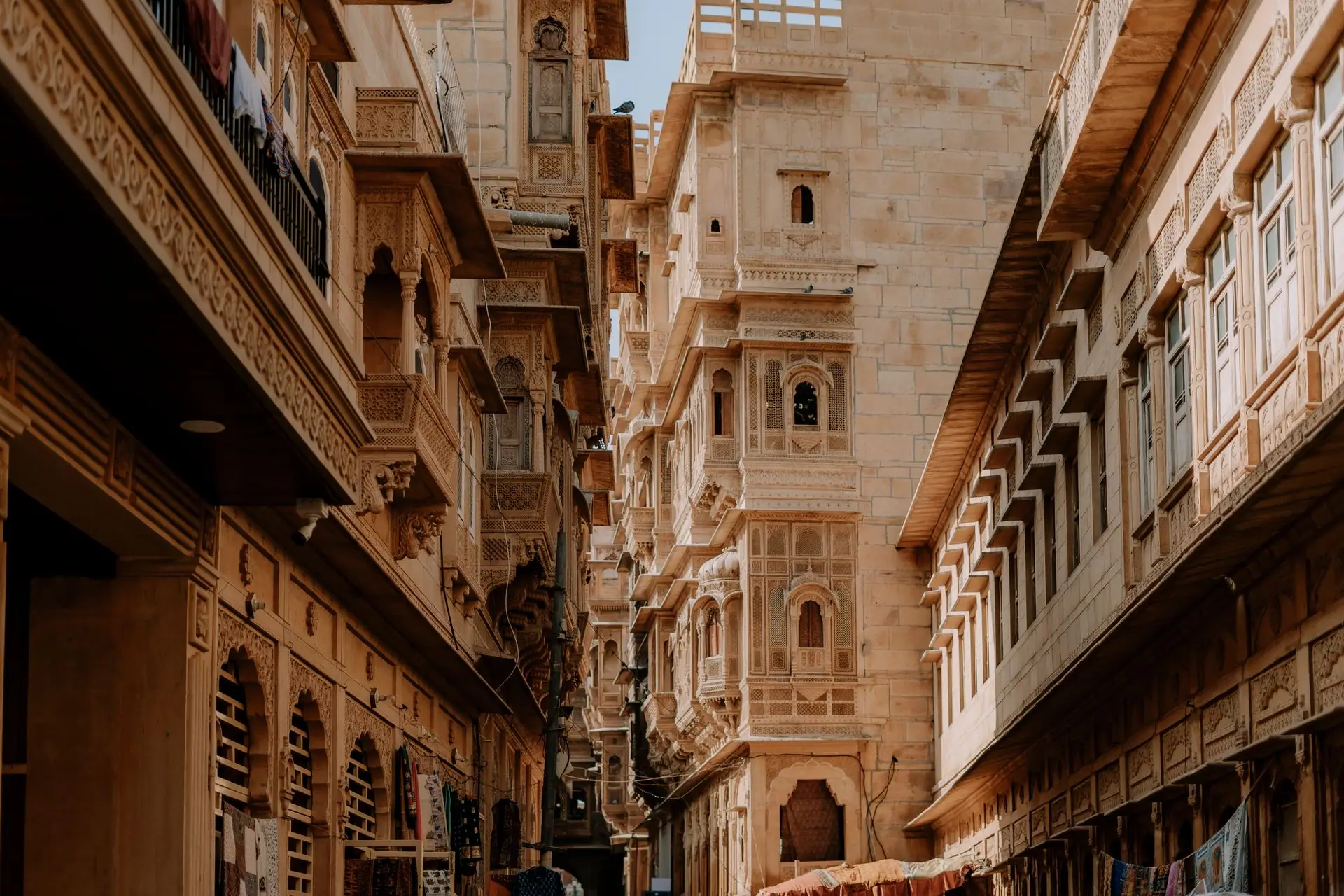
A traditional, often ornately decorated mansion, especially in Rajasthan, usually built around a central courtyard.
Golden Triangle
The classic first-time circuit linking Delhi, Agra and Jaipur.
Char Dham
The four sacred Himalayan pilgrimage sites of Yamunotri, Gangotri, Kedarnath and Badrinath, in Uttarakhand.
Kumbh Mela
A major Hindu pilgrimage festival held at rotating sacred river sites, drawing enormous crowds.
IRCTC
The Indian Railway Catering and Tourism Corporation — the official online platform for booking Indian Railways tickets. See our train travel guide.
Tatkal
A last-minute, premium-fee train booking scheme on Indian Railways for tickets bought close to the travel date.
Sadya
A traditional Kerala vegetarian feast, usually served on a banana leaf.
Wazwan
A traditional multi-course Kashmiri feast.
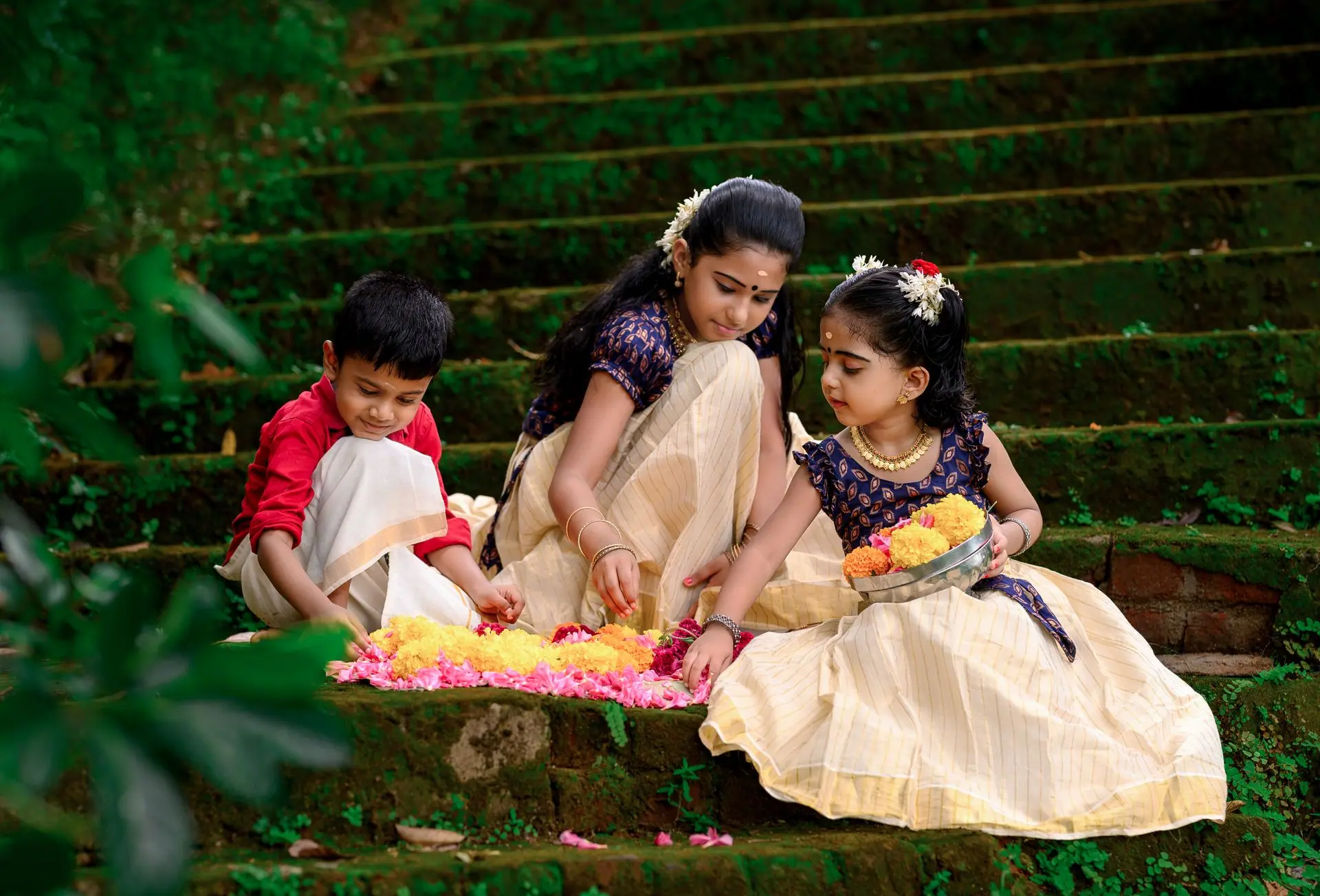
Rangoli
Decorative patterns made on the floor, often with coloured powder, rice or flowers, especially around festivals.
Namaste
A common greeting made with palms pressed together, often with a slight bow — always well received from a visitor.
Rupee (INR)
The Indian Rupee, the country's currency. See our money and tipping guide.
Monsoon
The seasonal wind pattern that brings India's main rains, typically from around June to September, though the exact timing varies by region and year.
Hill station
A town, usually founded in the colonial era, built at altitude as a cool-season retreat — Shimla, Manali and Ooty are well-known examples.
Jyotirlinga
One of twelve especially sacred shrines to Shiva across India.
Gopuram
The tall, elaborately sculpted gateway tower of a South Indian temple.
Frequently asked questions
What does e-Visa mean for India?
It's India's online tourist visa, applied for at the official government portal before you travel.
What's the difference between an e-Visa and an OCI card?
The e-Visa is a temporary tourist visa; an OCI card is itself a multiple entry lifelong visa, according to the Ministry of Home Affairs, for eligible people of Indian origin and their families.
What is darshan?
The act of viewing, and being seen by, a deity's image or a revered person at a temple or shrine.
What is a thali?
A single plate or tray served with a selection of small regional dishes — curries, rice, bread and pickles.
Related guides
Customer reviews
Experience My India is rated 4.3 on Tripadvisor. We publish guest reviews after each trip.
Why book with Experience My India
Government-approved operator
Approved by the Ministry of Tourism, Government of India
500+ vetted local guides
35+ destination specialists plan every trip by hand.
Human help, every day
Mon–Sun, 9:00 AM – 9:00 PM IST · +91 73022 65809
No payment until you approve
You receive a written quote first; nothing is charged to start planning.
Browse experiences by theme
See all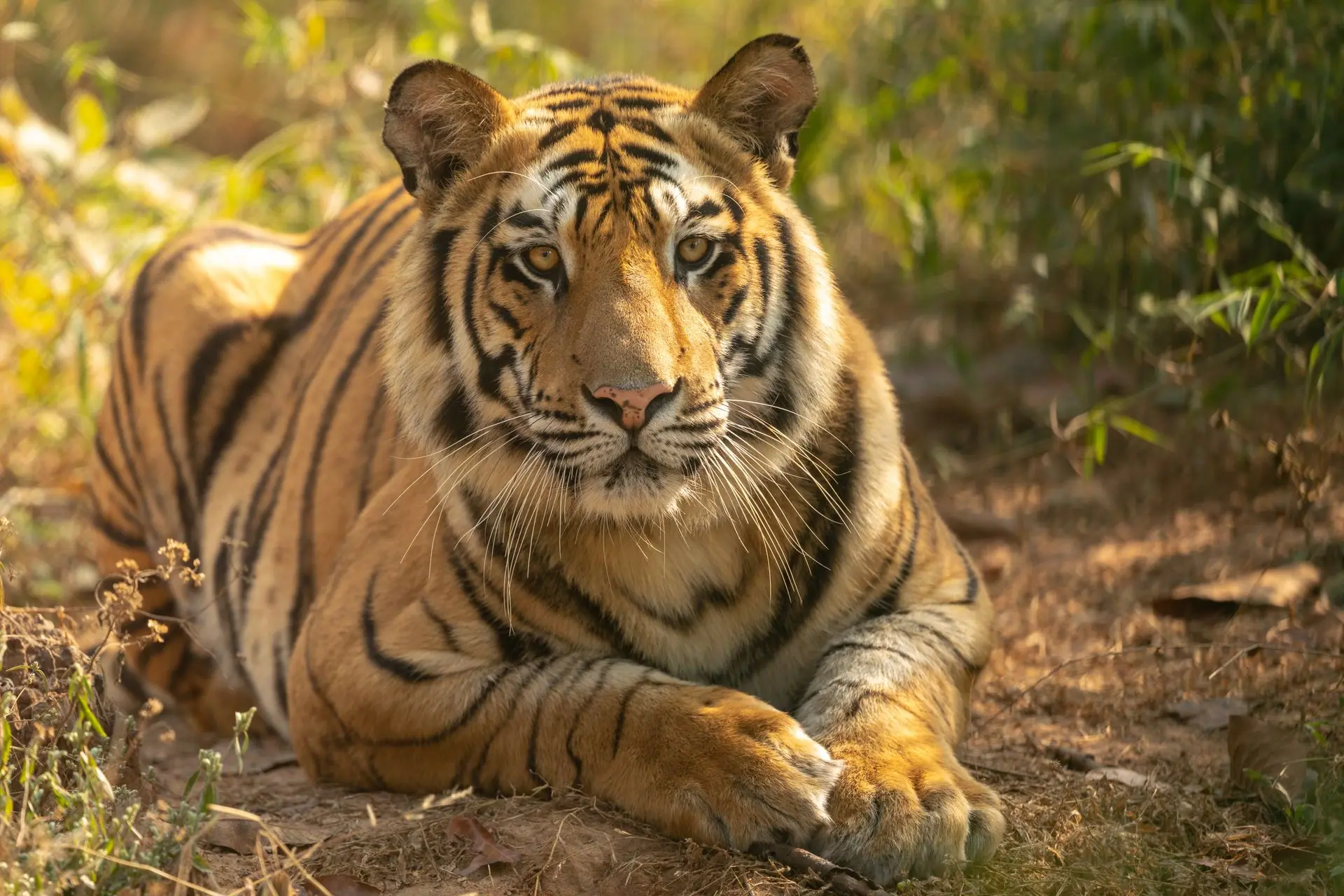
Wildlife Safaris
8 experiences
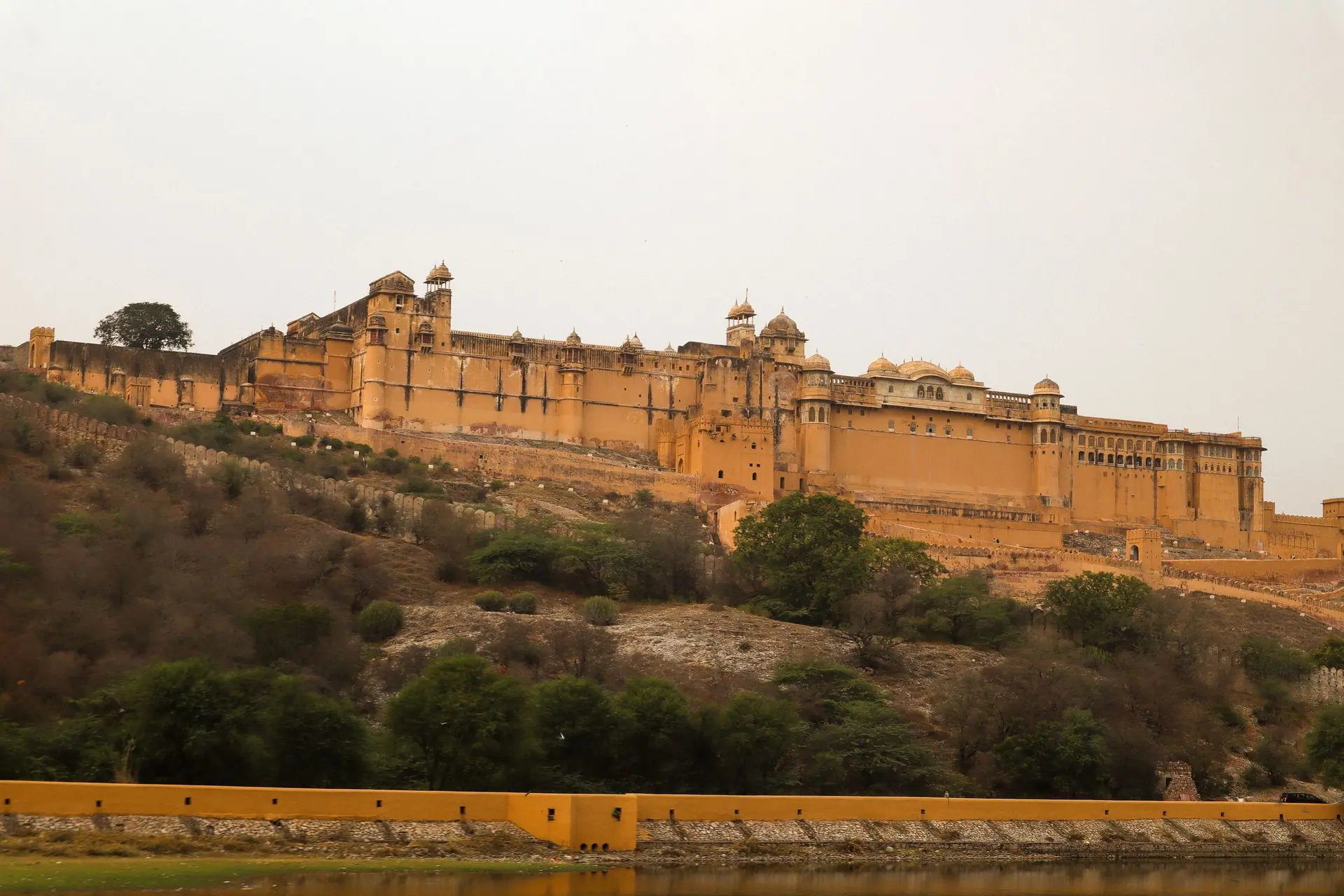
Heritage & Architecture
2 experiences
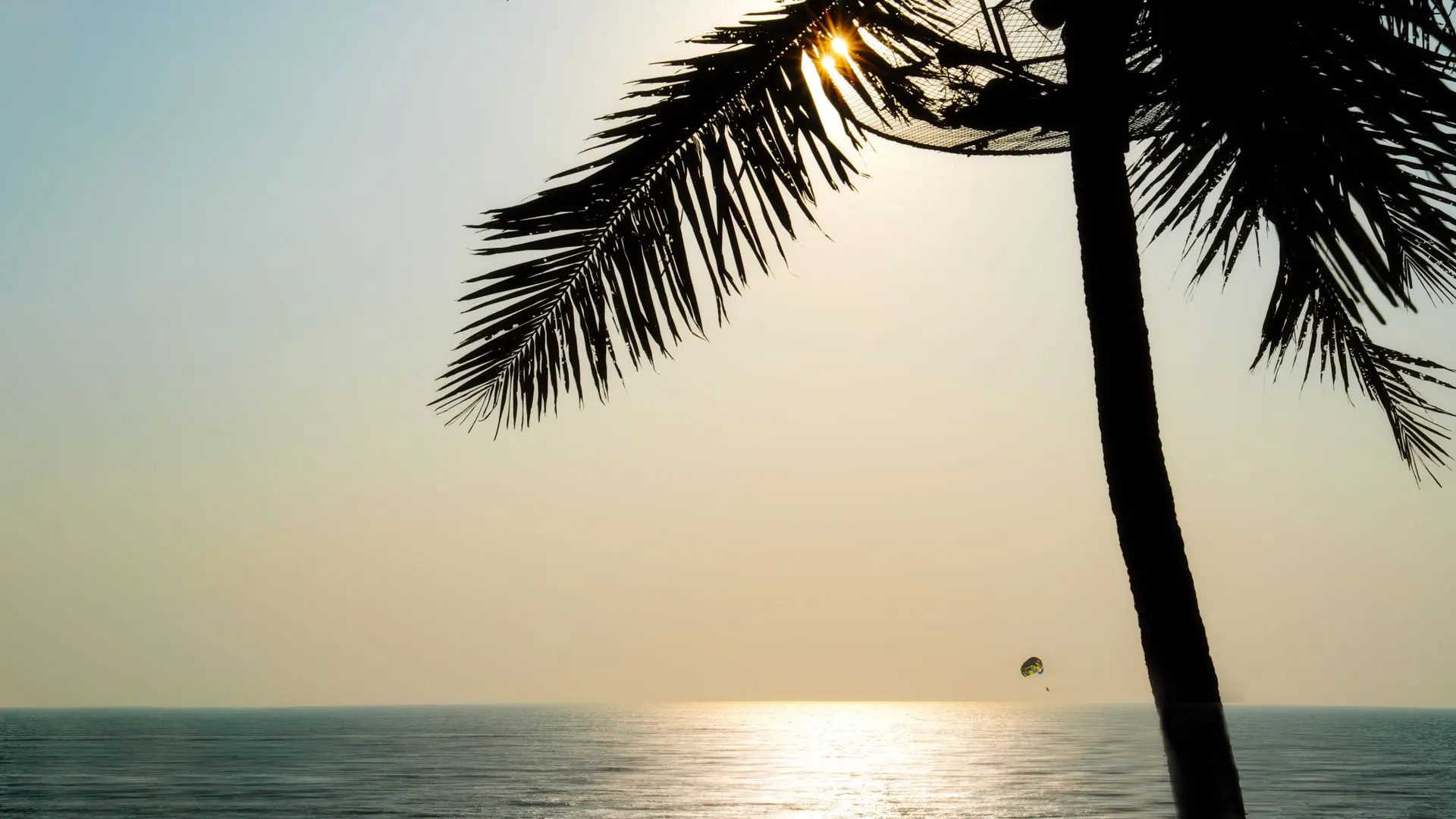
Beaches & Islands
5 experiences
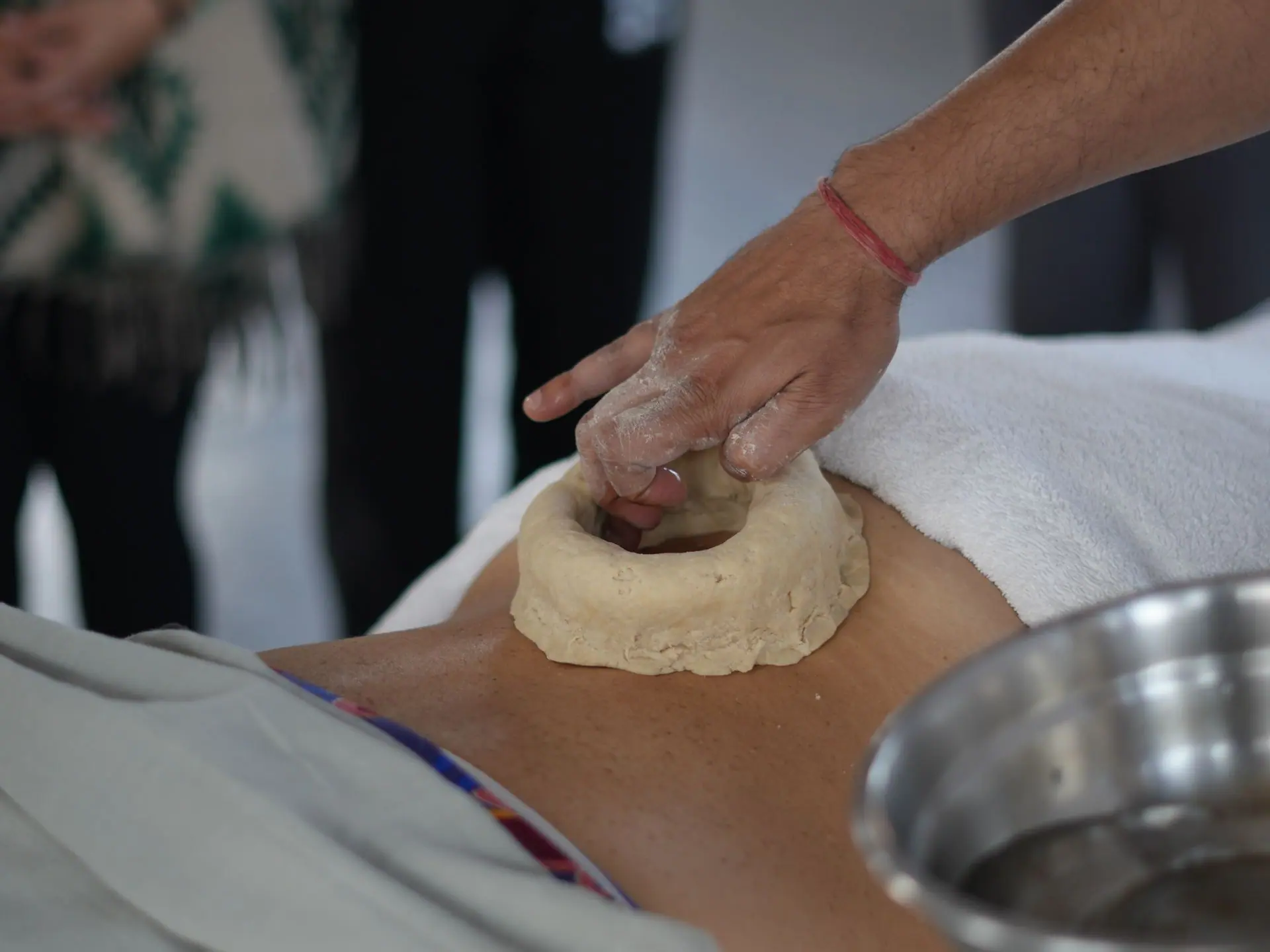
Wellness & Ayurveda
1 experience
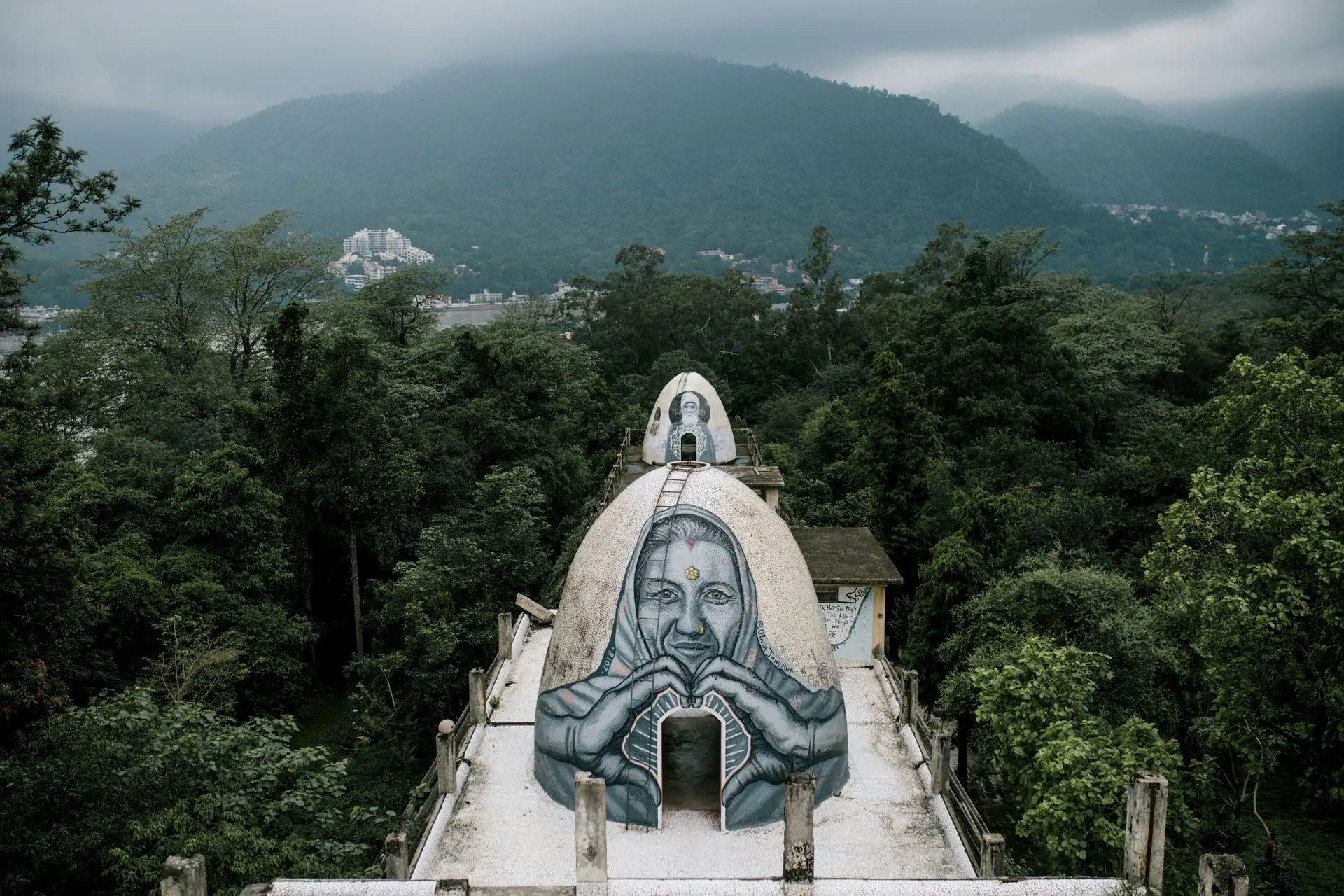
Yoga & Meditation
4 experiences
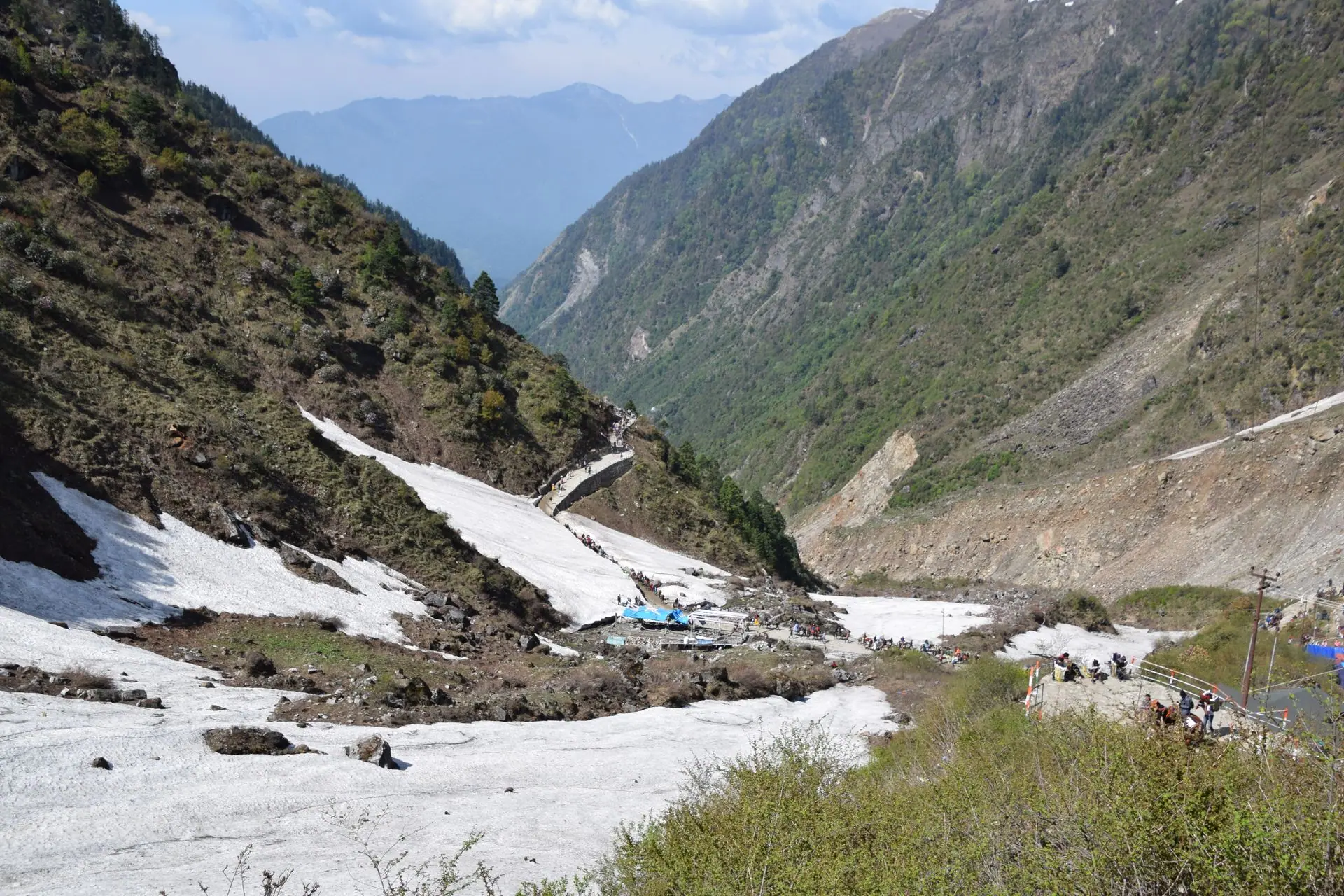
Trekking
2 experiences
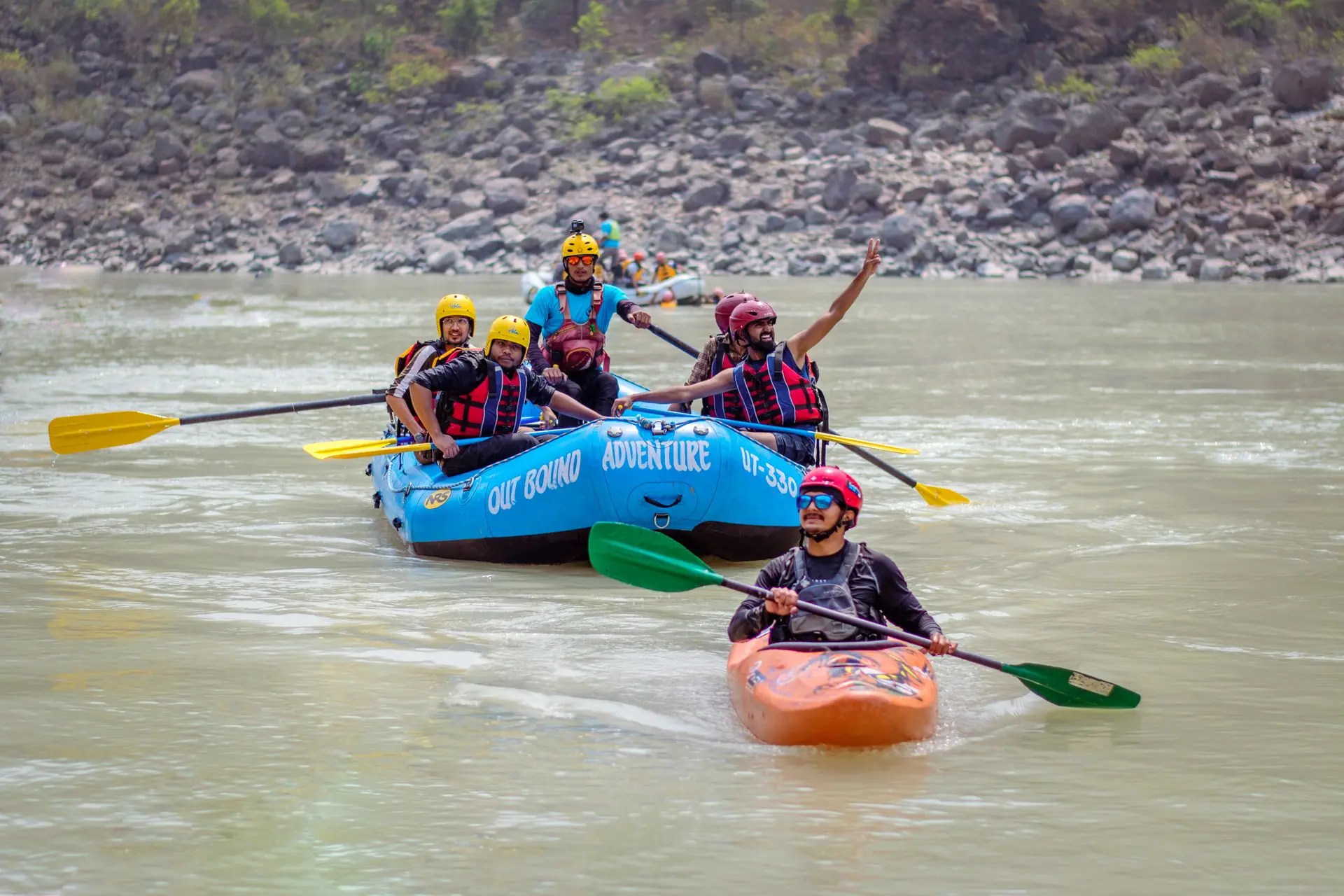
Adventure
6 experiences
Culinary
5 experiences
Festivals
8 experiences
Performing Arts
5 experiences
Luxury Trains
4 experiences
Houseboats
3 experiences
Toy Trains & Railways
1 experience
Village & Tribal Tourism
2 experiences
Glamping & Desert
1 experience
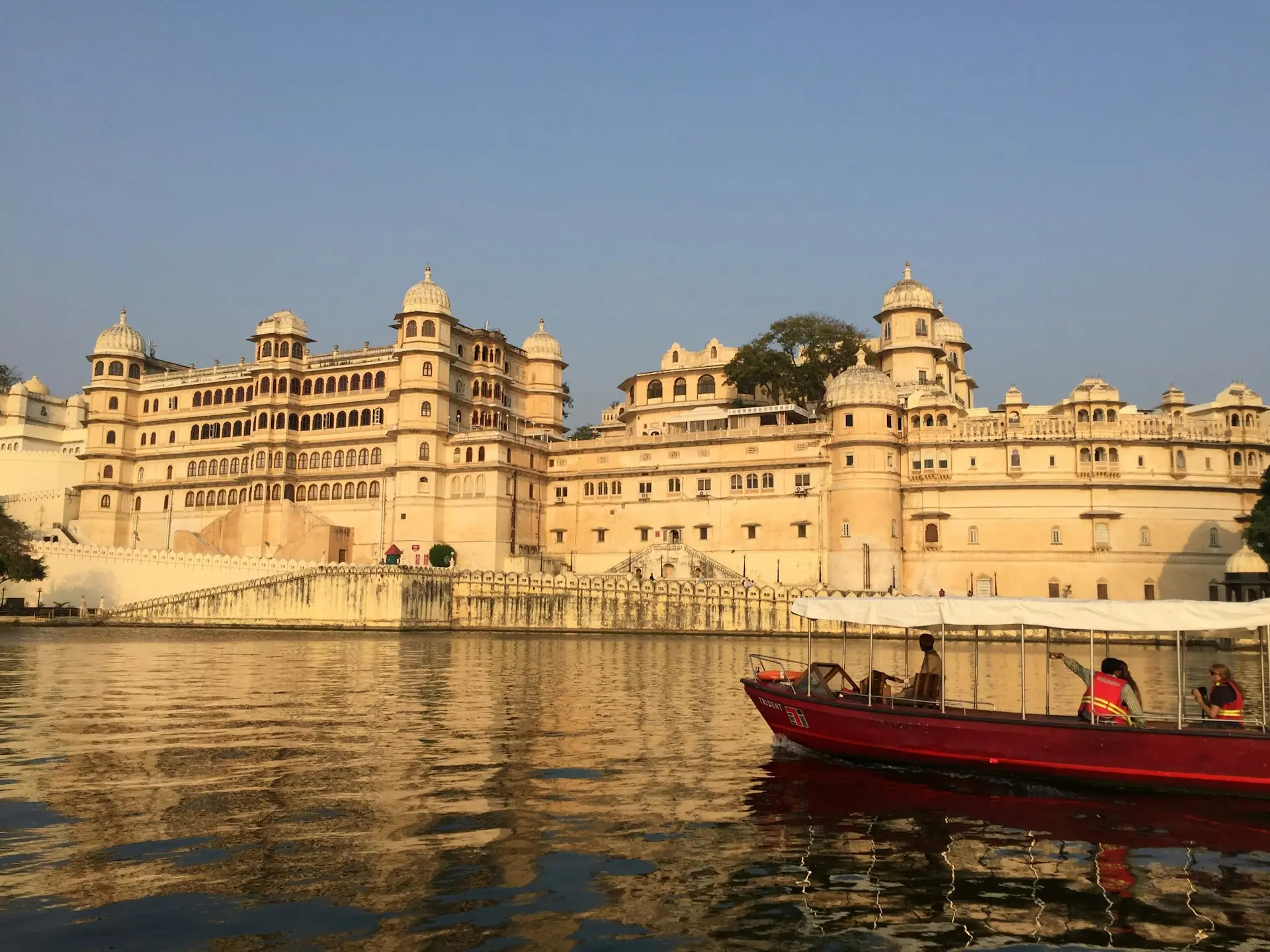
Honeymoon & Romance
3 experiences
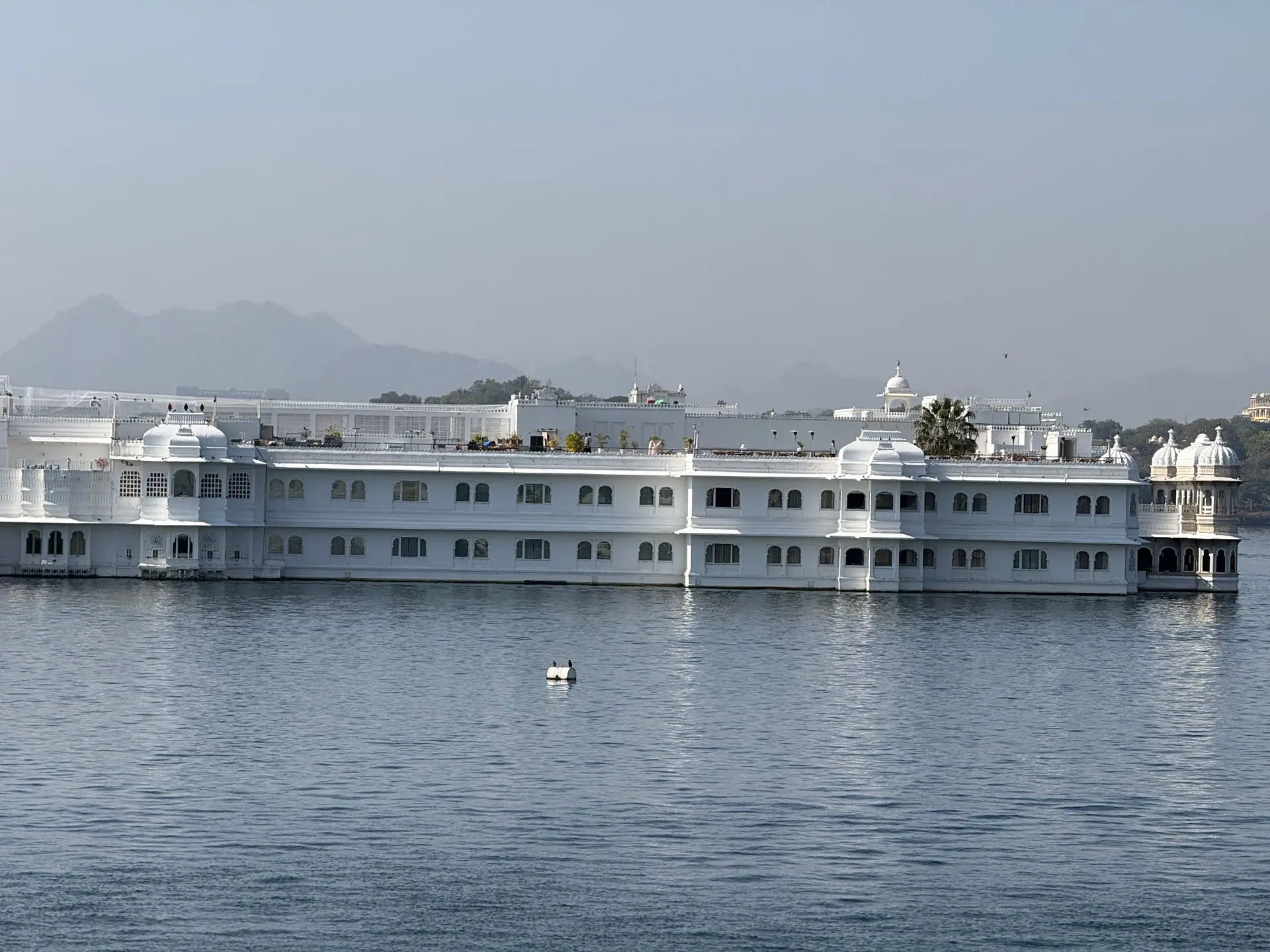
VIP & Luxury
2 experiences
Plan a trip
Tailor-made quote from a specialist