
Jaipur Travel Guide: Forts, Bazaars and How to Plan Your Days
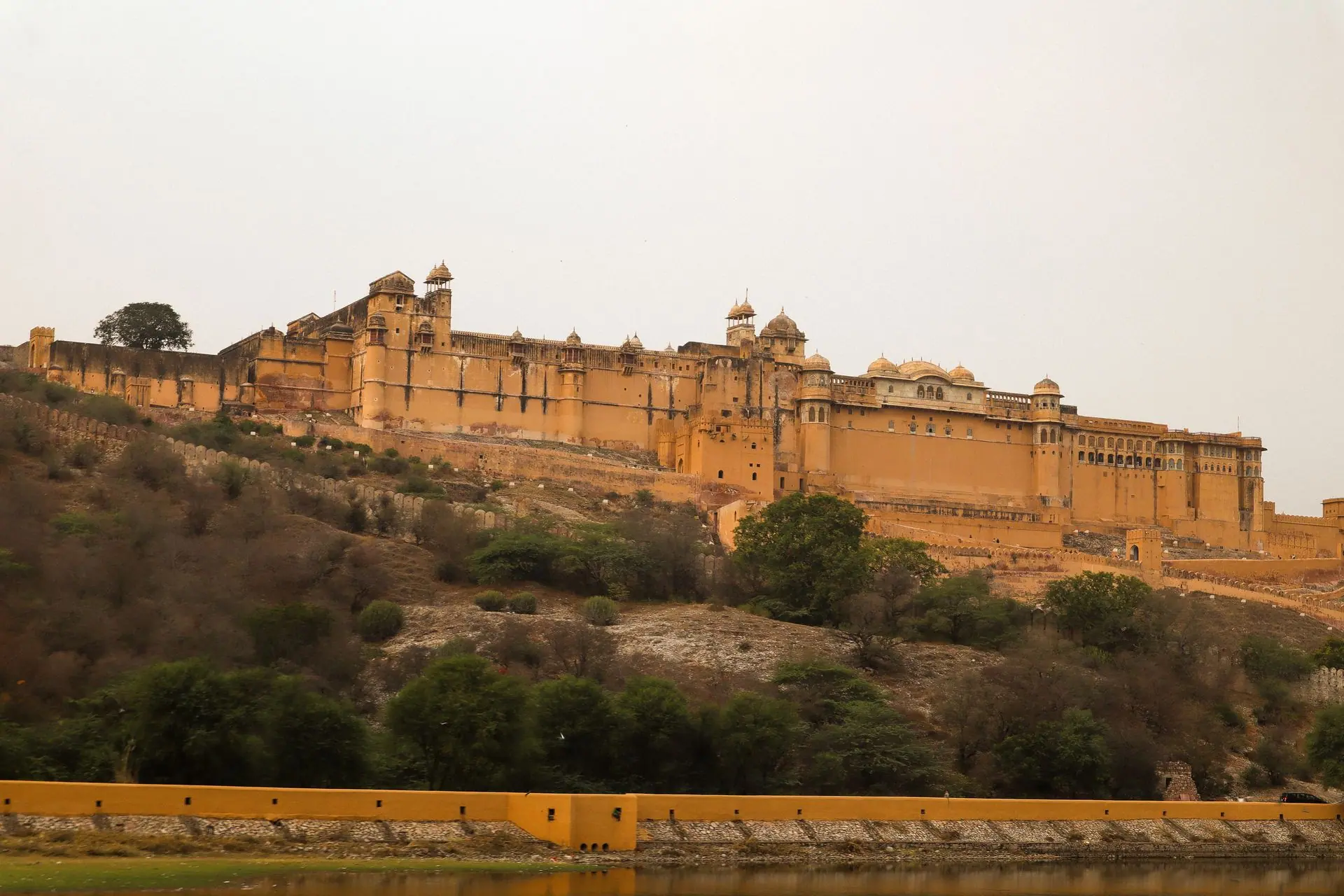
Jaipur, Rajasthan's capital, was founded in 1727, and its walled old city is a UNESCO World Heritage Site. The main places to visit in Jaipur fit into two or three days: Amber Fort and Jaigarh in the hills, the City Palace, Jantar Mantar and Hawa Mahal in the old city, Albert Hall, the bazaars and Nahargarh at dusk. Come between October and March.
By Gurudutt Kaushal · Reviewed by Gurudutt Kaushal · Updated 1 Sept 2026
See all 9 tours and experiences in Jaipur →
Government-approved operatorApproved by the Ministry of Tourism, Government of India
Places to visit in Jaipur
Things to do in Jaipur
Best time to visit Jaipur
Sightseeing is most comfortable from October to March. For Jaipur, IMD's 1991–2020 averages put December and January days at 22–25°C and nights at 8–10°C, so bring a warm layer for early starts at the forts; November and February run a few degrees warmer. Heat builds from April to an average high of 41°C in May, and summer days are best kept to early mornings and indoor sights. Rain picks up in June, and July and August are the wettest months, with about 190 and 200 mm. The festivals worth timing a trip for are in the questions below. If you come for Holi, note that the City Palace shuts on Dhulandi, the day of colours.
How to reach Jaipur
By air: Jaipur International Airport (JAI), known locally as Sanganer Airport, has flights from most large Indian cities and a few international routes.
By train: Jaipur Junction (JP) has direct trains from Delhi, Agra, Mumbai, Ahmedabad, Kolkata, Chennai, Bengaluru and other cities, and its own stop on the city's metro.
By road: Delhi is 258 km away, about five hours on the old NH 8 and less on the new Delhi–Mumbai Expressway; Agra is 237 km. State and private buses run from cities across Rajasthan. If your days are short, our Jaipur day trip from Delhi fits Amber Fort and Hawa Mahal into a single long day and leaves Jaipur by late afternoon; a night here makes for a far better visit.
How many days in Jaipur
Getting around and where to stay
Why book with Experience My India
Government-approved operator
Approved by the Ministry of Tourism, Government of India
500+ vetted local guides
35+ destination specialists plan every trip by hand.
Human help, every day
Mon–Sun, 9:00 AM – 9:00 PM IST · +91 73022 65809
No payment until you approve
You receive a written quote first; nothing is charged to start planning.
Frequently asked questions
What can you do in Jaipur at night?
The sound-and-light show at Amber Fort runs every evening in English and Hindi, at times that change with the season. Albert Hall stays open into the evening and is lit up after dark, and Birla Mandir is floodlit too. Nahargarh is floodlit and looks over the city lights, but official listings disagree on its closing time, so check for your date. For food, Masala Chowk's stalls are busiest in the evening, and the Raj Mandir cinema shows Hindi films.
Is Jaipur worth visiting?
Yes, especially on a first trip to India. The city holds three UNESCO World Heritage listings, the walled city, Jantar Mantar and Amber Fort, along with the City Palace, Hawa Mahal and the old city's bazaars, and all of them fit into two full days. It is easy to reach, with direct trains and flights, and it is one corner of the Golden Triangle with Delhi and Agra.
In what order should you see Jaipur's sights?
Begin with the hills. Go to Amber Fort first thing, before the coach groups fill the courtyards and the Sheesh Mahal, then see Jaigarh above it. Give the next day to the walled city, where the City Palace, Jantar Mantar and Hawa Mahal are close together, and finish at Albert Hall, which opens into the evening. Keep Nahargarh for late afternoon, when the view takes in the city as its lights come on.
Can you take the metro to Jaipur's old city?
Yes. The single line runs from Mansarovar through the Railway Station and Sindhi Camp stops to Chandpole, then underground to Chhoti Chaupar and Badi Chaupar inside the walled city. Badi Chaupar is the station the City Palace gives as its nearest, and Jantar Mantar and Hawa Mahal are close by. The metro does not reach Amber, Jaigarh or Nahargarh: for those you need a taxi, a bus or a car.
What is there to see in Jaipur apart from forts and palaces?
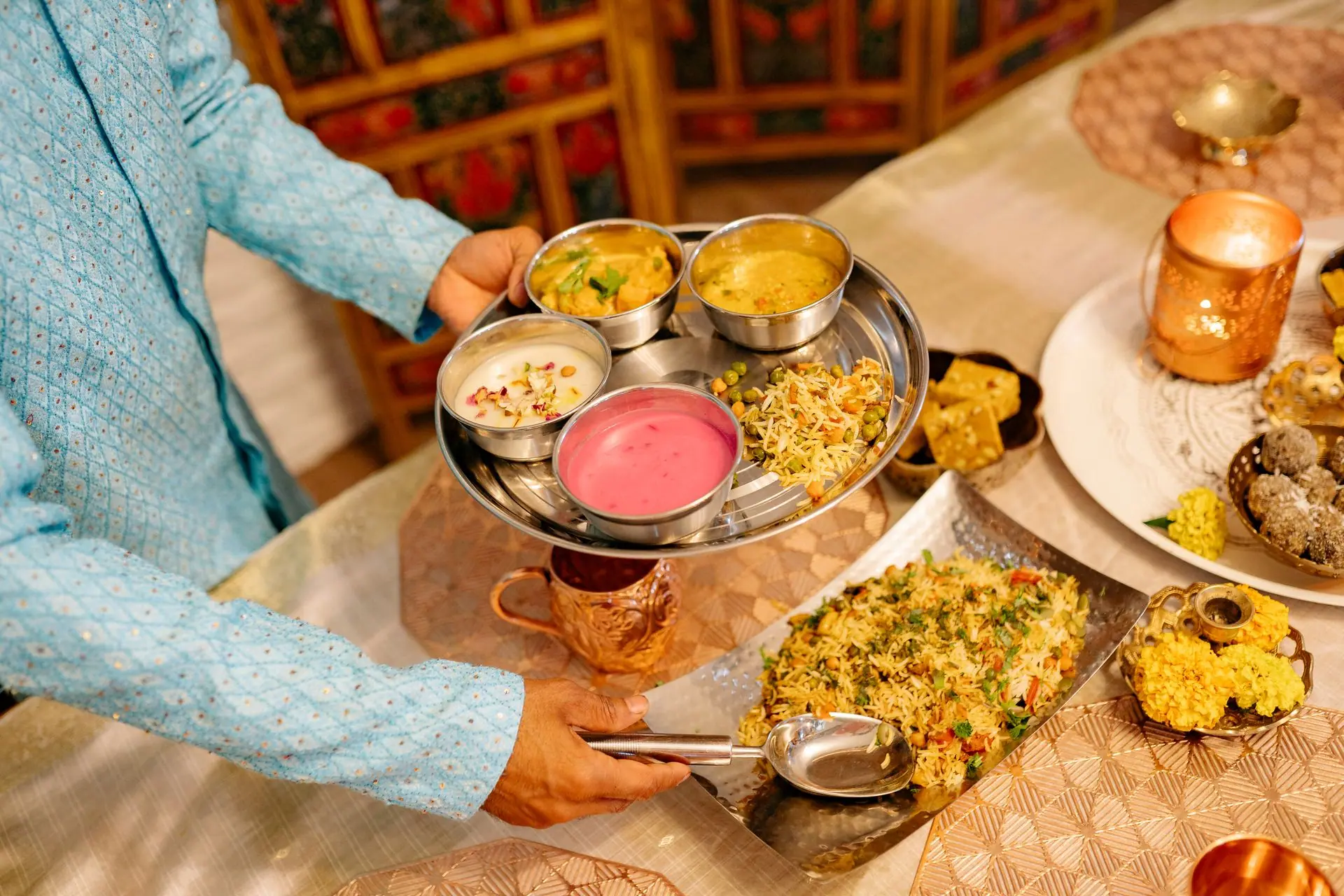
Jantar Mantar's stone instruments, the Albert Hall's museum and the temples: Galtaji's spring-fed tanks, the marble Birla Mandir and the Moti Doongri Ganesh temple. Jhalana has leopard safaris, and Nahargarh Biological Park, about 12 km out on the Delhi highway, records more than 285 bird species; its zoo closes on Tuesdays. The Anokhi Museum in Amber shows block printing, and our cooking class teaches a Rajasthani thali.
Is Jal Mahal open to visitors?
No. The palace in Man Sagar Lake is not open to visitors, so you see it from the bank, where food stalls set up in the evening. Only the top storey shows above the water; the floors beneath are submerged. A short stop on the lakeside is all it needs.
What is Jaipur like in the monsoon?
Wetter than its desert image suggests. IMD's averages give July and August about 190 and 200 mm of rain each, against less than 20 mm in every month from October to May. Days are cooler than in May, around 33–35°C, and the rain brings out the green in the Aravalli hills. Teej, the monsoon festival, brings a royal procession from the City Palace through Tripolia Bazaar and Chhoti Chaupar.
Which festivals are worth planning a Jaipur trip around?
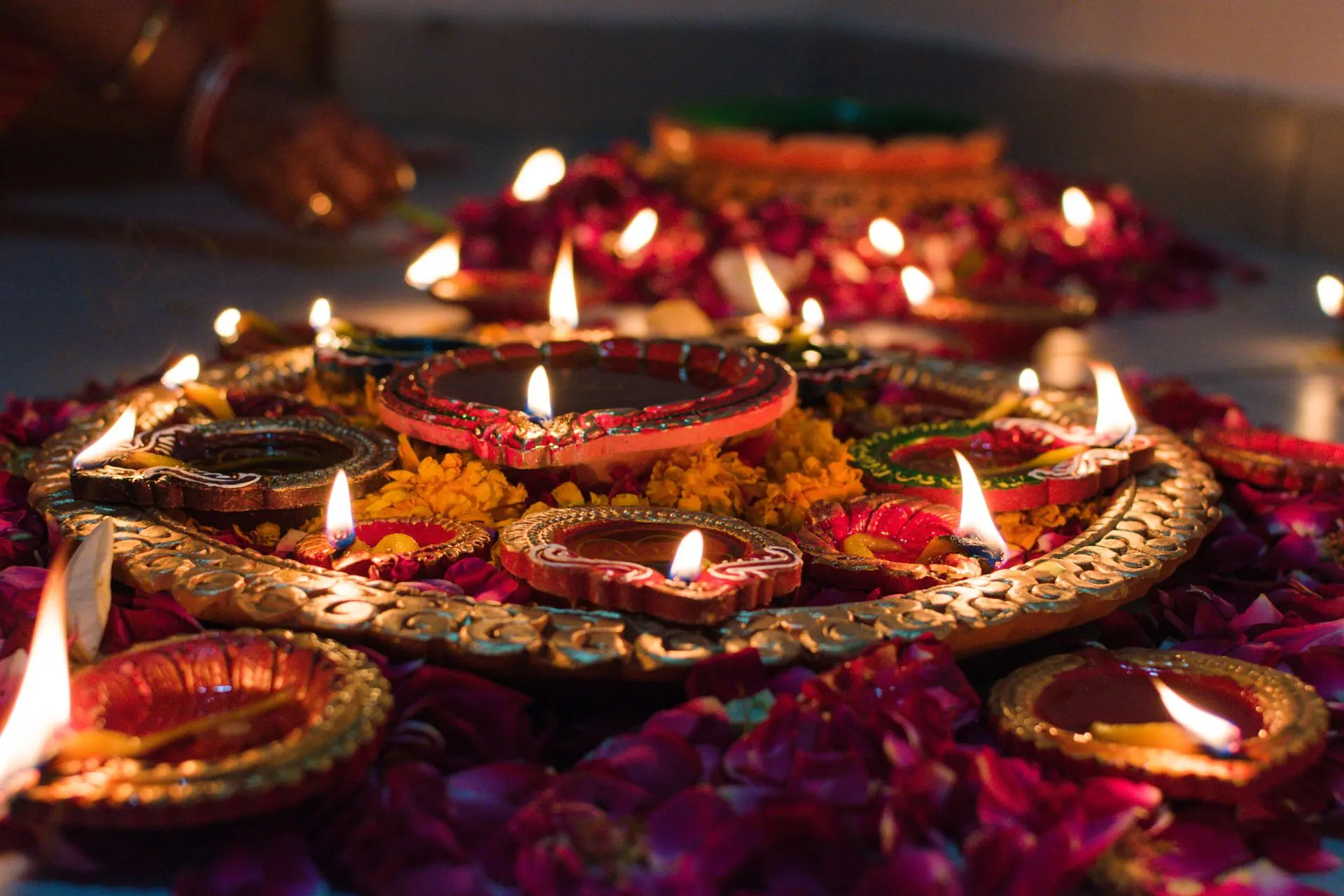
The Kite Festival on or around 14 January, when kites fill the sky and the tourism department holds events; the Jaipur Literature Festival in winter; Gangaur in March or April and Teej in the monsoon, both with royal processions from the City Palace; and Diwali in October or November, when the bazaars and Hawa Mahal are lit up. For Diwali, our Diwali in Jaipur experience books a rooftop or haveli courtyard to watch from.
Tour packages in Jaipur
See all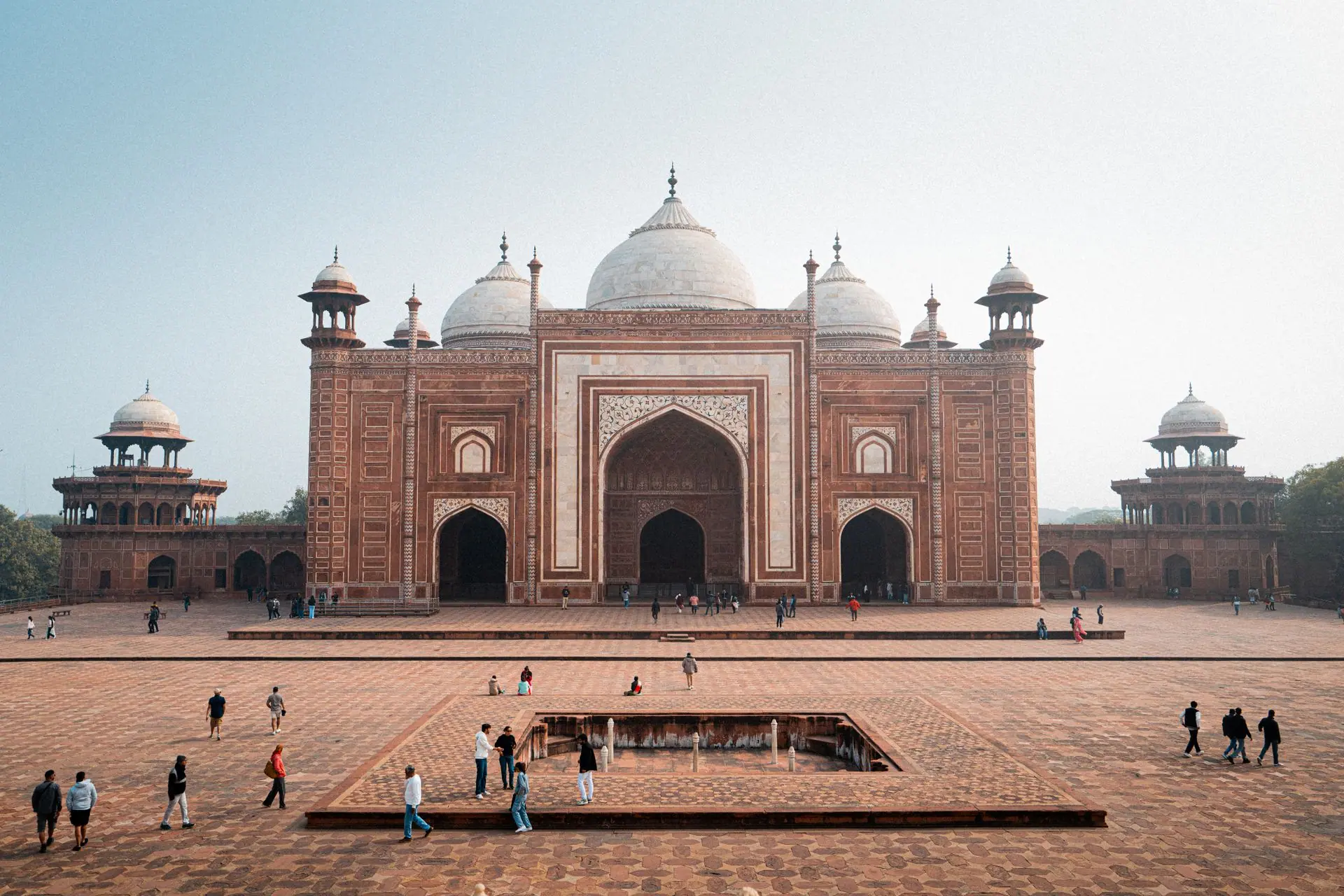
Delhi-Agra-Jaipur Golden Triangle
Golden Triangle tour: Delhi, Agra and Jaipur
Private guide and vehicle
Price on request
Jaipur
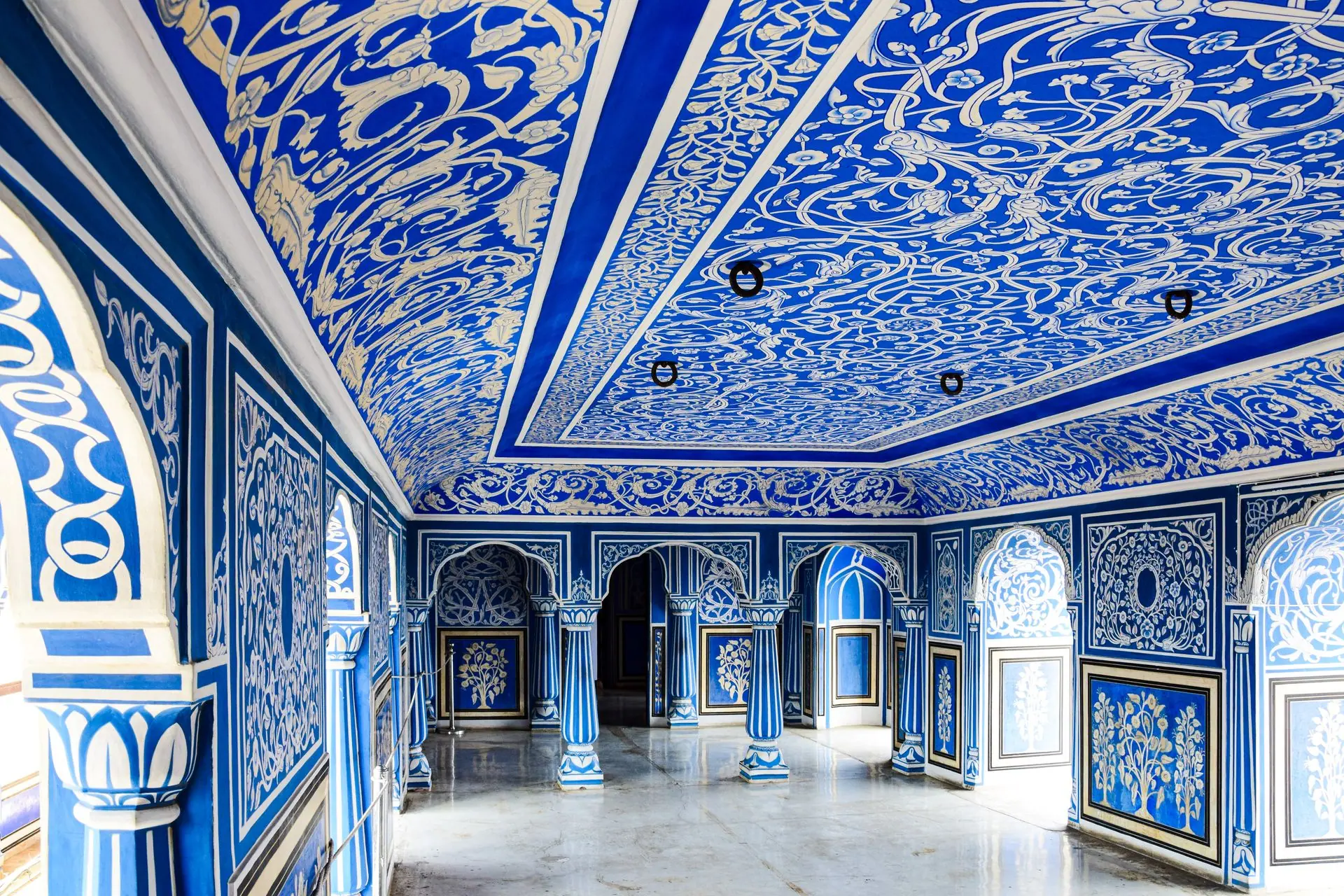
Jaipur city tour
Private guide and vehicle
Price on request
Jaipur
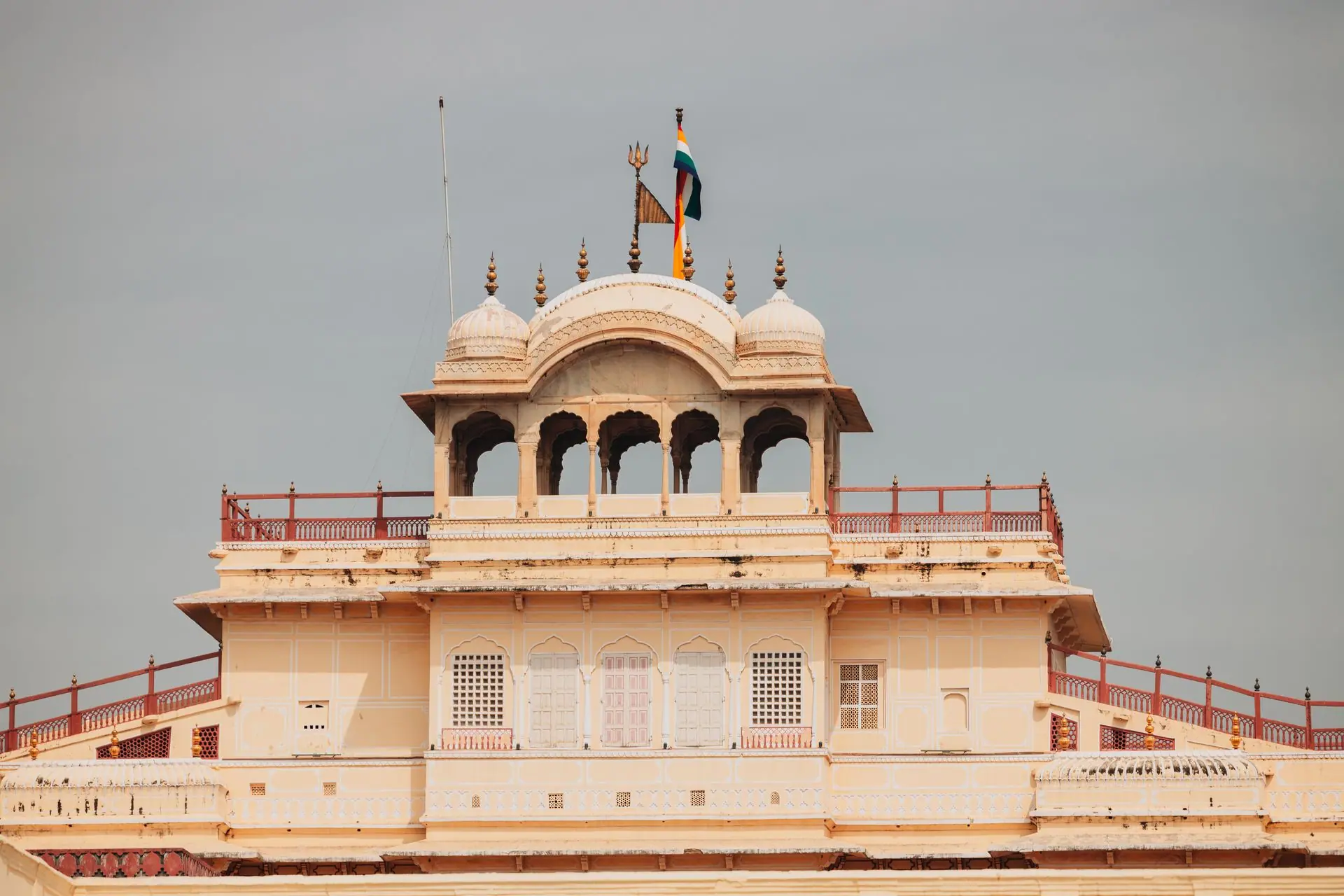
Jaipur day trip from Delhi
Private guide and vehicle throughout
Price on request
Golden Triangle
Golden Triangle with kids
Private guide and vehicle throughout
Price on request
Golden Triangle Tour — 6 days
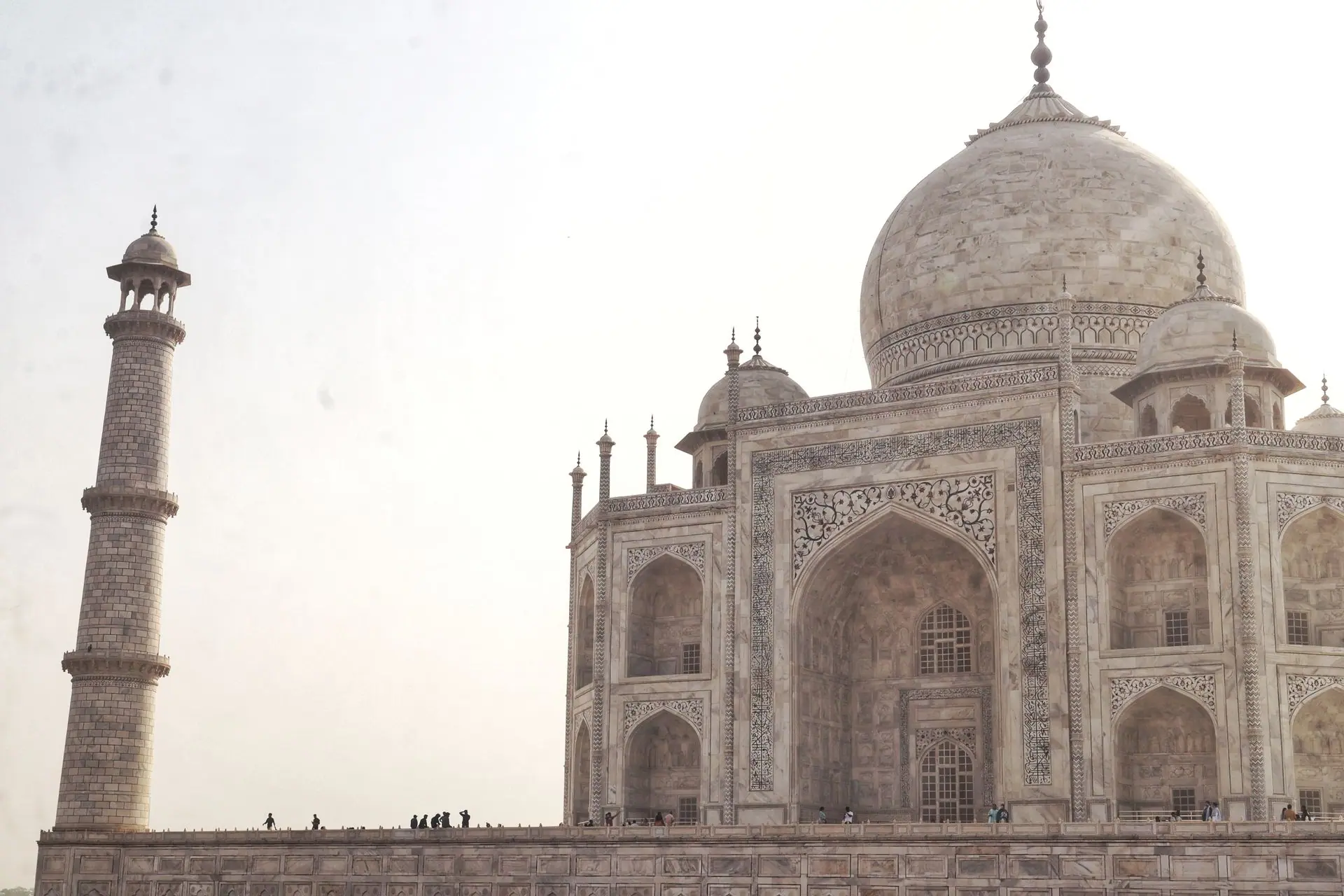
Golden Triangle Tour — 6 days, Delhi, Agra and Jaipur
6 days / 5 nights • Private guide and vehicle
Price on request
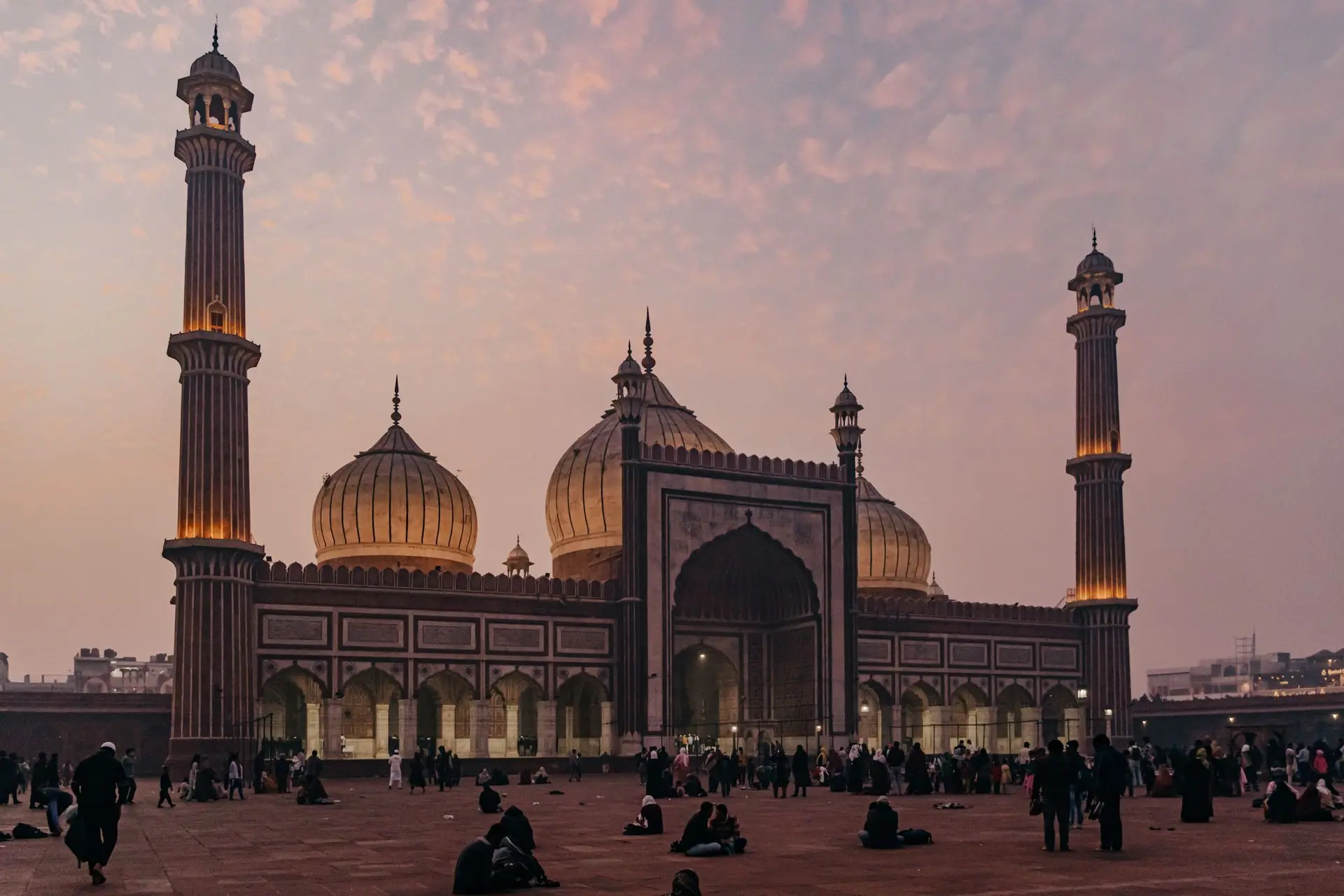
10 Days Delhi Agra Jaipur with Golden Temple Tour
10 Days Delhi Agra Jaipur with Golden Temple Tour
10 days / 9 nights • Private guide and vehicle
Price on request
Experiences in Jaipur
See all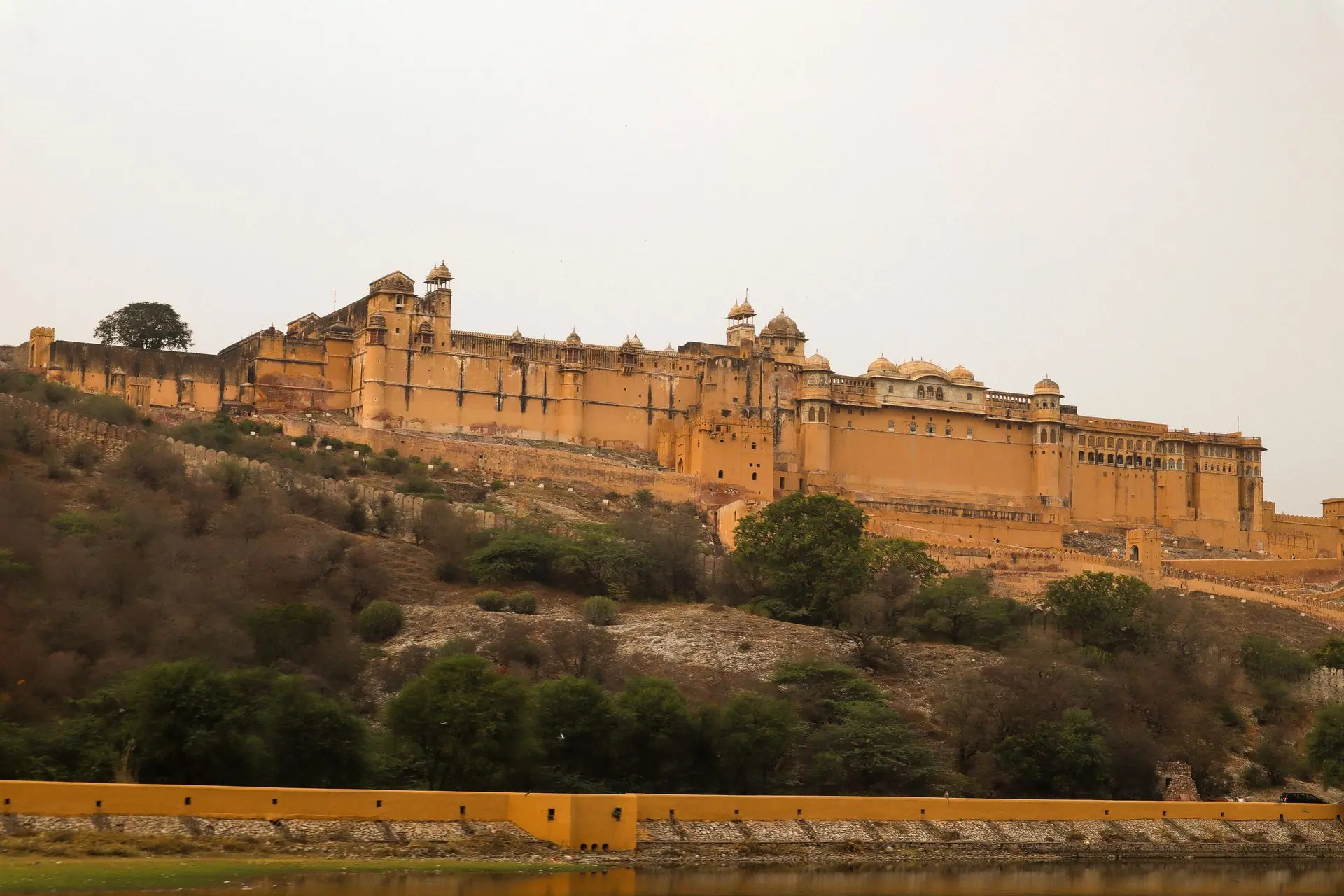
Amber Fort
Amber Fort experience
Private guide and vehicle
Price on request
Jaipur
Jaipur cooking class
Price on request
Jaipur
Diwali in Jaipur
Private guide and vehicle
Price on request
More places in Rajasthan
See all
From the journal: Jaipur
Journal
Jaipur Honeymoon Packages – Romantic Getaway in the Pink City
Journal
Jaipur One Day Tour Package by Car – Explore the Pink City in Comfort
Journal
Jaipur Honeymoon Package – Where Royalty Meets Romance
Journal
Complete Jaipur Travel Package – Itinerary, Cost & Top Attractions
Journal
Jaipur Tour Package with Amer Fort, City Palace & Hawa Mahal Visit
Journal
Rajasthan Tour Packages from Jaipur – Desert, Palaces & Heritage Awaits
Journal
Jaipur Travel Guide – Hidden Havelis & More
Journal
Teej Festival Jaipur, Rajasthan 2025 – Date & Location
Journal
Must-Visit Jaipur Tourist Places for an Unforgettable Experience!
Journal
Top 10 Places to Visit in Jaipur
Journal
Camel Safari, Jaipur – All You Need to Know
Journal
Top 7 Places to Visit Near Jaipur City – A Weekend Escape Guide
Customer reviews
Experience My India is rated 4.3 on Tripadvisor. We publish guest reviews after each trip.
Plan a trip
Tailor-made quote from a specialist