
Choose a state
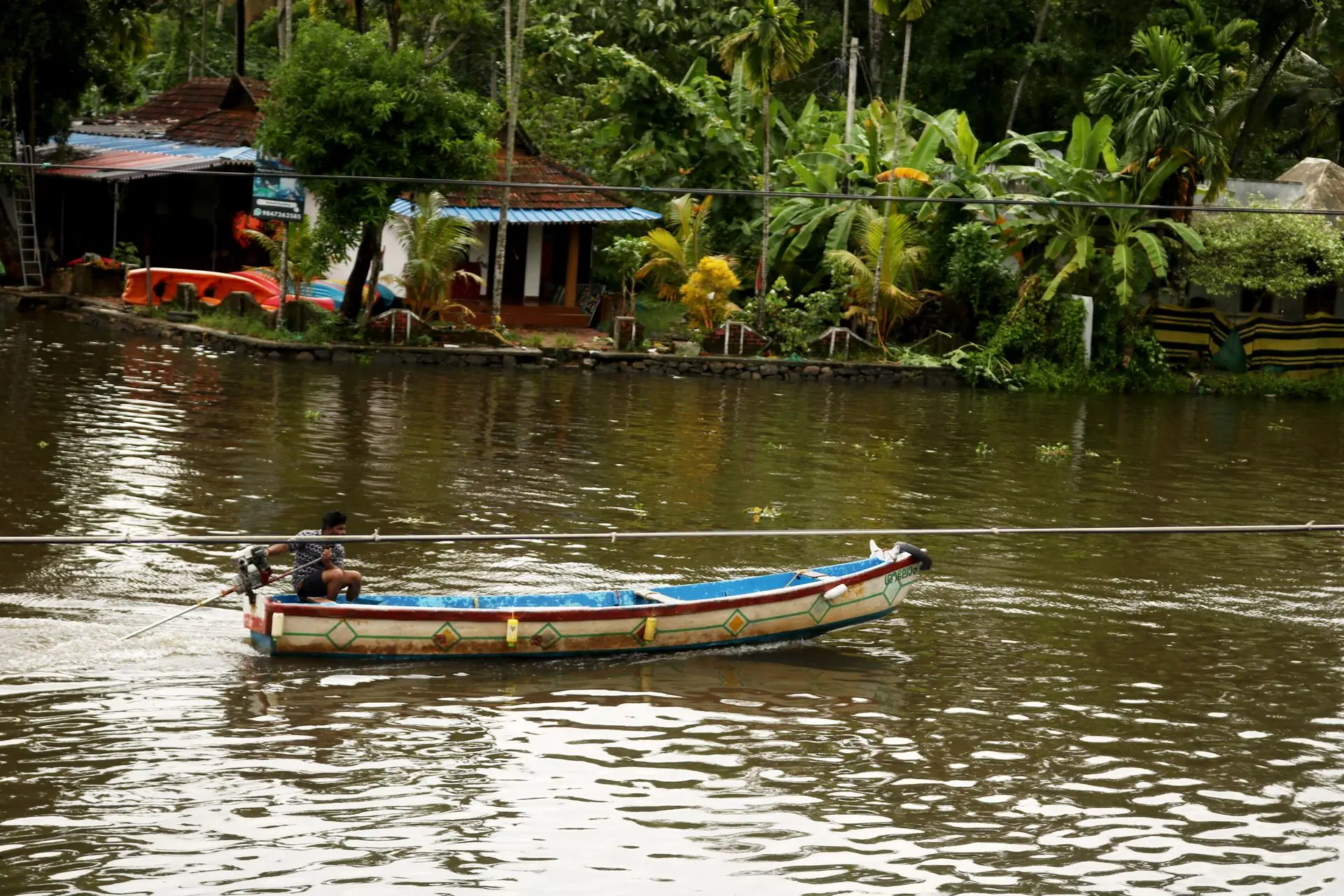
Guides and help
Ayurveda versus a resort spa: what is the difference? 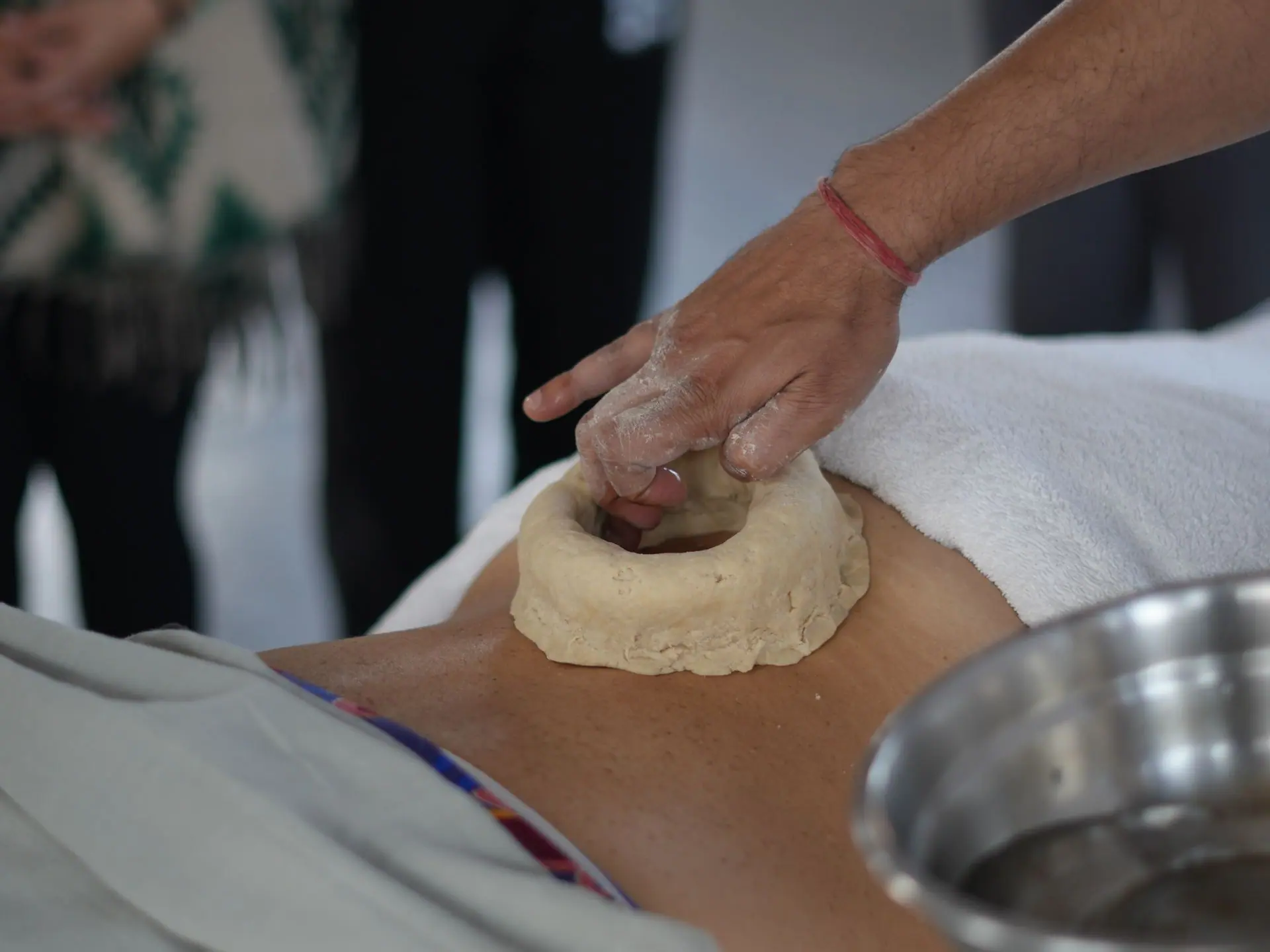
Travel guide · Wellness & Ayurveda
Ayurveda versus a resort spa: what is the difference?
Clinical Ayurveda is a doctor-led, diagnosis-based system of oil treatments and a prescribed diet, usually run over a week or more at a dedicated centre. A resort or hotel spa is a relaxation-focused service with no medical framework, typically booked by the treatment or the afternoon rather than as a multi-day programme.
Read the guideHow to choose an Ayurveda resort in Kerala Travel guide · Wellness & Ayurveda
How to choose an Ayurveda resort in Kerala
The right way to choose an Ayurveda stay in Kerala is to check the fundamentals rather than the marketing: whether a doctor consults with you before treatment starts, whether the centre is accredited and by whom, how long the programme runs, and whether meals are cooked to a prescribed plan.
Read the guide
Frequently asked questions
Which is better, Kerala Ayurveda or a Rishikesh yoga retreat?
They answer different questions rather than competing on quality. Kerala's Panchakarma programmes are a doctor-led Ayurveda tradition built around diagnosis, oil treatments and diet; Rishikesh is built around yoga practice and ashram life. Choose Kerala if a structured Ayurveda programme is the point, and Rishikesh if yoga and the Ganga are.
Do I need to be an experienced yogi to do a retreat in Rishikesh or Goa?
No. Both destinations run everything from beginner-friendly drop-in classes to serious residential training, and matching the right level of programme to your experience matters more than the destination itself.
Is Ayurveda a medical treatment?
Ayurveda is a traditional Indian system of diet, herbal treatment and bodywork with a long history in Kerala specifically. Reputable centres run it under a doctor's consultation and a structured programme, but we do not present it as a cure for any medical condition, and neither should any centre you book with.
Is alcohol available at these retreats?
Often not, or only in limited settings. Many ashrams and dedicated retreat centres, particularly in Rishikesh, are alcohol-free as a matter of course; the same is common at Ayurveda centres in Kerala during a treatment programme. Beach-side yoga stays in Goa vary more. Confirm the specific centre's policy on enquiry.
How far in advance should I book a wellness retreat?
Ayurveda programmes and residential yoga courses often have limited places and set start dates, so a few months' lead time is sensible, particularly for peak seasons such as the Kerala monsoon or Rishikesh's late-year window. Shorter, flexible Goa stays can usually be arranged with less notice.
Can these retreats be combined into one trip?
Yes, though most travellers focus a single trip on one retreat and treat it as the anchor of a wider India itinerary rather than combining two intensive programmes back to back. Tell us your priorities and we will suggest a realistic sequence.
About Ayurveda and wellness retreats in India
India's best-known wellness retreats fall into four distinct kinds: Kerala's doctor-led Ayurveda and Panchakarma programmes, Rishikesh's yoga and ashram culture on the Ganges, Goa's beach-based yoga retreats concentrated in the south, and Dharamshala's meditation stays around the Tibetan Buddhist community in McLeod Ganj.
Reviewed by Experience My India Editorial Team · Updated 13 Sept 2026
Four kinds of retreat, not one
"Wellness retreat" covers a wide range of things in India, and the four covered here sit at genuinely different points on it. A Kerala Panchakarma stay is a clinical, doctor-led Ayurveda programme built around a diagnosis and a treatment plan, typically the longest and most structured of the four. A Rishikesh yoga retreat is built around ashram life and daily practice in a town widely known as the Yoga Capital of the World. A Goa yoga retreat pairs the same daily practice with a beach setting, mainly in the quieter south of the state. A Dharamshala meditation retreat sits in the hills around McLeod Ganj, the seat-in-exile of the Dalai Lama and a long-established Tibetan Buddhist community, and centres on meditation and mindfulness rather than physical yoga.
None of the four is a medical cure for anything, and none should be read as one. What follows is what each one actually involves, so you can pick by fit rather than by name recognition.
The criteria that matter
- Accreditation of the centre — for a multi-day Ayurveda programme in particular, a reputable, accredited centre matters far more than for a single relaxing massage, which is easy to arrange almost anywhere. Confirm a centre's accreditation and its doctors' qualifications on enquiry before you book.
- Retreat length — Ayurveda programmes in Kerala are usually the longest, often a week or more, because the treatment plan itself is built in stages. Yoga and meditation retreats can run anywhere from a long weekend to several weeks, and teacher training is a matter of weeks.
- Doctor consultation before treatment — a genuine Ayurveda programme starts with a consultation and a diagnosis, not a menu of treatments picked off a spa list. If a Kerala stay skips this step, it is a spa experience with an Ayurveda label rather than the therapeutic tradition itself.
- Dietary structure — Ayurveda programmes typically run alongside a prescribed diet cooked to the treatment plan; yoga and meditation retreats are usually vegetarian and often alcohol-free, but with more everyday flexibility.
- Yoga versus Ayurveda — the two are related but distinct. Yoga is a physical and breathing practice you can pick up in a class of any length; Ayurveda is a broader system of diet, herbal treatment and bodywork that in its serious form is guided by a doctor over days or weeks. Rishikesh and Goa retreats are built around yoga; Kerala's is built around Ayurveda; Dharamshala's is built around meditation, which is different again from both.
How to choose
Start from what you actually want rather than the destination. If you want a structured, doctor-led health programme and are prepared to give it a week or more, Kerala's Panchakarma tradition is the one built for that. If you want serious daily yoga practice, ashram life or a teacher training, Rishikesh is the established base for it. If you want yoga alongside a beach holiday, with more flexibility and downtime, Goa's southern coast delivers that combination. If meditation and a quieter, contemplative pace matter more than physical practice, Dharamshala's Himalayan setting and Tibetan Buddhist context suit that best.
It is also worth deciding whether you want disciplined immersion (an ashram, a residential programme, few off-hours) or a comfortable base with practice built around it (a wellness resort with daily sessions and free time). Both exist in Kerala, Rishikesh and Goa, and the right one depends on your tolerance for structure as much as on the destination.
| Criteria | Kerala Panchakarma Retreat | Rishikesh Yoga Retreat | Goa Yoga Retreat | Dharamshala Meditation Retreat |
|---|---|---|---|---|
| Focus | Doctor-led Ayurveda: diagnosis, oil treatments, a prescribed diet | Yoga practice, ashram life, the Ganga Aarti nearby | Yoga practice paired with a beach setting, mainly in the south | Meditation and mindfulness around the Tibetan Buddhist community of McLeod Ganj |
| Typical length | About a week or more, built in stages | A few days for a taste; a week or more for regular practice; teacher training runs weeks | A few days to two weeks, often flexible | A few days to around a week is typical |
| Best season | Widely considered strongest in the monsoon (roughly June to September), though centres run year-round | Late September to April; hot in May–June; monsoon (July–September) is quieter but wet | Mid-November to February for reliable weather; shoulder months hotter and quieter | March to June and September to November avoid the coldest and wettest months (confirmed on enquiry) |
| Who it suits | Travellers wanting a structured health programme, not a single spa treatment | Yogis at any level, from beginners to those training as teachers | Travellers who want yoga alongside a relaxed beach holiday, not an intensive | Travellers seeking a contemplative, meditation-first retreat rather than physical yoga |
Region and season notes
Kerala's Ayurveda tradition runs year-round, but the monsoon months are traditionally considered the best time for a proper course, even though the same rain makes it a poor season for sightseeing elsewhere in the state. Rishikesh's comfortable season, late September to April, coincides with its busiest ashram calendar, including the International Yoga Festival in March. Goa's yoga-retreat season tracks the state's dry season, mid-November to February, after which the heat and then the monsoon close many beach-side properties. Dharamshala sits in the Himalayan foothills of Himachal Pradesh, so its climate is cooler and more seasonal than the other three, with winter bringing snow at altitude around McLeod Ganj — confirm the current season on enquiry.
Plan a trip
Tailor-made quote from a specialist