
1 tour package in Puri
Jagannath Puri temple tour and VIP darshan 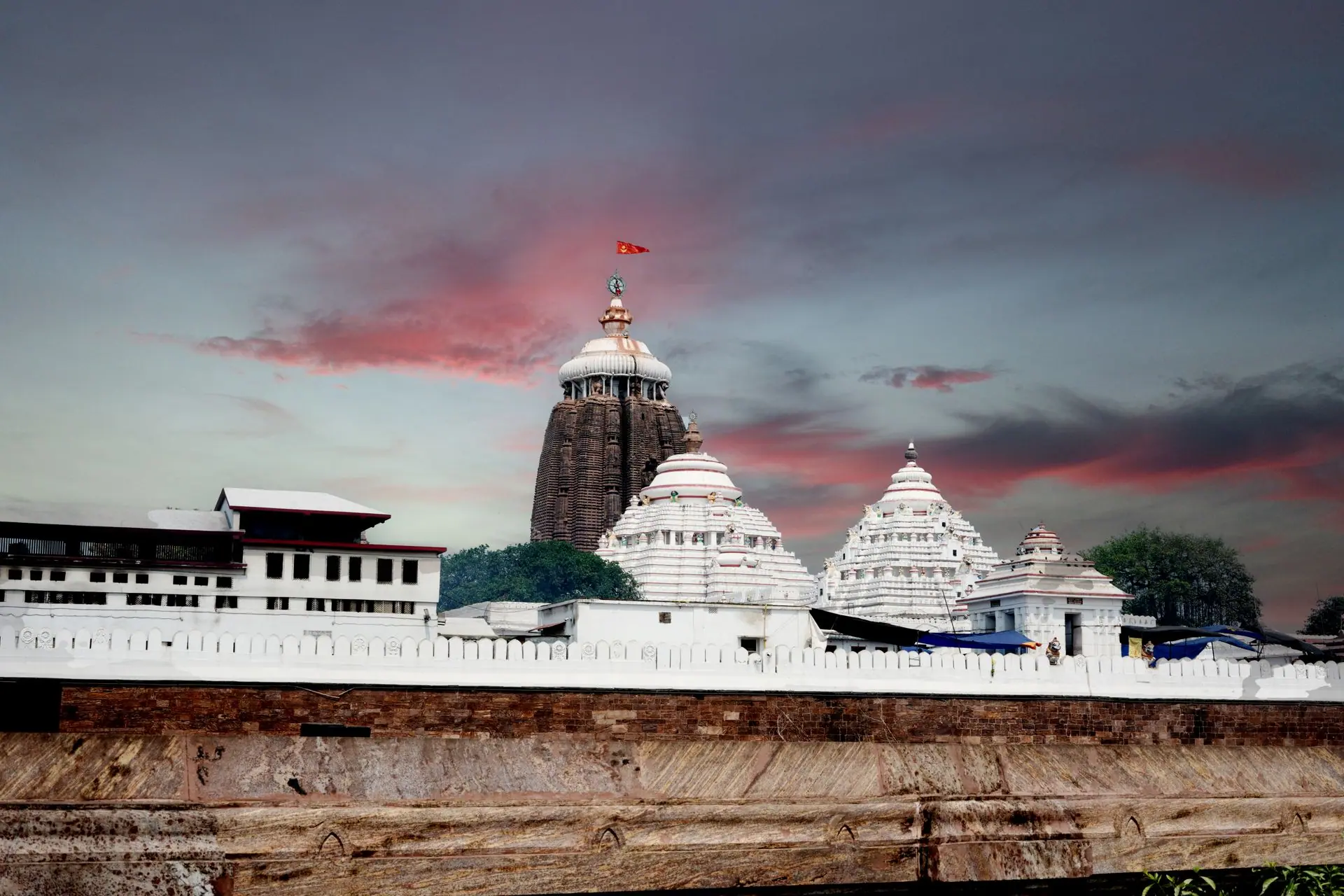
Tour package
Jagannath Puri temple tour and VIP darshan
Free cancellation
Price on request
View details
Tour packages in other states
See all
Uttar Pradesh
19 tour packages
Rajasthan
18 tour packages
Across India
8 tour packages
Uttarakhand
6 tour packages
Delhi
4 tour packages
Ladakh
4 tour packages
Goa
3 tour packages
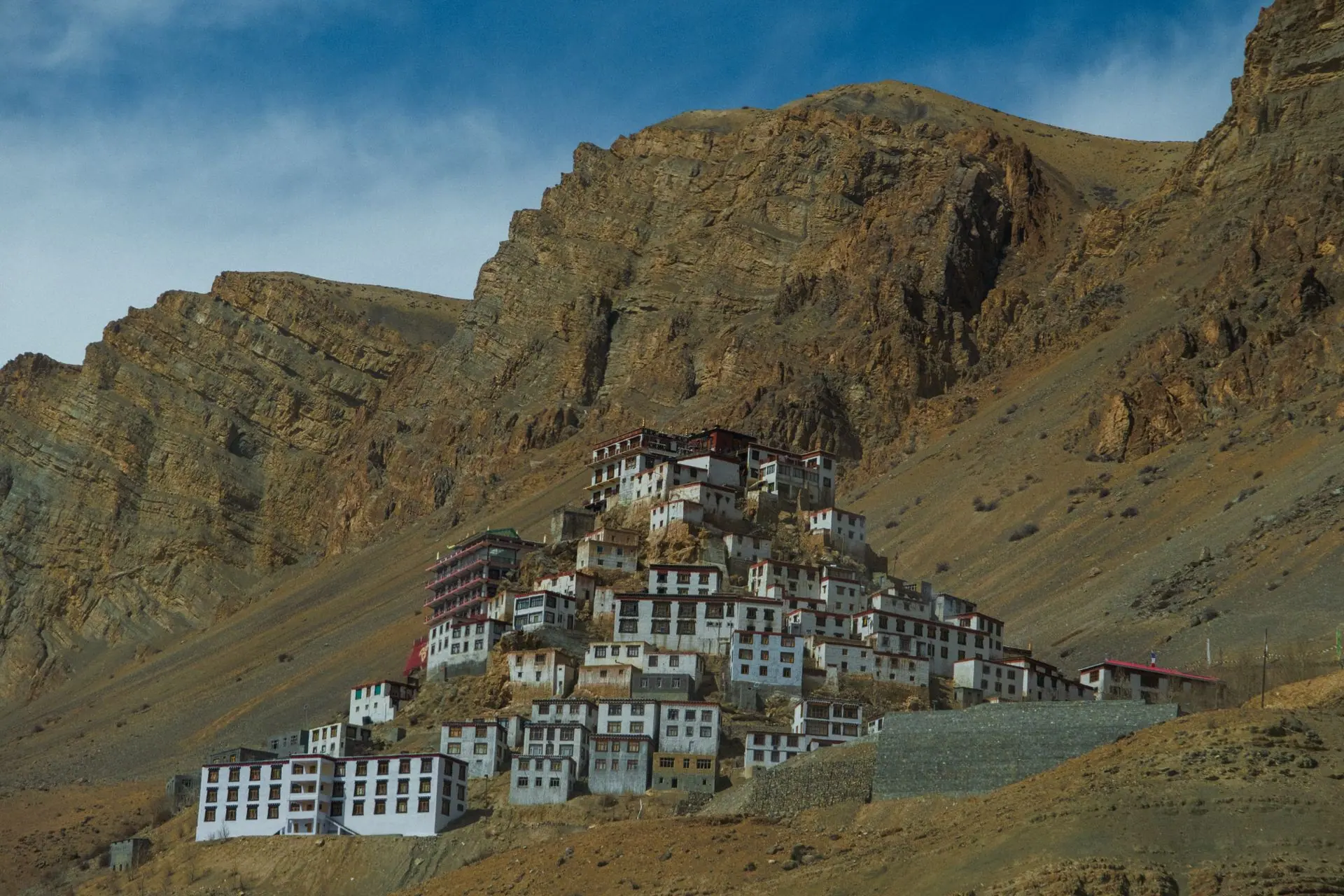
Himachal Pradesh
3 tour packages
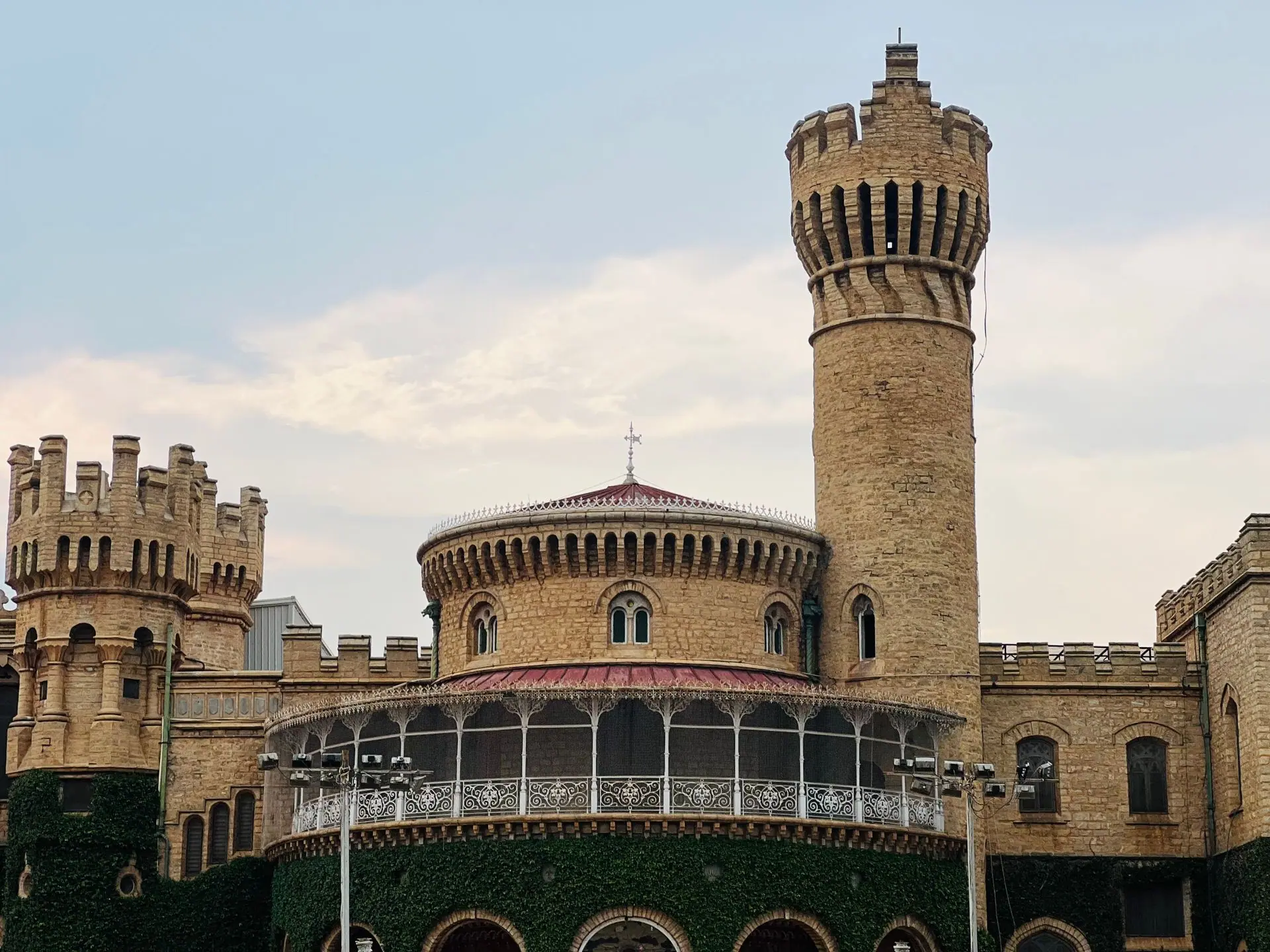
Karnataka
3 tour packages
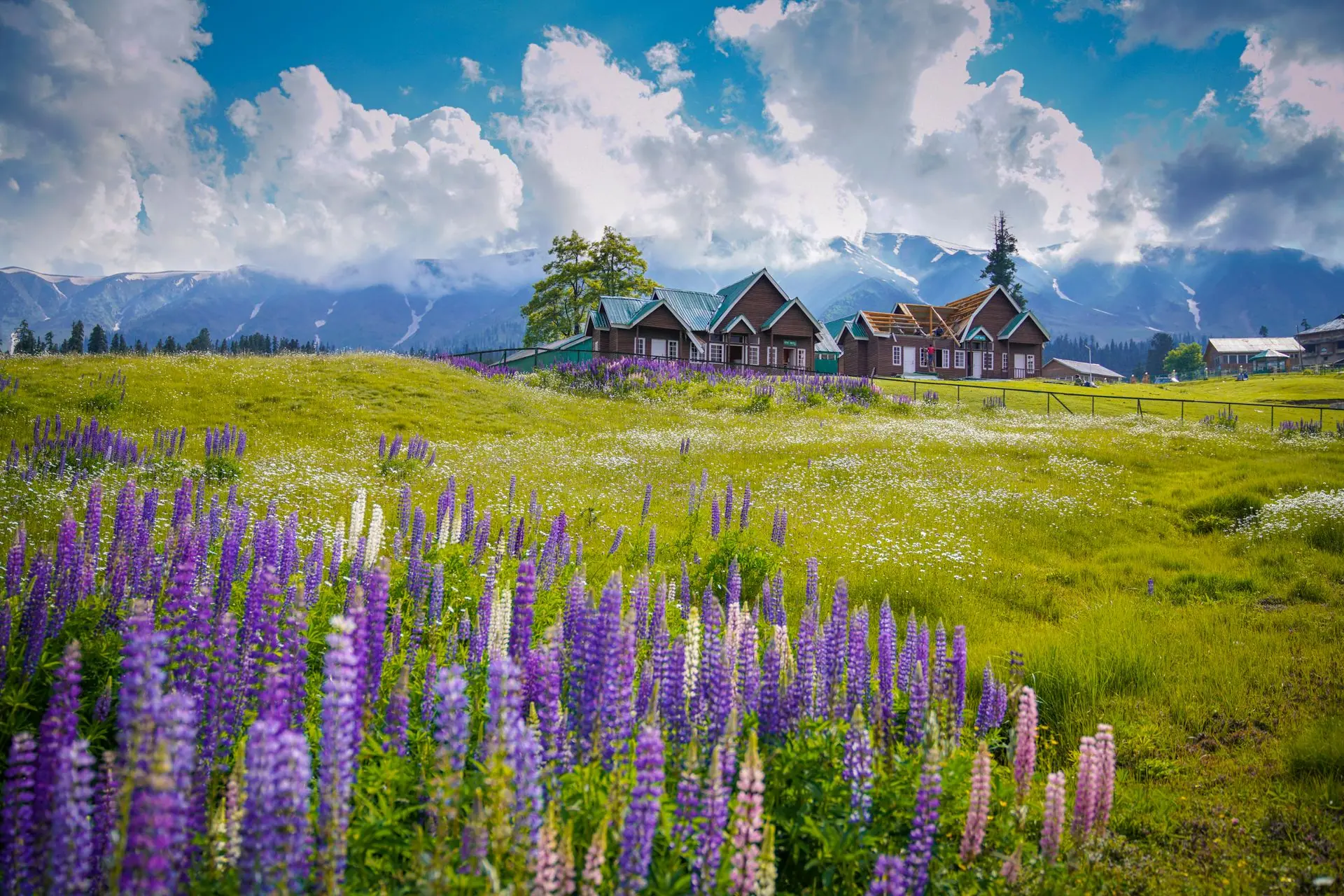
Kashmir
3 tour packages
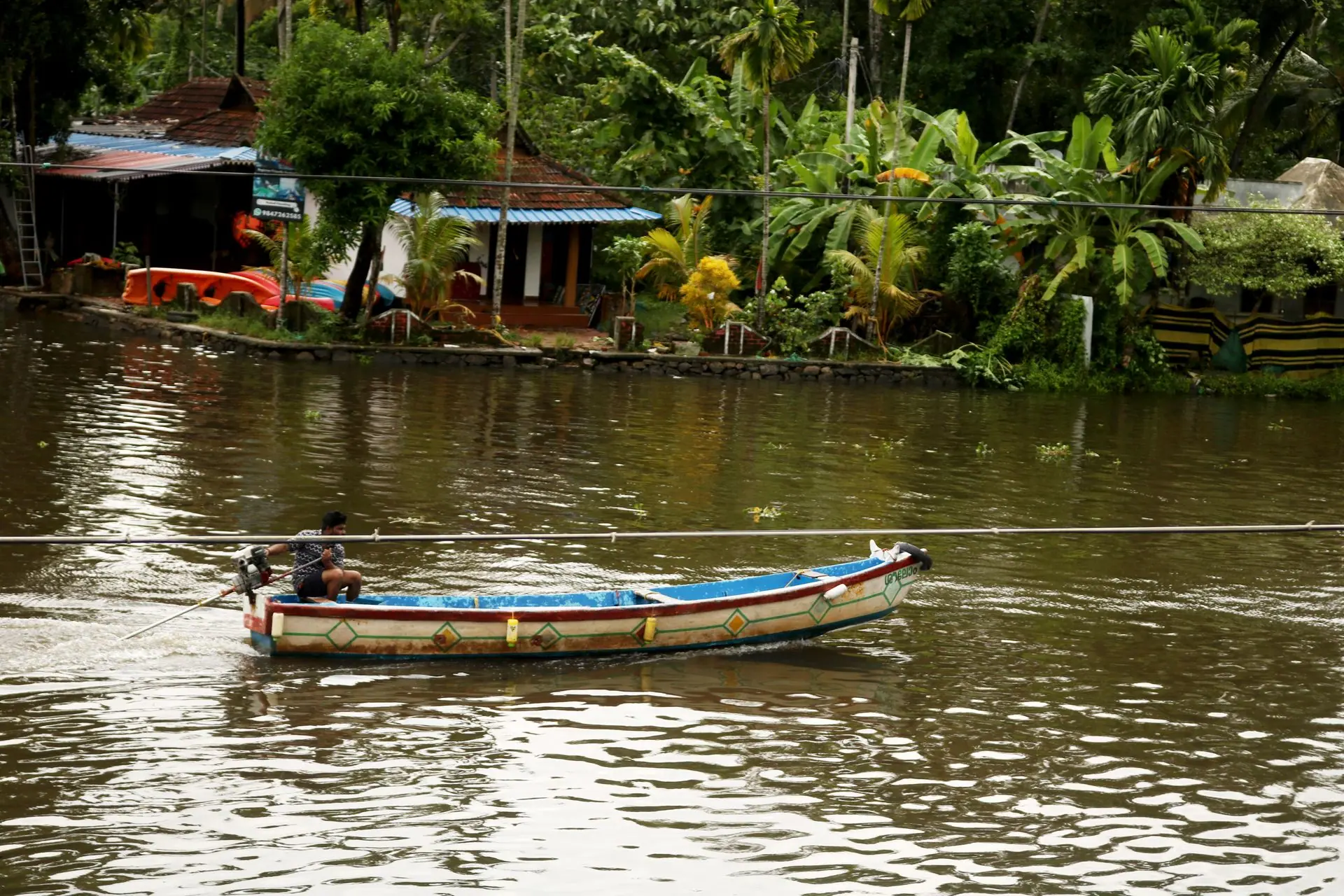
Kerala
3 tour packages
Tamil Nadu
3 tour packages
Punjab
2 tour packages
Andhra Pradesh
1 tour package
Bihar
1 tour package
Madhya Pradesh
1 tour package
Maharashtra
1 tour package
Odisha
1 tour package
Frequently asked questions
Can I book a paid VIP darshan at the Jagannath Temple?
No. In a police complaint against a website that was selling such passes, the Shree Jagannatha Temple Administration stated that the temple has no provision for VIP darshan on payment and that it has authorised no individual or organisation to arrange one. Devotees join the general queue and enter by the Lion's Gate. Treat any online offer of paid darshan with suspicion; a guide can help you choose your time and find your way, not skip the queue.
What are the darshan hours at the Jagannath Temple?
The temple administration says the temple generally opens, and darshan begins, at about 5.30 am, and darshan continues through the day until late at night, except on some festival days. It pauses for rituals, longest from about 8 to 9.15 am, and at some hours devotees see the deities from the hall nearest the sanctum, at others from the dance hall further out. Your guide fits the visit to that day's timetable.
Why is there no darshan for about two weeks before the Rath Yatra?
After Snana Purnima, the bathing festival on the full moon of Jyestha, the deities are said to fall ill, and the temple administration states that darshan is not possible for 15 days. The pause runs into the days just before the Rath Yatra, in the month of Asadha, and usually falls in June. If seeing the deities is the purpose of your trip, give us your dates early so they can be checked against the temple's festival calendar.
What must I leave outside the Jagannath Temple?
Footwear and anything made of leather, mobile phones, cameras and other electronic gadgets, and umbrellas. The temple administration keeps free shoe and mobile stands near the Lion's Gate. It also asks visitors to bathe and wear clean clothes before entering, not to carry cooked food or eat non-vegetarian food, to keep silent inside, and to watch out for pickpockets and monkeys.
Where can I eat the Mahaprasad in Puri?
At the Ananda Bazaar, in the north-east corner of the temple complex, where the temple's Mahaprasad of rice, dal, curries and dry sweets is available, with space to sit and eat. It is cooked in earthen pots in the temple's own kitchen, which Odisha Tourism describes as feeding thousands of devotees every day. Because the Ananda Bazaar lies inside the temple walls, only those allowed into the temple can eat there.
Is it safe to swim at Puri's Golden Beach?
Golden Beach, Puri's main beach, holds Blue Flag certification, and Odisha Tourism says it has lifeguards and clearly marked designated zones. Swim only inside those zones and while the lifeguards are on duty, and stay out of the water when the sea is rough or a weather warning is in force, which is likeliest during the monsoon. The beach is about 2.5 km from the temple, so a swim fits easily after darshan.
Should I stay in Puri or in Bhubaneswar?
Stay in Puri if the temple is why you are going: you can be at the Lion's Gate when darshan begins at about 5.30 am, come back in the evening, and reach the beach in minutes. Bhubaneswar, 60 km away, suits travellers who also want its own temples or need to be near the airport. A tailor-made trip can use both, with nights in Puri for the temple and Konark and a last night in Bhubaneswar before flying out.
About Puri Tour Packages
Our Puri tour package is a private visit to the Jagannath Temple and the town around it, for Hindu pilgrims and for travellers of other faiths. A guide and car take you to darshan in the temple's queue if you are Hindu, or around the outside of the temple if not, with Konark as an optional day out, all confirmed in a written quote first.
Reviewed by Experience My India Editorial Team · Updated 21 Oct 2026
Why go to Puri
Puri grew up on the Bay of Bengal around the Jagannath Temple, which Odisha Tourism dates to the 12th century and the reign of King Anantavarman Chodaganga Deva. It is one of the Char Dham, the four great pilgrimage seats of Hinduism, and its images of Jagannath, his elder brother Balabhadra and their sister Subhadra are carved from neem wood and remade every 12 to 19 years in the Nabakalebara ritual. Two walls enclose the complex, the main tower rises about 65 metres, and devotees enter only by the Lion's Gate on the east side. The sea is close by: Golden Beach lies about 2.5 km from the temple. More in our Puri travel guide.
How many days to give Puri
The Jagannath Puri temple tour has no fixed length, so plan on at least one night in Puri itself. The temple administration says darshan generally begins at about 5.30 am, and sleeping in town lets you reach the Lion's Gate early and keep the evening for the Grand Road and the sea. A second day makes room for the tour's optional trip to the Konark Sun Temple, about 35 km away, or for the painters' village of Raghurajpur, 14 km out. From Bhubaneswar, 60 km away, Puri can be seen in a long day, but the drive both ways comes out of your time at the temple.
When to go
November to February is the most comfortable time. IMD's long-term averages for Puri give January days of about 27°C and nights of about 18°C, and little rain falls from December to April. October often stays wet: its average rainfall is about 166 mm. From March to May the heat is humid rather than fierce, with May nights averaging about 27°C. June to September brings about three quarters of the year's rain, August the most. The Rath Yatra falls in June or July, and for about two weeks beforehand darshan stops altogether.
How to reach Puri
The nearest airport is Biju Patnaik International at Bhubaneswar, about 60 km by road; the drive to Puri takes about an hour and a half. Puri has its own railway station, about 3 km from Golden Beach, and the temple administration keeps an information counter on its main platform. On the road from Bhubaneswar you pass Pipili, a town of appliqué workshops whose bright cloth has long decorated the chariots of the Rath Yatra. Once you are in Puri, the tour's car and driver take you between the temple, the town and the coast.
What the Puri tour package includes
The tour comes with a private vehicle and a knowledgeable guide in Puri. Before anything is fixed, the specialist checks the temple's current rules on entry and darshan and briefs you plainly on who may go inside. The day covers the temple, by darshan in the queue or from the outside, then the Grand Road (Bada Danda), the old town's lanes and the seafront, with Konark as an optional extra. Donations and offerings, meals beyond those on your itinerary and anything not on your confirmed quote are not included. A hotel, if you want one, goes into the same written quote, and you can cancel for a full refund up to 24 hours before the trip starts.
How your Puri trip is tailored
The plan starts from your dates and from who in your group will go inside the temple. Hindu pilgrims, NRI families among them, get a day built around darshan and the temple's ritual timetable. Travellers of other faiths get a guided look at the temple from outside, the Rath Yatra road and the town, with more time for Konark and the beach. Festival dates matter most: the Rath Yatra brings huge crowds and needs planning well ahead, and a June trip should avoid the fortnight when darshan pauses. To add Bhubaneswar's temples or Chilika Lake, see Odisha tour packages.
Plan a trip
Tailor-made quote from a specialist