
Jodhpur Travel Guide: Mehrangarh, the Blue City and a Two-Day Plan
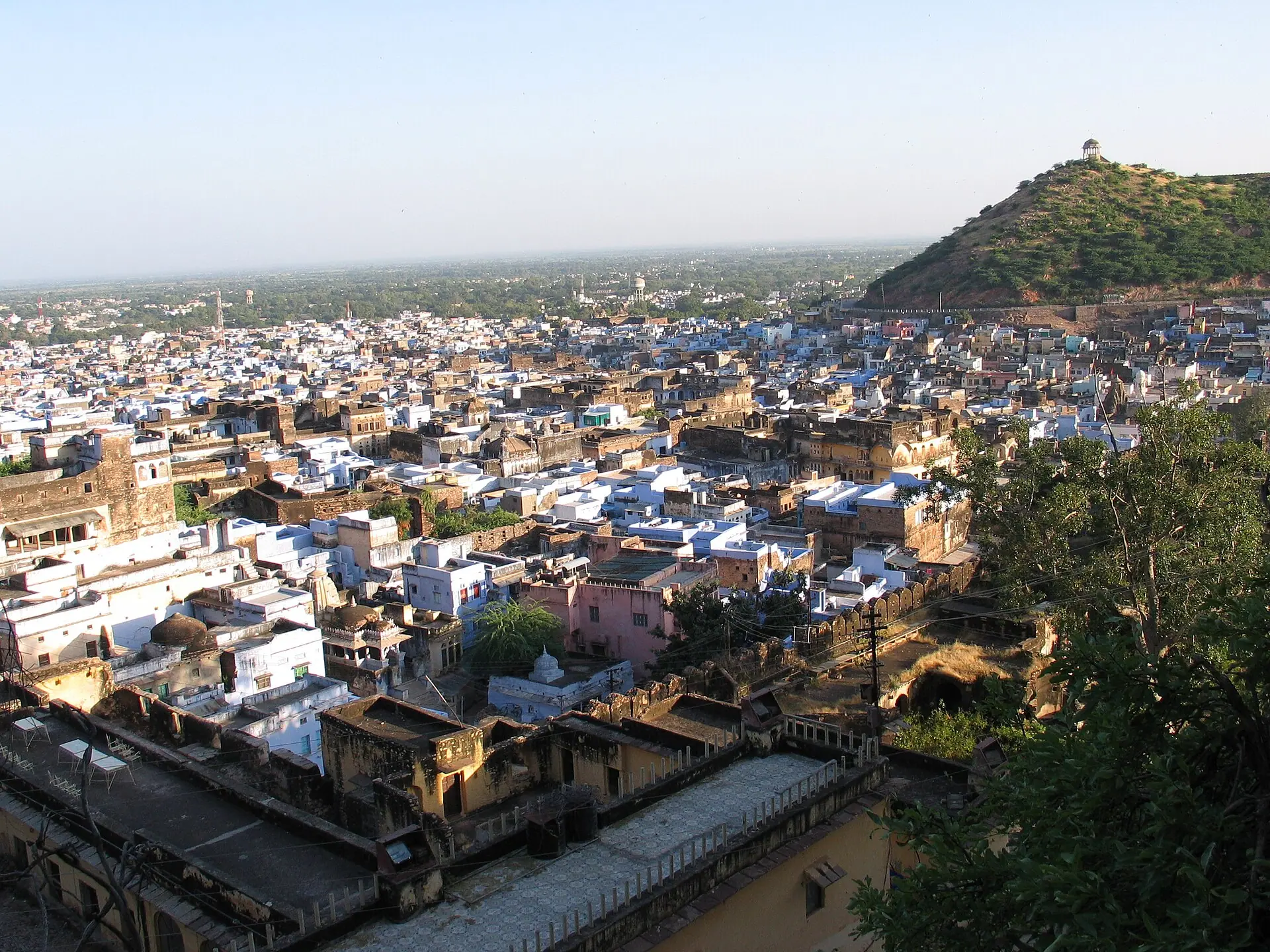
Jodhpur is the Blue City of western Rajasthan, built beneath Mehrangarh Fort. The main places to visit in Jodhpur are the fort, Jaswant Thada, Umaid Bhawan Palace, the Clock Tower market, Toorji Ka Jhalra stepwell and Mandore, enough for two days. The city has an airport and direct trains, and November to February is the most comfortable season.
By Gurudutt Kaushal · Reviewed by Gurudutt Kaushal · Updated 3 Oct 2026
See all 1 tour or experience in Jodhpur →
Government-approved operatorApproved by the Ministry of Tourism, Government of India
Places to visit in Jodhpur
Things to do in Jodhpur
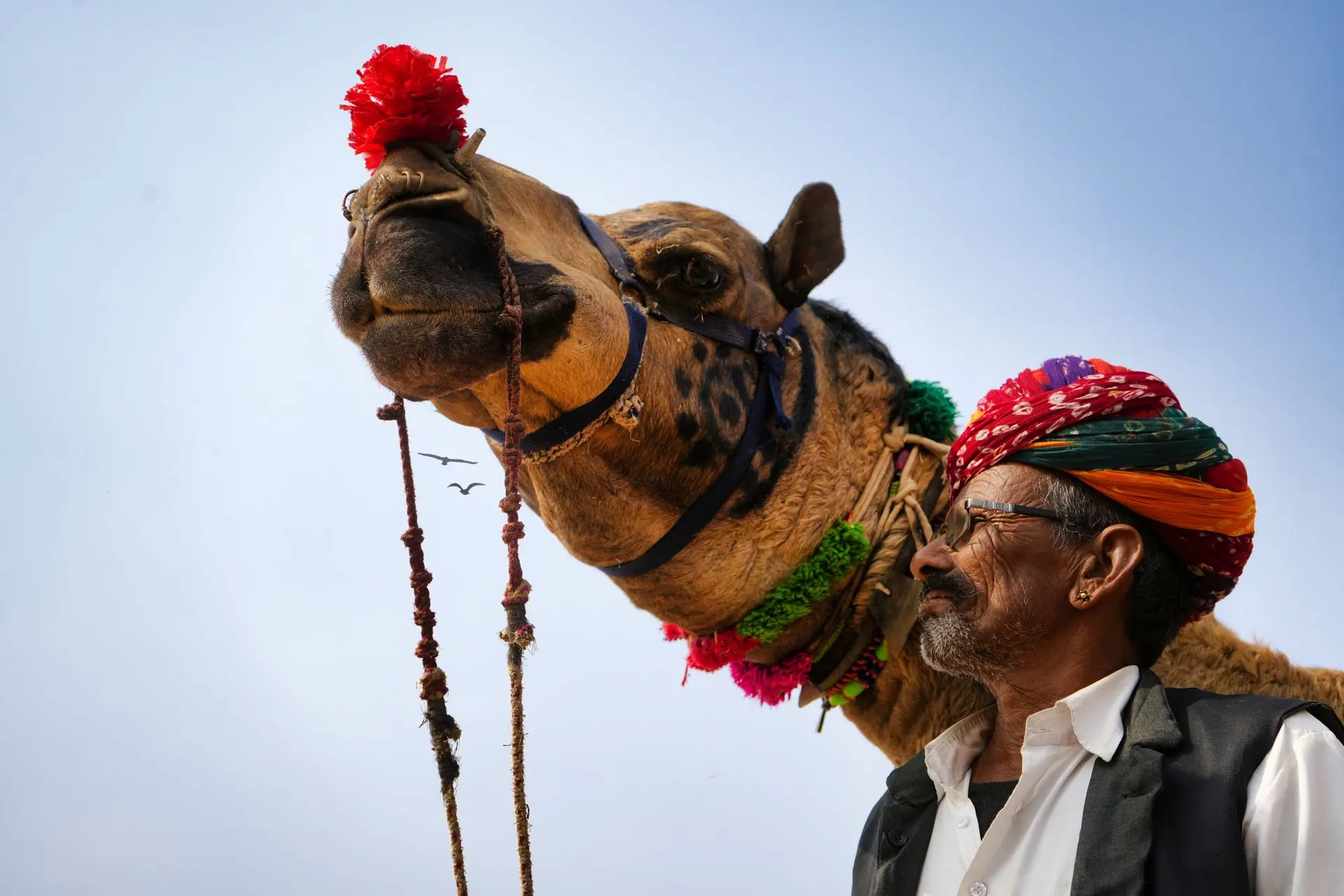
The Flying Fox zip-line tour flies over the fort's outer battlements and two desert lakes, and includes a trek through the Rao Jodha park. The Bishnoi Village Safari visits villages whose people, Rajasthan Tourism says, revere nature and hold all living things sacred, with migratory birds at the Guda Bishnoi lake. Camel safaris run in the desert near Osian. The heritage walk starts at the Clock Tower, and in the evening the lanes of Ghantaghar Market and Tripolia Bazar fill with street-food stalls: see our guide to Rajasthani food for what to order. Everything we run in the city is on our Jodhpur tours and experiences page.
Day trips from Jodhpur
- Osian, 65 km on the Phalodi road: a stepwell and ruined Hindu temples of the 8th to 11th centuries, with the Harihar temple the most prominent, and a camel ride at sunset.
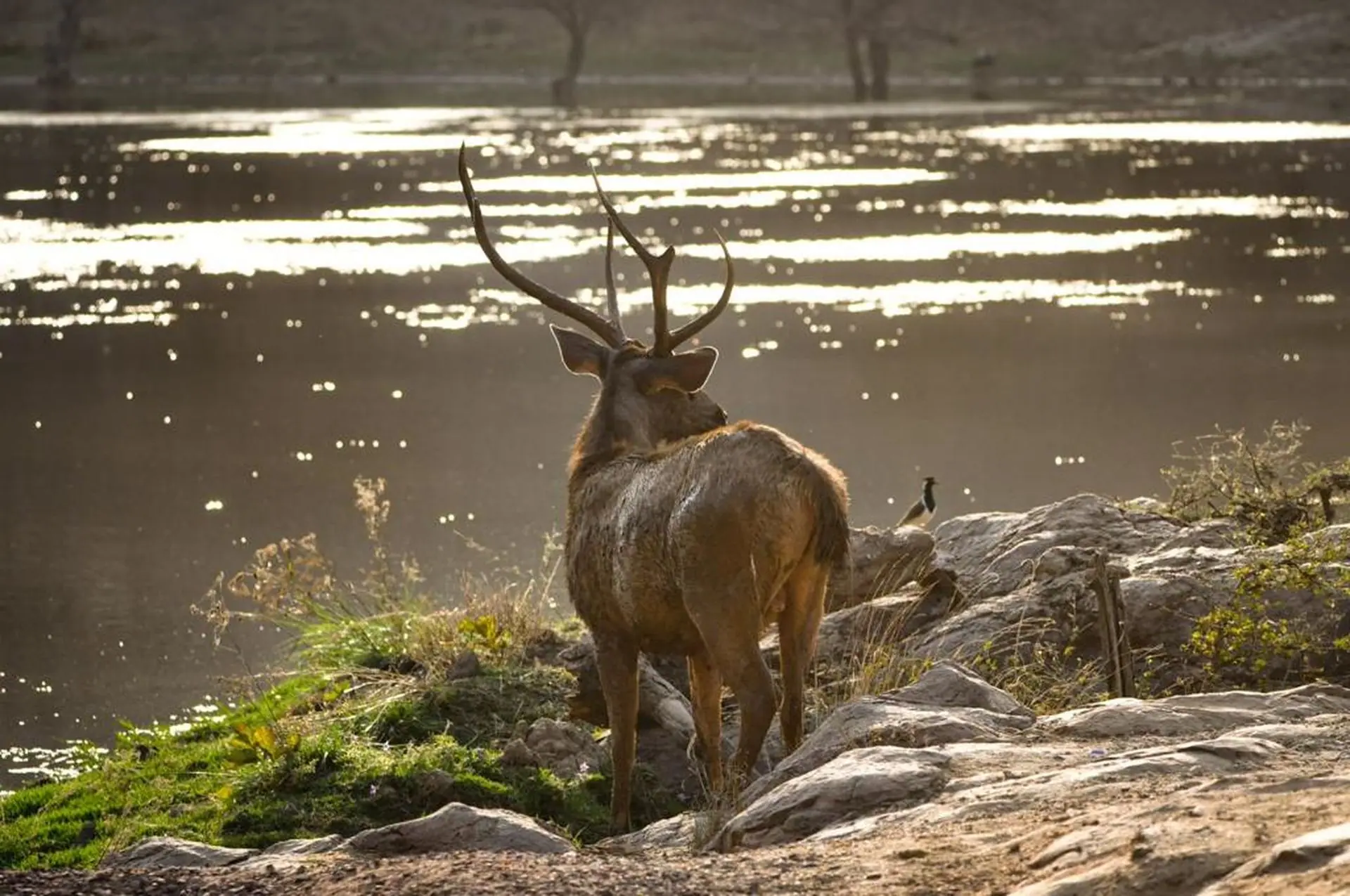
- Guda Bishnoi village: migratory birds, including demoiselle cranes, with antelopes and blackbuck by the pond.
- Khejarli: a memorial to the 363 villagers who died in 1730, led by Amrita Devi, protecting the khejri trees.
- Salawas, 22 km towards Pali: hand-woven cotton carpets, pottery and block printing, with a chance to try the potter's wheel and loom.
- Sardar Samand Lake: a lakeside hunting lodge built in 1933, with yellow-legged green pigeons, Himalayan griffons and Dalmatian pelicans on the water.
Best time to visit Jodhpur
November to February is the comfortable stretch. IMD's 1991–2020 averages for Jodhpur put daytime highs at 25.1–31.8°C in those four months, with lows of 9.6–15.1°C, so carry a jacket for early starts. October (36.1°C) and March (33.9°C) are warmer, and May peaks at 41.2°C. Rain is light for most of the year: 370.2 mm falls annually, mostly in July (119.7 mm) and August (113.5 mm). The Marwar Festival falls in the month of Ashwin, between September and October. For the whole state, see our best time to visit Rajasthan guide.
How to reach Jodhpur
By air: Jodhpur's airport is about 5 km from the centre, with flights to Delhi and Mumbai. It serves domestic routes only, and it is useful for flying out of Rajasthan without going back to Jaipur.
By train: Rajasthan Tourism says direct trains link Jodhpur with all the metros and major cities, and a Vande Bharat Express runs between Jodhpur and Delhi Cantonment.
By road: Rajasthan Tourism gives Pushkar as 186 km, Udaipur 257 km and Jaisalmer 286 km. On our itineraries, Jaipur to Jodhpur takes about five and a half hours, Jodhpur to Udaipur about six, with a stop at Ranakpur, and Jodhpur to Jaisalmer five to six. Our article on the Udaipur to Jodhpur distance compares the options.
How many days in Jodhpur
Getting around and where to stay
Most of the old city is best seen on foot, and a private car can take you up to the fort entrance and out to Mandore and the lakes. On our tour packages a private vehicle and driver come with the trip. For a stay in a heritage property, Rajasthan Tourism publishes a list of heritage hotels. Part of Umaid Bhawan Palace is a hotel, which Incredible India says lets guests experience the royal era.
Tips
- The museum is open from 9 am to 5 pm and ticket sales close at 5 pm, so arrive by mid-afternoon at the latest.
- The museum has old stone floors and steps between galleries, so wear flat, grippy shoes. Flash photography is restricted in some galleries.
- Jaswant Thada is a memorial where puja is performed, so dress and behave respectfully.
- May highs reach 41°C, so visit the fort in the morning if you come between April and June.
Why book with Experience My India
Government-approved operator
Approved by the Ministry of Tourism, Government of India
500+ vetted local guides
35+ destination specialists plan every trip by hand.
Human help, every day
Mon–Sun, 9:00 AM – 9:00 PM IST · +91 73022 65809
No payment until you approve
You receive a written quote first; nothing is charged to start planning.
Frequently asked questions
Where can you see Jodhpur's blue houses?
In the old city that spreads beneath Mehrangarh Fort, where Rajasthan Tourism says Jodhpur is built in vivid shades of blue. Mehrangarh, which Incredible India says gives panoramic views of the city, is the place to see them from, and the lanes below can be walked. Incredible India repeats a legend that Brahmins, the priestly class, painted their houses blue to mark their caste and keep them cool.
How much can you see in a day in Jodhpur?
One day covers the essentials: Mehrangarh Fort in the morning, Jaswant Thada, and the Clock Tower and Sardar Market by evening. Our fort tour alone takes two to three hours with a guide. A second day adds Toorji Ka Jhalra, Mandore and a village safari, so two nights is a better fit.
What are Mehrangarh Fort's opening hours?
The Mehrangarh Museum Trust gives 9 am to 5 pm, every day, with ticket sales closing at 5 pm. A one-way lift and an audio guide are on offer. Jaswant Thada keeps the same hours. Check the museum's website for entry arrangements before you go, since they can change.
Where should you spend an evening in Jodhpur?
Walk to the Clock Tower and the lanes around Ghantaghar Market and Tripolia Bazar for street food. Rajasthan Tourism says Shastri Circle comes alive with lights and fountains after dark, Mandore holds an evening light and sound show, and Chokhelao Bagh's Mehtab Bagh is planted with white flowers for night viewing.
Should you stop in Jodhpur on a Rajasthan trip?
Yes. Mehrangarh is one of the most famous forts in India, according to Rajasthan Tourism, and Jaswant Thada, the old city and Mandore are close by. Jodhpur has its own airport, direct trains and a place between Pushkar and Jaisalmer on the classic Rajasthan loop, so it is easy to include.
How far is Jodhpur from Jaisalmer and Pushkar?
Rajasthan Tourism gives 286 km to Jaisalmer and 186 km to Pushkar, with Udaipur 257 km away. On our itineraries the road to Jaisalmer takes five to six hours. Jaisalmer also has direct flights from Jaipur and Delhi, if you would rather fly.
What is there to see near Jodhpur?
Osian, with its 8th to 11th-century temples and sunset camel rides, the Bishnoi villages at Guda and Khejarli, Salawas for hand-woven carpets and pottery, Mandore's cenotaphs, Balsamand Lake and the bird-filled Sardar Samand Lake. Most are half-day trips by car, and Osian is 65 km away.
Which street foods is Jodhpur known for?
Incredible India lists mirchi vada, pyaaz kachori and kachori served with kadhi, mawa kachori, malai ghevar, gulab halwa, milk-boondi laddoo with rabri, and makhaniya lassi. Look for them around Ghantaghar Market, also called Clock Tower Road, and Tripolia Bazar.
Tour packages in Jodhpur
See all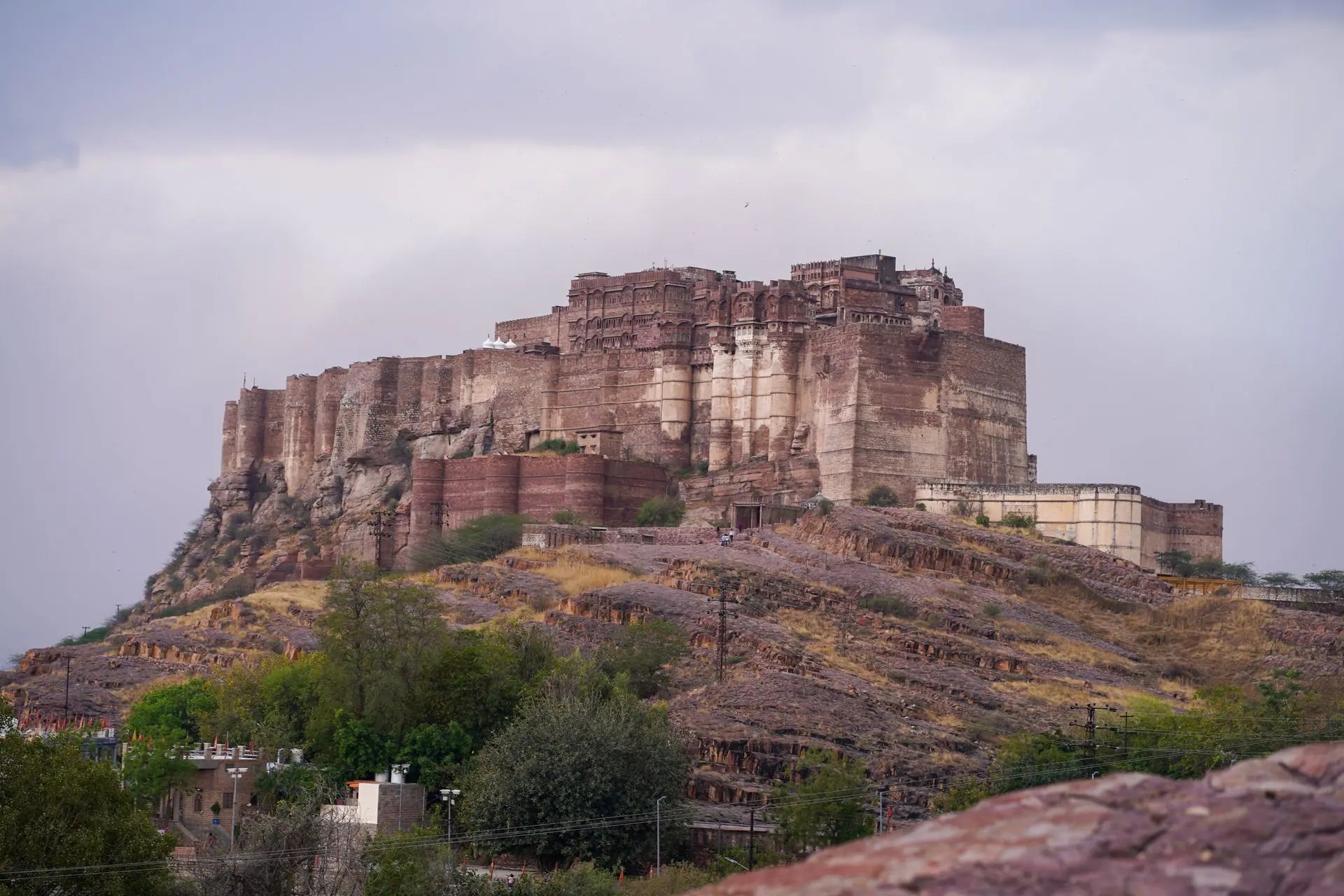
Mehrangarh Fort
Mehrangarh Fort tour
Private guide and vehicle
Price on request
More places in Rajasthan
See all
From the journal: Jodhpur
Journal
Delhi to Jodhpur Tour Package – Best Time, Route and Highlights
Journal
Exploring Jodhpur – The Blue City of Rajasthan
Customer reviews
Experience My India is rated 4.3 on Tripadvisor. We publish guest reviews after each trip.
Plan a trip
Tailor-made quote from a specialist