
Tamil Nadu Travel Guide: Temple Towns, Hill Stations and the Coast
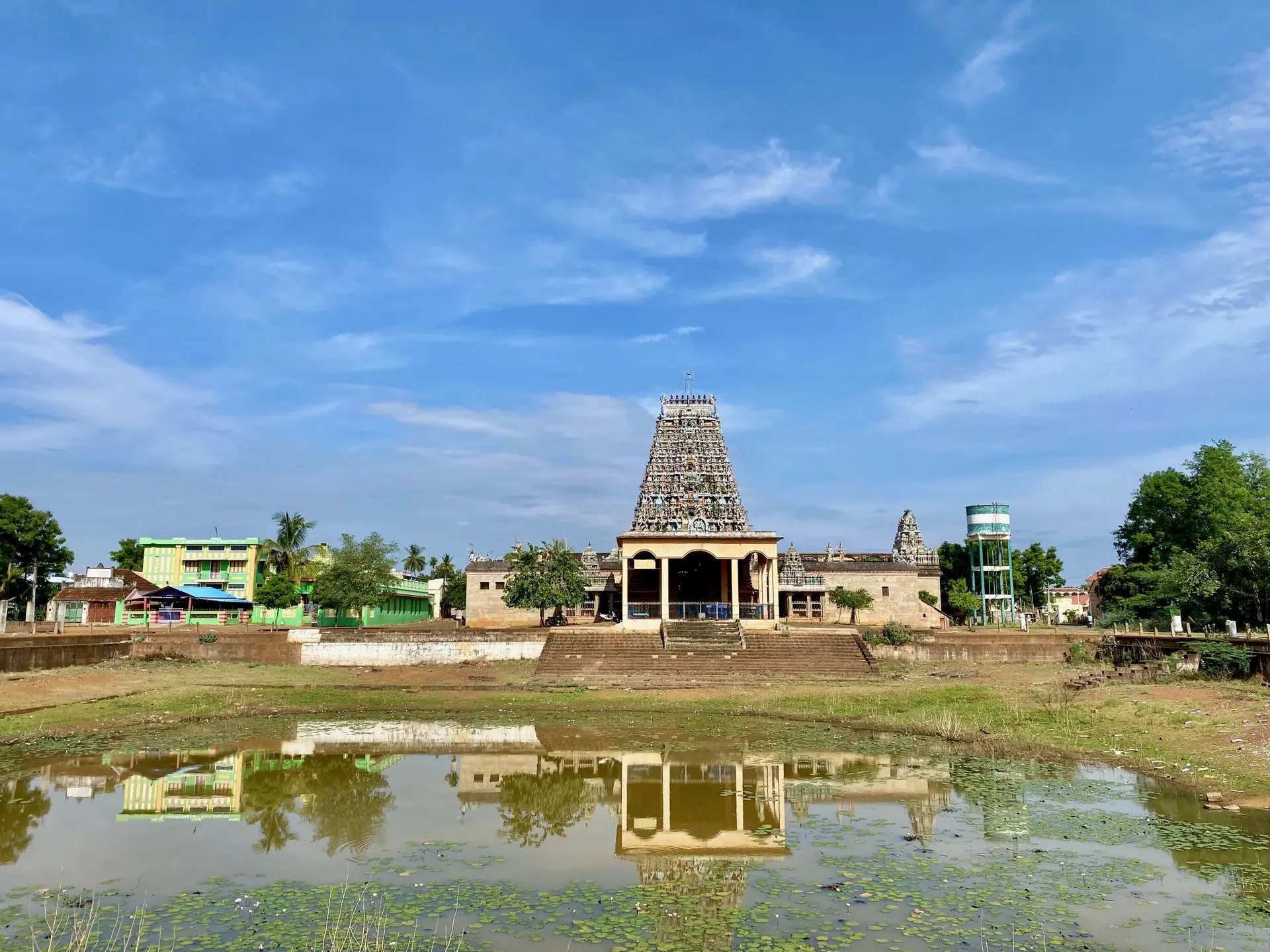
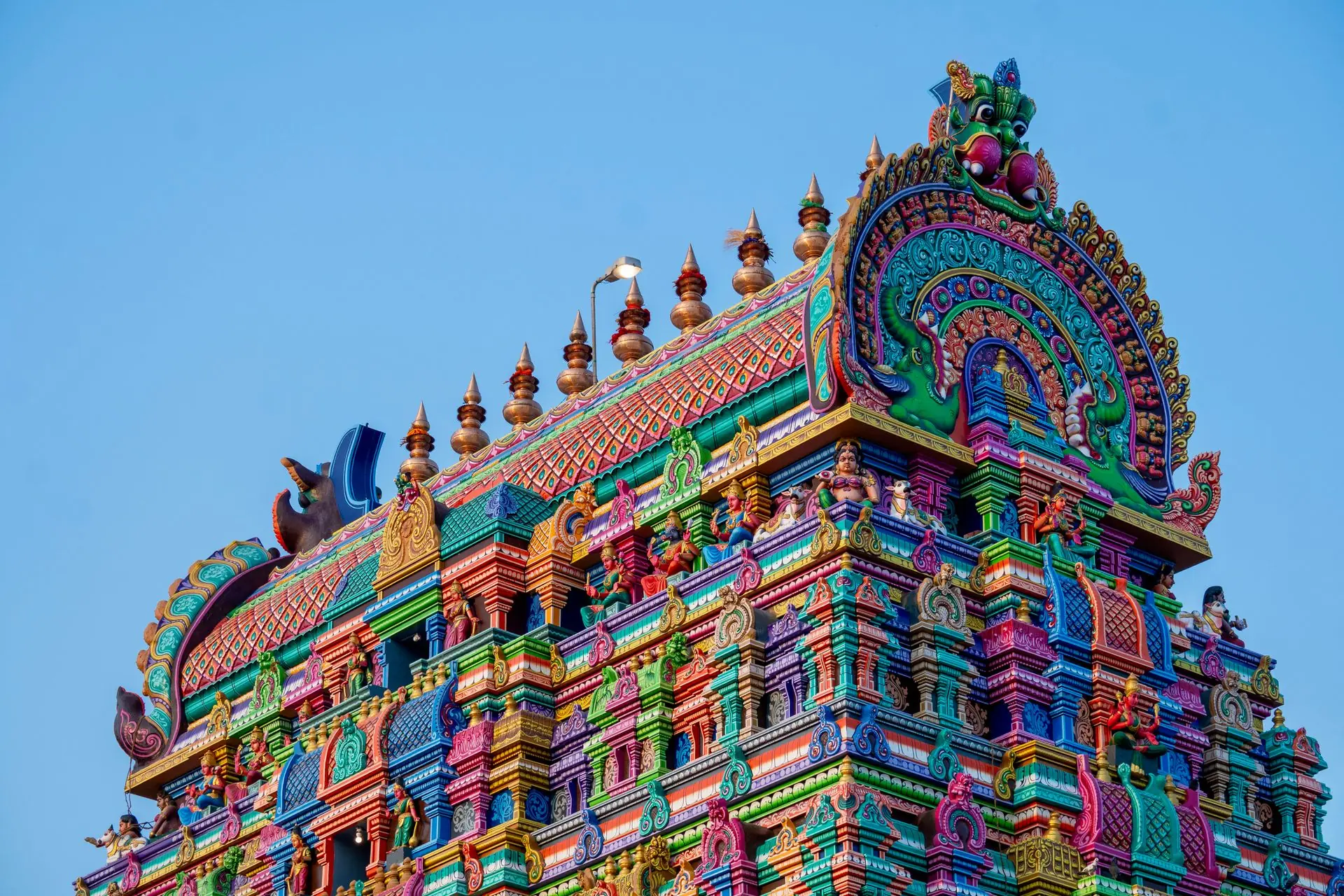
Tamil Nadu runs down India's south-east coast to Kanyakumari, the southern tip of the mainland, and is famous for its Dravidian temples. The best places to visit in Tamil Nadu are Chennai and Mahabalipuram on the coast, Kanchipuram, Thanjavur and Tiruchirappalli inland, Madurai, Rameswaram and Kanyakumari in the south, and Ooty and Kodaikanal in the hills. January to March is the driest time on the plains.
By Gurudutt Kaushal · Reviewed by Gurudutt Kaushal · Updated 21 Oct 2026
See all 3 tours and experiences in Tamil Nadu →
Government-approved operatorApproved by the Ministry of Tourism, Government of India
Places to visit in Tamil Nadu
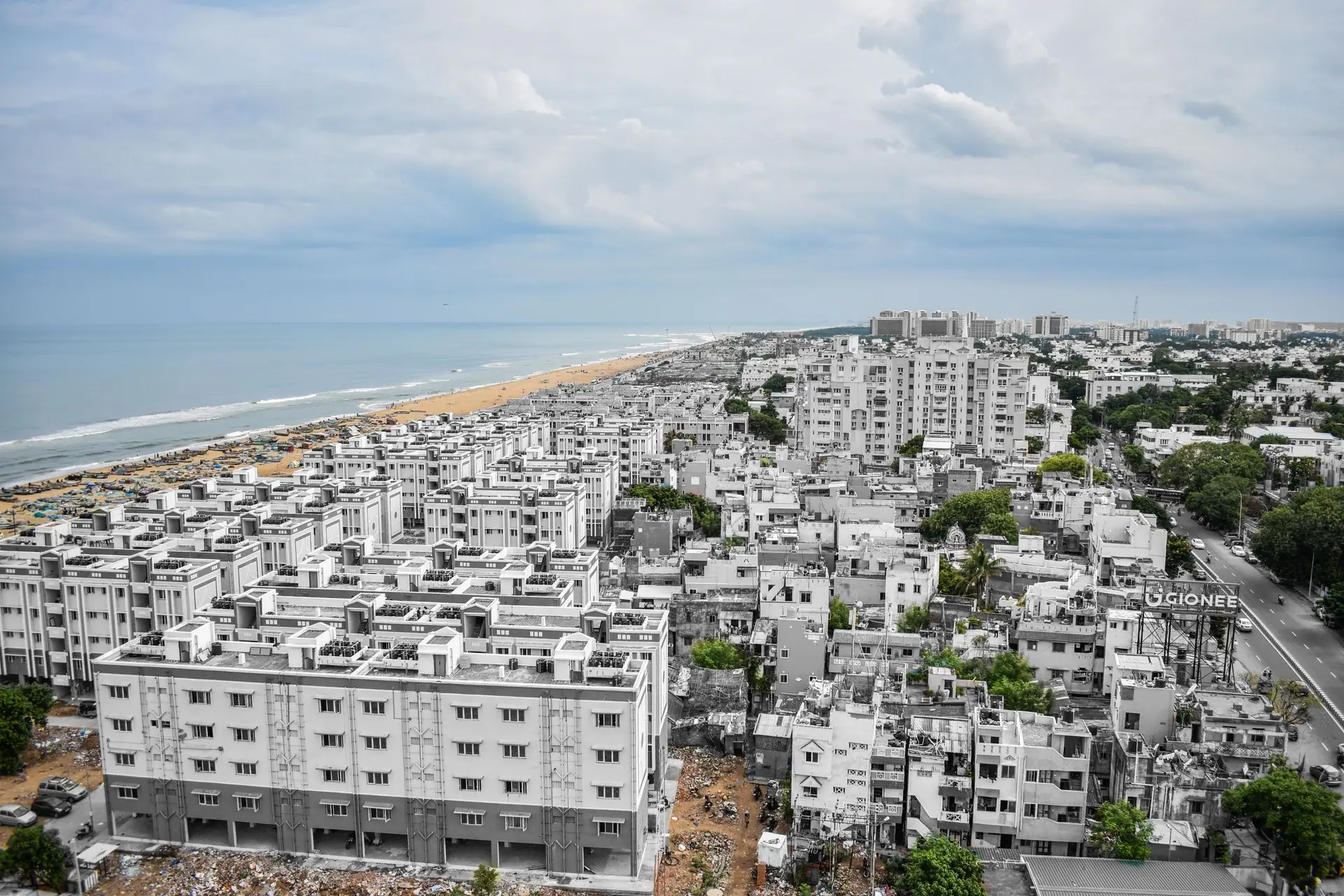
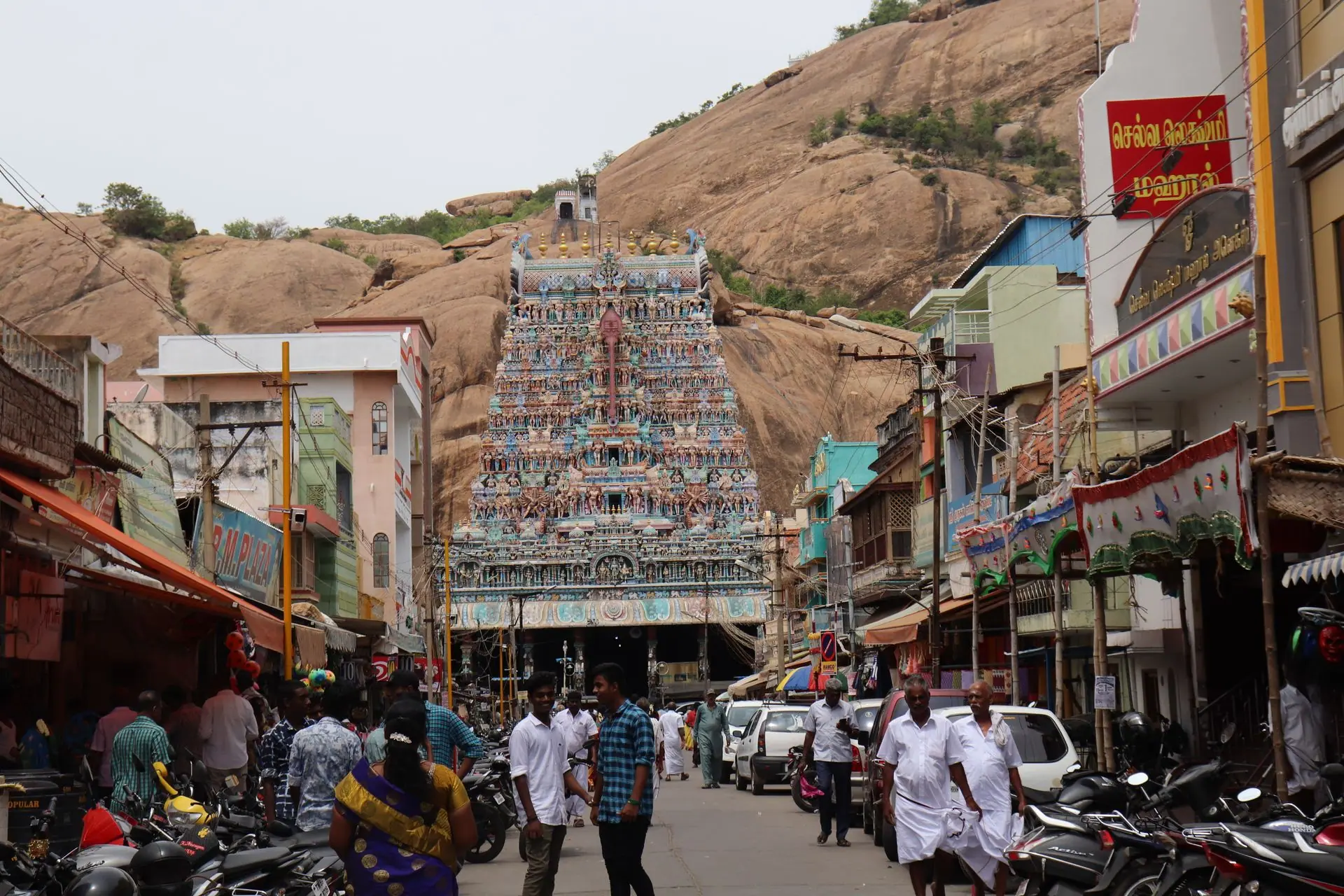
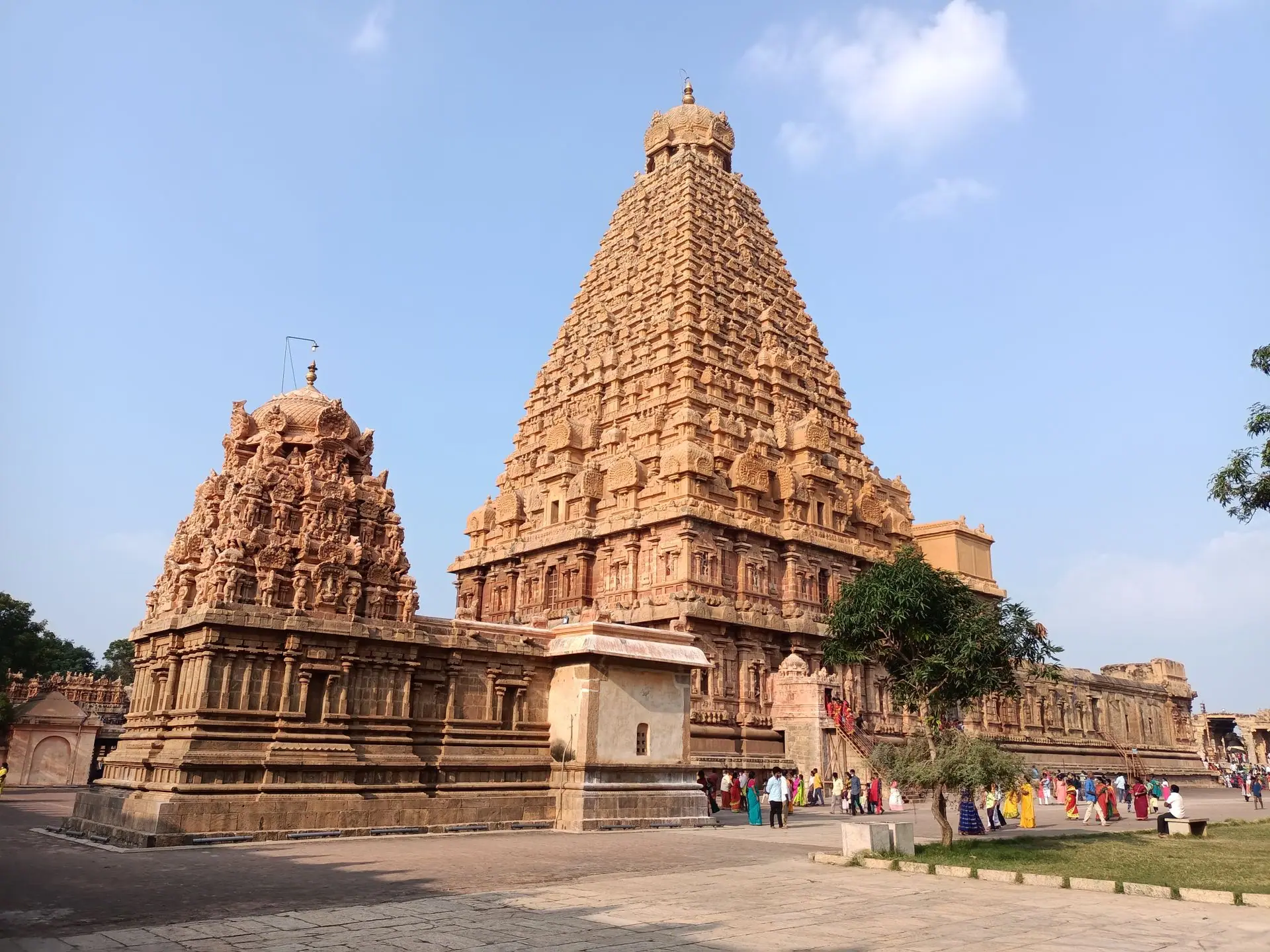
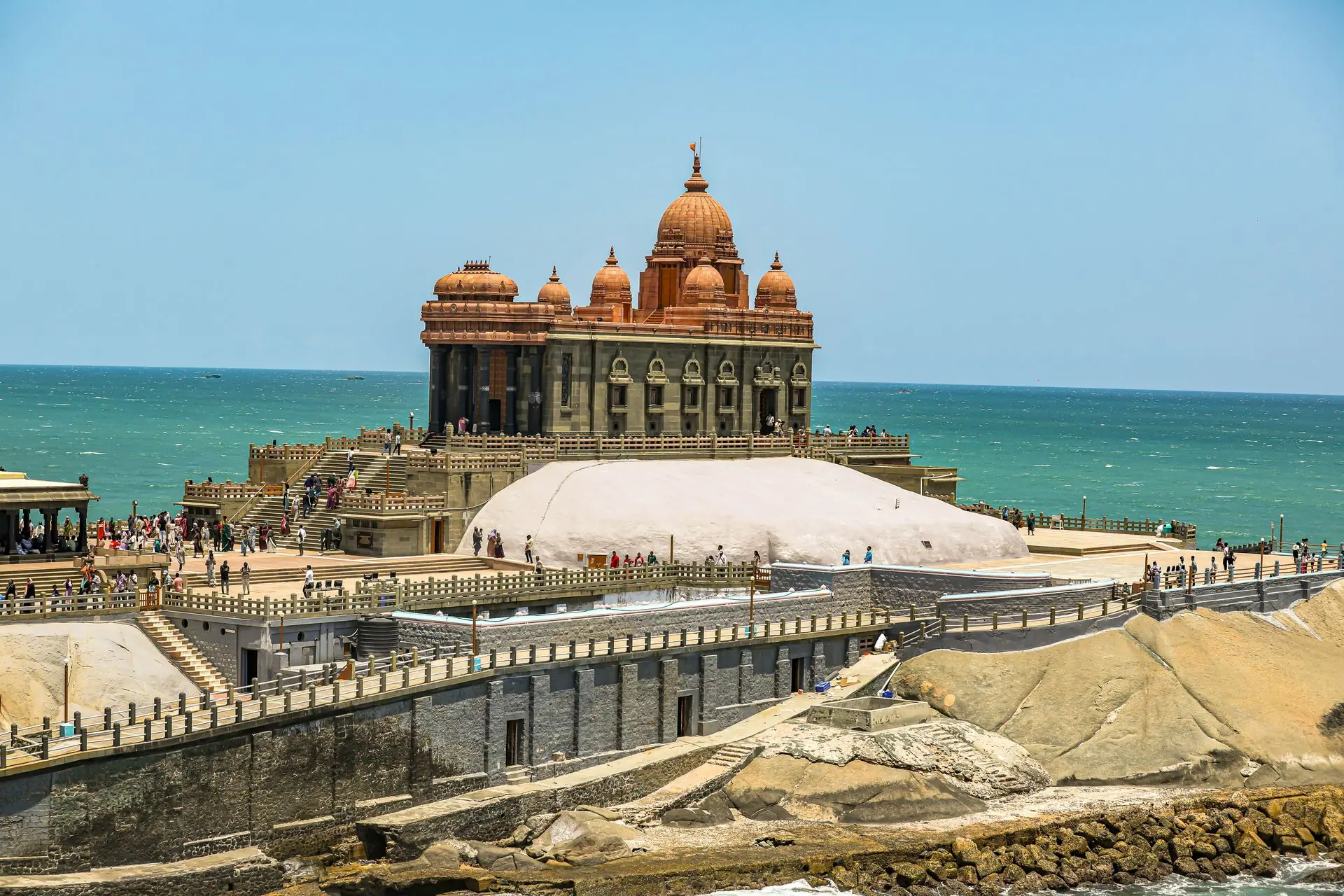
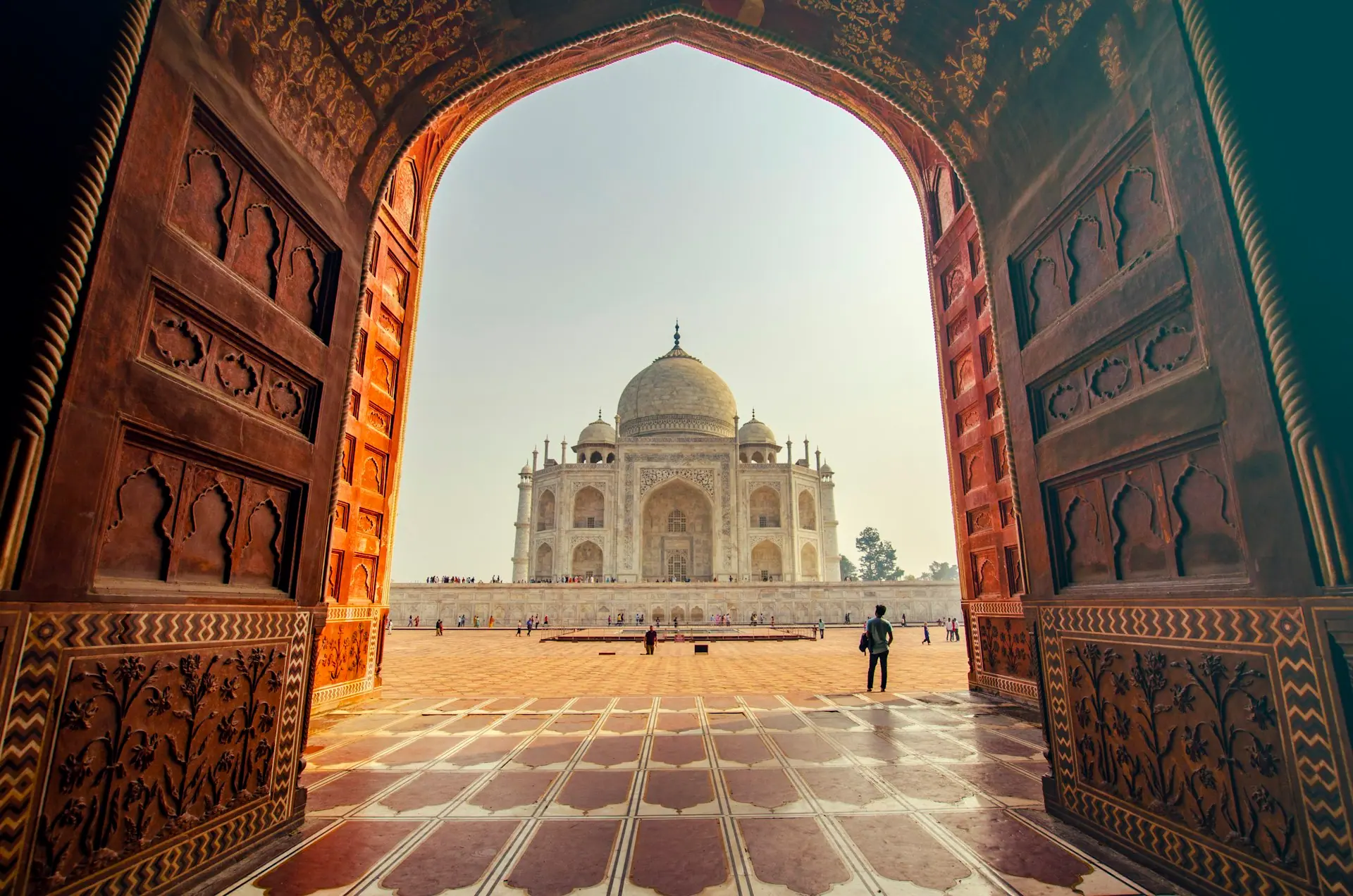
Places to visit in Tamil Nadu
Things to do in Tamil Nadu
Hear Carnatic music and classical dance in Chennai's Margazhi season, from mid-December to mid-January; learn to surf at Covelong, which Tamil Nadu Tourism calls India's first surfing village; watch craftsmen at work at DakshinaChitra or the bronze casters of Swamimalai; and eat your way through the state's regional cooking, from Chettinadu dishes to Madurai's jigarthanda. Our Tamil Nadu tours and experiences page gathers what we run here.
Best time to visit Tamil Nadu
How to reach Tamil Nadu
How many days in Tamil Nadu
Four or five days covers Chennai, Mahabalipuram and Kanchipuram, with Puducherry if you keep moving. A week covers the classic temple route: Chennai, Mahabalipuram, Thanjavur with Trichy, then Madurai. Ten days takes you on to Rameswaram and Kanyakumari: our ten-day South India Temple Trail spends a night each in Chennai, Mahabalipuram and Rameswaram and two each in Thanjavur, Madurai and Kanyakumari. Our 10 Days South India Tour Package instead crosses from Madurai into Kerala for Munnar and a night on an Alleppey houseboat, and our 6 Days Tirupati Madurai Rameshwaram Kanyakumari Tour begins at Tirumala in Andhra Pradesh. Add two or three days for Ooty or Kodaikanal.
Getting around and temple tips
Why book with Experience My India
Government-approved operator
Approved by the Ministry of Tourism, Government of India
500+ vetted local guides
35+ destination specialists plan every trip by hand.
Human help, every day
Mon–Sun, 9:00 AM – 9:00 PM IST · +91 73022 65809
No payment until you approve
You receive a written quote first; nothing is charged to start planning.
Frequently asked questions
Is Tamil Nadu worth visiting?
Yes, above all for temples and history. Sites in the state belong to four UNESCO World Heritage listings, its great temples are working places of worship rather than ruins, and Madurai's Meenakshi temple alone draws over a million people to its annual ten-day Tirukalyanam festival, says the temple administration. Add hill stations, a long coastline and regional cooking, and international airports at Chennai, Madurai, Tiruchirappalli and Coimbatore.
What is Tamil Nadu famous for?
Its Dravidian temples with their towering gopurams; the Pallava monuments of Mahabalipuram and the Chola temples around Thanjavur; Carnatic music and Bharatanatyam, celebrated each Margazhi season in Chennai; Kancheepuram silk saris and the bronze icons of Swamimalai, still cast by the lost-wax method; and its food, which Tamil Nadu Tourism divides into regional cuisines from Chettinadu and Kongunadu to Nanjil Nadu at the southern tip.
Which UNESCO World Heritage Sites are in Tamil Nadu?
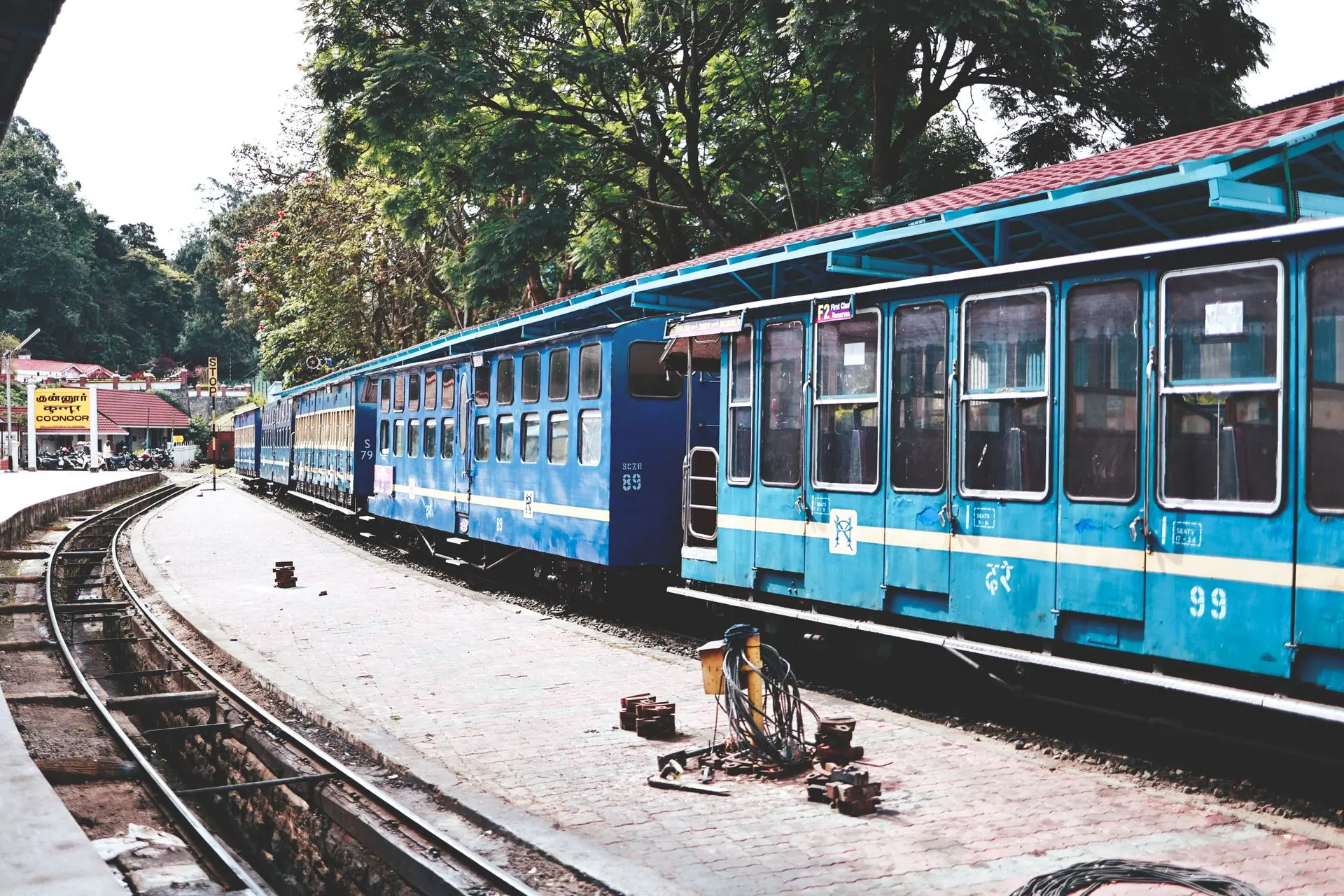
Four World Heritage listings include sites in Tamil Nadu: the Group of Monuments at Mahabalipuram; the Great Living Chola Temples, that is, the Big Temple at Thanjavur, the Airavatesvara Temple at Darasuram and the temple at Gangaikonda Cholapuram; the Nilgiri Mountain Railway, part of the Mountain Railways of India; and Gingee Fort, one of the twelve forts of the Maratha Military Landscapes of India, inscribed in July 2025.
Which hill stations are there in Tamil Nadu?
Ooty, Coonoor and Kotagiri in the Nilgiris are the best known, with Kodaikanal further south. Tamil Nadu Tourism also lists Yercaud in the Shevaroy hills, a 28-km drive up from Salem with a summer festival in May, and Yelagiri, Valparai and the Kolli Hills. Tamil Nadu Tourism recommends the summer months, March or April to June, for Ooty and Kodaikanal, when the plains below are at their hottest.
What can you see in Tamil Nadu apart from temples?
Plenty: the Pallava rock carvings of Mahabalipuram, the Nilgiri Mountain Railway, Fort St George and the Government Museum in Chennai, the Thirumalai Nayak Palace and Gandhi Memorial Museum in Madurai, the merchant mansions of Chettinad, Mudumalai Tiger Reserve, the Pichavaram mangroves near Chidambaram, and Danish-built Fort Dansborg, now a museum, at Tranquebar on the coast.
Is Pondicherry in Tamil Nadu?
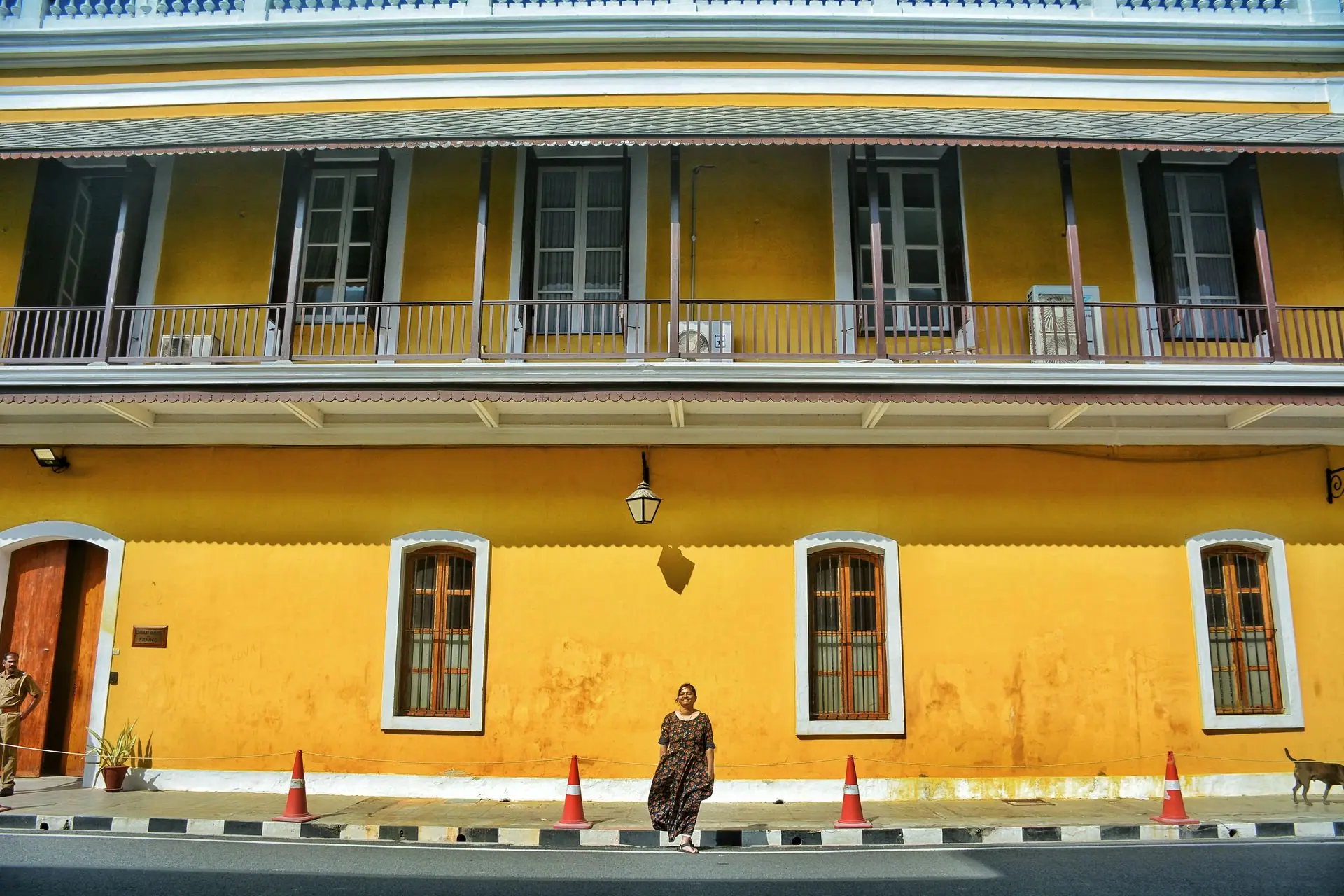
No. Puducherry, still widely called Pondicherry, is a separate Union Territory, made up of the former French settlements of Puducherry, Karaikal, Mahe and Yanam. The town of Puducherry is surrounded by Tamil Nadu on three sides and the Bay of Bengal on the fourth, about 135 km from Chennai airport, so it fits easily into a Tamil Nadu trip.
Which beaches are worth visiting in Tamil Nadu?
On the Chennai coast, the Marina and the quieter Elliot's Beach at Besant Nagar, then Covelong for surfing lessons and Mahabalipuram for the Shore Temple. Further south come Tranquebar, Dhanushkodi on Rameswaram's island and Kanyakumari at the tip. The sea here can be rough: Tamil Nadu Tourism warns that the Marina's undercurrent makes it unsafe to swim, so ask locally before going in anywhere.
How do you get around Tamil Nadu?
By car with a driver for the temple towns, which lie hours apart on the road: our itineraries allow about four to five hours from Mahabalipuram to Thanjavur and about three from Thanjavur to Madurai. Trains link Chennai with Madurai, Thanjavur and Rameswaram, and in Chennai the metro's Blue Line runs from the airport into the city. Buses serve every town.
Which regional dishes should you try in Tamil Nadu?
Tamil Nadu Tourism's list is a good guide: Chettinadu chicken curry (nattukozhi kozhambu) and Karaikudi prawn masala; Madurai's kari dosa and jigarthanda, a cooling milk drink; Kongunadu's millet dishes from the Coimbatore side; coconut-rich Nanjil Nadu cooking around Kanyakumari; the Ambur and Dindigul biryanis; and temple food such as the sweet sakkarai pongal served at Chennai's Parthasarathy temple.
Tour packages in Tamil Nadu
See all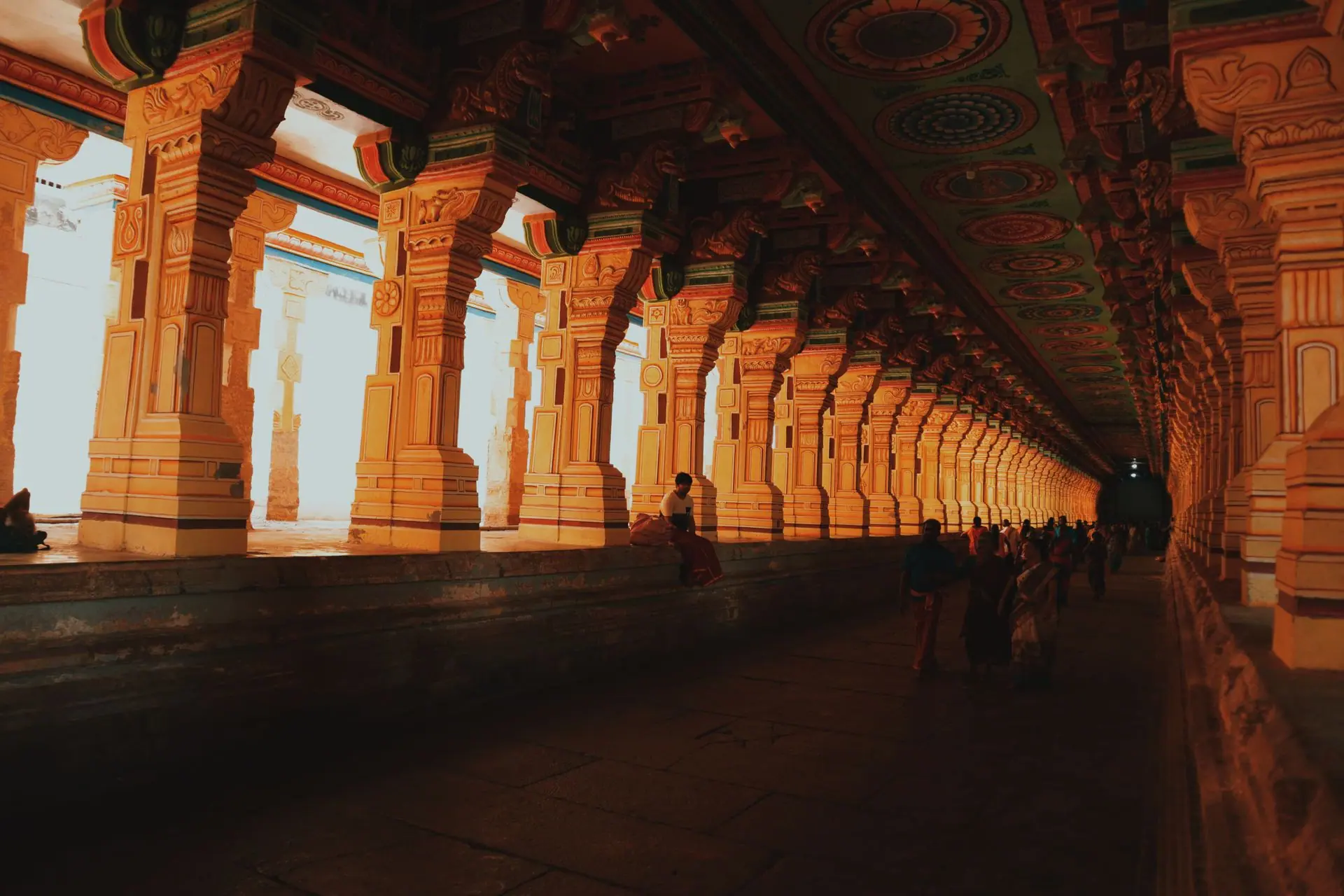
Ramanathaswamy Temple
Rameswaram and Madurai temple trail
Private car and knowledgeable guides at each temple
Price on request
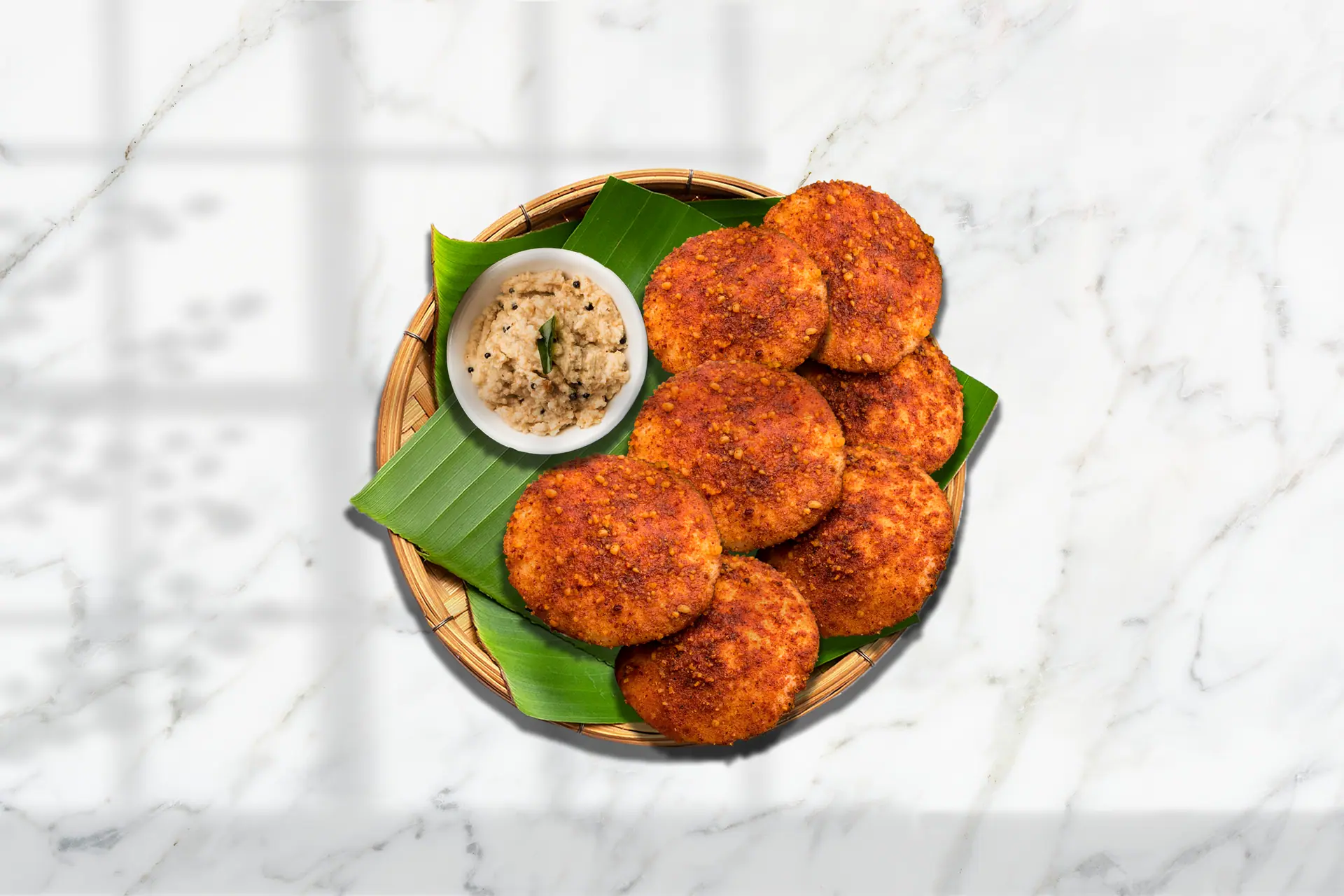
Chettinad
Chettinad food trail
Price on request
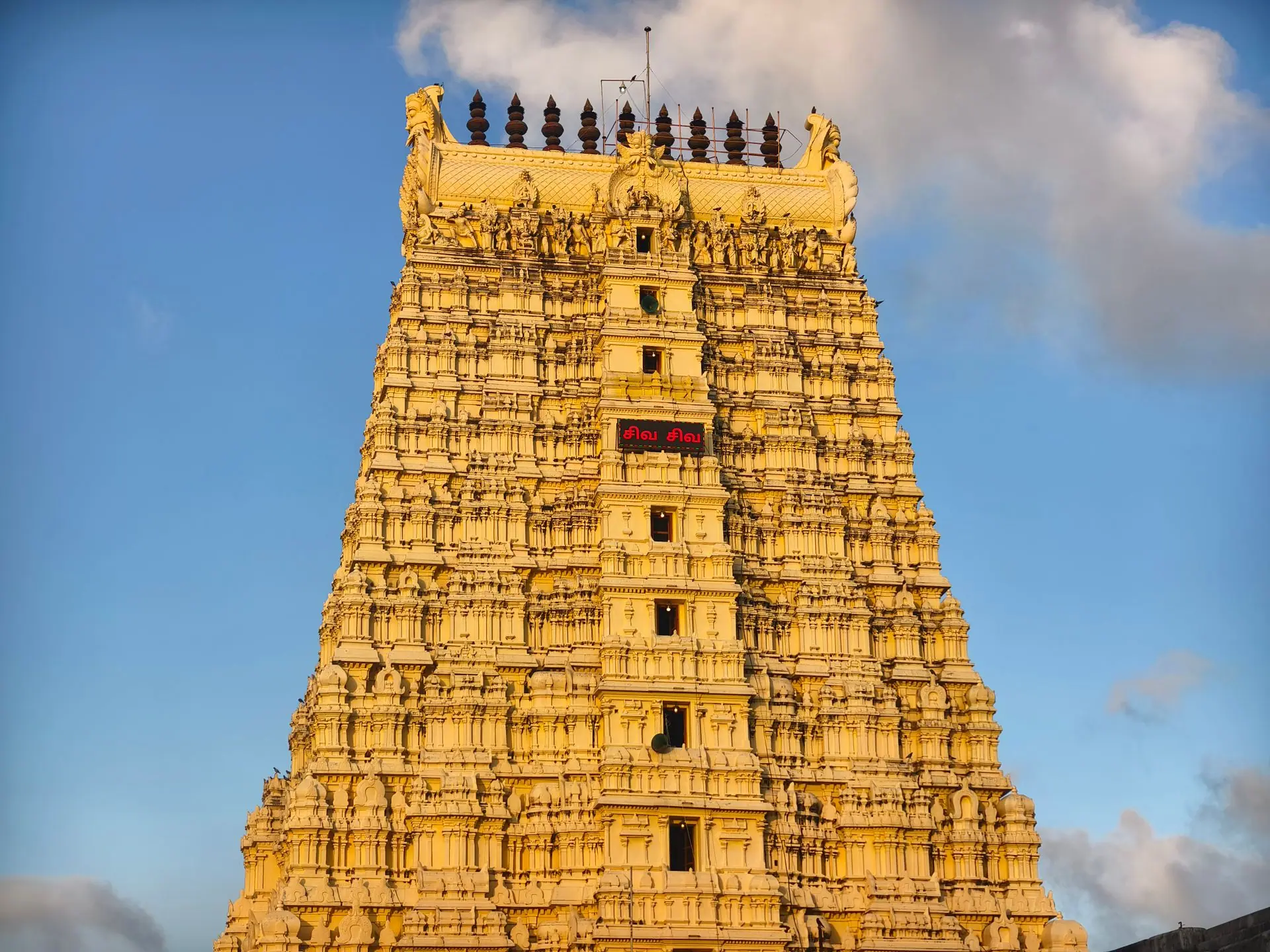
6 Days Tirupati Madurai Rameshwaram Kanyakumari Tour
6 Days Tirupati Madurai Rameshwaram Kanyakumari Tour
6 days / 5 nights • Private guide and vehicle
Price on request
Related guides
Destinations
Best Time to Visit Tamil Nadu: Month by Month
From the journal: Tamil Nadu
Journal
Top 15 Places to Visit in Tamil Nadu Guide
Journal
8 Popular Places to Visit in Tamil Nadu
Journal
10 Must Visit Places In Tamil Nadu
Journal
Ooty Package from Chennai: A Scenic Escape to the Nilgiris
Journal
Tamil Nadu Holiday Package – A Journey into Culture, Heritage, and Nature
Journal
Rameshwaram Kanyakumari Tour Packages:
Journal
Best time to visit Rameshwaram Kanyakumari: Timing Your Trip for Maximum Enjoyment
Journal
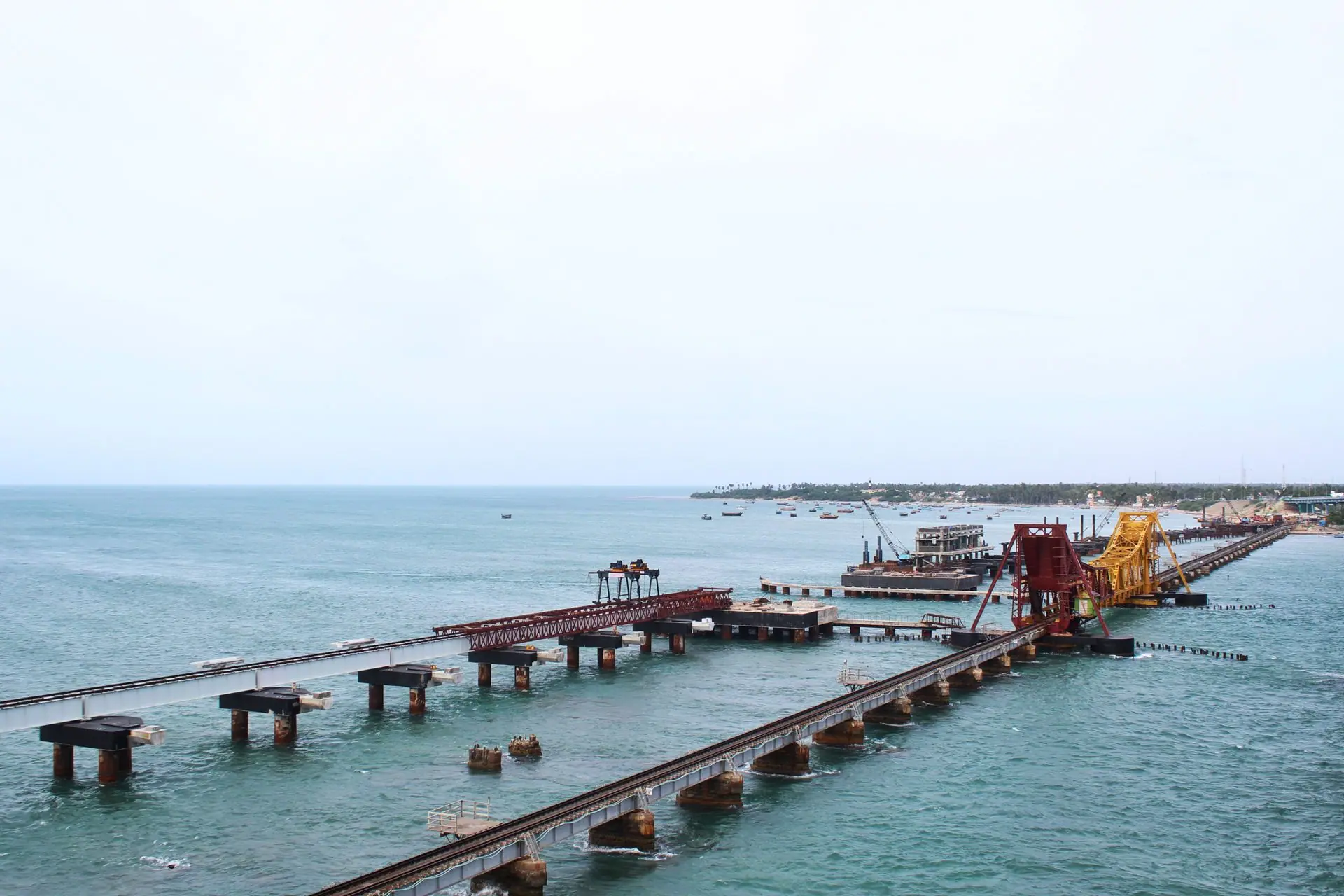
Madurai to Rameswaram: distance and how to get there
Customer reviews
Experience My India is rated 4.3 on Tripadvisor. We publish guest reviews after each trip.
Plan a trip
Tailor-made quote from a specialist