
Bandhavgarh National Park Travel Guide: Zones, Fort and Seasons
Bandhavgarh National Park, notified in 1968, is a tiger reserve in the Umaria and Katni districts of Madhya Pradesh and, by its own account, among the parks with the highest density of tigers. It is seen on gypsy safaris in three core zones, Tala, Magadhi and Khitauli, below an old fort on its highest plateau. The core is usually open from 15 October to 30 June.
By Experience My India Editorial Team · Reviewed by Experience My India Editorial Team · Updated 1 Sept 2026
See all 1 tour or experience in Bandhavgarh National Park →
Government-approved operatorApproved by the Ministry of Tourism, Government of India
Places to visit in Bandhavgarh
Things to do in Bandhavgarh
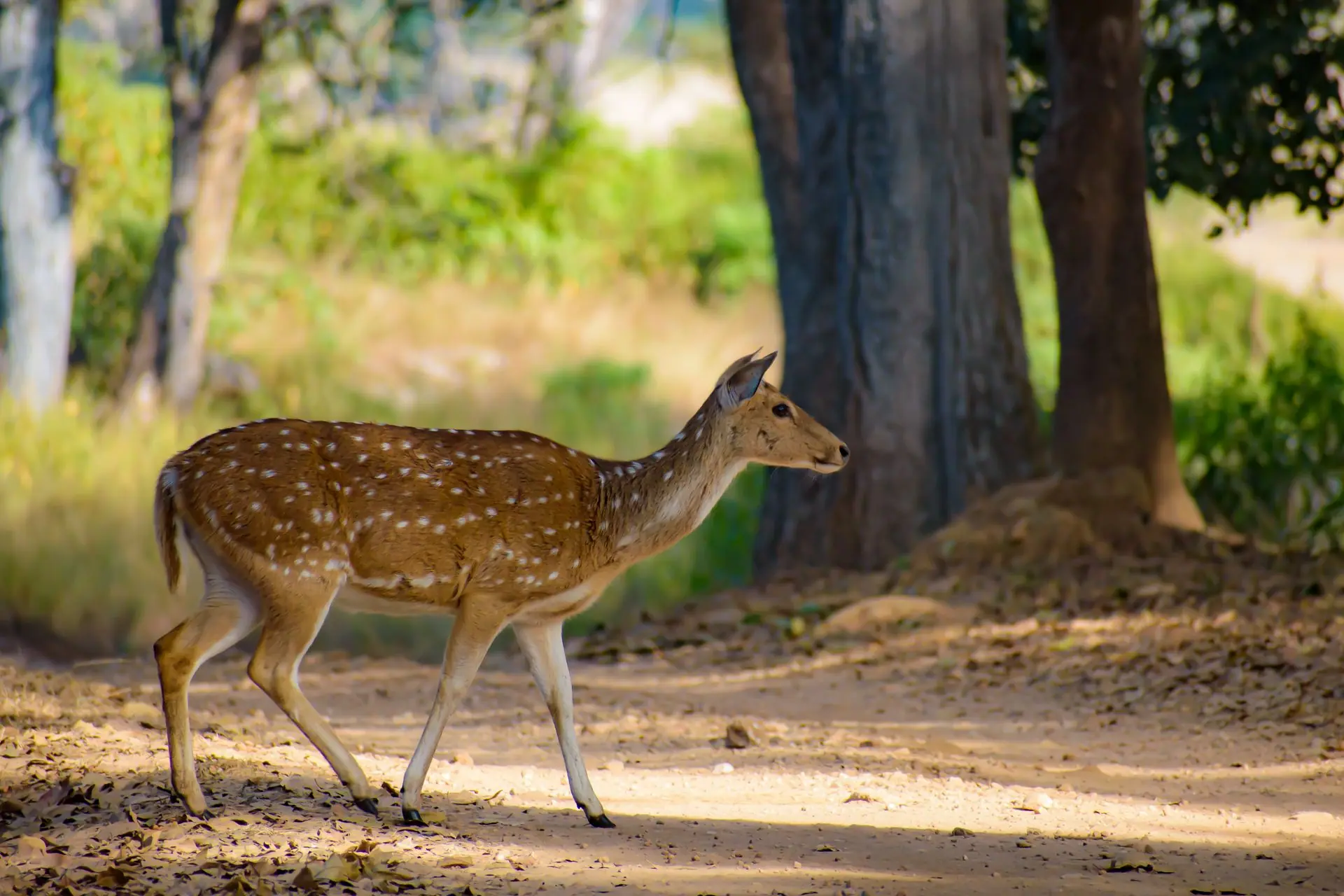
Take gypsy safaris in the core and buffer zones, watch birds at Gopalpur and Bamera Dam, and look beyond tigers for leopard, sloth bear, dhole and gaur. Our Bandhavgarh tiger safari books your permits ahead, advises on zones once we know your dates, and sends a private naturalist and driver to collect you from your lodge for each pre-dawn and late-afternoon drive. Other wildlife trips here are on our Bandhavgarh wildlife safaris page.
Best time to visit Bandhavgarh
How to reach Bandhavgarh
- By air: the reserve names Jabalpur, 170 km from Tala, as the nearest civil airport; it also lists Khajuraho and Nagpur, which are farther. Our Khajuraho travel guide covers the temples, if you want to pair them with a safari.
- By train: the nearest station is Umaria, 32 km away on the Katni–Bilaspur line. Katni, 97 km away, and Satna, 117 km away on the Mumbai–Howrah main line, are the other stations the reserve lists.
- By road: Tala lies on the Satna–Umaria and Rewa–Umaria highways; Shahdol is 97 km away and Rewa 115 km.
Kanha's Khatia gate is about 160 km from Jabalpur, so Jabalpur serves both reserves; read our Kanha travel guide if you plan to see both.
How many days in Bandhavgarh
Each drive is a separate permit, so the number of nights decides the number of chances. Two to three nights, which our safari advises, give four to six drives: an afternoon drive on arrival, a morning and an afternoon on each full day, and a last morning before you leave. One night allows two drives at most. Our safari here is usually combined with Kanha, two to three nights in each, which makes about a week in the forests with the drive between them.
Safari rules and tips
Why book with Experience My India
Government-approved operator
Approved by the Ministry of Tourism, Government of India
500+ vetted local guides
35+ destination specialists plan every trip by hand.
Human help, every day
Mon–Sun, 9:00 AM – 9:00 PM IST · +91 73022 65809
No payment until you approve
You receive a written quote first; nothing is charged to start planning.
Frequently asked questions
Where is Bandhavgarh?
Bandhavgarh lies in the Umaria and Katni districts of Madhya Pradesh, between the Vindhyan hills and the eastern flanks of the Satpura range, as the reserve describes it. Tala, the village at its main entrance, is 170 km from Jabalpur, which has the nearest civil airport, and 32 km from Umaria railway station. Jabalpur also serves Kanha, whose Khatia gate is about 160 km from the city.
What is Bandhavgarh famous for?
For tigers above all: the reserve counts itself among the parks with the highest density of tigers. It is also known for the old fort on its highest plateau, the 10th-century reclining Vishnu at Shesh Shaiya, and Bari Gufa, a man-made cave of the same century. Leopard, sloth bear, dhole and gaur share the forest, and more than 250 species of birds have been recorded.
Is Bandhavgarh worth visiting?
Yes, if seeing a tiger in the wild is the main reason for your trip. The reserve counts itself among the parks with the highest density of tigers, the core is compact, and the fort and old caves give the drives a sense of place. Go with the right expectation: no drive can promise a sighting, so allow two to three nights for several chances. Tala is 170 km from Jabalpur's airport, so it suits a trip built around wildlife.
When is Bandhavgarh open?
The core zones are usually open to visitors from 15 October to 30 June. Madhya Pradesh's wildlife rules close them from 1 July to 30 September, but the buffer zones, Dhamokhar, Johila and Panpatha, stay open all year. Every protected area in the state also closes on the government holidays of Holi and Diwali, so check your dates against both before booking permits.
Can you visit Bandhavgarh in June?
Yes, until the core closes on 30 June. June is at the hot end of the season, after May's highs of about 42°C, so drives start early and the middle of the day is for resting. Sarus cranes breed at Sehra meadow in June. From 1 July only the buffer zones stay open, until the core reopens in October.
Which railway station is nearest to Bandhavgarh?
Umaria, 32 km from Tala on the Katni–Bilaspur line, by the reserve's own figures. Katni, 97 km away, and Satna, 117 km away on the Mumbai–Howrah main line, are the other stations the reserve lists. From any of them, the last stretch is by road, so arrange a car to meet your train.
How did Bandhavgarh get its name?
From the fort on its highest plateau. The reserve tells the local belief that Lord Rama built the fort and gave it to his brother Lakshman, hence the name: bandhav means brother and garh means fort. The fort is closed to visitors, but you see its walls from the safari tracks, and Shesh Shaiya, on the same hill, can be reached on a Tala-zone drive.
Is Bandhavgarh a good park for a first safari?
Yes. The reserve counts itself among the parks with the highest density of tigers, its core is compact, and our safari here is built for travellers whose first aim is a tiger sighting. Book two to three nights so that one quiet drive does not decide the trip, and bring patience: the guide and naturalist wait quietly at meadows and waterholes, and animals always have the right of way.
Experiences in Bandhavgarh National Park
See all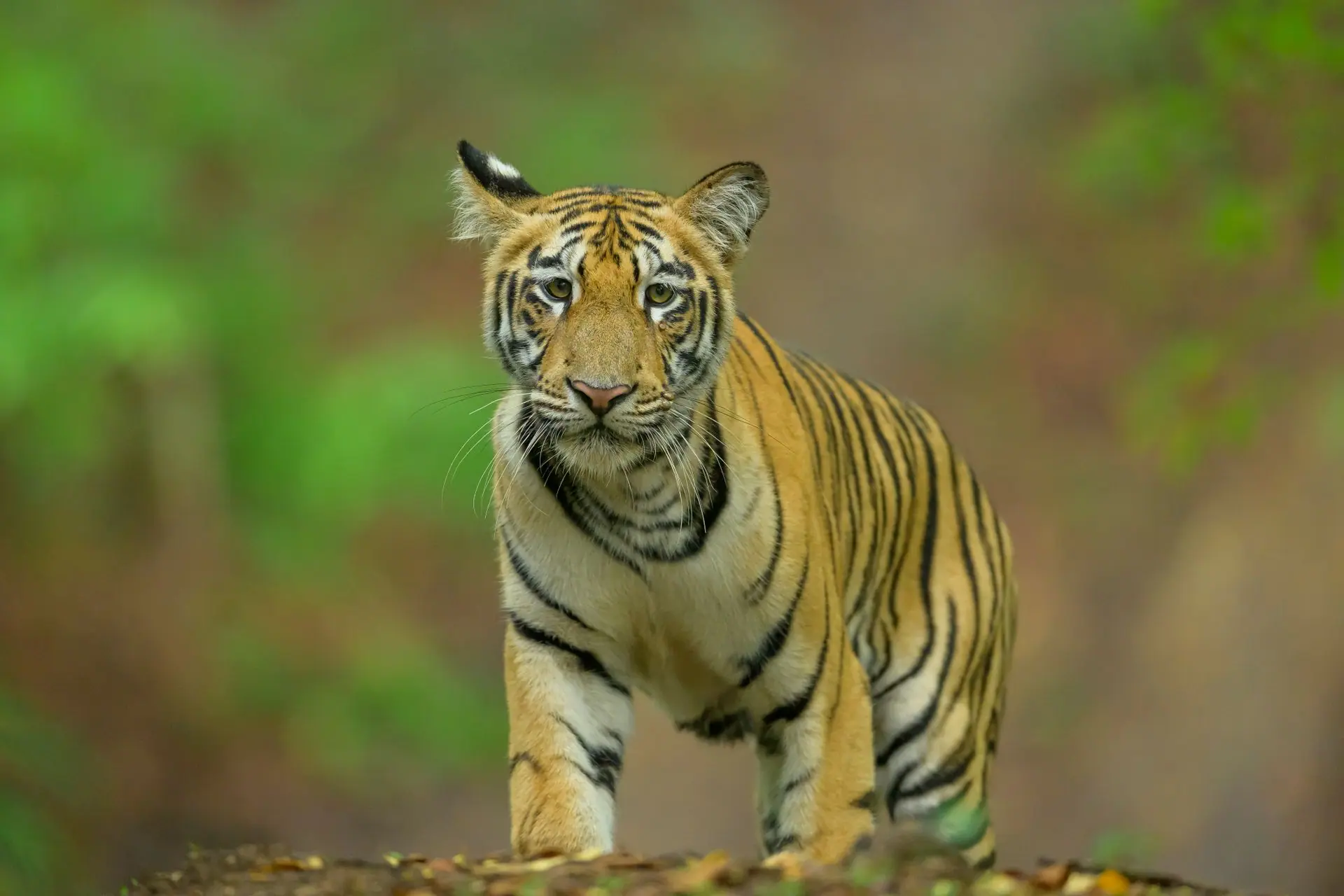
Bandhavgarh National Park
Bandhavgarh tiger safari
Private naturalist guide and vehicle throughout
Price on request
More places in Madhya Pradesh
See all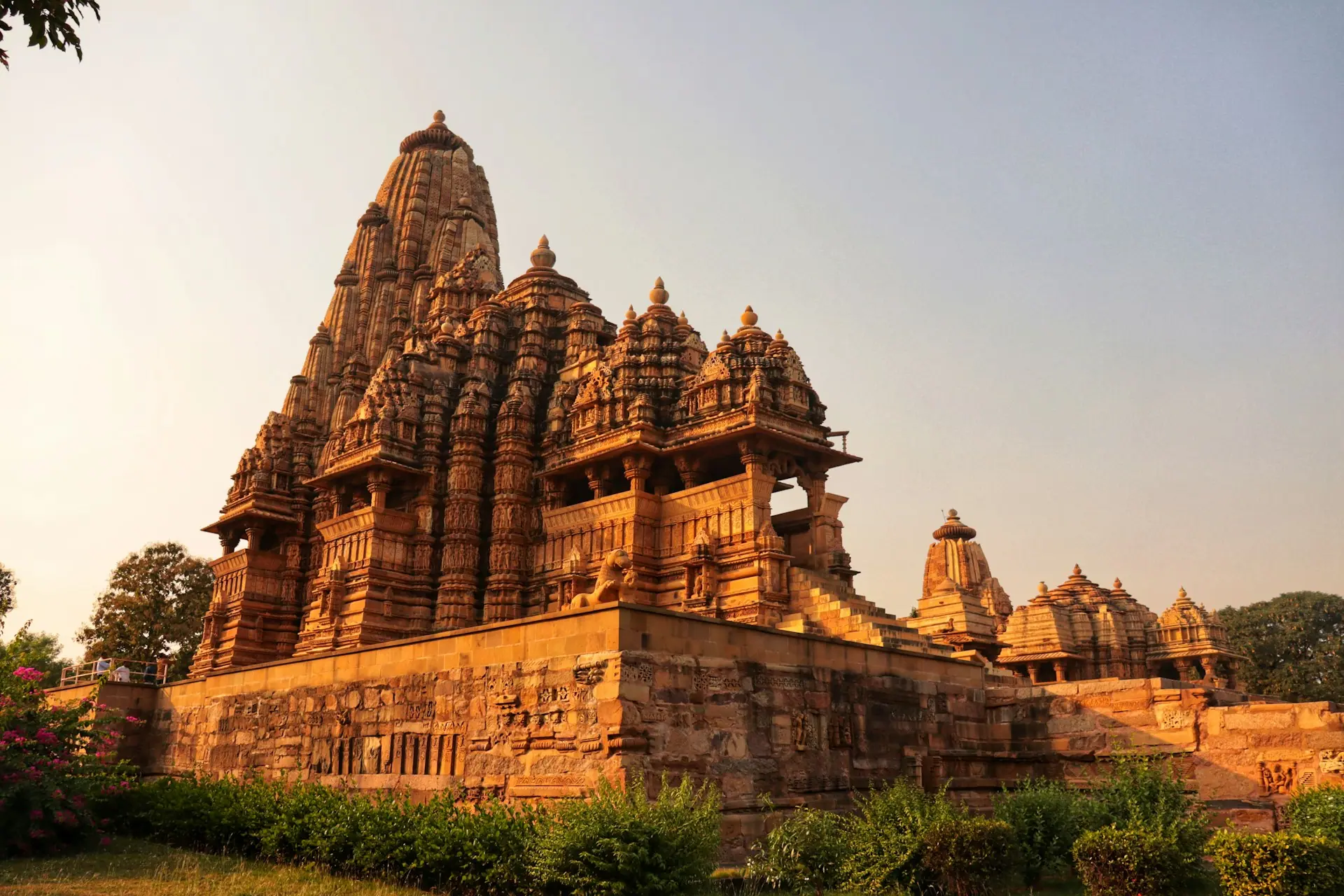
Customer reviews
Experience My India is rated 4.3 on Tripadvisor. We publish guest reviews after each trip.
Plan a trip
Tailor-made quote from a specialist