
Best Time to Visit Tamil Nadu: Month by Month
The best time to visit Tamil Nadu's temple towns and coast is January to March, when IMD averages show less than 20 mm of rain a month at Chennai, Madurai and Tiruchirappalli and days of about 30 to 36°C. October to December is the north-east monsoon, the main rain and cyclone season. April to June are the hottest months and the season for the hills.
By Experience My India Editorial Team · Reviewed by Experience My India Editorial Team · Updated 21 Oct 2026
See all 3 tours and experiences in Tamil Nadu →
Government-approved operatorApproved by the Ministry of Tourism, Government of India
Tamil Nadu's seasons at a glance
Month by month
Which months suit which trip
- Temple towns and the coast (Chennai, Mahabalipuram, Thanjavur, Madurai): January to March, when it is dry and the heat is moderate.
- The far south (Rameswaram and Kanyakumari): January to March, or the dry months of June to September at Pamban, with an eye on the wind.
- The hills (Ooty, Kodaikanal): March or April to June, the season the tourism department recommends; January and February are drier but cold at night.
- Tamil Nadu with Kerala: Kerala's rains follow a different pattern, so check our best time to visit Kerala guide as well.
Monsoon and cyclone safety
October to December is the primary cyclone season for the Bay of Bengal. During a warning, follow the IMD's district alerts and local instructions. Services stop in bad weather: the Poompuhar Shipping Corporation suspends the Kanyakumari ferry to the Vivekananda Rock Memorial in winds above 25 to 30 knots, heavy rain or storm alerts, and trains on the new Pamban bridge to Rameswaram are halted automatically when the wind exceeds 58 km/h. Leave a spare day on a trip to the far south in these months. For the rest of the state, see our Tamil Nadu travel guide, and when you have your dates, our Tamil Nadu tour packages.
Why book with Experience My India
Government-approved operator
Approved by the Ministry of Tourism, Government of India
500+ vetted local guides
35+ destination specialists plan every trip by hand.
Human help, every day
Mon–Sun, 9:00 AM – 9:00 PM IST · +91 73022 65809
No payment until you approve
You receive a written quote first; nothing is charged to start planning.
Frequently asked questions
When does the rainy season start in Tamil Nadu?
The main rains arrive with the north-east monsoon, whose normal onset over coastal Tamil Nadu is around 20 October, according to the IMD. October to December brings 48 per cent of the state's annual rain. Inland Madurai is wettest in October, while Chennai, Tiruchirappalli, Rameswaram and Kanyakumari are wettest in November, all on 1991–2020 averages.
Is October a good time to visit Tamil Nadu?
It is a mixed month. The first half is often workable, but the north-east monsoon usually begins around 20 October, Madurai's average rain peaks at about 181 mm and Chennai averages about 300 mm over ten or eleven rainy days. Inland temple towns suit the month better than the coast; leave room in the plan for wet afternoons and possible storm warnings.
Is December a good time to visit Tamil Nadu?
For culture, yes: Chennai's Margazhi music and dance season begins in mid-December, and the Indian Dance Festival opens at Mahabalipuram late in the month. For weather, it is still wet on the coast, with about 182 mm in Chennai and 187 mm at Pamban, and cyclone landfalls on this coast are most frequent in December. Inland, Madurai is much drier, at about 52 mm.
Does Tamil Nadu get rain in the south-west monsoon?
Some, but much less than in October to December. From June to September Chennai averages about 440 mm in all, against about 856 mm in October to December, much of it in thunderstorms, and Rameswaram's Pamban station gets only about 73 mm in those four months. The hills are wetter: Kodaikanal averages about 547 mm from June to September.
Which are the hottest months in Tamil Nadu?
April to June. May is the peak on the plains, with average daily highs of about 38°C at Madurai and Tiruchirappalli and 37°C in Chennai, where June is almost as hot. Temples with open stone courtyards are best seen early in the morning or after 4 pm in these months, and the hill stations, at about 21 to 25°C by day, are the escape.
Is Tamil Nadu affected by cyclones?
Yes. October to December is the main cyclone season for the Bay of Bengal, and the IMD notes that cyclones strike the Tamil Nadu coast most often in December. If you travel then, watch the IMD's warnings, expect ferries and some trains to stop in high winds, and keep a day spare, especially for Rameswaram and Kanyakumari.
When is Pongal celebrated?
Pongal is usually celebrated over four days between 13 and 16 January: Bhogi, Thai Pongal, Mattu Pongal and Kaanum Pongal. Thai Pongal, on 14 January, corresponds with Makar Sankranti. Jallikattu, the bull-taming sport, is held on Mattu Pongal in districts such as Madurai, Pudukkottai, Tiruchirappalli and Thanjavur.
Tour packages in Tamil Nadu
See all
Ramanathaswamy Temple
Rameswaram and Madurai temple trail
Private car and knowledgeable guides at each temple
Price on request

Chettinad
Chettinad food trail
Price on request
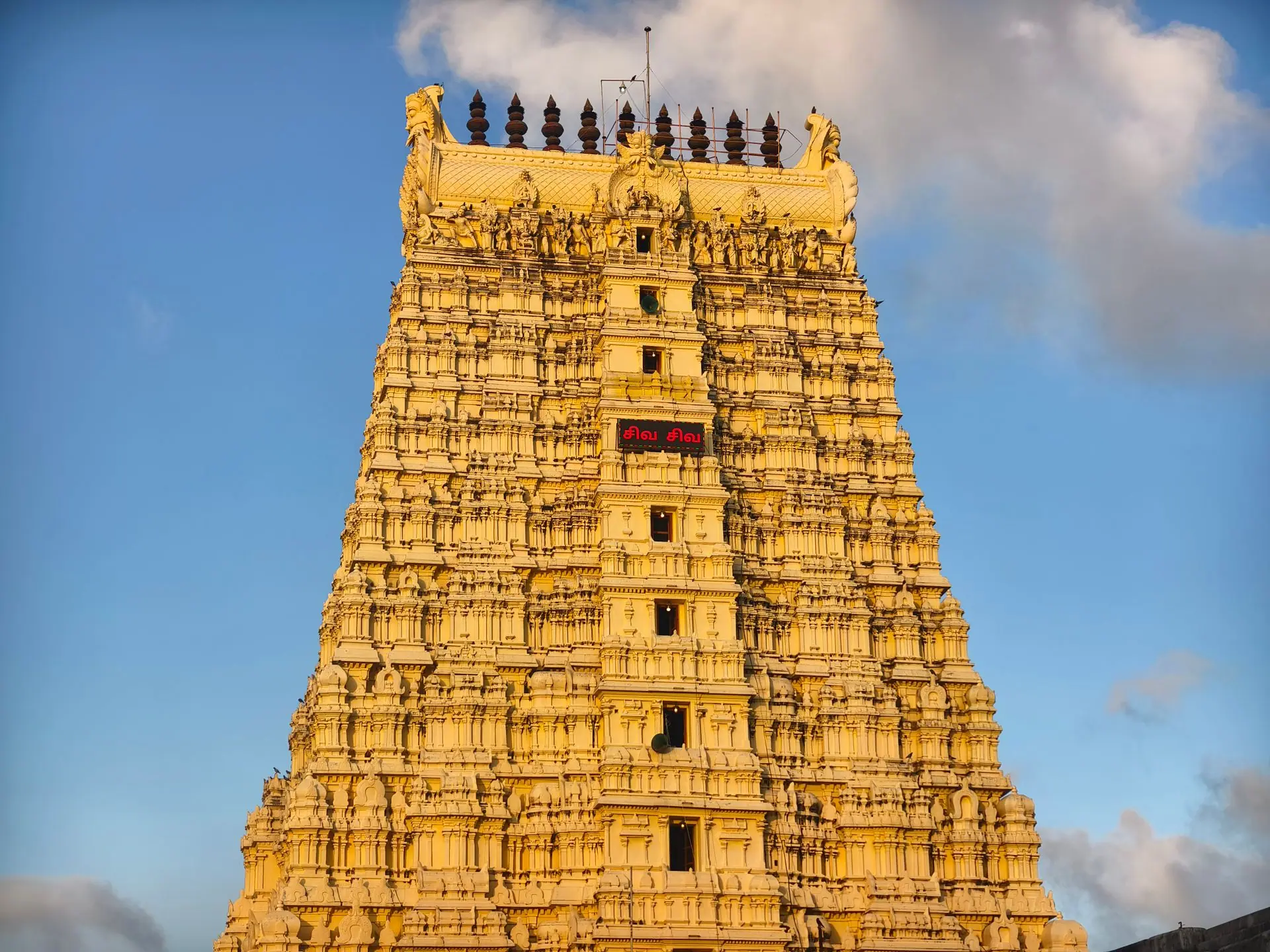
6 Days Tirupati Madurai Rameshwaram Kanyakumari Tour
6 Days Tirupati Madurai Rameshwaram Kanyakumari Tour
6 days / 5 nights • Private guide and vehicle
Price on request
More places in Tamil Nadu
See all

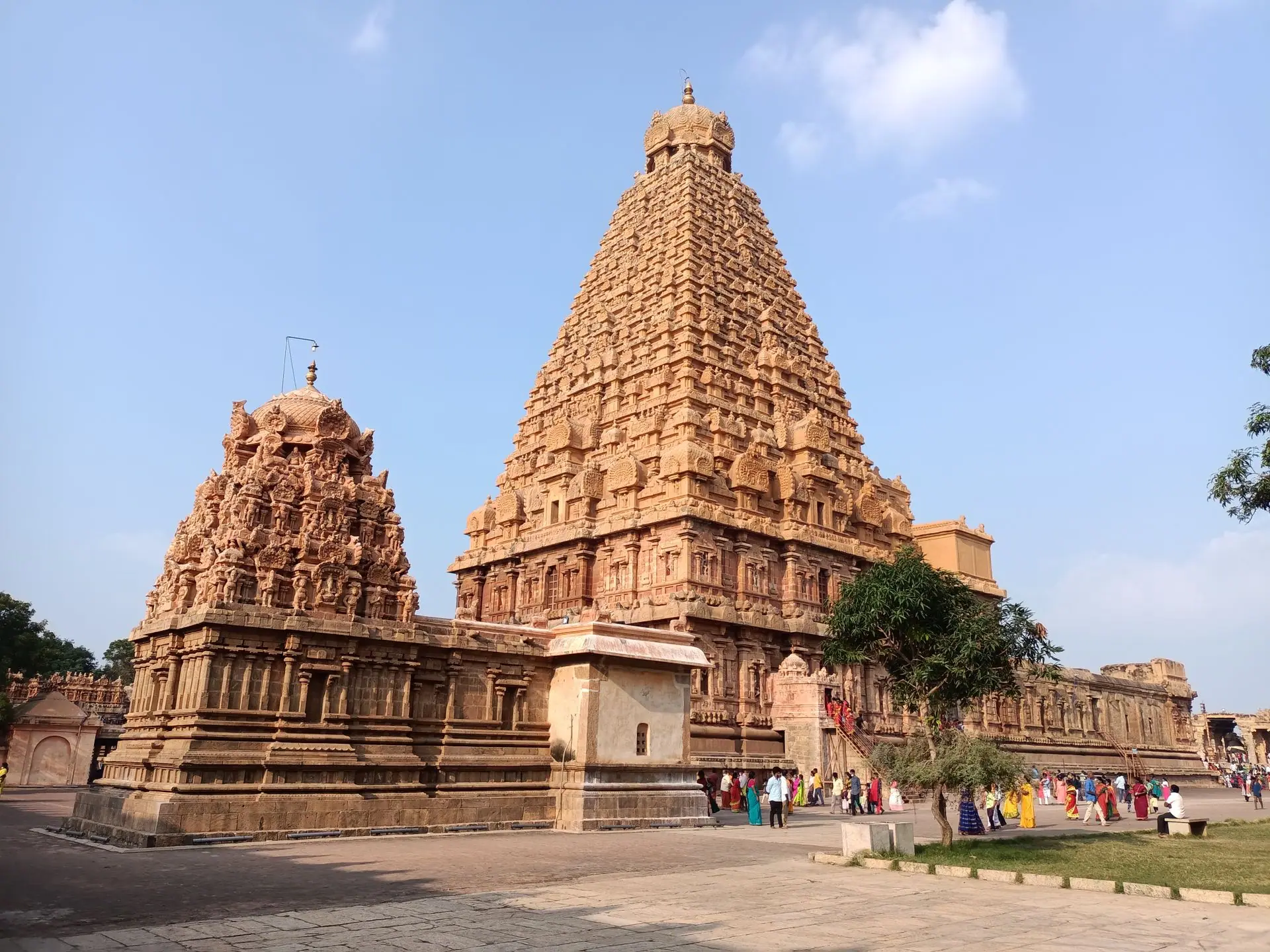
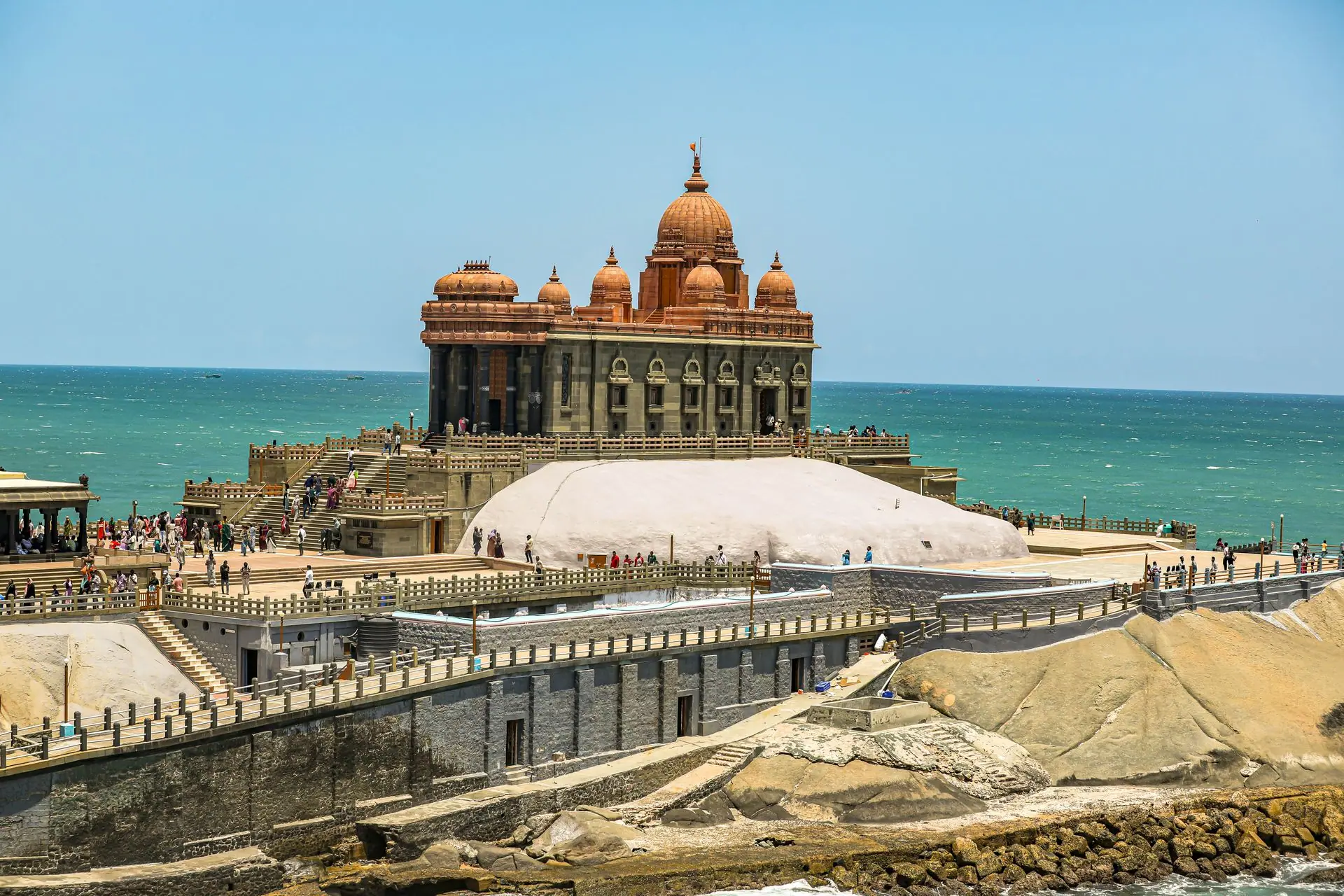




From the journal: Tamil Nadu
Journal
Top 15 Places to Visit in Tamil Nadu Guide
Journal
8 Popular Places to Visit in Tamil Nadu
Journal
10 Must Visit Places In Tamil Nadu
Journal
Ooty Package from Chennai: A Scenic Escape to the Nilgiris
Journal
Tamil Nadu Holiday Package – A Journey into Culture, Heritage, and Nature
Journal
Rameshwaram Kanyakumari Tour Packages:
Journal
Best time to visit Rameshwaram Kanyakumari: Timing Your Trip for Maximum Enjoyment
Journal
Madurai to Rameswaram: distance and how to get there
Customer reviews
Experience My India is rated 4.3 on Tripadvisor. We publish guest reviews after each trip.
Plan a trip
Tailor-made quote from a specialist