
Jawai Travel Guide: Jawai Dam, Leopard Country and Planning Your Visit
Jawai is an area of Pali district in Rajasthan, centred on Jawai Dam, which Maharaja Umaid Singh of Jodhpur built across a tributary of the Luni river. Rajasthan Tourism notes leopard sightings, winter migratory birds and crocodiles there. The places to visit in Jawai include the dam, the leopard conservation reserves and, elsewhere in Pali district, the Ranakpur Jain temples.
By Experience My India Editorial Team · Reviewed by Experience My India Editorial Team
Government-approved operatorApproved by the Ministry of Tourism, Government of India
Places to visit in Jawai
Things to do in Jawai
Go for a wildlife safari to look for leopards, and use the water's edge for birdwatching in winter. Pair that with Ranakpur and the other temples for a cultural day. For the wider range of wildlife trips across the state, see our Rajasthan wildlife safaris and the Rajasthan tours and experiences page.
Best time to visit Jawai
Rajasthan Tourism says winter, which begins around October and lasts to January, is the best season in the state, with temperatures of 10 to 30 degrees Celsius for most parts, sunny days and chilly nights. For Jawai the season has an added reason: the same body says migratory birds are spotted at Jawai Dam in the winter. Its seasonal table gives January to March as 10 to 27 degrees Celsius and April to June as 24 to 45. Summers can reach 48 degrees in the state, though Rajasthan Tourism names Ranakpur, Mount Abu and Kumbhalgarh as pleasant places in that season. In the monsoon it describes lush greenery. Our best time to visit Rajasthan guide goes through the year.
How to reach Jawai
Rajasthan Tourism gives travel information for Pali district, not for the dam itself. It says that the nearest airport is Jodhpur, nearly 77 km from the town of Pali, that Pali is on NH14 and that regular trains run from Beawar and Jodhpur to Pali. It gives distances from Pali of 83 km to Jodhpur, 172 km to Ajmer and 185 km to Udaipur. Those figures are to Pali town and not to Jawai Dam, so ask your host or operator for the road distance and the transfer. Our guides to Jodhpur, Udaipur and Mount Abu cover the nearest gateways.
How many days in Jawai
One night is enough for a safari and the dam, and two nights give you a second day for Ranakpur and the other temples. The temples are in different parts of Pali district, so allow time on the road between them.
Tips for visiting
- Leopard sightings are not guaranteed, and the safari rules are set by the Forest Department and the operator, so check the rules before you book.
- Winter nights are cold, so bring warm layers for early starts.
- Summer temperatures in Rajasthan can reach 48 degrees Celsius, according to Rajasthan Tourism; plan your days accordingly if you travel then.
- Temples such as Ranakpur are working places of worship, so check their visiting arrangements before you go.
Why book with Experience My India
Government-approved operator
Approved by the Ministry of Tourism, Government of India
500+ vetted local guides
35+ destination specialists plan every trip by hand.
Human help, every day
Mon–Sun, 9:00 AM – 9:00 PM IST · +91 73022 65809
No payment until you approve
You receive a written quote first; nothing is charged to start planning.
Frequently asked questions
Why do visitors go to Jawai Dam?
Rajasthan Tourism calls it the biggest dam in western Rajasthan, built across a tributary of the Luni by Maharaja Umaid Singh of Jodhpur. It supplies water to nearby villages and to Jodhpur, and visitors go for the winter migratory birds, the leopards and the crocodiles that the same page associates with it.
Are leopards guaranteed at Jawai?
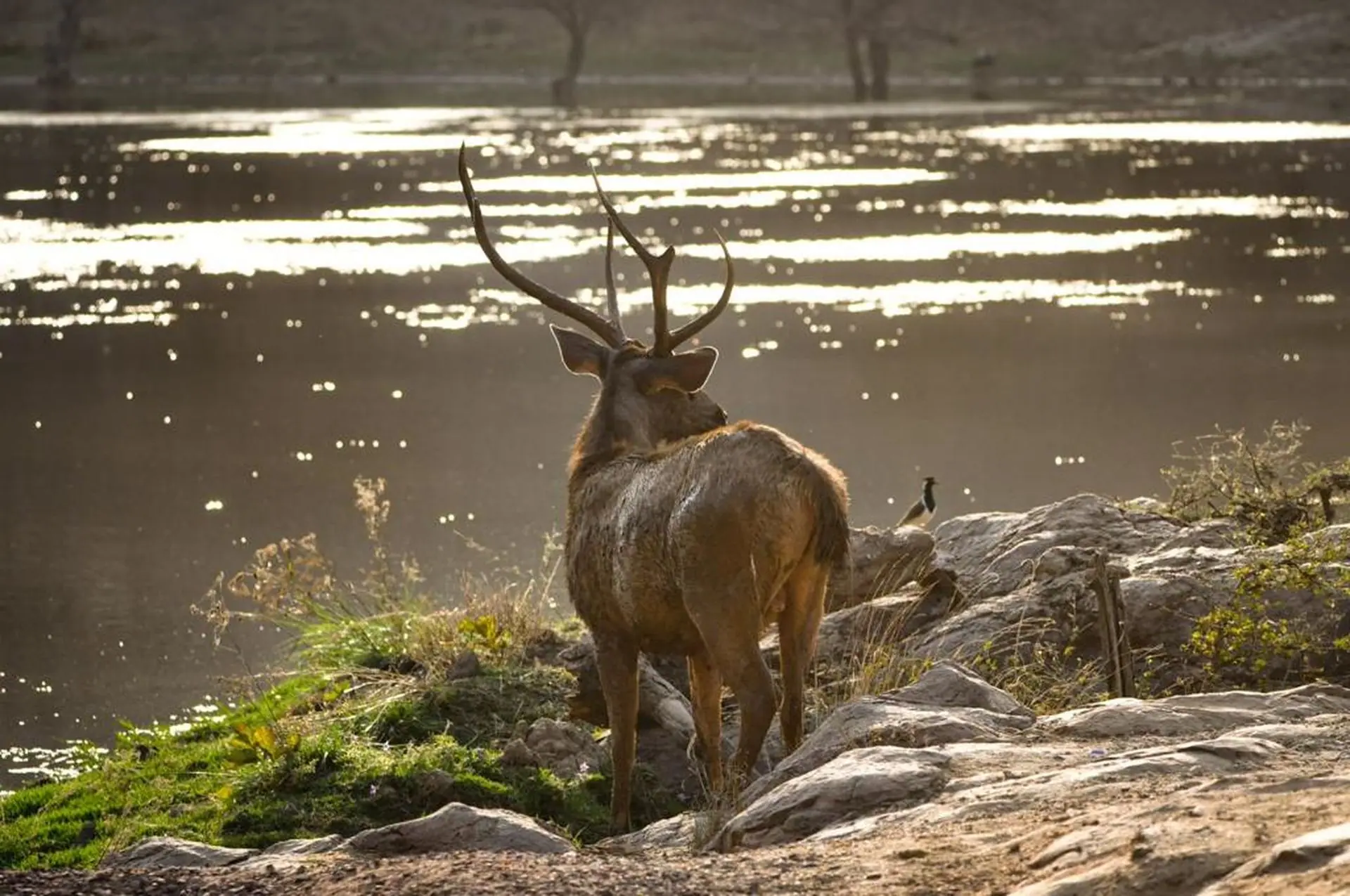
No. Rajasthan Tourism says the region around Jawai Dam is known for its leopard sightings, and the Rajasthan Forest Department lists two conservation reserves there, but the animals are wild, so treat a safari as a chance rather than a promise. Ask the operator for the rules that apply on your dates.
What protected areas are there at Jawai?
The Rajasthan Forest Department lists two conservation reserves in Pali district: the Jawaibandh Conservation Reserve, 19.79 square kilometres, and the Jawai Bandh Leopard Conservation Reserve-II, 61.98 square kilometres. The department's table gives their areas but not the dates they were notified, so ask for the current rules before you travel.
Which months suit a Jawai visit?
Winter, from about October to January, according to Rajasthan Tourism's account of the state, with temperatures of 10 to 30 degrees Celsius. It also says migratory birds are spotted at Jawai Dam in winter. Summer is much hotter, with temperatures that can reach 48 degrees in Rajasthan.
Which temples are near Jawai?
Rajasthan Tourism's Pali page lists the Ranakpur Jain Temples and the Sun Temple at Ranakpur, the Parshuram Mahadev cave temple and the Nimbo ka Nath temple among Pali's attractions. It does not give their distances from Jawai Dam, so ask where you are staying how to link them.
Who built Jawai Dam?
Maharaja Umaid Singh of Jodhpur, according to Rajasthan Tourism, which says it was built across a tributary of the Luni and is believed to be the biggest dam in western Rajasthan. The dam also serves as a source of water for Jodhpur city.
Is Jawai worth visiting?
It suits travellers who want wildlife and a quieter landscape instead of forts and palaces. Rajasthan Tourism lists leopard sightings and birdwatching as its draw, and the temples of Ranakpur are within Pali district. If you want a long list of monuments, Udaipur or Jodhpur will serve better.
More places in Rajasthan
See all
Customer reviews
Experience My India is rated 4.3 on Tripadvisor. We publish guest reviews after each trip.
Plan a trip
Tailor-made quote from a specialist