
Rishikesh Travel Guide: Ghats, Ashrams, Hill Temples and Planning
Rishikesh is a pilgrim town on the Ganga at the foot of the Garhwal Himalayas in Uttarakhand, often called the yoga capital of the world. The main places to visit in Rishikesh are Triveni Ghat and its evening aarti, the ashrams of Swargashram, the Beatles Ashram, Bharat Mandir and the hill temples of Neelkanth Mahadev and Kunjapuri. Allow two or three days.
By Gurudutt Kaushal · Reviewed by Gurudutt Kaushal · Updated 21 Oct 2026
See all 6 tours and experiences in Rishikesh →
Government-approved operatorApproved by the Ministry of Tourism, Government of India
Places to visit in Rishikesh
Things to do in Rishikesh
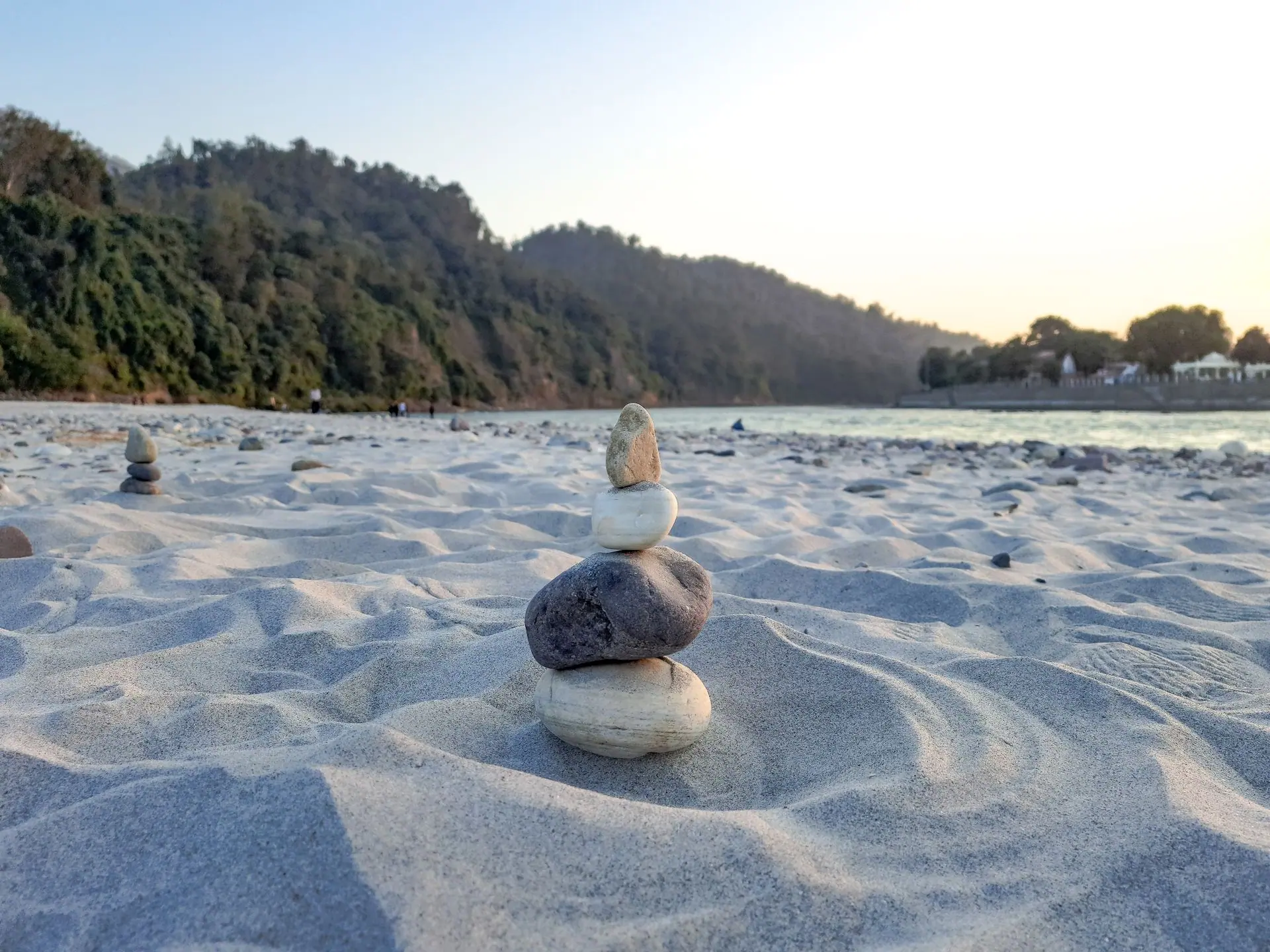
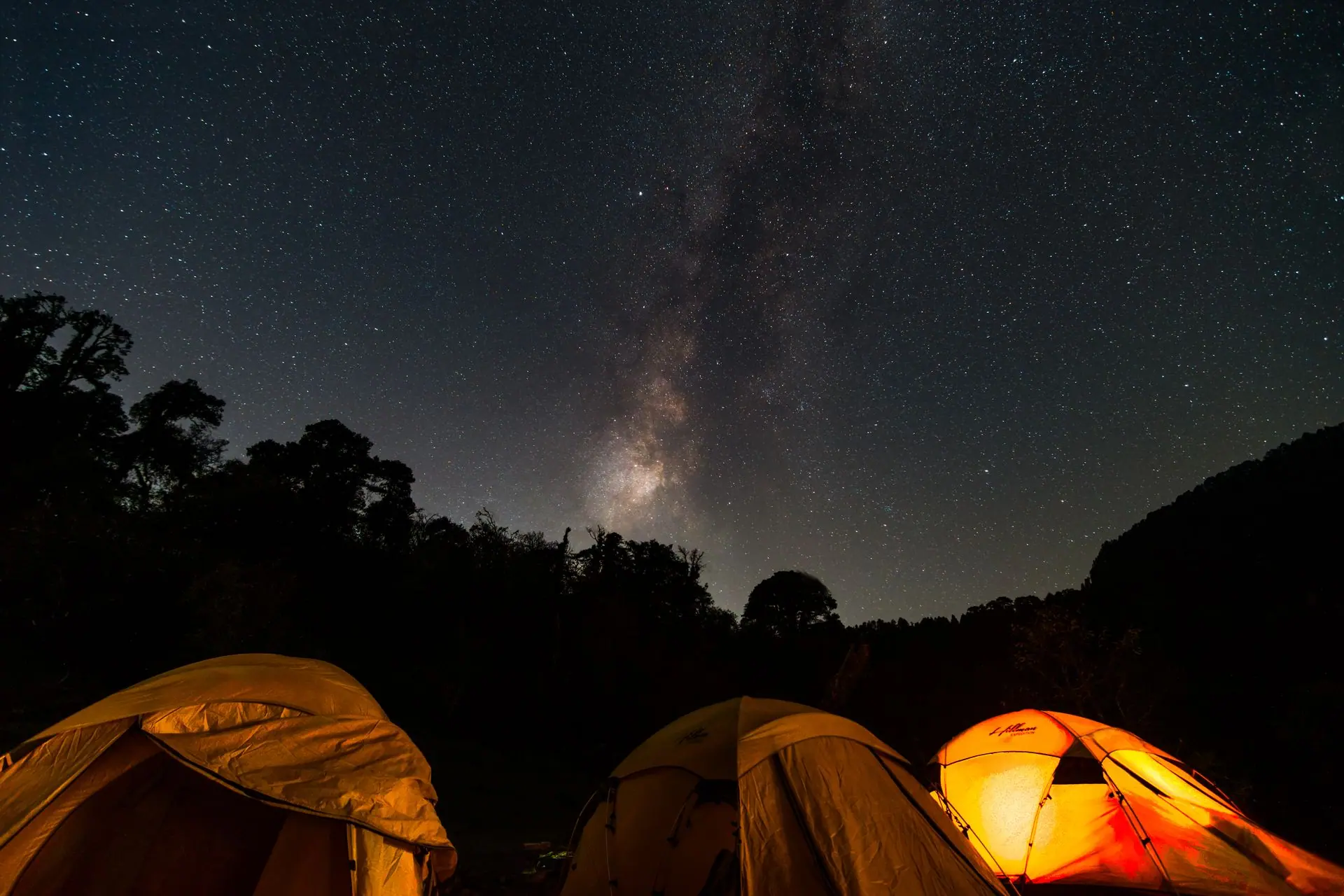
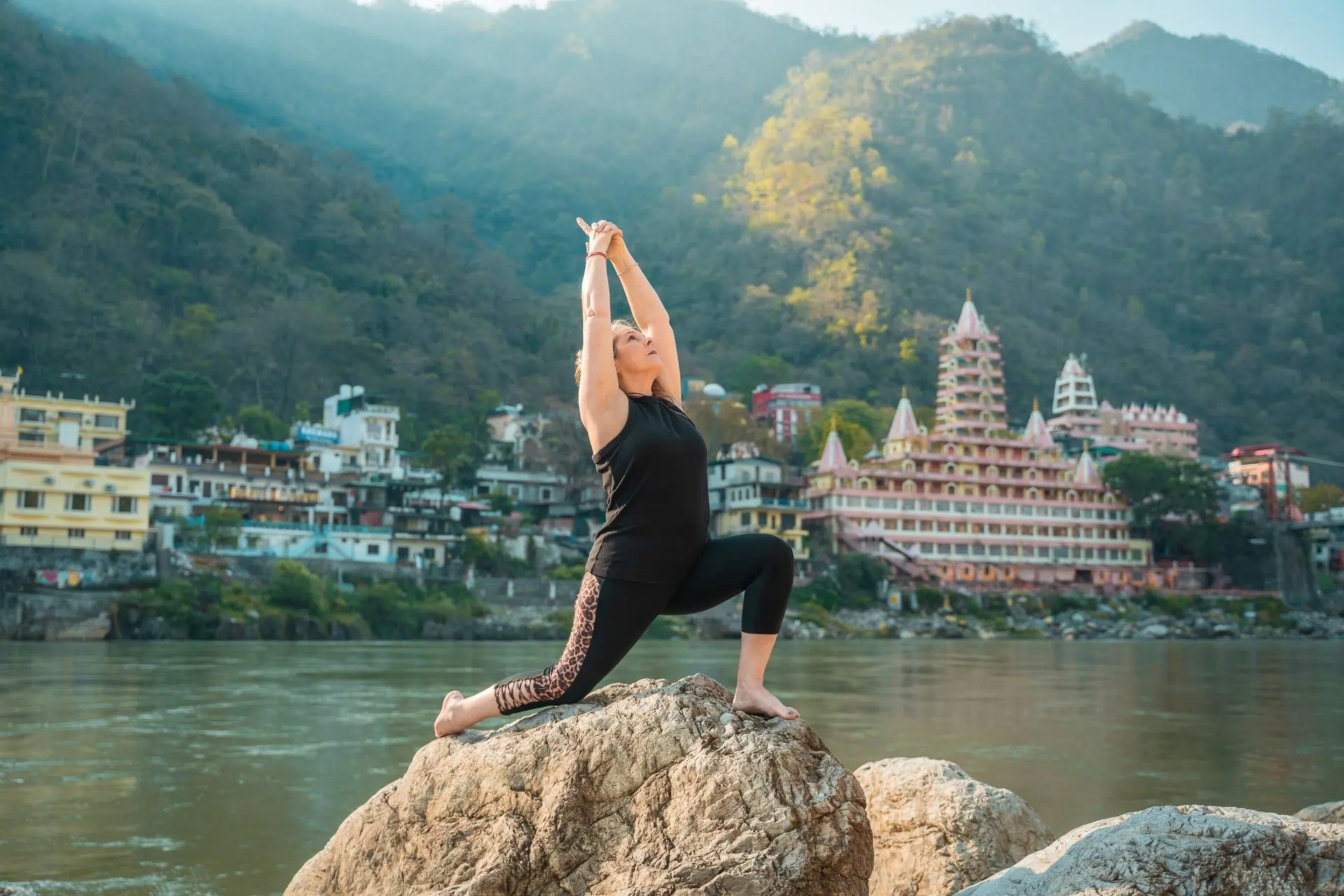
Beyond the rafting, Uttarakhand Tourism lists bungee jumping from up to 83 metres at Mohanchatti, a giant swing, a zipline over the river and rock climbing, and on foot the well-marked Waterfall Trek and the Kunjapuri trek. Yoga is the other reason to come, from drop-in classes to residential courses. Our rafting, bungee, riverside camping and yoga experiences, and the tours that stop here, are on our Rishikesh tours and experiences page.
Best time to visit Rishikesh
Incredible India suggests September to November and February to April, when the days are warm and the river quieter. IMD's 1991–2020 averages for Dehradun, the district's weather station, give January days of about 20°C and nights of about 7°C, so bring a warm layer for early yoga and the evening aarti. By May the average maximum reaches 35°C. The monsoon reaches Uttarakhand in the second half of June and normally withdraws by the end of September; July and August are the wettest months, with more than 600 mm of rain each at Dehradun, and rafting stops then. March brings yoga festivals, Parmarth Niketan's and the state tourism board's, each held over about a week.
How to reach Rishikesh
- By air: Dehradun's Jolly Grant Airport is 21 km away, with daily flights from Delhi; taxis run from the airport.
- By train: Rishikesh has its own station with frequent trains. Haridwar, about 25 km away and covered in our Haridwar travel guide, is linked by rail to Delhi, Mumbai, Ahmedabad and other cities.
- By road: Delhi is 224 km away. Buses leave from Delhi's ISBT Kashmiri Gate and from Meerut, and buses and taxis connect Rishikesh with Dehradun, Haridwar and the hill towns of Garhwal.
How many days in Rishikesh
Where to stay and local rules
Stay near Triveni Ghat for the town centre, the station and the evening aarti, or in Swargashram for the ashrams and quieter riverside walks; taxis and buses link the station with Muni-ki-Reti and Swargashram. Both ashrams and resorts run yoga sessions and courses. Rishikesh keeps pilgrim-town rules: meat, fish and eggs are not sold within its municipal limits, and liquor is banned in its religious places. Cover your shoulders and knees at temples, ashrams and the aarti. Pilgrims heading on to the Himalayan temples can register at the Transit Camp in Rishikesh; our Char Dham travel guide explains how the yatra works, and the Uttarakhand travel guide covers the rest of the state.
Why book with Experience My India
Government-approved operator
Approved by the Ministry of Tourism, Government of India
500+ vetted local guides
35+ destination specialists plan every trip by hand.
Human help, every day
Mon–Sun, 9:00 AM – 9:00 PM IST · +91 73022 65809
No payment until you approve
You receive a written quote first; nothing is charged to start planning.
Frequently asked questions
Is Rishikesh worth visiting?
Yes, for the Ganga as much as for yoga. In two or three days you can see the evening aarti at Triveni Ghat or Parmarth Niketan, the ashrams of Swargashram, the Beatles Ashram and Bharat Mandir, and add a hill temple or a rafting run between September and June. It is also the usual starting point for the Char Dham Yatra, and Haridwar's aarti at Har Ki Pauri is an easy evening away.
What is Rishikesh famous for?
Yoga and meditation above all: Uttarakhand Tourism calls it the yoga capital of the world, its ashrams run courses for visitors, and the state holds an International Yoga Festival here each year. It is also known for the Ganga aarti at Triveni Ghat, its 1939 suspension bridge, Lakshman Jhula, the Beatles' stay in 1968 and white-water rafting on the Ganga above the town.
Which places near Rishikesh make good day trips?
Haridwar, about 25 km away, for the evening aarti at Har Ki Pauri. Narendra Nagar, the former capital of Tehri state, is 20 km away at 1,326 metres, with views over the Ganga and the Doon valley, and Kunjapuri is 7 km beyond it. Devprayag, 71 km up the Badrinath road from Rishikesh station, is where the Bhagirathi and the Alaknanda meet and take the name Ganga. Neelkanth Mahadev is 22 to 32 km away, depending on the route.
How do you get from Delhi to Rishikesh?
By road it is 224 km, and buses leave from Delhi's ISBT Kashmiri Gate. By train, travel to Rishikesh's own station or to Haridwar, about 25 km away, which has trains from many cities. The quickest way is a flight to Dehradun's Jolly Grant Airport, 21 km from Rishikesh, which has daily flights from Delhi. Every one of our Rishikesh itineraries begins or ends with a transfer to or from Jolly Grant.
Which Rishikesh sights suit older travellers?
The evening aarti at Triveni Ghat or Parmarth Niketan, Bharat Mandir and the ashram lanes of Swargashram are all on level ground or a few steps. Kunjapuri and Neelkanth Mahadev can both be reached by road. Rafting is not an option, as the state's rules bar anyone over 65, and the paths to the Beatles Ashram and up Trayambakeshwar's thirteen storeys are steep. Our North India Classic and 8-day Kedarnath tour book seating for the aarti at Parmarth Niketan.
Should you stay in an ashram or a hotel?
It depends on what you want from the stay. An ashram gives you structure: early practice, simple rooms, vegetarian meals and the house rules. A hotel or riverside resort gives you privacy and comfort, and Uttarakhand Tourism notes that resorts also run yoga sessions and courses. Many first-time visitors choose a comfortable stay with classes nearby; committed students choose the ashram. Our yoga retreat matches you to either, at your level.
Does Rishikesh suit someone with no yoga background?
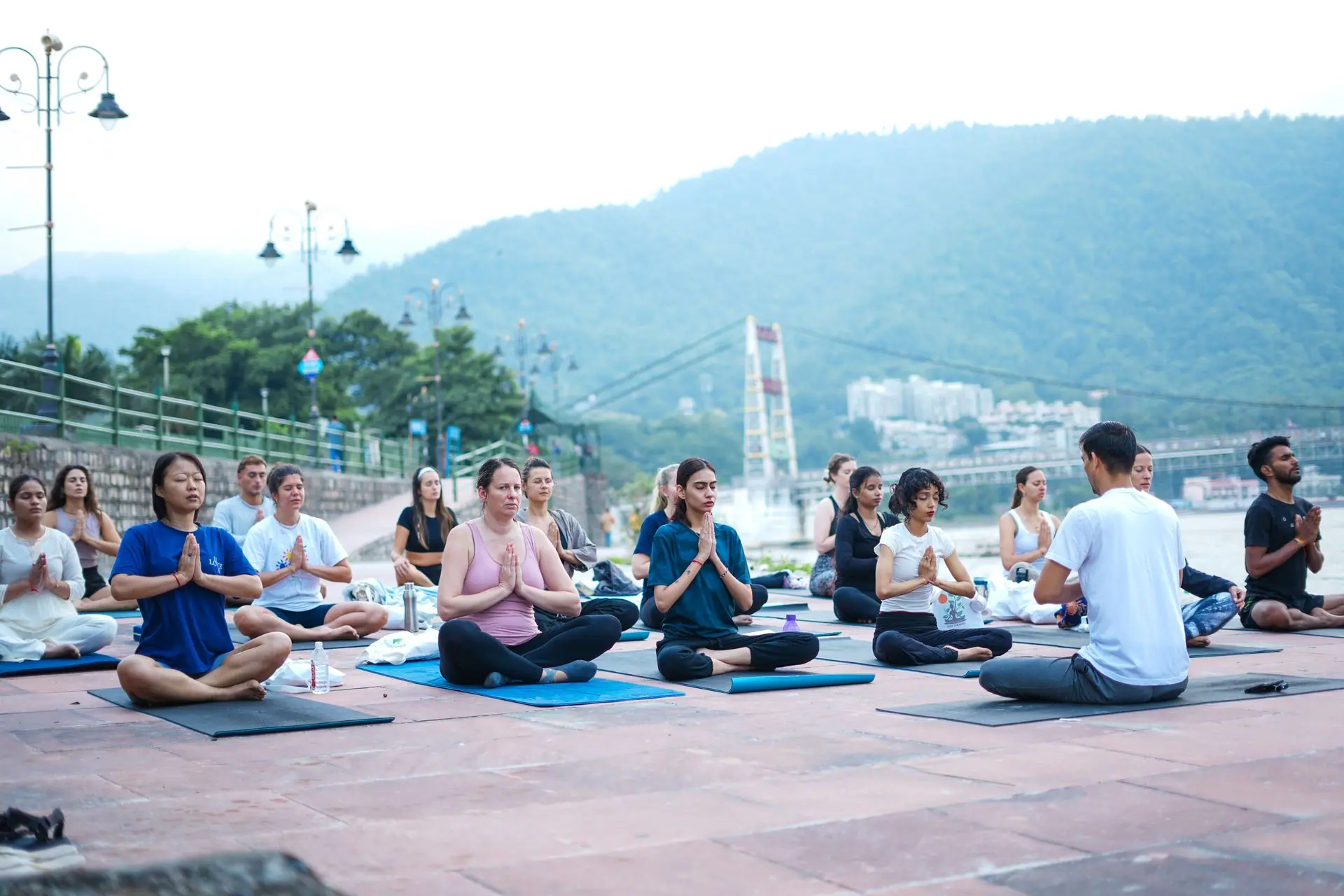
Both. The ashrams range from open drop-in sessions, which Parmarth Niketan runs daily, to disciplined residential programmes, and resorts offer classes for guests. The key is matching the place to your level and goal. For practitioners ready to teach, our yoga teacher training places you on a residential certificate course; the 200-hour and 300-hour formats are the recognised standard, and length varies by school.
Can you go inside the Beatles Ashram?
Yes. The ashram is a ruin in a forest patch in Swargashram, and visitors walk among its buildings and meditation huts, many of them covered in graffiti and portraits of the band. The climb to it is steep. It is a short walk from the ashrams of Swargashram, so it pairs well with Parmarth Niketan and its sunset aarti on the same afternoon.
Tour packages in Rishikesh
See all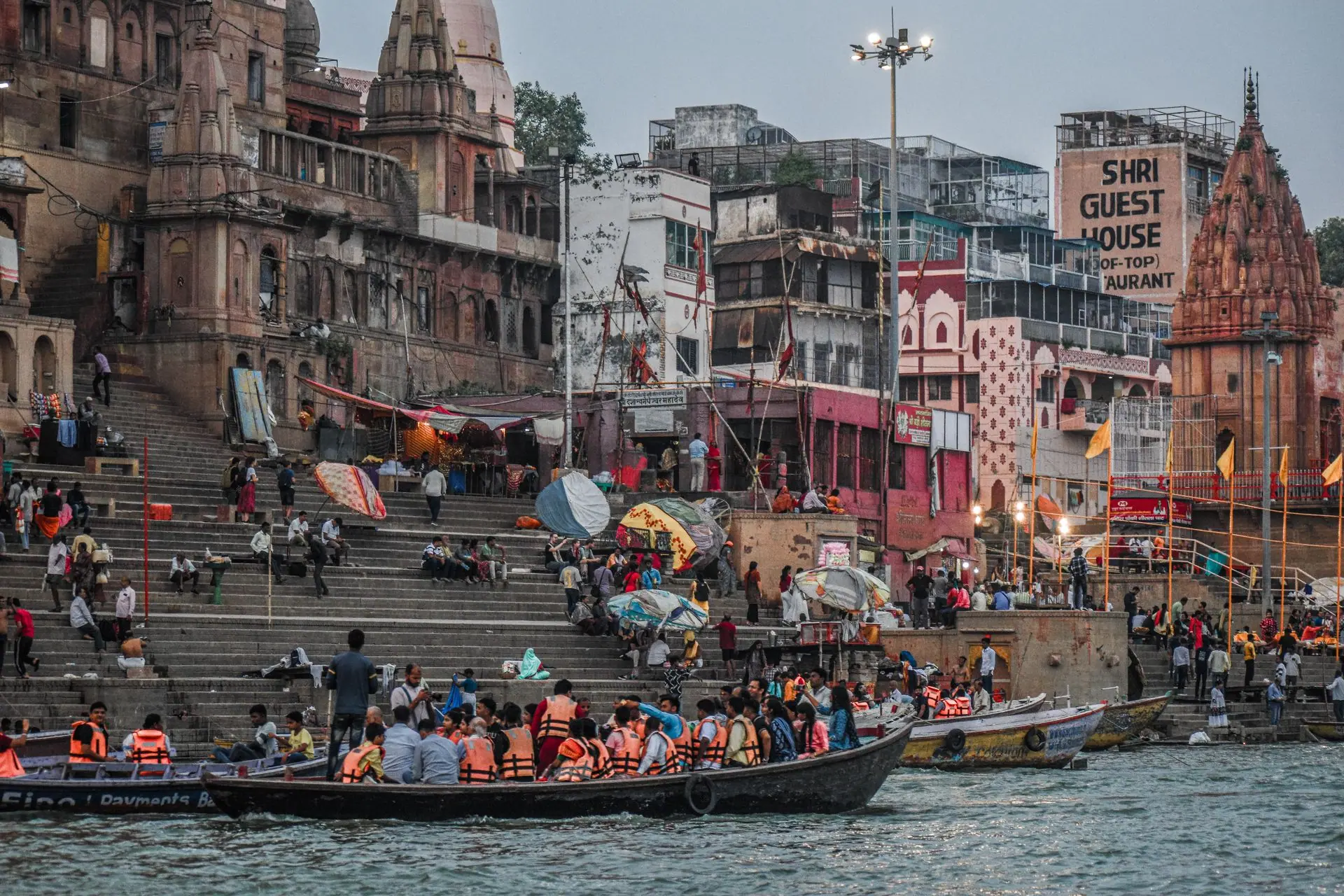
Spiritual India — Varanasi and Rishikesh
Spiritual India — Varanasi and Rishikesh, 8 days
8 days / 7 nights • Private guide and vehicle
Price on request
Experiences in Rishikesh
See all
Rishikesh
Rishikesh river rafting
Private guide and vehicle for transfers
Price on request
Rishikesh
Rishikesh bungee jumping
Private vehicle for the transfer to and from the jump site
Price on request
Rishikesh
Rishikesh riverside camping
Private vehicle for transfers to and from the camp
Price on request
Rishikesh
Rishikesh yoga retreat
Price on request
Rishikesh
Yoga teacher training in Rishikesh
Price on request
More places in Uttarakhand
See all
From the journal: Rishikesh
Journal
Top 12 Tourist Places in Rishikesh India
Journal
Top 7 Activities to Do in Rishikesh
Journal
10 Hidden Places to Visit in Rishikesh
Journal
Top 10 Must-Visit Sightseeing Places in Rishikesh
Journal
Tourist Attraction in Rishikesh: A Complete Guide to the Yoga Capital of the World
Journal
Explore the beauty of Rishikesh in Uttarakhand, India
Journal
Must-Visit Tourist Places In Rishikesh
Customer reviews
Experience My India is rated 4.3 on Tripadvisor. We publish guest reviews after each trip.
Plan a trip
Tailor-made quote from a specialist