
Choose a state
Guides and help
India's UNESCO World Heritage Sites: a traveller's guide 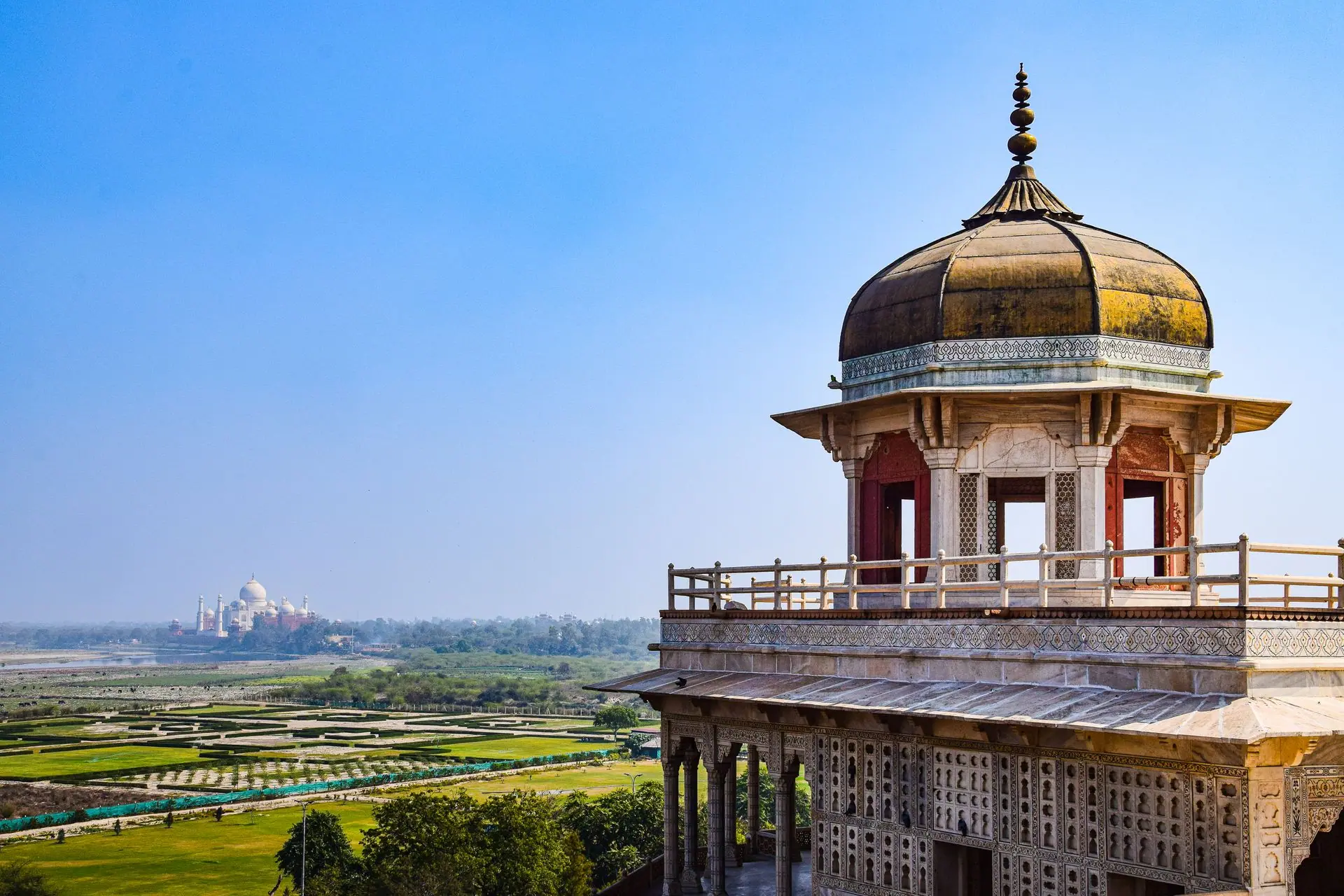
Travel guide · Heritage & Architecture
India's UNESCO World Heritage Sites: a traveller's guide
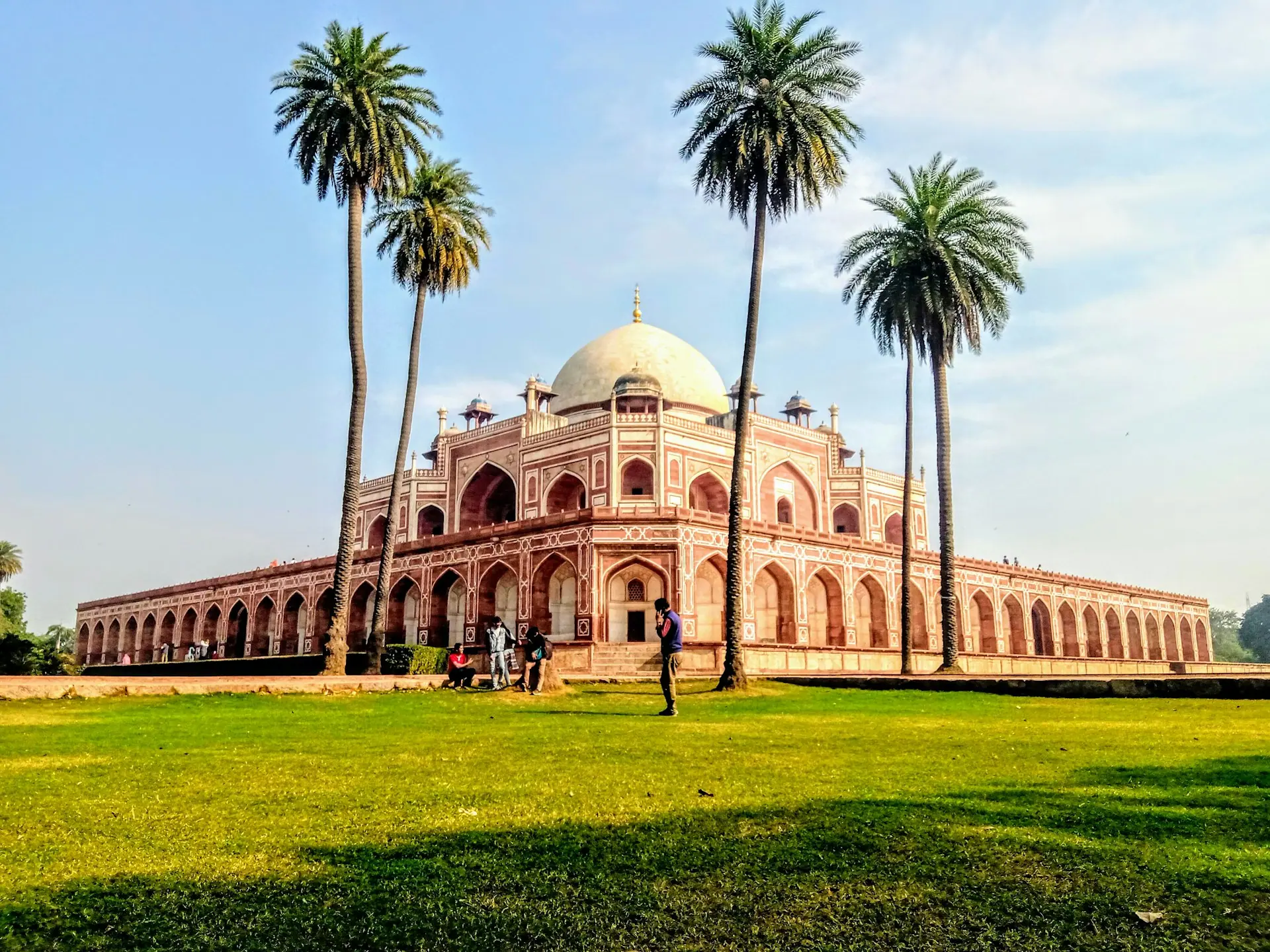
India has dozens of UNESCO World Heritage Sites, and the ones that matter most for a first or second trip cluster around a handful of regions: the Taj Mahal, Agra Fort and Fatehpur Sikri near Agra, Hampi and the Western Ghats in the south, Khajuraho and the Ajanta and Ellora Caves in central India, and Delhi's Red Fort, Qutub Minar and Humayun's Tomb.
Read the guide
Frequently asked questions
Which heritage fort tour should I book first?
For most first-time visitors, the Taj Mahal Sunrise Tour or the full Golden Triangle Tour is the right starting point — they cover Delhi, Agra and Jaipur, the most Mughal- and Rajput-monument-dense corner of the country. If you already know India and want a quieter circuit, Hampi or Mysore in Karnataka make a good second trip.
How many days should I set aside for a heritage-focused trip?
A single monument such as the Taj Mahal or Amber Fort needs half a day. A city such as Jaipur or Hampi rewards one to two days. The full Golden Triangle needs five to seven days done properly, with a night in each city rather than a rushed loop.
Do I need to hire a guide inside these monuments?
We recommend it. A government-approved guide costs relatively little against the rest of a trip and can explain what you're looking at, and at busy sites such as the Taj Mahal and Agra Fort, touts posing as guides are a genuine nuisance — book one in advance rather than at the gate.
What should I wear to visit forts and temples in India?
Modest, comfortable clothing that covers shoulders and knees works everywhere, and shoes you can slip off easily, since temples require bare feet at the threshold and some forts involve uneven stone stairs. Carry a scarf or shawl for the odd temple that asks for more coverage.
Can I use a drone or tripod at these sites?
Drones are restricted or banned outright at most protected monuments, the Taj Mahal included, and tripods or professional camera gear can need a separate permit depending on the site. Check the rule for the specific monument on your itinerary before you travel.
What is monument fatigue, and how do you plan around it?
It's the point, usually on day three or four of back-to-back forts and temples, where everything starts to look the same. We build in at least one slower day — a bazaar, a lake, a cooking class — between the big-ticket monuments rather than stacking them consecutively.
About India's heritage forts and monuments
The right heritage tour in India depends on how much heat and walking you can take, how many days you have, and whether you want one monument done properly or a circuit of several. A sunrise visit to the Taj Mahal suits a tight first trip; the Golden Triangle circuit suits five to seven days; a single city such as Jaipur or Hampi suits travellers who prefer depth to breadth.
Reviewed by Experience My India Editorial Team · Updated 13 Sept 2026
India's heritage sites reward planning more than most destinations, because the gap between a rushed midday monument in a crowd and a still, golden first hour after opening is entirely down to logistics and timing. This guide sets out what actually differentiates the main heritage tours below, so you can pick the right one, or the right combination, for your trip.
The criteria that matter
- Crowd and timing — most major forts and monuments are calmest in the first hour after opening; by mid-morning coach groups fill the courtyards and the light goes flat.
- Monument fatigue — three forts in three days start to blur into each other; a slower city or a lake day built in between makes the ones you do see more memorable.
- Heat — Rajasthan and Uttar Pradesh in April to June are punishing for a day of walking on stone; October to March is the comfortable window in the north, with Hampi and Mysore staying manageable a little later into February.
- Guide quality — touts and unofficial guides cluster at the busiest gates, the Taj Mahal and Agra Fort particularly; a government-approved guide costs relatively little and can usually get you past a queue.
- Photography rules — tripods, professional camera gear and drones are restricted or banned outright at protected monuments including the Taj Mahal; check the rule for each site before you pack a tripod.
How to choose
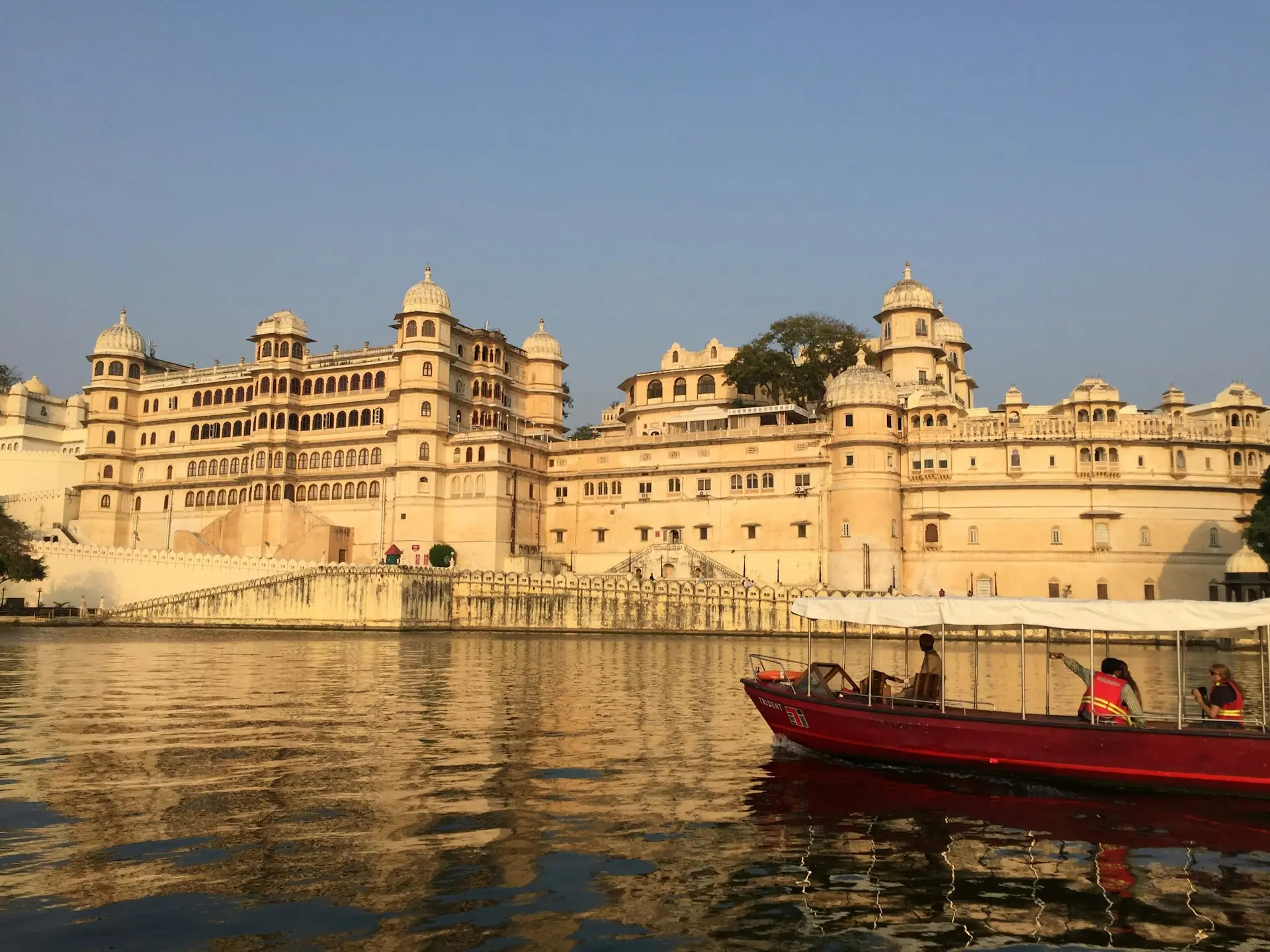
If this is your first trip to India and you only have a few days, start with the Taj Mahal Sunrise Tour or the wider Golden Triangle Tour, which adds Delhi and Jaipur around it. Travellers who want one city done properly rather than three in a rush should look at the Jaipur City Tour, paired if you like with the Amber Fort Experience just outside town. Jodhpur's Mehrangarh Fort Tour suits anyone extending west into the desert cities.
Further afield, the Hampi Ruins Tour and the Mysore Palace Tour open up Karnataka's quieter, very different heritage circuit, and the Khajuraho Temples Tour and the Fatehpur Sikri Day Trip both work well as add-ons to a wider Rajasthan or Agra itinerary. In Delhi itself, the Old Delhi Heritage Walk is the best way to see Chandni Chowk and Jama Masjid on foot rather than from a car window. For the full sweep, our India's UNESCO World Heritage Sites guide sets out how the best-known monuments in the country relate to one another.
| Criteria | Taj Mahal Sunrise Tour | Golden Triangle Tour | Jaipur City Tour | Hampi Ruins Tour |
|---|---|---|---|---|
| Best season | October to March, though sunrise works year-round | October to March | October to March, though the city works most of the year | October to February |
| Ideal trip length | Half a day, or an overnight in Agra | 5 to 7 days | 1 to 2 days | 1 to 2 days |
| Crowd level | High by mid-morning, low at first light | High at each monument, especially late morning | High at Hawa Mahal and Amber Fort by mid-morning | Low to moderate, quieter than the north Indian circuit |
| Physical demand | Low — mostly flat walking | Moderate — several sites a day, some steps | Moderate — bazaar walking, some fort steps | Higher — boulder terrain, temple steps, a spread-out site |
Region and season notes
North India's heritage circuit — Delhi, Agra, Jaipur, Jodhpur, Khajuraho — runs on the same October-to-March calendar: cool, clear mornings that suit an early start at the gates, with December and January occasionally bringing morning fog around Agra. April to June is best avoided on foot.
Karnataka's Hampi and Mysore have a longer comfortable season, staying pleasant into February and picking up again after the monsoon in October, though the boulder terrain around Hampi still gets hot by midday even in the cooler months.
Plan a trip
Tailor-made quote from a specialist