
Kerala Travel Guide: Places to Visit, Seasons and Routes
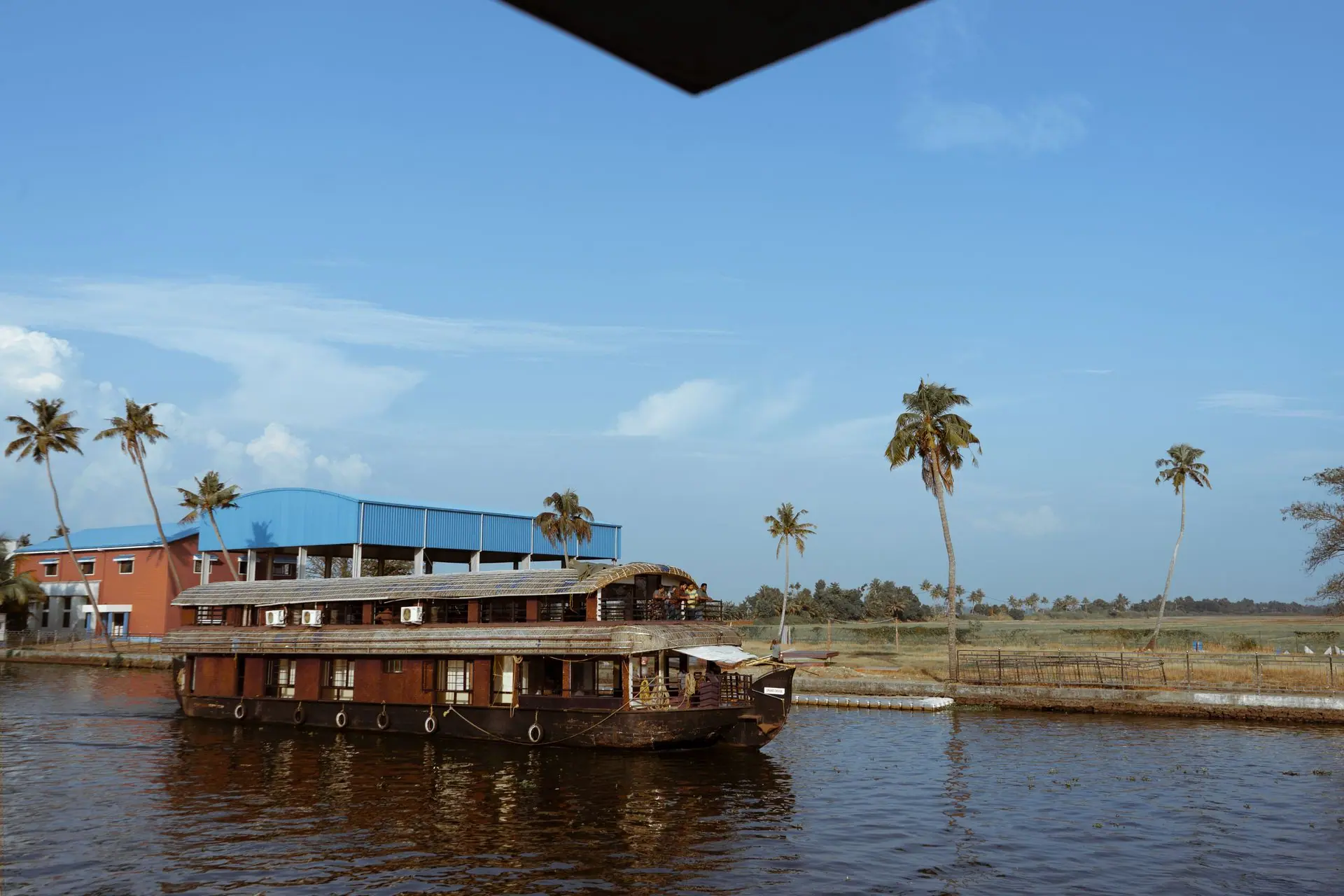
Kerala is a narrow state between the Western Ghats and the Arabian Sea, so tea hills, backwaters and beaches lie a few hours apart. The main places to visit in Kerala are Fort Kochi, Munnar's tea estates, the backwaters of Alleppey and Kumarakom, Periyar at Thekkady, and the coast at Varkala and Kovalam. December to March is the dry season, and a week covers the classic route.
By Gurudutt Kaushal · Reviewed by Gurudutt Kaushal · Updated 21 Oct 2026
See all 14 tours and experiences in Kerala →
Government-approved operatorApproved by the Ministry of Tourism, Government of India
Places to visit in Kerala
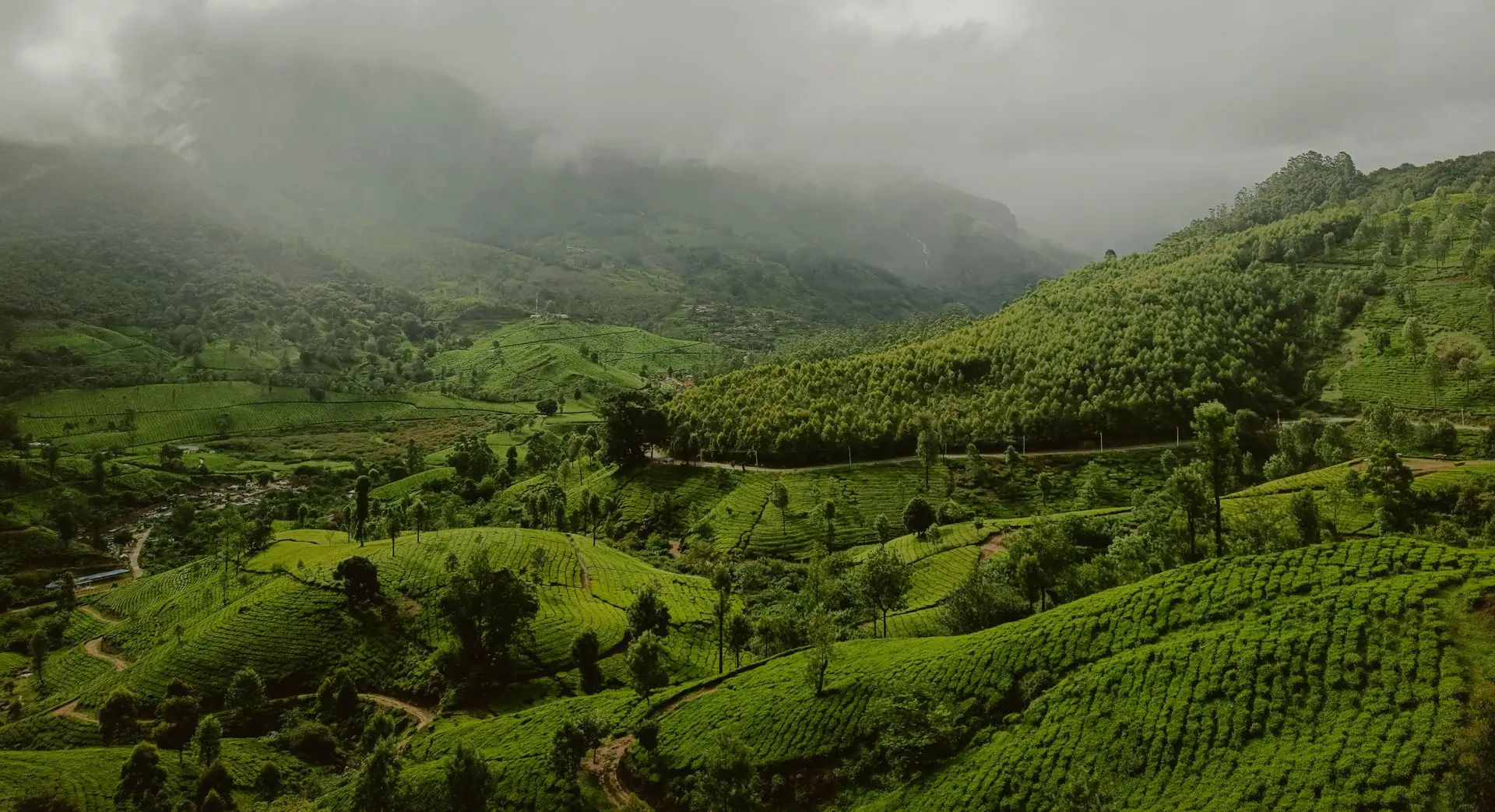
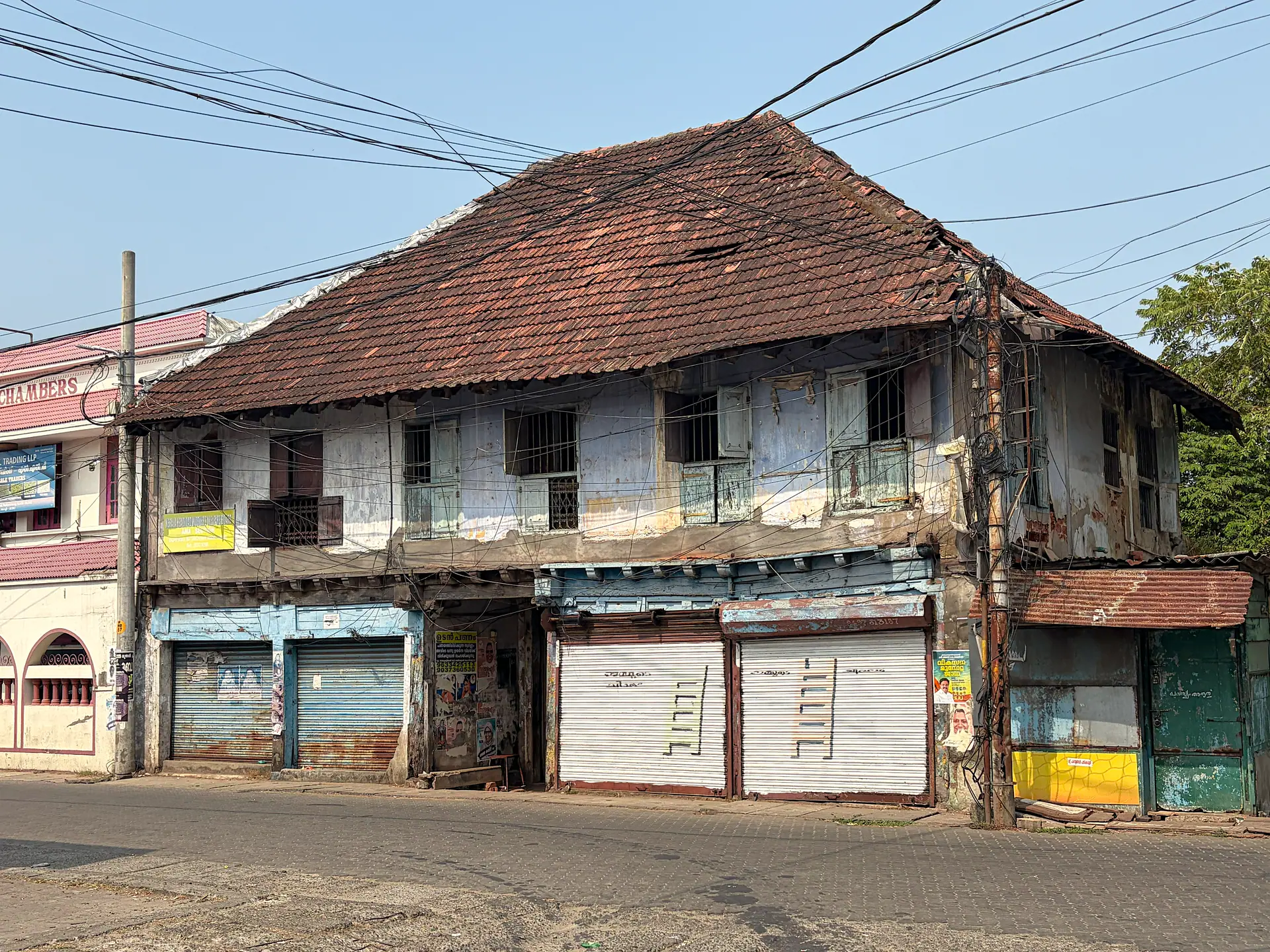
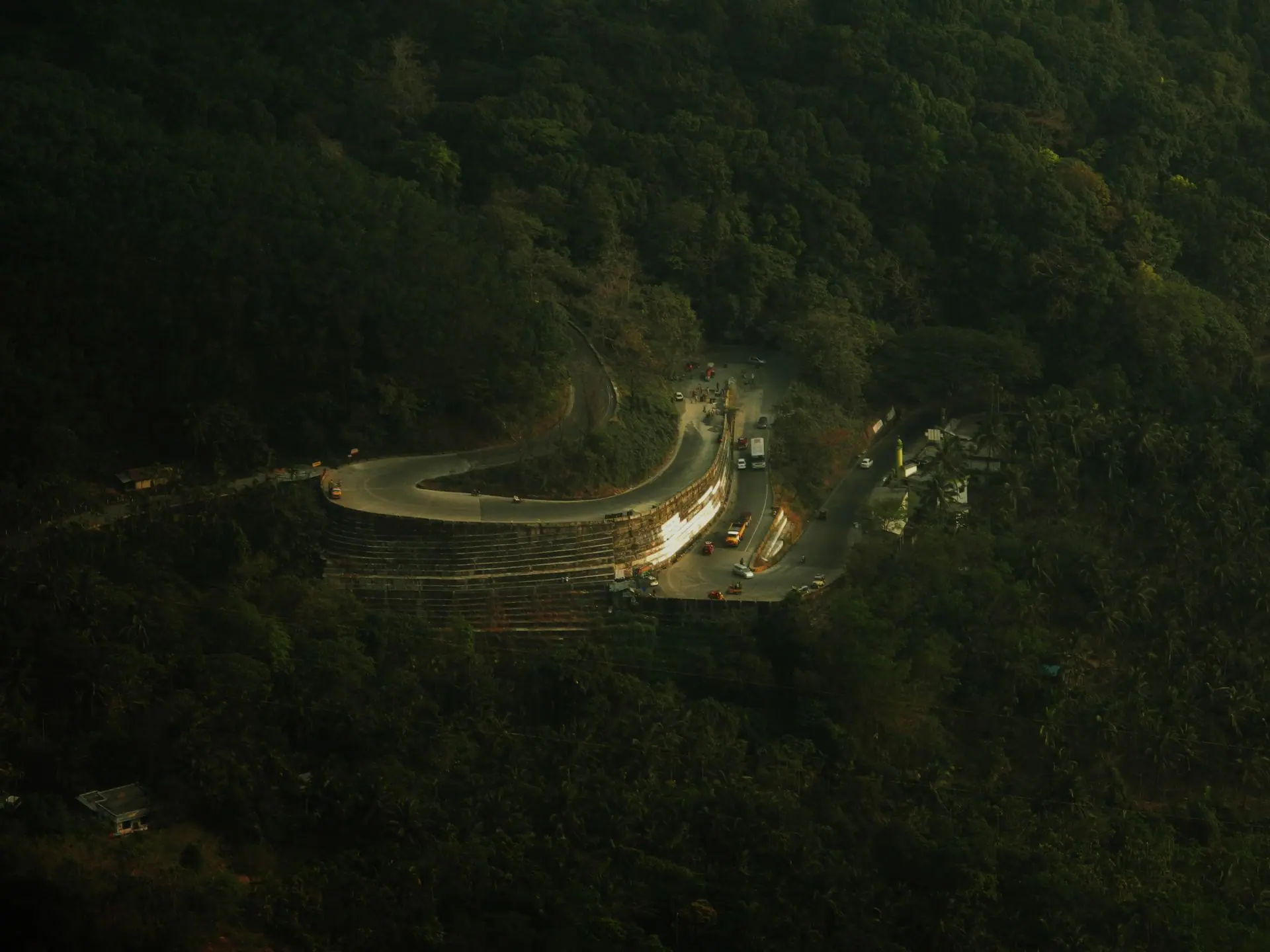
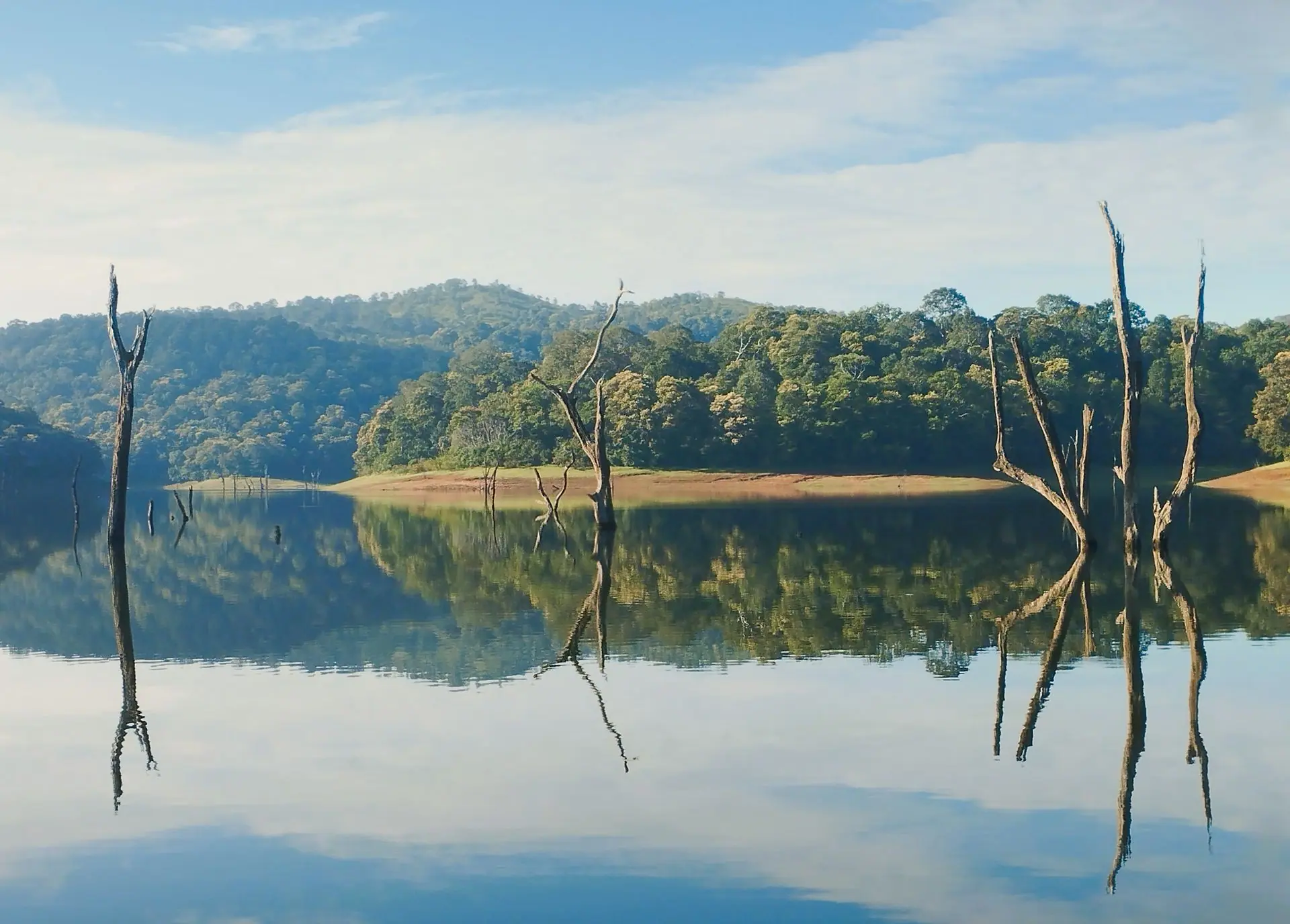
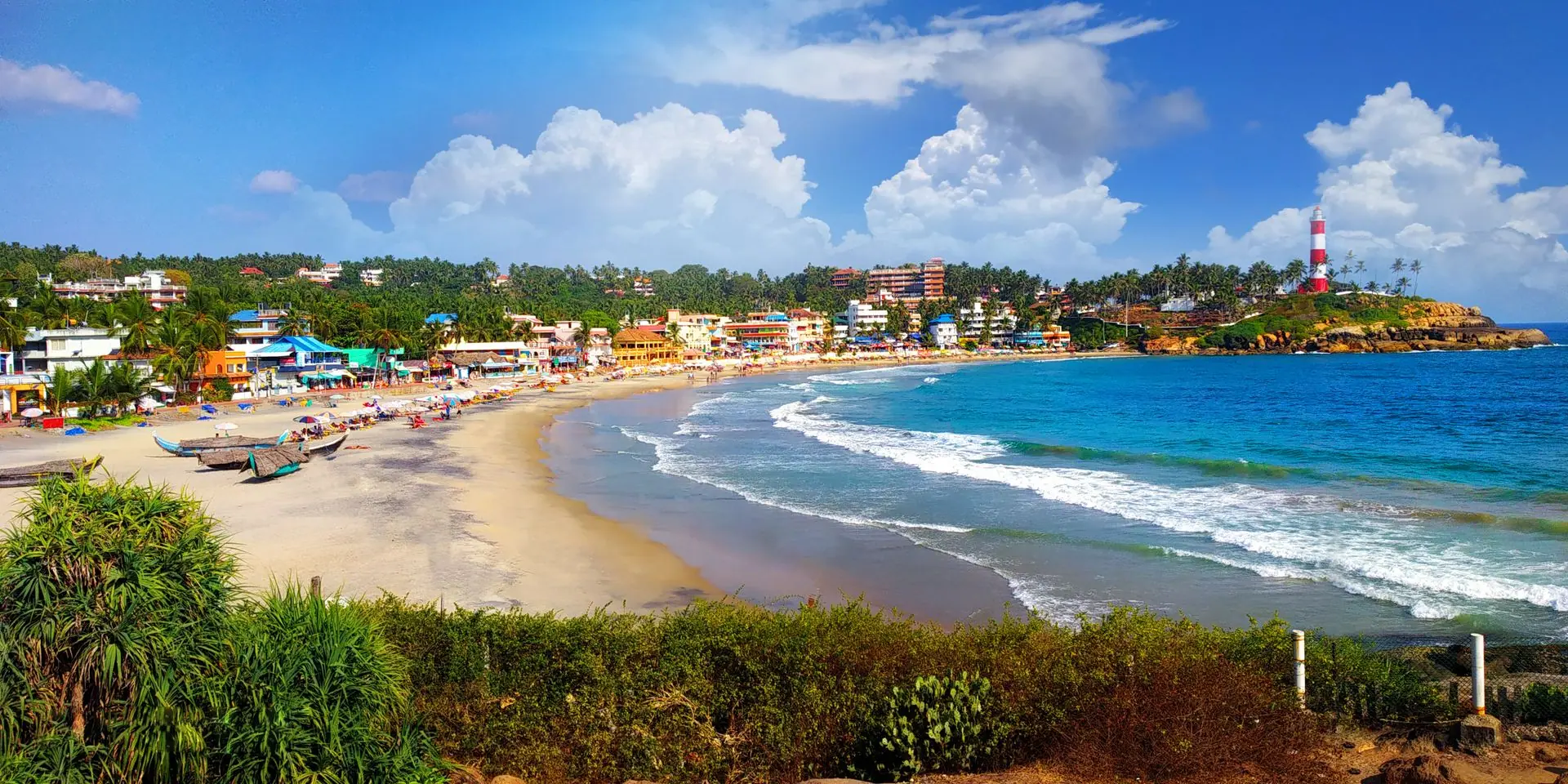
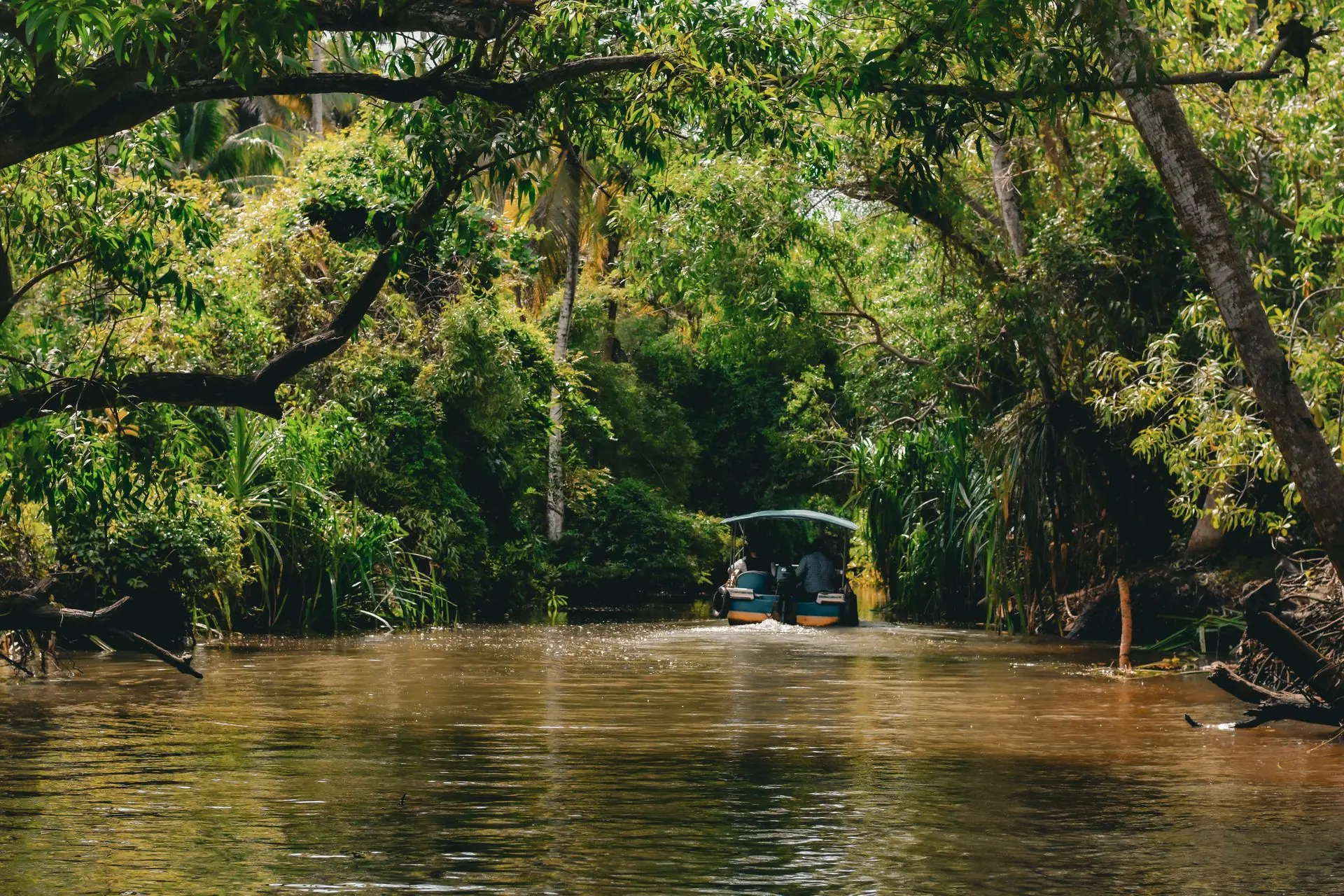
Places to visit in Kerala
Things to do in Kerala
Much of what brings people to Kerala is something to do rather than something to see: a night on a houseboat, a morning on a tea estate, a boat on Periyar's lake, Kathakali in Kochi, a Theyyam ritual in the north, an Ayurveda course or a sadya served on a banana leaf. Each of our trips for these, tours and experiences together, is on our Kerala tours and experiences page.
Best time to visit Kerala
How to reach Kerala
How many days in Kerala
A week covers the classic route through the centre and south. Our Kerala Backwaters Tour — 7 days spends one night in Kochi, with a Fort Kochi walk and Kathakali if timings allow, two in Munnar for a tea estate and Eravikulam when the season allows, one on an Alleppey houseboat and two on Varkala's cliff, then flies home from Thiruvananthapuram. With ten days, add Thekkady: the Kerala Ayurveda Retreat keeps the same order with three nights beside Periyar for treatment. Two weeks leave room for Wayanad or the north. Every route we run is on our Kerala tour packages page.
Getting around and where to stay
Tips for travelling in Kerala
Why book with Experience My India
Government-approved operator
Approved by the Ministry of Tourism, Government of India
500+ vetted local guides
35+ destination specialists plan every trip by hand.
Human help, every day
Mon–Sun, 9:00 AM – 9:00 PM IST · +91 73022 65809
No payment until you approve
You receive a written quote first; nothing is charged to start planning.
Frequently asked questions
Which part of Kerala should you see on a first trip?
The centre and south. Most first trips, ours included, run from Kochi up to Munnar's tea hills, down to the backwaters at Alleppey and on to the coast at Varkala or Kovalam, flying in to Kochi and home from Thiruvananthapuram so the route never doubles back. Thekkady fits between Munnar and the backwaters. Wayanad, Bekal and the Theyyam shrines of Kannur and Kasaragod lie further north and suit a second trip or two weeks.
Which hill stations are there in Kerala?
Munnar is the best known, at about 1,600 metres among the tea estates of Idukki district. Devikulam, less than 10 km from Munnar, stands at about 1,800 metres, and Vagamon, also in Idukki, at about 1,100 metres, with meadows, pine forest and paragliding. Thekkady is spice and forest country around the Periyar Tiger Reserve, and in the north Wayanad's Chembra Peak rises to about 2,100 metres. Evenings in the hills are cooler than on the coast.
How far apart are the main places in Kerala?
Closer than they look, but the hill roads are slow. Alappuzha is 62 km from Kochi, about an hour by road. Munnar is about 130 km from Kochi, which the district administration puts at four and a half hours, and Thekkady is 110 km beyond Munnar. Thiruvananthapuram is 196 km down the coast from Kochi, with Kovalam 16 km beyond the city. Plan on one long drive a day.
Can you travel around Kerala by train?
Along the coast, yes. Kochi has two main stations, Ernakulam Junction and Ernakulam Town; Alappuzha's station is less than a kilometre from its beach; Kottayam is the station for Kumarakom; and trains run on to Thiruvananthapuram. The railway does not climb into the hills: Munnar's nearest stations, Aluva and Angamaly, are about 108 km away, so the hill stretches of a trip go by road.
Do you need tickets or permits for Kerala's parks and peaks?
Tickets, yes, and for some treks a permit. Eravikulam National Park near Munnar sells tickets online on its own website and at a counter in Munnar, and closes from 1 February to 1 April. Climbing Anamudi inside the park needs permission from the forest and wildlife authorities, and the park penalises unauthorised trekking. At Periyar, the boat trips and programmes are run within the reserve; our Periyar boat safari books the slot for you.
What food should you try in Kerala?
Kerala Tourism's own list starts with appam and stew, puttu and kadala, seafood, banana chips and payasam. Around the backwaters, look for karimeen pollichathu, pearl spot fish grilled in a banana leaf, and Kuttanad's duck curry. For a feast, a sadya serves rice, sambar, rasam, curries and pickles on a banana leaf, finished with payasam; our Kerala sadya experience books one and can make it vegan or Jain with notice.
Why is Kerala called God's Own Country?
It is the name Kerala Tourism, the state government's tourism department, uses for Kerala across its official website: a slogan, not an official title. The department's fact file describes what lies behind it, a state between the Arabian Sea and the Western Ghats, crossed by 44 rivers, with a coastline of about 580 km, backwaters, hill stations and forests with wildlife.
Tour packages in Kerala
See all
Kerala
Kerala family holiday
Private guide and vehicle throughout
Price on request
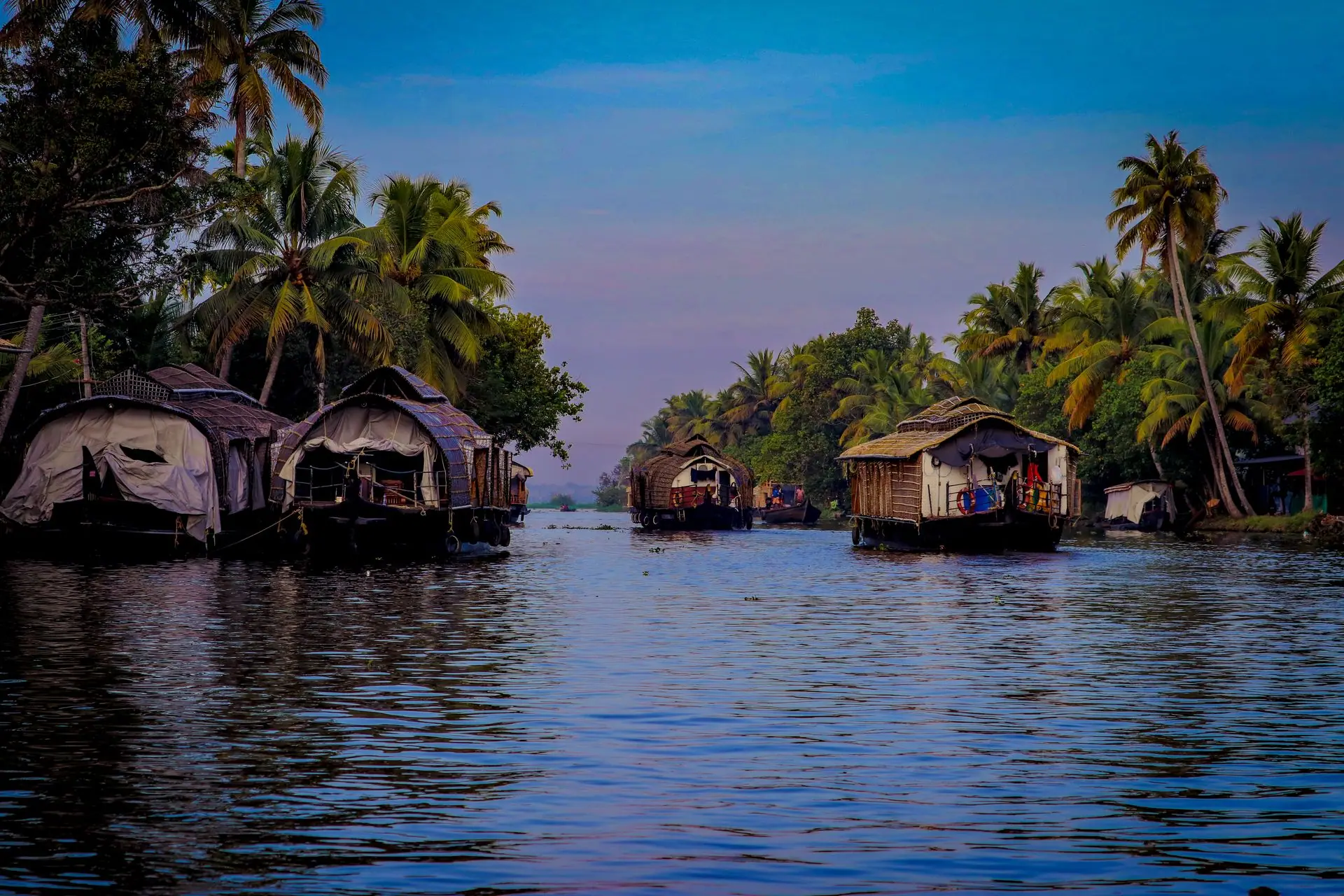
Kerala Backwaters Tour — 7 days
Kerala Backwaters Tour — 7 days
7 days / 6 nights • Private guide and vehicle
Price on request
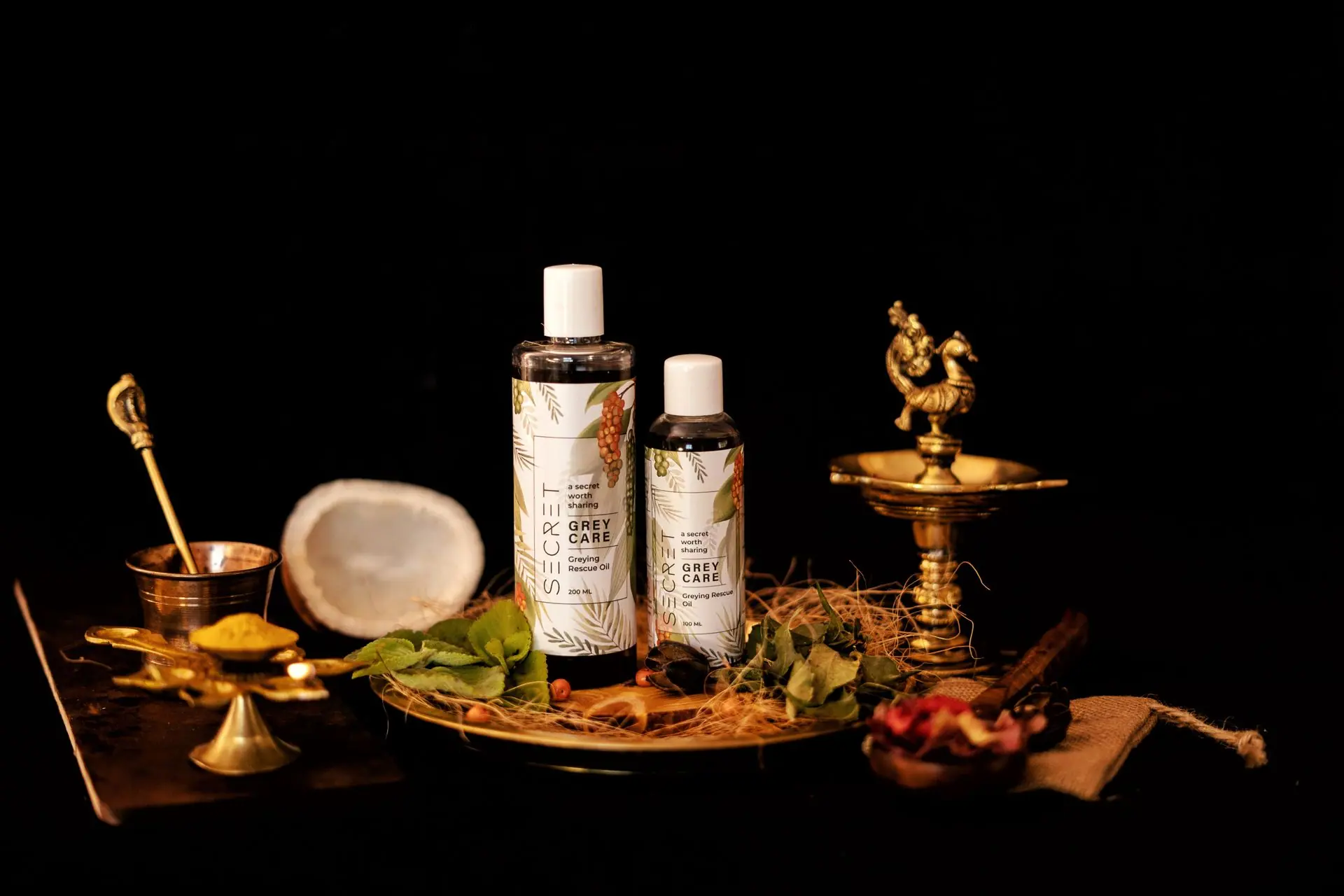
Kerala Ayurveda Retreat — 10 days
Kerala Ayurveda Retreat — 10 days
10 days / 9 nights • Private guide and vehicle
Price on request
Experiences in Kerala
See all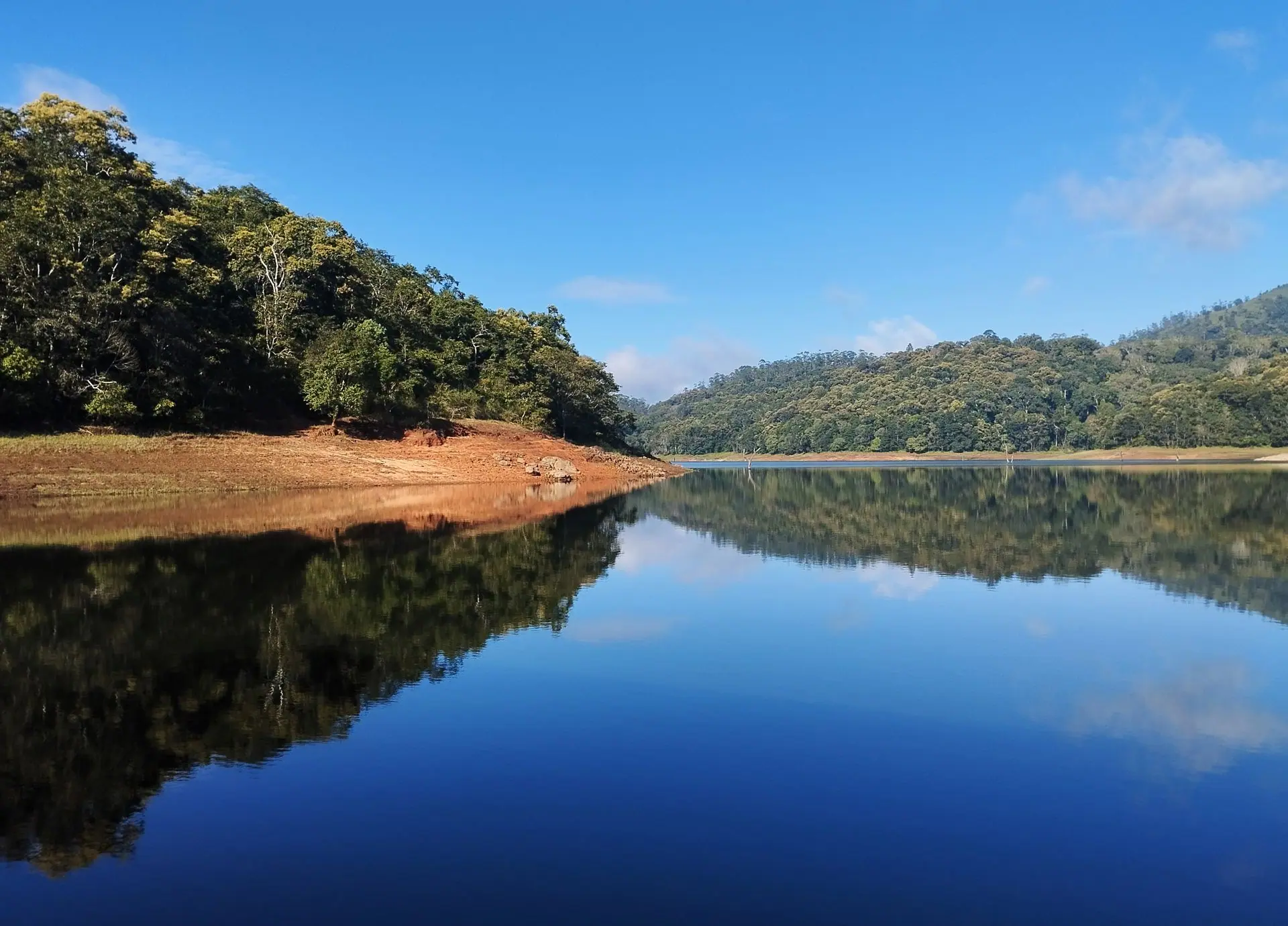
Periyar Tiger Reserve
Periyar boat safari, Thekkady
Private guide throughout
Price on request
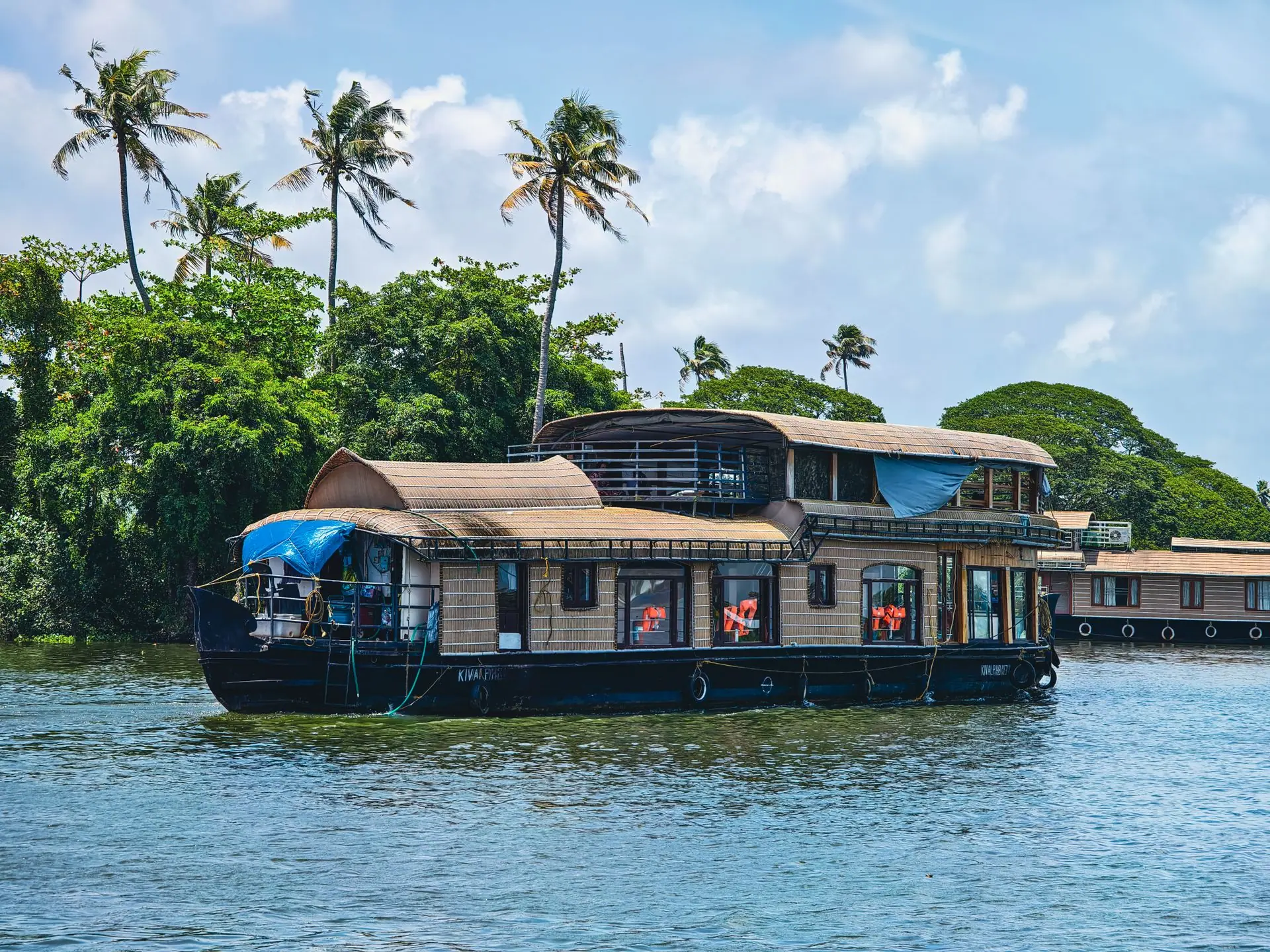
Alleppey
Alleppey houseboat cruise
Private guide and vehicle to and from the boarding jetty
Price on request
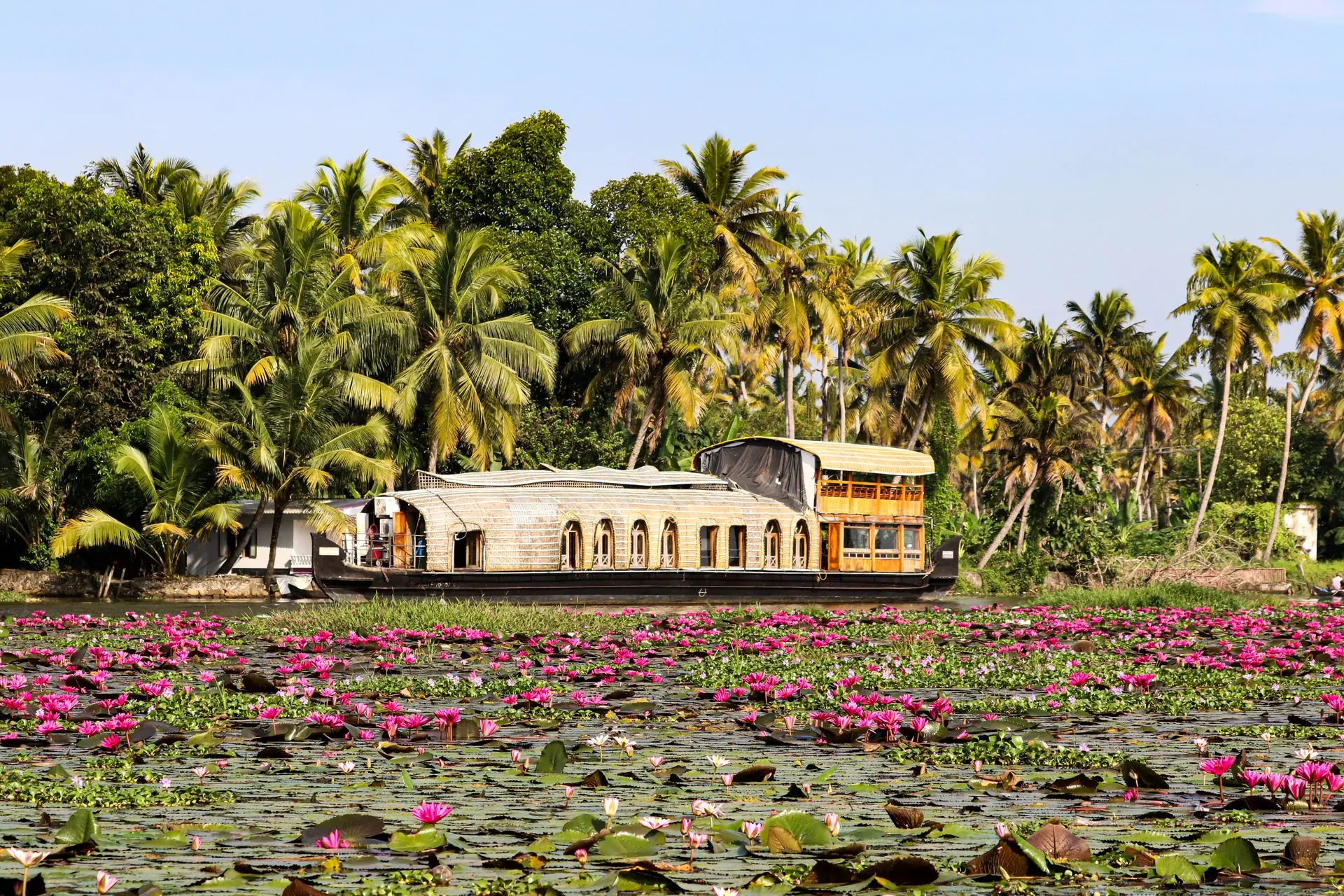
Kumarakom
Kumarakom backwater day cruise
Private guide and vehicle to and from Kumarakom
Price on request
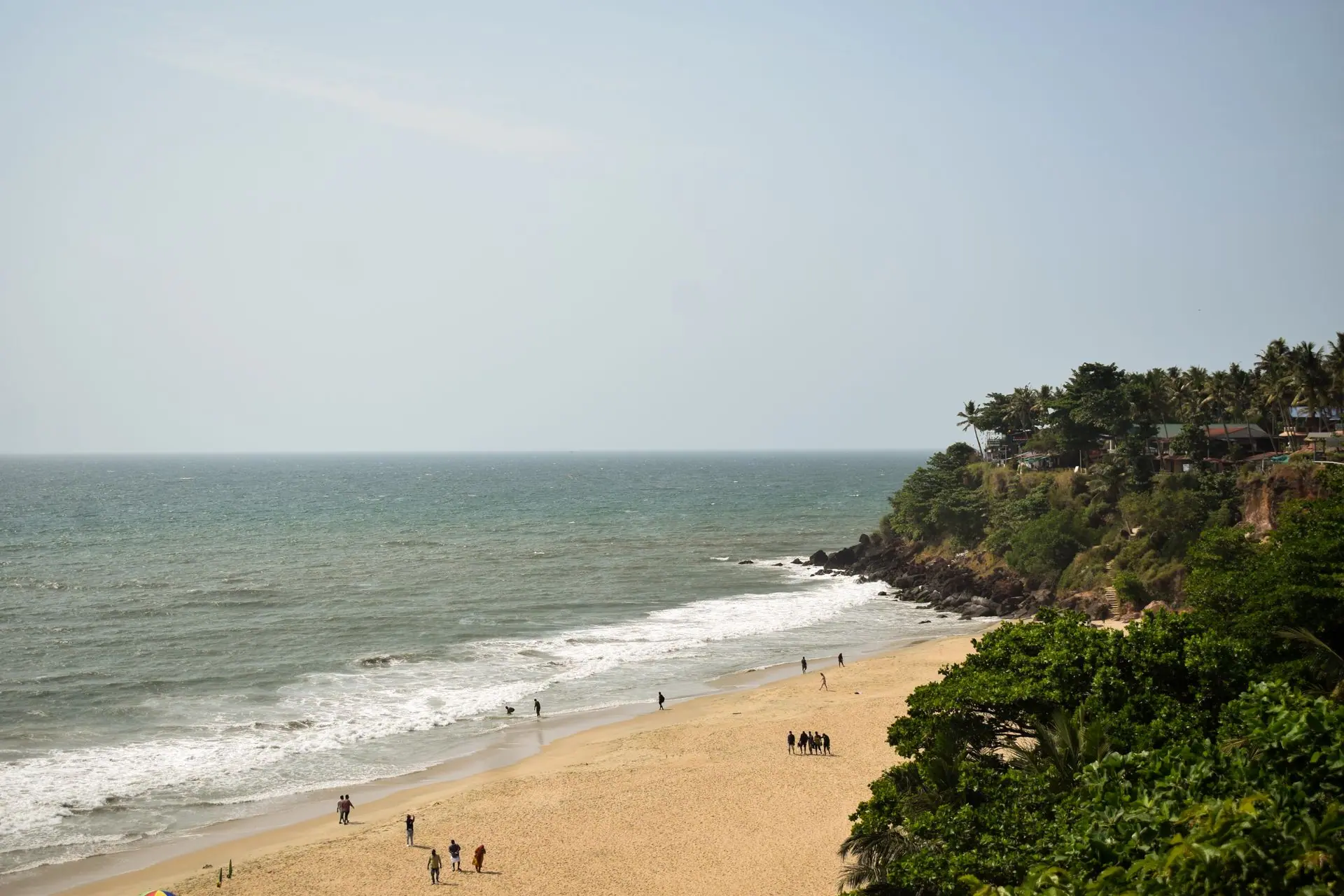
Varkala
Varkala cliff beach day
Private guide and vehicle to and from Varkala
Price on request
Kerala
Kerala Panchakarma retreat
Price on request
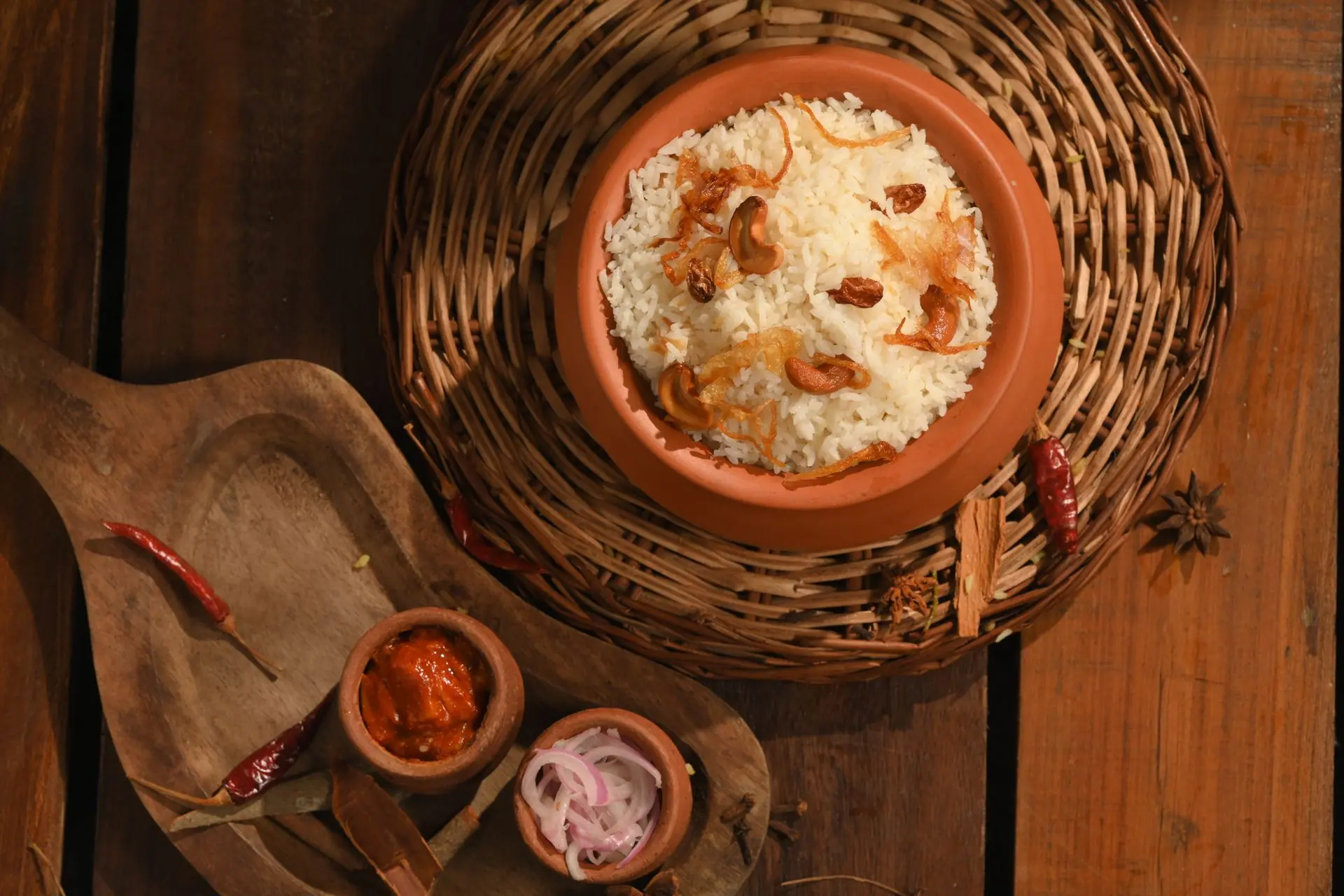
Kerala
Kerala sadya experience
Price on request
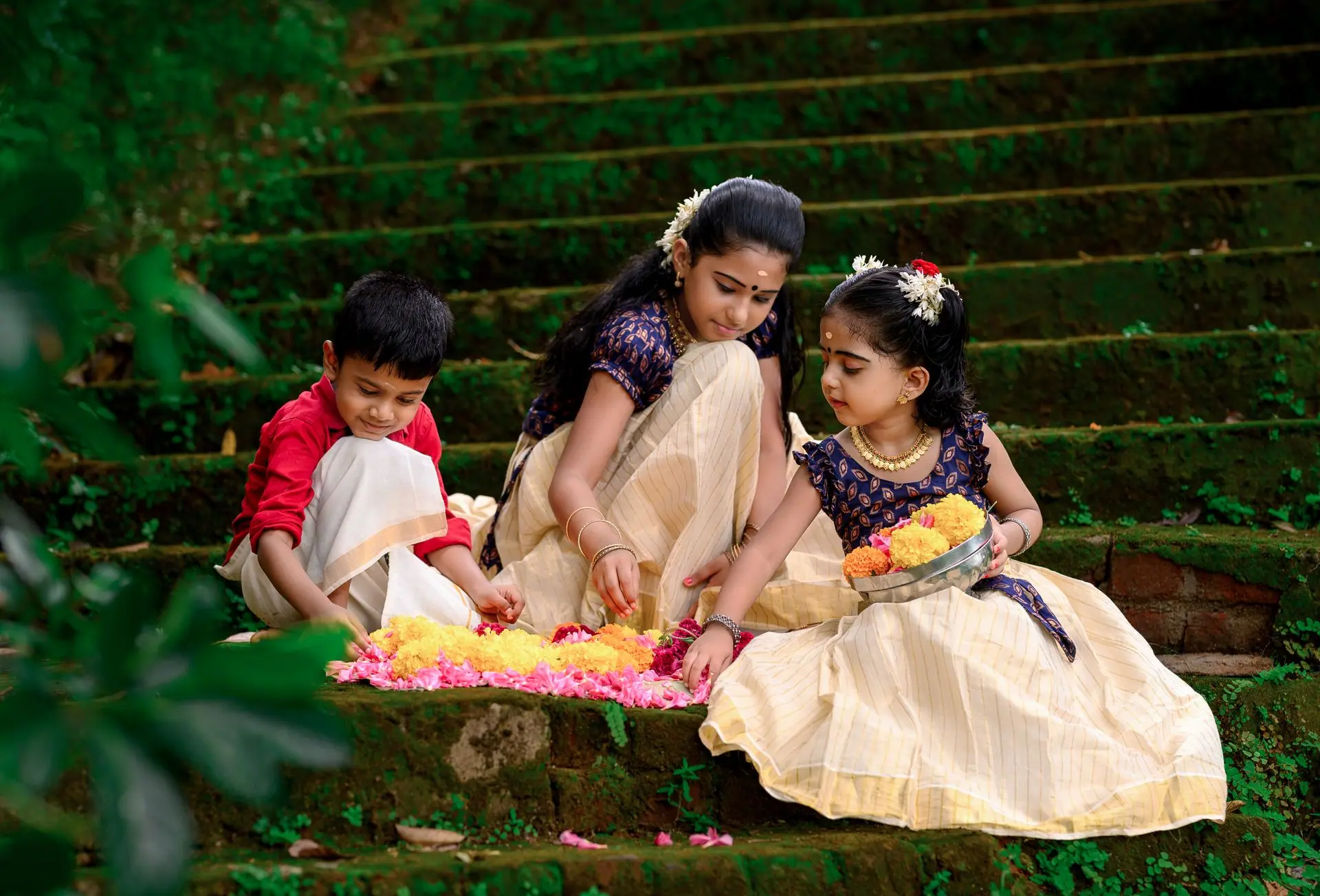
Kerala
Onam in Kerala
Private guide and vehicle
Price on request
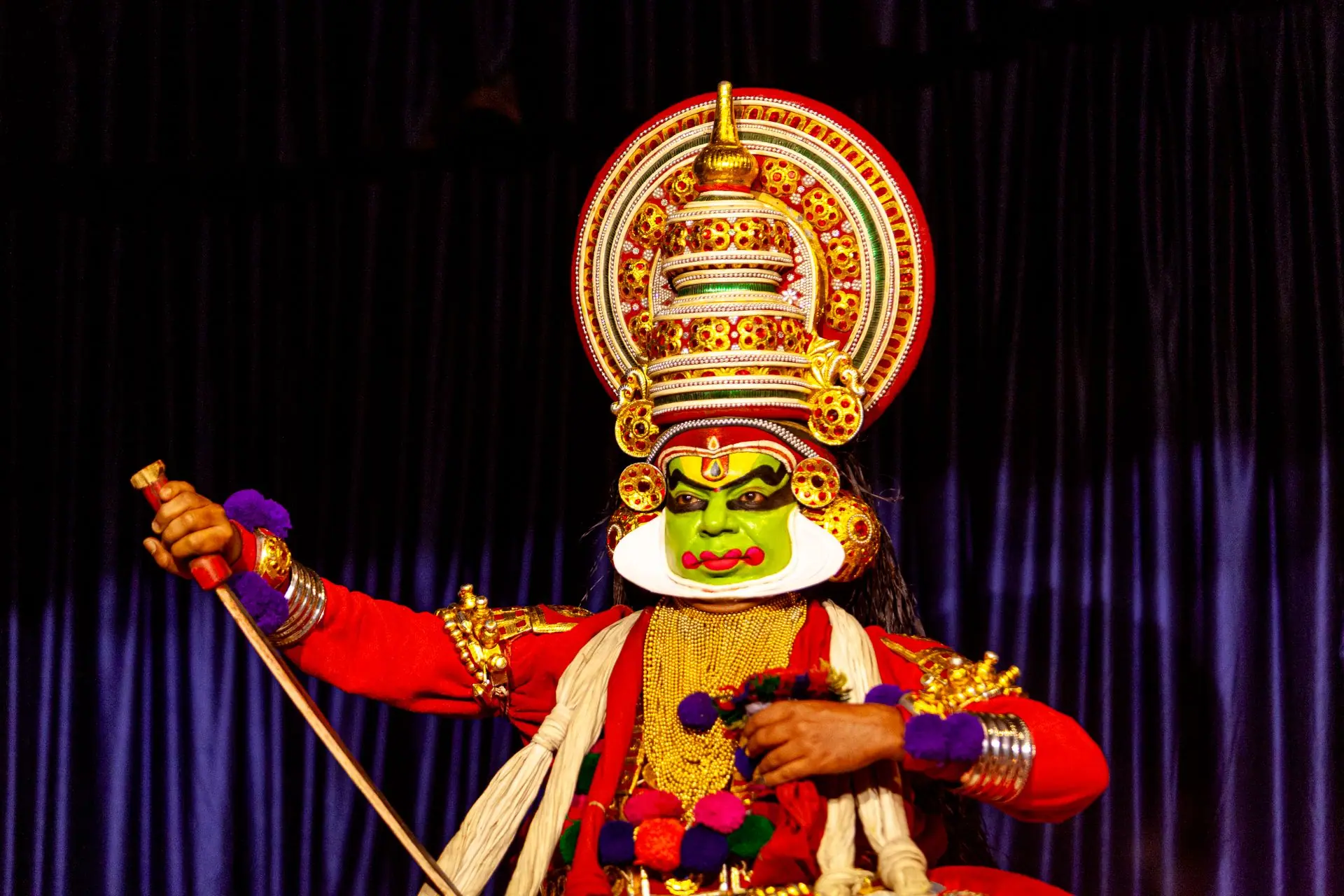
Kochi
Kathakali performance in Kochi
Private guide and vehicle
Price on request
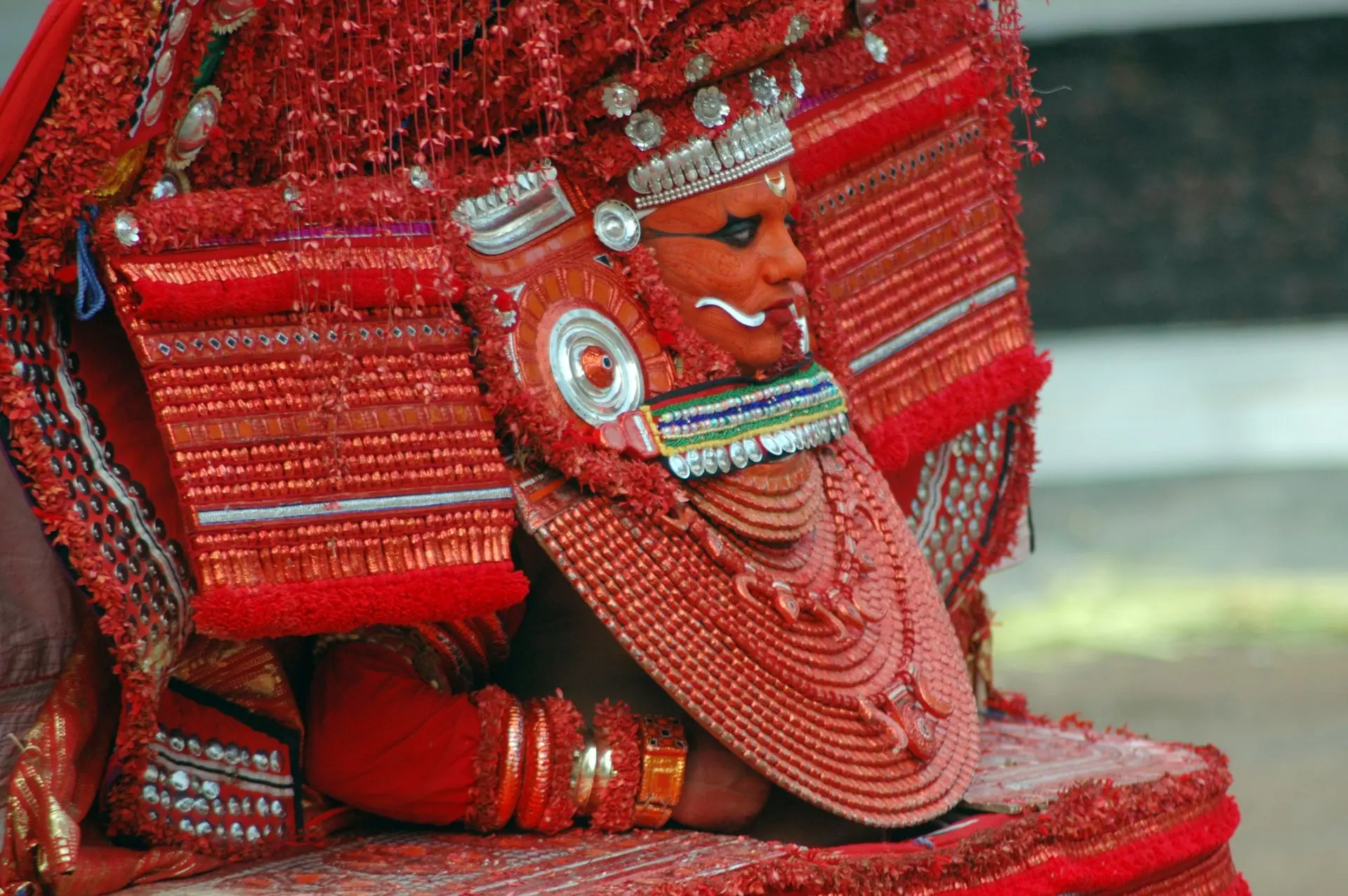
Theyyam
Theyyam ritual in Kerala
Private guide with temple-calendar knowledge
Price on request
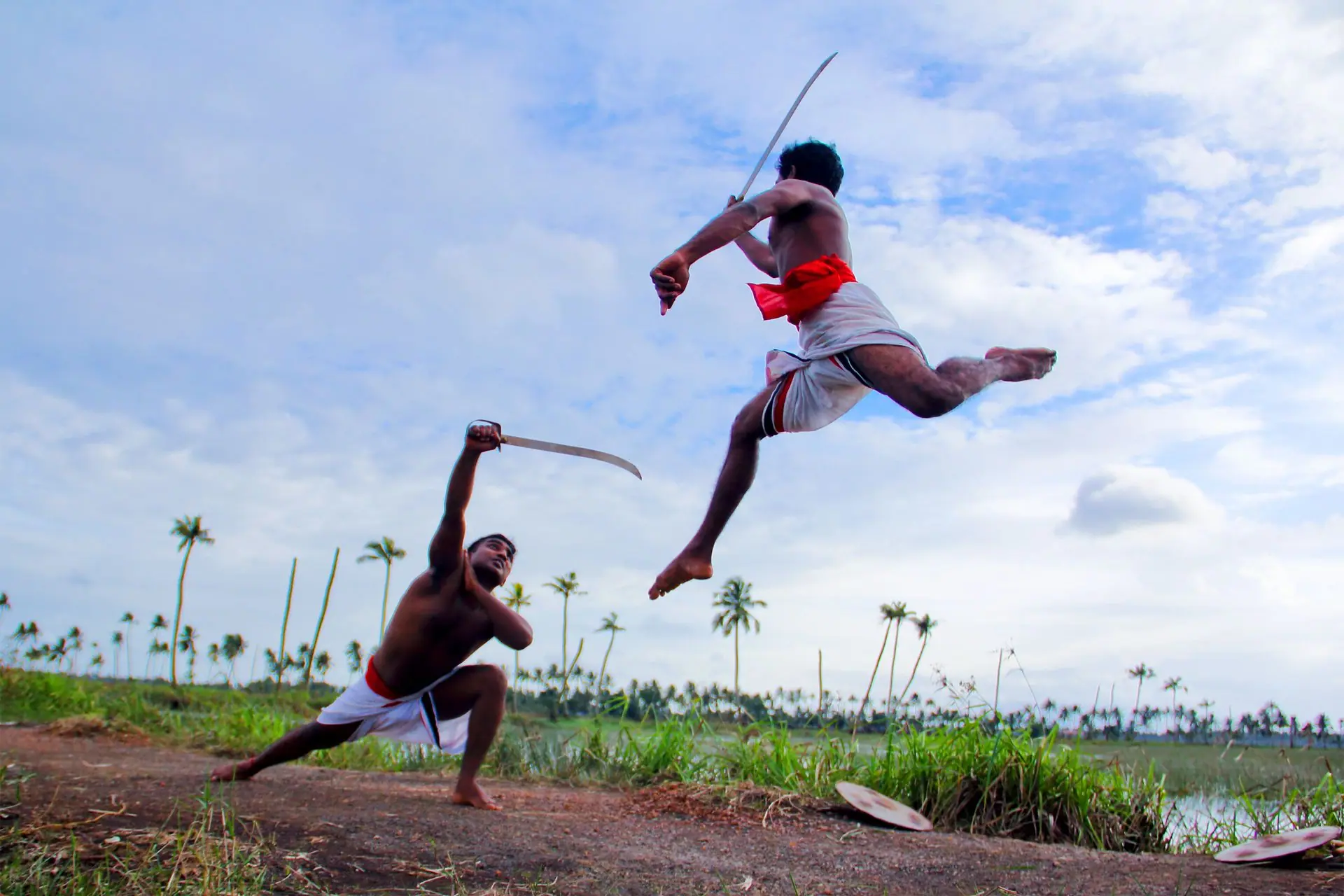
Kalaripayattu
Kalaripayattu show, Kerala
Private guide and vehicle
Price on request
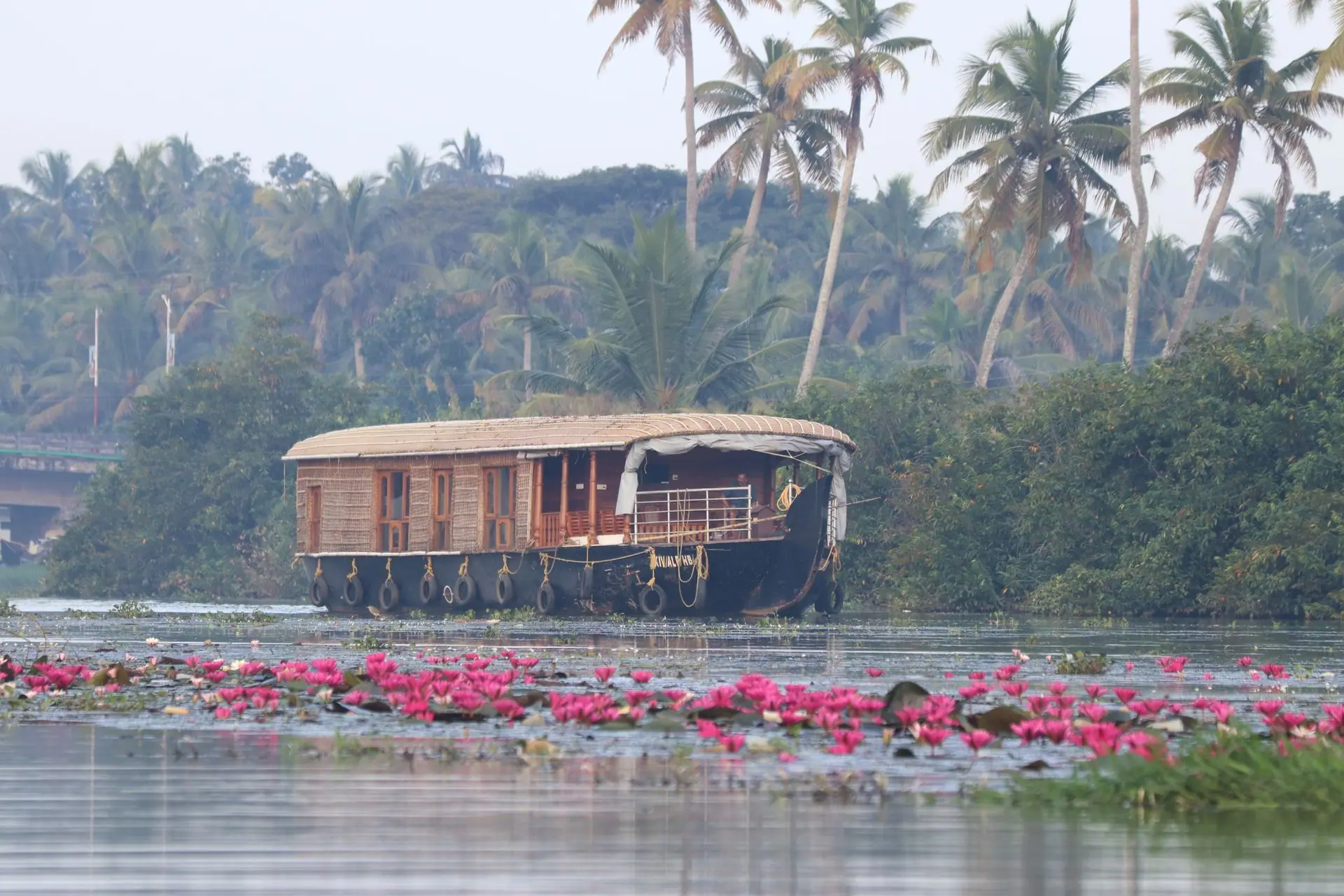
Kerala Backwaters
Kerala honeymoon houseboat
Private houseboat charter, not shared
Price on request
Related guides
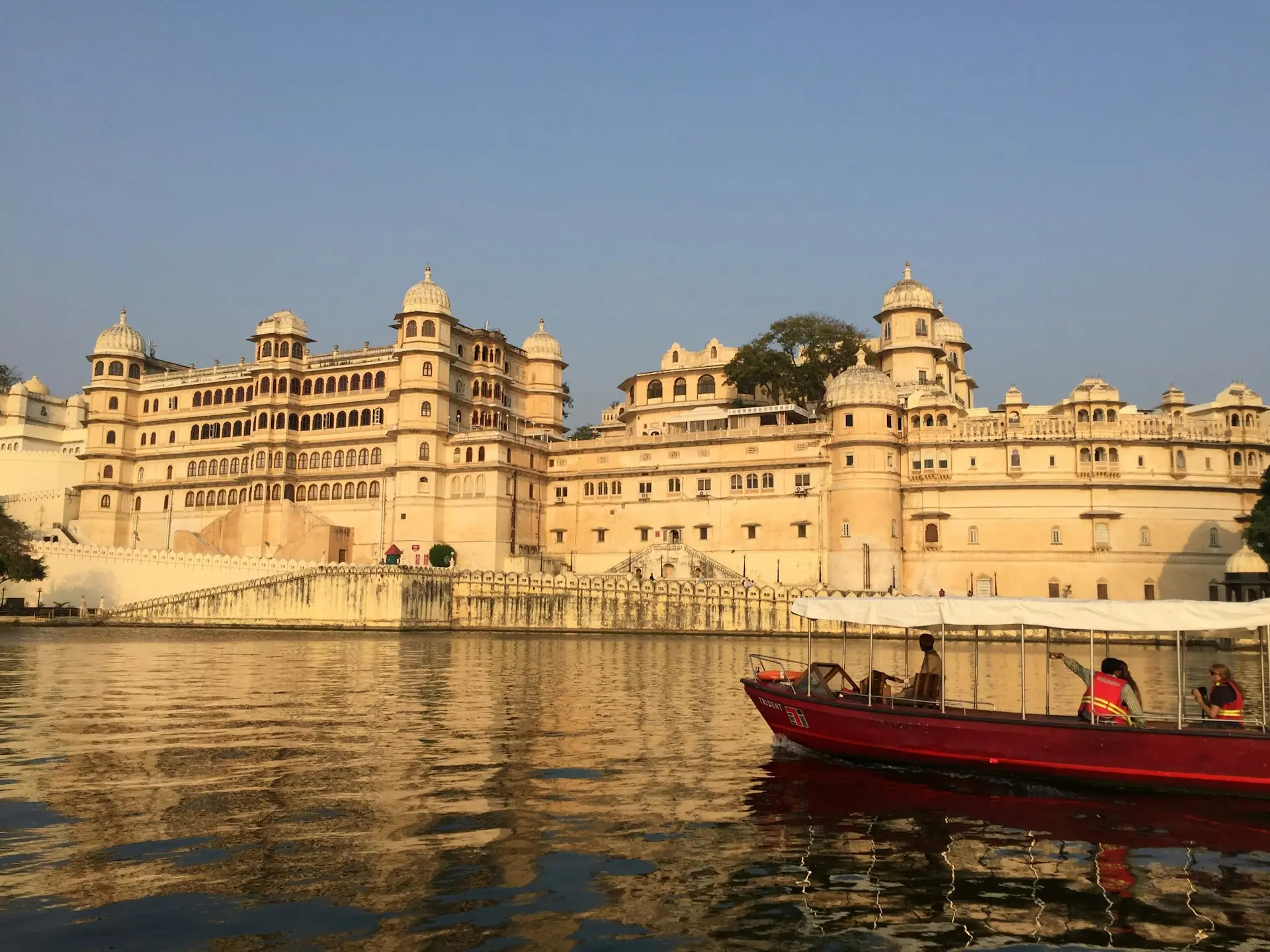
Destinations
Rajasthan Travel Guide: Places to Visit, Seasons and Routes
Destinations
Best Time to Visit Kerala: Month by Month
From the journal: Kerala
Journal
Top Budget Kerala Houseboat Tour Packages for Couples & Families
Journal
Affordable Monsoon Kerala Tour Packages
Journal
Offbeat Kerala Package Tours – Hidden Gems Beyond the Backwaters
Journal
Best Beaches in Kerala for Honeymoon, Adventure & Relaxation
Journal
8 Important Things to Know About Kerala India That No One Talks About
Journal
Chembra Peak Heart Lake – A Hidden Paradise in Kerala
Journal
Kerala Tour Packages from Thrissur – Explore God’s Own Country
Journal
Discover the Enchanting Charms of South Indian Kerala
Journal
Hidden gems in Kerala
Journal
Kerala tourist places for a one-day trip
Journal
Kerala tours and packages: discover God's own country
Customer reviews
Experience My India is rated 4.3 on Tripadvisor. We publish guest reviews after each trip.
Plan a trip
Tailor-made quote from a specialist