
Choose a state
Frequently asked questions
Are these shows staged for tourists or are they real traditions?
Both, depending on the format. Kathakali and Kalaripayattu evening shows are genuine art forms performed in a tourist-friendly schedule; Theyyam is a living temple ritual performed for its own community, which tourists may respectfully observe rather than a performance staged on demand.
How much notice do I need for a Theyyam visit?
More than for the other experiences on this list — Theyyam runs to each temple's own ritual calendar, so we need to check specific dates against your travel window well ahead, ideally when you first plan your Kerala trip.
Is a homestay comfortable for international visitors?
Yes, when arranged through a vetted local network — expect a simple, genuine home rather than hotel-standard amenities, which is the point of the experience.
Can children attend these experiences?
Kathakali, Kalaripayattu and folk evenings work well for families; Theyyam rituals can run very late into the night and are better suited to older children and adults.
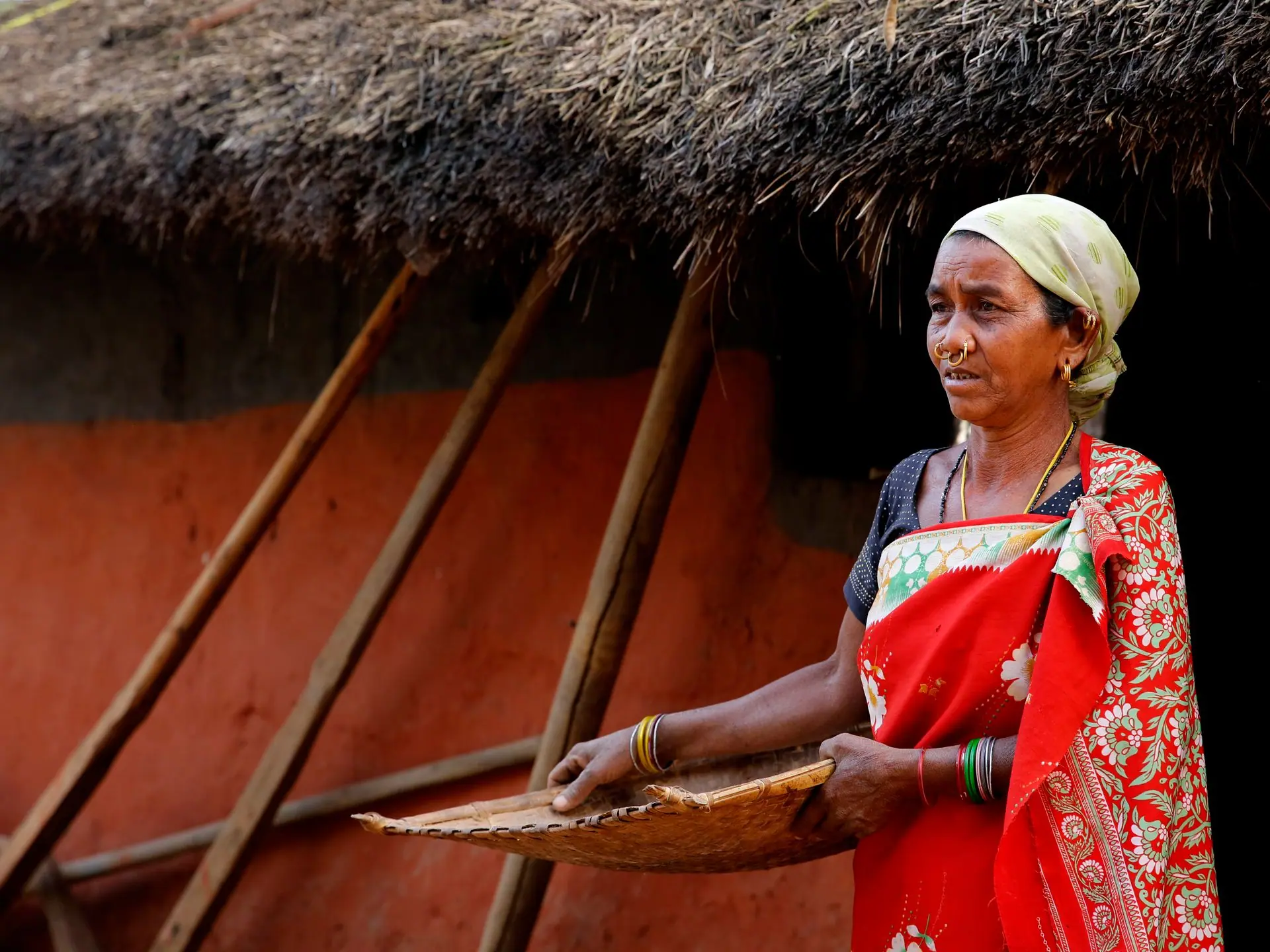
How do you keep village and tribal tourism respectful?
Small groups, advance coordination with the community, and a guide who briefs you on local etiquette before you arrive — we do not run unannounced visits to any village or tribal area.
About Culture, villages and living traditions
India's most rewarding cultural experiences are usually small and local rather than grand: a Kathakali dancer's hours-long make-up ritual in Kochi, a Theyyam ritual performed for a village temple rather than an audience, a night in a family's own home, or a craft workshop with an artisan who has worked the trade for decades.
Reviewed by Experience My India Editorial Team · Updated 13 Sept 2026
What this category covers
This hub groups India's living performance traditions and community-based experiences: Kerala's classical Kathakali and ancient Kalaripayattu martial art, the ritual Theyyam of North Kerala's village temples, Rajasthan's folk music and dance evenings, Varanasi's classical music heritage, community stays in family homes, wider village and tribal tourism, and hands-on textile and craft workshops.
What links them is that they are performed or practised for their own community first, not staged purely for visitors — which is exactly what makes them worth seeking out, and why doing so respectfully and with good local access matters more here than at monument sights.
What matters when choosing
- Whether it is a scheduled show or a ritual on its own calendar — Kathakali and Kalaripayattu run to tourist-friendly evening schedules; Theyyam runs to a temple's own ritual calendar and cannot be booked to a fixed date far in advance.
- Region — most of these are geographically specific: Kathakali, Theyyam and Kalaripayattu are Kerala traditions; folk evenings are Rajasthan; classical music evenings are Varanasi.
- Participation versus observation — a homestay night is participatory, a Theyyam ritual is watched respectfully from a distance.
- Group size — smaller is better for anything happening inside a real village or temple setting rather than a tourist venue.
- Season — village and craft experiences run year-round; some ritual performances cluster in specific months (Theyyam mainly October to May).
| Criteria | Kathakali (Kochi) | Theyyam ritual | Kalaripayattu show | Rajasthani folk evening | Homestay night | Village & tribal tourism | Craft workshops |
|---|---|---|---|---|---|---|---|
| Region | Kerala | North Kerala (Kannur, Kasaragod) | Kerala (Kochi, Thiruvananthapuram) | Rajasthan | Multiple regions | Multiple regions | Multiple regions (notably Rajasthan) |
| Format | Scheduled evening show with make-up demonstration | Temple ritual on its own seasonal calendar (roughly Oct–May) | Scheduled martial-arts demonstration | Scheduled music and dance, often with a heritage-hotel dinner | One or more nights with a local family | Guided community visits, respectful and small-scale | Hands-on session with a working artisan |
| Booking lead time | Can be booked close to your travel dates | Needs checking against the specific temple's calendar — plan ahead | Can be booked close to your travel dates | Can be booked close to your travel dates | A few days' notice is usually enough | Best planned some weeks ahead | Can be booked close to your travel dates |
How to choose
If you are in Kerala for a short stay, Kathakali and Kalaripayattu are the easiest wins — reliable evening shows that need little advance planning. Theyyam is the deeper, harder-won experience: it is genuinely worth reorganising a Kerala trip's dates around if you can, but it cannot be forced into a schedule that does not already allow for it.
In Rajasthan, a folk evening is an easy, reliable addition to almost any itinerary; a craft workshop such as block printing near Jaipur adds a genuinely hands-on afternoon. For a deeper community experience anywhere in India, a homestay night or a guided village and tribal tourism visit is the more meaningful (and more responsibly run) option than a staged "cultural village" attraction.
Season notes
Most of these experiences run year-round. Theyyam is the exception, clustering roughly October to May in North Kerala's temple calendar, with specific dates set by each shrine — we check the calendar for the temples nearest your itinerary once we know your travel dates.
Plan a trip
Tailor-made quote from a specialist