
Frequently asked questions
Where in India do people go for a yoga or meditation retreat?
Rishikesh, which Uttarakhand Tourism calls the yoga capital of the world, has ashrams offering everything from open classes to residential courses. For yoga with a beach, South Goa's Palolem, Agonda and Patnem are a well-known retreat area. For meditation, Dharamshala and McLeod Ganj offer retreats in a Tibetan Buddhist setting. Kerala is known for a different thing: doctor-led Ayurveda programmes.
Why do people come to India for yoga?
Because yoga is an ancient Indian practice that is still taught in its traditional settings. UNESCO inscribed it on its Representative List of the Intangible Cultural Heritage of Humanity in 2016, noting that it was once passed from guru to pupil and is now also taught in ashrams, schools and universities. In Rishikesh you can practise beside the Ganga and join the evening aarti; in McLeod Ganj, meditate within a living Tibetan Buddhist community.
Is a meditation retreat different from a yoga retreat?
Yes. A yoga retreat centres on physical practice, with meditation and breathing alongside. A meditation retreat, such as our Dharamshala stay, puts meditation first: guided sessions in a Tibetan Buddhist setting, a quiet, reflective pace and little physical exercise. If you want both, plan them as separate parts of one trip, for example Dharamshala for meditation and Rishikesh or South Goa for yoga.
Can I stay for a month or longer?
Yes, but the place depends on what you want from the time. Yoga teacher training in Rishikesh runs in multi-week blocks, with 200-hour and 300-hour certificate courses the recognised formats; most courses are residential and disciplined. A Goa retreat can usually be joined for a few days up to about two weeks, with time on the coast either side. Dharamshala stays run up to about a week, and longer study programmes can be discussed.
Can I go on a yoga retreat in the monsoon?
It is the hardest season everywhere. Our Rishikesh retreats advise avoiding July to September, when rain is heavy; many of South Goa's beach retreats close from June to September, when the sea is rough; and Dharamshala has its wettest months in July and August. The southwest monsoon has withdrawn from all three by October, and Goa's reliable retreat season begins in mid-November.
What decides the cost of a retreat?
Mostly the kind of stay, its length and the season, and we quote each one in writing before you pay anything. An ashram in Rishikesh is simple and inexpensive; a riverside wellness hotel offers the same practice with more comfort and privacy. Teacher training is a multi-week commitment, and certification is arranged with the school. In Goa, mid-November to February is the busiest and priciest window, especially around Christmas and New Year, so book that period early.
About Yoga & Meditation experiences in India
Choosing a yoga retreat in India starts with the place. Rishikesh, on the Ganga, offers ashram life and teacher training; South Goa pairs daily practice with a quiet beach; Dharamshala's upper town, McLeod Ganj, offers meditation rather than physical yoga, in a Tibetan Buddhist setting. We match you to a centre and arrange the travel around it; the centre's own teachers lead the sessions.
Reviewed by Experience My India Editorial Team · Updated 20 Oct 2026
How to choose a place for yoga or meditation
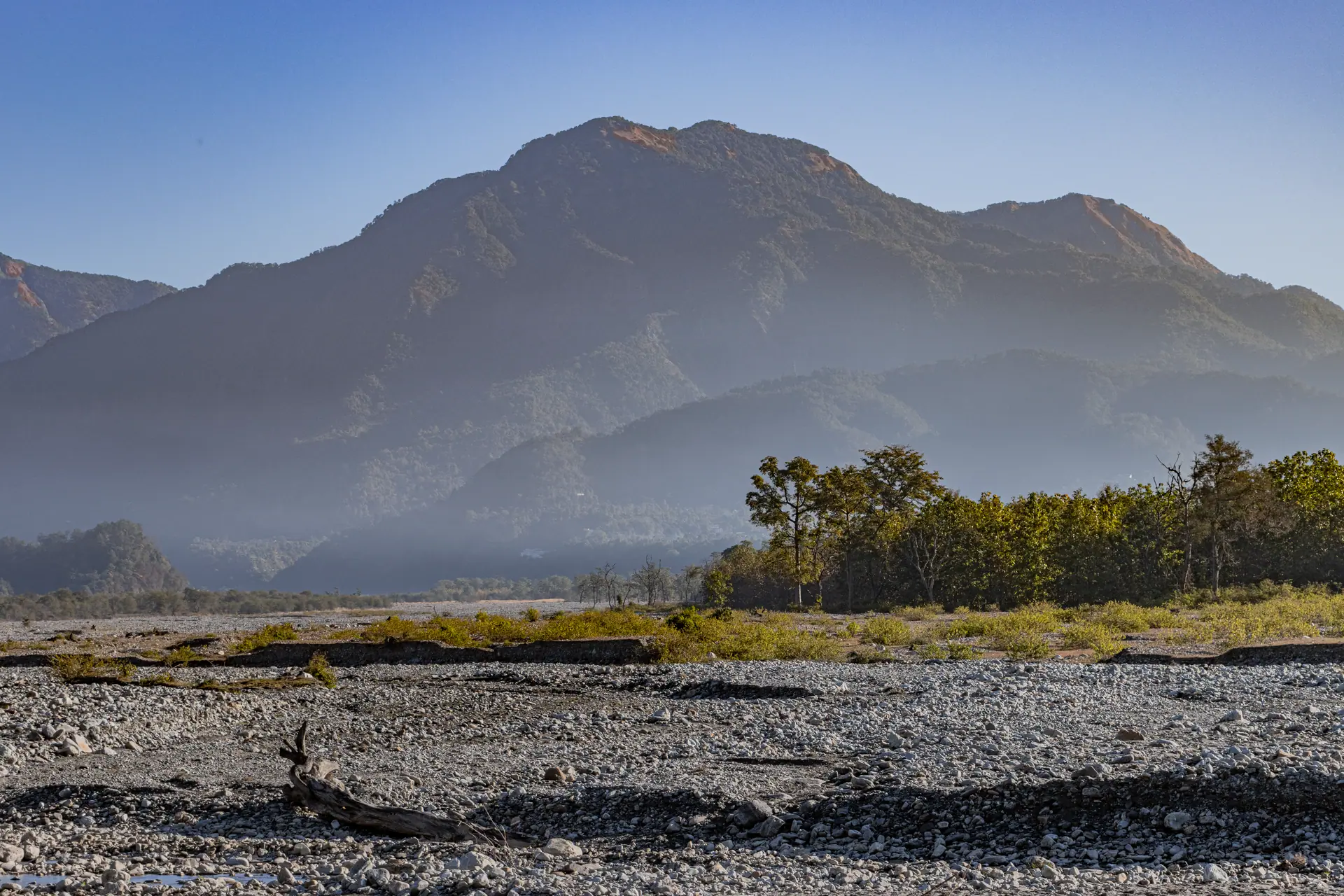
Rishikesh, on the Ganga in Uttarakhand, is the choice when yoga is the point of the trip. Uttarakhand Tourism calls it the yoga capital of the world; it has many ashrams, some known internationally for the study of yoga and philosophy, and the state's tourism board holds an international yoga festival there every year. Our yoga retreats and teacher training in Rishikesh run from beginners' classes at a large ashram to residential certificate courses lasting several weeks.
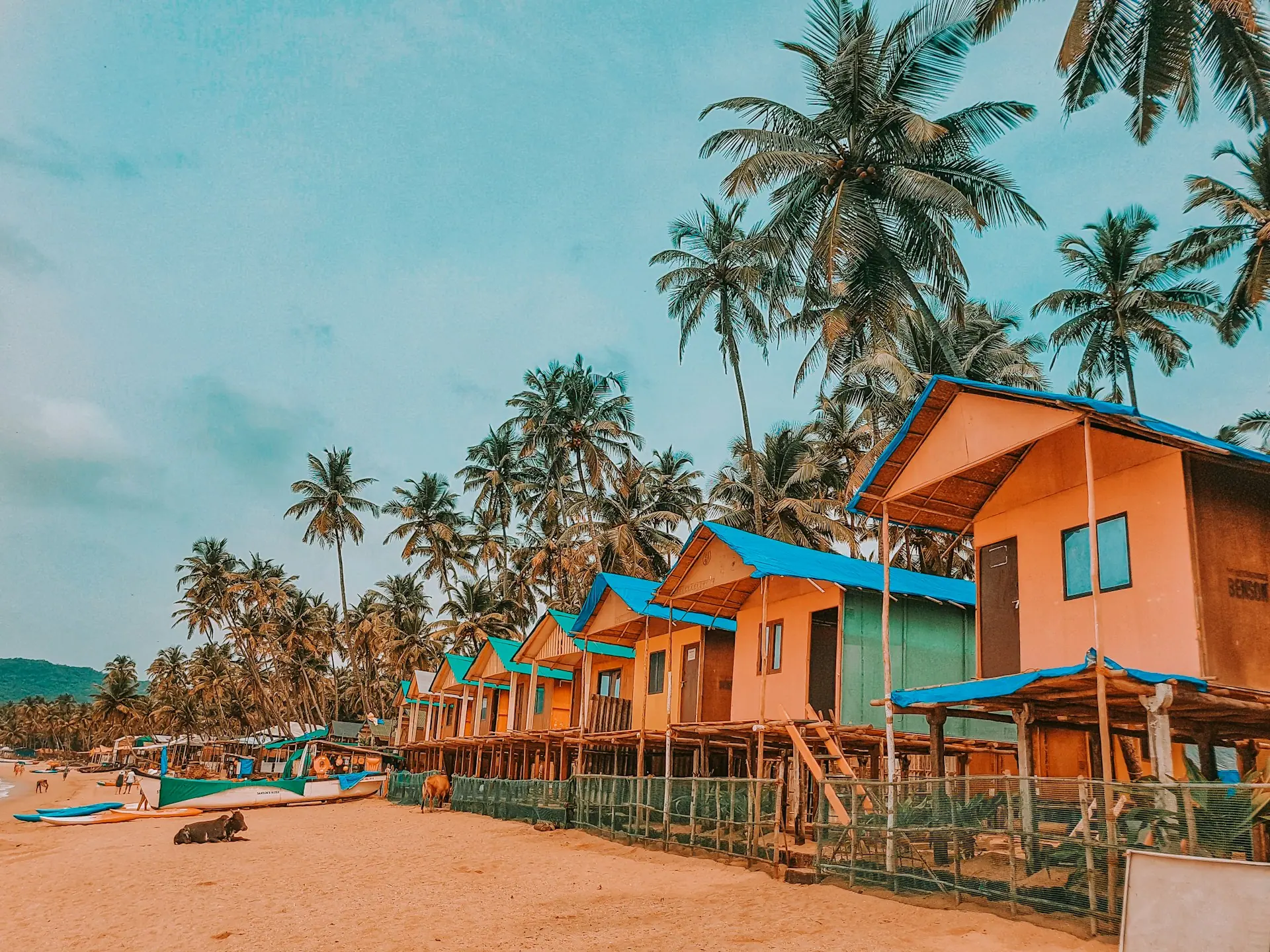
South Goa suits yoga as part of a holiday. Our Goa yoga retreat is based around Palolem, Agonda and Patnem on the quieter southern coast; Goa's tourism corporation calls Patnem one of South Goa's quietest beaches. Classes are held around sunrise or sunset, the rest of the day is yours, and a stay can last from a few days to about two weeks. Massage, meditation or Ayurveda-style treatments are often offered alongside, for relaxation rather than as medicine.
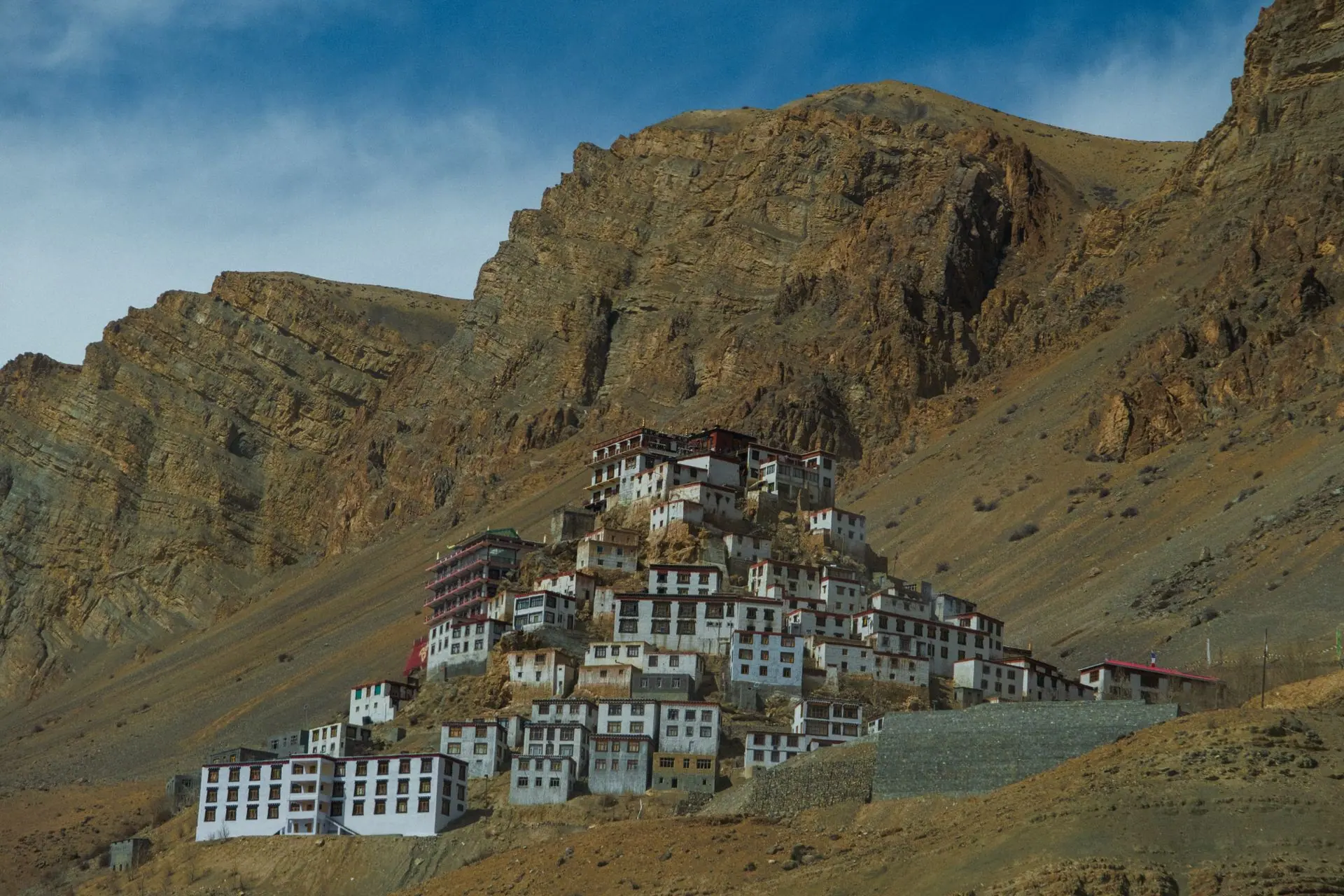
Dharamshala is for meditation. The Central Tibetan Administration has been based in the town since 1960, and its upper town, McLeod Ganj, at an average elevation of 2,082 metres, has a large Tibetan population. Our Dharamshala meditation retreat lasts from a few days to about a week, with sessions led by teachers at the retreat centre or connected to a nearby monastery, and free time in the Tibetan quarter.
If you want a doctor-led Ayurveda programme rather than yoga, that is a different kind of stay: see our Ayurveda and wellness retreats.
What to expect
Days are built around practice, not sightseeing. In Rishikesh, sessions usually start early, often by the river or on a terrace facing it; many retreats include the evening Ganga Aarti, and meals are vegetarian. In South Goa, classes are held on the sand or at a shaded studio near the beach, leaving the hottest hours free. In Dharamshala, a stay opens with an introduction to the centre's schedule and teacher, sessions run in the morning and again later in the day, and the last one ends with guidance on keeping up the practice at home.
UNESCO, which inscribed yoga on its list of humanity's intangible cultural heritage in 2016, describes it as poses, meditation, controlled breathing and chanting, and notes that ashrams are still among the places it is taught.
When to go
The three places have different seasons, so the month can decide the place.
- Rishikesh: IMD's figures for Dehradun district, which includes Rishikesh, put about four-fifths of the year's rain between June and September, with July the wettest month; May and June are the hottest. Our Rishikesh retreats favour late September to April.
- South Goa: the southwest monsoon reaches Goa by about the first week of June and leaves by about the third week of September, and July alone brings about a third of the year's rain (IMD). January to April are almost dry. Goa's tourism corporation warns that the sea is rough from the end of May until the monsoon ends, and many beach-side retreat properties close for those months.
- Dharamshala: July and August each average more than 850 mm of rain at Dharamsala's observatory, and winter, from November to March, is cold, with snow at times on higher ground (IMD). Spring and autumn are the comfortable seasons for a retreat.
Who each retreat suits
Complete beginners do well in South Goa, where retreats suit every level and are less intensive than an ashram course, and in Rishikesh, which runs everything from drop-in classes upwards. Teacher training in Rishikesh assumes you already practise. Dharamshala suits travellers who want to sit and reflect rather than stretch, and anyone drawn to the Tibetan Buddhist community of McLeod Ganj; it is not the place for an intensive physical practice.
Dress modestly at ashrams, temples and monasteries in Rishikesh and McLeod Ganj. In Goa, treat any medical claim made by a retreat operator with caution: the stays are for relaxation, not treatment.
Plan a trip
Tailor-made quote from a specialist