
Leh Travel Guide: Acclimatisation, the Palace and the Monasteries
Leh, at about 3,500m, is Ladakh's capital and the base for every trip. It is also where acclimatisation happens: a 48-hour rest is the official rule before going any higher, and the town's palace, bazaar and nearby monasteries make gentle sightseeing while you adjust.
By Experience My India Editorial Team · Reviewed by Experience My India Editorial Team · Updated 1 Sept 2026
See all 2 tours and experiences in Leh →
Government-approved operatorApproved by the Ministry of Tourism, Government of India
Why visit Leh
Leh is where you land, acclimatise and get your bearings, and it earns its rest days. The whitewashed Shanti Stupa above town is the classic sunset spot, the old Leh Palace looks down over the lanes, and the bazaar is full of cafes, pashmina and apricot stalls. Within an easy drive sit some of Ladakh's great monasteries, hilltop Thiksey at dawn, vast Hemis, and Spituk above the river, all at a similar altitude, which makes them the perfect gentle sightseeing for day two.
What to see in Leh
- Shanti Stupa, the classic sunset spot above town
- Leh Palace, looking down over the old lanes
- The bazaar, with its cafes, pashmina and apricot stalls
- Nearby monasteries: hilltop Thiksey at dawn, vast Hemis, and Spituk above the river
How long do you need in Leh
Two days is the minimum, and it is not optional: the official rule is to rest completely on your first day in Leh and take it gently on the second, before going any higher. Most Ladakh itineraries spend these two days here before continuing to Nubra and Pangong.
When to go to Leh
May to September is the season, when the passes are open and the weather is at its most reliable, with June to September the sweet spot.
Getting to Leh and altitude
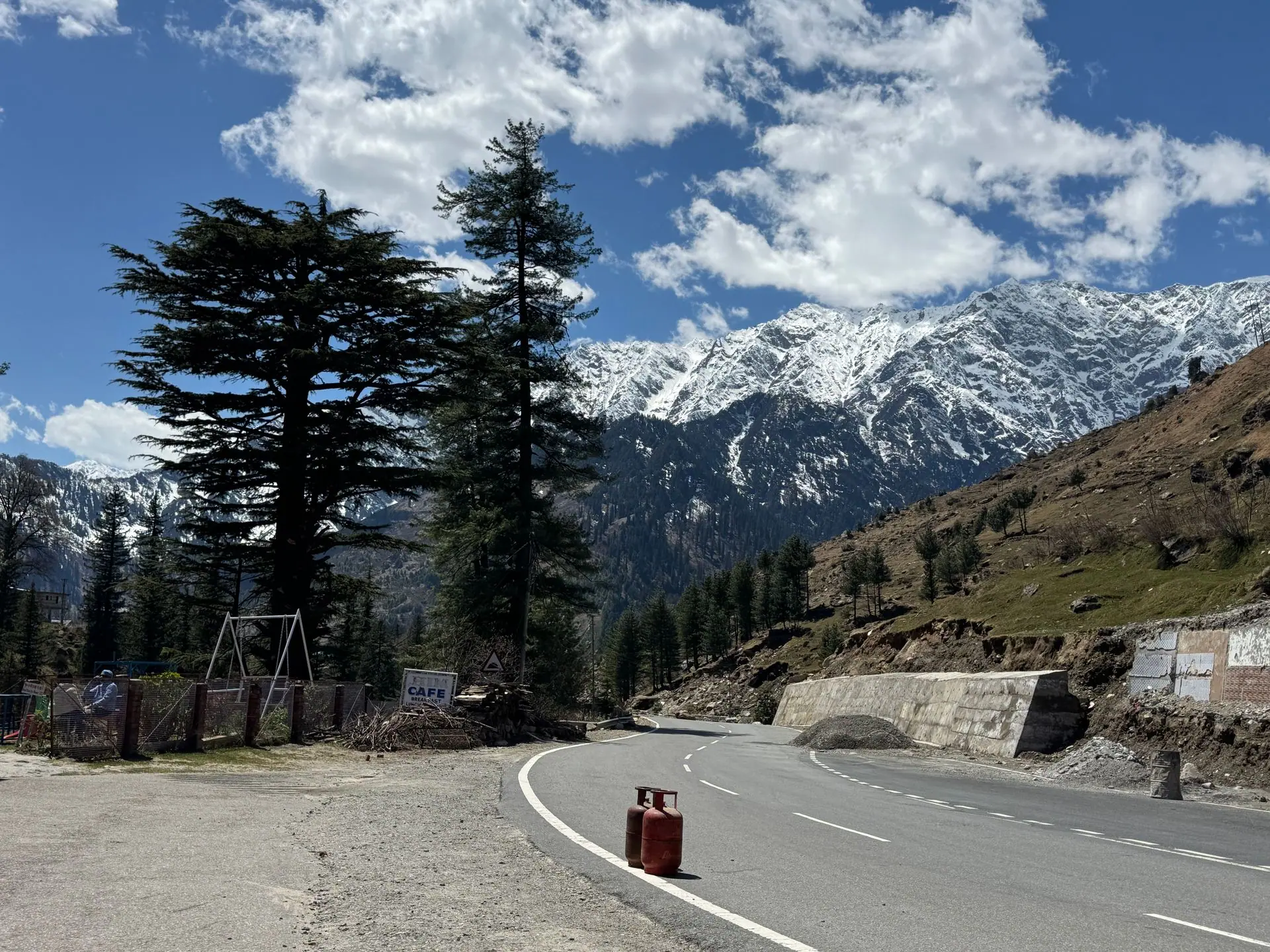
Most travellers fly into Leh (Kushok Bakula Rimpochee Airport) from Delhi, the gentlest option for altitude. The overland routes, Srinagar to Kargil to Leh, and Manali to Leh, are epic summer-only drives that demand extra acclimatisation. Whichever way you arrive, the rest-day rule applies from the moment you land.
Why book with Experience My India
Government-approved operator
Approved by the Ministry of Tourism, Government of India
500+ vetted local guides
35+ destination specialists plan every trip by hand.
Human help, every day
Mon–Sun, 9:00 AM – 9:00 PM IST · +91 73022 65809
No payment until you approve
You receive a written quote first; nothing is charged to start planning.
Frequently asked questions
How many days should I spend in Leh before going higher?
Two days minimum — rest completely on day one, take it gently on day two, and only then start climbing to Khardung La, Nubra or Pangong.
What is there to see in Leh itself?
Shanti Stupa for sunset, Leh Palace, the bazaar, and the nearby monasteries of Thiksey, Hemis and Spituk.
Should I fly into Leh or drive?
Flying is the gentlest arrival for altitude. The Srinagar-Kargil-Leh and Manali-Leh drives are spectacular but summer-only and raise the altitude-sickness risk, so build in extra acclimatisation if you drive.
Is Leh safe for tourists?
Yes — Leh is safe for tourists; the real risk here is altitude, not security. The official rule is a 48-hour rest before going higher.
What is the best time to visit Leh?
May to September, with June to September the sweet spot for good weather and open passes.
Tour packages in Leh
See all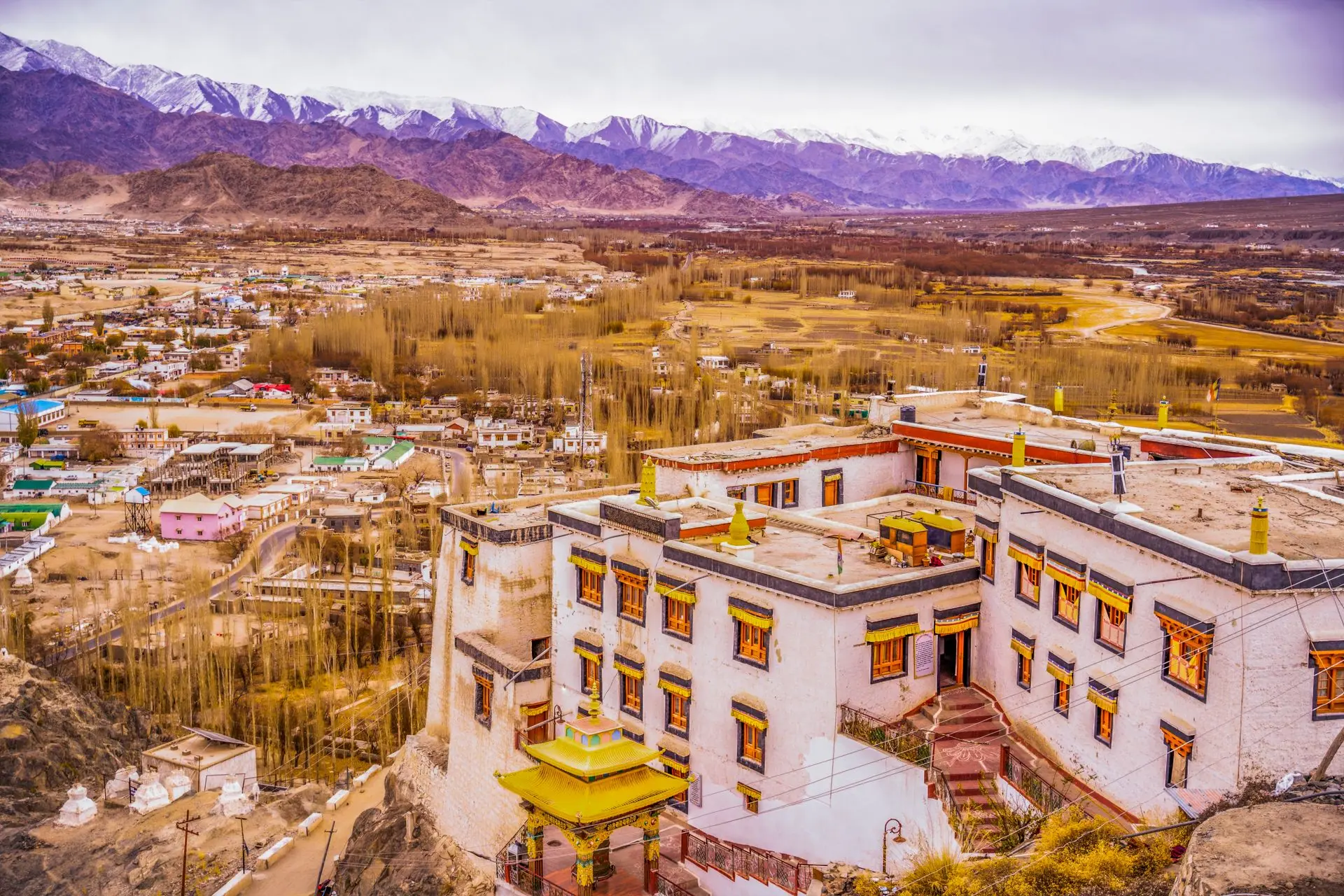
Leh
Leh and Khardung La road trip: 5 days in Ladakh
5 days • Private guide and vehicle throughout
Price on request
Manali–Leh Highway
Manali–Leh highway: the classic high-altitude drive
Private guide and vehicle throughout
Price on request
More places in Ladakh
See all
Customer reviews
Experience My India is rated 4.3 on Tripadvisor. We publish guest reviews after each trip.
Plan a trip
Tailor-made quote from a specialist