
Last updated:
The Best Time to Visit India, Region by Region and Month by Month
There is no single best time to visit India, because the country has two monsoons: the south-west monsoon from June to September and the north-east monsoon from October to December. For Delhi, Rajasthan and Goa, November to February suits best; for Kerala and Tamil Nadu, January to March; for Ladakh, June to September. This guide takes each region in turn and links every month.
By Experience My India Editorial Team
Destination specialists and licensed local guides
India's seasons and its two monsoons
The India Meteorological Department (IMD) divides the year into four seasons: winter in January and February, the pre-monsoon season from March to May, the south-west monsoon from June to September and the post-monsoon season from October to December. Four facts explain most of the planning:
- The south-west monsoon brings about 75 per cent of India's annual rain. On IMD's normal dates it reaches Kerala around 1 June, covers the whole country by 8 July, starts to leave the north-west around 17 September and has left most of the country by 15 October.
- A second monsoon follows in the south-east. The north-east monsoon normally sets in over coastal Tamil Nadu on 20 October. October to December is Tamil Nadu's chief rainy season, with about 48 per cent of its annual rain, and Kerala Tourism says Kerala has two rainy seasons.
- The heat comes before the rain. IMD says heat waves occur mainly from March to June, and May is the peak month.
- The Himalaya follows a different calendar. The Leh district describes Ladakh's climate as mainly dry, while the southern slopes take heavy monsoon rain: July is Shimla's wettest month, on IMD's profile.
The table gives the months that are driest and most comfortable on IMD's averages. It is a starting point, not a rule: the guides below go region by region.
| Criteria | Best months | Plan around |
|---|---|---|
| Delhi, Agra and Rajasthan | November to February | April to June heat, July and August rain, winter fog and air quality |
| Ladakh and Spiti | June to September | Cold nights from November to March, road seasons |
| Kashmir and the hill states | April to June, September to November | July and August rain and landslides, winter snow |
| Goa and the west coast | November to February | The monsoon, June to September |
| Kerala | December to March | Two rainy seasons: June to September, and October to November |
| Tamil Nadu and the south-east coast | January to March | October to December rain and cyclones, April to June heat |
| Kolkata and the north-east | November to February | Rain from June to September |
| Andaman Islands | January to April | Rain from May to December |
| Tiger reserves | Mid-October to June (Kaziranga: November to April) | Monsoon closures |
When to go, region by region
Delhi, Agra and Rajasthan
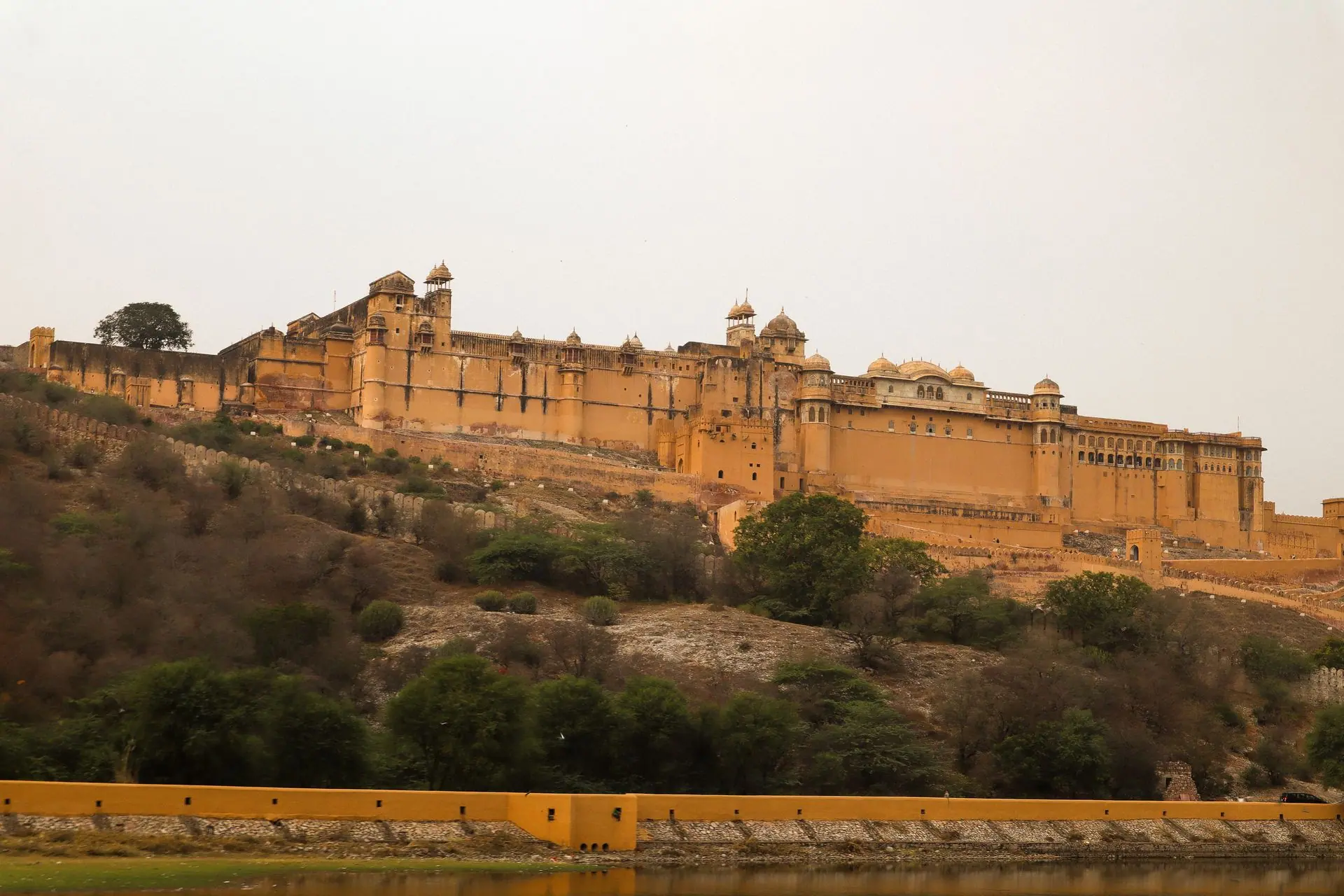
November to February is the comfortable window. IMD's averages for New Delhi give days of 28.4°C in November, 22.8°C in December, 20.1°C in January and 24.2°C in February, with nights falling to 7.5°C in January. Jaipur runs a little warmer. After that the heat builds: Delhi averages 36.5°C in April and 39.9°C in May, Jaipur 41.1°C and Jaisalmer 42.1°C in May. Winter has its own cautions. Safdarjung records fog on 21.6 days in January, and the UK Foreign Office says severe air pollution is a major health hazard in India, especially from October to February. See the best time to visit Delhi, the best time to visit Rajasthan, our air quality guide and our Rajasthan tour packages.
Ladakh and Spiti
June to September. Leh averages 23.3°C by day in June, 27.8°C in July and August and 23.5°C in September, with no more than 13.8 mm of rain in any month. The Leh district gives the Srinagar–Leh highway an open season of May to November or December and the Manali–Leh road May or June to September or October, and the Lahaul and Spiti district says the Kunzum route is generally closed from about October or November until June or July. From November to March Leh's nights average between -3.2°C and -13.4°C. See the best time to visit Ladakh and our Ladakh tour packages.
Kashmir and the hill states
Srinagar's days average 20.6°C in April, 24.7°C in May and 28.5°C in June, and its driest months are September to December. Himachal Tourism gives Manali a summer visitor season of April to July and an autumn one of October to December. On the southern slopes the monsoon is heavy, with 334 mm in July at Shimla, and the Geological Survey of India says landslides strike India every year, mostly during the monsoon. Autumn is clearer, and IMD's profile for Shimla says the skies are clear to lightly clouded in October and November. In winter Gulmarg's nights are below freezing from November to March. See the best time to visit Kashmir, our guides to Himachal Pradesh and Uttarakhand, and our Kashmir tour packages.
Goa and the west coast
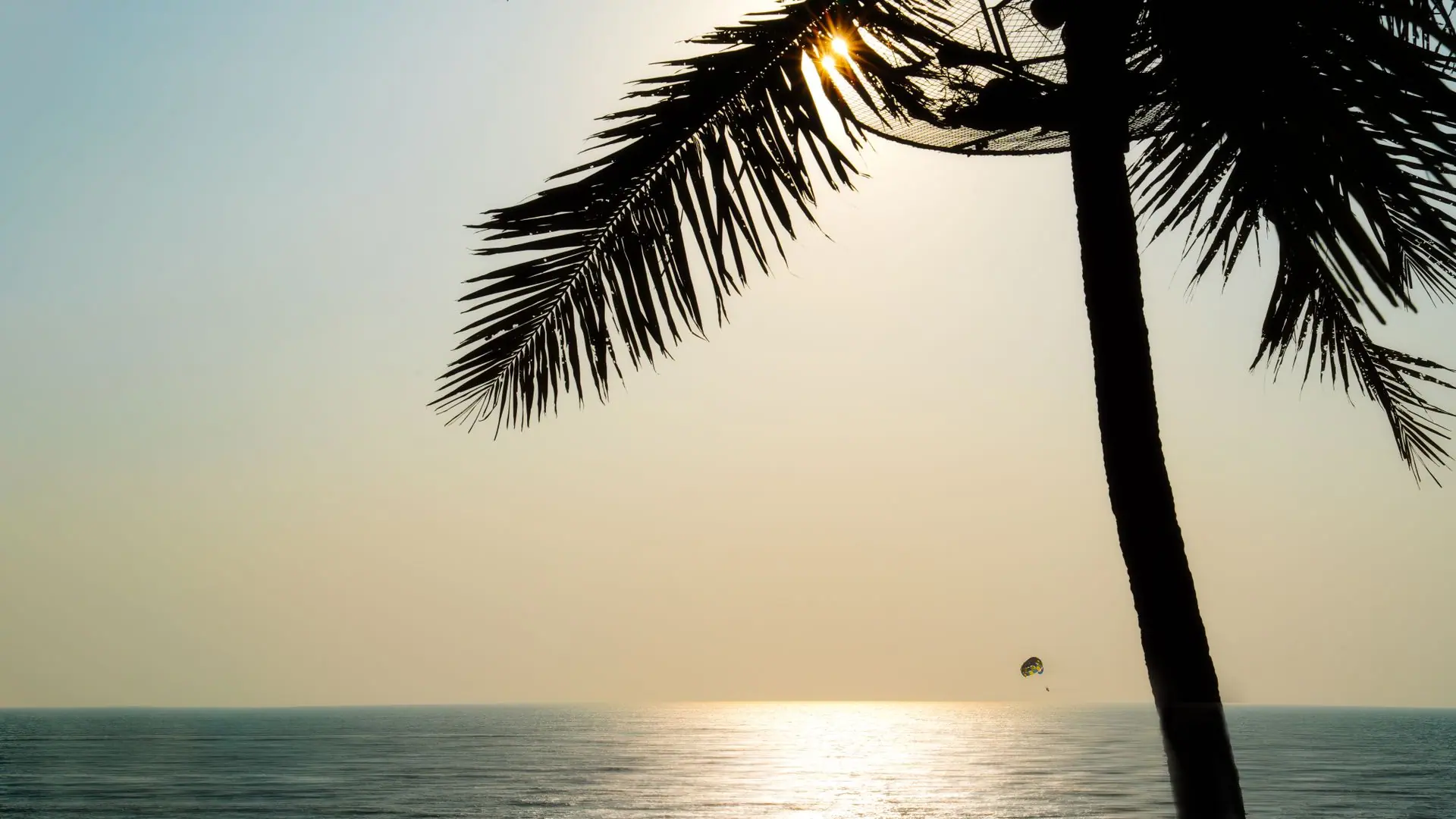
November to February. Panaji's rain is 32 mm in November, 12 mm in December, 1 mm in January and almost none in February, with nights of about 20 to 23°C against 26°C in May. The dry spell runs to April, but nights are warmer then. The monsoon brings 874 mm in June and 926 mm in July, and Goa's Department of Tourism lists swimming in the monsoon among the things not to do. See the best time to visit Goa and our Goa tour packages.
Kerala and the far south-west
December to March. Kochi averages 46 mm of rain in December, 25 in January, 22 in February and 38 in March, against 679 mm in June. September to November are not dry: Kochi still gets 295 mm in September and 331 mm in October, because the north-east monsoon arrives in mid-October, and IMD's normal rain for October to December in Kerala is 492.0 mm. See the best time to visit Kerala and our Kerala tour packages.
Tamil Nadu and the south-east coast
January to March. Chennai averages 16.2, 5.5 and 2.2 mm of rain in those months, with days of 29.7 to 33.1°C. From October to December it is wet: Chennai gets 300.3 mm in October, 373.6 mm in November and 182.4 mm in December, and IMD calls this the primary cyclone season for the North Indian Ocean. April to June is hot, with Chennai averaging 34.7°C, 37.3°C and 37.2°C. Bengaluru, on the plateau, is driest from December to March. See the best time to visit Tamil Nadu, our guides to Chennai and Bengaluru, and our Tamil Nadu tour packages.
Kolkata, Assam and the north-east
November to February. Kolkata averages 28 mm of rain in November and under 25 mm a month to February, against 377 mm in July, and Guwahati gets 6 mm in November and 2 mm in December. IMD's profile for Shillong notes abundant rain from April to October. The Assam Forest Department gives November to April as Kaziranga's best season. See our guides to West Bengal, Assam and Kaziranga.
The Andaman Islands
January to April. Port Blair averages 42, 18, 23 and 74 mm of rain in those months and 399 mm in May, and IMD's city profile says the islands get a large amount of rain through the year except from January to April. The Andaman tourism department keeps Jolly Buoy Island closed from mid-May to mid-November. See our guides to the Andaman and Nicobar Islands and Havelock.
Tiger reserves and national parks
Kanha and Bandhavgarh say on their own sites that they are usually open from 15 October to 30 June. Corbett's official zone table lists Bijrani from 15 October to 30 June, Dhikala and three other zones from 15 November to 15 June, and Jhirna, Dhela and Garjia all year. The Assam Forest Department gives Kaziranga a season of November to April. See our guides to Corbett, Kanha and Bandhavgarh, and our wildlife safari season guide.
India month by month
- **January:** Delhi's coldest month, with nights of 7.5°C and fog on 21.6 days; Goa, Kerala and the islands are in their dry months.
- **February:** Panaji's driest month, and Delhi's fog days fall to 10.9.
- **March:** the plains warm fast, with Delhi at 29.9°C by day, and Srinagar has its wettest month.
- **April:** Delhi averages 36.5°C, and the hills are the cooler choice.
- **May:** IMD's peak month for heat waves; Ladakh's roads begin to open.
- **June:** the monsoon crosses India from Kerala; Ladakh and Spiti stay dry.
- **July:** on IMD's normal dates the rain has covered the whole country by 8 July.
- **August:** Delhi's wettest month, at 226.8 mm.
- **September:** the monsoon starts to leave the north-west around 17 September.
- **October:** the south-west monsoon leaves most of the country, and the north-east monsoon starts in the south-east.
- **November:** clear in the north, and Chennai's wettest month, at 373.6 mm.
- **December:** Delhi averages 22.8°C by day and 8.4°C at night, with fog on 19.2 days; Chennai still gets 182.4 mm.
Festivals move the calendar
Many festivals follow the lunar calendar and shift from year to year. The Government of Bihar says Diwali falls between mid-October and mid-November on the Gregorian calendar, and Rajasthan Tourism places the Pushkar Fair between October and November. Odisha Tourism puts the Rath Yatra in Ashadha, June–July. Check the year's date before you book; what's on this month lists the current month and our festivals pages explain each one. For packing, see our packing guide; for a first visit, see planning a first trip to India, our monsoon guide and our India tour packages.
Frequently asked questions
What is the overall best time to visit India?
There is no single best month, because the regions differ. If you can fit only one window, November to February covers Delhi, Agra, Rajasthan and Goa at their most comfortable, with Delhi averaging 20 to 28°C by day on IMD's figures. Kerala and Tamil Nadu are driest from January to March, and Ladakh is at its best from June to September.
Does India have two monsoons?
Yes. The south-west monsoon, from June to September, brings about 75 per cent of India's annual rain, IMD says. The north-east monsoon, from October to December, brings Tamil Nadu its main rain, about 48 per cent of its annual total, and Kerala a second rainy season; Kerala Tourism says it arrives there in mid-October.
Is monsoon a bad time to visit India?
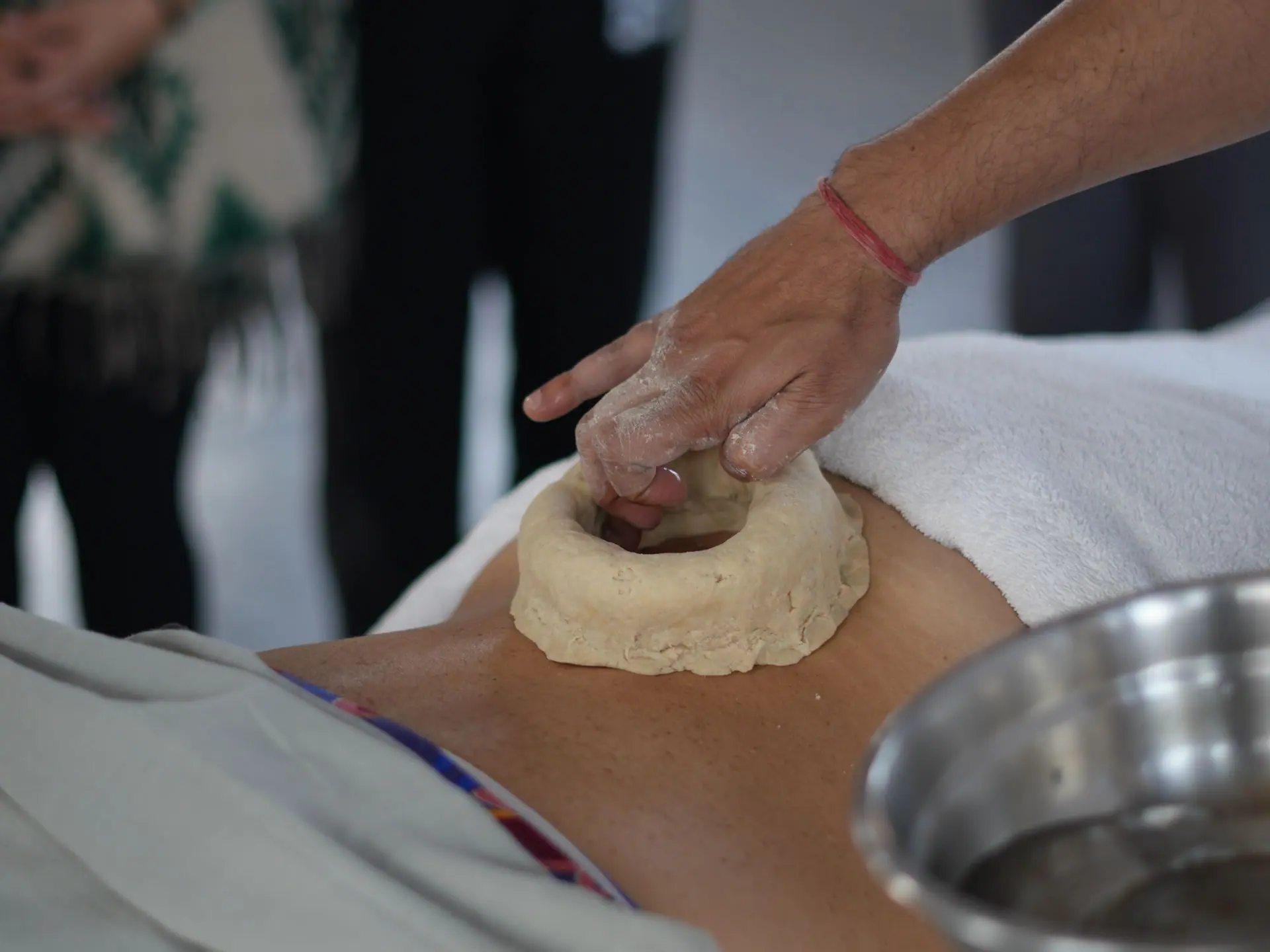
Not entirely. Ladakh and Spiti sit in the rain shadow: Leh averages 13.8 mm in July against 195.8 mm at Delhi. Kerala Tourism presents the monsoon as the best season for Ayurvedic rejuvenation therapies. But Panaji gets 926 mm in July, Goa's tourism department says not to swim, and the Geological Survey of India says landslides strike every year, mostly in the monsoon.
Is India too hot to visit in summer?
On the plains, yes. IMD's May averages give Delhi 39.9°C by day, Jaipur 41.1°C and Jaisalmer 42.1°C, and it says heat waves occur mainly from March to June. The mountains are the answer: Leh averages 19.8°C in May and 27.8°C in July, Srinagar 24.7°C in May and Shimla 24.1°C.
When is the best time for Kashmir and Ladakh?
For Ladakh, June to September: Leh's days average 23.3 to 27.8°C, and the Leh district gives the Manali–Leh road May or June to September or October and the Srinagar–Leh highway May to November or December. In Kashmir, Srinagar's days average 20.6°C in April and 30.0°C in July, and Gulmarg's nights are below freezing from November to March.
When is Kerala best to visit?
December to March is the driest stretch: Kochi averages 46, 25, 22 and 38 mm in those months, against 679 mm in June. Kerala Tourism says the state has two rainy seasons, the south-west monsoon from June and the north-east monsoon from mid-October, so September to November are not dry: Kochi gets 295 mm in September and 331 mm in October.
Related guides
Customer reviews
Experience My India is rated 4.3 on Tripadvisor. We publish guest reviews after each trip.
Why book with Experience My India
Government-approved operator
Approved by the Ministry of Tourism, Government of India
500+ vetted local guides
35+ destination specialists plan every trip by hand.
Human help, every day
Mon–Sun, 9:00 AM – 9:00 PM IST · +91 73022 65809
No payment until you approve
You receive a written quote first; nothing is charged to start planning.
Browse experiences by theme
See all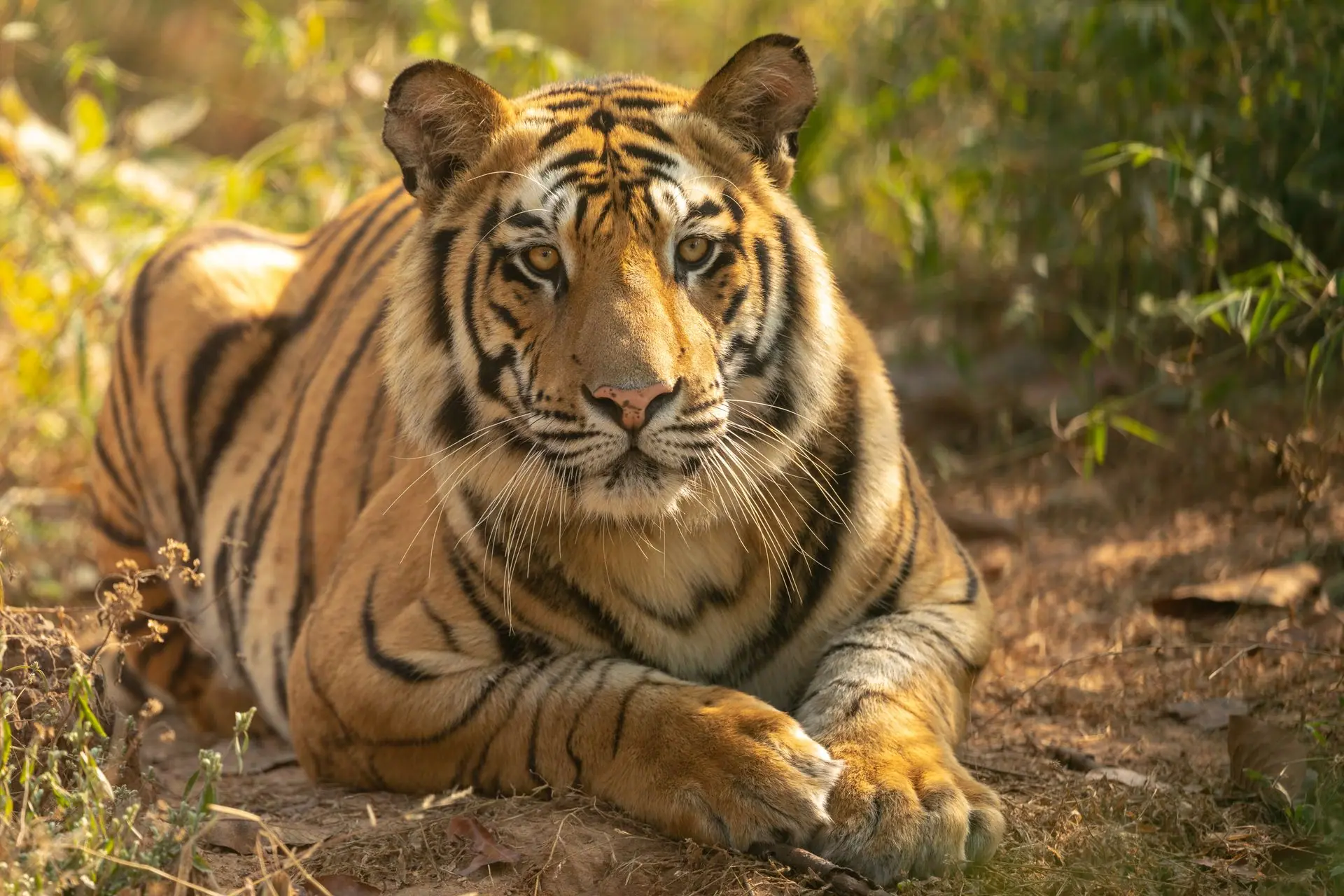
Wildlife Safaris
8 experiences
Heritage & Architecture
2 experiences
Beaches & Islands
5 experiences
Wellness & Ayurveda
1 experience
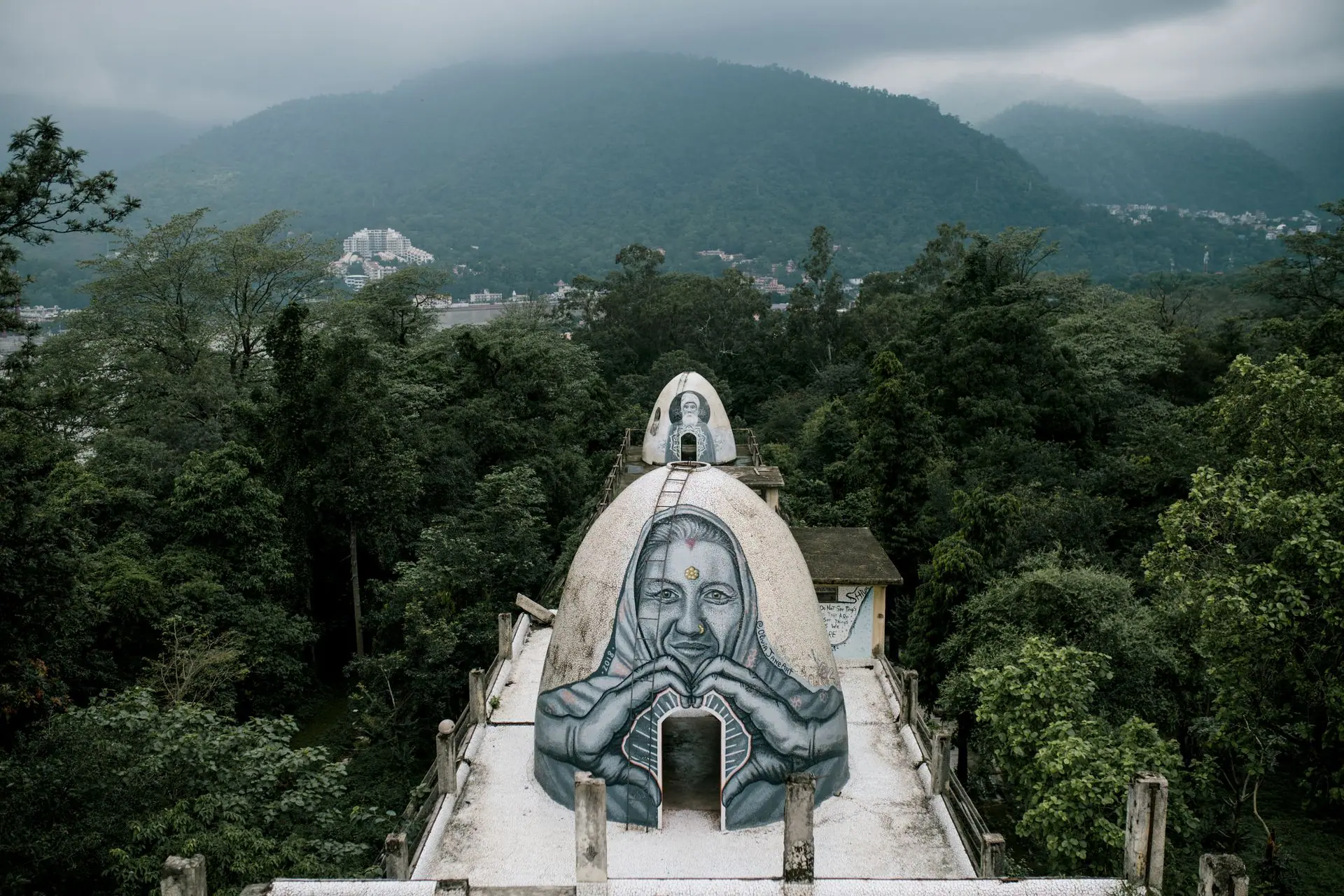
Yoga & Meditation
4 experiences
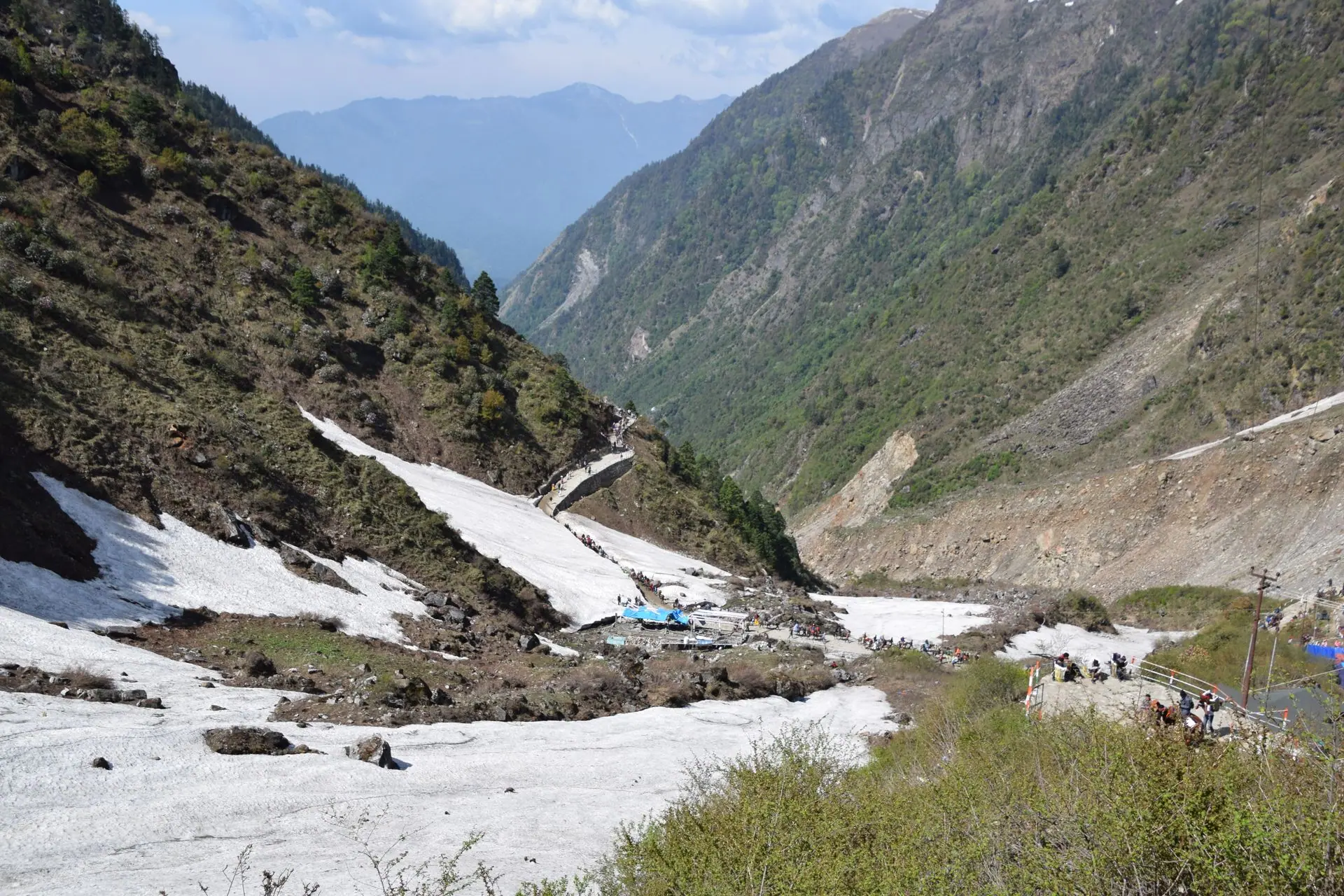
Trekking
2 experiences

Adventure
6 experiences
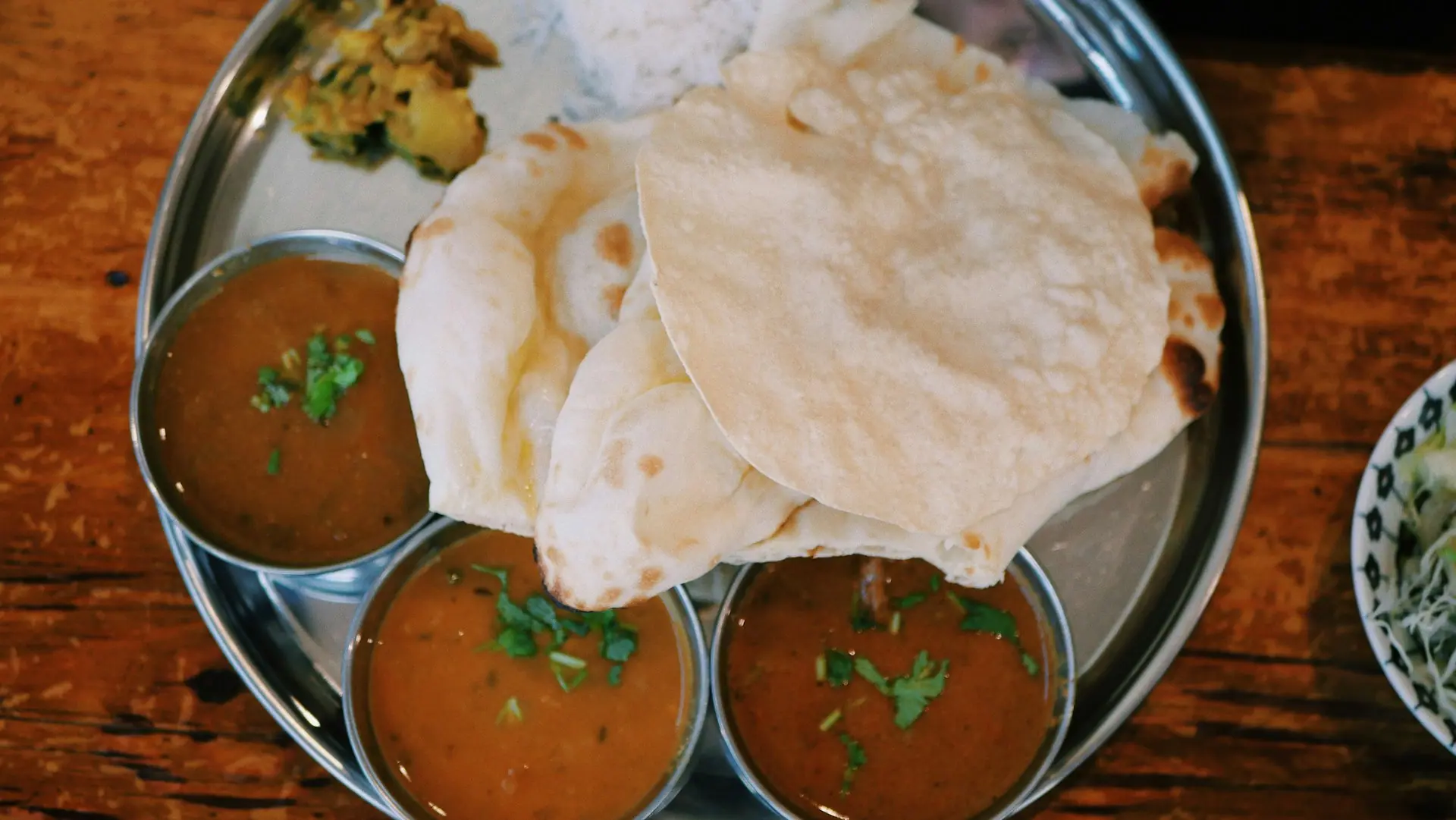
Culinary
5 experiences
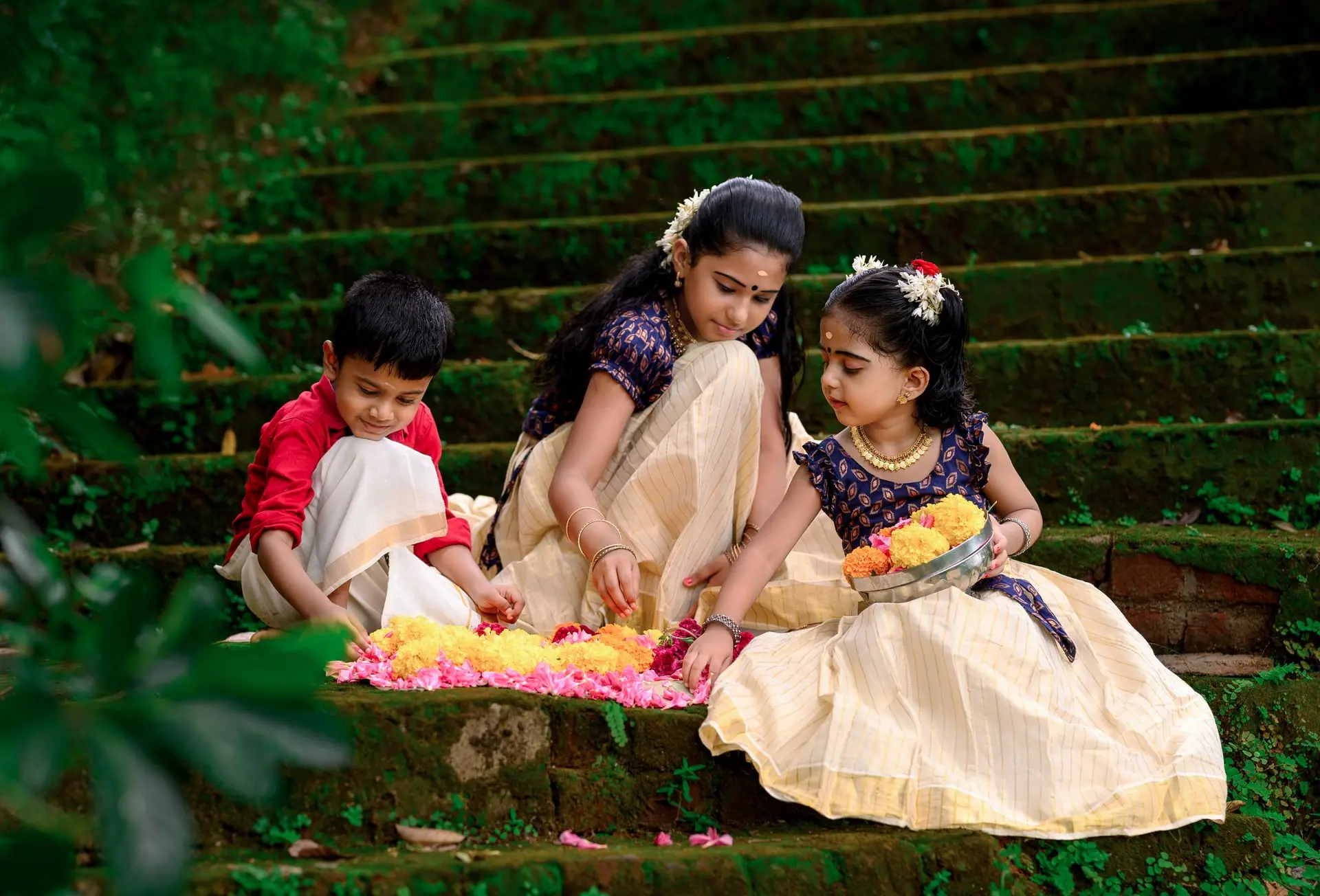
Festivals
8 experiences
Performing Arts
5 experiences
Luxury Trains
4 experiences
Houseboats
3 experiences
Toy Trains & Railways
1 experience
Village & Tribal Tourism
2 experiences
Glamping & Desert
1 experience
Honeymoon & Romance
3 experiences
VIP & Luxury
2 experiences
Plan a trip
Tailor-made quote from a specialist