
Last updated:
Best Places to Visit in India in September: Weather, Where to Go and What to Avoid
September is the month the monsoon turns. On IMD's normal dates it starts to withdraw from the north-west around 17 September and leaves Delhi by about 25 September, but the west coast stays wet into October. The best places to visit in India in September are the Himalayan valleys, Ladakh, Spiti and Kashmir, and, late in the month, Rajasthan.
By Experience My India Editorial Team
Destination specialists and licensed local guides
Weather in India in September, region by region
September is a month of two halves. The monsoon begins to pull back from the north-west of India, and by IMD's normal dates it has left Jodhpur by 19 September, Jaipur by 23 September, Delhi by 25 September and Agra by 28 September. Further south and east it stays: the normal withdrawal from Mumbai is 8 October, and from Goa and Puri 14 October. These are averages, and the real dates move from year to year. The figures below are IMD's long-term averages for named stations.
- The northern plains dry out over the month. New Delhi (Safdarjung) averages 128 mm of rain in September, on five or six days, against 227 mm in August, with days still around 34°C and nights around 25°C. Varanasi, where the monsoon normally lingers until 4 October, averages about 233 mm.
- The Himalaya turns clear and cooler behind the main range. Leh averages 8.9 mm of rain, with days around 24°C and nights around 9°C; Srinagar 37 mm, about 28°C by day and 13°C at night. The foothills stay wet until the monsoon leaves: its normal departure is 24 September at Shimla and 27 September at Dehradun.
- The desert is almost dry but still hot. Jaisalmer averages 32 mm of rain, on about two days, with days around 37°C and nights around 25°C.
- The west coast is still in the monsoon, though lighter than in July. Mumbai (Santacruz) averages about 341 mm, on 14 days; Goa about 260 mm, on 13 days; Kochi about 310 mm.
- The south has a surprise in store: September is Bengaluru's wettest month, at about 208 mm, with days around 29°C. Chennai averages about 146 mm, with days around 34°C.
- The east and north-east stay wet: Kolkata (Alipore) averages about 318 mm, and Guwahati about 198 mm.
For the monsoon's normal dates in every region, see our monsoon guide; for the months either side, India in August and India in October.
Best places to visit in India in September
Ladakh, early in the month
Leh's September is dry and cooler, and the Manali–Leh highway, which the Leh district gives as open from May or June to September or October, is still running. Nights are cold, around 9°C at Leh and colder higher up, so pack warm layers. Our Ladakh travel guide covers routes and acclimatisation.
Spiti
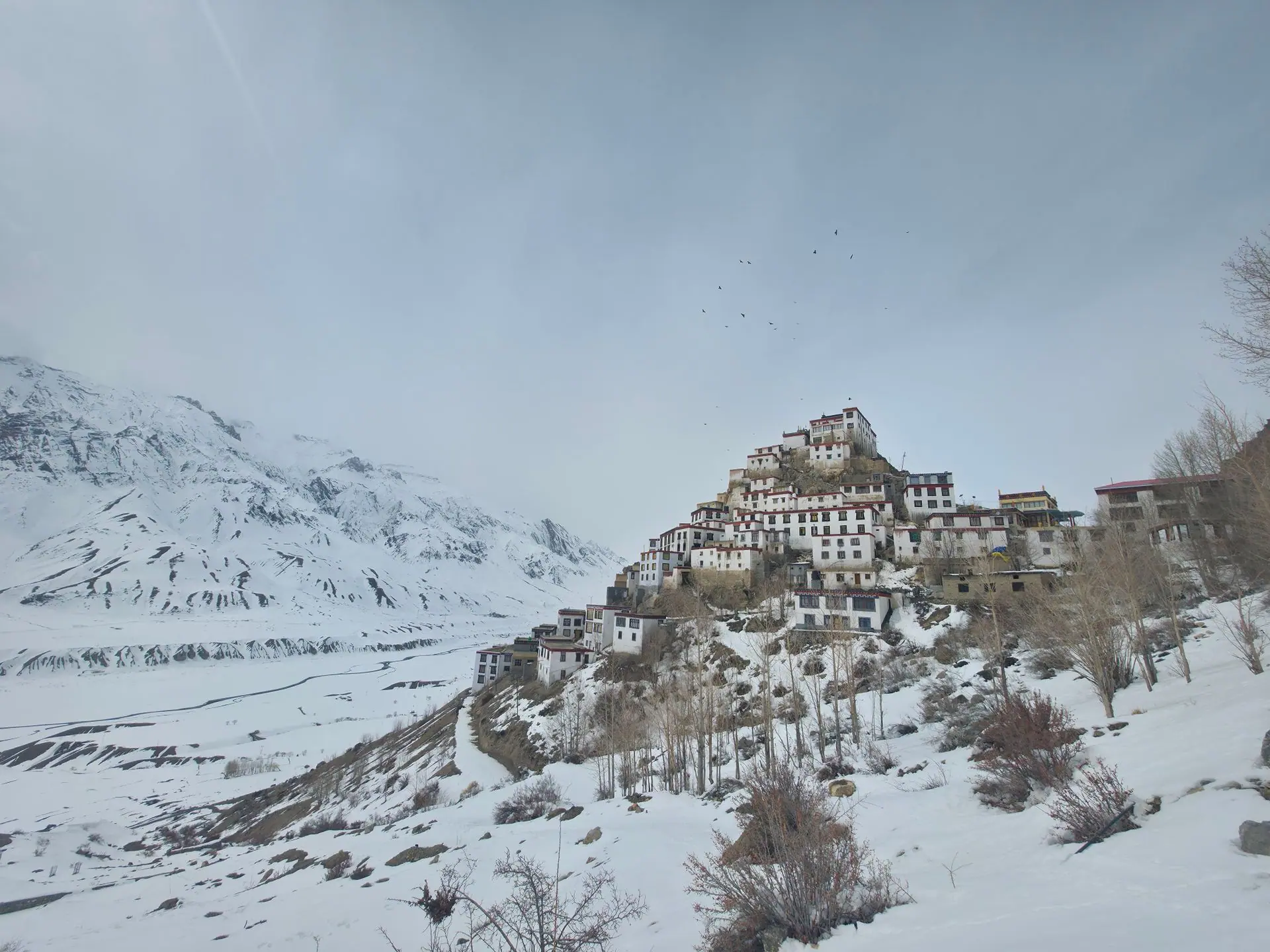
The Lahaul and Spiti district gives mid-May to mid-October as the best time to visit, and September falls well inside it. Spiti is in the rain shadow and gets scanty rain; the district still rates landslide risk as high, so leave a spare day. The Kunzum route from Manali generally closes from about October or November, so September is one of the last full months to drive the whole loop. See our Spiti Valley travel guide.
The Kashmir valley
With 37 mm of rain on average and days around 28°C, Srinagar's September is one of its drier, milder months. Our Kashmir travel guide covers Srinagar, Gulmarg, Pahalgam and Sonmarg, and our Kashmir tour packages are planned around the valley.
Rajasthan, late in the month
Once the monsoon withdraws, normally from Jodhpur on 19 September and Jaipur on 23 September, Rajasthan dries out quickly, though days in the desert stay hot, around 37°C at Jaisalmer. The last week of September suits a trip that carries on into October. Our Rajasthan travel guide helps choose the route.
What to avoid, or plan around, in September
- A rigid plan for the first half of the month. The monsoon withdraws from the north-west only from about 17 September, and the dates vary from year to year, so keep early-September plans on the plains flexible.
- Beach holidays on the west coast. Mumbai and Goa still average rain on 13 or 14 days of the month.
- Bengaluru without an umbrella. September is its wettest month.
- Long foothill drives before the monsoon leaves. The Geological Survey of India says landslides occur every year, mostly in the monsoon; in the Himalayan foothills the monsoon normally lasts until the last week of September.
- Kaziranga, whose season the Assam Forest Department gives as November to April.
Festivals and planning in September
- Onam, Kerala's harvest festival, runs for ten days from the Atham asterism in the month of Chingam, which Kerala Tourism places in August or September; in years when Chingam falls late, it is a September festival. Our Onam guide explains the festival.
- Pack for two climates. Light cotton for the plains and the south, a rain layer for the west coast and the east, and warm layers for the Himalaya, where September nights fall below 10°C at Leh.
Frequently asked questions
Is September a good time to visit India?
For the Himalaya and, late in the month, Rajasthan, yes. Ladakh, Spiti and Kashmir are dry and mild, and the monsoon normally leaves the north-west from about 17 September. The west coast, Bengaluru and the east are still wet, so a beach holiday or a Kolkata trip suits October or later better.
Has the monsoon ended by September in India?
Not everywhere. On IMD's normal dates it starts to withdraw from the north-west around 17 September and leaves Delhi by about 25 September, but it stays until 8 October in Mumbai, 14 October in Goa and Puri, and has left most of India only by 15 October. The real dates vary each year, so check IMD's forecasts close to your trip.
What should you wear in India in September?
Light, breathable clothes for the plains, where Delhi's days average about 34°C, and a light rain jacket for the west coast, Bengaluru and the east, which are still wet. In Ladakh and Spiti, nights are cold: Leh averages about 9°C at night in September, so bring a fleece and a warm jacket. Temples ask for covered shoulders and knees.
Where is it dry in India in September?
Ladakh is the driest, with 8.9 mm of rain on average at Leh. Jaisalmer averages 32 mm and Srinagar 37 mm. Delhi's rain falls to 128 mm, on five or six days, and drops further once the monsoon leaves in the last week of the month. The wettest places are the west coast, Bengaluru and the east.
Is Kashmir worth visiting in September?
Yes. Srinagar averages 37 mm of rain in September, with days around 28°C and nights around 13°C, which makes it one of the valley's drier and milder months. The Srinagar–Leh highway, which the Leh district gives as open from May to November or December, also makes it possible to continue to Ladakh by road.
Is September still the monsoon on the west coast?
Yes. IMD's normal withdrawal dates are 8 October for Mumbai and 14 October for Goa, and both average rain on 13 or 14 days in September: about 341 mm at Mumbai (Santacruz) and 260 mm in Goa. The rain is lighter than in July, but it is not beach weather yet.
Related guides
Customer reviews
Experience My India is rated 4.3 on Tripadvisor. We publish guest reviews after each trip.
Why book with Experience My India
Government-approved operator
Approved by the Ministry of Tourism, Government of India
500+ vetted local guides
35+ destination specialists plan every trip by hand.
Human help, every day
Mon–Sun, 9:00 AM – 9:00 PM IST · +91 73022 65809
No payment until you approve
You receive a written quote first; nothing is charged to start planning.
Browse experiences by theme
See all
Wildlife Safaris
8 experiences
Heritage & Architecture
2 experiences
Beaches & Islands
5 experiences
Wellness & Ayurveda
1 experience
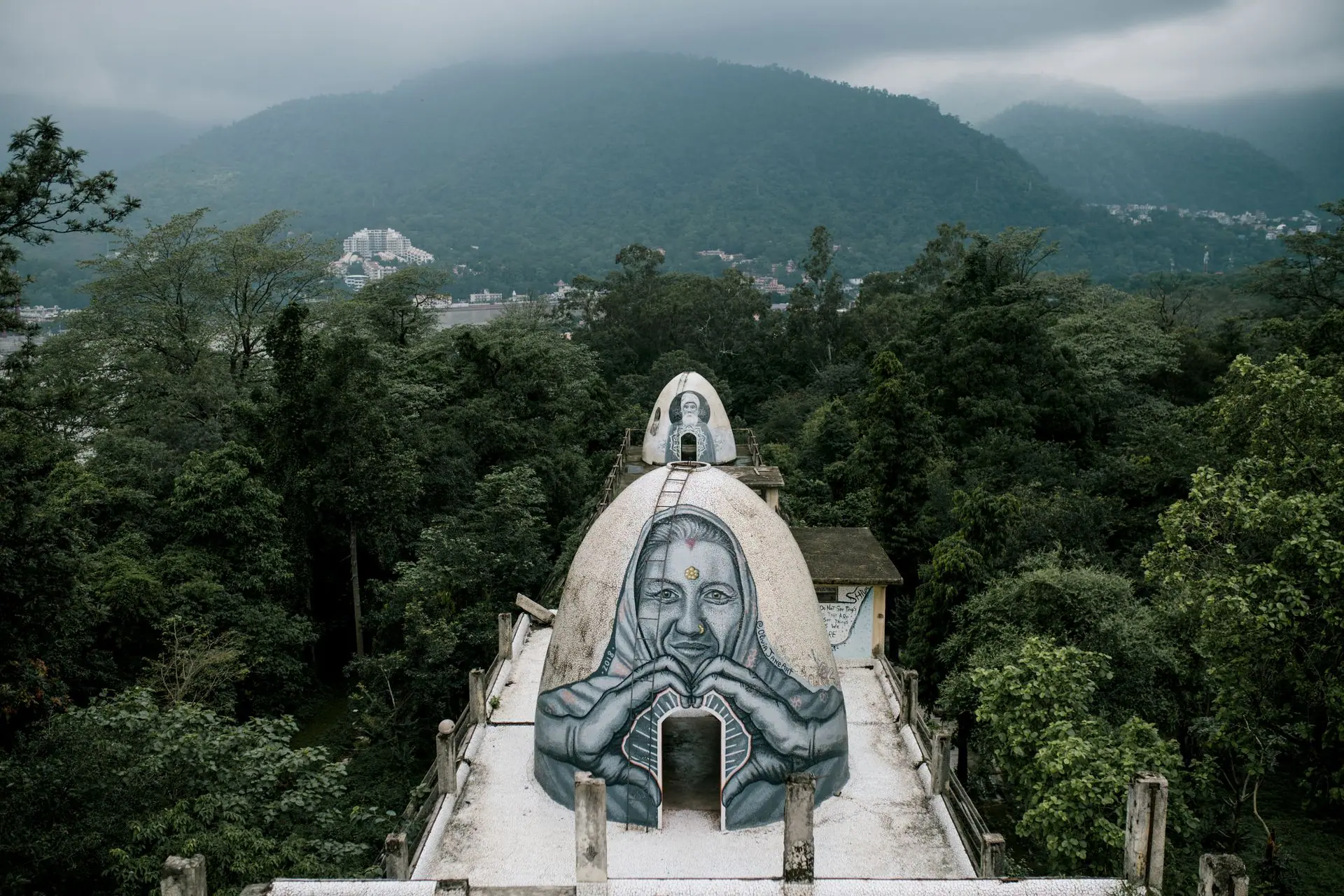
Yoga & Meditation
4 experiences
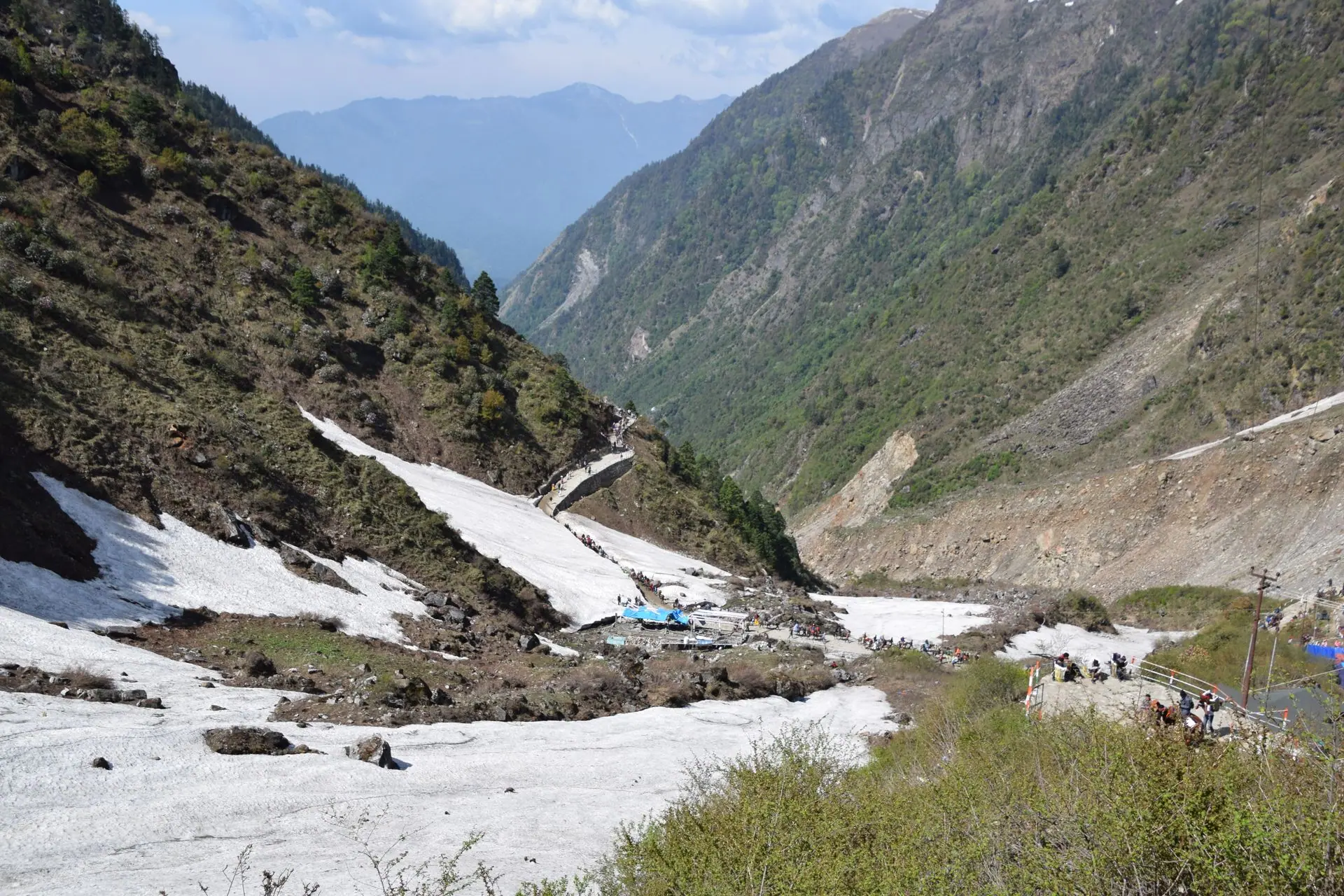
Trekking
2 experiences

Adventure
6 experiences
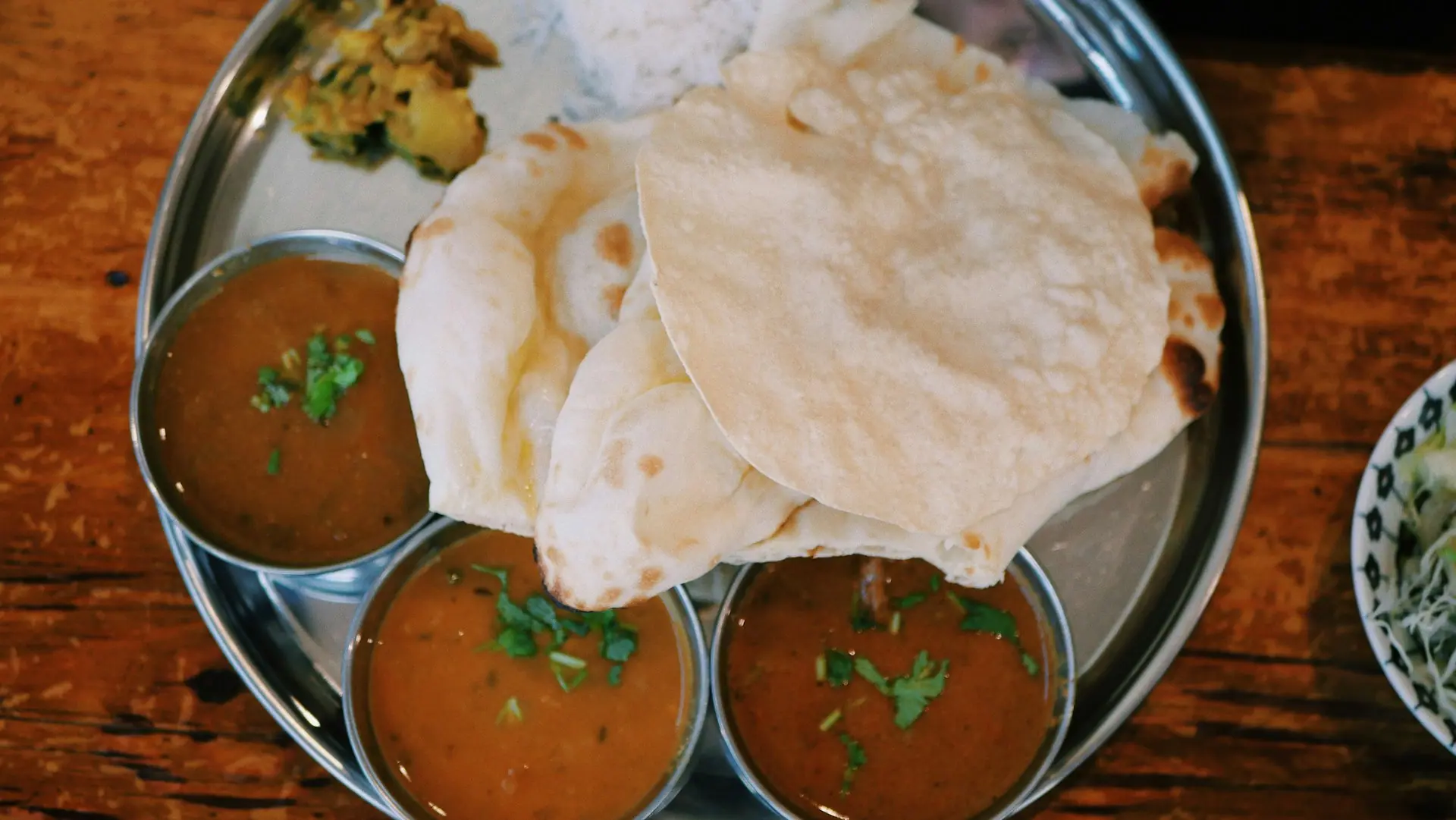
Culinary
5 experiences
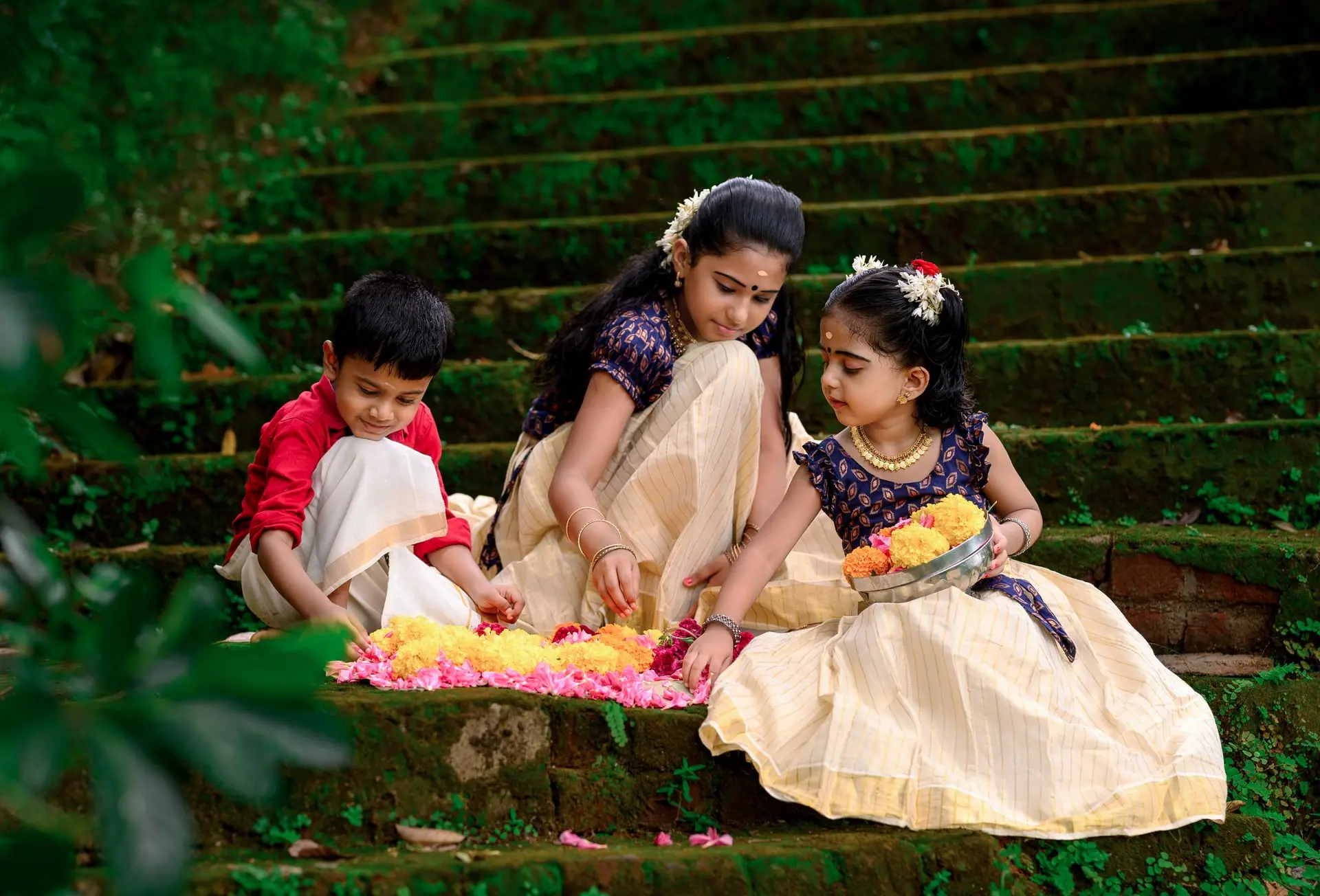
Festivals
8 experiences
Performing Arts
5 experiences
Luxury Trains
4 experiences
Houseboats
3 experiences
Toy Trains & Railways
1 experience
Village & Tribal Tourism
2 experiences
Glamping & Desert
1 experience
Honeymoon & Romance
3 experiences
VIP & Luxury
2 experiences
Plan a trip
Tailor-made quote from a specialist