
Last updated:
How Much Does a Trip to India Cost?
There is no single figure for an India trip: the same ten days can cost very little or a great deal. What decides it is the flight, the season, the number of regions and nights, the standard of hotel, how you travel between places and whether you have a private guide and driver. A few costs are fixed by the government, such as the e-Visa fee and monument tickets.
By Experience My India Editorial Team
Destination specialists and licensed local guides
Why there is no single figure
India is travelled by backpackers on sleeper trains and by guests in palace hotels, and both are honest answers to the question of what a trip costs. An average of the two would describe nobody's trip, which is why this page gives no daily figure. Instead it sets out what makes up the cost of a trip to India and what moves each part up or down, so you can see where your own money would go. For a priced answer to your own dates and route, an itemised quote is the only reliable figure.
What goes into the cost of a trip
- International flights. Usually the largest single cost for a short trip. Fares depend on where you fly from, how far ahead you book and the season you travel in.
- Visa. The e-Visa fee is set by the Government of India, differs by nationality and type of visa, and has a bank transaction charge added at payment. Our India e-Visa guide explains the types.
- Hotels. The standard you choose, the city and the dates move this more than anything else on the ground. A heritage hotel in Rajasthan in December and a simple hotel in the same town in July are different worlds.
- Getting around. A private car and driver costs more than trains and buses but saves time and carries luggage door to door; long distances are often quicker by domestic flight. Our guide to getting around India compares them.
- Guides. A private, licensed guide at the major sites is a cost, and in our view one of the better-value ones; see our local guides service.
- Entry tickets. Monuments, museums and national parks charge separately, and foreign visitors pay more than Indian citizens at many of them.
- Food, tips and small spending. Meals vary from street stalls to hotel restaurants; tips for guides, drivers and hotel staff are voluntary but customary. Our guide to tipping in India explains who is usually tipped.
- Insurance and connectivity. Travel insurance and a SIM or eSIM are small next to the rest but easy to forget.
- Money costs. Your bank's charges for card payments and cash withdrawals abroad, and the exchange rate you get, add a little to everything; see ATMs and cards in India.
What makes the same trip cost more or less
- Season. In our experience, hotels, flights and cars cost most in each region's peak season, and above all around Christmas, New Year and the big festivals; outside it, many hotels lower their rates. The peak differs by region, so check our guide to the best time to visit India for the places on your route.
- Length and pace. Every extra night adds a hotel night and a day of transport and guiding; every change of hotel adds a transfer.
- Number of regions. Covering the north, Kerala and the Himalaya in one trip means internal flights and repositioning days; staying in one region saves both.
- Group size. A car, driver and guide cost much the same for two people as for four, so the share per person falls as the group grows.
- Hotel standard. Moving up or down one standard changes the total more than almost any other choice.
Costs the government sets
Some costs are fixed, and the official figure is the one to use:
- The e-Visa fee, which the official portal, indianvisaonline.gov.in, says is country or territory specific; bank transaction charges are added on top. Apply only through that portal: the Government warns that it is the only official website for the e-Visa. You will also need an e-Arrival Card before you land.
- Monument tickets. At the Taj Mahal and the other monuments of Agra, run by the Archaeological Survey of India, the official Taj Mahal website lists separate prices for Indian visitors, for foreign visitors and NRIs, and for visitors from SAARC and BIMSTEC countries, with the foreign price many times the Indian one. Entering the Taj Mahal's main mausoleum needs an additional ticket, children under 15 enter free, tickets are sold online only, and the Taj Mahal is closed on Fridays. Our Agra travel guide covers the visit.
- Customs allowances, if you are carrying goods or gold: see customs rules for gold and jewellery.
How to get a real figure for your trip
Tell us your dates, the places you want to see, the standard of hotel you like and how many of you are travelling, and we will send an itemised quote that shows what is included and what is not. Every trip we arrange can be cancelled with a full refund up to 24 hours before it starts. If you want to keep the total down, read our advice on travelling India on a budget.
Frequently asked questions
Is India a cheap country to visit?
It can be, but not automatically. Day-to-day costs such as local food, trains and buses are modest, and independent travellers can keep a trip cheap. A private trip with a car, driver, guide and good hotels is a different budget, and peak-season hotels in popular places are not cheap. Flights, hotel standard and season decide far more than the country does.
Do foreign visitors pay more to enter monuments in India?
At many, yes. At the Taj Mahal and the other monuments of Agra, the official site lists separate prices for Indian visitors, for foreign visitors and NRIs, and for visitors from SAARC and BIMSTEC countries, and the foreign price is many times the Indian one. Children under 15 enter free there, and the Taj Mahal's main mausoleum needs an extra ticket.
Which costs of an India trip are fixed by the government?
The e-Visa fee, which depends on your nationality and has a bank charge added, and entry tickets at monuments run by the Archaeological Survey of India and other public bodies. Customs duty on goods above your allowance is also set by law. Everything else, from flights and hotels to cars and guides, moves with the season, the standard you choose and how far ahead you book.
When is a trip to India most expensive?
In our experience, during each region's peak season, and above all over Christmas, New Year and the major festivals, when demand for hotels, flights and cars is at its highest. Off-peak months are often cheaper on the ground, but the weather that makes them quieter may not suit your plans, so check the season for each place on your route before choosing your dates.
What extra costs should I expect on a tour of India?
Ask whether flights, the visa, monument and park tickets, meals, tips and travel insurance are included; packages differ, and these are the items most often left out. Add your own spending on shopping and personal extras, and your bank's charges for using a card abroad. An itemised quote shows each item, so nothing arrives as a surprise.
How do I get an accurate cost for my own trip?
Ask for an itemised quote built on your real dates, route, hotel standard and group size. A per-day average from the internet cannot account for the season, the number of regions or whether you share a car and guide. Compare quotes item by item rather than on the total, and check which entry tickets and meals are included.
Related guides
Customer reviews
Experience My India is rated 4.3 on Tripadvisor. We publish guest reviews after each trip.
Why book with Experience My India
Government-approved operator
Approved by the Ministry of Tourism, Government of India
500+ vetted local guides
35+ destination specialists plan every trip by hand.
Human help, every day
Mon–Sun, 9:00 AM – 9:00 PM IST · +91 73022 65809
No payment until you approve
You receive a written quote first; nothing is charged to start planning.
Browse experiences by theme
See all
Wildlife Safaris
8 experiences
Heritage & Architecture
2 experiences
Beaches & Islands
5 experiences
Wellness & Ayurveda
1 experience
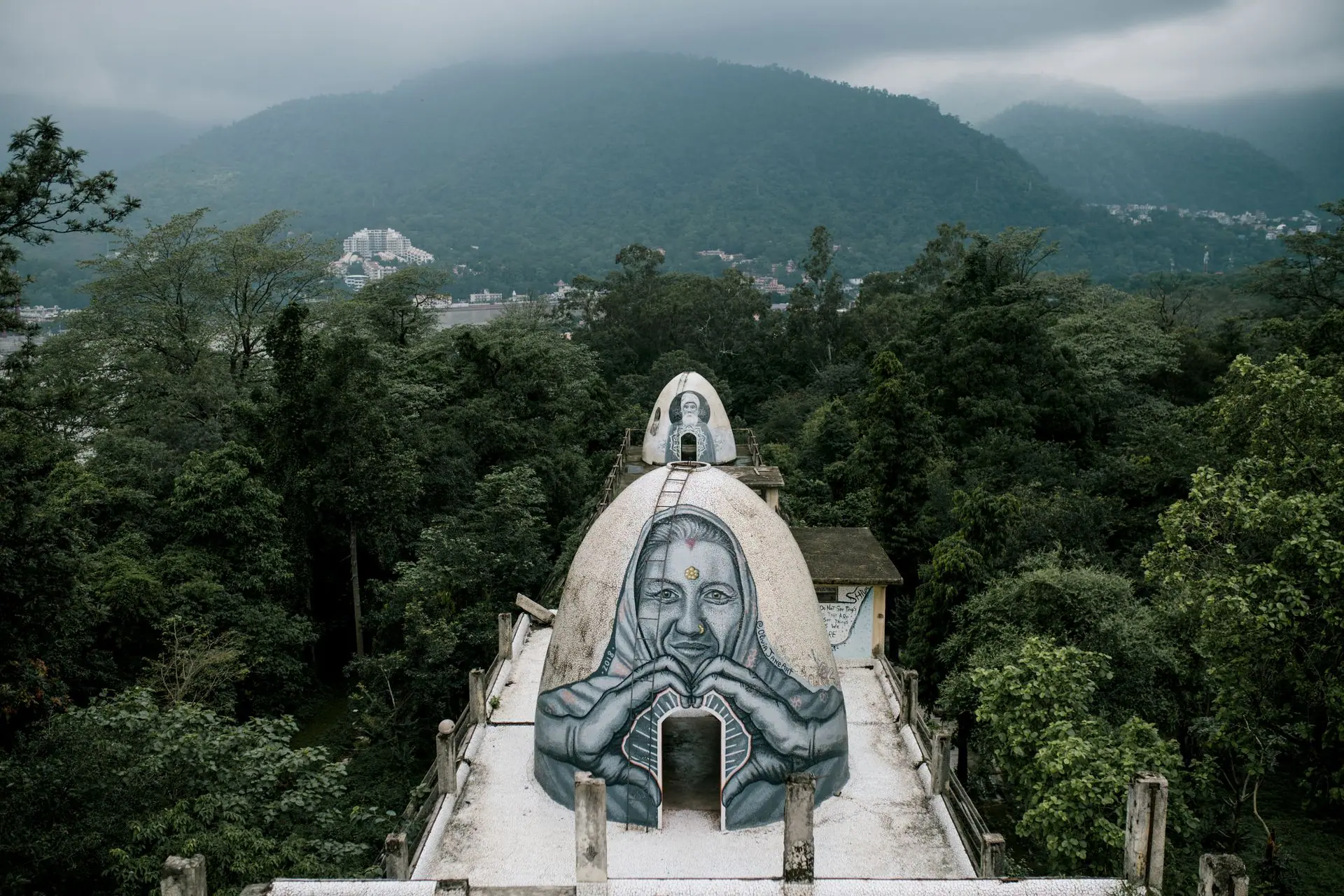
Yoga & Meditation
4 experiences
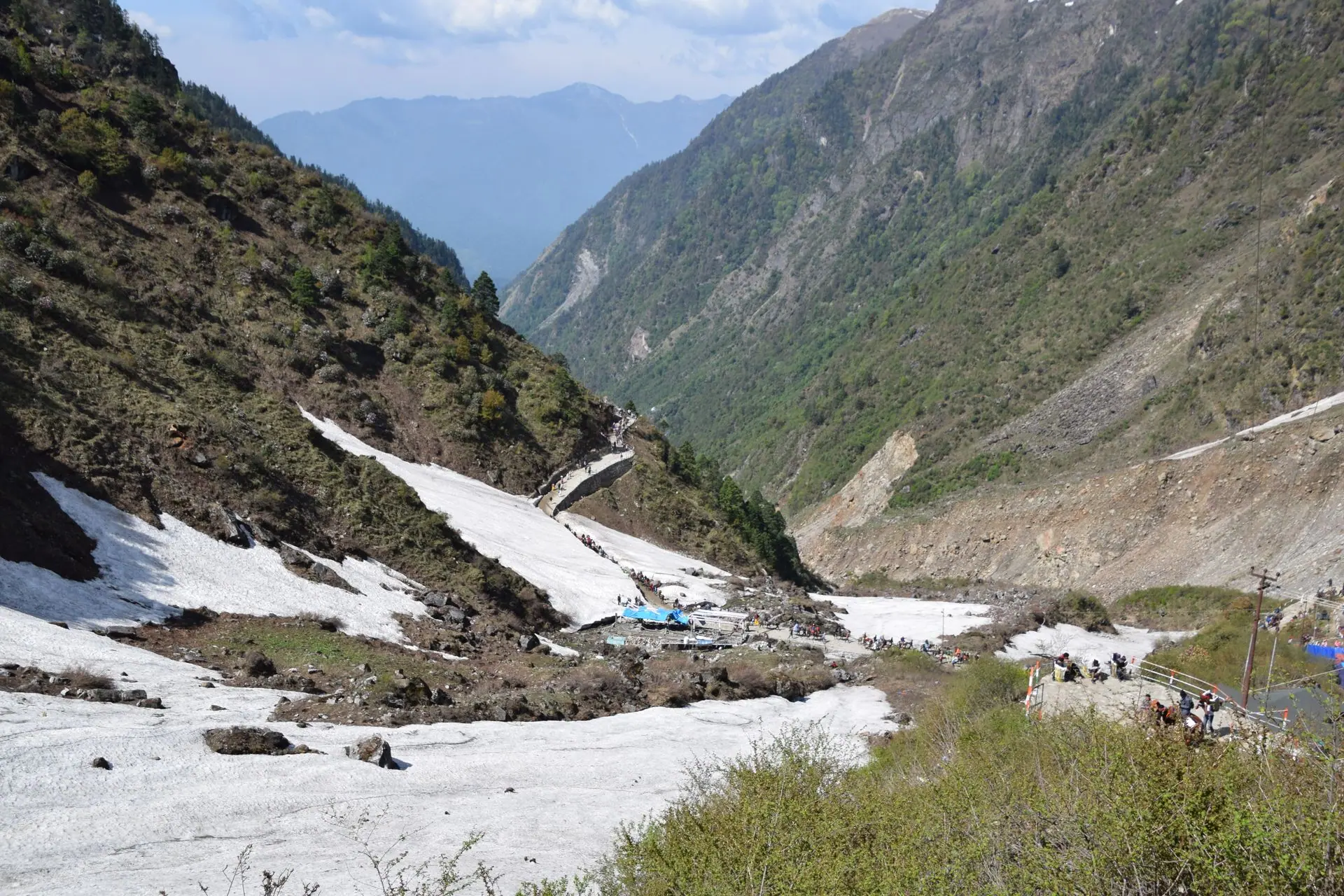
Trekking
2 experiences

Adventure
6 experiences
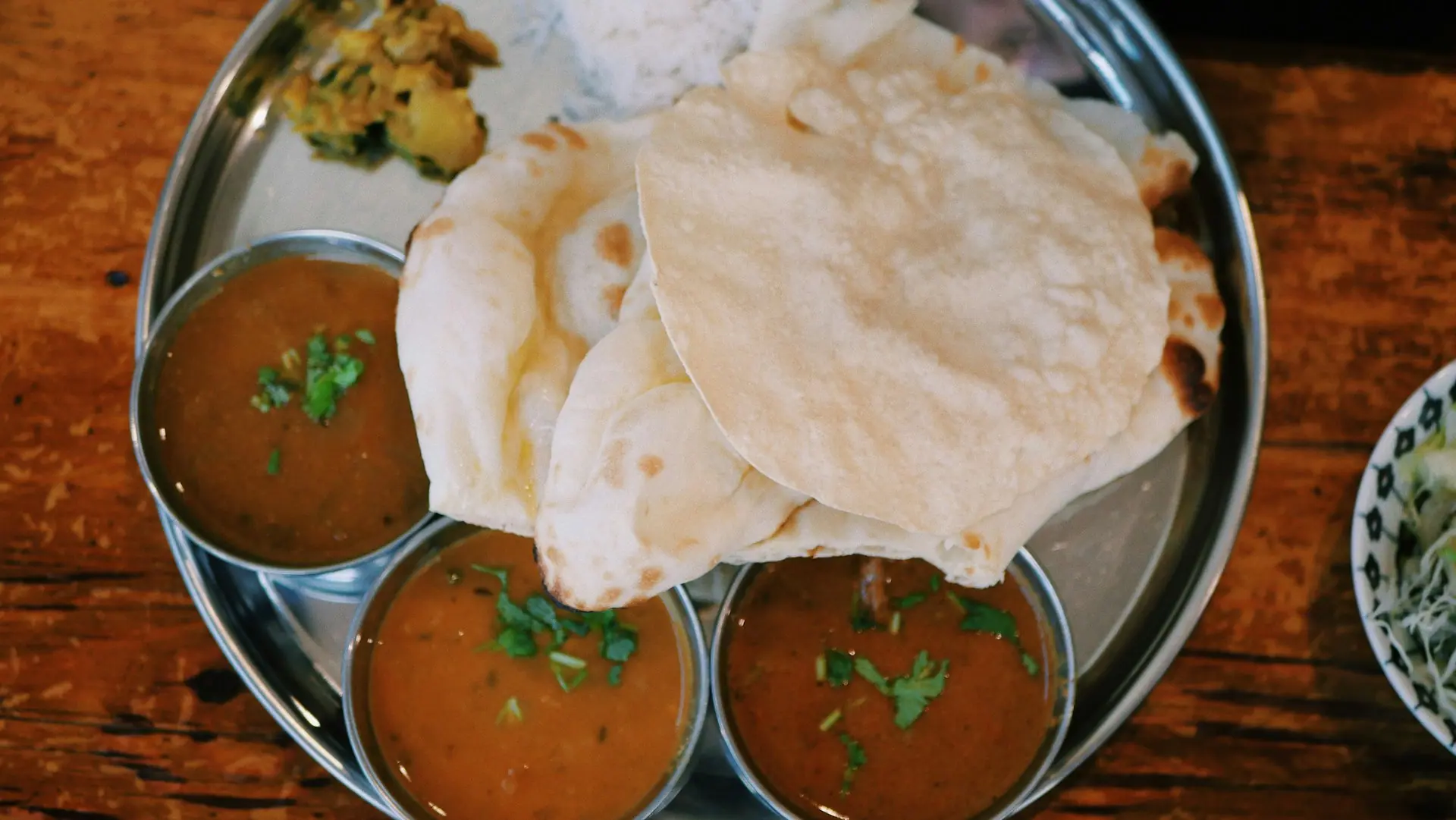
Culinary
5 experiences
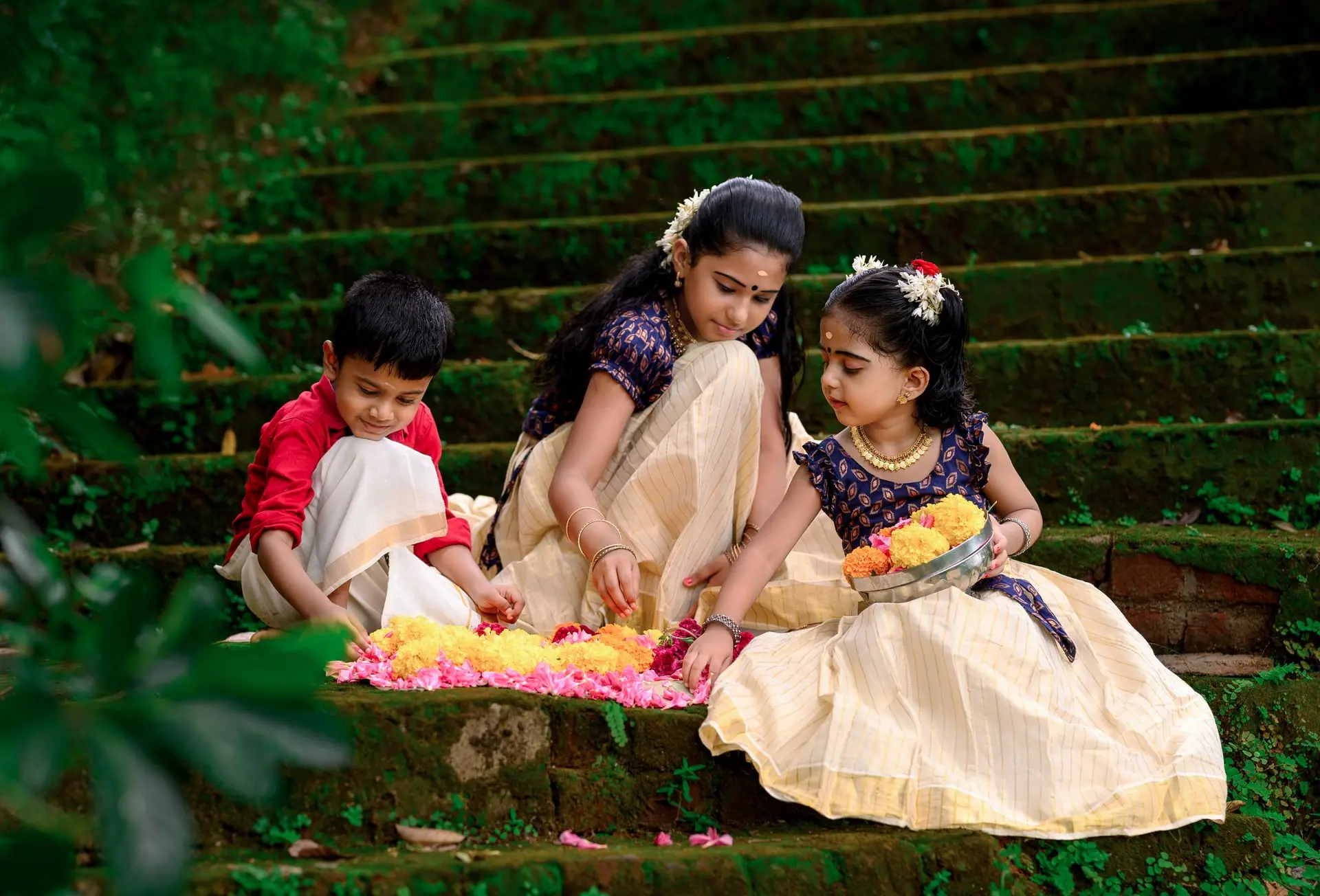
Festivals
8 experiences
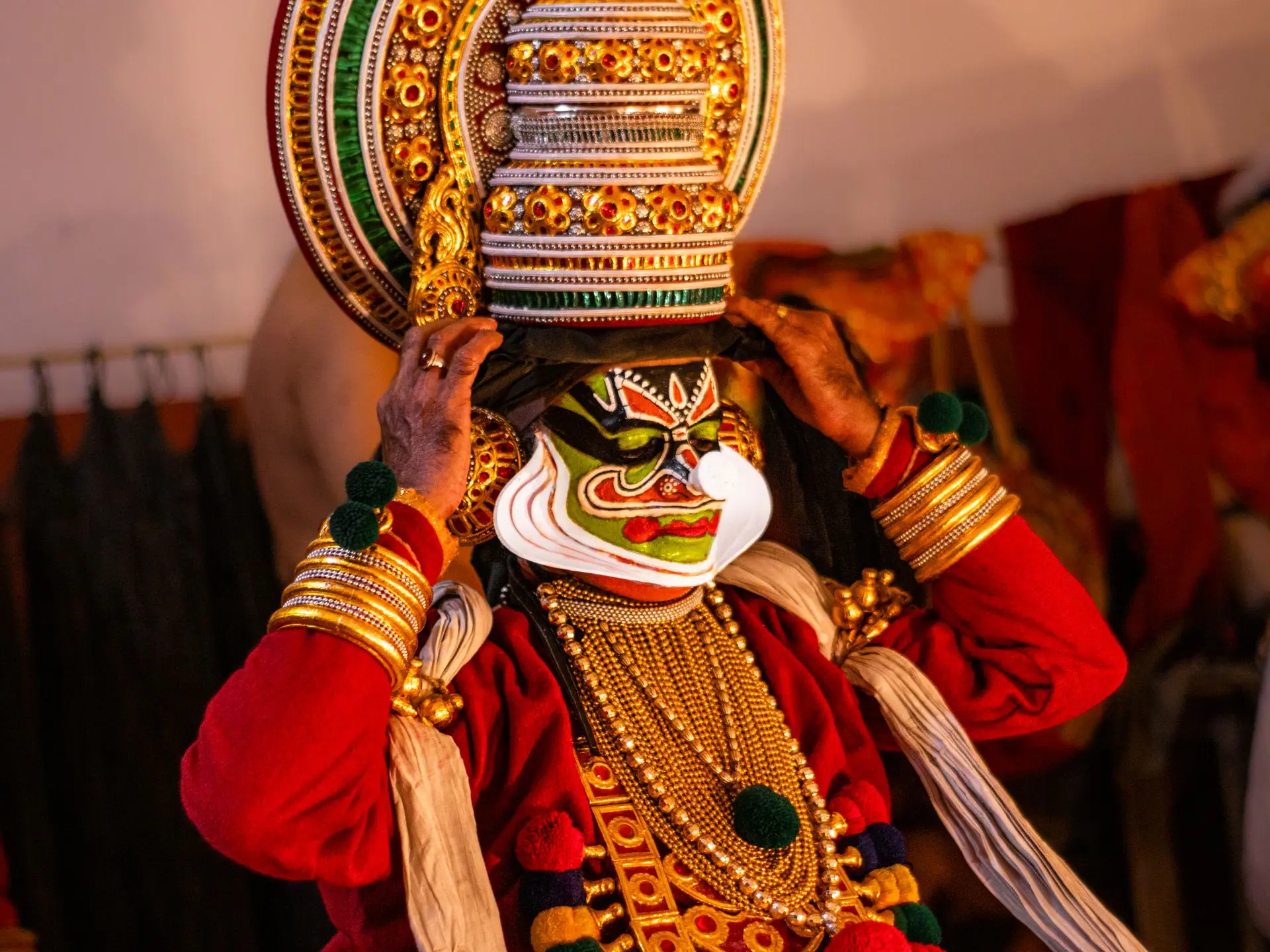
Performing Arts
5 experiences
Luxury Trains
4 experiences
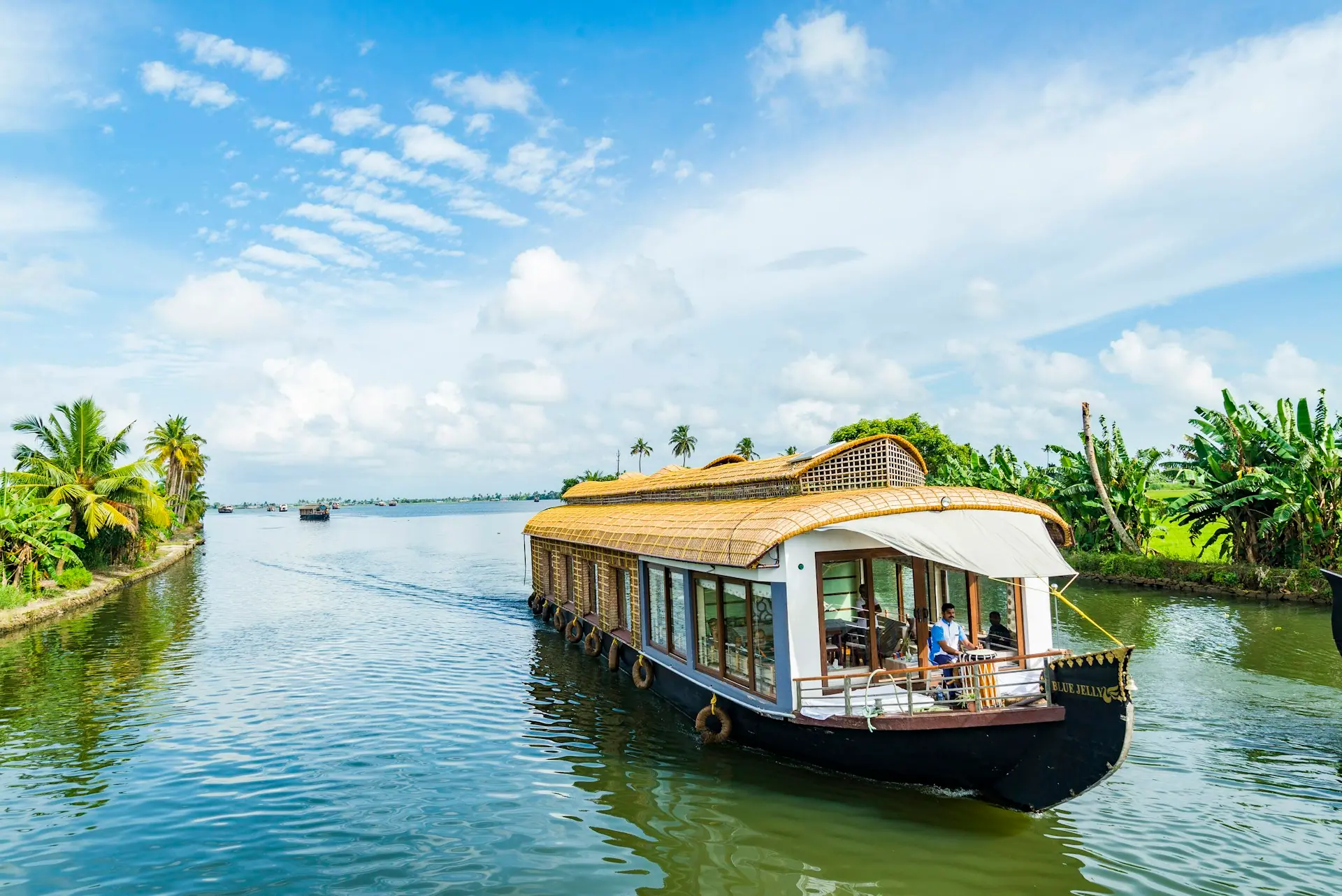
Houseboats
3 experiences
Toy Trains & Railways
1 experience
Village & Tribal Tourism
2 experiences
Glamping & Desert
1 experience
Honeymoon & Romance
3 experiences
VIP & Luxury
2 experiences
Plan a trip
Tailor-made quote from a specialist