
Char Dham Yatra Travel Guide: The Four Shrines, Registration and Planning
The Char Dham Yatra is the Himalayan pilgrimage to four shrines in Uttarakhand: Yamunotri, Gangotri, Kedarnath and Badrinath, usually visited in that order. The temple committees announce the opening dates each year, the shrines close for winter, and registration on the state's tourism portal is compulsory for every pilgrim. The state health department advises at least seven days, and Kedarnath needs a long walk.
By Experience My India Editorial Team · Reviewed by Experience My India Editorial Team · Updated 21 Oct 2026
See all 3 tours and experiences in Char Dham Yatra →
Government-approved operatorApproved by the Ministry of Tourism, Government of India
Places to visit on the Char Dham Yatra
How Char Dham registration works
Best time to visit: when the shrines open and close
Altitude, fitness and health
Things to do on the Char Dham Yatra
Beyond darshan at the four shrines, the state lists the Gaumukh trek from Gangotri, a walk to Mana and the Vasudhara falls from Badrinath, and the hot springs at Yamunotri and Badrinath. For the routes we run and the pilgrimages that include them, see our Char Dham tours and experiences page and our Char Dham tour packages.
How to reach the Char Dham
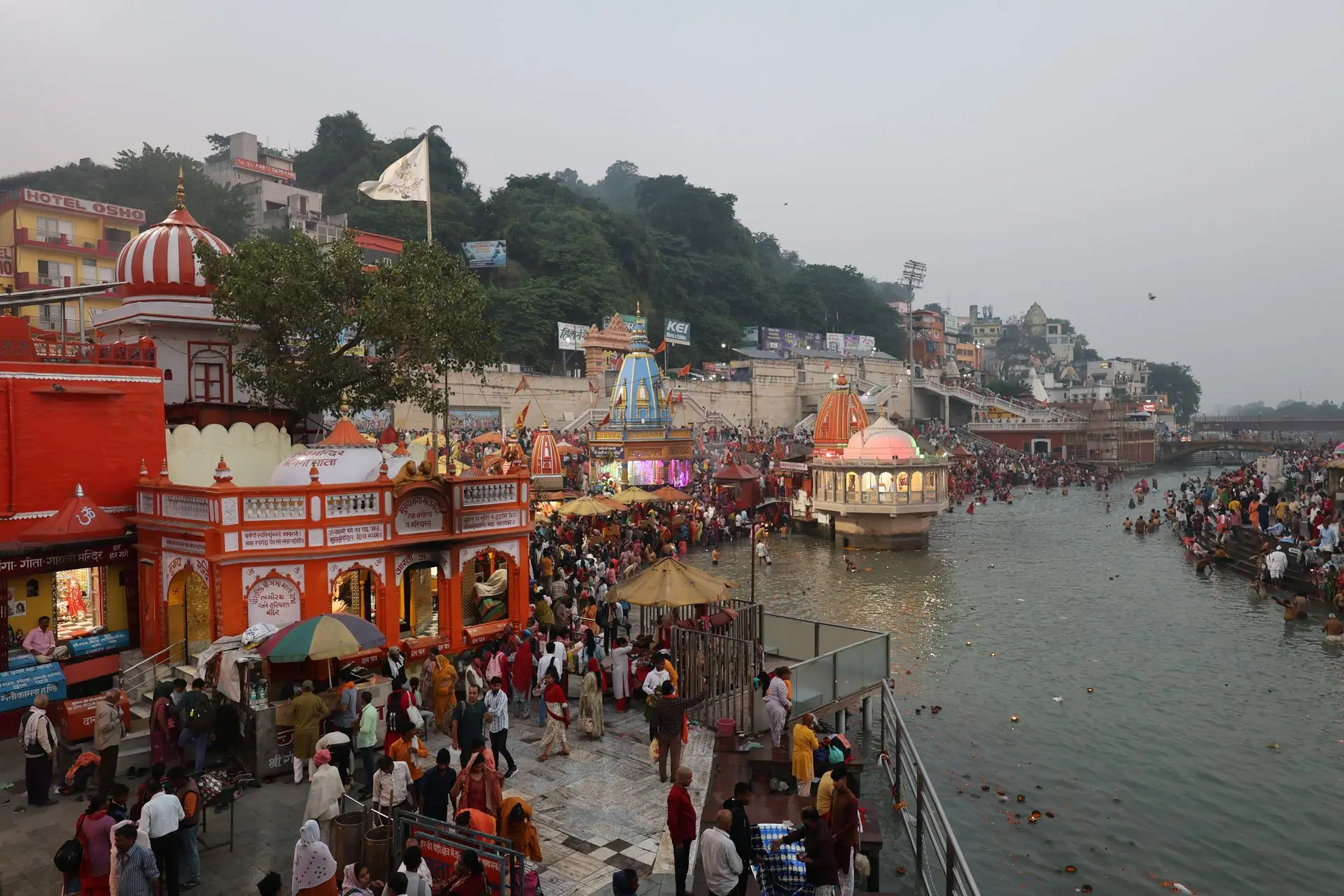
Most yatras start from Haridwar or Rishikesh. Rishikesh is 224 km from Delhi by road, and Dehradun's Jolly Grant Airport is the nearest airport for all four shrines: Uttarakhand Tourism puts it 238 km from Kedarnath, about 250 km from Gangotri and 317 km from Badrinath. Rishikesh is the nearest railway station for Gangotri, Kedarnath and Badrinath. The roadheads are Janki Chatti for Yamunotri and Gaurikund for Kedarnath; Gangotri and Badrinath are reached by road to the town itself. Read more in our guides to Haridwar, Rishikesh and Uttarakhand.
How many days for the Char Dham Yatra
Packing and the portal's checklist
The portal's checklist is short: keep the registration certificate ready at the verification point, collect the darshan slot token, carry prescribed medicines, valid ID and warm clothing such as a jacket, shawl and gloves, and do not drink and drive, use alcohol or tobacco, or litter. The health department adds clothing for cold, rain and sun, and dry fruit and biscuits for the journey. For emergencies, the temple committee lists the State Emergency Operation Centre on 1070, toll free.
Why book with Experience My India
Government-approved operator
Approved by the Ministry of Tourism, Government of India
500+ vetted local guides
35+ destination specialists plan every trip by hand.
Human help, every day
Mon–Sun, 9:00 AM – 9:00 PM IST · +91 73022 65809
No payment until you approve
You receive a written quote first; nothing is charged to start planning.
Frequently asked questions
What are the Char Dham?
In this guide, the four Himalayan shrines of Uttarakhand: Yamunotri, Gangotri, Kedarnath and Badrinath. Another pilgrimage shares the name: Incredible India lists the Dwarkadhish temple at Dwarka as a Char Dham site alongside Rameswaram, Badrinath and Puri. Badrinath belongs to both circuits, which is why searches for the names often return mixed results.
When is the Char Dham Yatra open?
For roughly six months, from April or May to October or November, on dates that the temple committees announce each year. Gangotri and Yamunotri open first, on Akshaya Tritiya; Kedarnath and Badrinath follow a few days later; Badrinath closes last. Snow closes the high routes after that, and the deities are worshipped at lower seats until spring.
How does Char Dham registration work, step by step?
Sign up on the Uttarakhand Tourism Development Board portal or the Tourist Care Uttarakhand app, create a tour with your dates, number of travellers and dhams, enter each pilgrim's details, and download the Yatra Registration Letter with its QR code. Carry it with a valid ID. It is checked at each dham, where you collect a darshan slot token.
Who announces the opening and closing dates?
The temple committees announce them each year. The pattern holds from year to year: Gangotri and Yamunotri open on Akshaya Tritiya, the closing dates have been announced on Vijayadashami, and Kedarnath closes on Bhai Dooj. We give no dates in this guide because they change; check the temple committee's website and the registration portal close to your trip.
How many days does the full circuit take?
The health department advises at least seven days. By road from Haridwar or Rishikesh, our 11-day itinerary allows for the driving, the trek to Kedarnath and rest at altitude, and the helicopter version takes three to five days. Allow extra days for weather, since landslides, rain and flight delays can alter any schedule.
Is the Char Dham physically demanding?
Yes. All four shrines are above 3,000 m, Yamunotri needs a steep walk from Janki Chatti, and Kedarnath is a long trek unless you fly. The health department advises regular walking and breathing exercises beforehand, slow ascent, and a doctor's advice if you have a heart, lung, diabetic or similar condition. A helicopter shortens the journey but not the altitude.
Which symptoms mean I should stop and get help on the yatra?
The health department lists chest pain, shortness of breath, a persistent cough, dizziness or disorientation, vomiting, bluish lips or fingertips, and weakness or numbness on one side of the body. It says to seek help at once, descend if you feel unwell and not to go higher until a doctor has seen you. Screening points and medical relief posts are along the route.
Where are the deities worshipped in winter?
Ganga at Mukhba, near Harsil; Yamuna at Kharsali; Kedarnath at the Omkareshwar temple in Ukhimath, from November to April; and Badrinath's Uddhava idol at Pandukeshwar, according to Uttarakhand Tourism's Winter Char Dham circuit. The high shrines are shut by snow in winter, so these lower seats are where devotees pray until the portals reopen.
Can I do just one of the four shrines?
Yes. Each shrine has its own road or trek, and many travellers visit Kedarnath or Badrinath alone. Our eight-day tour includes Kedarnath without the other three. Register on the portal for whichever dhams you choose, because the tour you create there lists the dhams and the date for each.
Tour packages in Char Dham Yatra
See all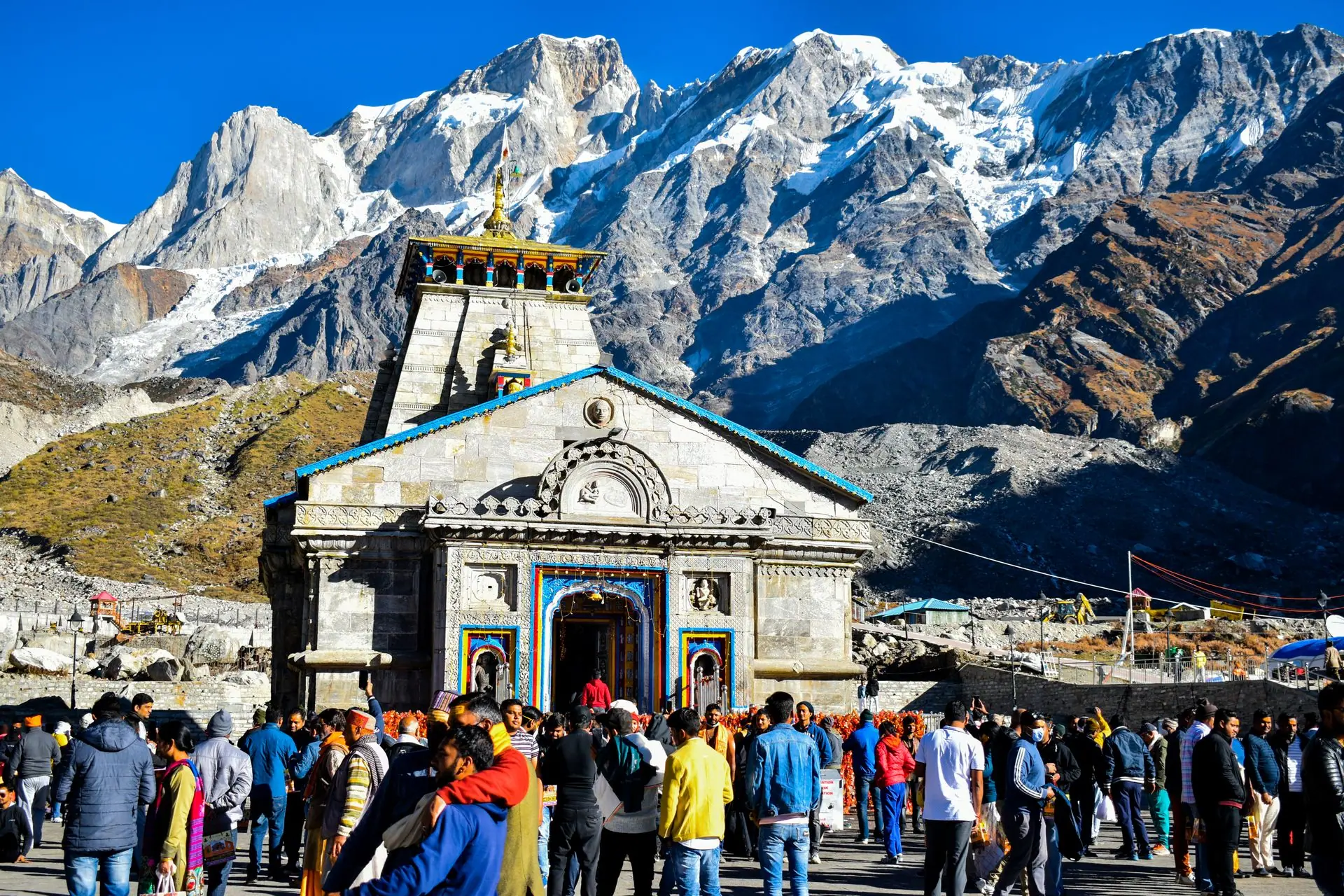
Char Dham Yatra
Char Dham Yatra tour
Private vehicle and driver for the whole circuit
Price on request
Char Dham
Helicopter Char Dham
Price on request
Char Dham Yatra — 11 days
Char Dham Yatra — 11 days
11 days / 10 nights • Private guide and vehicle
Price on request
More places in Uttarakhand
See all
From the journal: Char Dham Yatra
Journal
Char Dham Yatra 2026: Best Package, Route, Cost & Registration
Journal
Kedarnath and Badrinath Yatra 2026 for Comfortable and Safe Pilgrimage
Journal
Badrinath Yatra 2026: Complete Travel Plan with Registration and Route Guide
Journal
Char Dham Yatra 2026: Everything You Should Know Before Planning
Journal
Kedarnath 2026 Guide: Complete Travel Plan, Route and Yatra Details
Journal
Kedarnath Yatra 2026: Dates, Registration, Travel Plan & Complete Guide
Journal
Badrinath Opening Date 2026: Official Announcement and Details
Journal
Kedarnath Opening Date 2026: Official Announcement and Details
Journal
Char Dham Yatra Opening Dates 2026: Official Schedule
Journal
Remember These 7 Tips Before Going to Kedarnath
Journal
10 Best Places to Visit In Char Dham Yatra
Journal
Char Dham Yatra Tour Package – A Journey of Soulful Awakening
Customer reviews
Experience My India is rated 4.3 on Tripadvisor. We publish guest reviews after each trip.
Plan a trip
Tailor-made quote from a specialist