
Last updated:
First Time in India: What to Expect and How to Plan
For a first time in India, keep the plan simple: apply for the e-Visa only on the government's portal, choose one or two regions rather than six, and start on a well-connected route such as Delhi, Agra and Jaipur. Learn a few customs before you go, from shoes off at temples to the right hand at meals, and leave room for days that run late.
By Experience My India Editorial Team
Destination specialists and licensed local guides
What to expect on your first time in India
India is intense, and most people on their first time in India find the first day or two disorienting: the traffic, the crowds, the noise and the sheer amount happening at once. It settles. Much of what looks like chaos follows rules you have not learned yet: the queue that forms around a counter rather than in a line, the price that is open to discussion in a market but fixed in a shop, the temple that is calmest at dawn.
Personal space in a crowd is smaller than many visitors are used to; it is a different norm, not hostility. Plans also shift: trains run late, fog or rain changes a route, a festival closes a road. The trips that go best leave slack in every day, and the first two days after a long flight lighter still, as our page on a soft landing explains.
Visa, passport and the arrival form
- Visa: the Ministry of Tourism says every foreign visitor needs a visa except citizens of Nepal and Bhutan; visa on arrival is open to citizens of Japan and South Korea, and to UAE nationals who have held an Indian visa before. Everyone else applies online at indianvisaonline.gov.in, the government's own portal. Our e-Visa guide explains the types.
- Passport: at least six months of validity and two blank pages for the immigration stamps.
- Arrival form: the e-Arrival Card is submitted online in the 72 hours before you land; it is not a visa. See our e-Arrival Card guide.
- Health papers: a yellow fever vaccination certificate is required only if you arrive from a yellow fever endemic country, or have been in one in the six days before entry.
Where to go first, and for how long
Pick one or two regions and see them properly. The classic first route is Delhi, Agra and Jaipur, which the Ministry of Tourism calls the Golden Triangle: three very different cities a few hours apart by road, with the Taj Mahal in the middle. A week covers it without rushing; a second week adds Rajasthan's desert cities, Varanasi on the Ganges or the backwaters of Kerala. Our itineraries by trip length set out the options, and our Golden Triangle private tour shows the route as a six-day trip.
Two dates shape the plan. The Taj Mahal is closed on Fridays, and its official site gives October to March as the best season for Agra; the southwest monsoon brings the rains from June to September. Our guide to the best time to visit India goes region by region.
Money and language
The currency is the Indian rupee. The Ministry of Tourism says you can change foreign currency at airports, hotels, money changers approved by the Reserve Bank of India and selected banks; foreign credit and debit cards are widely accepted, and UPI payments are popular. Cash still helps in markets and small shops; our money guide covers cards, cash and tipping.
Hindi is the most widely understood language in the north, and the country recognises 22 languages in all. For a visitor, English carries you a long way: the Ministry of Tourism describes it as widely spoken in every part of the country.
Health and safety basics
- Vaccines: the UK Foreign Office advises checking the vaccine recommendations for India at least eight weeks before your trip; your own doctor or a travel clinic will tell you what you need.
- Medicines: over-the-counter medicines are easy to buy, but some require a prescription in India too, and the Foreign Office suggests carrying your medicine's packaging to show a pharmacist exactly what you take.
- Insurance and emergencies: travel insurance that covers treatment and medical evacuation, and 112, the national number for ambulance, fire and police.
- Air: the Foreign Office warns that air pollution is worst in northern cities between October and February.
- Safety: the common problems are scams and overcharging rather than violent crime; our safety guide covers the scams and the taxi rules.
Customs worth learning first
Four habits cover most situations: take your shoes off at temples, gurdwaras, mosques and many homes; eat and pass things with your right hand; cover shoulders and knees at religious sites; and ask before photographing people. Some temples go further, banning phones, leather or non-Hindu visitors. Our pages on Indian etiquette and what to wear cover both, and our packing list turns them into a bag.
What we tell every first-timer
Slow down. Do two regions well instead of six badly. And for the first city at least, travel with someone local who can read the day for you, the queue, the price and the timing, until the country stops feeling chaotic and starts to make sense.
Frequently asked questions
Is India overwhelming for first-time visitors?
Often, for the first day or two: the traffic, the crowds and the noise arrive all at once, and jet lag makes everything louder. It settles quickly once you start to recognise the patterns behind what looks like chaos. A free first day, a guide in the first city and fewer bases all make the adjustment easier.
Do I need to speak Hindi to visit India?
No. The Ministry of Tourism describes English as widely spoken across the country, and hotels, guides, drivers and most people who work with visitors use it every day. India recognises 22 languages, so Hindi will not help everywhere anyway; a namaste and a thank you in the local language are always appreciated.
What's the single best piece of advice for a first India trip?
Slow down. Choose two regions and give each enough days, rather than trying to see the whole country in one visit. Fewer hotel changes mean fewer arrivals, less packing and more time for the moments that make a trip, the early morning at a fort, the long lunch, the conversation with a guide.
Should I travel independently or with a guide for my first trip?
Either works, and many first-timers combine the two. A local guide and driver take away most of the friction of the first days, the queues, the prices and the timing, and explain what you are seeing. Once you know how things work, travelling on your own in the second region is far easier.
How much of India can I see in two weeks?
Two regions, comfortably. A common plan is Delhi, Agra and Jaipur in the first week, then a second region in the second: Udaipur and Jodhpur, Varanasi, or Kerala, linked by a domestic flight where the distance is long. Adding a third region usually means spending more time in transit than in the places themselves.
What should I know about Indian customs before my first visit?
Shoes come off at places of worship and in many homes, the right hand is the one for eating and giving, and clothes that cover the shoulders and knees are expected at religious sites. Ask before you photograph people. Some temples set their own rules, such as banning phones or leather, so check before you go.
Related guides
Customer reviews
Experience My India is rated 4.3 on Tripadvisor. We publish guest reviews after each trip.
Why book with Experience My India
Government-approved operator
Approved by the Ministry of Tourism, Government of India
500+ vetted local guides
35+ destination specialists plan every trip by hand.
Human help, every day
Mon–Sun, 9:00 AM – 9:00 PM IST · +91 73022 65809
No payment until you approve
You receive a written quote first; nothing is charged to start planning.
Browse experiences by theme
See all
Wildlife Safaris
8 experiences
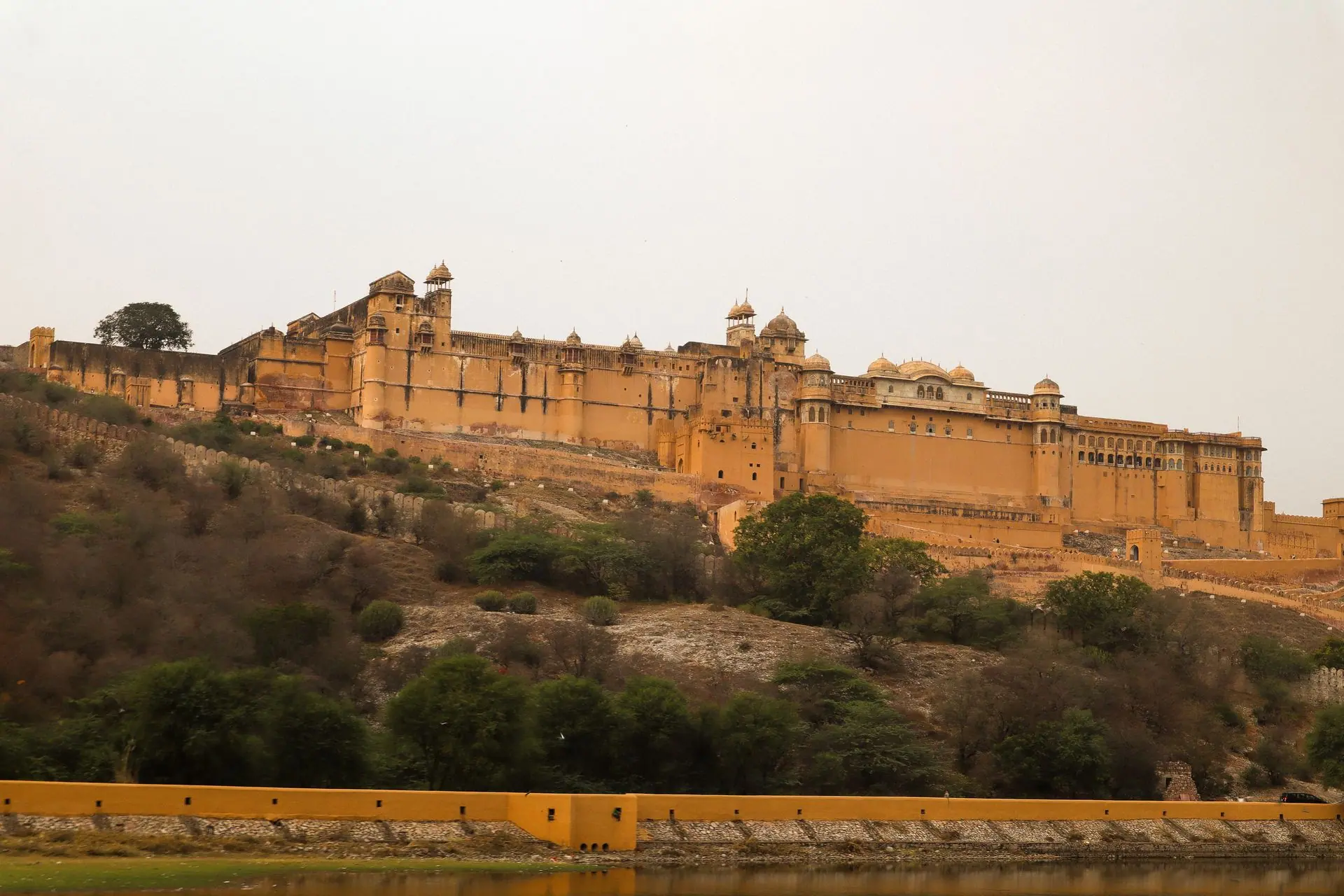
Heritage & Architecture
2 experiences

Beaches & Islands
5 experiences
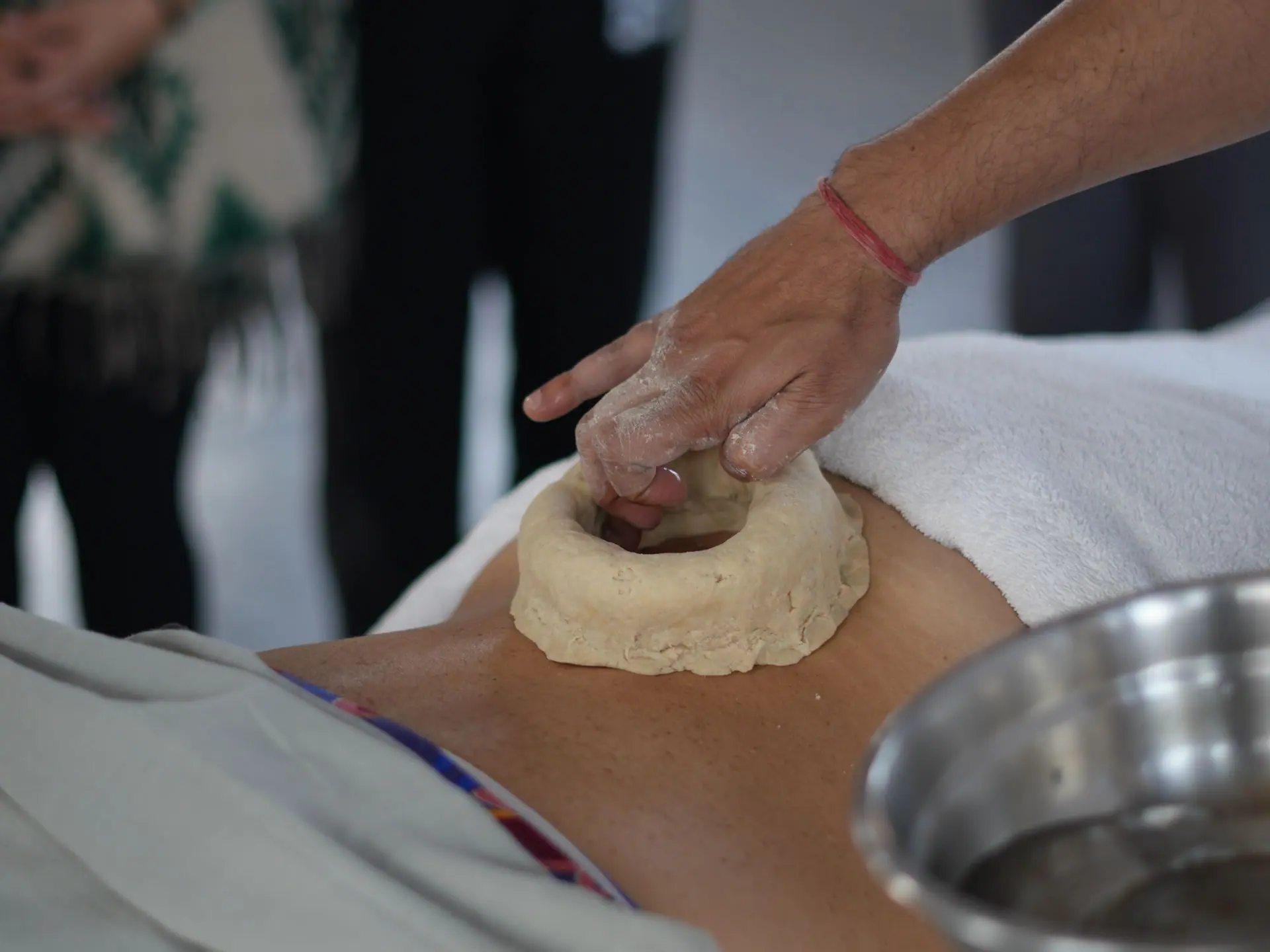
Wellness & Ayurveda
1 experience
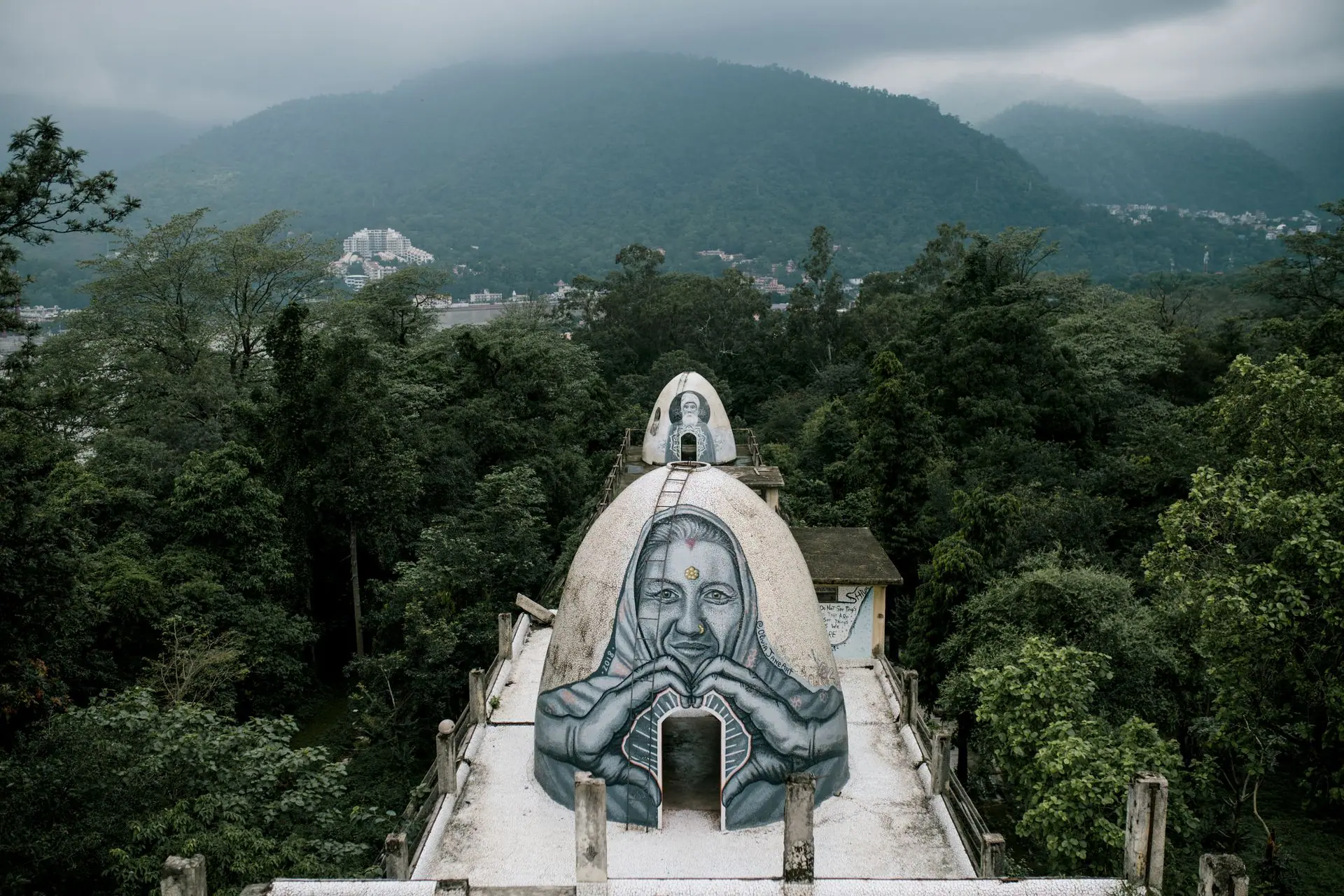
Yoga & Meditation
4 experiences
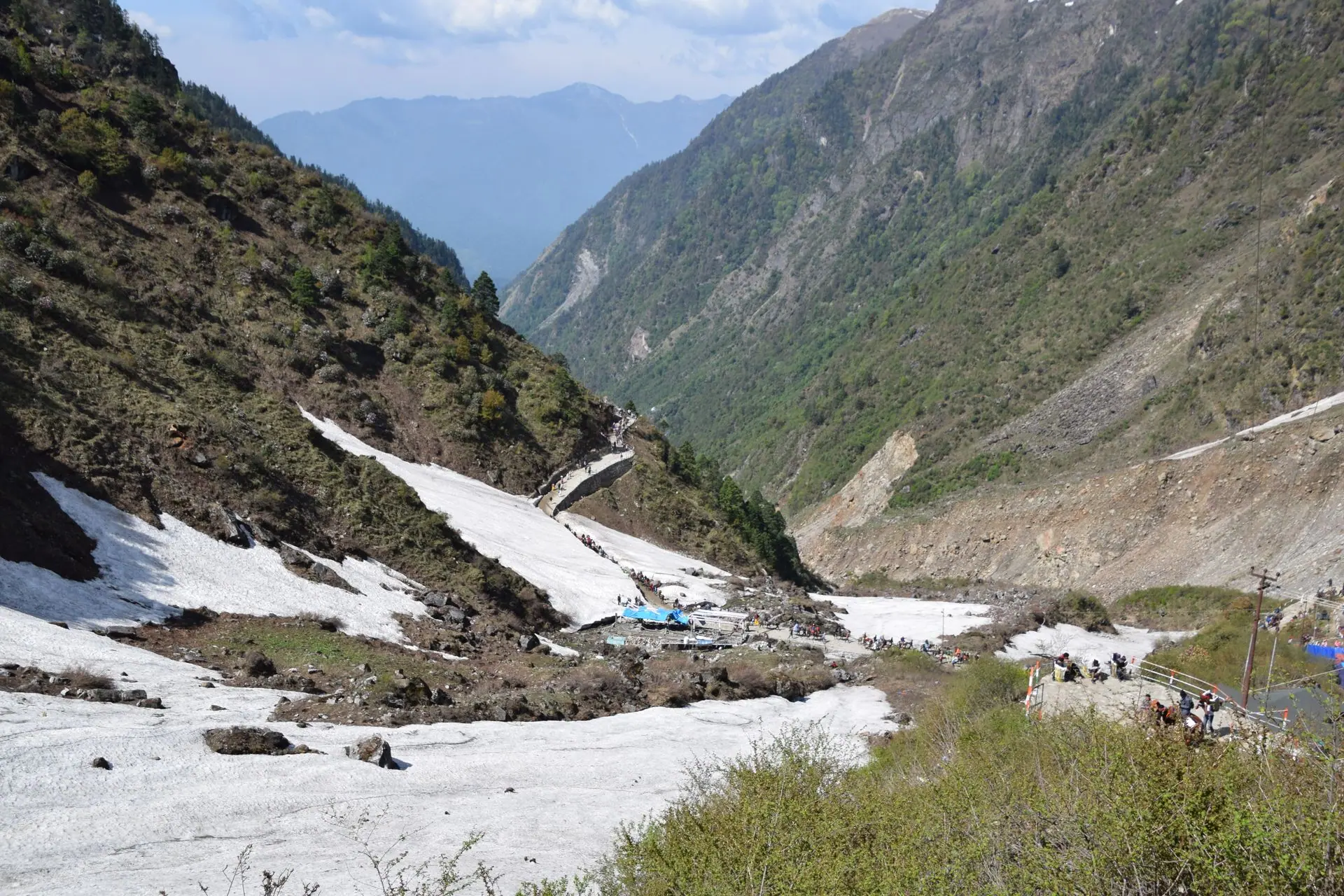
Trekking
2 experiences
Adventure
6 experiences
Culinary
5 experiences
Festivals
8 experiences
Performing Arts
5 experiences

Luxury Trains
4 experiences
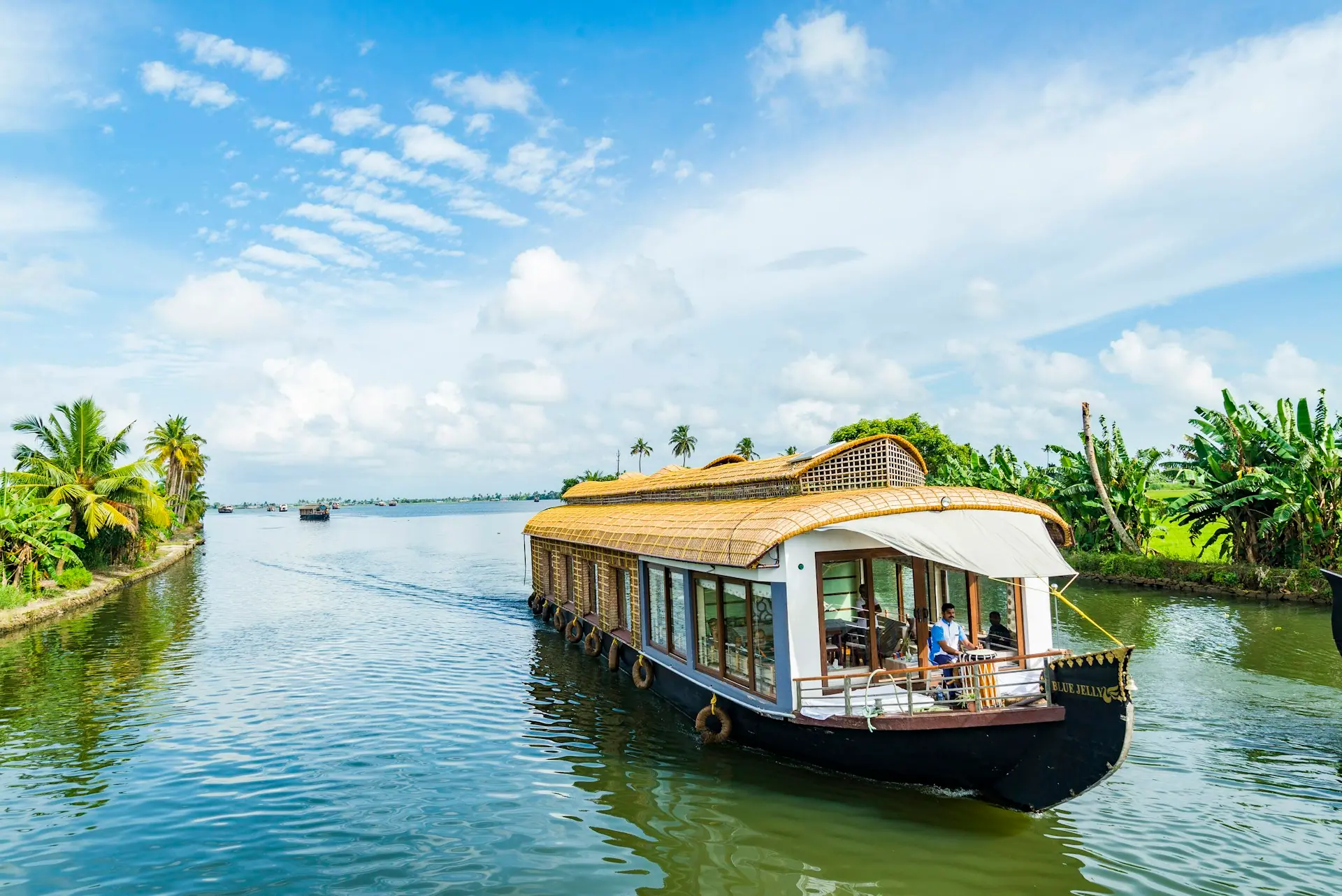
Houseboats
3 experiences
Toy Trains & Railways
1 experience
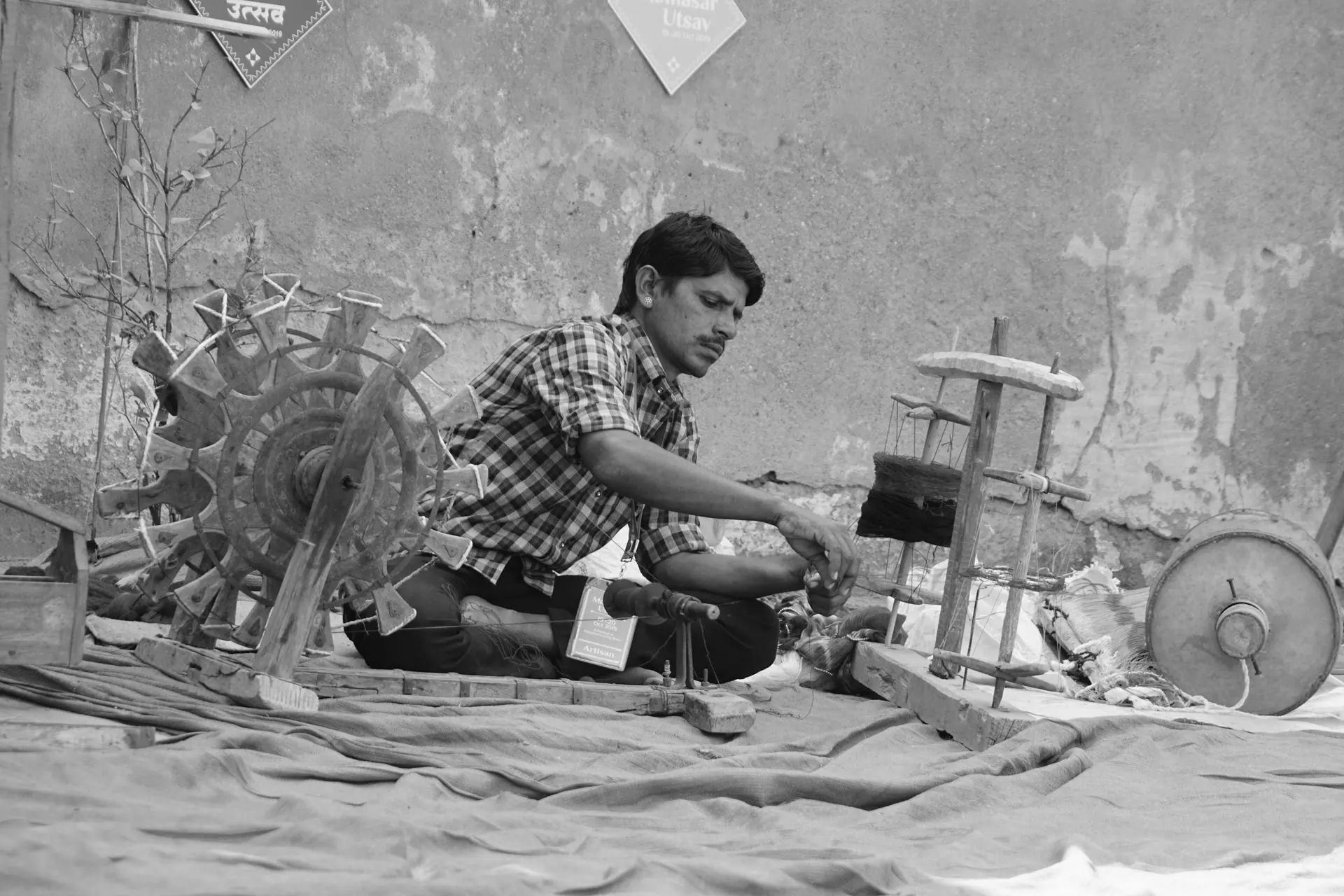
Village & Tribal Tourism
2 experiences
Glamping & Desert
1 experience
Honeymoon & Romance
3 experiences
VIP & Luxury
2 experiences
Plan a trip
Tailor-made quote from a specialist