
Pushkar Travel Guide: The Holy Lake, Its Temples and the Camel Fair
Pushkar is a Hindu pilgrimage town built around a holy lake, about 15 km from Ajmer and 145 km from Jaipur. The main places to visit in Pushkar are the lake and its 52 bathing ghats, the Brahma Temple, the hilltop Savitri Temple and Sadar Bazar, with evening prayers at Varah Ghat; the camel and livestock fair comes in October or November. One or two nights is enough.
By Gurudutt Kaushal · Reviewed by Gurudutt Kaushal
See all 1 tour or experience in Pushkar →
Government-approved operatorApproved by the Ministry of Tourism, Government of India
Places to visit in Pushkar
Things to do in Pushkar
Best time to visit Pushkar
The comfortable months are October to March. For Ajmer, 15 km away, IMD's 1991–2020 averages give December and January days of about 24–26°C and nights of 10–11°C, with November and February a little warmer. May averages 40°C by day, and Rajasthan Tourism advises against March to May for Ajmer because of the heat. The rains come in July and August, at about 180 mm a month. The Pushkar Fair is held in the Hindu month of Kartik, in October or November, with its main bathing day on Kartik Purnima; the dates move every year, so check them before you plan, and see our Pushkar Camel Fair page for what happens when.
How to reach Pushkar
By road: Jaipur is about 145 km away and Jodhpur 186 km. Regular buses link Pushkar with Jaipur, Jodhpur and Ajmer from Ajmer's bus stand, and government buses run between Ajmer and Jaipur throughout the day.
By train: Ajmer Junction, on the Delhi–Jaipur–Ahmedabad–Mumbai line, is where most trains stop, among them the Ajmer Shatabdi from New Delhi. Pushkar has its own terminus, open since 2012 and linked to Ajmer.
By air: Kishangarh Airport, about 30 km from Ajmer, has domestic flights; Jaipur International Airport is about 146 km from Pushkar.
On our Rajasthan Grand Tour, the drive from Jaipur takes about two and a half hours, and the road on to Jodhpur about three and a half.
How many days in Pushkar
One night shows you the lake at dusk and the temples the next morning; two nights add Ajmer, the dunes or a slow day in the bazaar. With two nights: arrive by afternoon and walk the ghats to the evening prayers at Varah Ghat. Next morning visit the Brahma Temple, then climb or ride up to the Savitri Temple, spend the afternoon in Sadar Bazar and take a camel to the dunes for sunset. On the last morning, stop at Ajmer's Dargah Sharif on your way out. Our Rajasthan Grand Tour spends two nights here between Jaipur and Jodhpur; plan onward with our guides to Jaipur, Jodhpur and the rest of the state in our Rajasthan travel guide.
Tips for visiting Pushkar
Pushkar is a temple town, and its food is vegetarian. Dress modestly, leave your shoes before the ghats and temples, and ask before photographing pilgrims at prayer. If you come for the fair, book early: rooms and tented camps fill well ahead of fair week.
Why book with Experience My India
Government-approved operator
Approved by the Ministry of Tourism, Government of India
500+ vetted local guides
35+ destination specialists plan every trip by hand.
Human help, every day
Mon–Sun, 9:00 AM – 9:00 PM IST · +91 73022 65809
No payment until you approve
You receive a written quote first; nothing is charged to start planning.
Frequently asked questions
Is Pushkar worth visiting?
Yes, for a night or two. It is a working pilgrimage town rather than a monument, and that is its appeal: 52 ghats on a holy lake, the Brahma Temple, evening prayers at the water and a hilltop temple with a view over the desert's edge. It is an easy stop between Jaipur and Jodhpur, and in October or November it hosts a camel and livestock fair that Rajasthan Tourism counts among the largest in the world.
What is there to do in Pushkar in the evening?
Go up to the Savitri Temple by the steps or the ropeway in the afternoon for the view over the lake, or take a camel out to the dunes for sunset. Then come down to the water for the evening prayers at Varah Ghat, with bells and lamps, and the aarti at the Brahma Temple. The cafés along the ghats serve vegetarian food afterwards.
Can you see Ajmer and Pushkar in one day?
Yes, the two are only about 15 km apart, with buses every hour from Ajmer station. A practical order is Ajmer's Dargah Sharif in the morning, with Ana Sagar lake or the Adhai Din Ka Jhonpra if time allows, then Pushkar in the afternoon for the Brahma Temple, the bazaar and the evening prayers at the lake. A night in Pushkar makes it far less rushed.
Does Pushkar have a railway station?
Yes, Pushkar Terminus, which opened in 2012 and is linked to Ajmer. For most journeys, though, you arrive at Ajmer Junction, about 15 km away on the main Delhi–Jaipur–Ahmedabad line, where most trains on that route stop, including the Ajmer Shatabdi from New Delhi. From Ajmer, buses run to Pushkar every hour, or take a taxi.
What is there to see in Pushkar apart from temples?
The lake itself, with its 52 ghats; Sadar Bazar for silver jewellery, embroidered clothes and leather; the cafés along the ghats; and the ropeway up Savitri hill for the view. Beyond the town, camel safaris cross the dunes to watch the sunset, tented camps gather near the fairground, and at fair time hot-air balloons go up over the camels and traders.
Are there sand dunes and camel rides at Pushkar?
Yes. Pushkar lies at the edge of the desert, and many of its tented camps are near the fairground. Camel safaris go out through the villages and end on the dunes at sunset, and the camping season runs from October to February. For the open dunes of the Thar, go on to Jaisalmer's Sam and Khuri.
What should you buy in Pushkar?
Sadar Bazar, the town's main market of about a kilometre, is the place for silver jewellery, embroidered clothes, leather goods and decorative pieces. Pushkar is known as the rose garden of Rajasthan, so rose products are the local speciality; try a gulkand (rose-petal) lassi while you browse.
Should you choose Pushkar or Jaisalmer for the desert?
They offer different things. Pushkar is a pilgrimage town on a lake, with dunes and camps at the edge of the desert; Jaisalmer, about 460 km further west in the Thar, has a lived-in sandstone fort and the open dunes of Sam and Khuri. If you can, see both: our Rajasthan Grand Tour spends two nights in each, with a desert camp night outside Jaisalmer. Our Jaisalmer travel guide covers the far west.
Experiences in Pushkar
See all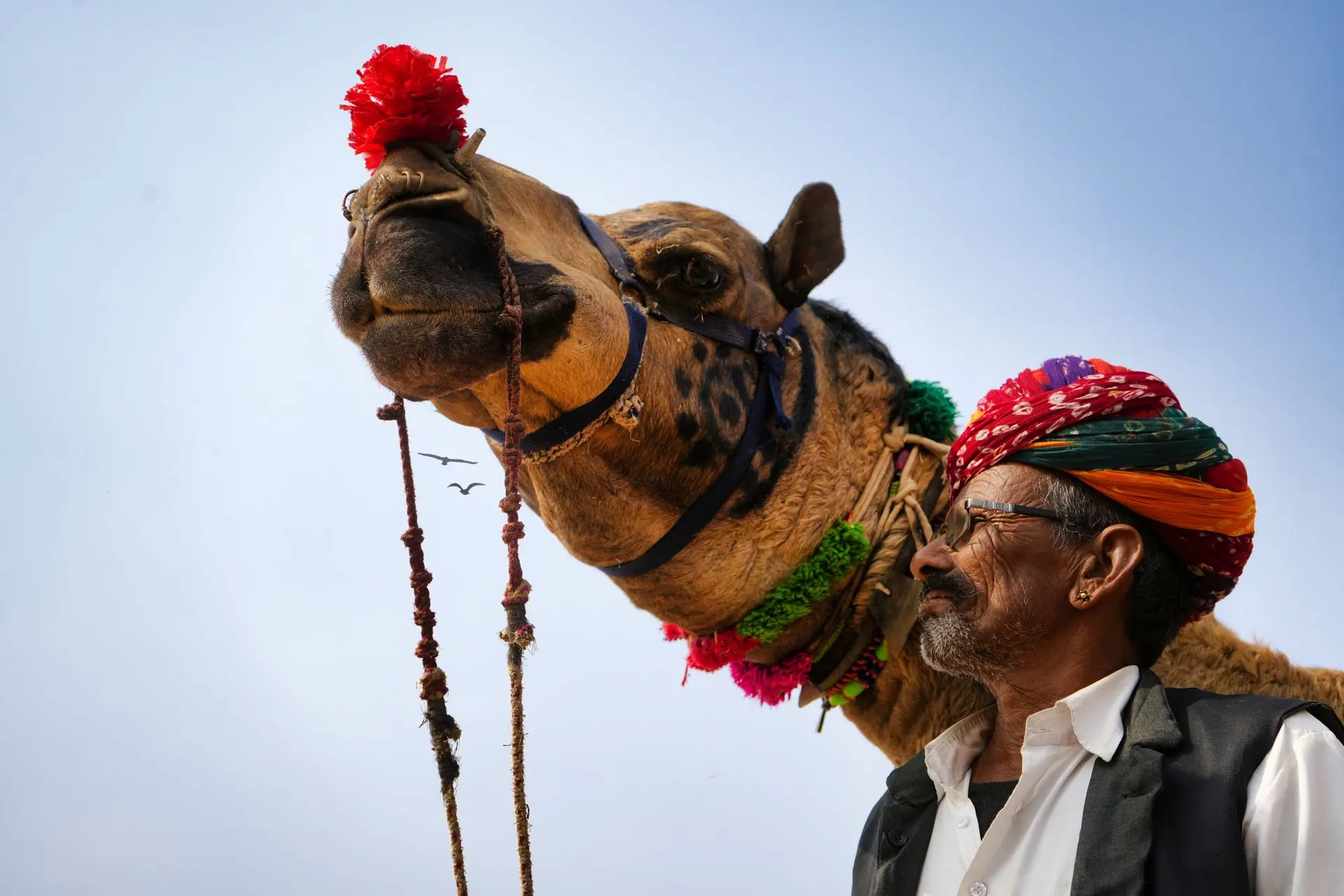
Pushkar
Pushkar Camel Fair trip
Private guide and vehicle
Price on request
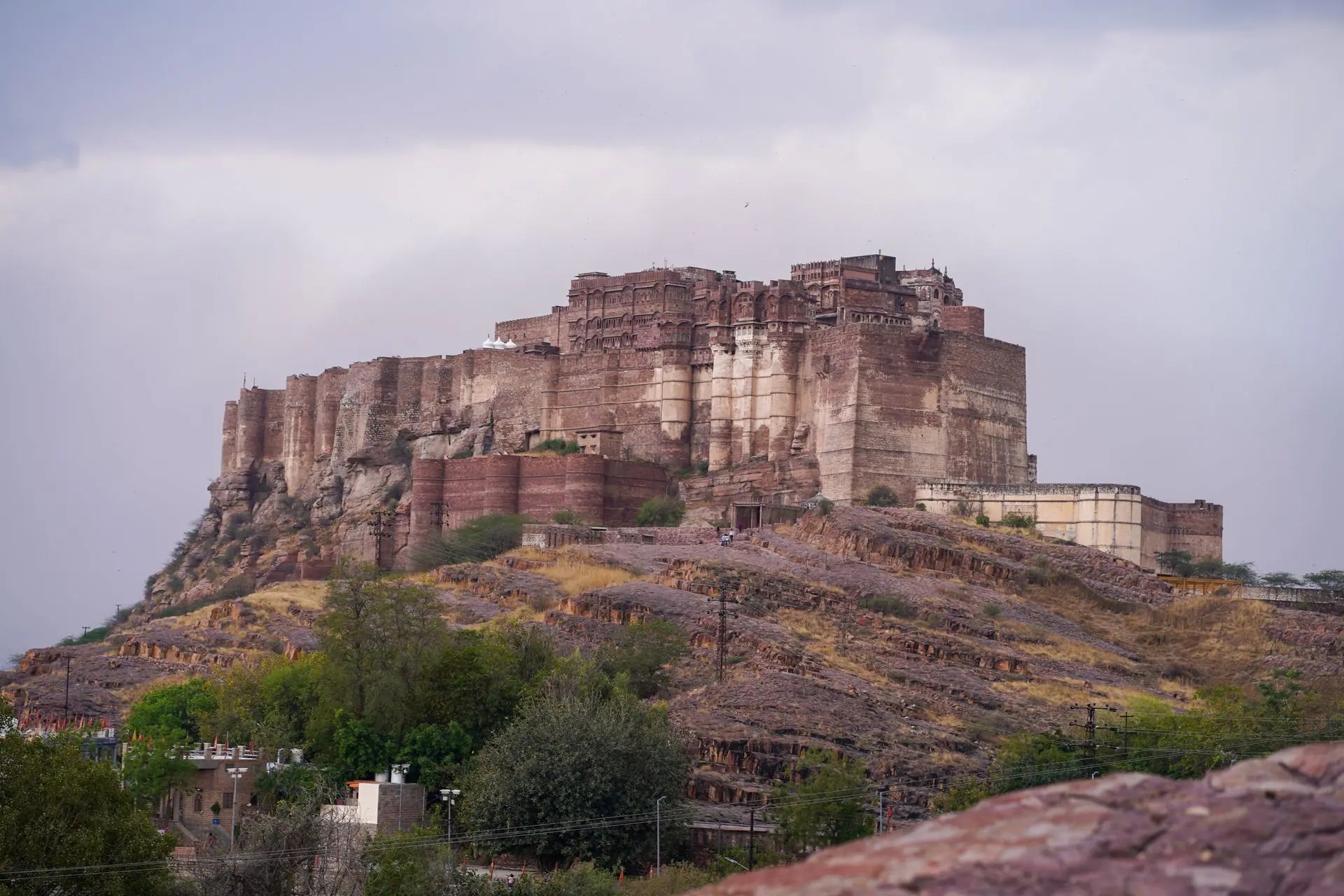
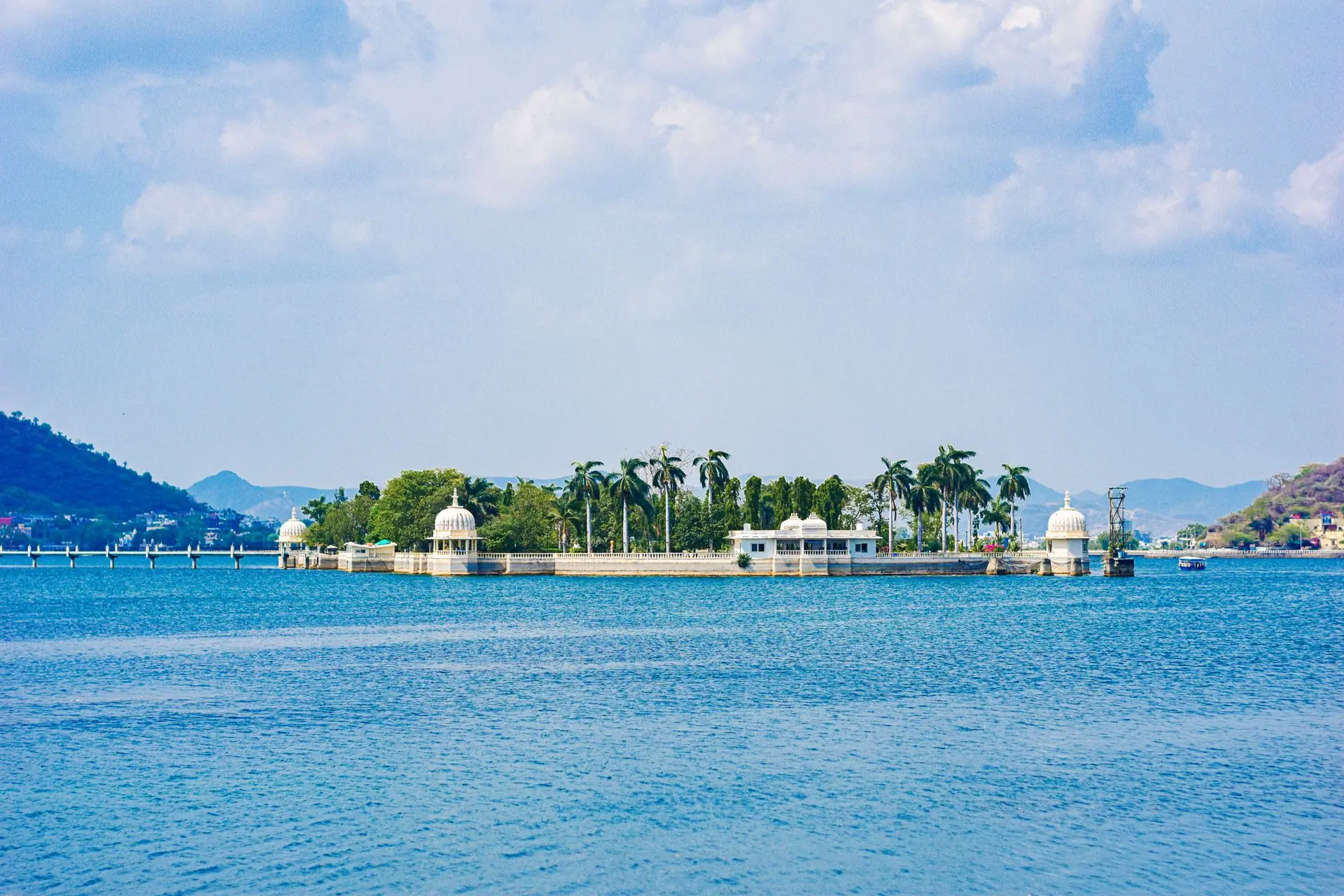
More places in Rajasthan
See all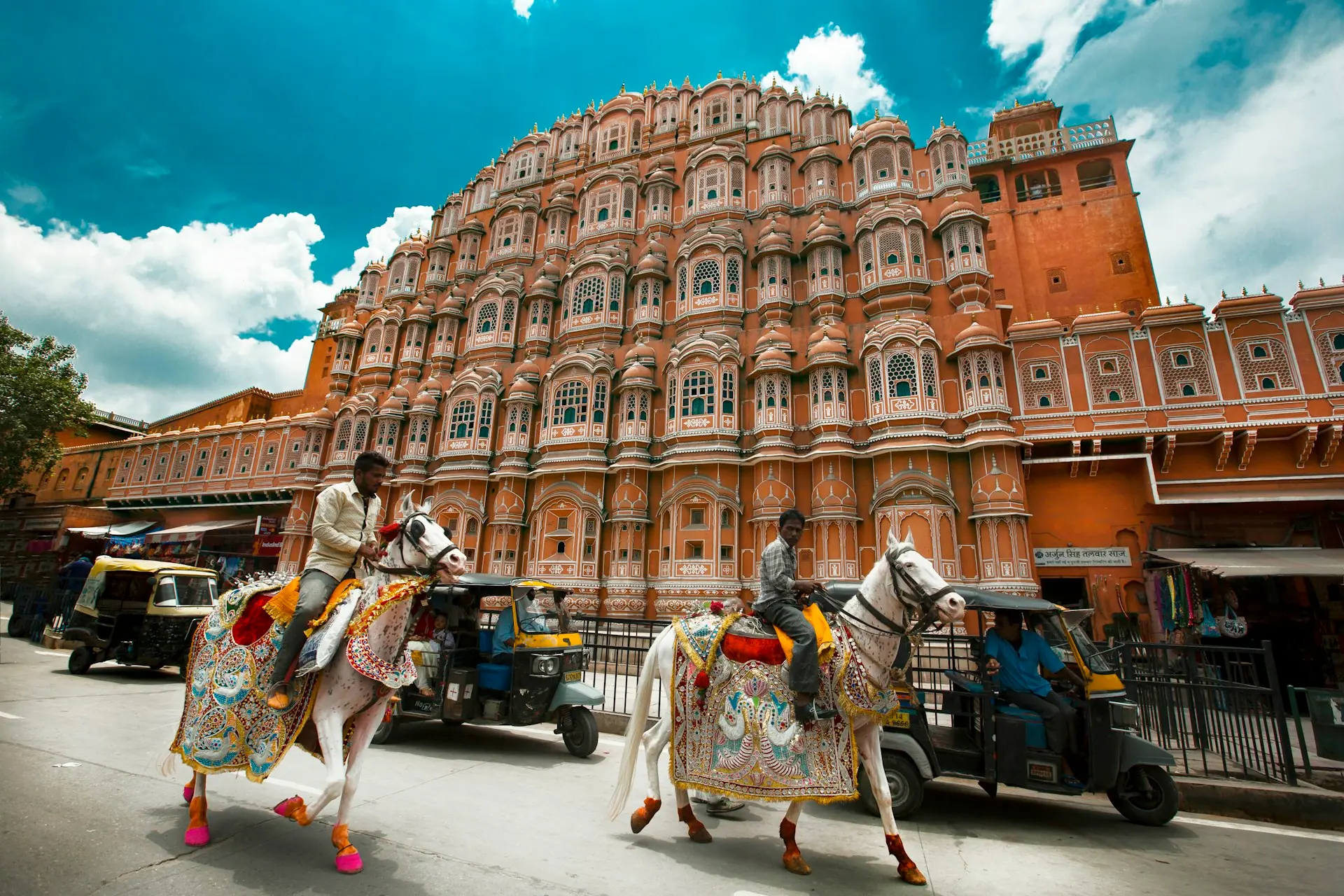
From the journal: Pushkar
Journal
Top 10 Places to Visit in Ajmer and Pushkar
Journal
Discover the Spiritual and Cultural Oasis of Pushkar
Customer reviews
Experience My India is rated 4.3 on Tripadvisor. We publish guest reviews after each trip.
Plan a trip
Tailor-made quote from a specialist