
Mumbai Travel Guide: Colonial Landmarks, the Seafront and Street Food
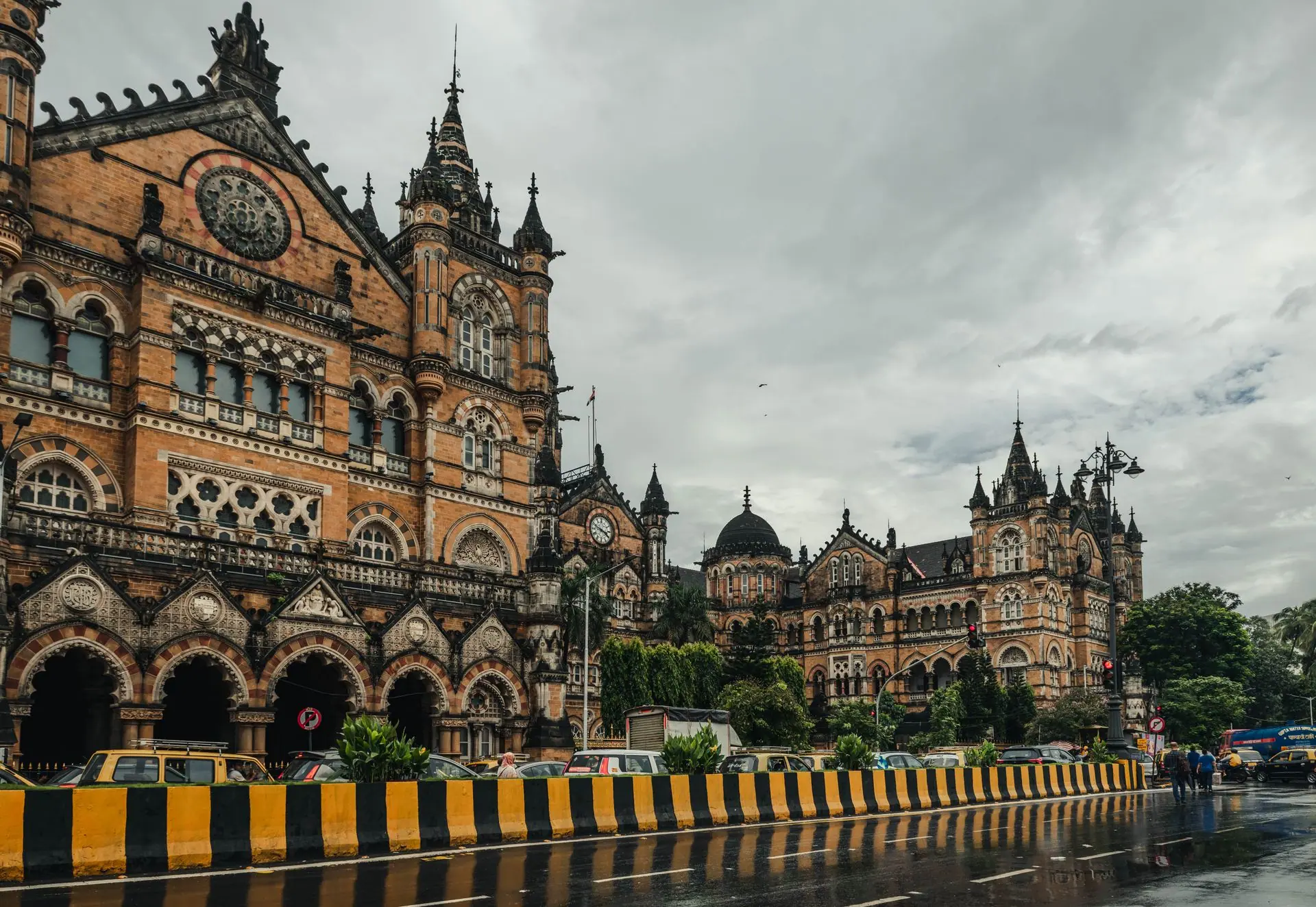
Mumbai, Maharashtra's capital, grew from seven islands into India's financial capital and the home of its Hindi film industry. The top places to visit in Mumbai, India are the Gateway of India, the Elephanta Caves by ferry, Chhatrapati Shivaji Maharaj Terminus, the Gothic and Art Deco buildings of the Fort and Marine Drive, Haji Ali and the beaches. Plan three days, ideally between late October and February.
By Experience My India Editorial Team · Reviewed by Experience My India Editorial Team
See all 1 tour or experience in Mumbai →
Government-approved operatorApproved by the Ministry of Tourism, Government of India
Places to visit in Mumbai
Things to do in Mumbai
Best time to visit Mumbai
How to reach Mumbai
By air, Chhatrapati Shivaji Maharaj International Airport (BOM) is the city's main airport, and Navi Mumbai International Airport, the region's second airport, began commercial flights in December 2025, so check which one your ticket names.
By train, long-distance services use Mumbai CSMT, Lokmanya Tilak Terminus and Dadar on Central Railway, and Mumbai Central and Bandra Terminus on Western Railway. By road, Delhi is 1,407 km away; expressways and national highways link Mumbai with the rest of Maharashtra and the neighbouring states.
How many days in Mumbai
Maharashtra Tourism suggests three to five days. Three days cover the essentials:
- Day 1, South Mumbai on foot: the Gateway of India, the museum, Kala Ghoda and the Fort's Gothic buildings, CSMT, then Marine Drive at sunset. This day suits a Monday.
- Day 2, Elephanta and the temples: the morning ferry to the caves, then Haji Ali, Mahalaxmi and Siddhivinayak, and a street food evening.
- Day 3, the suburbs: Sanjay Gandhi National Park and the Kanheri Caves, the Sea Link and Bandra, and Juhu Beach for the sunset.
Changing planes in Mumbai? Our India layover itineraries show what fits into a few hours.
Getting around and where to stay
The suburban railway, run by Western Railway and Central Railway, carries you north and south through the city; avoid the morning and evening rush. The fully underground Aqua Line, Metro Line 3, runs 33.5 km from Cuffe Parade to Aarey JVLR with 27 stations, linking South Mumbai's Fort, Kala Ghoda and Marine Drive with the north. The Mumbai One app sells tickets across the metro, the suburban railway and BEST buses. Taxis and auto-rickshaws cover the rest.
For a first visit, South Mumbai, around the Fort and the Gateway of India, keeps the heritage sights and the Elephanta ferry within walking distance. The western suburbs, around Bandra and Juhu, suit a stay near the beach.
Tips for visiting Mumbai
- Plan around Mondays. The Elephanta Caves are closed on Mondays, but the museum is open and the Fort's buildings can be seen from the street.
- Check the tide for Haji Ali. The shrine closes to visitors during some very high tides.
- Expect festival crowds. During Ganeshotsav, queues at the most famous pandals can run for hours, which is why our Ganesh Chaturthi experience plans visits around the quieter times.
Why book with Experience My India
Government-approved operator
Approved by the Ministry of Tourism, Government of India
500+ vetted local guides
35+ destination specialists plan every trip by hand.
Human help, every day
Mon–Sun, 9:00 AM – 9:00 PM IST · +91 73022 65809
No payment until you approve
You receive a written quote first; nothing is charged to start planning.
Frequently asked questions
Is Mumbai worth visiting?
Yes, for a side of India the Golden Triangle does not show: three World Heritage Sites, the Elephanta Caves, CSMT and the Gothic and Art Deco buildings of the Fort and Marine Drive, a city on the sea, its street food and festivals such as Ganeshotsav. Three days is enough for a first look, and Mumbai is a natural start for the rest of Maharashtra or the coast south to Goa.
What is Mumbai famous for?
Mumbai is Maharashtra's capital and India's financial centre, with its stock exchanges and major financial institutions, and the home of the Hindi film industry. Visitors know it for the Gateway of India, the Gothic turrets of CSMT, the curve of Marine Drive, street food such as vada pav and pav bhaji, and the ten days of Ganeshotsav.
What can you see in Mumbai in one day?
Stay in South Mumbai. Start at the Gateway of India, walk to the Chhatrapati Shivaji Maharaj Vastu Sangrahalaya and through Kala Ghoda to the Gothic buildings around the Oval Maidan, see CSMT, and finish on Marine Drive at sunset, with snacks at Girgaon Chowpatty. The Elephanta Caves need about half a day on their own, with an hour's ferry each way, so keep them for a second day.
Where should tourists stay in Mumbai?
South Mumbai, around the Fort and the Gateway of India, puts the heritage sights, the museum and the Elephanta ferry within walking distance. Bandra and Juhu, in the western suburbs, are better if you want to be near the beaches. Wherever you stay, the Aqua Line and the suburban railway link the two halves of the city.
What can you do in Mumbai at night?
Walk Marine Drive after dark, when its lights earn the name Queen's Necklace, and end at Girgaon Chowpatty for snacks. The Gateway of India is open throughout the day and evening, and Juhu Beach is the suburbs' spot for sunsets and street food. During Ganeshotsav, the immersion procession runs late into the night in places, and our festival experience plans the evening around it.
Is there a tourist ticket for Mumbai's local trains?
Yes. Western Railway lists tourist tickets that give unlimited travel on the suburban network of both Western Railway and Central Railway, valid for one, three or five days, in first or second class, with a version for the air-conditioned trains. They are sold at every suburban station. Travel outside the morning and evening rush hours, when the trains are at their most crowded.
Is Mumbai worth visiting in the monsoon?
It can be, if you accept heavy rain. The monsoon normally runs from about 11 June to 8 October, and July averages 23 rainy days, so outdoor sightseeing is often interrupted and the Elephanta ferry can be rough. Museums, temples and food still work, the greenery is at its best, and Ganeshotsav, in August or September, falls within the season. Pack for rain and leave slack in your plans.
What food is Mumbai known for?
Street snacks first: vada pav, a spiced potato patty in a bread roll, which Maharashtra Tourism calls the quintessential Mumbai street food; pav bhaji, a spiced vegetable mash with buttered bread; and bhel puri, sev puri and pani puri, best eaten at the beaches. Falooda is the cooling dessert drink, and the Koli fishing community's seafood, such as bombil fry, is the city's own.
Experiences in Mumbai
See all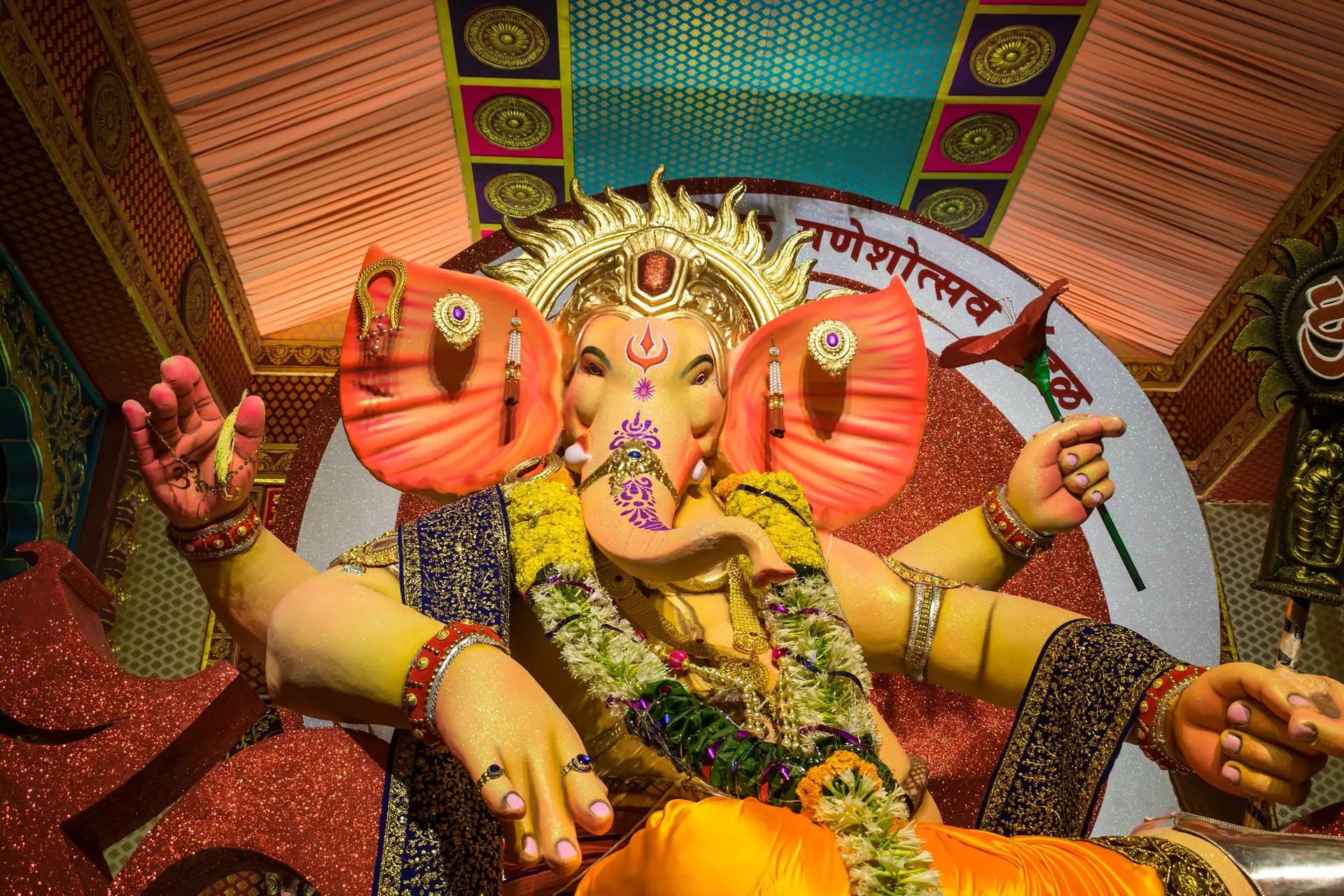
Mumbai
Ganesh Chaturthi in Mumbai
Private guide and vehicle
Price on request
More places in Maharashtra
See all
From the journal: Mumbai
Journal
Book Rajasthan Tour Packages from Mumbai – Desert, Forts & Palaces Await
Journal
Best Tour Packages for Rajasthan from Mumbai
Journal
Top 10 Places to Visit Near Mumbai in Monsoon
Journal
Top 7 Agro Tourism Near Mumbai
Journal
Rajasthan Travel Packages from Mumbai – Your Royal Escape Awaits
Journal
Kerala tour packages from Mumbai
Journal
Affordable Rajasthan Tour Packages from Mumbai for Every Budget
Journal
How to Choose South India Tour Packages from Mumbai
Journal
The Ultimate Gateway to India: Exploring the Magic of Mumbai
Journal
How to Find the Best Deals on Tour Packages in India from Mumbai?
Customer reviews
Experience My India is rated 4.3 on Tripadvisor. We publish guest reviews after each trip.
Plan a trip
Tailor-made quote from a specialist