
Delhi Travel Guide: Monuments, Markets and Planning Your Days
Delhi, India's capital, has three UNESCO World Heritage Sites: Humayun's Tomb, the Qutb Minar complex and the Red Fort. The main places to visit in Delhi need two or three days: Mughal tombs and gardens, India Gate and Kartavya Path, the walled city of Old Delhi, and temples such as Akshardham and the Lotus Temple. October to March is the most comfortable season.
By Experience My India Editorial Team · Reviewed by Experience My India Editorial Team
See all 6 tours and experiences in Delhi →
Government-approved operatorApproved by the Ministry of Tourism, Government of India
Places to visit in Delhi
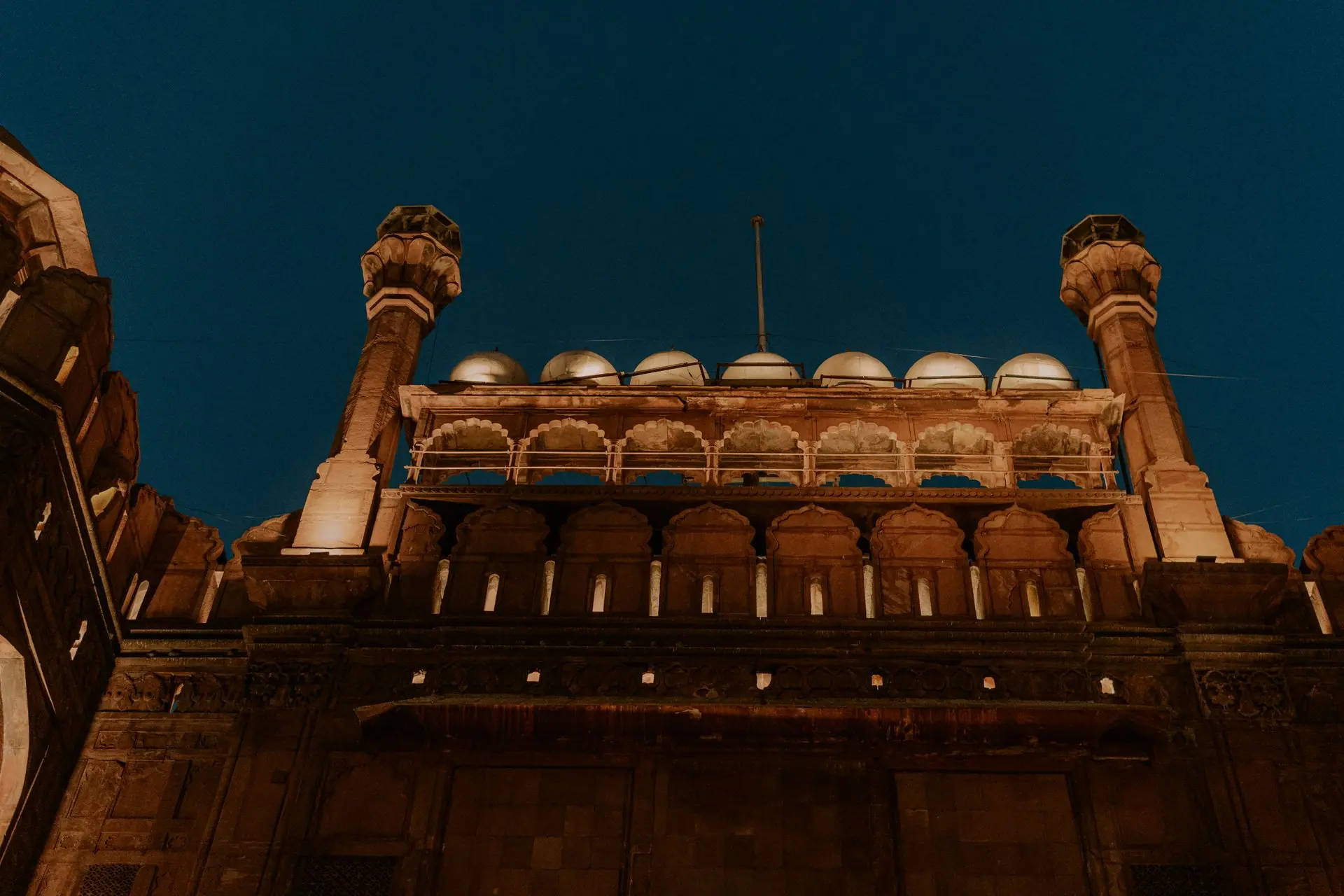
Places to visit in Delhi
Things to do in Delhi
Best time to visit Delhi
How to reach Delhi
By air, Indira Gandhi International Airport (DEL) is the city's airport. The Delhi Metro's Magenta Line serves Terminal 1, and the Airport Express (Orange) Line serves Terminals 2 and 3, reaching New Delhi railway station in about 25 minutes.
By train, the main long-distance stations are New Delhi, Hazrat Nizamuddin, Anand Vihar Terminal and Old Delhi (Delhi Junction), in different parts of the city, so check which one your ticket names. By road, Delhi is 203 km from Agra, 258 km from Jaipur and 447 km from Amritsar.
Our dated Golden Triangle itineraries begin with a pick-up when you land in Delhi, among them the six-day Golden Triangle Tour; the others are on our Delhi tour packages page.
How many days in Delhi
Getting around and where to stay
The metro avoids the traffic and reaches most of the main sights; the questions below list the stations. The tombs and gardens from Humayun's Tomb to the Qutb Minar are far apart, so a car with a driver or an app cab saves time between them.
For a first visit, Connaught Place and the streets around it put you in central Delhi, with Rajiv Chowk metro station, Janpath and Gurudwara Bangla Sahib close by. Aerocity, the hotel district beside the airport's Terminal 3, suits a late arrival or an early flight.
Tips for visiting Delhi
- Check closing days. The Red Fort, Swaminarayan Akshardham, the National Museum and the Lotus Temple close on Mondays, and the Taj Mahal, if Agra is a day trip, on Fridays.
- Buy monument tickets online. The ASI sells entry tickets for its monuments online, which lets you skip the ticket queue at the gate.
- Dress for places of worship. Akshardham's dress code covers shoulders, upper arms and knees, and a scarf is useful at gurudwaras such as Bangla Sahib, where visitors cover their heads.
- Count the distances. The airport is about 14 km from the Qutb Minar, 18 km from Humayun's Tomb and 20 km from the Red Fort, so a short layover reaches only the nearest sights.
Why book with Experience My India
Government-approved operator
Approved by the Ministry of Tourism, Government of India
500+ vetted local guides
35+ destination specialists plan every trip by hand.
Human help, every day
Mon–Sun, 9:00 AM – 9:00 PM IST · +91 73022 65809
No payment until you approve
You receive a written quote first; nothing is charged to start planning.
Frequently asked questions
What makes Delhi a tourist attraction?
Delhi is India's capital, and it draws visitors above all for its monuments: three World Heritage Sites, Humayun's Tomb, the Qutb Minar complex and the Red Fort, among many more tombs, mosques and forts from the Delhi Sultanate and Mughal eras. It is also known for the bazaars and street food of Old Delhi, the government quarter the British built around India Gate and Rashtrapati Bhavan, and modern temples such as Akshardham and the Lotus Temple.
How many tourist places are there in Delhi?
There is no official count of tourist places, but two figures show the scale. Delhi has three UNESCO World Heritage Sites, and the Archaeological Survey of India protects more than 170 monuments in the city, from the 12th-century Qutb Minar to the gates of Shah Jahan's walled city. The official tourism lists add temples, gurudwaras, gardens, museums and markets, so choose by area rather than trying to see everything.
Which places in Delhi can you visit at night?
India Gate is floodlit after dark, though some areas around it close at night. Swaminarayan Akshardham holds its water show after sunset, and the Red Fort stages the Jai Hind sound and light show every evening; both are closed on Mondays. Gurudwara Bangla Sahib is open round the clock, and Connaught Place has plenty of restaurants for dinner.
Can you get around Delhi's sights by metro?
Yes, for most of them. Delhi Tourism lists Chandni Chowk station for Old Delhi; Rajiv Chowk for Connaught Place, Jantar Mantar and Bangla Sahib; Central Secretariat for India Gate, Rashtrapati Bhavan and the National Museum; Qutab Minar for the Qutb complex; and Nehru Place for the Lotus Temple. Akshardham has its own station, about 350 metres from the entrance. Some stations are a fair walk from the sight, so take an auto-rickshaw for the last stretch.
What are good indoor sights in Delhi for a hot or smoggy day?
Museums are the answer. The National Museum holds more than 200,000 objects, from the Indus Valley Civilisation to the Mughals, and closes on Mondays. The National Gallery of Modern Art at Jaipur House, within sight of India Gate, traces Indian art over more than 150 years. Akshardham's three exhibitions, a hall of values, a large-format film and a cultural boat ride, are held indoors too.
Where should you shop in Delhi?
For crafts from all over India, Dilli Haat INA and the emporiums on Baba Kharak Singh Marg are the easiest places. The city's main shopping areas are Connaught Place, Karol Bagh, Sarojini Nagar and Chandni Chowk, with Janpath for cheaper finds. Sarojini Nagar, known for export-surplus clothes, is closed on Mondays.
How do you buy tickets for Delhi's monuments?
For monuments run by the Archaeological Survey of India, such as Humayun's Tomb, the Qutb Minar and the Red Fort, buy tickets online before you go: the ASI sells them through the government's ONDC network on several apps, which saves queuing at the gate. Rashtrapati Bhavan's tours and the Amrit Udyan are booked on its official visitor website, and Akshardham sells exhibition tickets at its own ticket window.
What is there to see near India Gate?
Beside India Gate are the National War Memorial, with its eternal flame, and the statue of Netaji Subhas Chandra Bose unveiled in 2022. Kartavya Path leads from there to Rashtrapati Bhavan, and the National Gallery of Modern Art stands within sight of the arch. The National Museum is about 2 km away, and Teen Murti, Jawaharlal Nehru's former residence, about 4 km.
Tour packages in Delhi
See all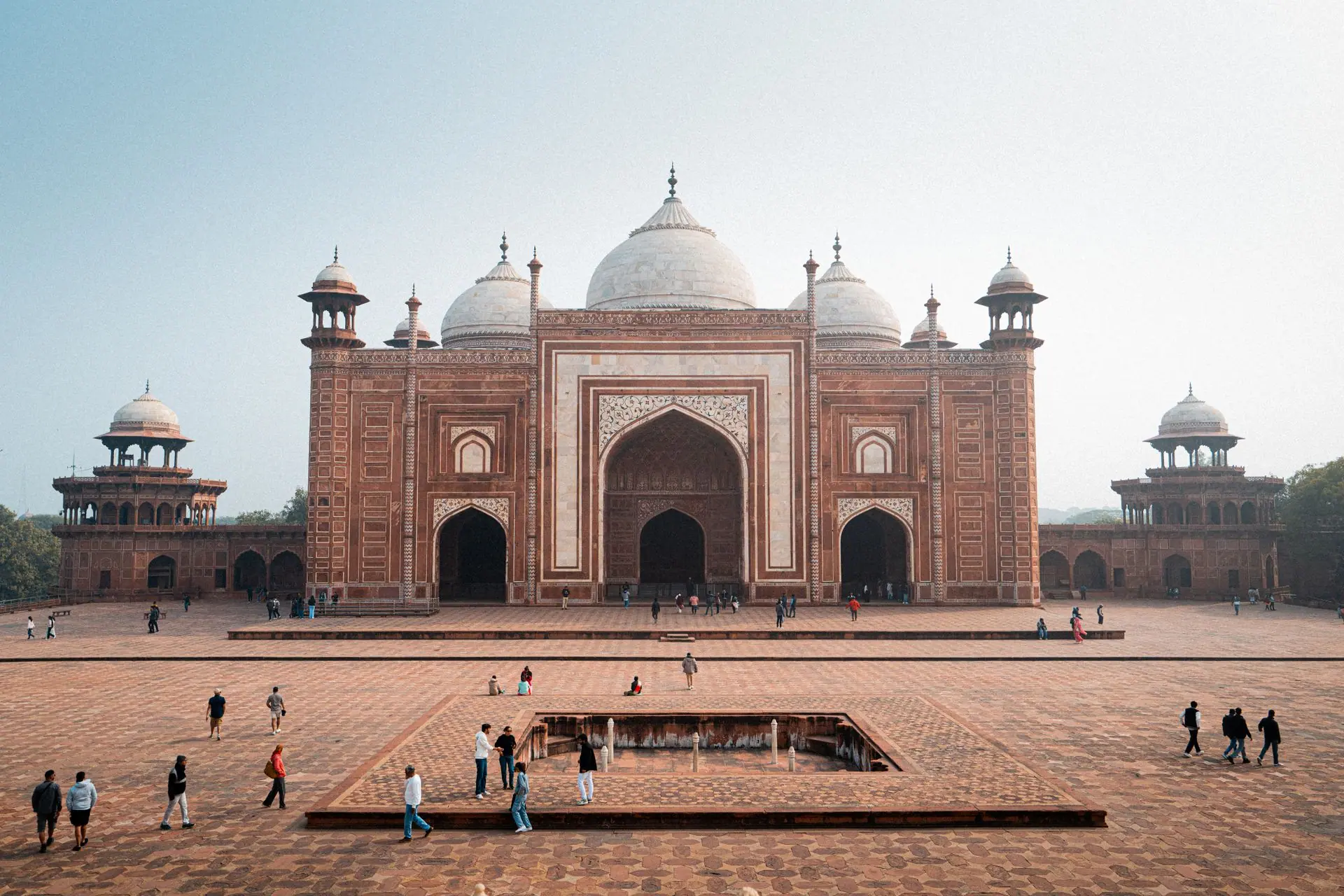
Delhi-Agra-Jaipur Golden Triangle
Golden Triangle tour: Delhi, Agra and Jaipur
Private guide and vehicle
Price on request
Golden Triangle
Golden Triangle with kids
Private guide and vehicle throughout
Price on request
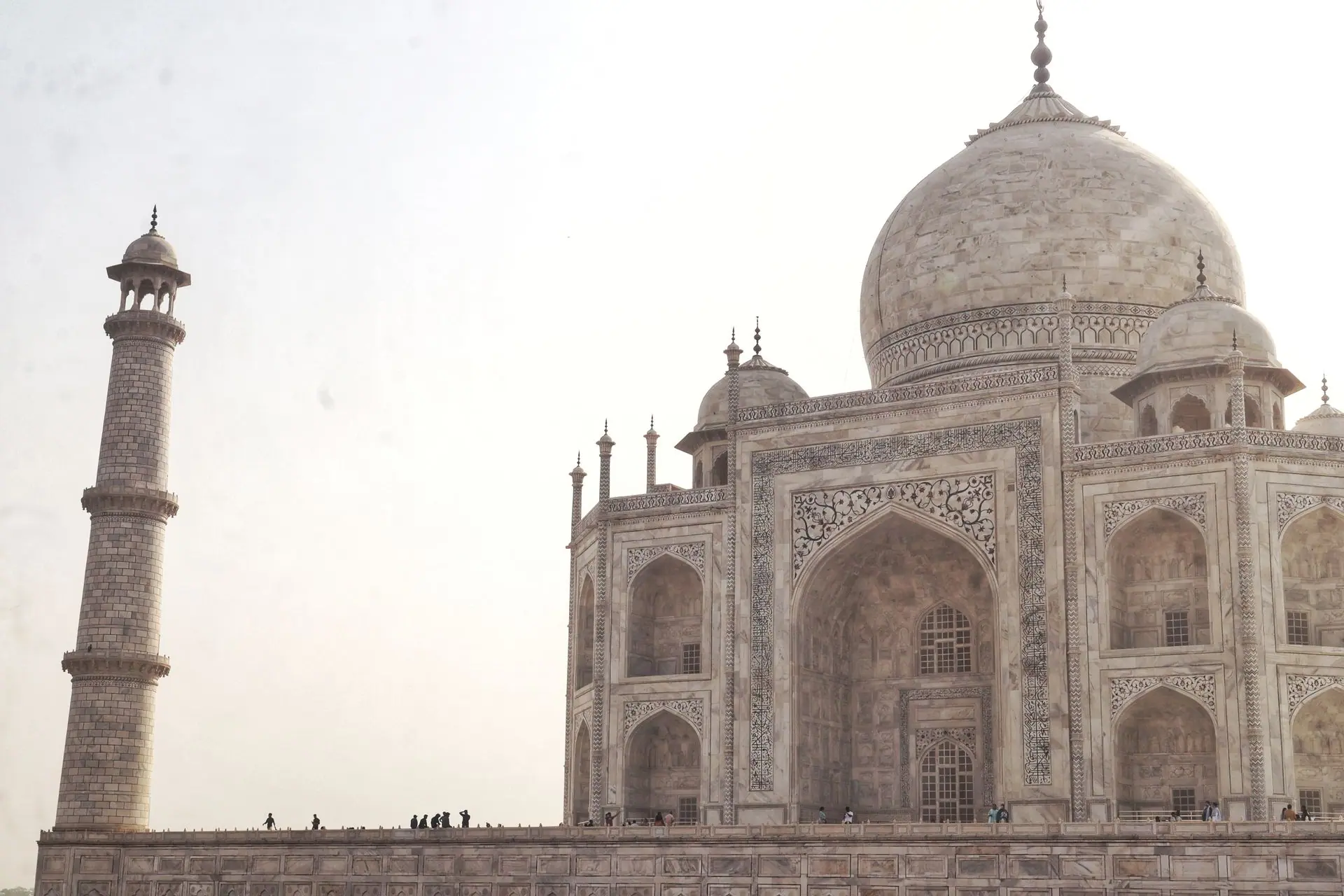
Golden Triangle Tour — 6 days
Golden Triangle Tour — 6 days, Delhi, Agra and Jaipur
6 days / 5 nights • Private guide and vehicle
Price on request
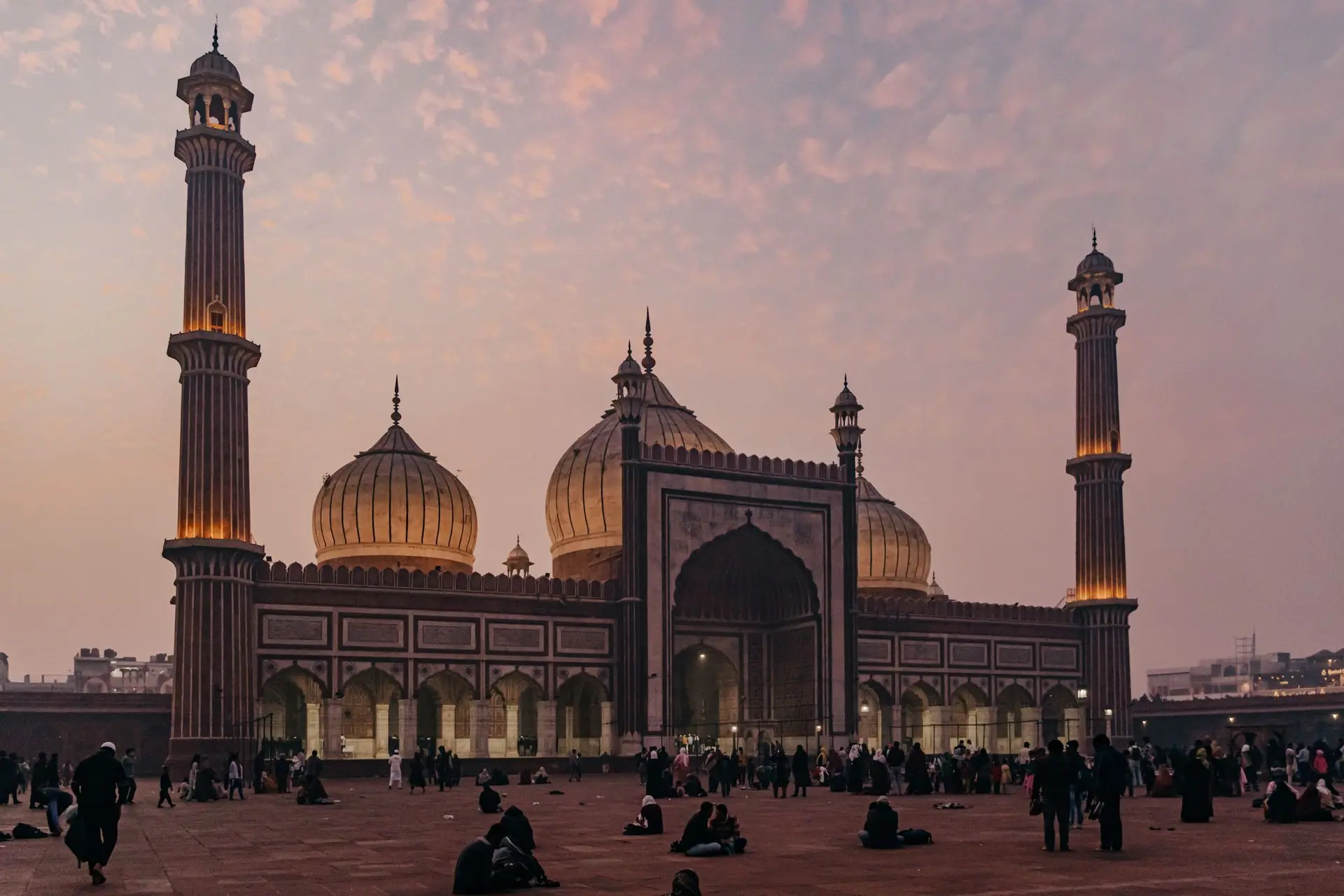
10 Days Delhi Agra Jaipur with Golden Temple Tour
10 Days Delhi Agra Jaipur with Golden Temple Tour
10 days / 9 nights • Private guide and vehicle
Price on request
Experiences in Delhi
See all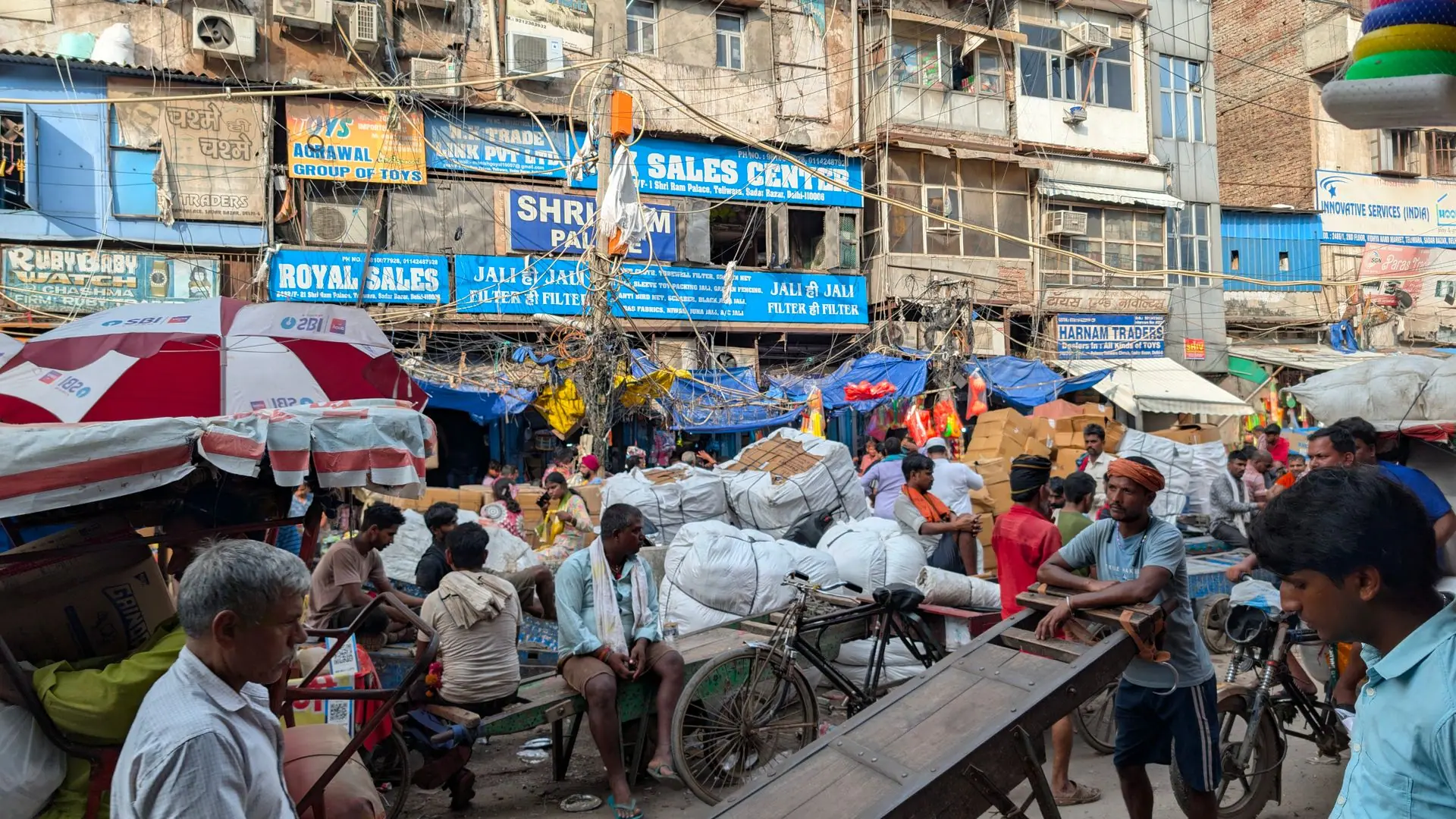
Old Delhi
Old Delhi heritage walk
Private guide and vehicle
Price on request

Old Delhi
Old Delhi street food walk
Private guide, no set group
Price on request
Related guides
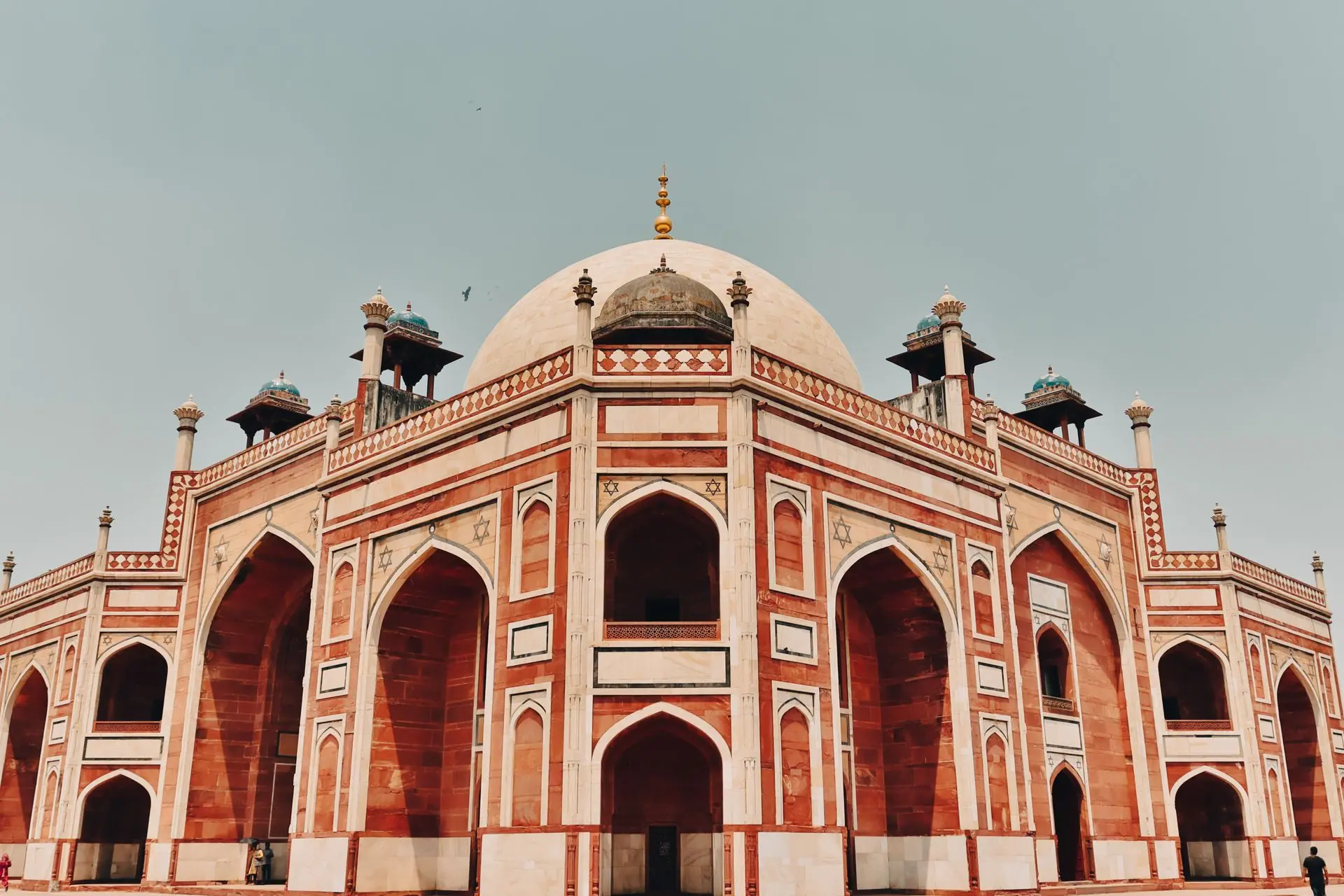
Destinations
Best Time to Visit Delhi: Month by Month
From the journal: Delhi
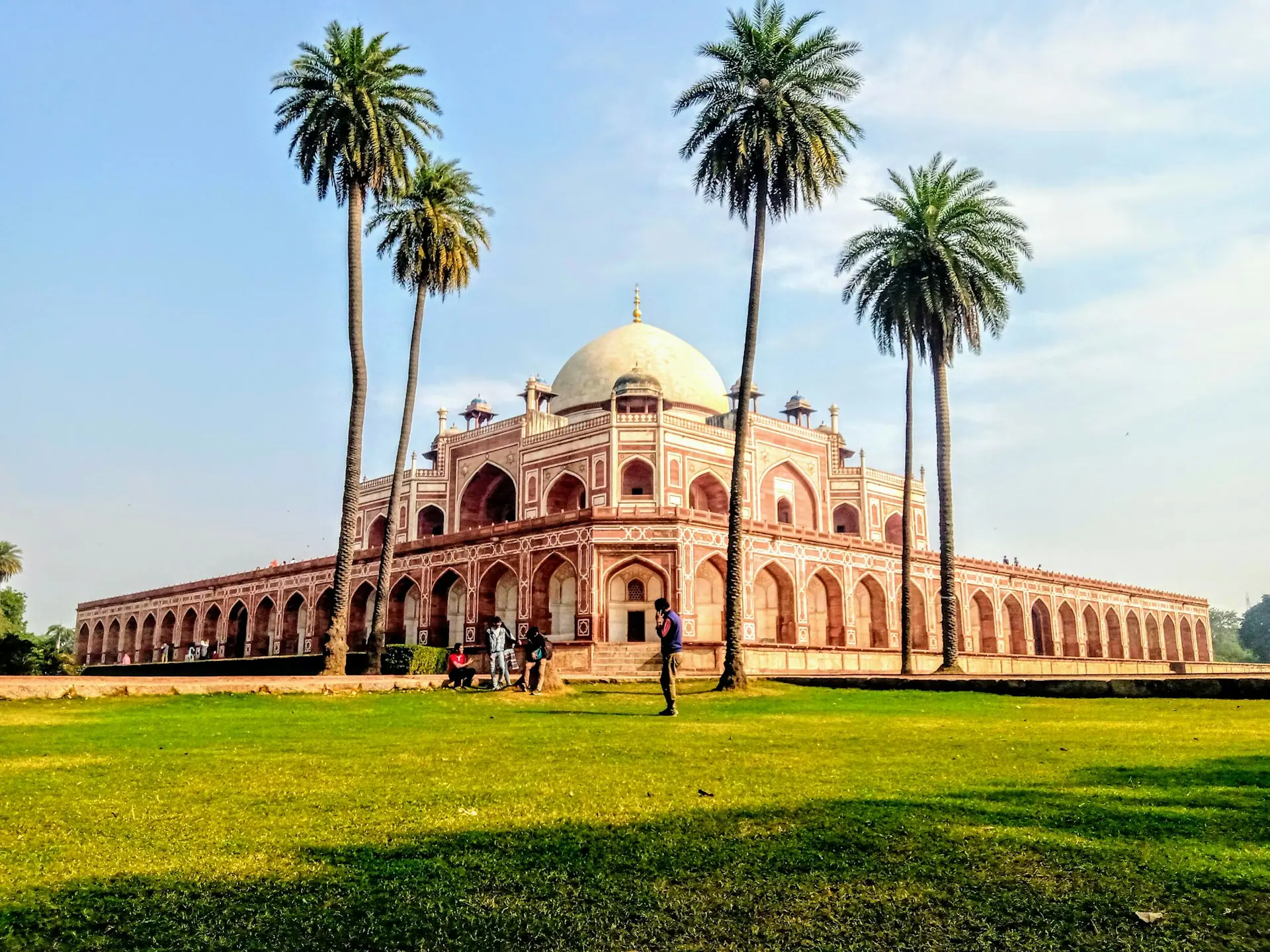
Journal
Best Weekend Getaways from Delhi
Journal
Best Travel Agency in Delhi
Journal
How to Plan a South India Trip From Delhi
Journal
Top 10 Places to Visit Near Delhi for the Weekend
Journal
10 Must Visit Hill Stations Near Delhi
Journal
Top 5 Hill Station Near to Delhi – Your Perfect Escape to the Mountains
Journal
Delhi Day Tour – Same Day Delhi Tour Plan
Journal
Southern Travels Packages from Delhi – Your Gateway to South India’s Wonders
Journal
Must Visit Top 5 Hill Stations Near Delhi
Journal
Exploring the Treasures of Northern India: A Captivating 2 Days Tour from Delhi
2 days
Journal
Discover the Best Hill Stations near Delhi for a Perfect Getaway
Journal
The significance of Akshardham Temple in Delhi
Customer reviews
Experience My India is rated 4.3 on Tripadvisor. We publish guest reviews after each trip.
Plan a trip
Tailor-made quote from a specialist