
Manali Travel Guide: Old Manali, Solang, Rohtang and the Kullu Valley
Manali is a hill town in the Beas valley at the head of Himachal Pradesh's Kullu valley. The main places to visit in Manali are the Hadimba Temple, Old Manali and the Manu Temple, the hot spring at Vashisht, Solang Valley, the Atal Tunnel to Sissu, the Rohtang Pass in summer and the castle at Naggar. Allow three nights; April to June and October suit most visitors.
By Experience My India Editorial Team · Reviewed by Experience My India Editorial Team
See all 2 tours and experiences in Manali →
Government-approved operatorApproved by the Ministry of Tourism, Government of India
Places to visit in Manali
Things to do in Manali
Fly tandem at Solang, ski there in winter, raft the Beas between Manali and Kullu, or take a course at the Atal Bihari Vajpayee Institute of Mountaineering and Allied Sports. In the first week of January, the winter carnival brings folk music and dance, a parade and street plays. Everything we run here, tours and experiences together, is on our Manali tours and experiences page.
Best time to visit Manali
Himachal Tourism says visitors converge on Manali from April to July and again from October to December. IMD's 1991–2020 averages show why: May and June days average 25–26°C with nights of 9–13°C, and October is the driest month, with 25 mm of rain on about two rainy days and days of about 22°C. July and August bring more than 200 mm of rain each, on 13 to 15 rainy days, and landslides can close roads; March is wetter than many expect, at 155 mm. Winter is for snow: January nights average −1.1°C, Himachal Tourism says temperatures can fall below −5°C in December and January, and Solang turns into a ski area. Our Himachal Hills Tour is planned for March to June and September to November.
How to reach Manali
- By air: the Kullu–Manali airport at Bhuntar is 50 km from Manali and 10 km from Kullu, with flights from Delhi and Chandigarh, and taxis and buses on to Manali.
- By train: no railway reaches Manali. Broad-gauge trains run to Chandigarh and Kiratpur, with the rest by road, or to Pathankot, from where a narrow-gauge line runs to Joginder Nagar; check current trains on NTES.
- By road: Delhi is about 550 km away, and Himachal Tourism advises booking AC and Volvo coaches in advance; HRTC buses run from Manali and Kullu to the major cities. Our drive from Shimla takes about seven to eight hours: see our Shimla travel guide.
How many days in Manali
Three nights is what our Himachal Hills Tour — 7 days gives Manali, and it is enough for the valley. Day one: Old Manali, the Manu Temple, Hadimba and Vashisht. Day two: Solang, and through the Atal Tunnel to Sissu. Day three: Naggar and Jagatsukh, or, from June to August, Rohtang with a permit. Add a day for Kullu and Manikaran, and more for a trek. Every package that stays in Manali is on our Manali tour packages page.
Beyond Manali: Spiti and the road to Leh
The Manali–Leh road opens only in summer and is closed by snow for the rest of the year. Our Manali–Leh highway drive takes two to three days with a private vehicle and an experienced driver, crossing Baralacha La and the Moray Plains, with an overnight break at Sarchu and a full rest day in Leh; most travellers fly one way and drive the other. It gains height fast, so read our altitude sickness guide before you go and our Ladakh travel guide for what follows. For Spiti, the Kunzum route from Manali generally closes from about October or November to June or July: see our Spiti Valley travel guide.
Tips for Manali
Why book with Experience My India
Government-approved operator
Approved by the Ministry of Tourism, Government of India
500+ vetted local guides
35+ destination specialists plan every trip by hand.
Human help, every day
Mon–Sun, 9:00 AM – 9:00 PM IST · +91 73022 65809
No payment until you approve
You receive a written quote first; nothing is charged to start planning.
Frequently asked questions
Is Manali a good base for trekking?
Yes. Bhrigu Lake, Beas Kund from Solang and the multi-day Hampta Pass crossing to Lahaul all begin in the Manali area, and Solang is the base for expeditions to Hanuman Tibba. The main trekking season runs from about June to September, once the snow clears. Some routes need a permit: the Kullu district issues Hamta Pass permits online, and our Manali trekking experience arranges what it can in advance.
Where are the hot springs near Manali?
The nearest is at Vashisht, 2 km from Manali, where hot spring baths sit beside the temple to the sage Vashisht; a paved path leads up from the market. Further away, Manikaran, 45 km from Kullu in the Parvati valley, has a hot sulphur spring in the compound of its gurdwara, which Himachal Tourism describes as therapeutic and which draws a large number of pilgrims every year.
What is there to see in Naggar?
Naggar Castle, built by Raja Sidh Singh and now a museum and heritage hotel run by Himachal Tourism, with fine woodcarving and stone and metal work; the Nicholas Roerich Art Gallery in the painter's former home; and the Vasuki Nag, Tripura Sundari and Gauri Shankar temples. Naggar was the capital of the Kullu principality until 1660. It is 22 km from Manali, and Jagatsukh, the capital before it, is 6 km from Manali.
When is Kullu Dussehra?
In October. Himachal Tourism describes a week-long fair in which Lord Raghunath rides on a wooden chariot pulled by devotees into the Dhalpur ground at Kullu, attended by more than 200 village deities carried in palanquins. Stalls sell local wares, and cultural performances are held in the evenings. The date follows the Hindu calendar, so check the year's dates before you book; Kullu is 40 km from Manali.
Is March a good time to visit Manali?
It falls outside the busy seasons, which Himachal Tourism gives as April to July and October to December, but it is cool and often wet. IMD's 1991–2020 averages give March days of about 17°C and nights of about 3°C, with 155 mm of rain over about eight rainy days, more than any month except July and August. The Rohtang Pass is still closed, as it reopens only by about May, but the Atal Tunnel to Sissu is open all year.
Can you take a mountaineering course in Manali?
Yes. The Atal Bihari Vajpayee Institute of Mountaineering and Allied Sports in Manali, one of India's pioneering adventure institutes, runs basic to advanced courses in mountaineering, rock climbing, trekking, river rafting, paragliding and other adventure sports. Check the institute's own course calendar before you plan around one. For a guided trek without a course, our Manali trekking experience provides the guide and camp support.
What is special about Manali?
Its setting: a valley of deodar and pine forest, snow-fed streams and peaks under snow all year, with the Hadimba Temple, perhaps the only temple in India where Hidimba is worshipped as a goddess, and a Manu temple that gave the town its name. It is also the gateway to Lahaul through the Atal Tunnel, to the Rohtang Pass and to the summer road to Leh.
Tour packages in Manali
See all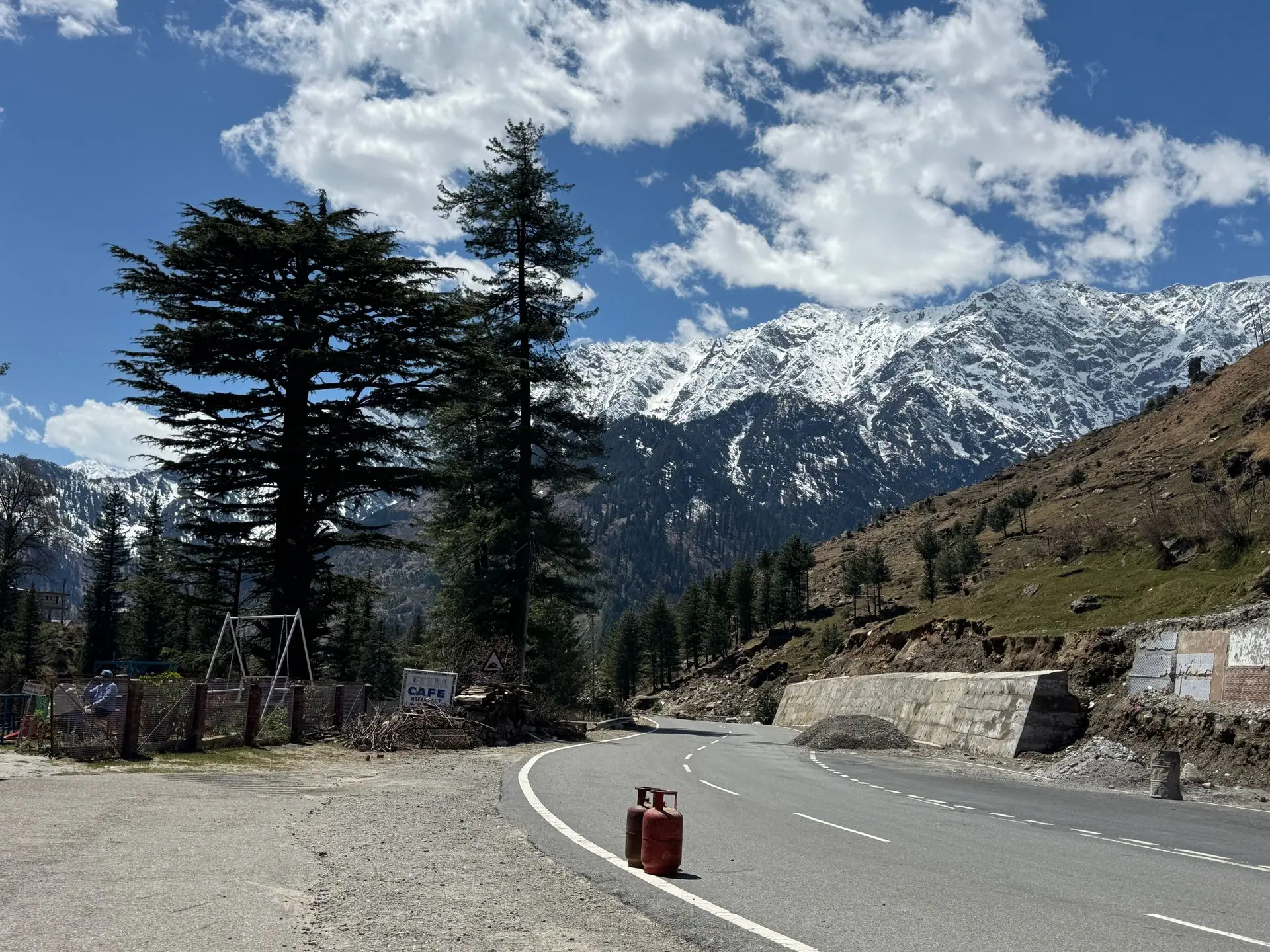
Manali–Leh Highway
Manali–Leh highway: the classic high-altitude drive
Private guide and vehicle throughout
Price on request
Experiences in Manali
See all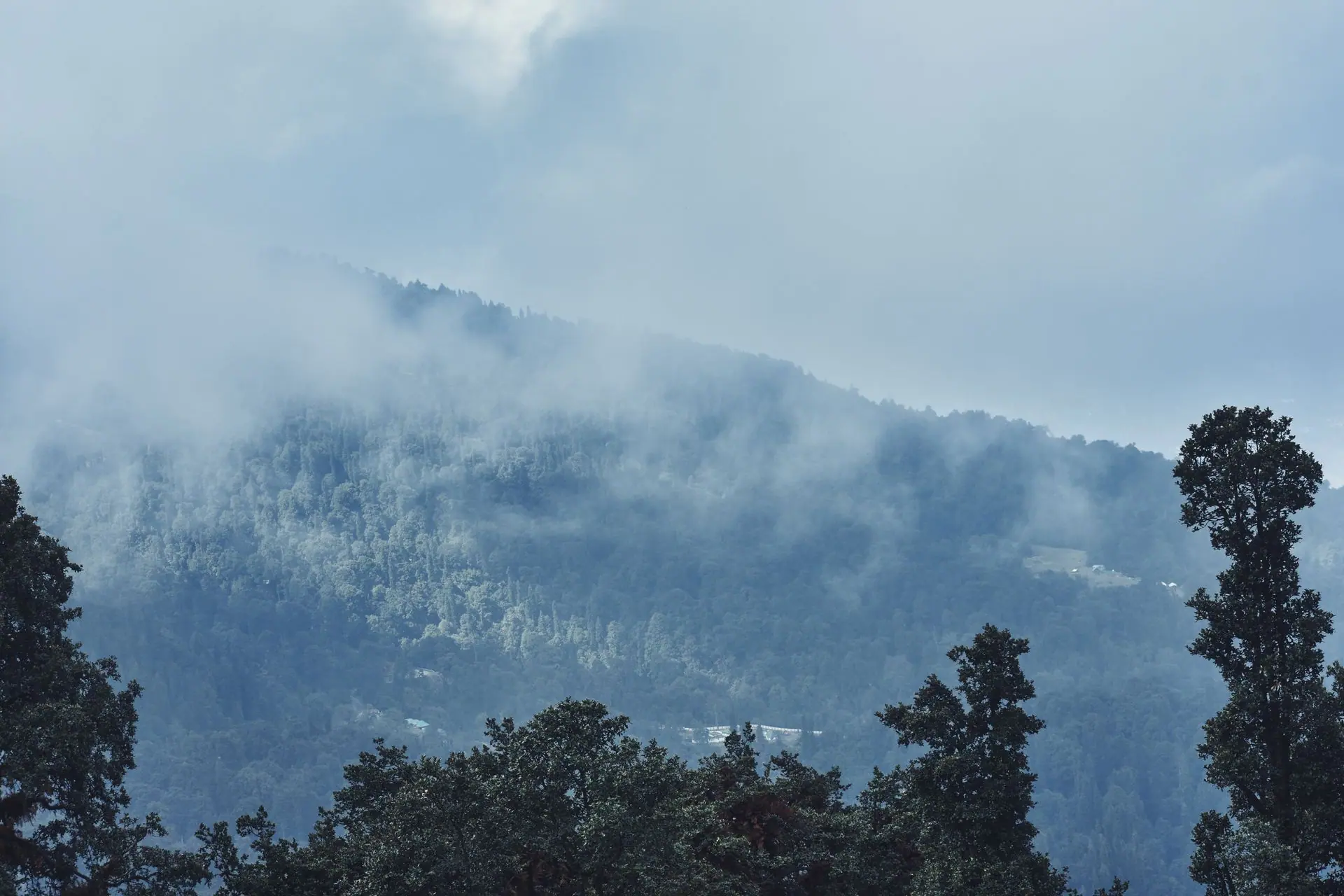
Manali
Manali trekking
Private guide and support crew on multi-day treks
Price on request
More places in Himachal Pradesh
See all
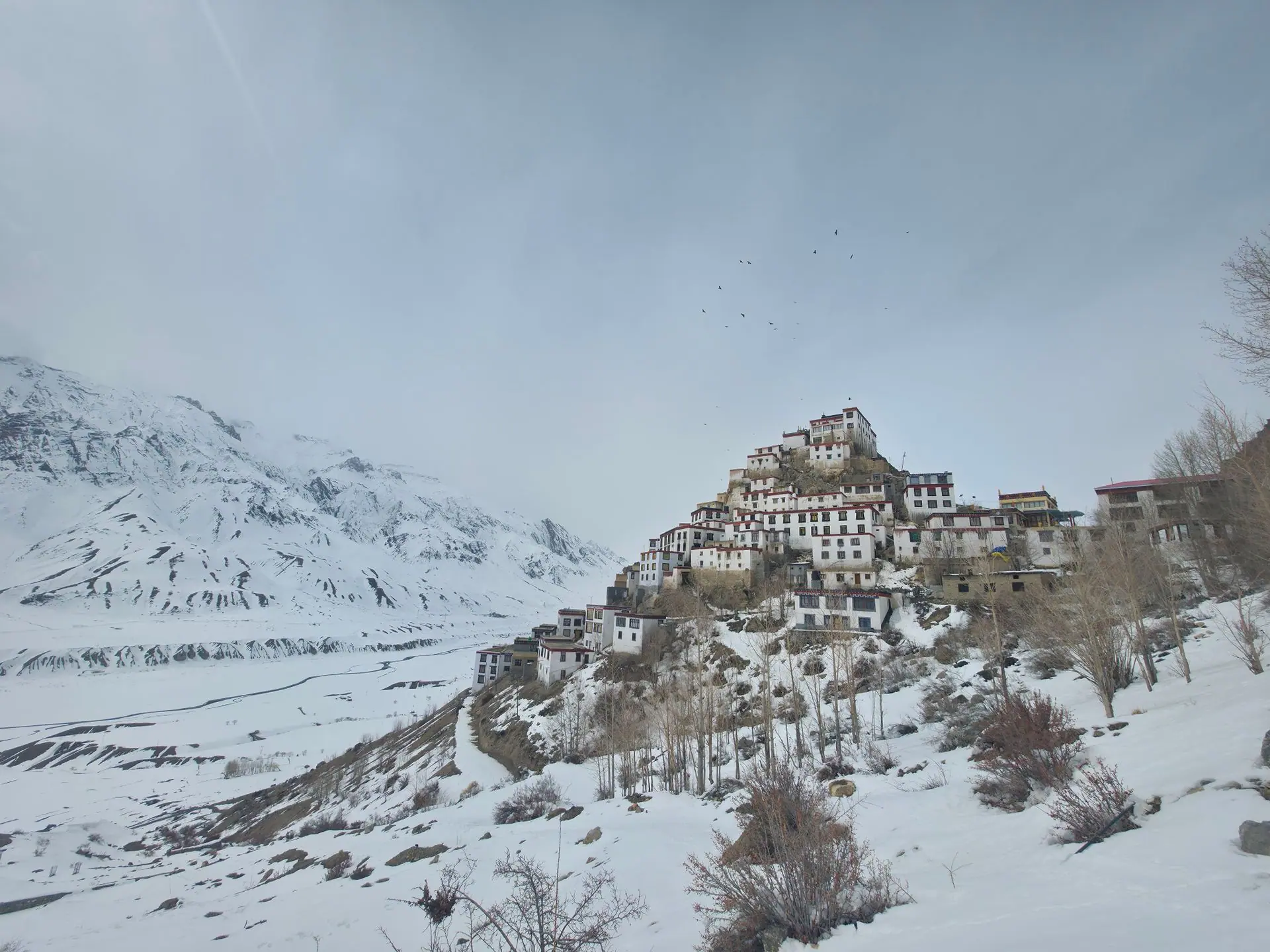
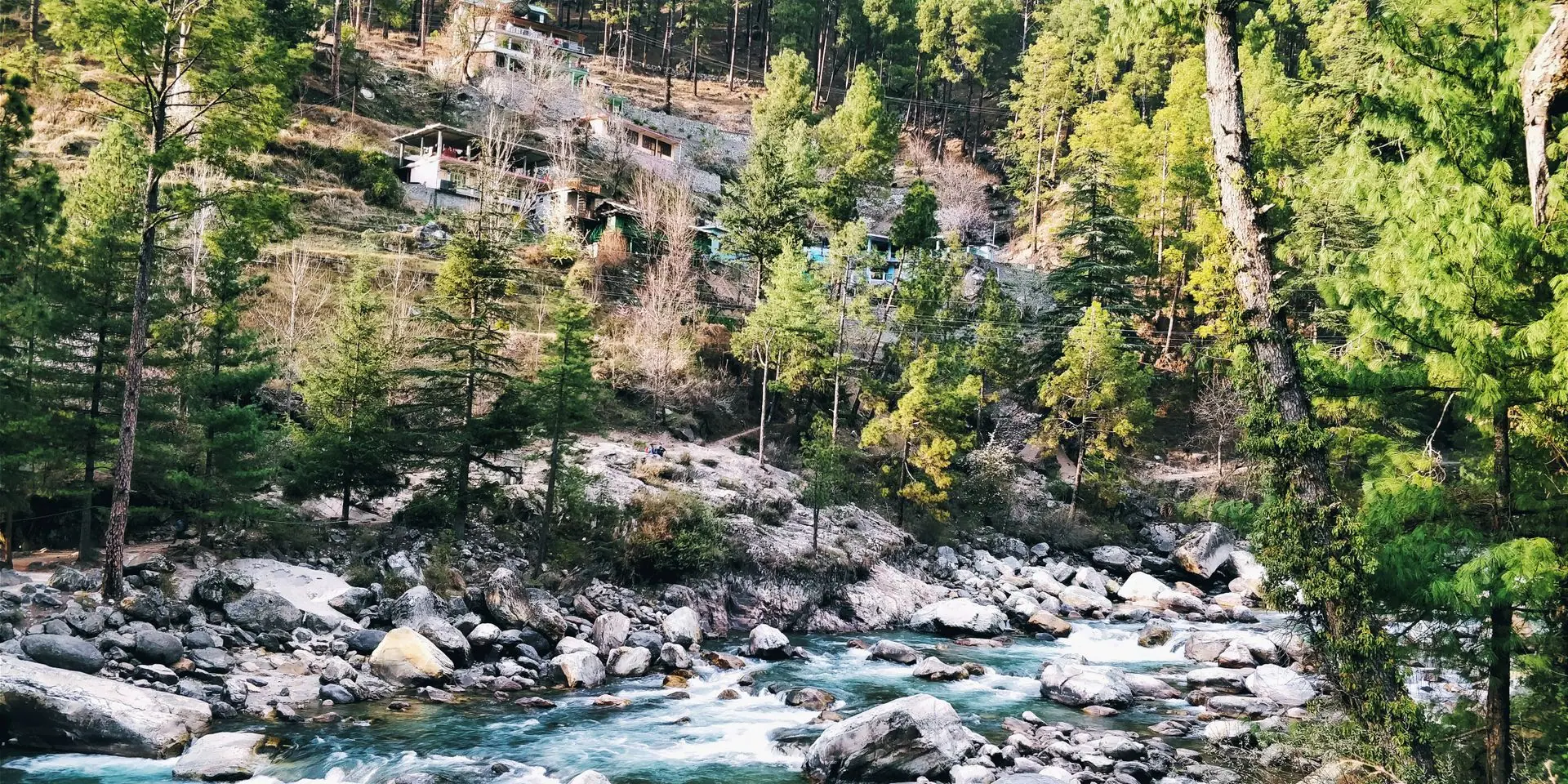
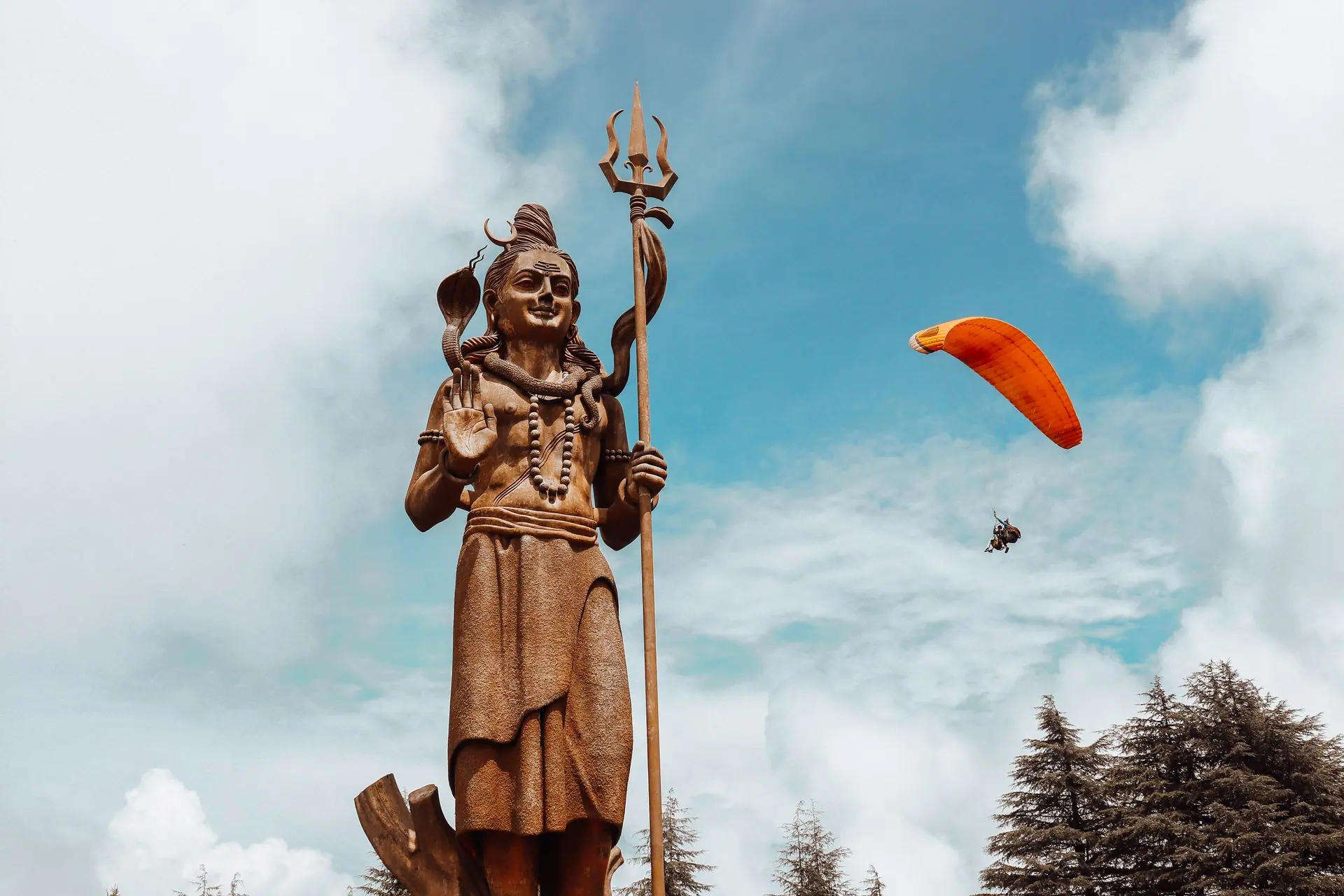
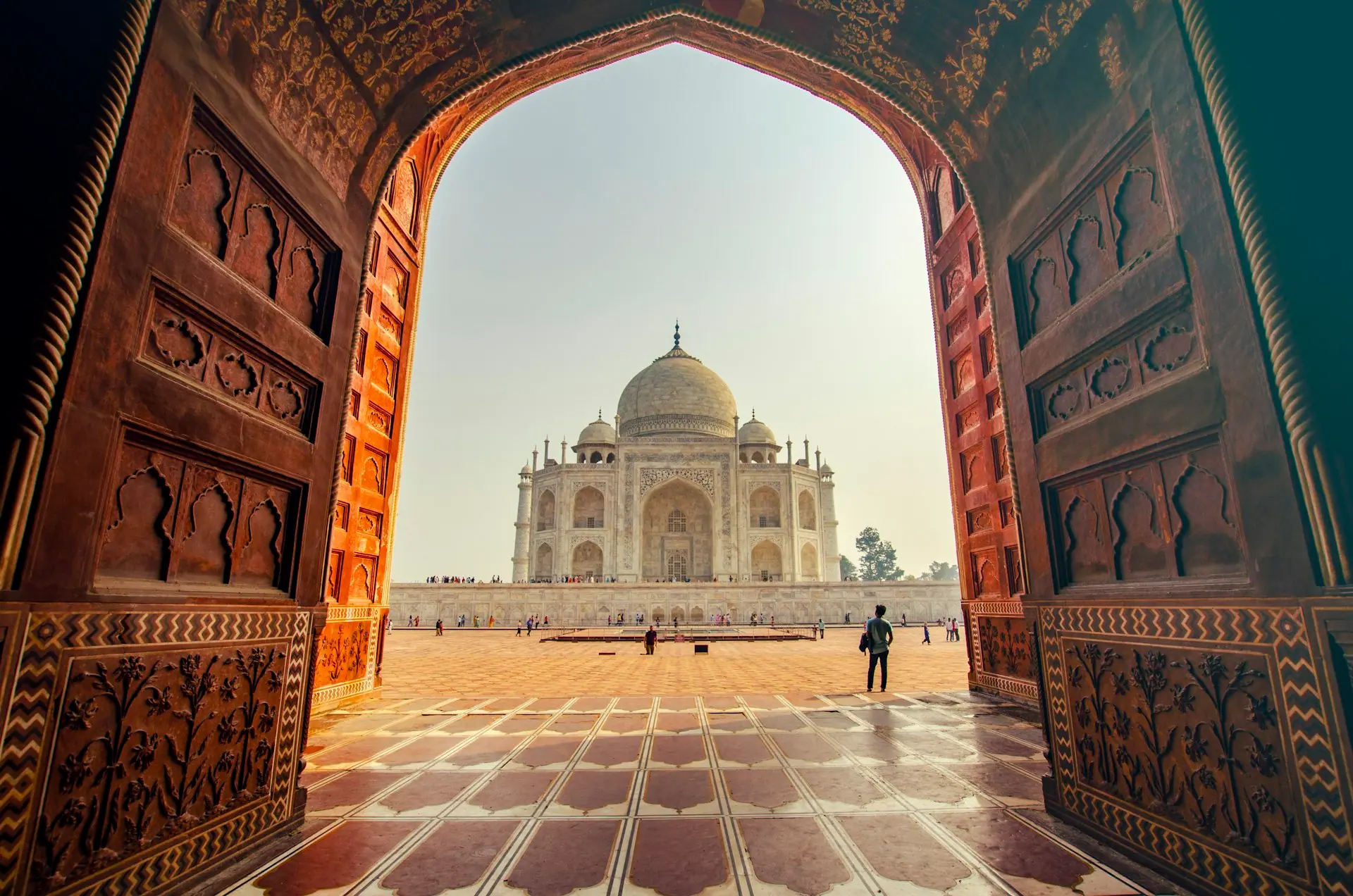
From the journal: Manali
Journal
Kullu Manali in India – 12 Best Places to Visit
Journal
Manali 4 Days Itinerary – Day by Day Guide
4 days
Journal
8 Must-Visit Temples in Kullu Manali
Journal
Trip to Manali and Rohtang Pass – Your Complete Travel Experience
Journal
Manali Trip Plan – A Complete Guide to the Mountains of Magic
Journal
Your Perfect Manali Tour Guide
Journal
Best Places to Visit in Kullu Manali Trip
Journal
Best Time to Visit Manali for Snowfall: A Winter Wonderland Awaits
Journal
Beas River in Manali – A Hidden Gem of Nature’s Beauty
Journal
Manu Temple, Manali: Explore the Serenity and Spirituality
Journal
Solang Valley, Manali: A Beautiful Place for Nature and Adventure Lovers
Journal
Jogini Falls in Manali – A Tranquil Escape into Nature
Customer reviews
Experience My India is rated 4.3 on Tripadvisor. We publish guest reviews after each trip.
Plan a trip
Tailor-made quote from a specialist