
Last updated:
Health in India for Travellers: Before You Go, on the Trip and Getting Help
Most visitors need no vaccination to enter India, but CDC advises seeing a doctor at least a month ahead, and the UK government says to check vaccine advice eight weeks before travel. The rest of India travel health advice is practical: drink sealed or boiled water, avoid mosquito and animal bites, plan around winter smog in the north, carry insurance that covers evacuation, and dial 112 in an emergency.
By Experience My India Editorial Team
Destination specialists and licensed local guides
Before you go: a doctor or travel clinic
Book the appointment early. CDC advises visiting your doctor at least a month before the trip; the UK's TravelHealthPro says at least four to six weeks; Canada's travel advice says preferably six weeks; and the UK Foreign Office lists checking vaccine advice among the things to do at least eight weeks ahead. TravelHealthPro adds that a late appointment is still worth having, so do not skip it because your flight is close.
India's own entry rules are narrow. The health ministry asks for a yellow fever certificate only from people arriving from countries where yellow fever occurs, and polio vaccination only from nationals of eleven countries it lists. The vaccines health bodies recommend are a separate list, with hepatitis A and typhoid advised for most travellers, and they are on our page on travel vaccinations for India.
If you take regular medicine, plan for it. The UK Foreign Office notes that pharmacies are widely available in India, but most medicines that need a prescription in the UK need one in India as well, and it suggests carrying your existing packaging so a pharmacist can see exactly what you use.
Insurance that covers treatment and evacuation
Arrange cover before you fly. Among its checks for India, the UK Foreign Office lists travel insurance for local treatment or unexpected medical evacuation. Canada's travel advice warns that most hospitals in India require payment up front or confirmation of insurance before treatment begins, and CDC suggests travel health and medical evacuation insurance. What a policy should include, from pre-existing conditions to trekking, is on our page about travel insurance for India. Our tour packages do not include insurance.
On the trip: food, water, mosquitoes, animals and altitude
- Food and water. CDC calls factory-sealed bottled water the safest option for most travellers, and the UK's TravelHealthPro favours food that is freshly cooked and served piping hot. Both bodies advise against ice and untreated tap water. More in food and water safety in India.
- Mosquitoes. The UK Foreign Office names dengue, malaria, Zika and chikungunya among India's health risks, and Canada's advice notes that no vaccine or medication is available in Canada to prevent dengue. CDC's defence is to cover exposed skin, use an insect repellent and sleep in air-conditioned or screened rooms.
- Animals. CDC says dogs infected with rabies are commonly found in India and advises keeping away from animals. If an unfamiliar animal bites, scratches or licks you, CDC says to wash the wound with soap and clean water and go to a doctor right away.
- Altitude. TravelHealthPro treats places at 2,500 metres or higher as an altitude risk and names Leh as an example. Our guide to altitude sickness in Ladakh and the high Himalaya explains how a trip builds in time to acclimatise.
Air pollution in the winter months
The UK Foreign Office describes severe air pollution as a major health hazard in India, especially from October to February, with north Indian cities the most affected. It suggests that travellers who are pregnant or have a heart or lung condition may wish to consult a medical practitioner before travelling. The Central Pollution Control Board publishes a daily air quality index for more than 250 cities; how to read it, and which cities stay cleaner in winter, is on our page about air quality in India.
Getting medical help in India
In an emergency, dial 112. The Government of India has made it the single number for police, fire and ambulance in every state and union territory, and the UK Foreign Office says the service supports callers in English, Hindi and other languages.
Care varies across the country. Canada's travel advice describes medical care in major cities as possibly good but usually very limited or unavailable in rural areas, with government hospitals free or low in cost and private facilities often better but expensive. The UK Foreign Office adds that hospitals usually ask for a guardian or attendant to stay with the patient. How to find a doctor, and the UK's list of English-speaking doctors and medical facilities, are on our page about doctors and hospitals in India.
India travel health advice, topic by topic
- Travel vaccinations for India: the yellow fever and polio rules, the vaccines CDC and TravelHealthPro advise, and malaria.
- Food and water safety: tap water, bottled water, ice, street food and what to do if your stomach goes wrong.
- Air quality in India: the winter smog season, the cities it hits hardest and CPCB's six index bands.
- Travel insurance for India: evacuation, hospital costs, pre-existing conditions and activities.
- Doctors and hospitals: the 112 number, government and private hospitals, paying for care and finding an English-speaking doctor.
For the rest of the planning, start with our guide for a first trip to India.
Frequently asked questions
How far ahead should I see a doctor before a trip to India?
At least a month ahead, says CDC; the UK's TravelHealthPro says four to six weeks; Canada's travel advice says preferably six weeks; and the UK Foreign Office puts vaccine advice on its list for eight weeks before you go. If your trip is sooner than that, still go: TravelHealthPro notes that a late appointment is worthwhile, and the doctor can tell you what can be done in the time left.
Is malaria a risk on a trip to India?
The health bodies read the risk differently. CDC says malaria is transmitted throughout India, Mumbai and New Delhi included, but not above 2,000 metres, and recommends prescription prevention for certain areas. The UK's TravelHealthPro places the risk in Mizoram, Odisha and Tripura and calls it low elsewhere, where it advises awareness and avoiding bites. Ask a travel clinic about your exact route.
What should I do if a dog or monkey bites me in India?
Treat any bite, scratch or lick from an unfamiliar animal as urgent. CDC's advice is to wash the wound with soap and clean water and go to a doctor right away, because dogs infected with rabies are commonly found in India; Canada's advice adds that some wildlife, bats included, also carries rabies. If you are sent on to a hospital, the UK Foreign Office advises contacting your insurer or medical assistance company quickly.
Can I buy my usual medicines in India?
Usually, yes: the UK Foreign Office says pharmacies are widely available. But a medicine that needs a prescription in the UK will most likely need one in India too, so bring enough for the trip where you can and carry the packaging, which the Foreign Office suggests showing to the pharmacist so they can see exactly what you need.
Which parts of India are high enough for altitude sickness?
The UK's TravelHealthPro counts places at 2,500 metres or higher as an altitude risk, and gives Leh in Ladakh as an example; the UK Foreign Office says altitude sickness is a risk in parts of India. Flying straight into Leh from the plains is a rapid climb, so we build acclimatisation days into Ladakh itineraries from the start. Ask your doctor about altitude before you book a high trek.
Related guides
Customer reviews
Experience My India is rated 4.3 on Tripadvisor. We publish guest reviews after each trip.
Why book with Experience My India
Government-approved operator
Approved by the Ministry of Tourism, Government of India
500+ vetted local guides
35+ destination specialists plan every trip by hand.
Human help, every day
Mon–Sun, 9:00 AM – 9:00 PM IST · +91 73022 65809
No payment until you approve
You receive a written quote first; nothing is charged to start planning.
Browse experiences by theme
See all
Wildlife Safaris
8 experiences
Heritage & Architecture
2 experiences
Beaches & Islands
5 experiences
Wellness & Ayurveda
1 experience
Yoga & Meditation
4 experiences
Trekking
2 experiences
Adventure
6 experiences
Culinary
5 experiences
Festivals
8 experiences
Performing Arts
5 experiences
Luxury Trains
4 experiences
Houseboats
3 experiences
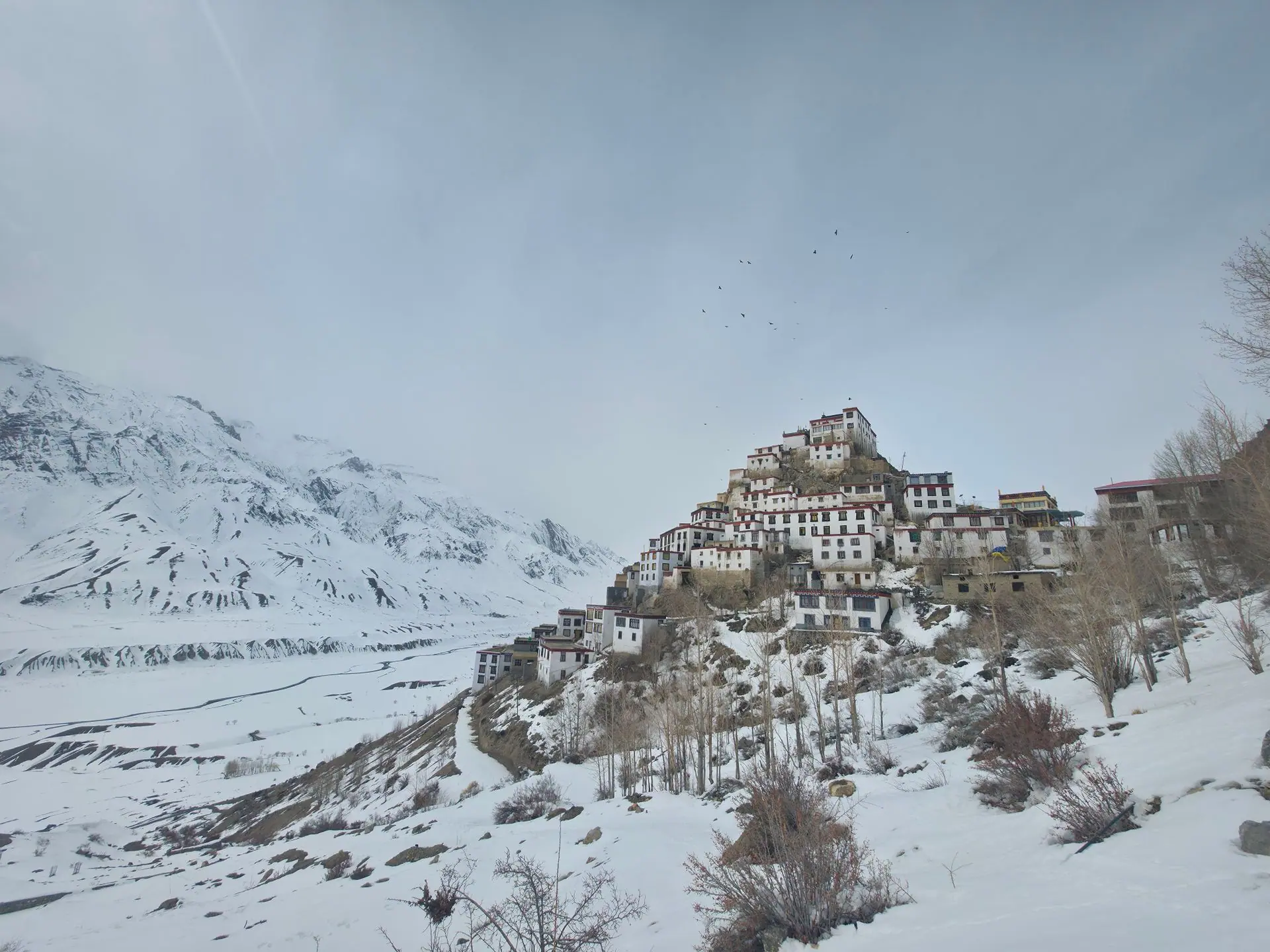
Toy Trains & Railways
1 experience
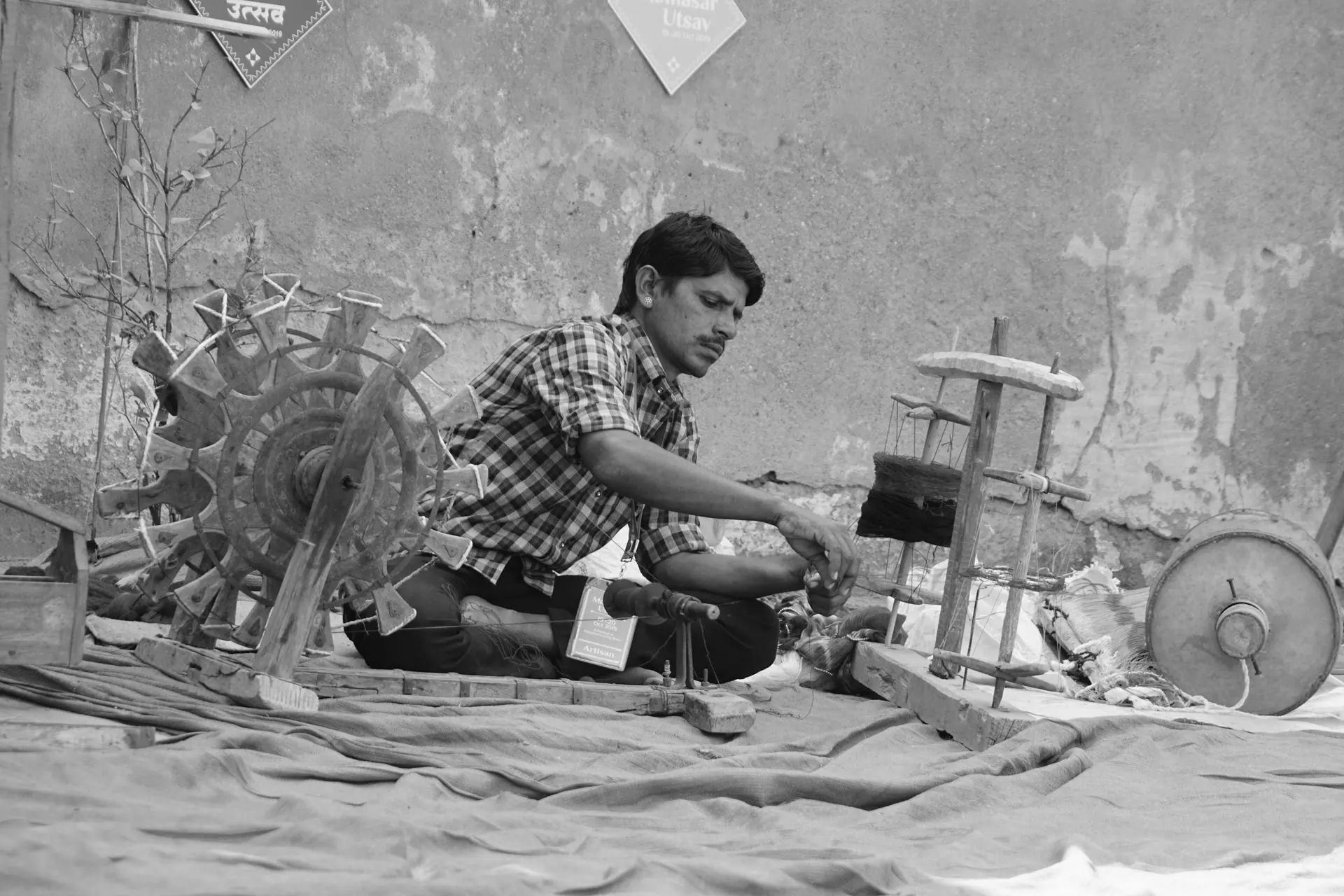
Village & Tribal Tourism
2 experiences
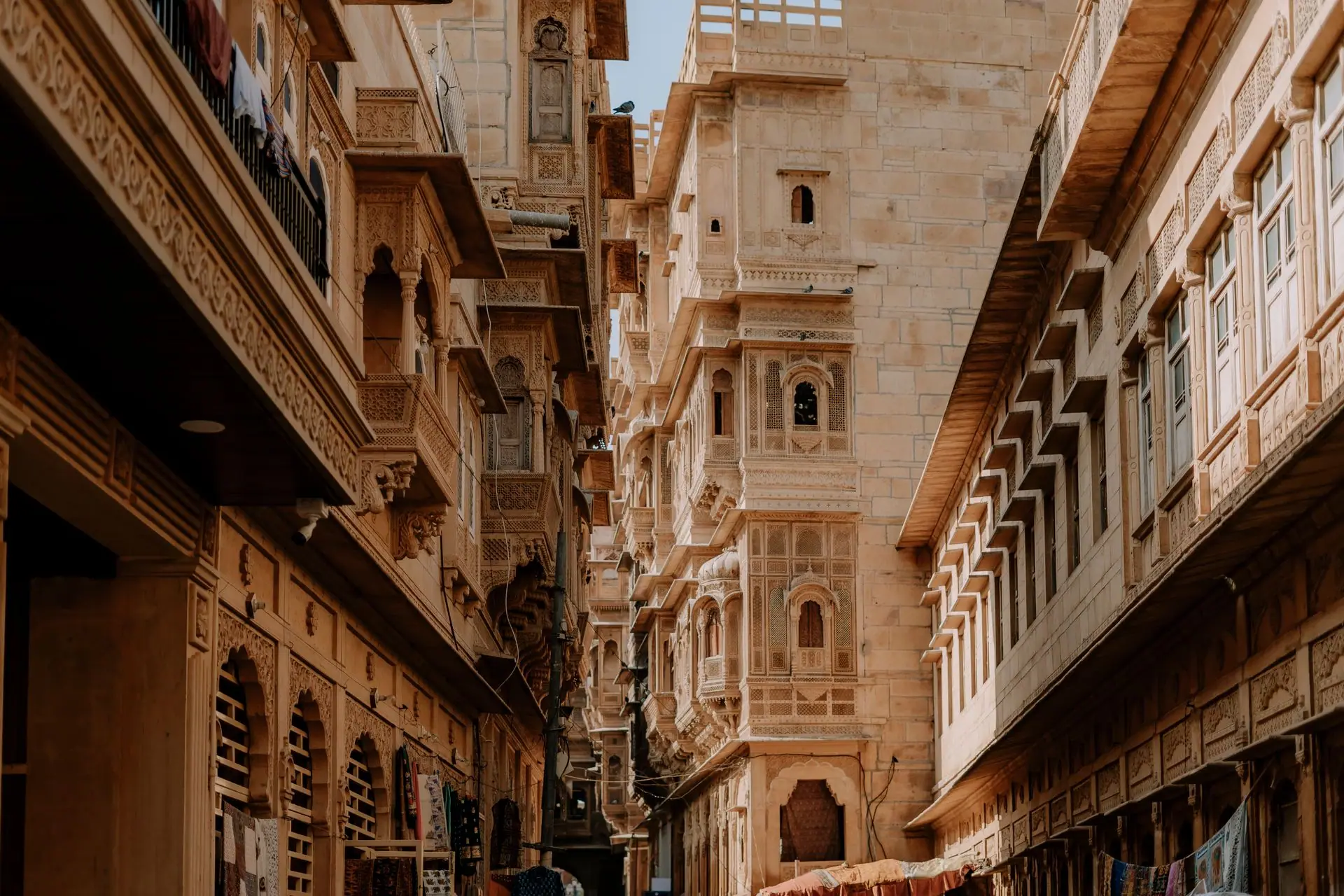
Glamping & Desert
1 experience
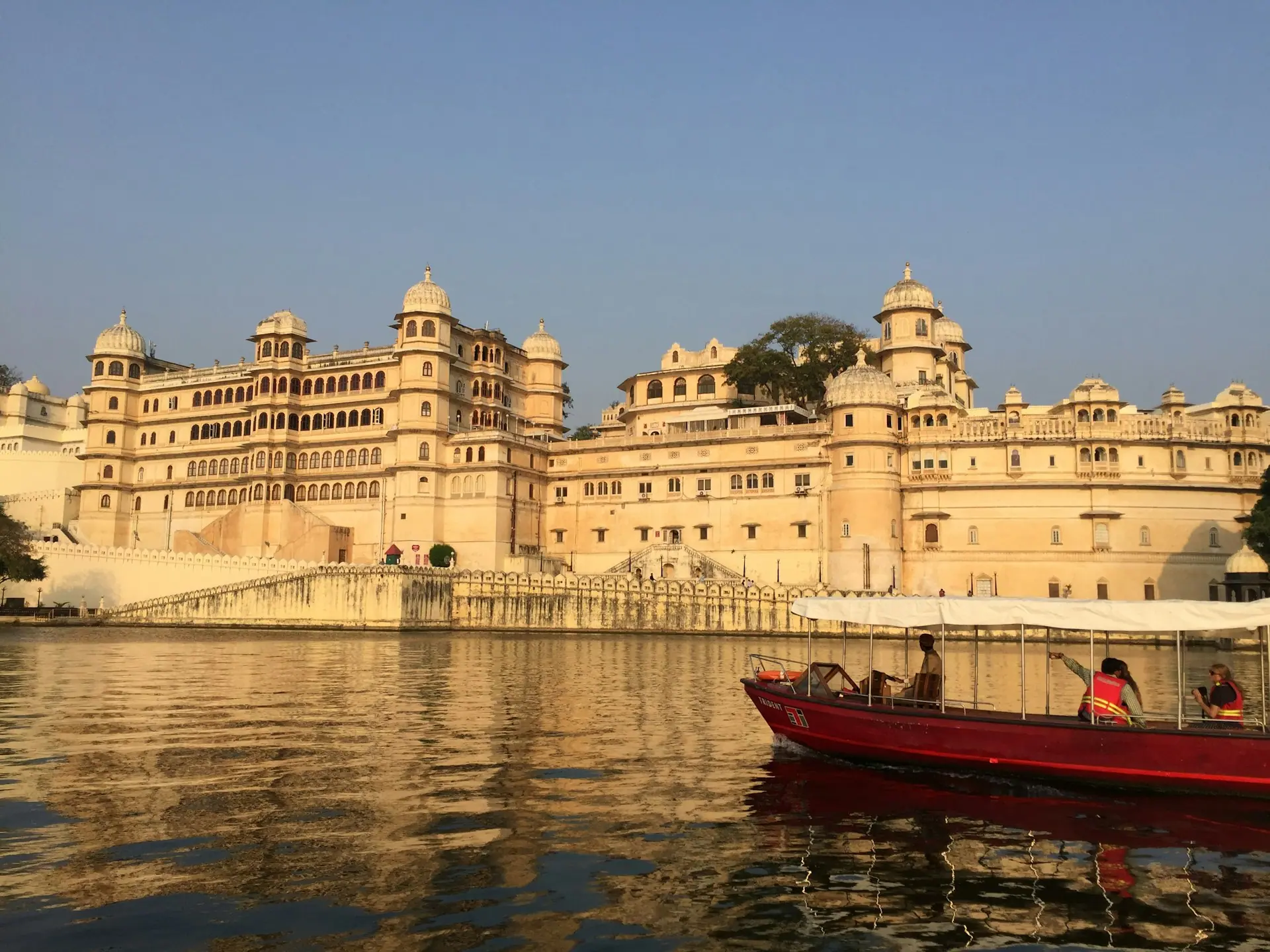
Honeymoon & Romance
3 experiences
VIP & Luxury
2 experiences
Plan a trip
Tailor-made quote from a specialist