
Last updated:
India Honeymoon Guide: The Best Places by Season
The best places for honeymoon India offers depend on the month. From December to March, Udaipur's lakes, Kerala's backwaters and Goa's beaches are at their driest, and the Andaman Islands from January to April. When the plains near 40°C in May and June, Shimla stays mild, and Ladakh suits June to September. Seven to ten days covers two regions at an easy pace.
By Experience My India Editorial Team
Destination specialists and licensed local guides
Where to go, month by month
India is big enough that somewhere suits a honeymoon in every month, but rarely the same place twice in a year. Start with your dates, then pick the places that are in season.
- December to March: Udaipur, Kerala and Goa. On the India Meteorological Department's (IMD) 1991–2020 averages, Udaipur gets 3 mm of rain or less in each of these months, with January days around 25°C and nights near 8°C, so pack a warm layer. These are also the four driest months at Alappuzha, in Kerala's backwater country, and Panjim in Goa records almost no rain from December to April.
- January to April: the Andaman Islands. Port Blair's driest month is February, at 14 mm, while May averages 407 mm and October and November are still wet. The islands' tourism department calls December to February its peak season, with calm seas, and advises avoiding June to September.
- April to June: the hills. In May, Delhi averages a daytime high of 39.9°C, while Shimla averages about 25°C in May and June. The monsoon normally reaches Shimla around 22 June, so May and early June are the drier weeks.
- June to September: Ladakh. Leh's daytime highs average 23–28°C in these months, with under 15 mm of rain a month, while the monsoon covers most of the country.
For every region, month by month, see our guide to the best time to visit India.
The places couples choose, and what to know first
Udaipur
Rajasthan Tourism calls Udaipur the city of lakes: the Lake Palace stands in the middle of Lake Pichola, with the City Palace and the hilltop Sajjangarh, the Monsoon Palace, nearby. Dabok airport is about 25 km from the centre, with daily flights from Delhi and Mumbai. Delhi itself is 670 km away by road, so most couples fly. Our Udaipur travel guide plans the days.
Kerala's backwaters
Around Alappuzha, the backwaters are a network of canals, lakes and lagoons, and a night or two on a traditional houseboat is the classic way to see them. Munnar's tea plantations, in the hills, make a cooler second stop, and Cochin International Airport serves both. See the Alleppey travel guide.
Goa
Goa's beaches range from busy Baga and Calangute in the north to quieter Palolem and Agonda in the south. The UK Foreign Office warns that strong currents off many Indian coasts drown people every year and that most beaches have no warning flags or lifesaving equipment, so swim where lifeguards are on duty. The Goa travel guide compares the coasts.
The Andaman Islands
Radhanagar Beach on Swaraj Dweep, formerly Havelock Island, is known for its white sand and calm, clear water, with netted swimming zones, according to the islands' tourism department. Most foreign visitors need no Restricted Area Permit for the 29 islands opened to tourism. Citizens of Afghanistan, China and Pakistan, and people of those origins, still need one approved in advance by the Ministry of Home Affairs. Read the Havelock travel guide before booking ferries.
Agra, by moonlight
The Taj Mahal opens for night viewing on the full-moon night and the two nights either side of it, between 8 pm and midnight, in 30-minute visits for batches of 50, with tickets sold in advance. It is closed every Friday, day and night. The Agra travel guide covers the daytime visit.
Ladakh
Ladakh suits couples who want mountain landscapes rather than beaches. The Leh district's health advisory asks every visitor to rest at least 48 hours in Leh before going higher, and Nubra and Pangong need a permit, issued through the Leh district's online system; some nationalities need Ministry of Home Affairs approval. The UK Foreign Office advises travel insurance that covers altitudes above 2,400 metres. See the Ladakh travel guide.
Kashmir
Many couples ask about Kashmir's lakes and meadows. As of its update on 7 October 2026, the UK Foreign Office advises against all travel to the Union Territory of Jammu and Kashmir, including Srinagar, Gulmarg, Pahalgam and Sonamarg, and warns that travelling against its advice can invalidate travel insurance. Read your own government's current advice before planning, and see our India safety guide.
How long to go for, and how to pair places
Seven to ten days is the comfortable length for two regions. Pair places that share a season: Udaipur with Kerala or Goa between December and March, or Agra with Udaipur, since the Taj Mahal's official site gives October to March as the best season. In summer, Shimla and Ladakh make the pair, with the rest days Leh needs built in.
Keep the moves few. Three nights in each place leave room for a slow morning, and one flight between regions costs less of the honeymoon than two long drives.
Before you book
Check which visa you need before you buy flights; our India visa guide explains the e-Visa. Our honeymoon tour packages are listed in one place, and any trip booked with us can be cancelled for a full refund up to 24 hours before it begins.
Frequently asked questions
Is India a good honeymoon destination?
Yes, if you choose the region by the month. Between December and March, Udaipur, Kerala's backwaters and Goa are dry and warm; from January to April the Andaman Islands are at their driest; in early summer the hills are mild, and Ladakh suits June to September. Few countries offer lakes, beaches and mountains in one trip, but in India each has its own season.
How many days should an India honeymoon be?
Seven to ten days suits two regions without rushing. Spend three or four nights in each place, and join regions with a flight rather than a long drive: Delhi to Udaipur is 670 km by road. With fewer than seven days, choose one region. With two weeks, add a third place, or simply stay longer where you are happiest.
Where can we honeymoon in India in May or June?
In the hills. IMD's averages give Shimla daytime highs of about 25°C in May and June, against 39.9°C in Delhi in May. The monsoon normally reaches Shimla around 22 June, so May and early June are the drier weeks. From June, Ladakh is the other choice: Leh averages 23°C highs that month with very little rain, but allow two days to acclimatise.
Is Ladakh a good choice for a honeymoon?
For couples who like mountain landscapes and a slow pace, between June and September. Leh's daytime highs then average 23–28°C, with under 15 mm of rain a month. The district asks visitors to rest at least 48 hours in Leh before going higher, Nubra and Pangong need a permit through Leh's online system, and the UK Foreign Office advises insurance that covers altitudes above 2,400 metres.
Which months are driest for a beach honeymoon in India?
It depends on the coast. On IMD's 1991–2020 averages, Panjim in Goa gets almost no rain from December to April, Kerala's Alappuzha is driest from December to March, and Port Blair in the Andamans from January to April, with February the driest month. The southwest monsoon normally reaches Port Blair around 21 May and Goa around 5 June.
Related guides
Customer reviews
Experience My India is rated 4.3 on Tripadvisor. We publish guest reviews after each trip.
Why book with Experience My India
Government-approved operator
Approved by the Ministry of Tourism, Government of India
500+ vetted local guides
35+ destination specialists plan every trip by hand.
Human help, every day
Mon–Sun, 9:00 AM – 9:00 PM IST · +91 73022 65809
No payment until you approve
You receive a written quote first; nothing is charged to start planning.
Browse experiences by theme
See all
Wildlife Safaris
8 experiences
Heritage & Architecture
2 experiences
Beaches & Islands
5 experiences
Wellness & Ayurveda
1 experience
Yoga & Meditation
4 experiences
Trekking
2 experiences
Adventure
6 experiences
Culinary
5 experiences
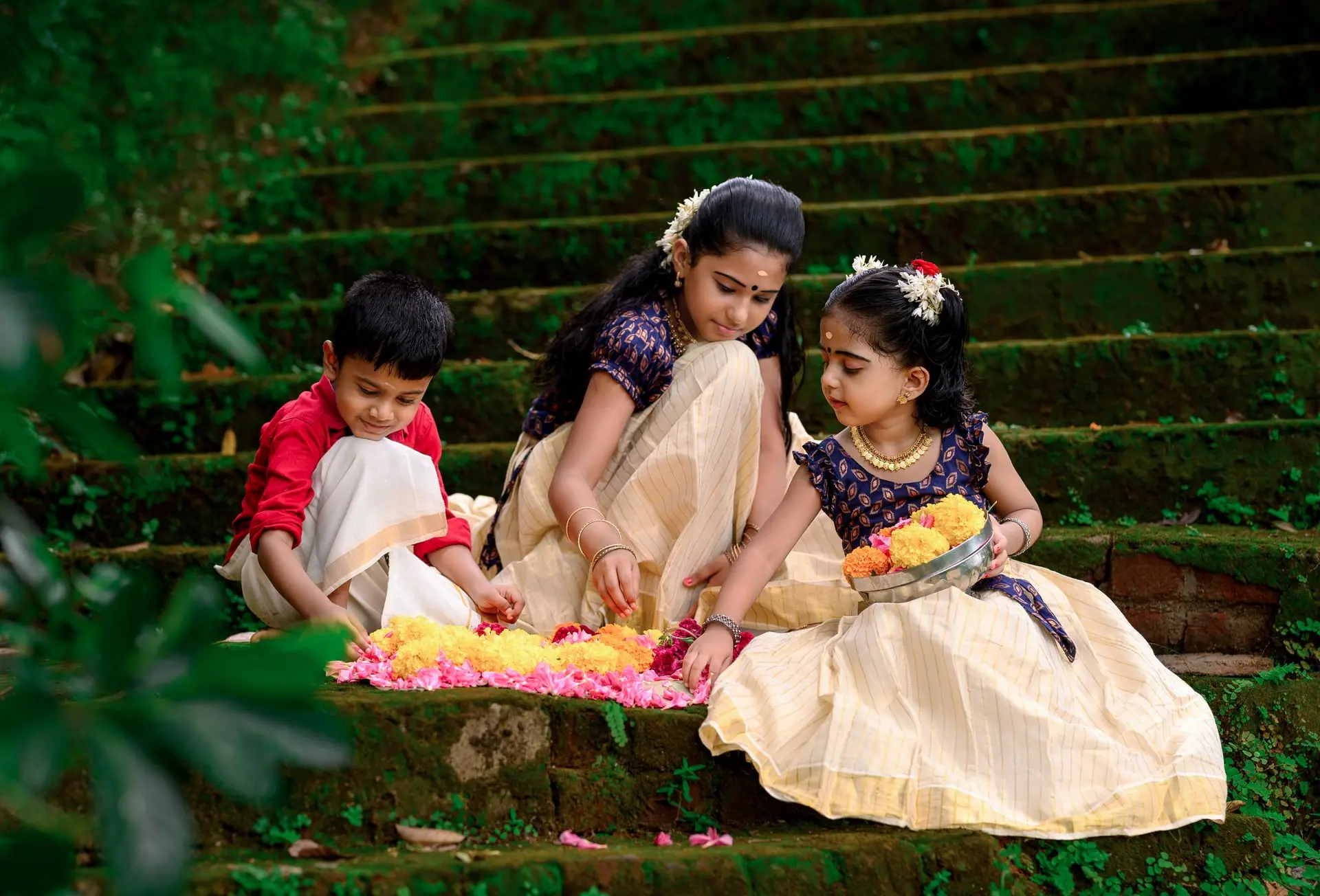
Festivals
8 experiences
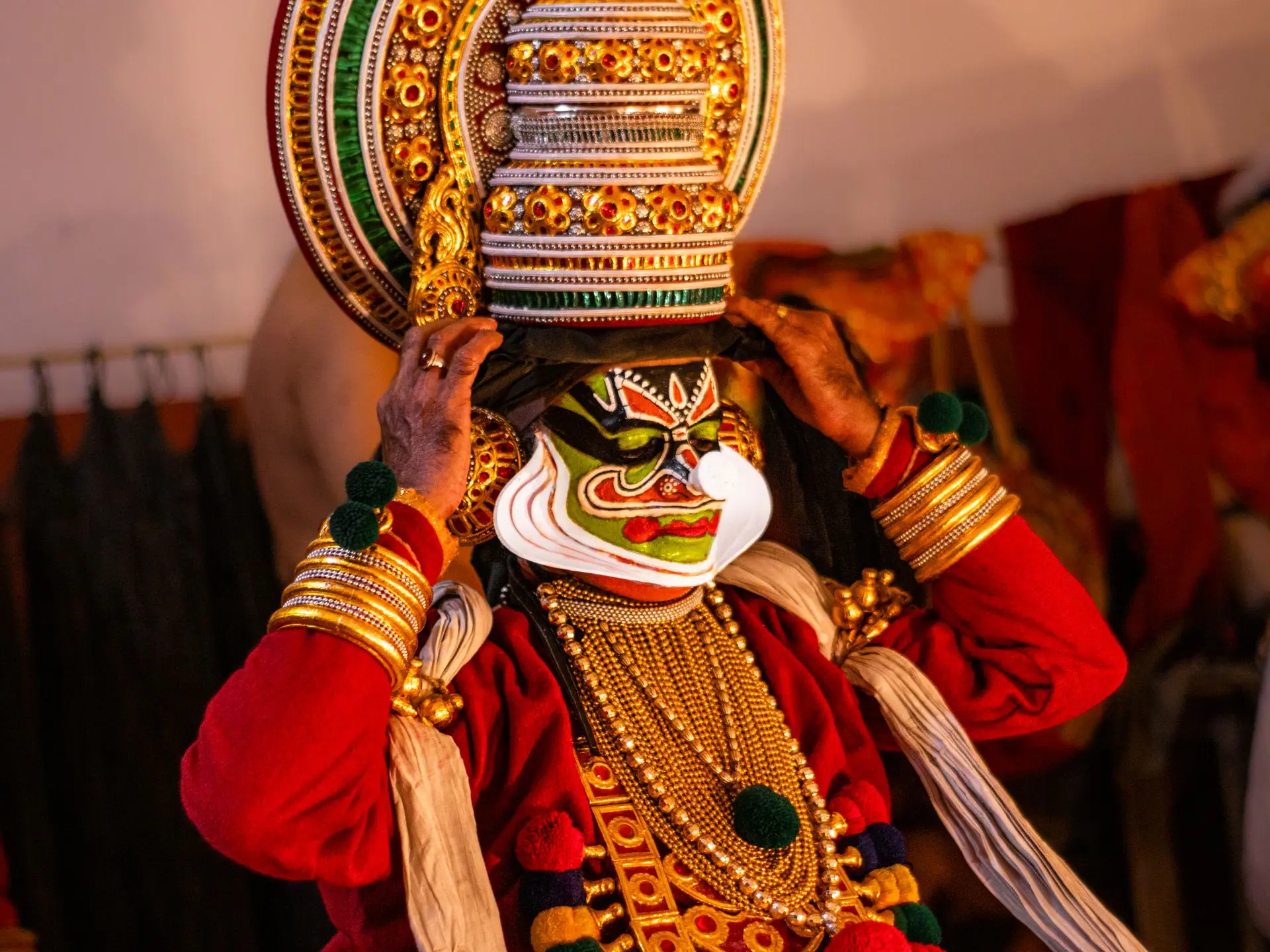
Performing Arts
5 experiences

Luxury Trains
4 experiences
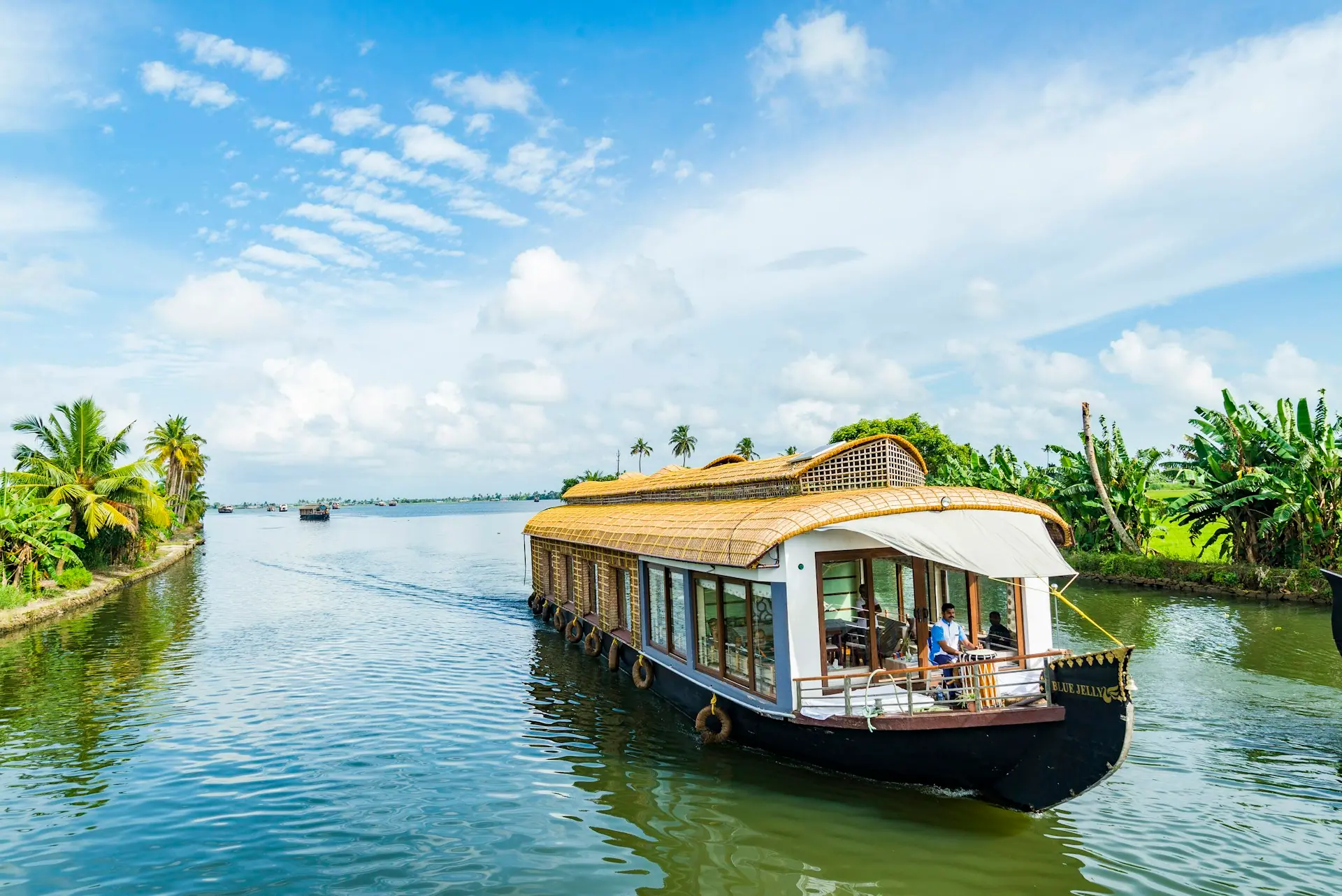
Houseboats
3 experiences
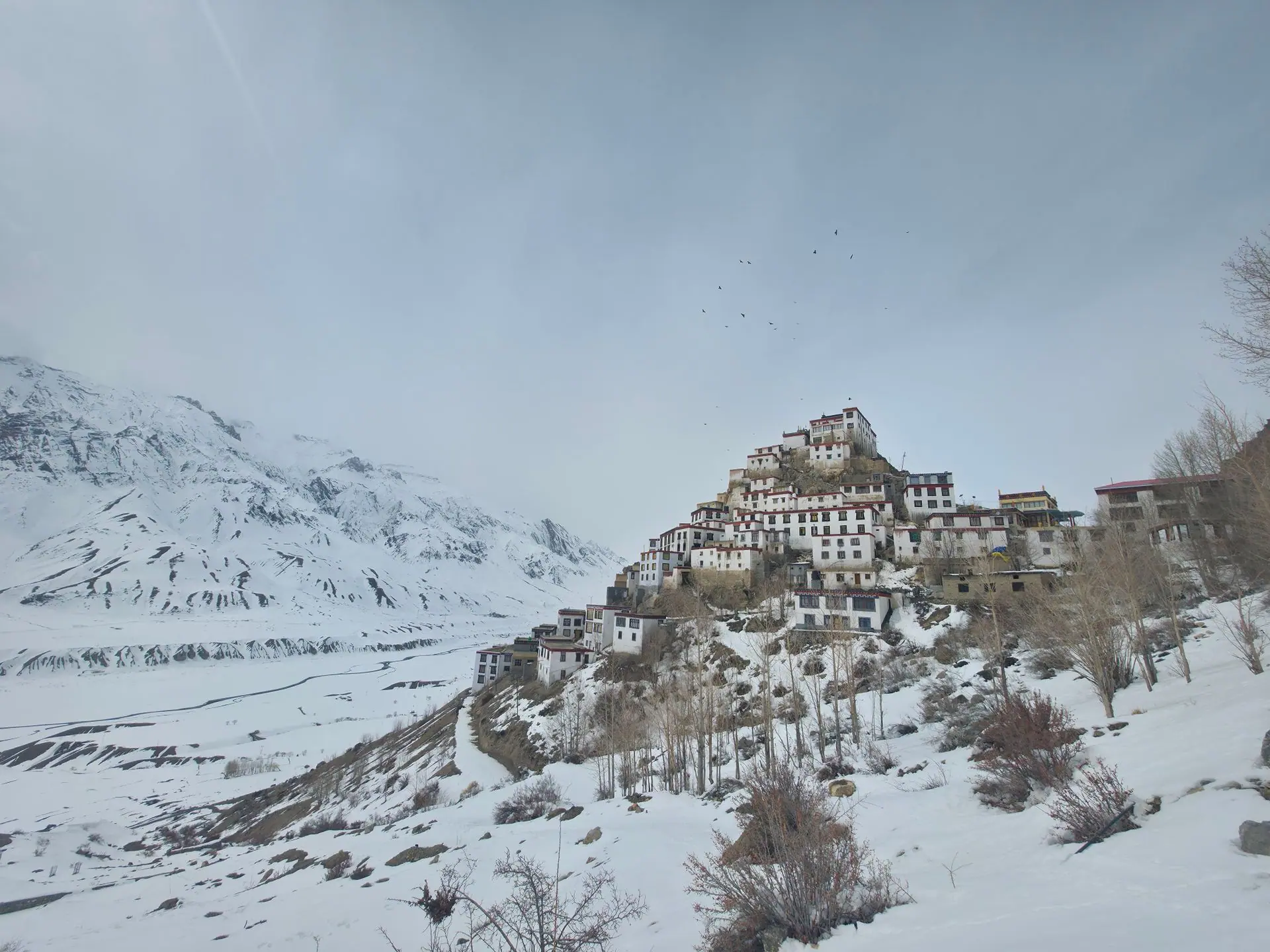
Toy Trains & Railways
1 experience
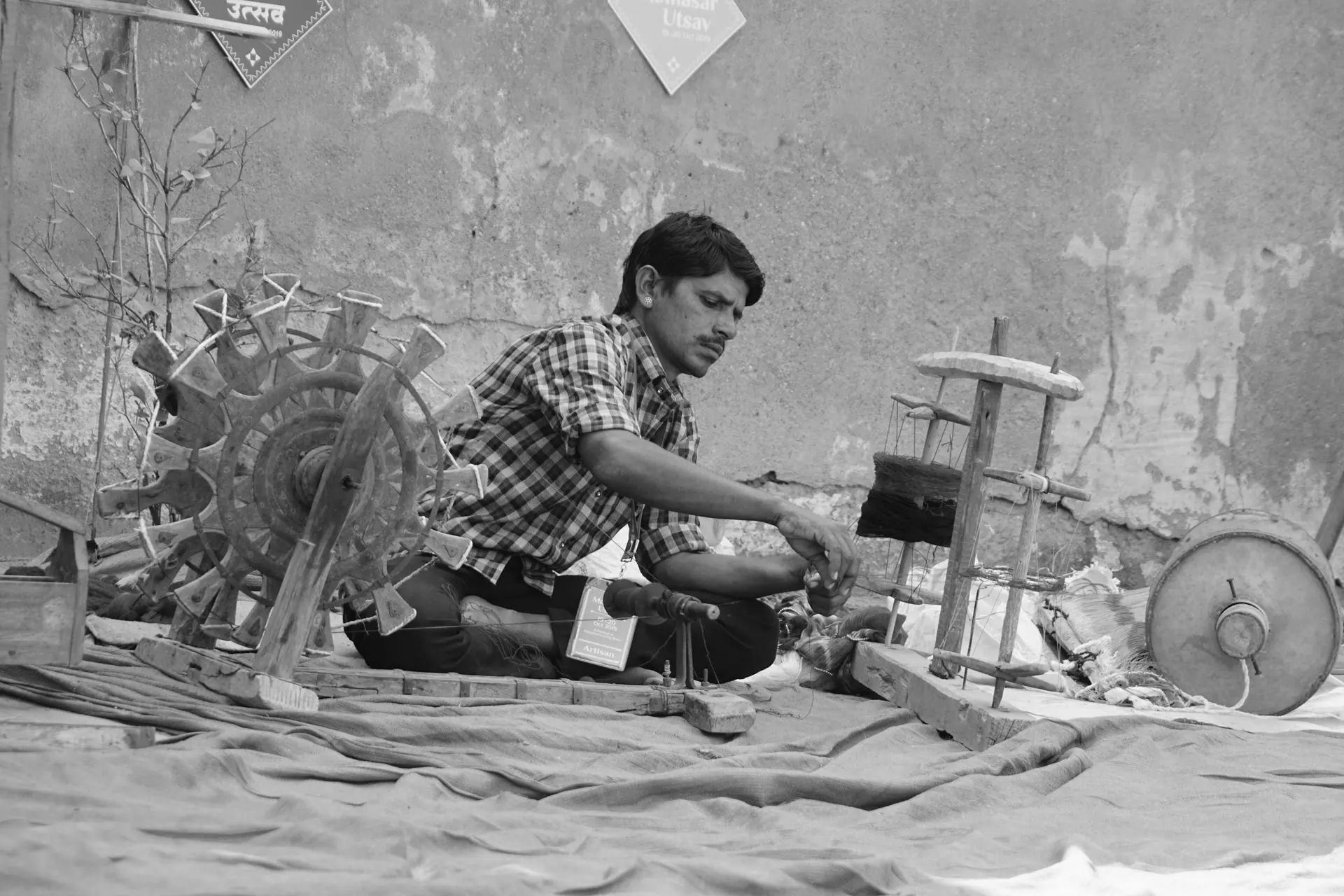
Village & Tribal Tourism
2 experiences
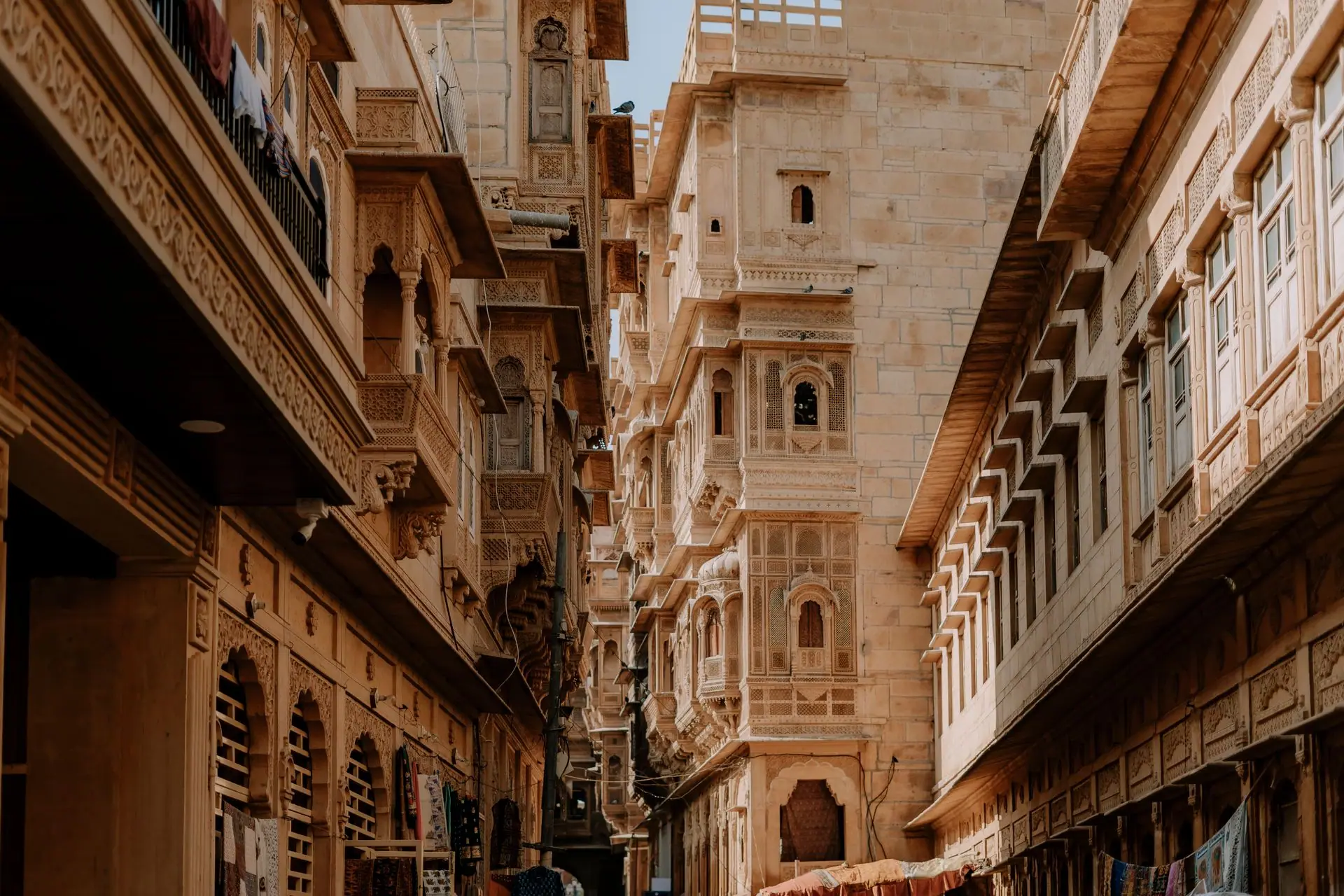
Glamping & Desert
1 experience
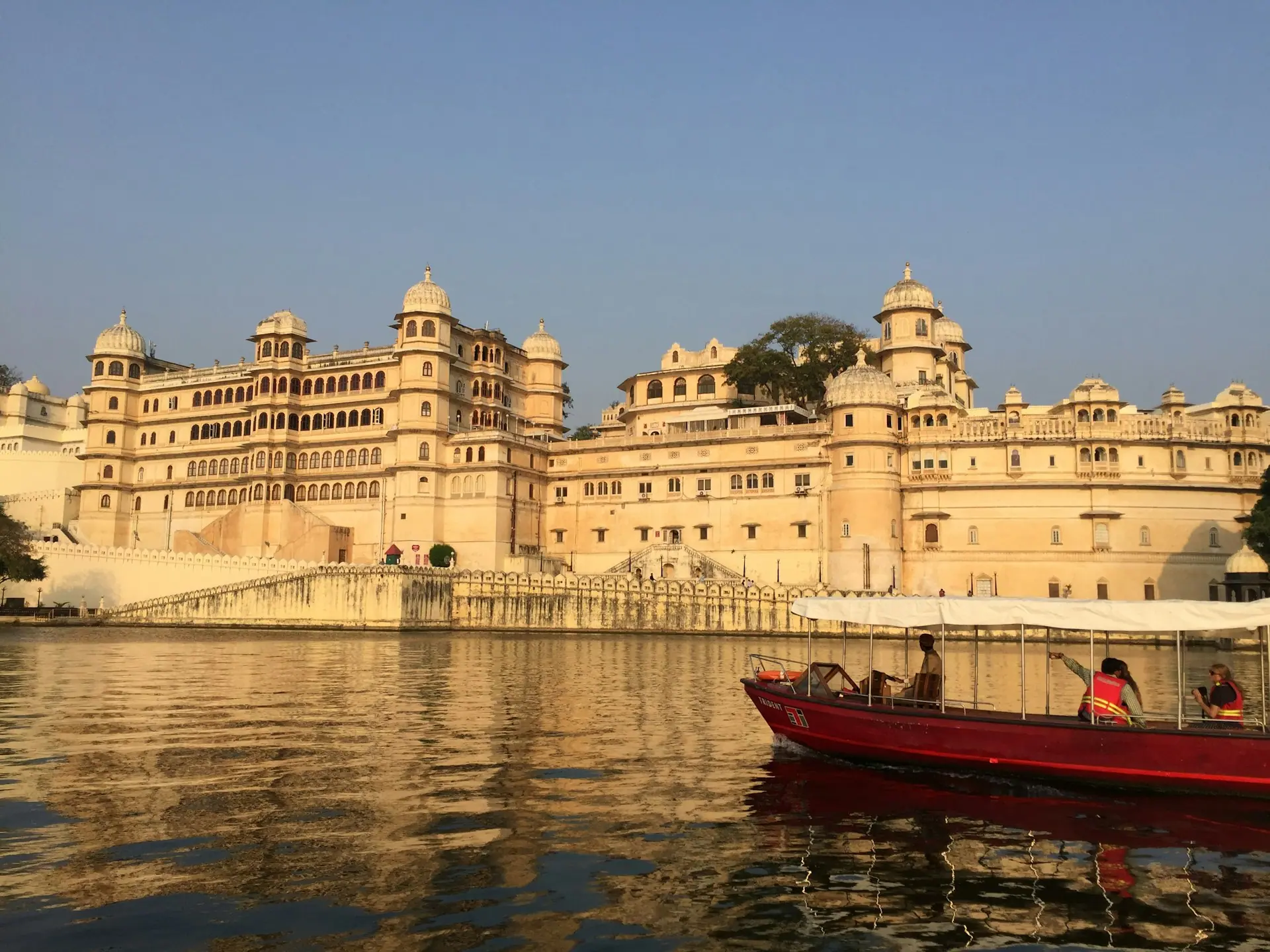
Honeymoon & Romance
3 experiences
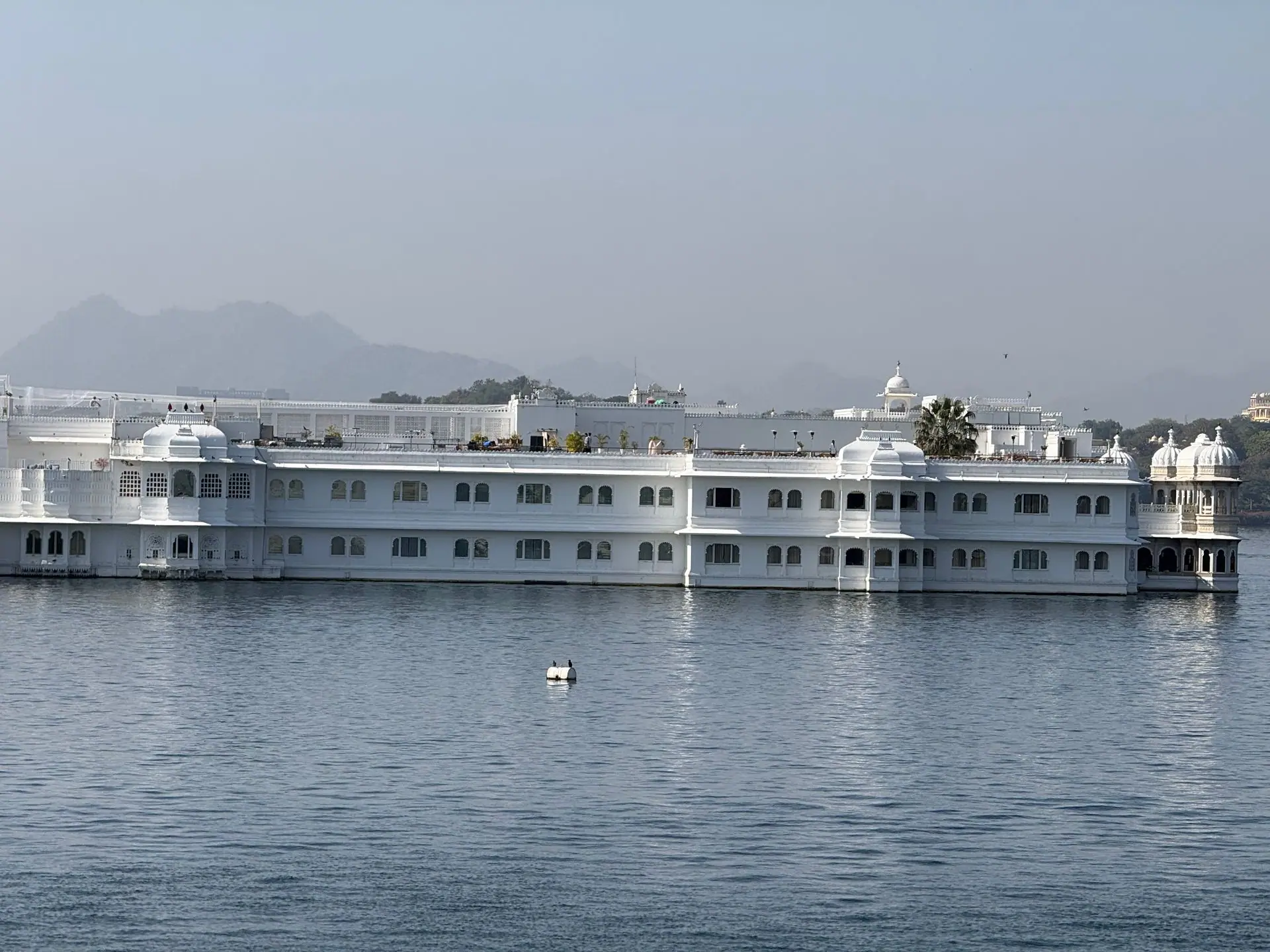
VIP & Luxury
2 experiences
Plan a trip
Tailor-made quote from a specialist