
Guides and help
OCI cards and entry rules for India 
Travel guide · Plan Your Trip
OCI cards and entry rules for India
OCI (Overseas Citizen of India) cardholders travel on the OCI card, which the Ministry of Home Affairs describes as a multiple entry lifelong visa; the foreign passport remains the primary travel document. Entry requirements beyond the card, including the e-Arrival Card, are set by the Government of India and can change. This page is a starting point, not legal advice; confirm the current rules before you travel.
Read the guidePilgrimage Tour in India for NRI Families: Registration, Seasons and Pacing 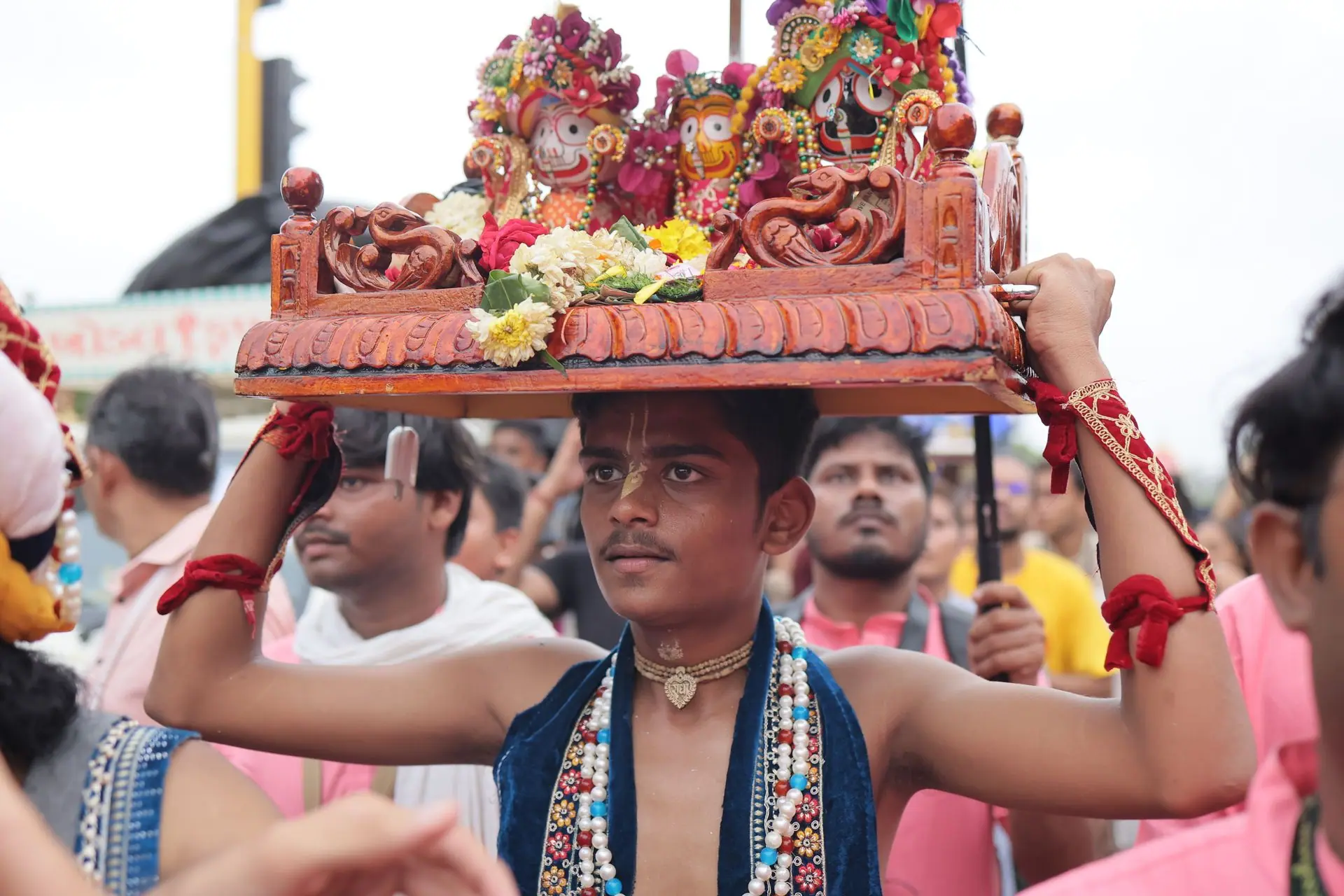
Travel guide · Plan Your Trip
Pilgrimage Tour in India for NRI Families: Registration, Seasons and Pacing
A pilgrimage tour in India works for an NRI family when four things are settled early: each person's entry document, whether the shrine needs registration or a booked darshan, the season it is open, and whether the oldest and youngest travellers can manage the walk and the altitude. Each shrine's own board sets its rules, so read its official site before you fix dates.
Read the guideSIM Card for NRI in India: Money, Cards and UPI for Visitors 
Travel guide · Plan Your Trip
SIM Card for NRI in India: Money, Cards and UPI for Visitors
An NRI visiting India can spend rupees from an NRE or NRO account, use UPI if the bank has linked an international number to it, or pay with a foreign card. A phone connection depends on the passport: an OCI cardholder is a foreign subscriber, while an NRI on an Indian passport does not get the email-OTP relaxation the Department of Telecommunications gave foreign visitors.
Read the guideMixed-Nationality Families: Who Needs What to Enter India 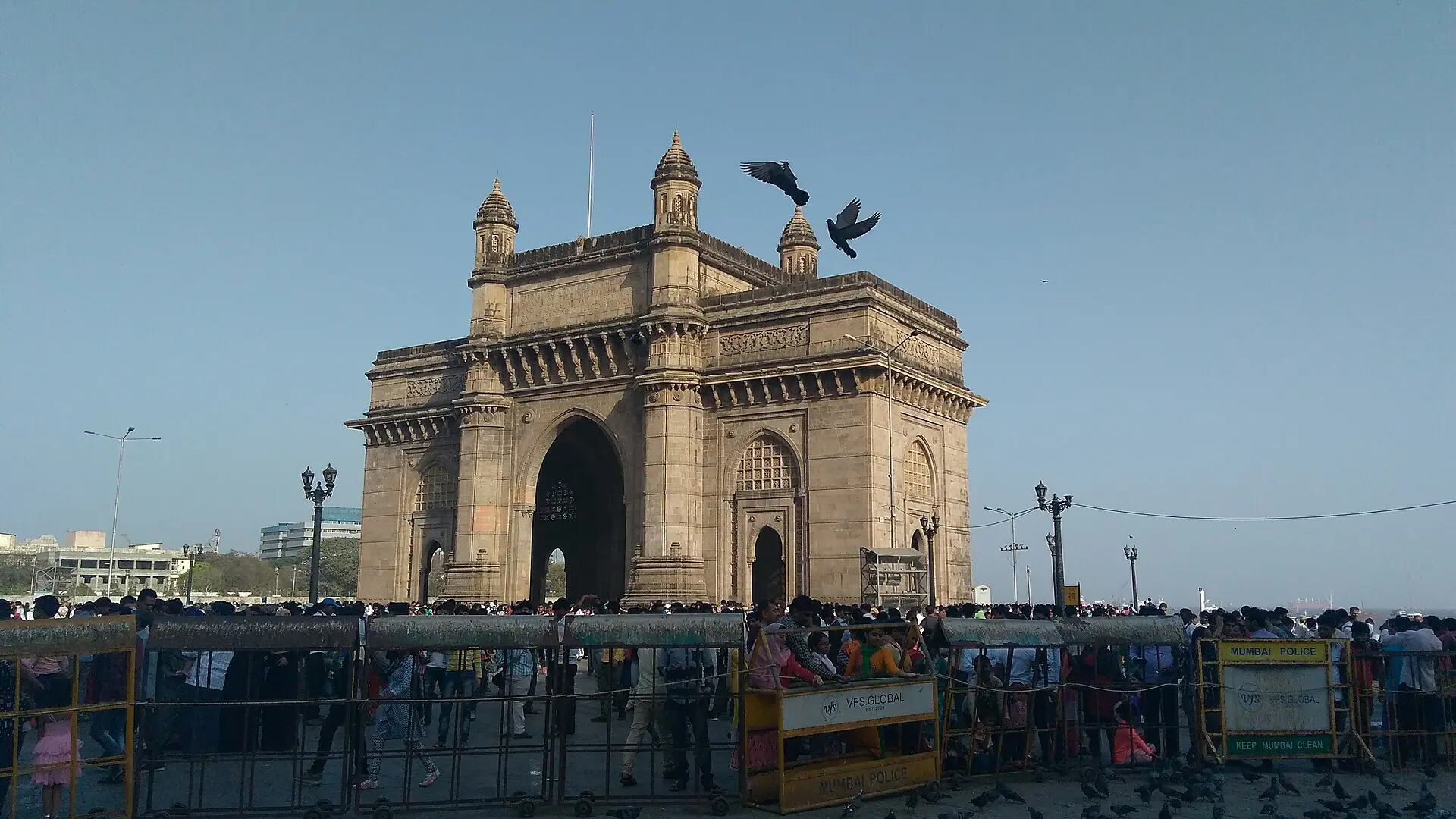
Travel guide · Plan Your Trip
Mixed-Nationality Families: Who Needs What to Enter India
In a family with mixed passports, each person enters India on their own document. Indian citizens travel on an Indian passport, OCI cardholders show their OCI card with a valid foreign passport, and everyone else needs a visa. A foreign spouse can apply for OCI once the marriage is registered and two years old, and a child with an Indian-citizen parent can apply as a minor.
Read the guideLong Stays in India: FRRO Registration, Visa Limits and OCI Rights 
Travel guide · Plan Your Trip
Long Stays in India: FRRO Registration, Visa Limits and OCI Rights
FRRO registration applies to foreigners on student, employment, medical or missionary visas valid for more than 180 days, within 14 days of arrival, and to any visa holder whose stay passes 180 days in a calendar year or on one visit. OCI cardholders and children under 12 are exempt. e-Visas cannot be extended, and tourist stays are capped at 180 days a year.
Read the guide
Frequently asked questions
Do OCI cardholders need a visa to visit India?
No separate visa. The Ministry of Home Affairs describes the OCI card as a multiple-entry lifelong visa for any purpose, so an OCI cardholder travels on the card together with a valid foreign passport, and carries both throughout the stay. Foreign nationals, OCI cardholders included, also submit the e-Arrival Card shortly before landing; it is arrival information, not a visa.
Do Indian-passport holders living abroad need a visa for India?
Not when they are Indian citizens travelling on an Indian passport. The Ministry of Home Affairs' comparative chart says an NRI, an Indian citizen ordinarily residing abroad on an Indian passport, does not need a visa. Relatives on foreign passports are different: an OCI cardholder uses the card, and anyone else needs a visa, so check each person.
Is an NRI the same as an OCI cardholder?
No. An NRI is an Indian citizen living abroad, and an OCI cardholder is a foreign national of Indian origin registered under section 7A of the Citizenship Act, 1955. The RBI counts both as persons resident outside India when they live abroad, and the MHA gives OCI cardholders parity with NRIs in some matters, such as buying property other than agricultural land, but not in citizenship.
Do OCI cardholders pay Indian rates for monuments and national parks?
The MHA's list of OCI benefits gives parity with Indian nationals in the entry fees for national parks, wildlife sanctuaries, national monuments, historical sites and museums, and in domestic air fares. Carry the physical card with your foreign passport: the Bureau of Immigration says OCI cardholders should hold both at all times during their stay.
Can a hometown or ancestral village be added to a tour itinerary?
Generally yes. Tell us the place and how much time you would like there, and we will route it into the plan and quote any added distance and travelling time. Say who is travelling and on which passport when you ask, because the documents differ by person.
Can you help plan a trip around a family wedding?
Yes. Our wedding travel page covers guest logistics. Send the dates, the towns involved and who is travelling on which document, and we will plan the days around the ceremonies, leaving margin for travel between them.
Is legal or immigration advice provided on this site?
No. We are a travel operator, not a legal or immigration service. For the visa category, OCI rules, registration or customs, we point to the official portals named above rather than offering our own reading of them.
About NRI Travel to India
What an overseas Indian needs to enter India depends on the passport, not the label. The Ministry of Home Affairs treats an NRI as an Indian citizen living abroad, who needs no visa. An OCI cardholder is a foreign national whose card is itself a lifelong, multiple-entry visa. A relative of Indian origin on a foreign passport, without an OCI card, needs a visa.
Reviewed by Experience My India Editorial Team · Updated 1 Sept 2026
Three families, three sets of papers
"NRI" is used for almost anyone of Indian origin who lives abroad, but the Ministry of Home Affairs (MHA) and the Reserve Bank of India (RBI) keep the groups apart, and what you carry follows the passport.
- An NRI is, in the MHA's comparative chart, an Indian citizen who ordinarily lives outside India and holds an Indian passport. The chart says an NRI needs no visa and has the benefits available to Indian citizens. The RBI's definition is the same in other words: a person resident outside India who is a citizen of India.
- An OCI cardholder is a foreign national with a foreign passport. The OCI card works as a lifelong visa, for any purpose and any number of entries, and the Bureau of Immigration still calls the passport the primary travel document.
- A relative of Indian origin on a foreign passport, with no OCI card, needs a visa like any other foreign visitor. Our India e-Visa guide explains the types.
- A foreign spouse or a child may hold a different document from yours. Our page on mixed-nationality families takes the family member by member.
The Constitution of India does not allow Indian citizenship and a foreign citizenship to be held together, according to the OCI portal, so one person is never both an NRI and an OCI cardholder.
What the OCI card does for a visitor
The MHA's list of OCI benefits has four points that matter on a trip.
- Entry and stay. The card is the visa, for any purpose and any number of entries. OCI cardholders are also exempt from registering with the Foreigners Regional Registration Office, however long they stay.
- Special permission. Research, missionary, tabligh, mountaineering and journalistic work, certain internships, and any place in a protected, restricted or prohibited area notified by the central government need permission or a permit first.
- Fares and fees. The MHA gives OCI cardholders parity with Indian nationals in domestic air fares and in the entry fees for national parks, wildlife sanctuaries, national monuments, historical sites and museums.
- Arrival information. The e-Visa portal says foreigners and OCI cardholders can submit the e-Arrival Card online within 72 hours before arrival, and that it is arrival information, not a visa. See our e-Arrival Card guide.
Which page answers which question
- Which document do I need?OCI or e-Visa compares the two for a short visit.
- Is everyone in the family on the same footing?Mixed-nationality families covers a foreign spouse, children and old PIO cards.
- How long can we stay?Long stays and FRRO registration sets out visa limits, registration and extensions.
- What about phones and money?Money and SIM cards for NRI visitors covers NRE and NRO accounts, UPI and cards, and SIM cards and eSIMs covers the Department of Telecommunications rules.
- What can I carry through customs?Gold, jewellery and cash gives the Baggage Rules allowances.
- Is a family pilgrimage possible with three generations?Pilgrimage trips for NRI families covers registration, seasons and pacing at the major shrines.
- Health and cover? See vaccinations and travel insurance.
Trips with a family reason
An overseas family's trip is often not a first visit: there is a hometown to reach, a wedding to attend or three generations travelling together. Tell us the place and how much time you want there, and a trip we plan can include it, with any extra distance quoted.
- Roots and heritage trips for tracing a family's origins.
- Weddings for guests travelling to a ceremony.
- Multi-generation India trips for grandparents and grandchildren together.
- Our pilgrimage tour packages for the major circuits.
Check the official source before you book
Rules about entry, visas and OCI are set by the Government of India and change. The primary sources are ociservices.gov.in for the OCI card, boi.gov.in for the Bureau of Immigration, indianvisaonline.gov.in for e-Visas and the e-Arrival Card, and indianfrro.gov.in for registration and extensions. We are a travel operator and cannot give legal or immigration advice; where a rule has legal weight, the portal decides.
Plan a trip
Tailor-made quote from a specialist