
Last updated:
Family Trip in India with Kids: A Planning Guide
A family trip in India works best in the cooler months, October to March on the northern plains, with fewer moves and shorter days than an adult itinerary. The Golden Triangle, Rajasthan's desert, Kerala's backwaters and Goa's beaches suit most ages. See a travel clinic at least a month before you fly, and avoid the plains in May and June, when Delhi's highs average 39–40°C.
By Experience My India Editorial Team
Destination specialists and licensed local guides
When to go with children
Heat is the first thing to plan around. On the India Meteorological Department's (IMD) 1991–2020 averages, Delhi's daytime highs reach 39.9°C in May and 39.0°C in June, Udaipur's 40.2°C and Varanasi's 40.7°C in May. CDC warns that heat-related illness, such as heat stroke, can be deadly, and advises eating and drinking regularly, loose, light clothing and less activity in high temperatures. With children, keep sightseeing to the early morning from April onwards.
From October to March the plains are comfortable by day, but winter nights are cold: Delhi averages a January low of 7.5°C, so pack warm layers. Winter is also when the air is worst. The UK Foreign Office says severe air pollution is a major health hazard in India, especially from October to February, that north Indian cities are the most affected, and that children may be especially affected. The Central Pollution Control Board publishes a daily Air Quality Index bulletin; check it before planning a day outdoors.
The monsoon reaches Kerala around 1 June and Delhi around 27 June, on IMD's normal dates, and leaves most of the country by mid-October. Our guide to the best time to visit India covers each region.
Regions that work for families
- The Golden Triangle of Delhi, Agra and Jaipur keeps drives short: the Taj Mahal's official site gives Agra as 204 km from Delhi and 232 km from Jaipur. Battery buses and golf carts run from the Taj Mahal's car parks to its gates, which saves small legs, and the monument is closed every Friday. In Jaipur, the Hawa Mahal has ramps rather than stairs to its upper floors, according to Incredible India. See the Jaipur travel guide.
- Rajasthan's desert and wildlife: near Jaisalmer, camel safaris run on the Sam and Khuri dunes, and Ranthambore's tiger safaris are covered in the Ranthambore travel guide.
- Kerala's backwaters: a houseboat on Alappuzha's canals and lagoons makes an easy day for most ages. January is the driest month there, averaging 16 mm of rain. Read the Alleppey travel guide.
- Goa's beaches: the UK Foreign Office warns that most Indian beaches have no warning signs, flags or lifesaving equipment and that strong currents drown people every year, so keep children within arm's reach in the sea. See the Goa travel guide.
- The hills in summer: when the plains are hottest, Shimla's daytime highs average about 25°C in May and June. See the Shimla travel guide.
See a travel clinic before you go
Book a travel clinic or your family doctor at least a month before the trip, as CDC advises, and take every child's vaccination record with you. CDC's India page asks all travellers to be up to date on routine vaccines, including measles, mumps and rubella, and recommends hepatitis A and typhoid vaccination for most travellers. Its measles and hepatitis A advice also covers babies from six months, so mention any infant's age when you book. The clinic, not a website, should decide what each child needs.
Two everyday habits matter as much. CDC advises safe food and water choices and hand washing at key times, which also help prevent typhoid. And it notes that dogs infected with rabies are common in India: teach children not to touch dogs, cats or monkeys, and get medical help immediately after any bite, scratch or lick from an unfamiliar animal. Our India packing list covers what to bring.
On the road: cars, trains and altitude
Indian law covers children in cars. Section 194B of the Motor Vehicles Act, as amended in 2019, makes it an offence to drive with a child under 14 who is not secured by a safety belt or a child restraint system, and every passenger must wear a seat belt. Ask your car operator well before you arrive whether a child seat suited to your child can be fitted, or bring your own.
Keep each day's driving short, break any leg of 200 km or more with a stop, and spend two or three nights in each place. For the mountains, the Leh district's health advisory asks every visitor, of any age, to rest at least 48 hours in Leh before going higher, and the UK Foreign Office lists altitude sickness among the hazards above 3,000 metres; ask your doctor before taking a young child to Ladakh.
Our family tour packages are collected in one place, and every one of them can be cancelled with a full refund until 24 hours before departure.
Frequently asked questions
Is India safe to visit with children?
Yes, with planning. Most of what keeps children safe here is practical: up-to-date vaccinations and a travel-clinic visit a month ahead, as CDC advises; seat belts or a child seat, which Indian law requires for under-14s; avoiding the plains in May and June; and care around stray animals and the sea. Read your own government's travel advice too, as it names the areas to avoid.
Do children need a car seat in India?
The law requires a child seat or a seat belt. Section 194B of the Motor Vehicles Act, as amended in 2019, makes it an offence to drive with a child under 14 who is not secured by a safety belt or a child restraint system, and all passengers must wear seat belts. Ask your car operator before you arrive whether a seat suited to your child's age can be fitted, or bring your own.
Is Delhi's winter air bad for children?
It can be. The UK Foreign Office says severe air pollution is a major health hazard in India, especially from October to February, that north Indian cities are the most affected, and that children may be especially affected. Check the Central Pollution Control Board's daily Air Quality Index bulletin before outdoor days, and see a doctor before travelling if a child has asthma or another breathing condition.
Which vaccinations do children need for India?
A travel clinic decides that for each child, so book one at least a month before you fly, as CDC advises. CDC's India page asks every traveller to be up to date on routine vaccines, including measles, mumps and rubella, and recommends hepatitis A and typhoid vaccination for most travellers. Its measles and hepatitis A advice also covers babies from six months.
Should we avoid high-altitude regions with young children?
Plan them carefully rather than ruling them out. The Leh district asks every visitor, whatever their age, to spend at least 48 hours acclimatising in Leh before going higher, with no exertion in the first two days, and notes that arriving by road does not help. The UK Foreign Office lists altitude sickness among the hazards above 3,000 metres. Ask your doctor before taking a young child that high.
How different should a family itinerary be from an adult one?
Slower, with fewer moves. Stay two or three nights in each place rather than one, keep drives to a few hours, see the main sight in the cool of the morning, and leave the afternoon for a pool or a rest. In Agra, plan the Taj Mahal for any day but Friday, when it is closed, and use the battery buses from the car park.
Which months are too hot for a family trip to India?
On the northern plains, May and June. IMD's 1991–2020 averages give Delhi daytime highs of 39.9°C in May and 39.0°C in June, and Udaipur 40.2°C and Varanasi 40.7°C in May. April is already hot, at 36.5°C in Delhi. In those months, head for the hills instead: Shimla's daytime highs average about 25°C in May and June.
Related guides
Customer reviews
Experience My India is rated 4.3 on Tripadvisor. We publish guest reviews after each trip.
Why book with Experience My India
Government-approved operator
Approved by the Ministry of Tourism, Government of India
500+ vetted local guides
35+ destination specialists plan every trip by hand.
Human help, every day
Mon–Sun, 9:00 AM – 9:00 PM IST · +91 73022 65809
No payment until you approve
You receive a written quote first; nothing is charged to start planning.
Browse experiences by theme
See all
Wildlife Safaris
8 experiences
Heritage & Architecture
2 experiences
Beaches & Islands
5 experiences
Wellness & Ayurveda
1 experience
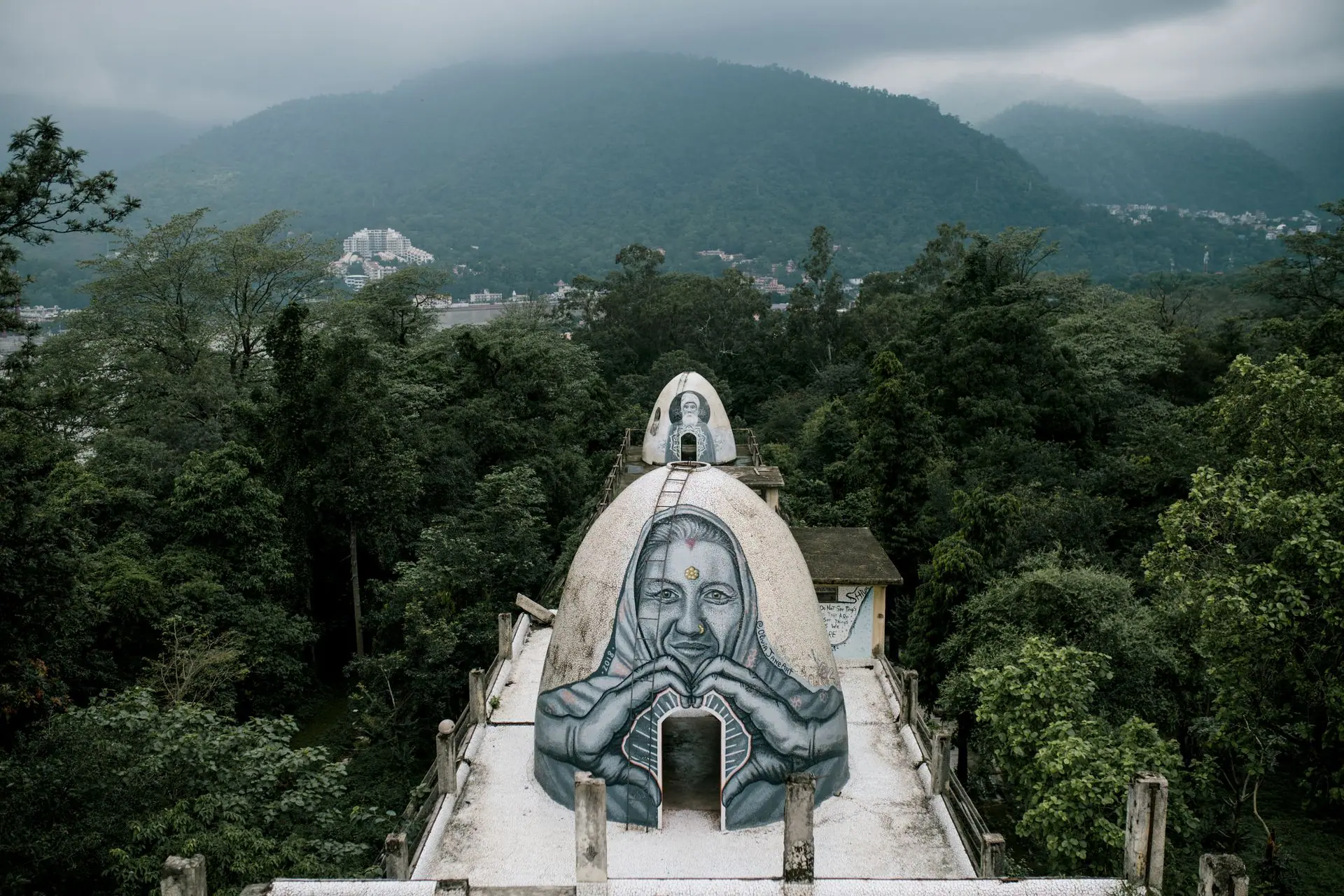
Yoga & Meditation
4 experiences
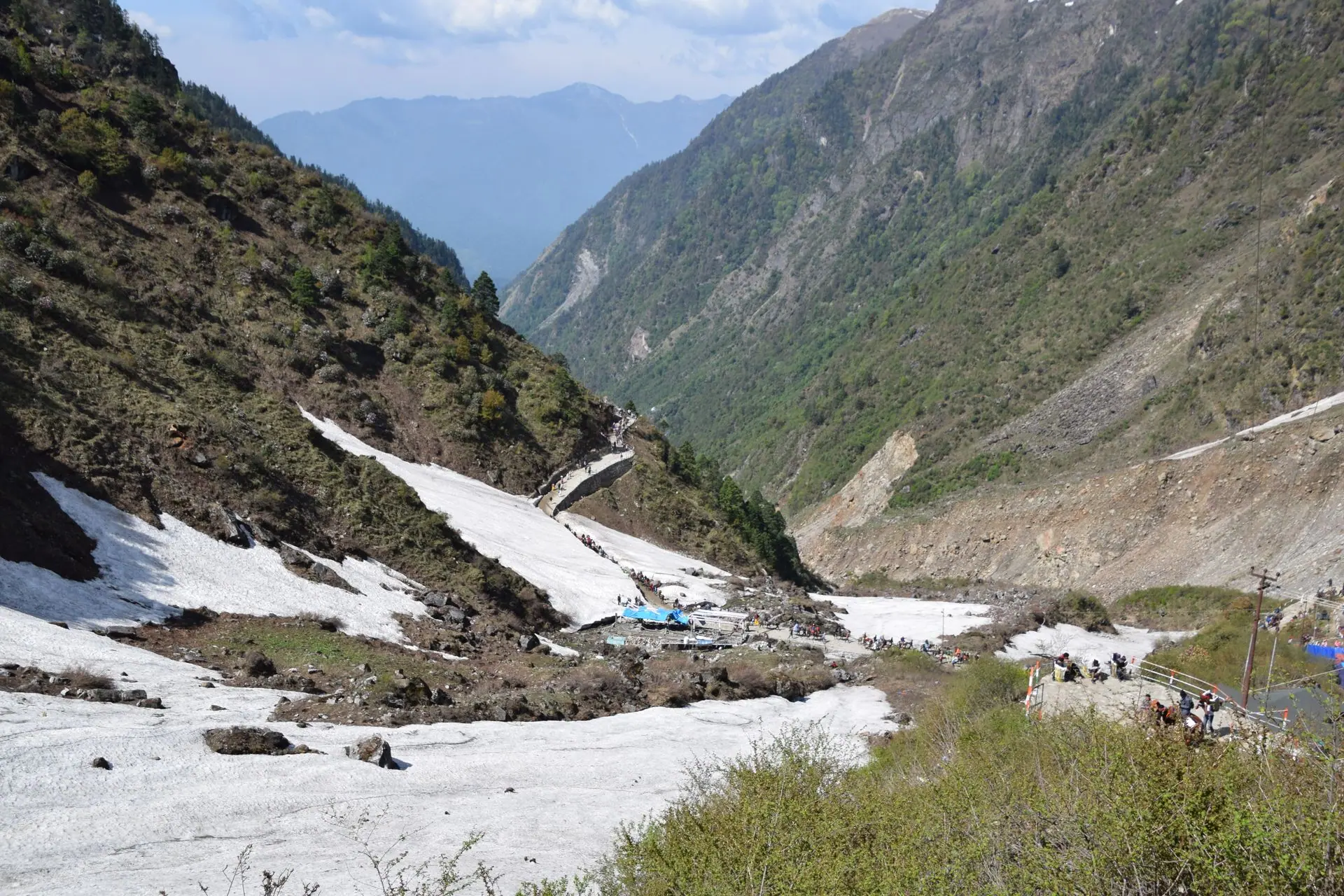
Trekking
2 experiences
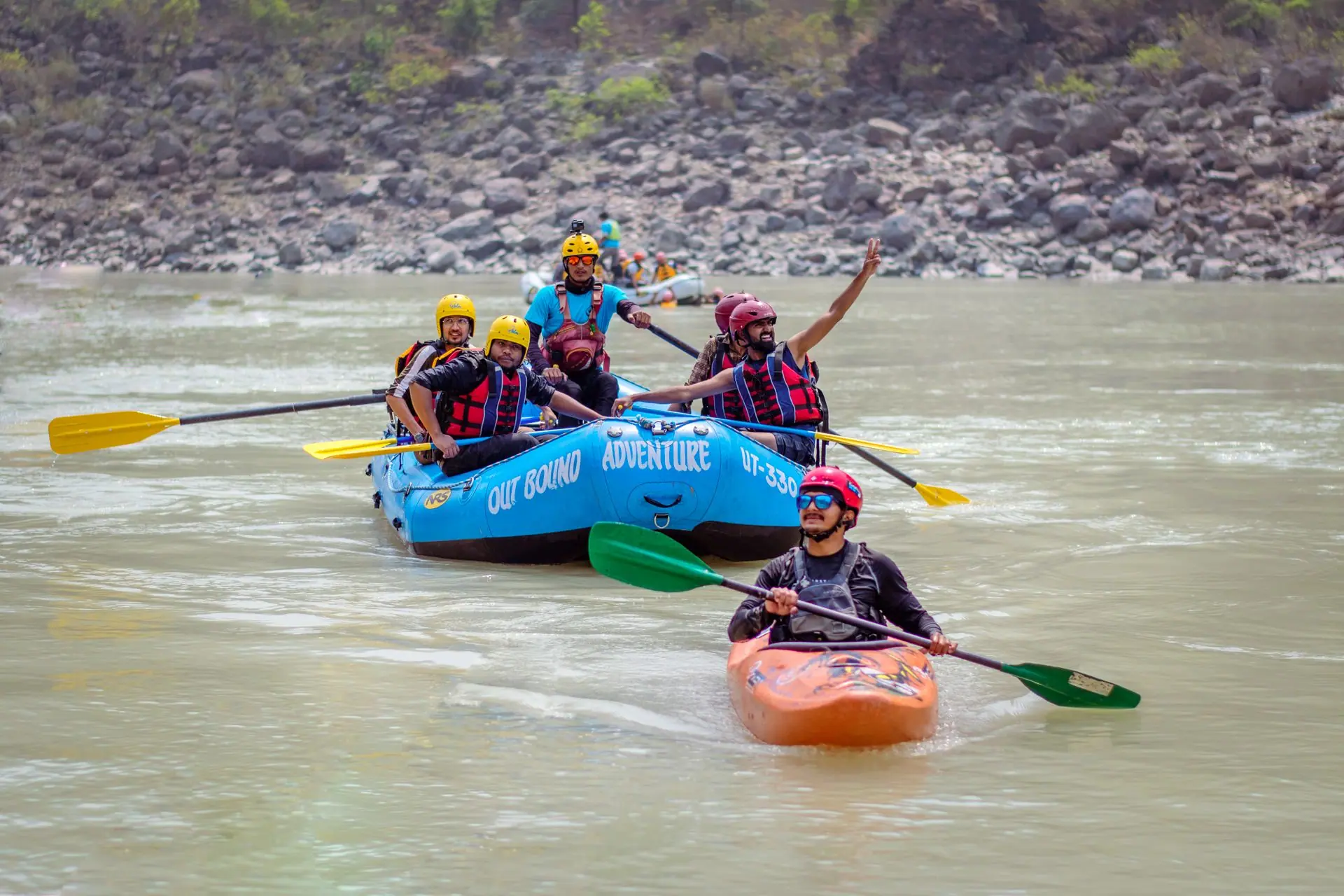
Adventure
6 experiences
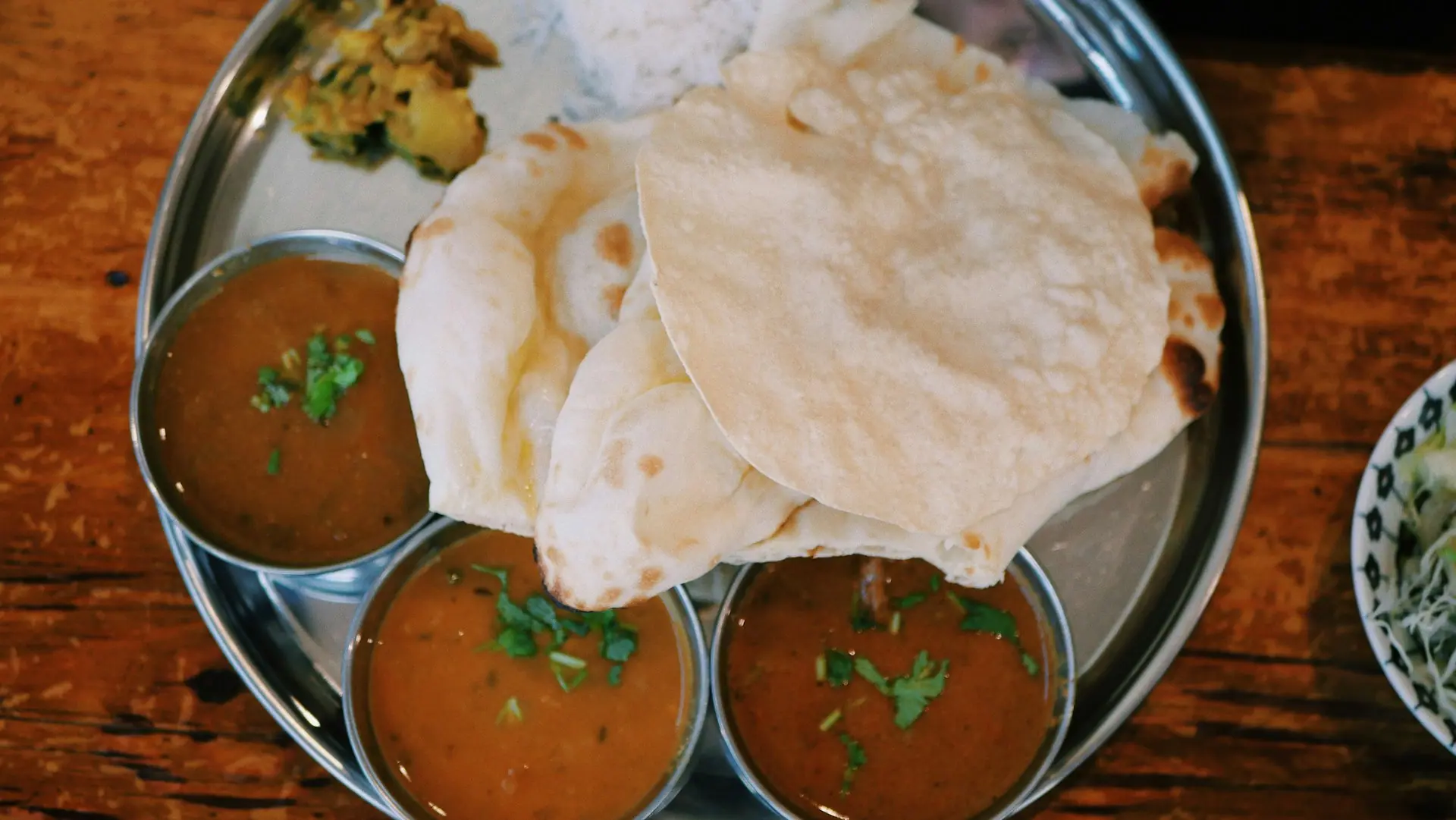
Culinary
5 experiences
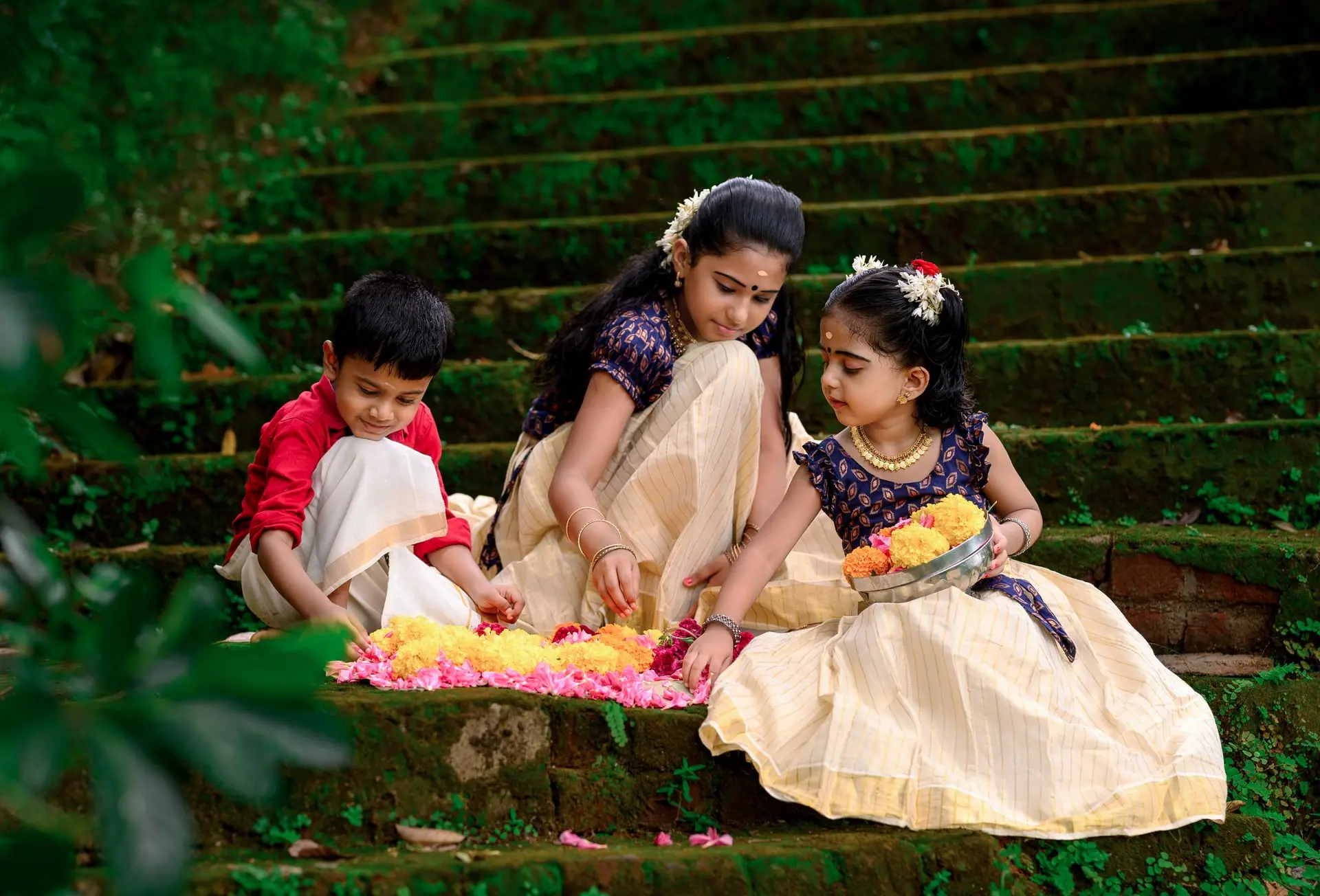
Festivals
8 experiences
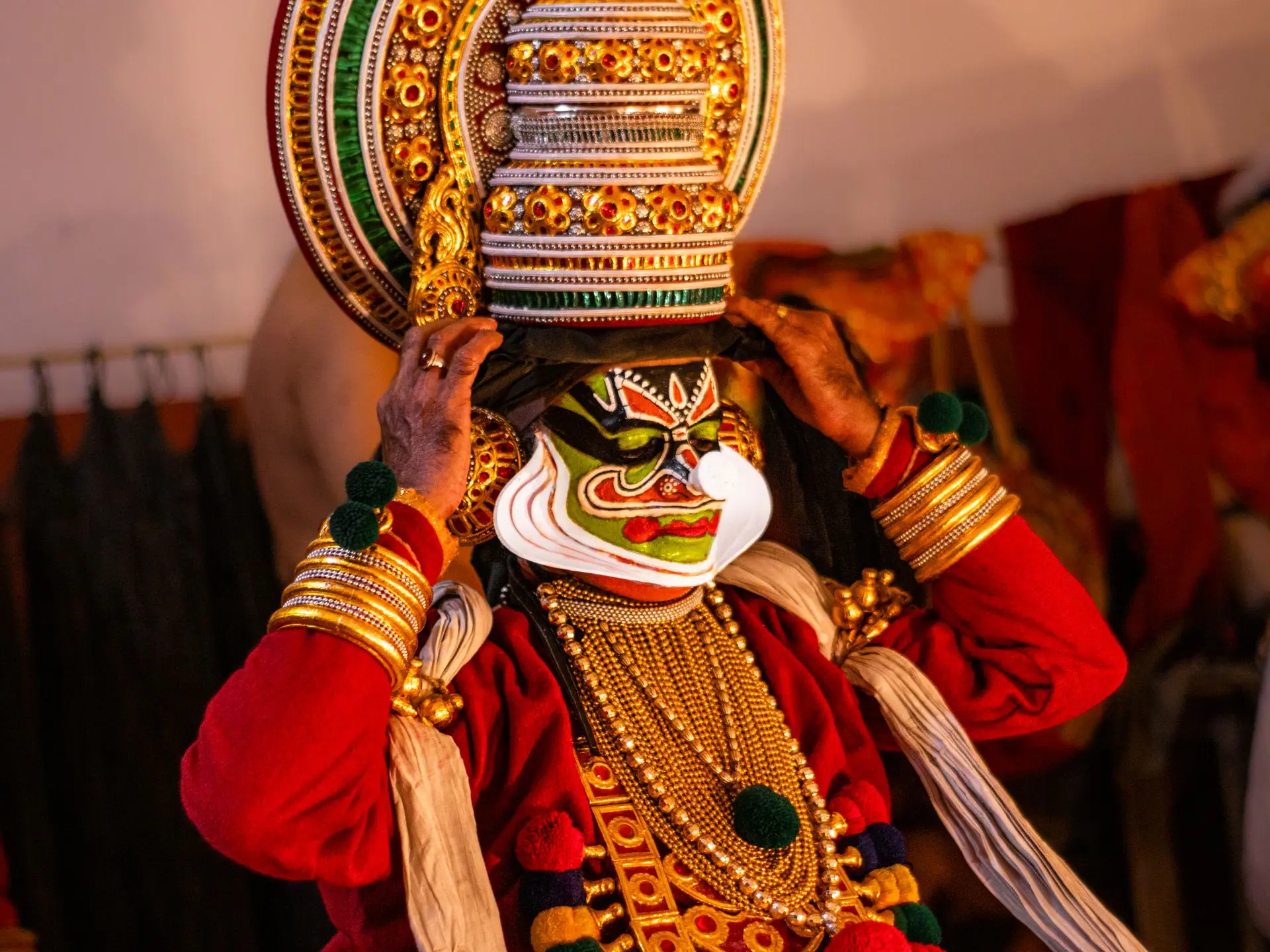
Performing Arts
5 experiences
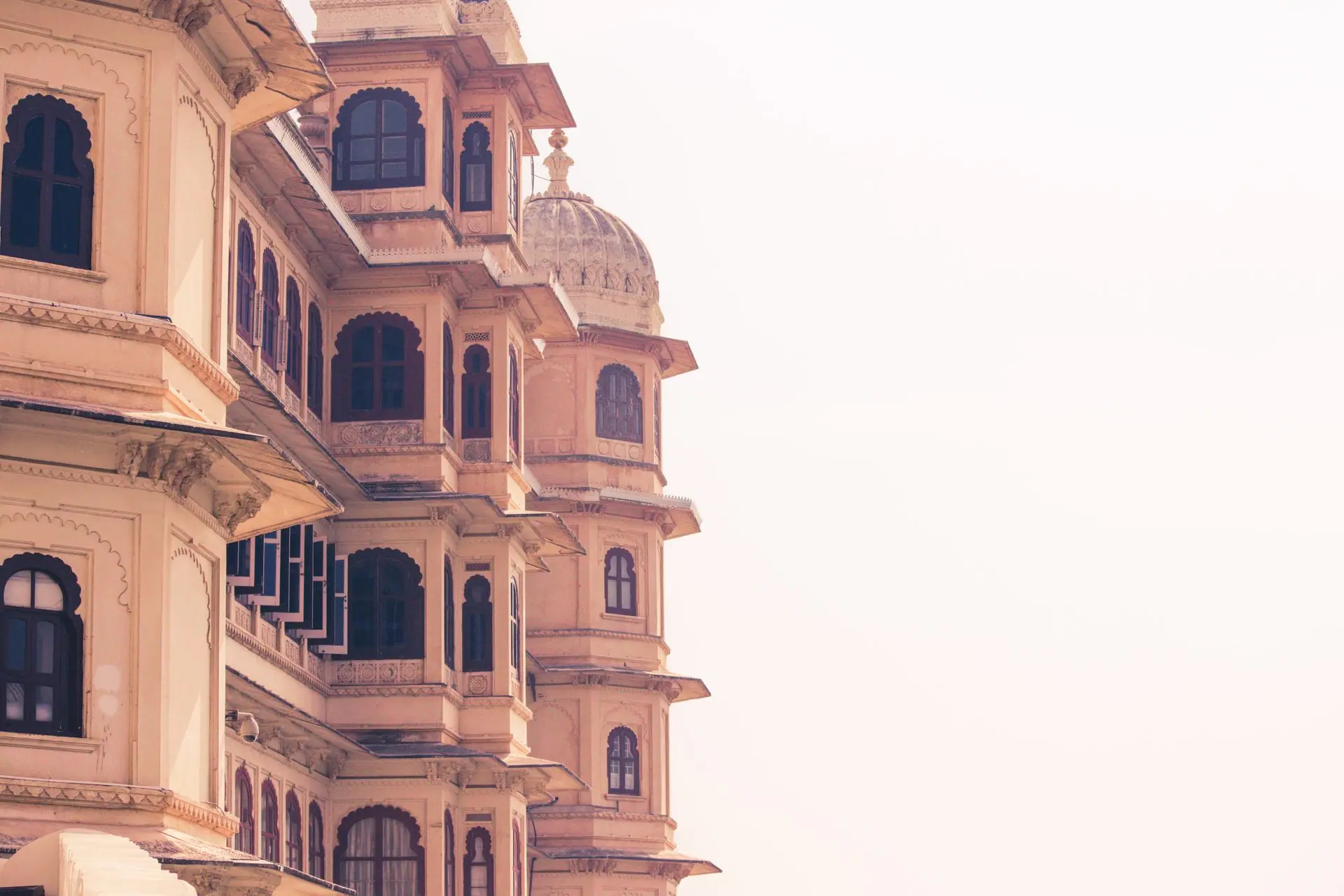
Luxury Trains
4 experiences
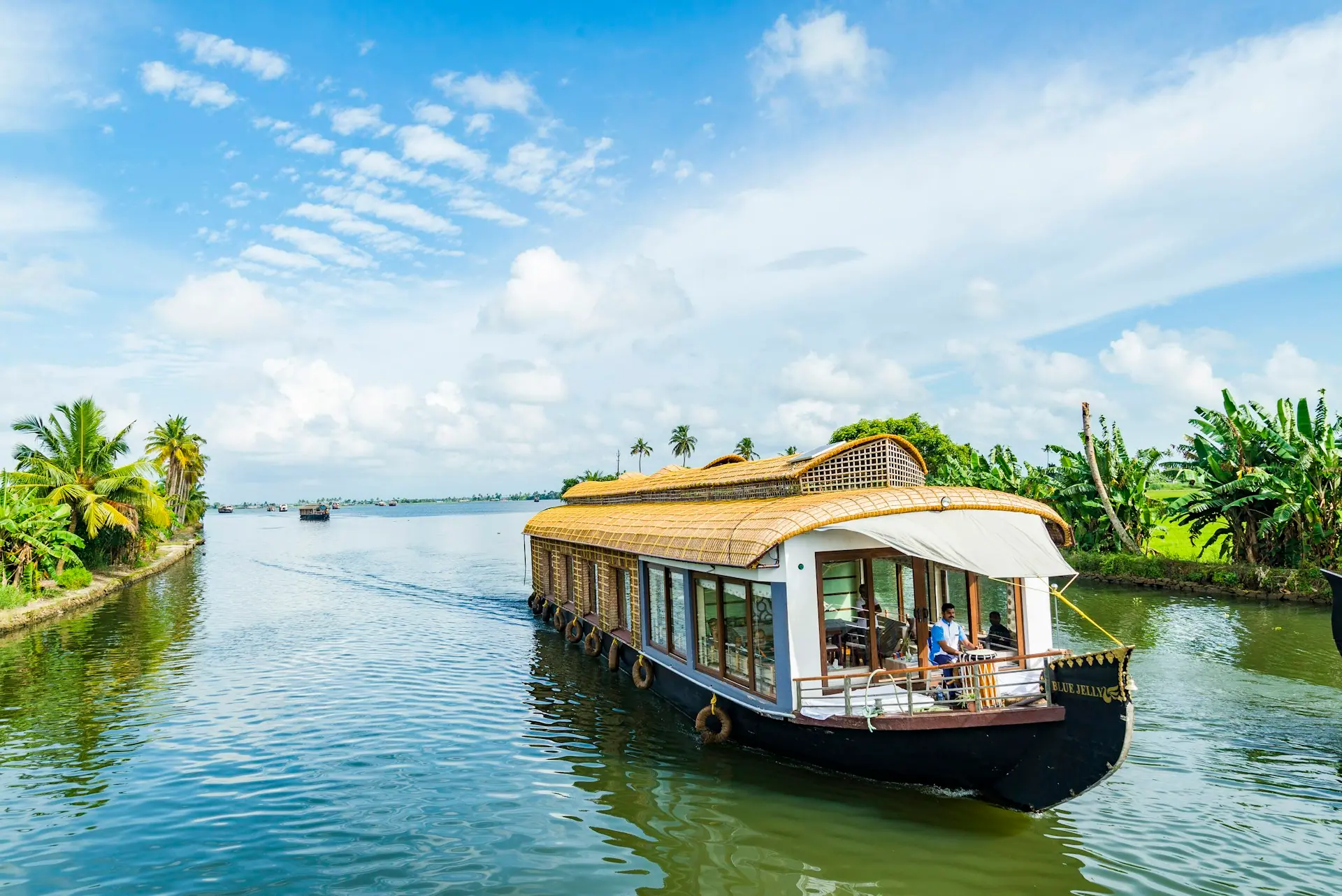
Houseboats
3 experiences
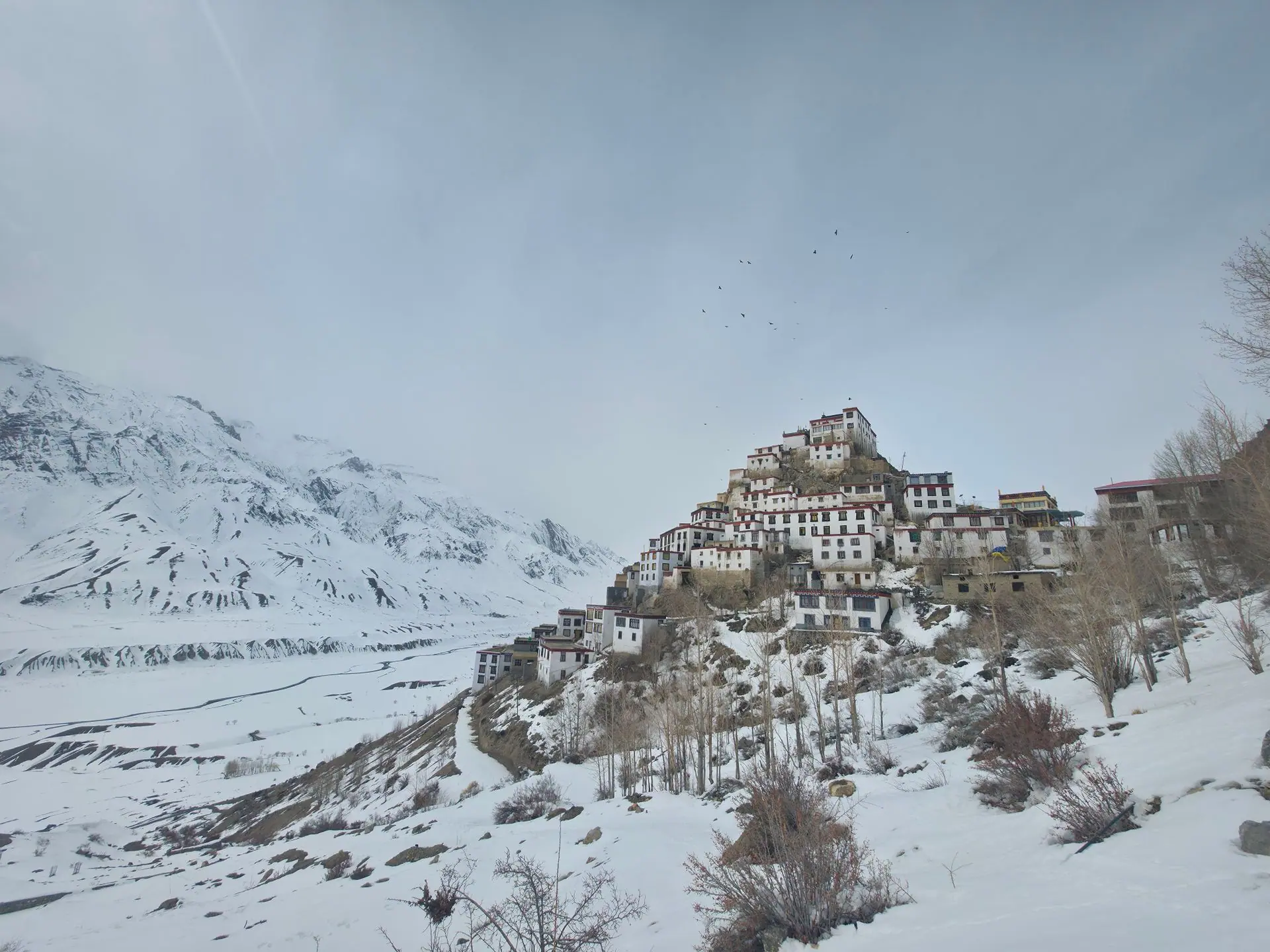
Toy Trains & Railways
1 experience
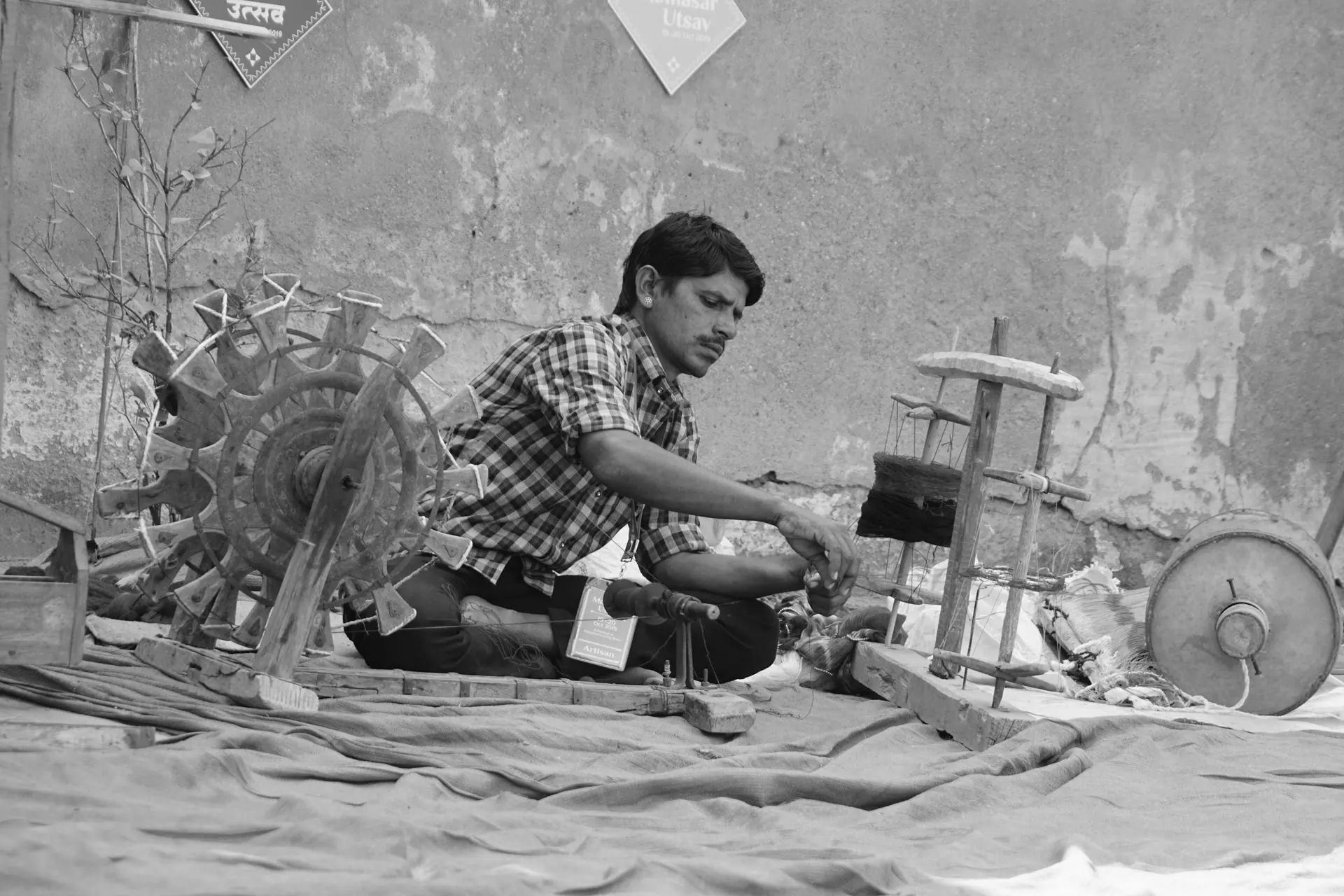
Village & Tribal Tourism
2 experiences
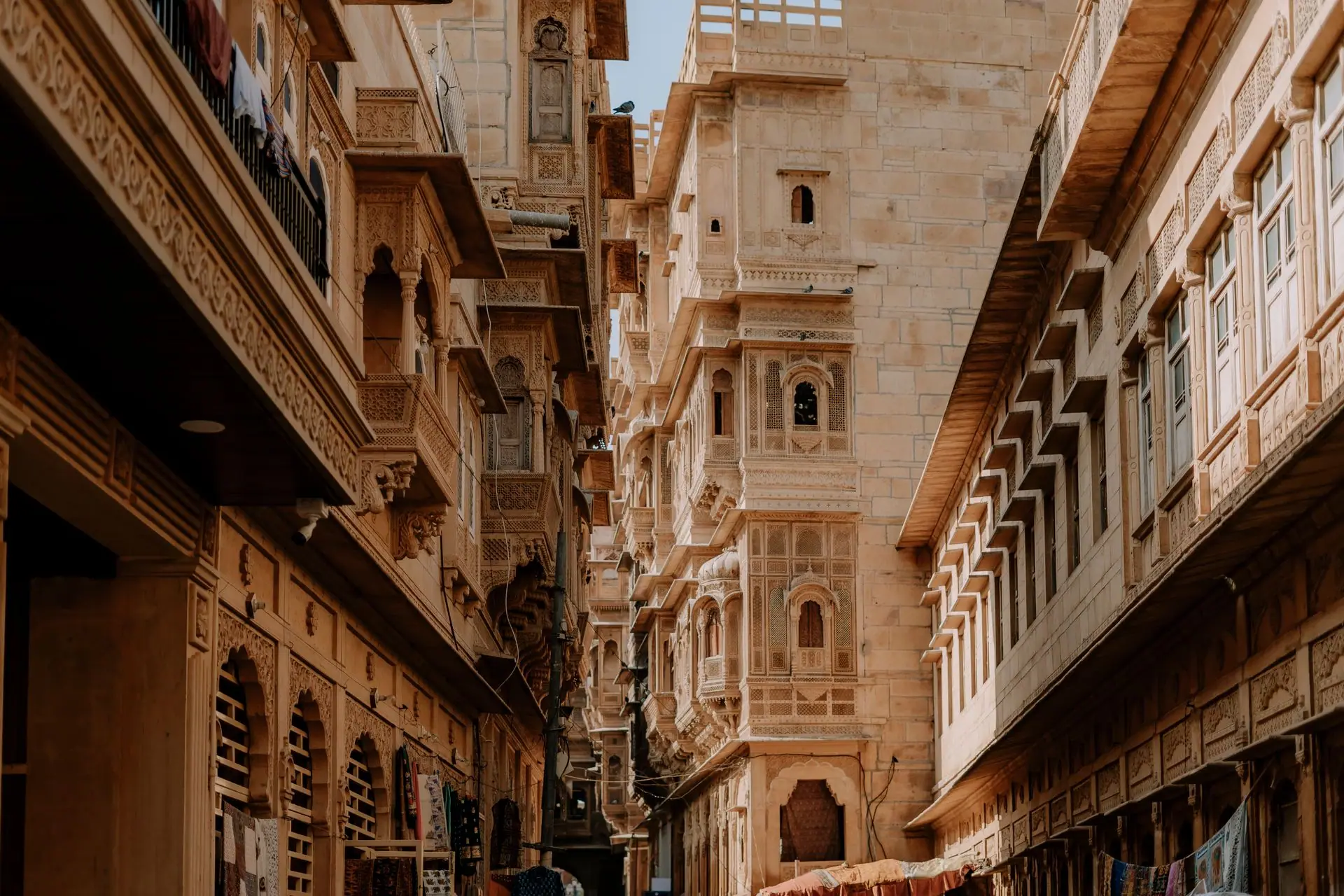
Glamping & Desert
1 experience
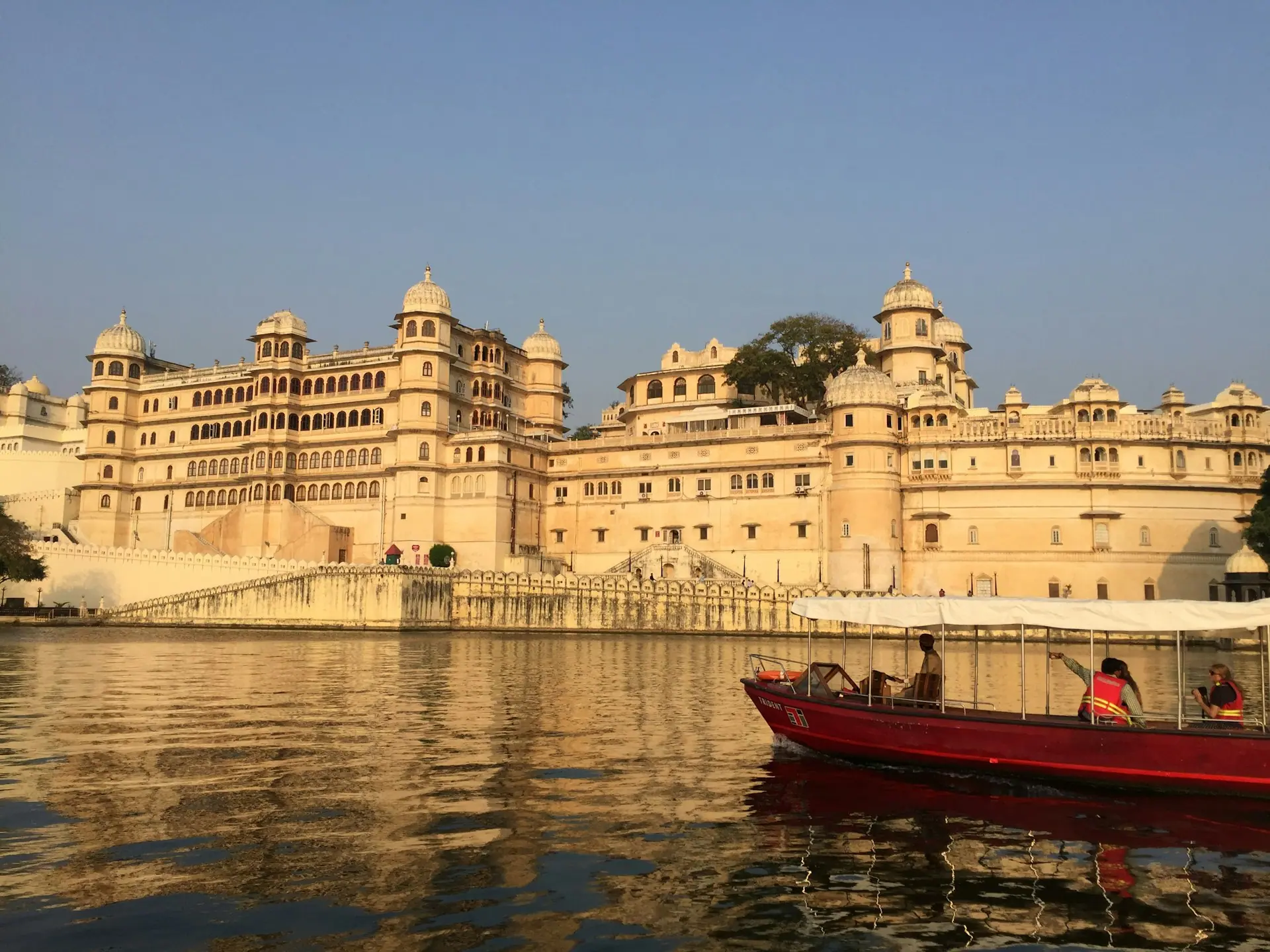
Honeymoon & Romance
3 experiences
VIP & Luxury
2 experiences
Plan a trip
Tailor-made quote from a specialist