
Best Time to Visit Goa: Month by Month
The best time to visit Goa is October to March, when Goa Tourism calls the weather very pleasant, with mostly clear skies and a sea in its normal state. December and the days around New Year are the busiest. April and May are hot, and the south-west monsoon from June to September brings about 90 per cent of the year's rain and rules out swimming and water sports.
By Gurudutt Kaushal · Reviewed by Gurudutt Kaushal
See all 7 tours and experiences in Goa →
Government-approved operatorApproved by the Ministry of Tourism, Government of India
Goa's seasons at a glance
Month by month
Which season suits what
Festivals worth timing a trip around
Carnival (February or March) and Shigmo (March or April) fall in the dry season. IFFI is in November, and the Feast of St Francis Xavier on 3 December. In the monsoon, São João is on 24 June and Bonderam in the last week of August. Ganesh Chaturthi, which GTDC calls almost the national festival for Goans, is celebrated at home for at least a day and a half, and in community celebrations of 9 to 21 days; its date changes every year, so check it before you book.
Planning around the seasons
Our North Goa travel guide covers the busy beaches and markets and our South Goa travel guide the quieter southern coast, with Old Goa and Panjim between them. The Goa Beach Escape gives two nights to each coast, and our Goa yoga retreat quotes mid-November to February as its reliable season, with many beach-side properties closed in the monsoon. Everything we run in the state is on our Goa tours and experiences page, and the packages are on Goa tour packages.
Why book with Experience My India
Government-approved operator
Approved by the Ministry of Tourism, Government of India
500+ vetted local guides
35+ destination specialists plan every trip by hand.
Human help, every day
Mon–Sun, 9:00 AM – 9:00 PM IST · +91 73022 65809
No payment until you approve
You receive a written quote first; nothing is charged to start planning.
Frequently asked questions
Is the Goa monsoon season worth visiting?
It suits travellers who want green hills and waterfalls rather than a beach holiday. July is the wettest month, at about 926 mm on IMD's Panaji normals. The Department of Tourism says not to swim, the state's policy bars water sports and boat trips, and the sea is rough. Dudhsagar and Arvalem are fullest, and Old Goa's museums are an indoor option.
When do the monsoon rains start and end in Goa?
IMD's normal date for the monsoon to reach Panjim is 5 June, and its normal withdrawal date is 14 October, from records for 1961 to 2019 (onset) and 1971 to 2019 (withdrawal). Goa's information department puts the rains from early June to late September. June to September brings about 90 per cent of the year's rain, and October still averages about 131 mm.
Is Goa very crowded over Christmas and New Year?
Yes. Goa Tourism describes the destination as packed from December through New Year, and the Department of Tourism says flights run full from October to January. Book flights and stays well ahead. The weather barely changes through the dry months, with normal highs of 32 to 33°C from December to March, so November or February give a similar climate outside the peak weeks.
Can you swim or do water sports in Goa in the monsoon?
No. The Department of Tourism says do not swim in the monsoon. The state's water-sports policy says no water sports shall be carried on in unsafe weather, monsoons or storms, and it counts boat rides, river cruises and dolphin trips among them. Only registered operators may work, from 8 am to 6.30 pm or before sunset, whichever is earlier.
Should I avoid visiting Goa in summer (March to May)?
Not necessarily, but it is hot. IMD's normal highs are 33.1°C in April and 33.6°C in May, with May's low at 26.4°C, and Goa Tourism says it sometimes reaches around 36°C, easing with a sea breeze after 3 pm. March is milder, at 32.3°C. Rain is rare until May, when thunderstorms become frequent.
Which month is Goa's Carnival held in?
In February or March, depending on the date of Easter, and it typically lasts four days, according to GTDC. Panaji is the main centre of the festivities, with the largest and most elaborate parade, and the festival is also held in Margao, Vasco da Gama, Mapusa, Porvorim and Morjim.
Which months are best for diving and water sports in Goa?
Our Goa scuba diving page gives October to May, on calmer and clearer water, with no diving from June to September. Our water sports page quotes mid-November to February for Baga and Calangute. The state's policy bars water sports in the monsoon and outside daylight, and no operator may work without registration.
Tour packages in Goa
See all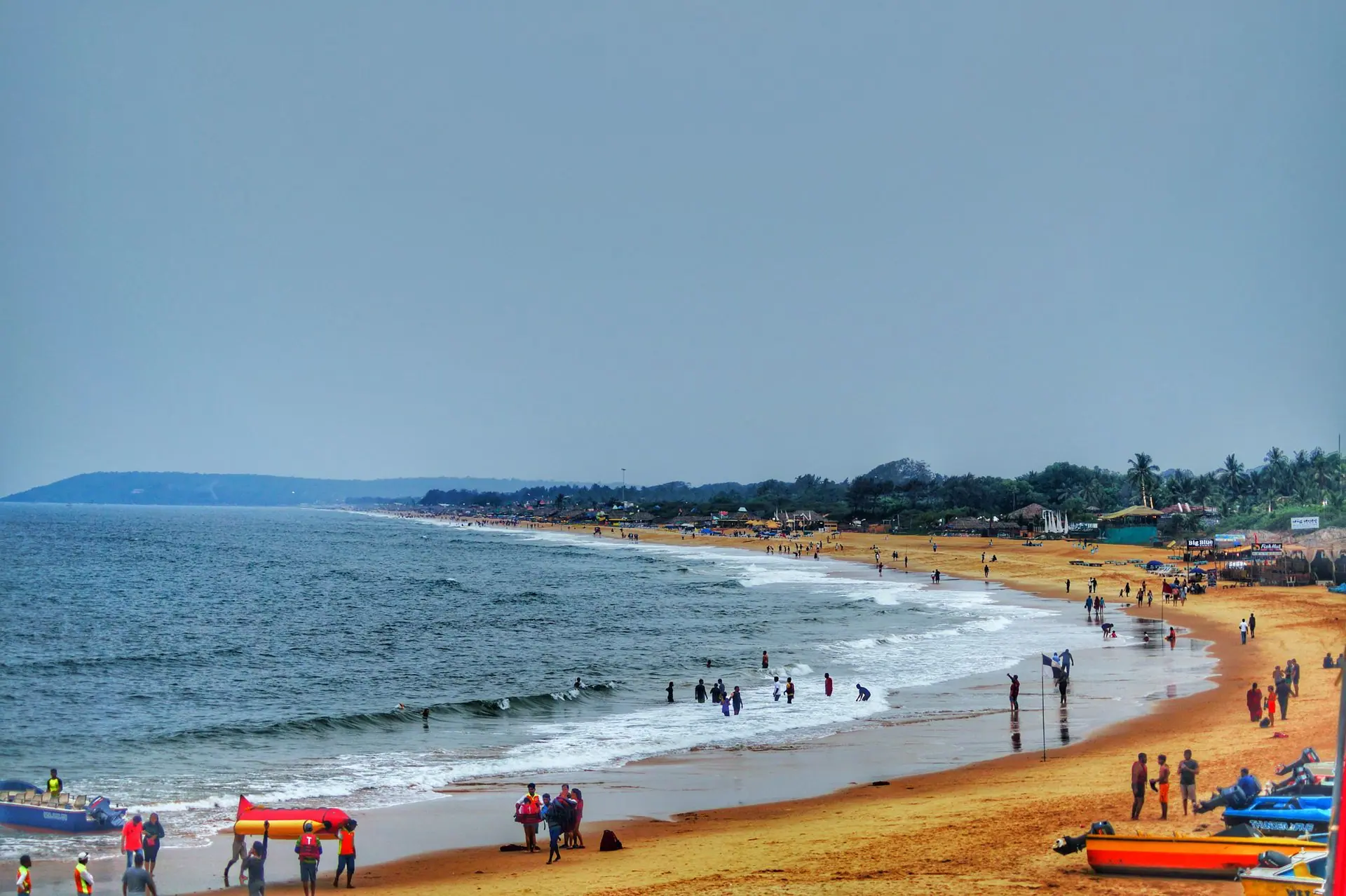
North Goa Beaches
Goa north beaches tour
Private guide and vehicle throughout
Price on request
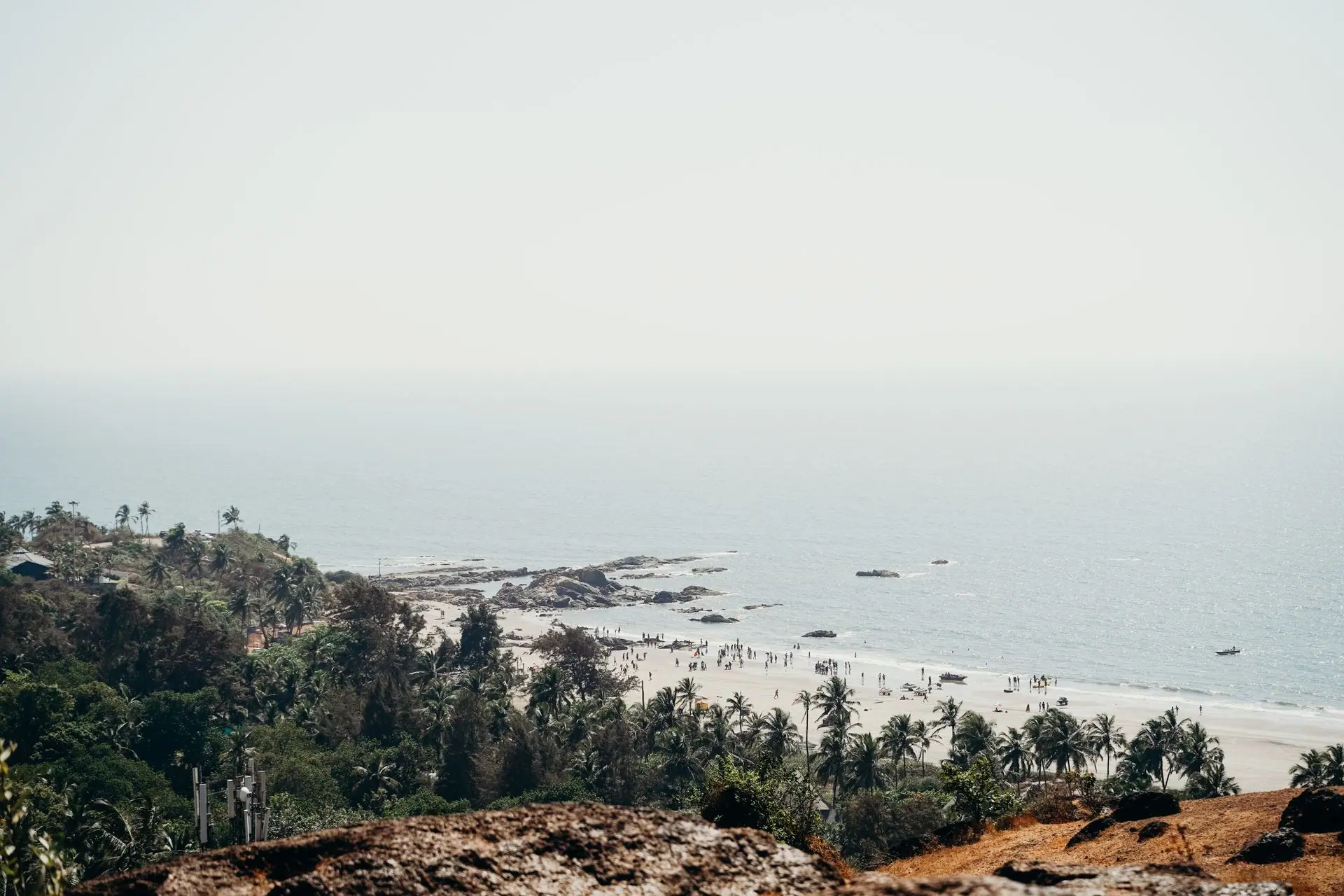
Goa
Goa honeymoon
Private guide and vehicle where needed
Price on request
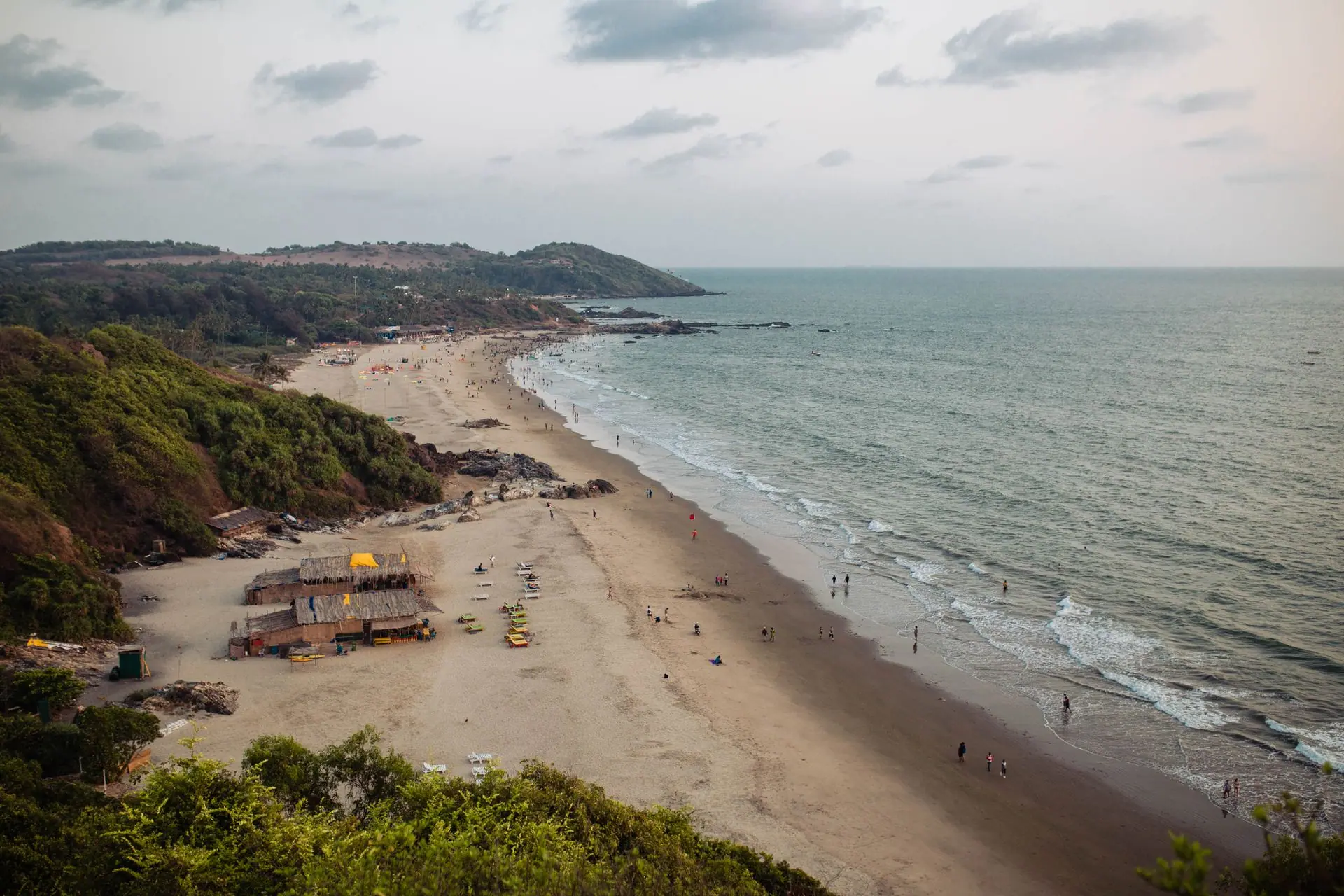
Goa Beach Escape — 5 days
Goa Beach Escape — 5 days
5 days / 4 nights • Private guide and vehicle
Price on request
Experiences in Goa
See all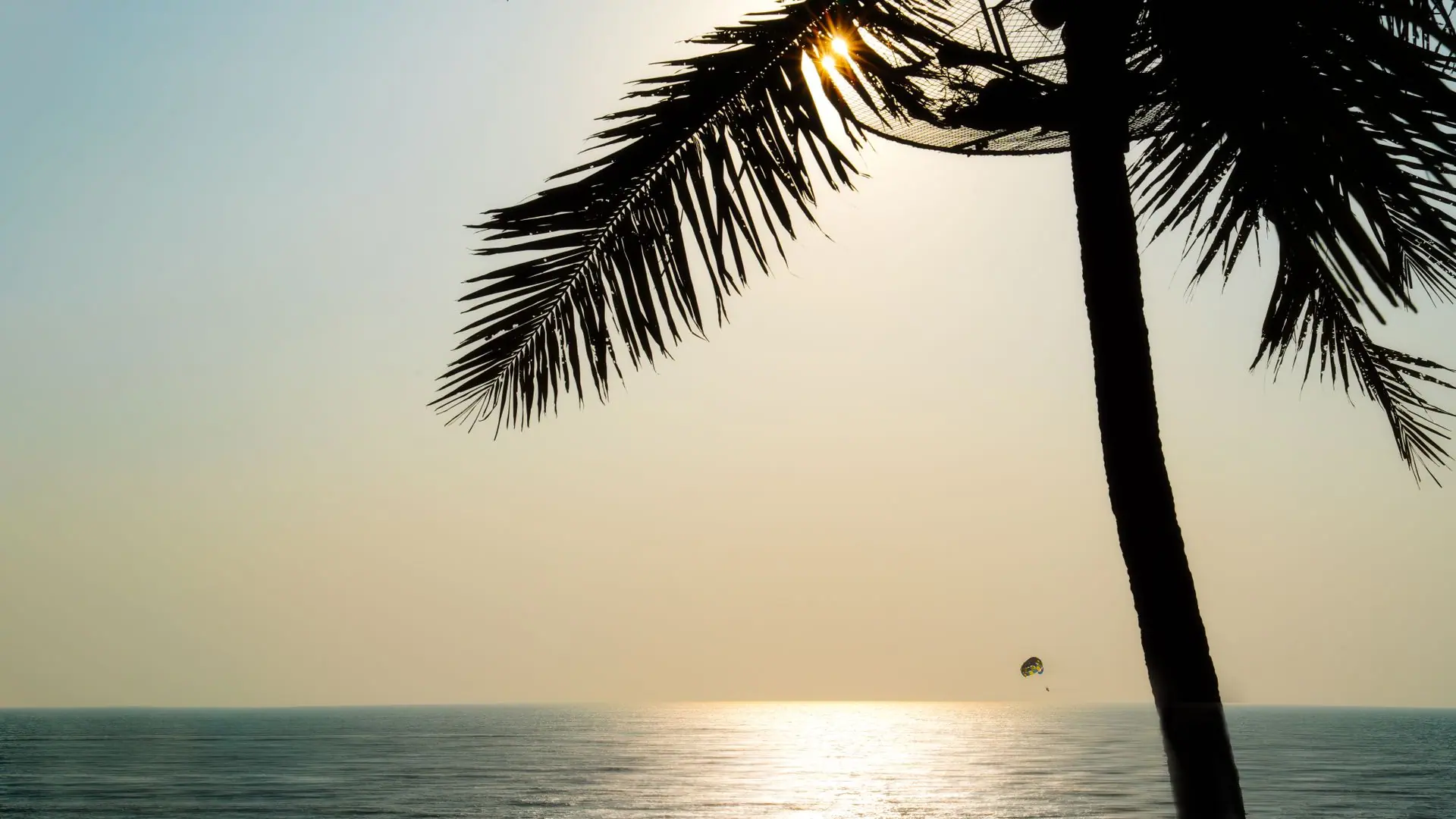
Goa Water Sports
Goa water sports
Private guide and vehicle to the beach
Price on request
Mandovi River
Goa sunset cruise
Private guide and vehicle to and from the jetty
Price on request
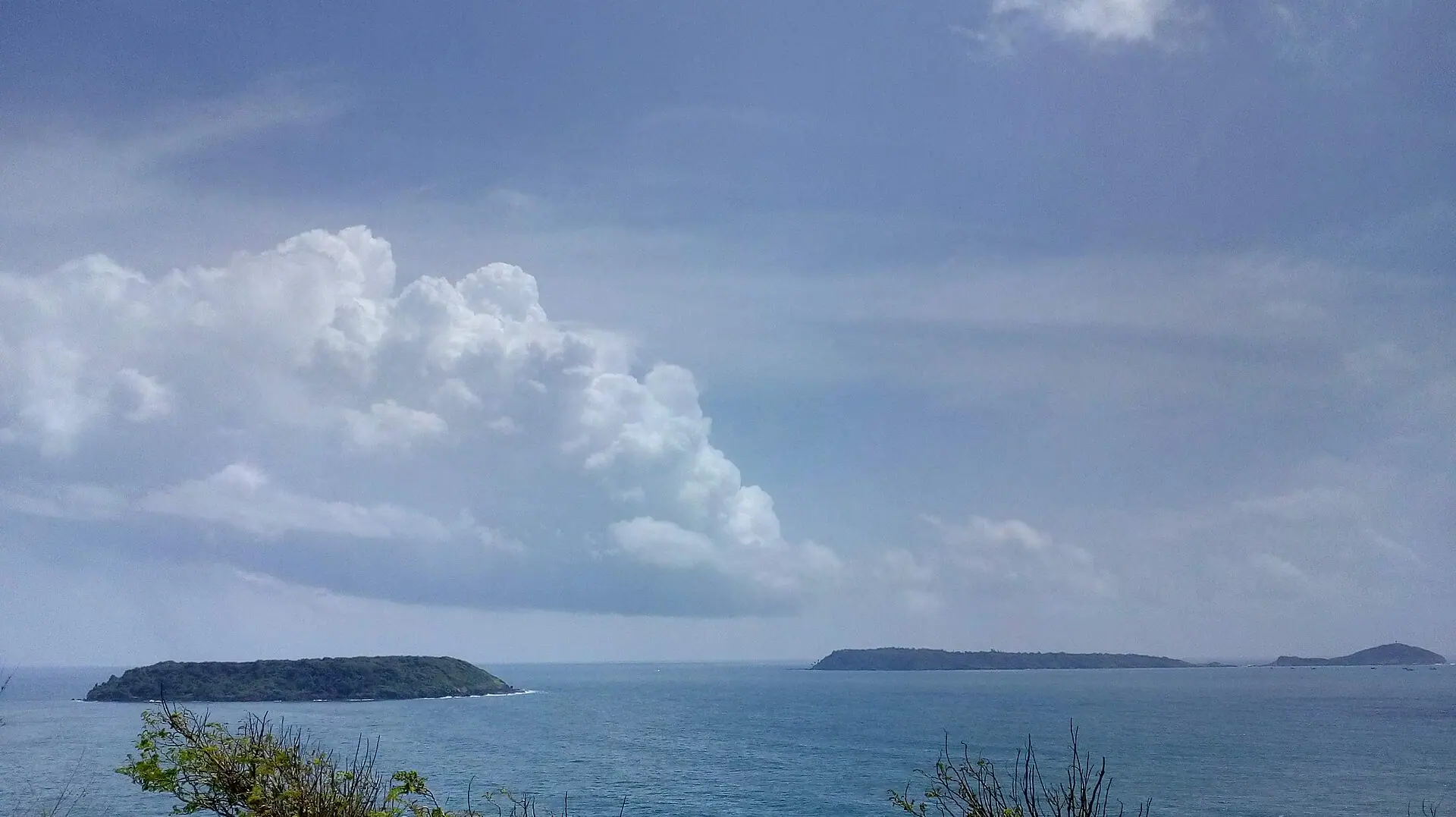 Photo: Goan VR · CC BY-SA 4.0 · Wikimedia Commons
Goa
Goa scuba diving
Price on request

South Goa
Goa yoga retreat
Private guide and vehicle where the retreat needs one
Price on request
More places in Goa
See all
From the journal: Goa
Journal
Goa Trip Guide: Budget, Itinerary & Hidden Beaches
Journal
Goa Holi 2026 – The Best Plans for this Holi
Journal
Anjuna Beach of Goa: A Calm Guide for Beach Lovers and Explorers
Journal
Candolim Beach, Goa – Everything You Need to Know
Journal
Top 10 Places for Unforgettable Goa Beach Holidays
Journal
10 Offbeat Things to Do in Goa You’ve Probably Never Tried
Journal
Sunburn Festival Goa 2025 – All You Need to Know
Journal
Hidden Places to Visit in Goa You Can’t Miss
Journal
Arvalem Caves: The Hidden Mystery of Goa
Journal
Plan Your Dream Goa Trip Plan
Journal
Baga Beach Goa | All You Need to Know
Journal
Why Goa Tourism is Falling Down: Understanding the Decline
Customer reviews
Experience My India is rated 4.3 on Tripadvisor. We publish guest reviews after each trip.
Plan a trip
Tailor-made quote from a specialist