Skip to content

Best Time to Visit Ladakh: Month by Month

The best time to visit Ladakh is June to September, when both highways are normally open and, by IMD's 2011–2024 normals, Leh's days average 23 to 28°C. May and October are colder shoulder months. From November to April the highways close and flights are the way in. Rain is light, yet flash floods and mudslides can still cut roads.

By Experience My India Editorial Team · Reviewed by Experience My India Editorial Team · Updated 21 Oct 2026

See all 5 tours and experiences in Ladakh →

Government-approved operatorApproved by the Ministry of Tourism, Government of India

Ladakh's seasons at a glance

The India Meteorological Department (IMD) publishes a long-term climate table only for Leh, at about 3,500 metres, so the figures below describe Leh. Pangong and Tso Moriri are roughly 850 and 1,100 metres higher and colder, and the Nubra Valley floor is lower. IMD's Leh centre names two weather systems for Ladakh: western disturbances in winter and the monsoon from July to September. Three windows follow from the numbers and the road dates. Summer, June to September, is the main season. May and October are the cold edges of it. November to April is winter, reached by air. The place guides are linked in the sections below, and our Ladakh travel guide covers permits, acclimatisation and the routes themselves.

Month by month

The averages are IMD's Leh normals for 2011–2024: the mean daily maximum, the mean daily minimum and the rain for the month.

January

Days average 1.9°C and nights minus 13.4°C, with 3.7 mm of rain. The coldest night of each January from 2015 to 2024 ranged from minus 7.6°C to minus 20.7°C. Both highways are shut. The Chadar trek on the frozen Zanskar river is a January and February activity, and Spituk monastery holds its Gustor festival.

February

Days reach 5.9°C and nights fall to minus 8.8°C, with 7.6 mm of rain. The Leh district lists Dosmochey at Leh, Likir and Diskit, the Ladakh Ice Climbing Festival and the Winter Snow Leopard Festival in Hemis National Park. The Chadar window runs on, and Ladakh Tourism gives October to March for snow leopards.

March

Days average 9.7°C, nights minus 3.2°C and rain 2.5 mm; the coldest nights of 2015 to 2024 ran from minus 16.0°C to minus 7.2°C. Stok Guru Tsechu, Mangtho Nagrang and Shey Rul-lo fall in March. The highways are still closed by the Leh district's dates, so Leh is reached by air.

April

Days average 14.8°C and nights 1.7°C, with 8.4 mm of rain. The decade's coldest April nights were between minus 7.7°C and 0.2°C. The Apricot Blossom Festival falls in the central and Sham valleys. The district's road dates begin in May, so April remains an air-only month.

May

Days average 19.8°C and nights 6.0°C; rain is 2.7 mm, but thunder is logged on 8.4 days, the most of any month. Nights can still fall below freezing, with the coldest May nights between minus 3.8°C and 3.6°C. The Srinagar–Leh road opens in May by the Leh district's dates, and Manali–Leh in May or June. Ladakh Tourism gives May to October for Khardung La and Chang La.

June

Days average 23.3°C and nights 10.3°C, with 8.9 mm of rain and thunder on 6.7 days. The coldest June nights were between 1.2°C and 8.6°C. The Hemis festival falls in late June or early July, and Lamayuru's Yuru Kabgyat in June. The Penzi La road to Zanskar opens around mid-June by the Kargil district.

July

The warmest and wettest month: days average 27.8°C, nights 15.1°C and rain 13.8 mm. The wettest July of 2015 to 2024 brought 58.8 mm, over four times the normal. Phyang Tsedup, Korzok Gustor at Tso Moriri, Takthok Tsechu, the Ladakh Polo Festival and the Nomadic Festival in Changthang are listed for July.

August

Days average 27.8°C and nights 14.9°C, with 8.6 mm of rain. Leh's record for August is 111.5 mm in a single month, more than the 69.5 mm a typical year brings, so keep a spare day. The Ladakh River Festival is held at the Sangam, and the Ladakh Aero Festival at Sakti. Temperatures start to fall in the second half of the month.

September

Days average 23.5°C and nights 9.1°C, with 8.9 mm of rain, the same as June, but thunder on only 3.0 days. The coldest September nights were between 0.1°C and 5.0°C, and the Leh district says woollens are needed even by day from mid-September. The week-long Ladakh Festival, the Nubra Sports and Adventure festival and the Himalayan Film Festival fall in September.

October

Days average 16.4°C, but nights are 0.7°C, and every October from 2015 to 2024 saw a night below freezing, down to minus 6.6°C. Rain is 2.7 mm. Diskit Gustor and the Ladakh Bird Festival at Tso Kar are held. The Manali road closes in September or October, while the Srinagar road stays open until November or December.

November

Days average 9.7°C and nights minus 4.8°C, with 0.5 mm of rain. The decade's coldest November nights ran from minus 13.5°C to minus 7.0°C. Thiksey Gustor and Chemrey Wangchok are listed. The Kargil district says snow is likely to block the main pass between Srinagar and Kargil from November, and the road over the Penzi La to Zanskar is blocked until mid-June.

December

Days average 3.7°C and nights minus 10.9°C. The coldest nights of 2015 to 2024 ran from minus 20.7°C to minus 12.2°C. Losar, the Ladakhi new year, falls between 8 and 30 December by the Leh district. Ladakh Tourism's advisory says winter temperatures can drop to minus 30°C, so carry thermal gear from October to March.

When the roads open and close

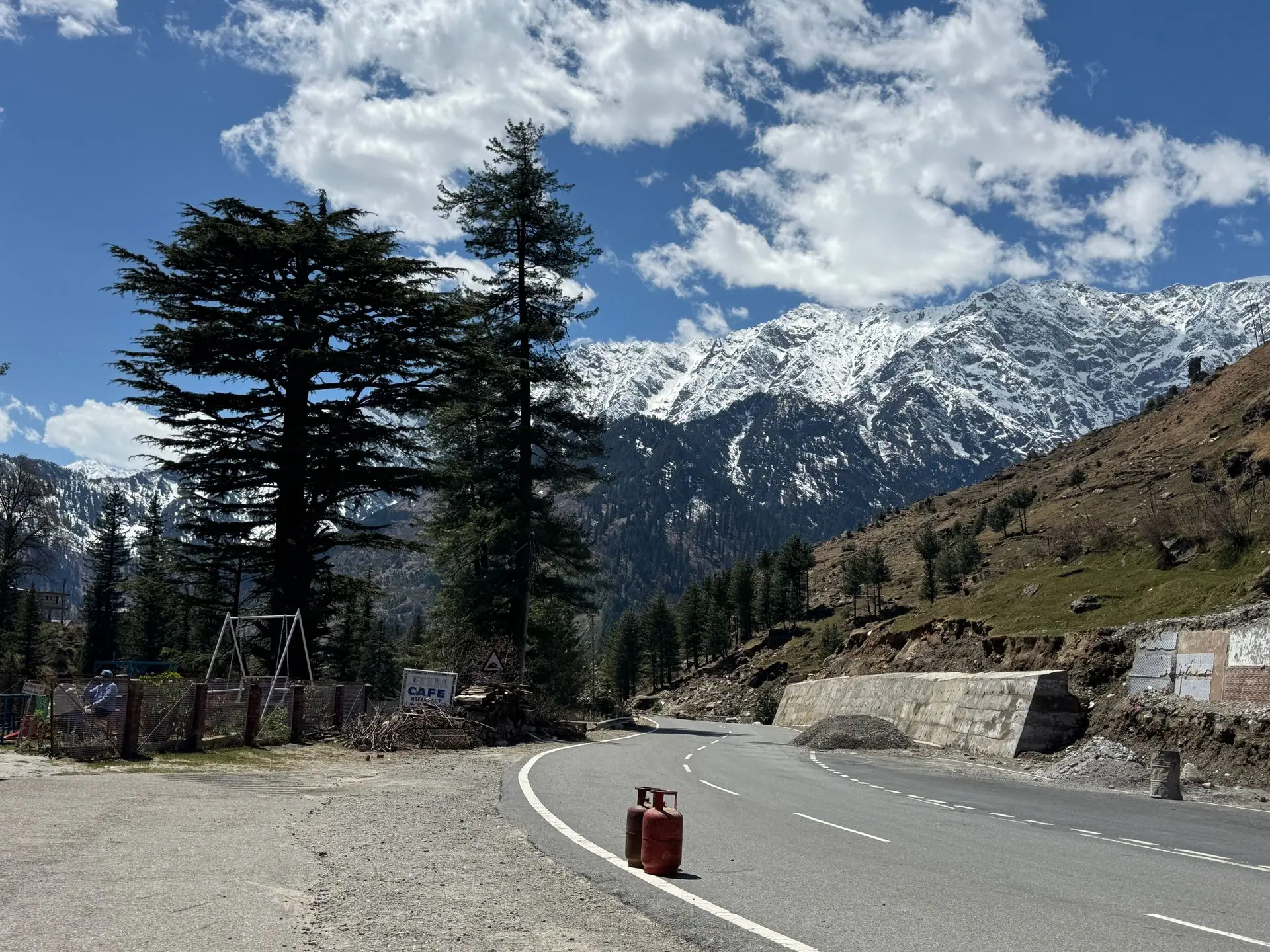
The Leh district gives the Srinagar–Leh highway (434 km) as open from May to November or December, and the Manali–Leh highway from May or June to September or October. The Kargil district tells a slightly different story: snow is likely to block the main pass between Srinagar and Kargil from November to May, while the Kargil–Drass and Leh–Kargil stretches stay open almost all year. Both districts agree the roads shut in deep winter, when Leh's airport is the way in. The Sonamarg tunnel, opened in January 2025, was built to give Srinagar and Sonmarg an all-weather road, but the passes beyond still close; see our Sonmarg travel guide. Opening dates move with each year's snow, so ask the Leh district or your operator in the week you travel.

Which month for which place

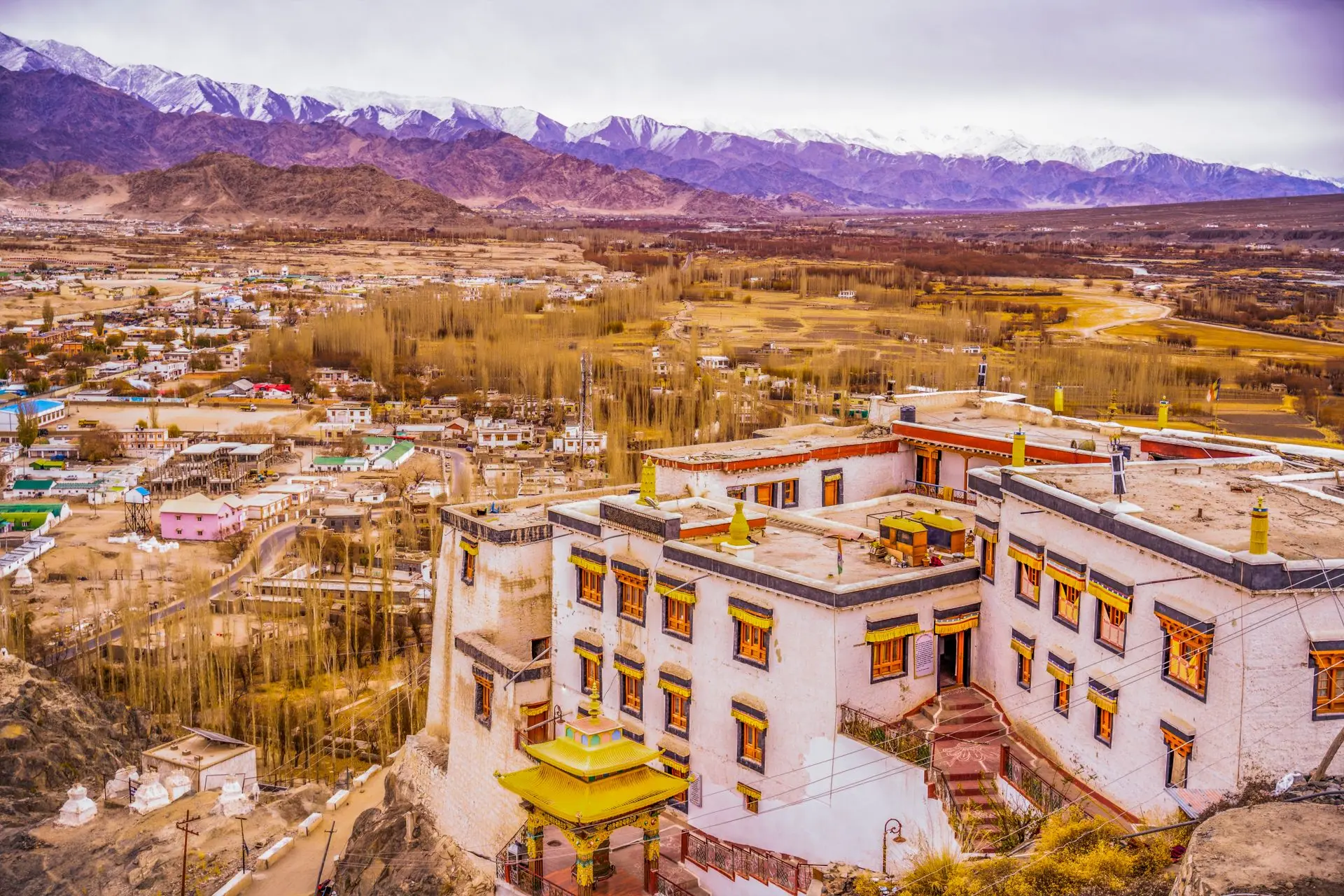
  • Leh and its monasteries: June to September for festivals and warm days; Ladakh Tourism says monasteries can be visited all year, and the district advises heavy woollens from November to April. See the Leh travel guide.
  • Nubra Valley: May to September, with Khardung La open from May to October by Ladakh Tourism's fact box. See the Nubra Valley travel guide.
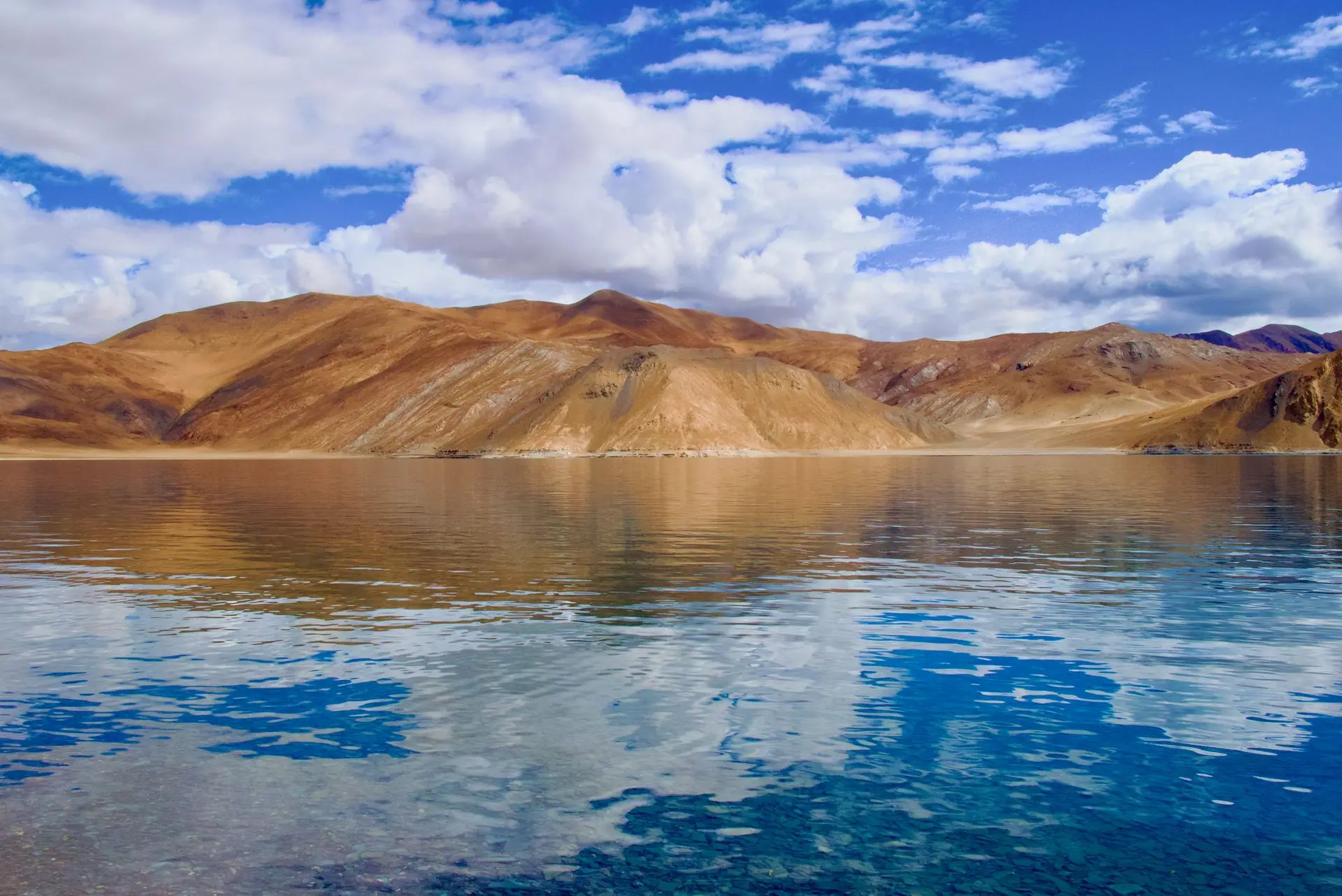
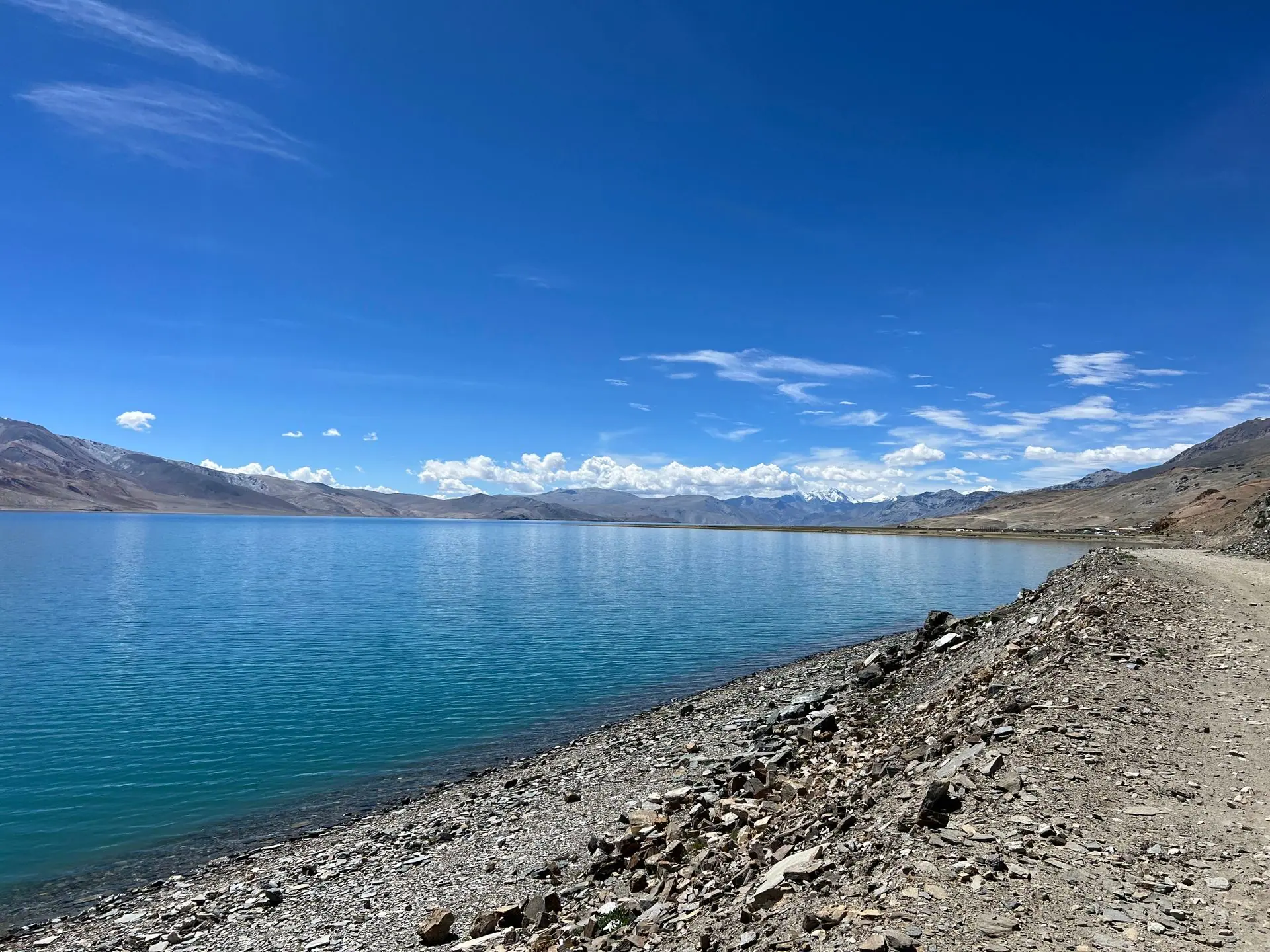
  • Pangong Lake: May to September; the lake freezes completely in winter. See the Pangong Lake travel guide.
  • Tso Moriri: May to September, with the Korzok festival in July. See the Tso Moriri travel guide.
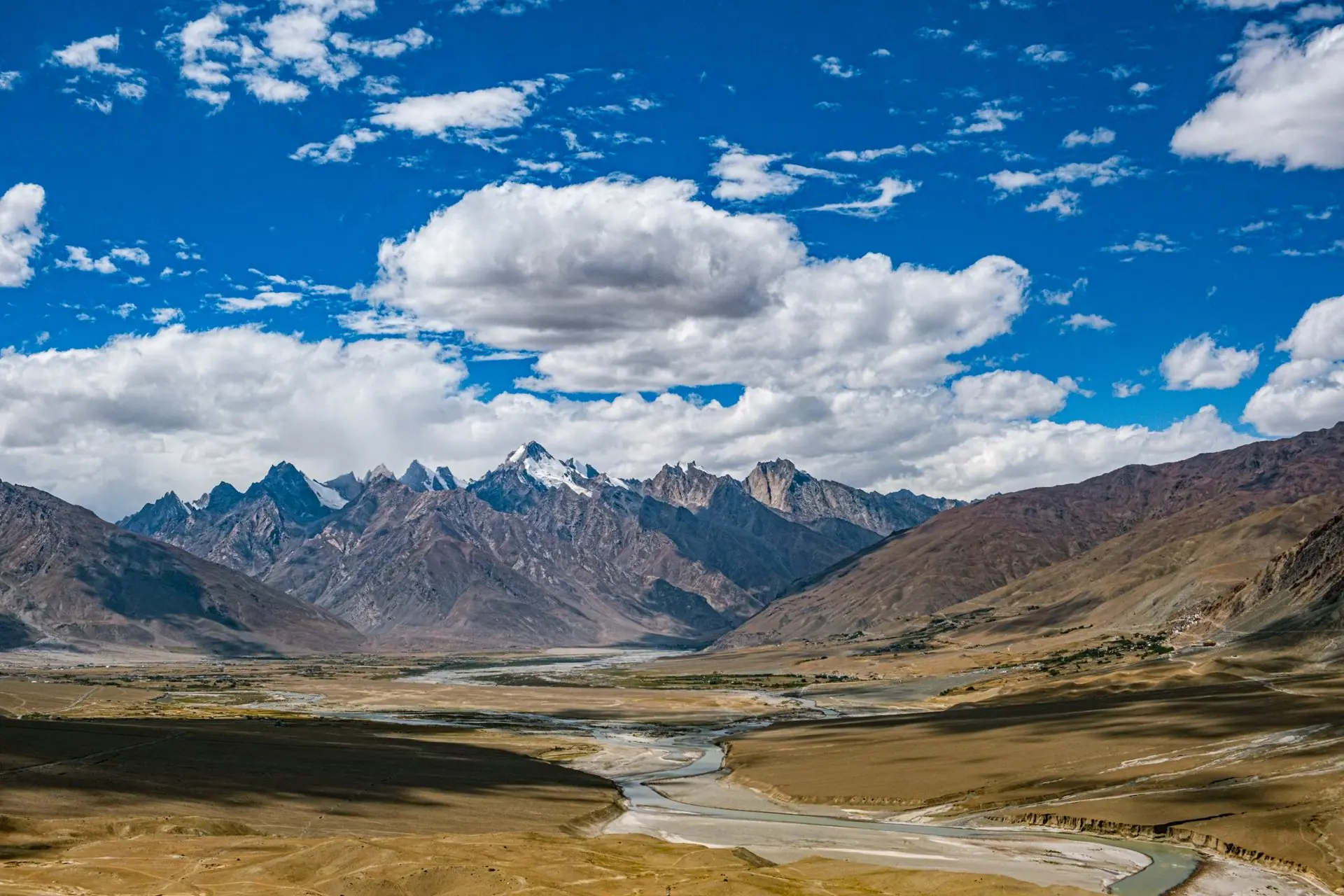
  • Zanskar: mid-June to October for the road, by the Kargil district; January and February for the Chadar. See the Zanskar travel guide.
  • Hanle: Ladakh Tourism gives April to October for clear skies, and the Indian Institute of Astrophysics says the sky is clear all year; new-moon nights are best.

Planning around the seasons

Our Leh, Nubra and Pangong circuit is run June to September, and the Manali–Leh highway drive opens in summer only, closed by snow the rest of the year. The Hemis Festival trip puts rest days in Leh first. Every route is on our Ladakh tour packages page and our Ladakh tours and experiences page.

Why book with Experience My India

  • Government-approved operator

    Approved by the Ministry of Tourism, Government of India

  • 500+ vetted local guides

    35+ destination specialists plan every trip by hand.

  • Human help, every day

    Mon–Sun, 9:00 AM – 9:00 PM IST · +91 73022 65809

  • No payment until you approve

    You receive a written quote first; nothing is charged to start planning.

Frequently asked questions

What is the best time to visit Ladakh?

June to September, when both highways are normally open and Leh's days average 23 to 28°C by IMD's 2011–2024 normals. May and October are colder, with nights near or below freezing. From November to April the roads close and flights are the way in. Whenever you go, rest 48 hours in Leh first.

Is June or September better for Ladakh?

The weather is almost the same: Leh's days average 23.3°C in June and 23.5°C in September, and each month brings 8.9 mm of rain. June has more thunder, on 6.7 days against 3.0, and the Hemis festival. September has the Ladakh Festival and colder nights, down to 0.1°C. Both roads are open in either month.

Which is the coldest month in Leh?

January. IMD's 2011–2024 normals give nights of minus 13.4°C and days of 1.9°C, and the coldest January night each year from 2015 to 2024 fell between minus 7.6°C and minus 20.7°C. December is next, with nights averaging minus 10.9°C. Ladakh Tourism gives minus 25°C to minus 15°C for the Chadar route.

How much rain does Leh get?

Very little: IMD's 2011–2024 normals give 69.5 mm a year, and July, the wettest month, averages 13.8 mm. A single August has brought 111.5 mm, though, and IMD lists flash floods and mudslides among Ladakh's main hazards. The district says Ladakh escapes the monsoon that dominates the Himalaya, but IMD names the July to September monsoon as one of two systems that reach it.

Which months are busiest and quietest in Ladakh?

The Leh district holds the Ladakh Festival every September "to extend the lean tourist season", which suggests September is quieter than midsummer. The Directorate of Tourism spoke of a "huge inflow" of visitors in a June advisory. We found no official month-by-month visitor counts, so treat this as a guide only.

In which month is the Hemis festival held?

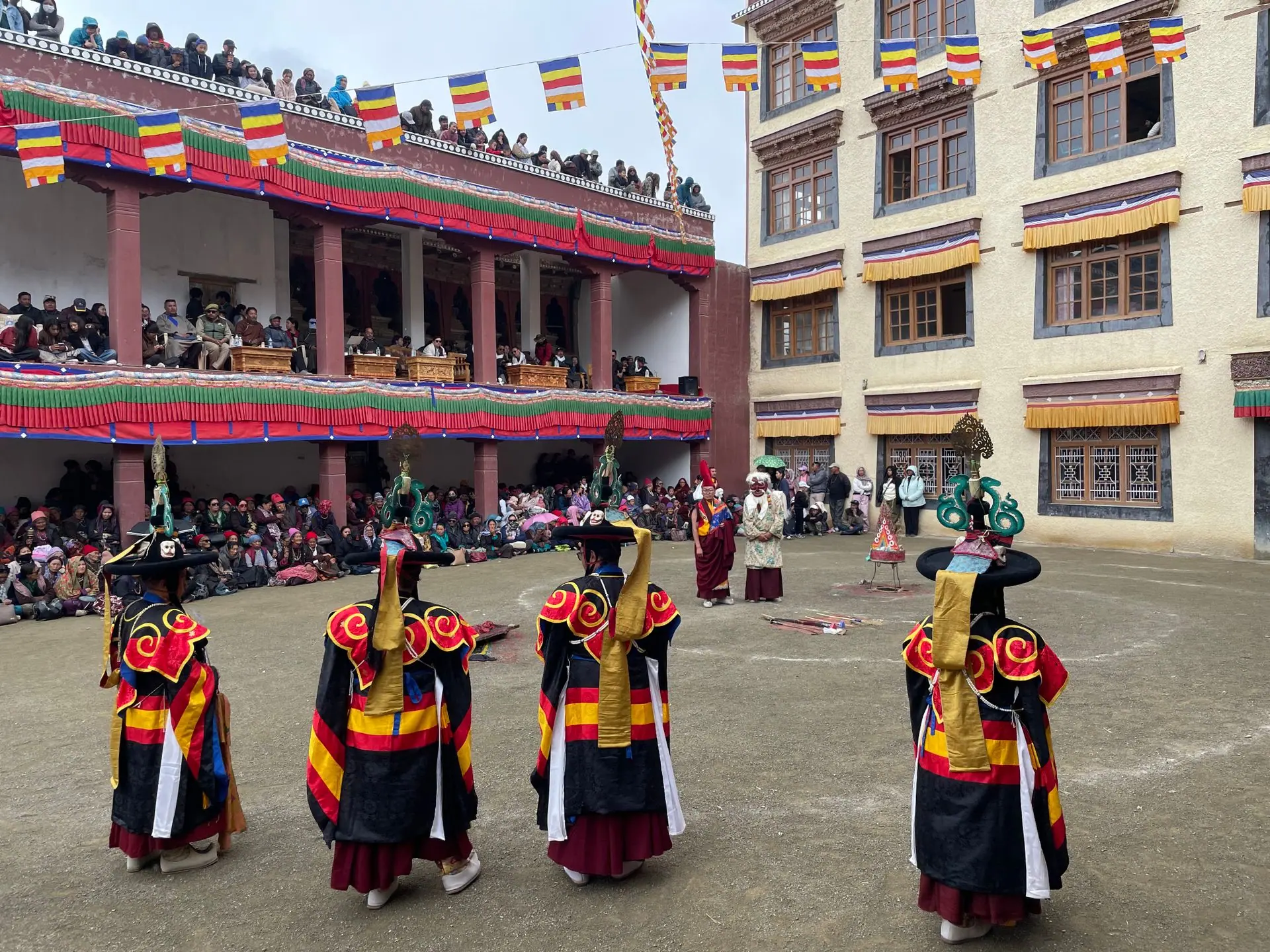
Late June or the first half of July, by the Leh district, on the Tibetan lunar calendar. Masked monks perform cham dances in the courtyard of Hemis monastery, about 45 km from Leh. Exact dates change each year, so confirm them before you book flights, and spend two days in Leh first.

Is Ladakh open to visitors in winter?

Yes, by air, but it is cold: IMD's January nights average minus 13.4°C and Ladakh Tourism warns of minus 30°C in winter. The highways are shut, the passes carry a May to October season on Ladakh Tourism's fact boxes, and Zanskar is cut off. Winter suits the Chadar, snow leopards and festivals, not a first road trip.

Why should I keep a buffer day even in summer?

Because summer rain, though light on average, can be violent, and mountain roads suffer. IMD names flash floods, mudslides and heavy rain or snow among Ladakh's hazards, and thunder is logged on 6 to 8 days a month from May to July. A spare day absorbs a closed road or a delayed flight.

Tour packages in Ladakh

See all
Experiences in Ladakh

See all

From the journal: Ladakh
Customer reviews

Experience My India is rated 4.3 on Tripadvisor. We publish guest reviews after each trip.

Read our reviews

Plan a trip

Tailor-made quote from a specialist