
West Bengal Travel Guide: Places to Visit, Seasons and Planning
West Bengal runs from the mangrove delta on the Bay of Bengal to the Himalayan foothills. Its main places are Kolkata, Darjeeling and its tea hills, the Sundarbans, Santiniketan, the terracotta town of Bishnupur and the rhino forests of the Dooars. UNESCO recognises the Sundarbans, the Darjeeling railway, Santiniketan and Kolkata's Durga Puja. Allow eight nights for Kolkata, the Sundarbans and Darjeeling.
By Experience My India Editorial Team · Reviewed by Experience My India Editorial Team · Updated 1 Sept 2026
See all 3 tours and experiences in West Bengal →
Government-approved operatorApproved by the Ministry of Tourism, Government of India
Places to visit in West Bengal
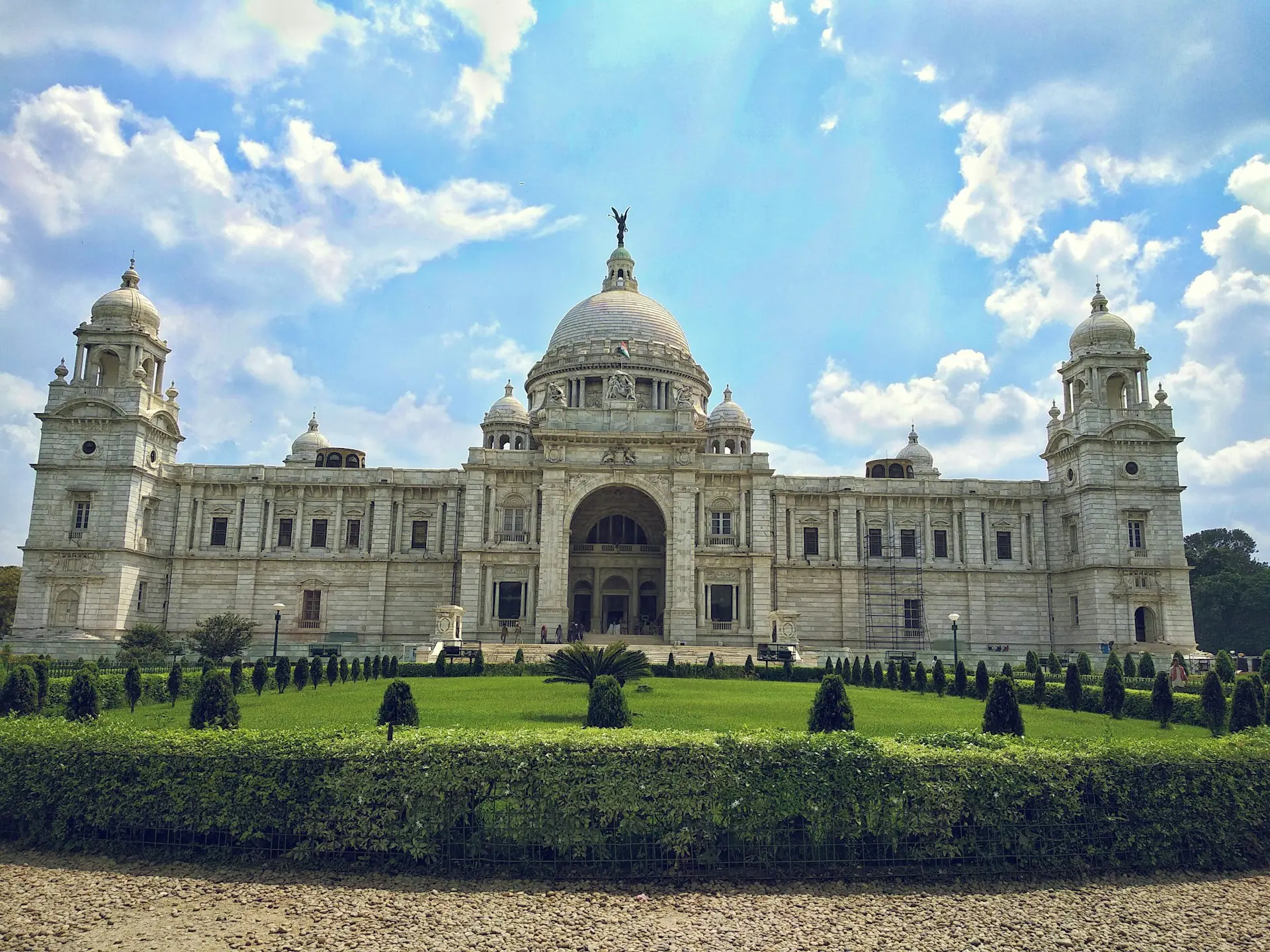
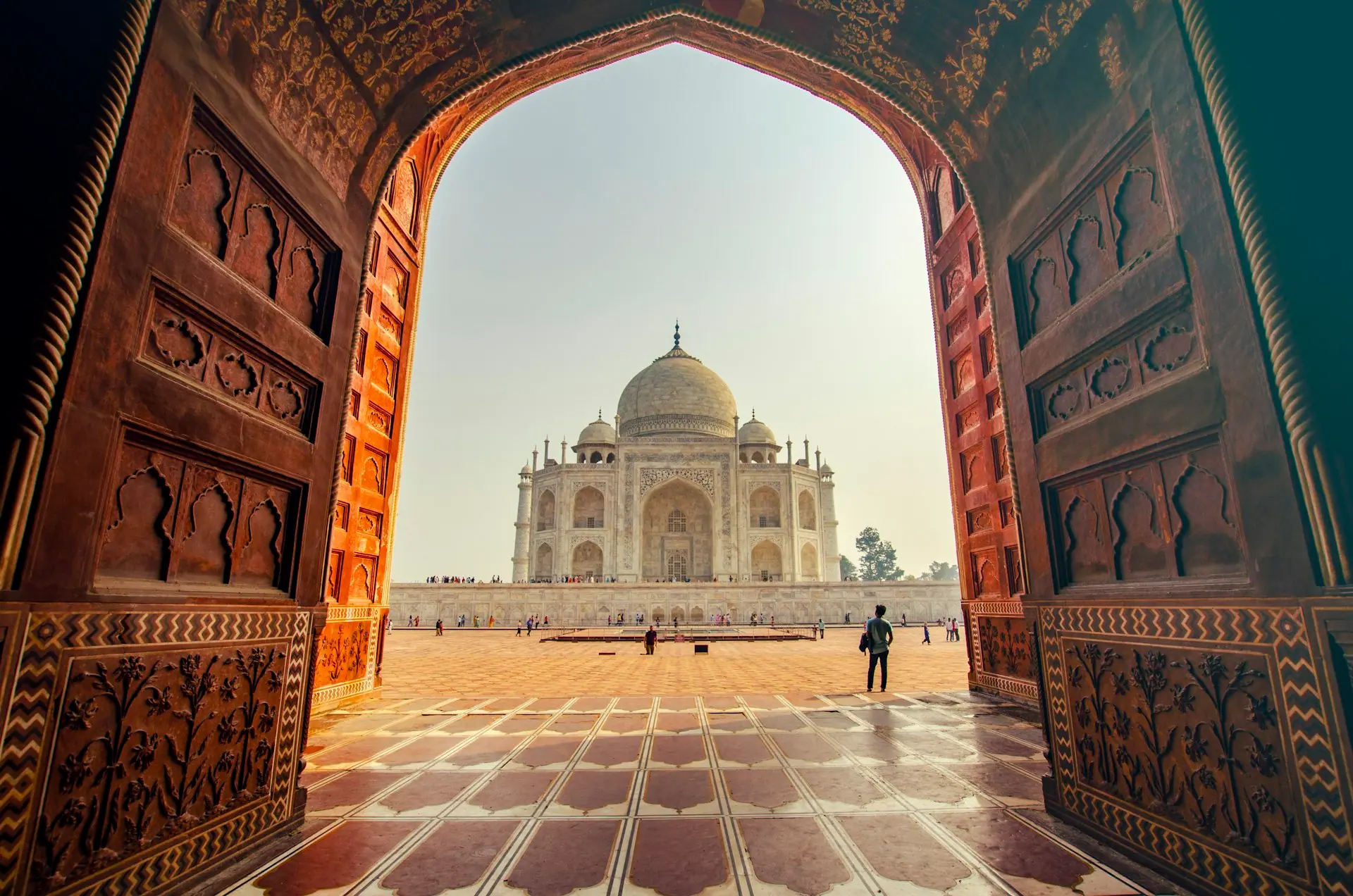
Places to visit in West Bengal
Things to do in West Bengal
Take a boat through the Sundarbans, ride the toy train to Ghum, join Kolkata for Durga Puja, walk a tea estate, and watch rhinoceros in the Dooars. Our trips in the state are a Sundarbans safari, a Darjeeling toy train ride and Durga Puja in Kolkata. The Sundarbans safari is boat-based, with a forest department permit arranged and usually two to three days on the water; the toy train ride is a seated, gentle joy ride; and the Durga Puja trip comes with a private guide who knows that year's key pandals. Everything is on our West Bengal destination page; the state's category pages are wildlife safaris, festivals and toy trains.
Best time to visit West Bengal
How to reach West Bengal
Kolkata's Netaji Subhas Chandra Bose International Airport is the largest in eastern India, by West Bengal Tourism's account, and the state's other international airport is Bagdogra. Trains reach Kolkata at Howrah and Sealdah. For Darjeeling, the Darjeeling district administration gives Bagdogra airport, 90 km away, and the New Jalpaiguri and Siliguri stations as the gateways, with Siliguri 77 km from the town. The Sundarbans lie south of Kolkata; the reserve's tourist boats board at Godkhali and Dhamakhali, and Canning is the nearest railhead.
How many days in West Bengal
Eight nights make a comfortable first trip: three in Kolkata, two on the Sundarbans and three in Darjeeling, before counting travel days between the south and the hills. Add a night each for Santiniketan and Bishnupur to reach ten, and two more for Jaldapara and Gorumara to reach twelve. Kolkata and Darjeeling are far apart and are best treated as separate legs. For help planning, see our guide to the best time to visit India.
Permits and rules
The Sundarbans need a permit, issued by the reserve's offices, and a registered boat with an eco-guide for the whole cruise. For the Dooars parks, ask the forest offices about entry before you travel.
Why book with Experience My India
Government-approved operator
Approved by the Ministry of Tourism, Government of India
500+ vetted local guides
35+ destination specialists plan every trip by hand.
Human help, every day
Mon–Sun, 9:00 AM – 9:00 PM IST · +91 73022 65809
No payment until you approve
You receive a written quote first; nothing is charged to start planning.
Frequently asked questions
How many days do you need in West Bengal?
Eight nights cover Kolkata (three), the Sundarbans (two) and Darjeeling (three), before travel days between them. Add a night each for Santiniketan and Bishnupur, and two for Jaldapara and Gorumara, if you have time. On a shorter trip, choose one leg: Kolkata with the Sundarbans, or Darjeeling with Kalimpong.
Can you visit Kolkata and Darjeeling on the same trip?
Yes, but they are separate legs. Fly from Kolkata to Bagdogra, or take a train to New Jalpaiguri, then go up to Darjeeling by road: Bagdogra is 90 km from the town and Siliguri 77 km. The toy train line joins New Jalpaiguri and Darjeeling over 88 km. Treat the transfer as a travel day.
When is the best time to visit West Bengal?
October to March suits most trips: Kolkata is comfortable from November to February, Darjeeling is driest and clearest from October to December, and the Sundarbans season runs roughly October to March. The monsoon from June to the middle of September brings heavy rain, about 785 mm in July at Darjeeling.
Which places in West Bengal are UNESCO-listed?
The Sundarbans National Park (1987), the Darjeeling Himalayan Railway, part of the Mountain Railways of India (1999), and Santiniketan (2023) are World Heritage Sites. Durga Puja in Kolkata was inscribed in 2021 on UNESCO's Representative List of the Intangible Cultural Heritage of Humanity. Khangchendzonga National Park, also listed, is in Sikkim, not West Bengal.
What is West Bengal known for?
Kolkata and its heritage; Darjeeling's tea and its toy train; the Sundarbans mangroves and their tigers; Santiniketan's Tagore legacy; the terracotta temples of Bishnupur; and Durga Puja. The Dooars forests are known for the Indian one-horned rhinoceros, and Murshidabad for the Nawabs' palaces and silk.
Does West Bengal have a tiger reserve other than the Sundarbans?
Yes. The National Tiger Conservation Authority lists the Buxa Tiger Reserve in West Bengal, created in 1982-83, with a core of 390.58 sq km and a buffer of 367.32 sq km. It lies in Alipurduar district, the gateway to Bhutan. The Sundarban Tiger Reserve, created in 1973, is the other. Neither promises a sighting.
Where in West Bengal can you see the one-horned rhinoceros?
In the Dooars, in northern West Bengal: Jaldapara National Park, declared a sanctuary in 1941 to protect it, and Gorumara National Park. West Bengal Tourism lists the parks in the Jalpaiguri and Alipurduar districts. Ask the forest offices about safari times and permits before you go.
How long does Durga Puja last?
UNESCO describes a ten-day worship of the goddess Durga, beginning on Mahalaya, when eyes are painted onto the clay images, and ending on the tenth day, when the images are immersed in the river. The festival falls in September or October and follows the lunar calendar, so the dates change every year.
Why is Santiniketan a World Heritage Site?
UNESCO inscribed it in 2023 as the embodiment of Rabindranath Tagore's vision: a residential school and art centre set up in 1901, with open-air classrooms under trees, combining education, nature, music and the arts. It was an experiment in education and in communal life, and it influenced art and architecture across South Asia.
Experiences in West Bengal
See all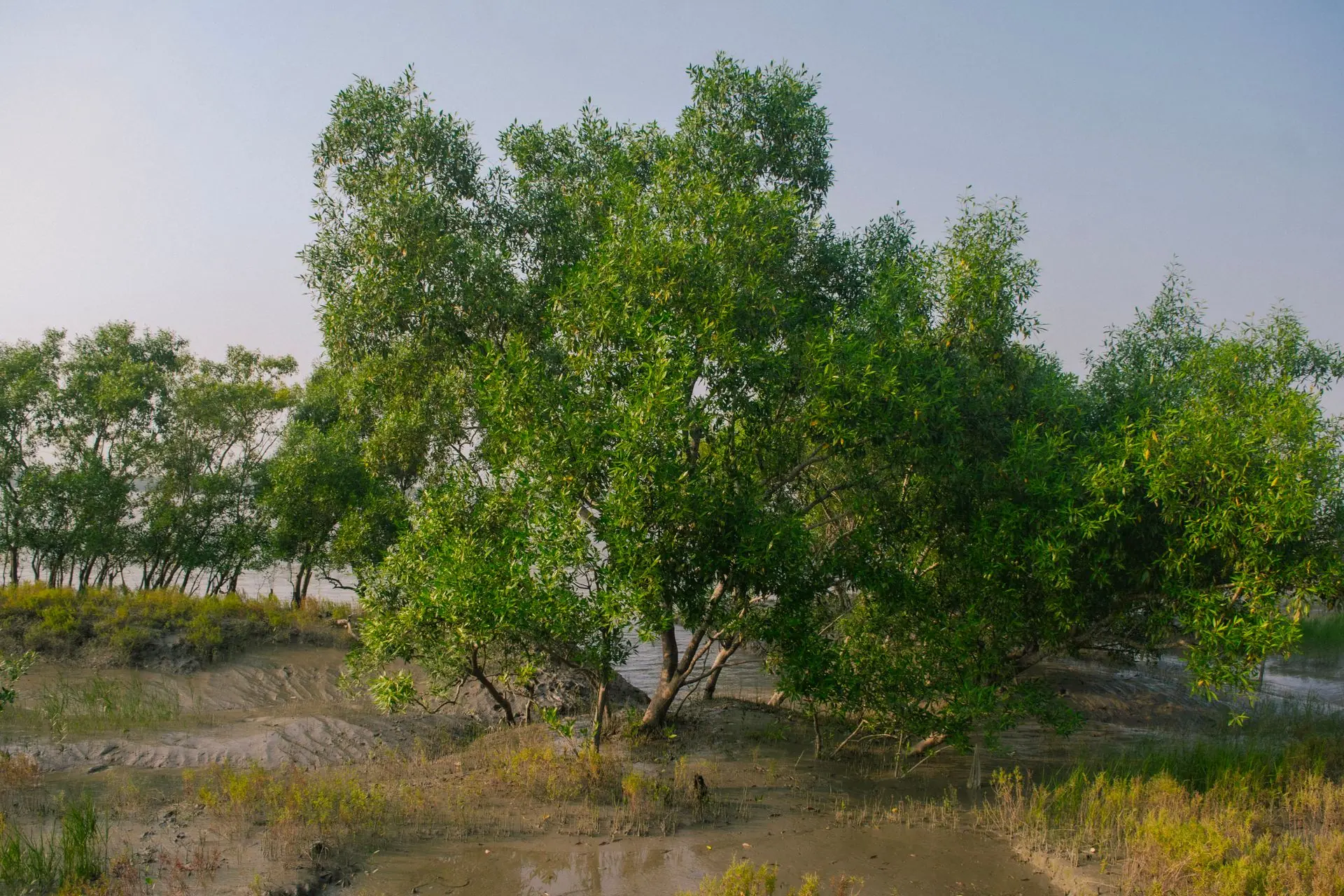
Sundarbans Tiger Reserve
Sundarbans safari, West Bengal
Private guide throughout
Price on request
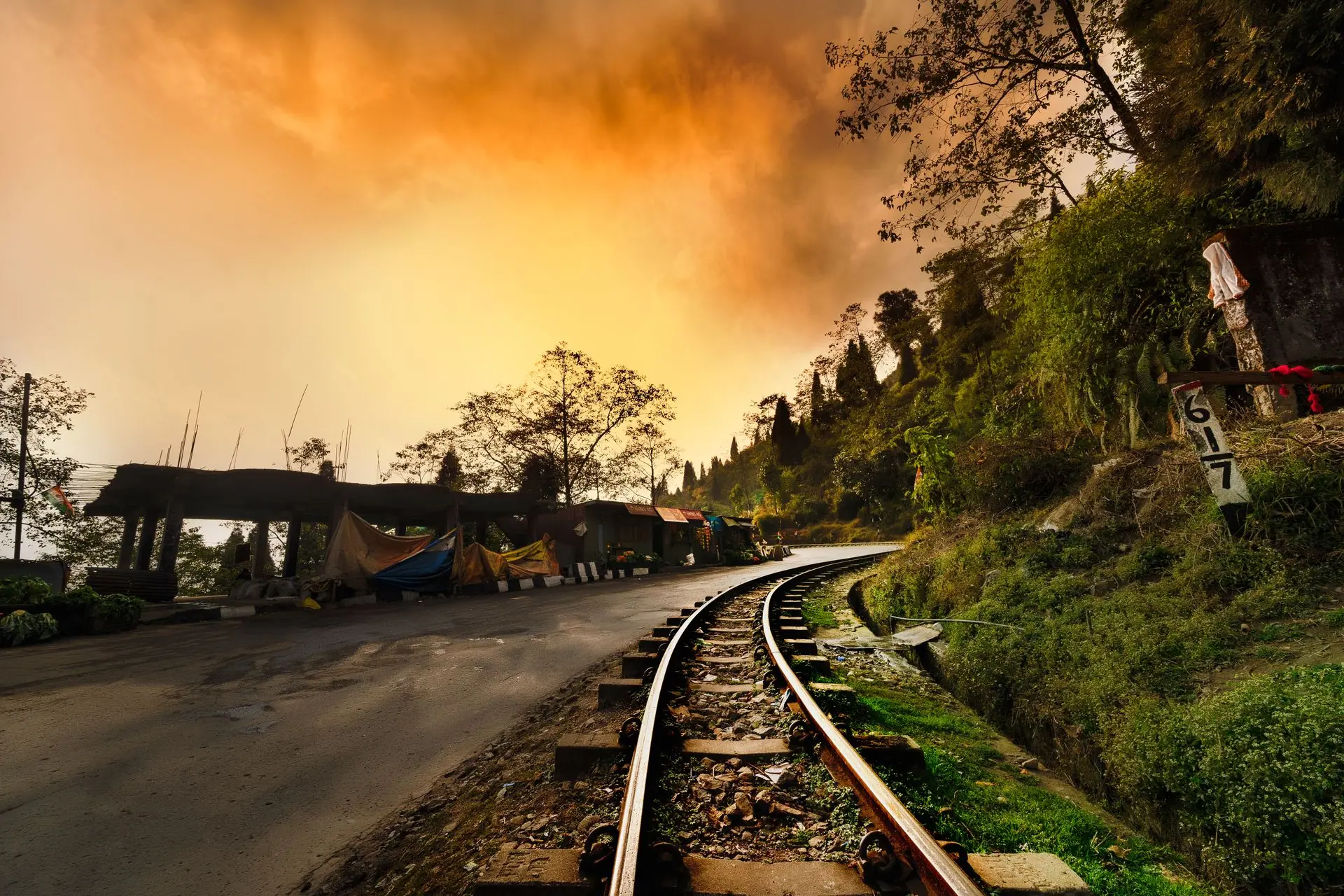
Darjeeling Himalayan Railway
Darjeeling toy train: the Darjeeling Himalayan Railway
Private guide and vehicle throughout
Price on request
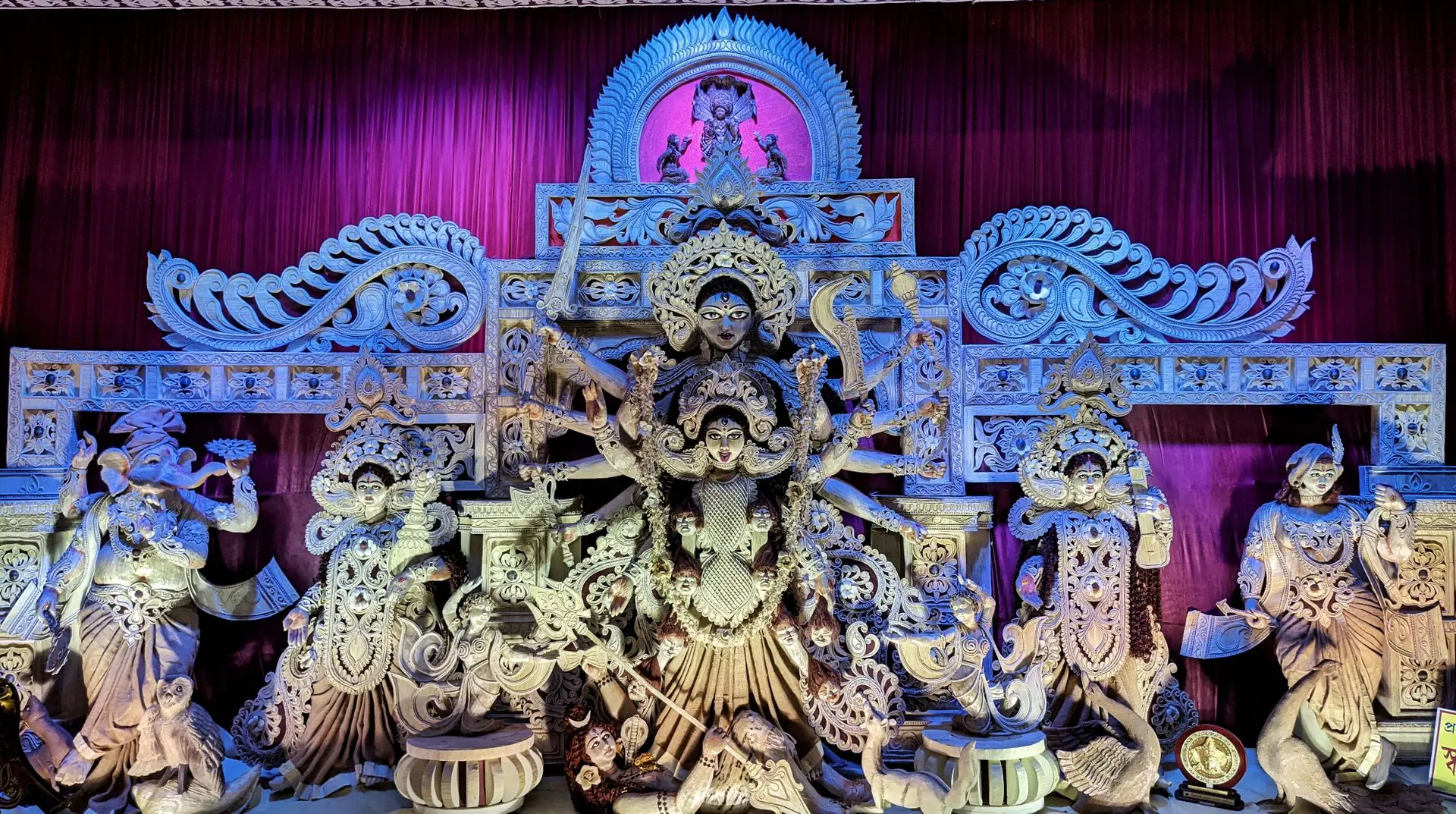
Kolkata
Durga Puja in Kolkata
Private guide and vehicle
Price on request
Customer reviews
Experience My India is rated 4.3 on Tripadvisor. We publish guest reviews after each trip.
Plan a trip
Tailor-made quote from a specialist