
Last updated:
India Travel Guide: What's Worth It, What's Not, and How to Plan It
Founder, Experience My India · IIT Jodhpur
Reviewed by Gurudutt Kaushal, Founder, Experience My India · IIT Jodhpur.
India rewards travellers who plan it by region, not all at once. Experience My India, local specialists who have hosted 50,000+ guests since 2018, recommend pairing the Golden Triangle with one contrasting region such as Rajasthan, Kerala or Kashmir, travelling between October and March, and allowing ten days as a minimum. Plan it properly and it delivers; rush it and you mostly see queues and car windows.
Choose your India: how the regions compare
India is not one trip; it is a continent-sized country of regions that barely resemble each other. Rajasthan's desert forts, Kerala's palm-fringed backwaters and Ladakh's high-altitude moonscapes have almost nothing in common beyond the same passport stamp, and the mistake most first-timers make is trying to see all of it in ten days. The one that works is picking a region or two and doing them properly.
Below are the ten regions we plan most often, with the trip length and season each one actually needs, not the length a six-city grand tour tries to squeeze it into.
- The Golden Triangle (Delhi, Agra, Jaipur) — the icons and the obvious first taste. Worth it, but give it five to six days, not three.
- Rajasthan (palaces, desert and craft) — the richest all-round first region, and best paired with the Golden Triangle. Needs seven to ten days.
- Kerala (backwaters, Ayurveda) — the gentlest introduction to India, and the calmer choice for a first trip. Five to seven days, September to March.
- Varanasi (Kashi) — India's spiritual heart on the Ganges, and one of its most intense places. Not a whole trip on its own, but a night or two many travellers rate as their best. One to two days.
- Rishikesh — yoga, the Ganges and the Himalayan foothills; the calmer spiritual counterpoint to Varanasi. Two to four days, September to April.
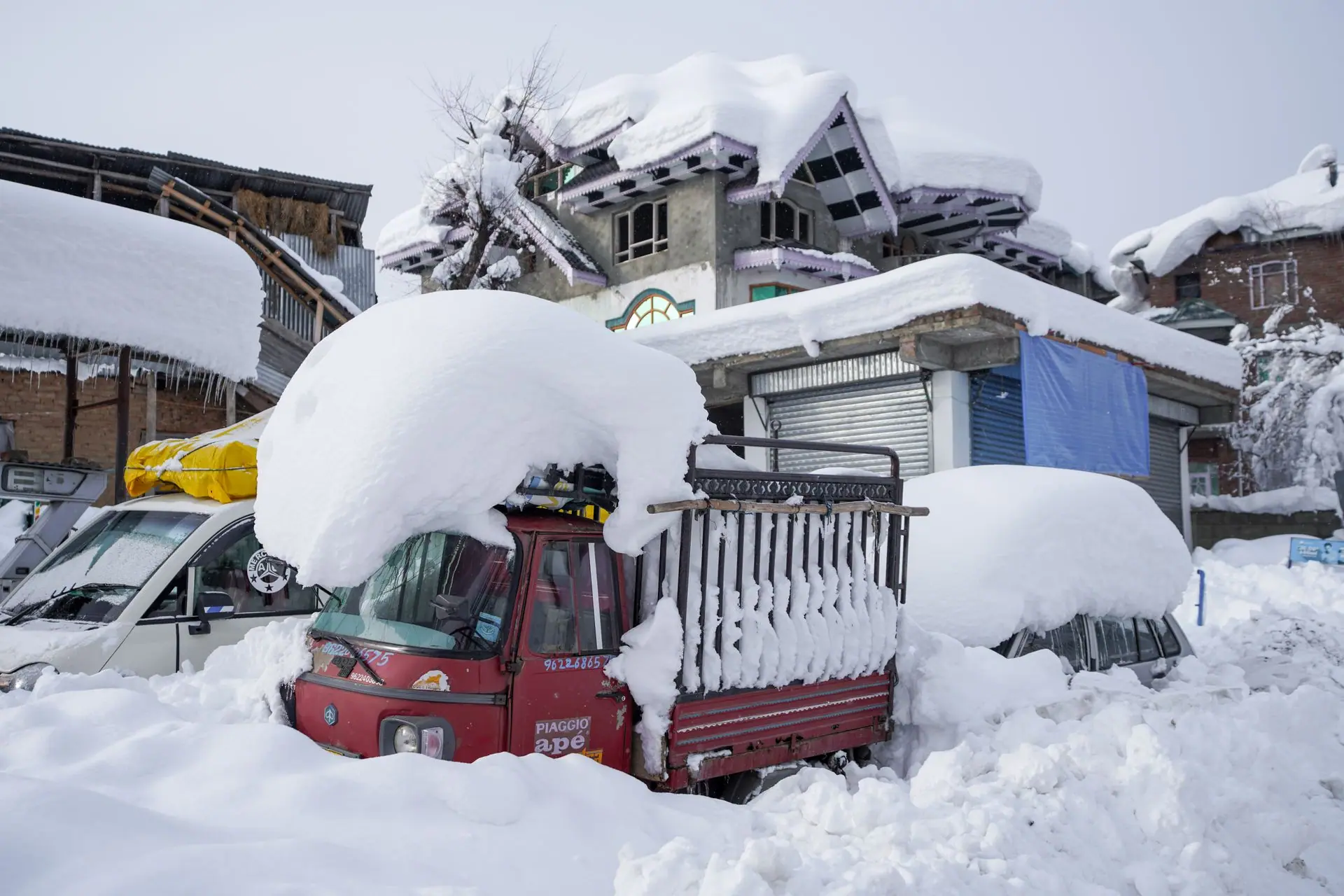
- Kashmir (alpine lakes, meadows) — one of our most-loved trips. Government advisories still urge caution in parts of the wider region, so travel with a good local operator; the tourist valley itself operates normally. Five to seven days, April to October.
- Ladakh and the Himalaya — high-altitude monasteries and moonscapes, extraordinary but not a first trip; it needs time to acclimatise. Six to eight days, June to September.
- Himachal Pradesh (Shimla, Manali, Spiti) — hill stations and green valleys, plus the high desert of Spiti for travellers with more time. Five to eight days, April to June or September to November.
- Goa — beaches and Portuguese-India ease. A good add-on to a longer trip, but a weak choice as your only visit to India. Three to five days, November to February.
- South India (Tamil Nadu, Karnataka) — temples, food and Hampi's ruins. Often the easier, calmer first trip, and a natural second one. Seven to ten days, November to March.
| Criteria | Golden Triangle | Rajasthan | Kerala | Varanasi | Rishikesh | Kashmir | Ladakh & the Himalaya | Himachal Pradesh | Goa | South India |
|---|---|---|---|---|---|---|---|---|---|---|
| Ideal length | 5–6 days | 7–10 days | 5–7 days | 1–2 days | 2–4 days | 5–7 days | 6–8 days | 5–8 days | 3–5 days | 7–10 days |
| Best season | Oct–Mar | Oct–Mar | Sep–Mar | Oct–Mar | Sep–Apr | Apr–Oct | Jun–Sep | Apr–Jun / Sep–Nov | Nov–Feb | Nov–Mar |
| Good for a first trip? | Yes — the essential start | Yes — pairs well with the Golden Triangle | Yes — the calmer option | As an add-on, not a whole trip | As an add-on | Yes, with a good local operator | No — needs acclimatising, not a first trip | Better as a second trip | As an add-on only | Yes — often the calmer first trip |
Or choose your India by experience
If a region does not decide it for you, the experience might. These are the four kinds of trip our guides plan most often.
- Pilgrims — the India we know best, and the trip our guides grew up leading, from Varanasi's ghats to the great South Indian temple towns.
- Wildlife safaris — tiger parks ranked by real sighting odds, with permits handled for you.
- Wellness and Ayurveda — genuine Panchakarma in Kerala, told apart from a hotel spa treatment badged as Ayurveda.
- Heritage — forts, palaces and stepwells planned as connected circuits, not a single stop.
When is the best time to visit India
For most of the country, October to March is the sweet spot: dry, cooler, and lined up with the big festivals. The Himalaya flips that pattern entirely — Ladakh and Kashmir are at their best from spring into autumn, when the high passes are open — while Kerala and the south stay pleasant for longer than the north does.
April to June is hot on the plains, which is exactly when Himachal's hill stations and the high Himalaya come into their own. The monsoon, roughly June to September depending on the region, is when Kerala's backwaters and hill country turn a deep, dramatic green, if you do not mind rain.
See our best-time-to-visit and month-by-month guides for the detail; this is the shape of the year, region by region.
Do you need a visa for India
Almost every foreign visitor does. Most tourists use the India e-Visa, the e-Tourist Visa applied for online before you fly, at the official portal, indianvisaonline.gov.in, and never a lookalike site charging more. The rules, fees and validity vary by nationality, so read our full e-Visa guide and apply only through the government site before you book flights.
Overseas Citizens of India travel visa-free on the OCI card itself; Nepali and Bhutanese citizens have separate entry arrangements. Almost every foreign national and OCI cardholder also has to file a free e-Arrival Card within the 72 hours before landing, which is a separate step from the visa itself.
How many days do you actually need
Enough to do two regions well, not six badly. Six cities in ten days is the fastest way to end up disliking India; two regions done properly beats six done at a sprint, every time.
As a rule of thumb: ten days is a realistic minimum for a first trip — the Golden Triangle plus one contrasting region such as Rajasthan, Kerala or Kashmir. Two weeks lets you add a slower pace or a third region. Three weeks or more starts to feel like the country it actually is.
As a length guide: seven days suits a single region done well, such as Rajasthan or Kerala alone. Ten to twelve days suits the Golden Triangle plus one contrasting region. Fourteen to eighteen days suits two full regions at an unhurried pace, or a north-and-south combination. Three weeks or more is where a genuine two-region, slow-paced trip with room for a Varanasi or Rishikesh add-on becomes realistic.
The pairing matters as much as the number of days. The Golden Triangle plus Rajasthan works because they share a season and a road network, so you are not burning days on transfers. The Golden Triangle plus Kerala works for the opposite reason: two genuinely different Indias in one trip, at the cost of a flight to connect them. Ladakh or Kashmir paired with anything on the plains only works if your dates fall in both regions' overlapping season, which is narrower than most people assume — check our region comparison above before you commit to a combination. See our dedicated itineraries guide for sample shapes at each length.
Day 1
Arrive DelhiSettle in · +1 more- Settle in
- An easing-in walk through Old Delhi
Day 2
DelhiHumayun's Tomb and India Gate · +1 more- Humayun's Tomb and India Gate
- A guided old-city food walk
Day 3
Delhi to AgraDrive to Agra · +1 more- Drive to Agra
- Agra Fort towards sunset
Day 4
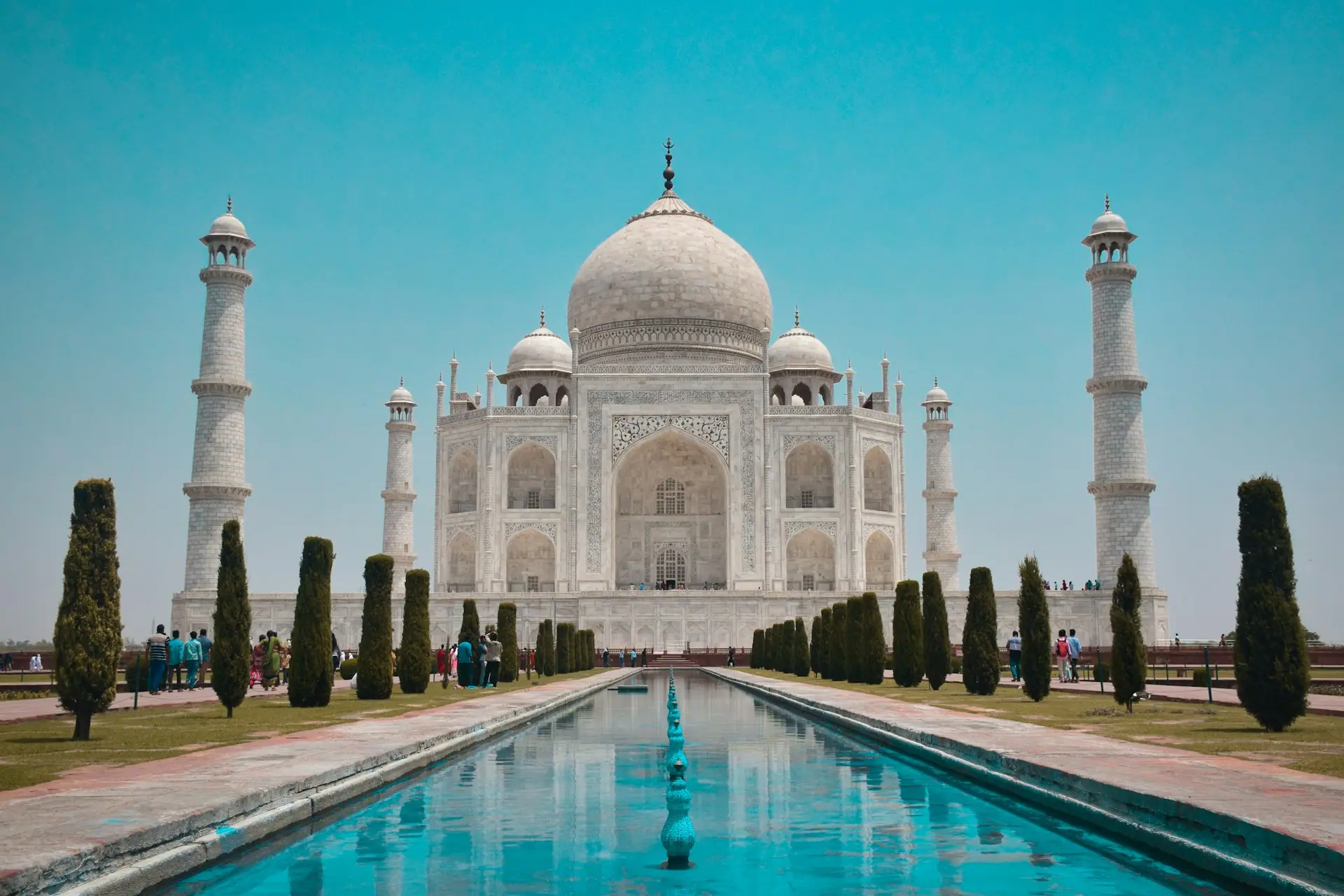
Agra to JaipurThe Taj Mahal at sunrise · +1 more- The Taj Mahal at sunrise
- On to Jaipur, via Fatehpur Sikri
Day 5
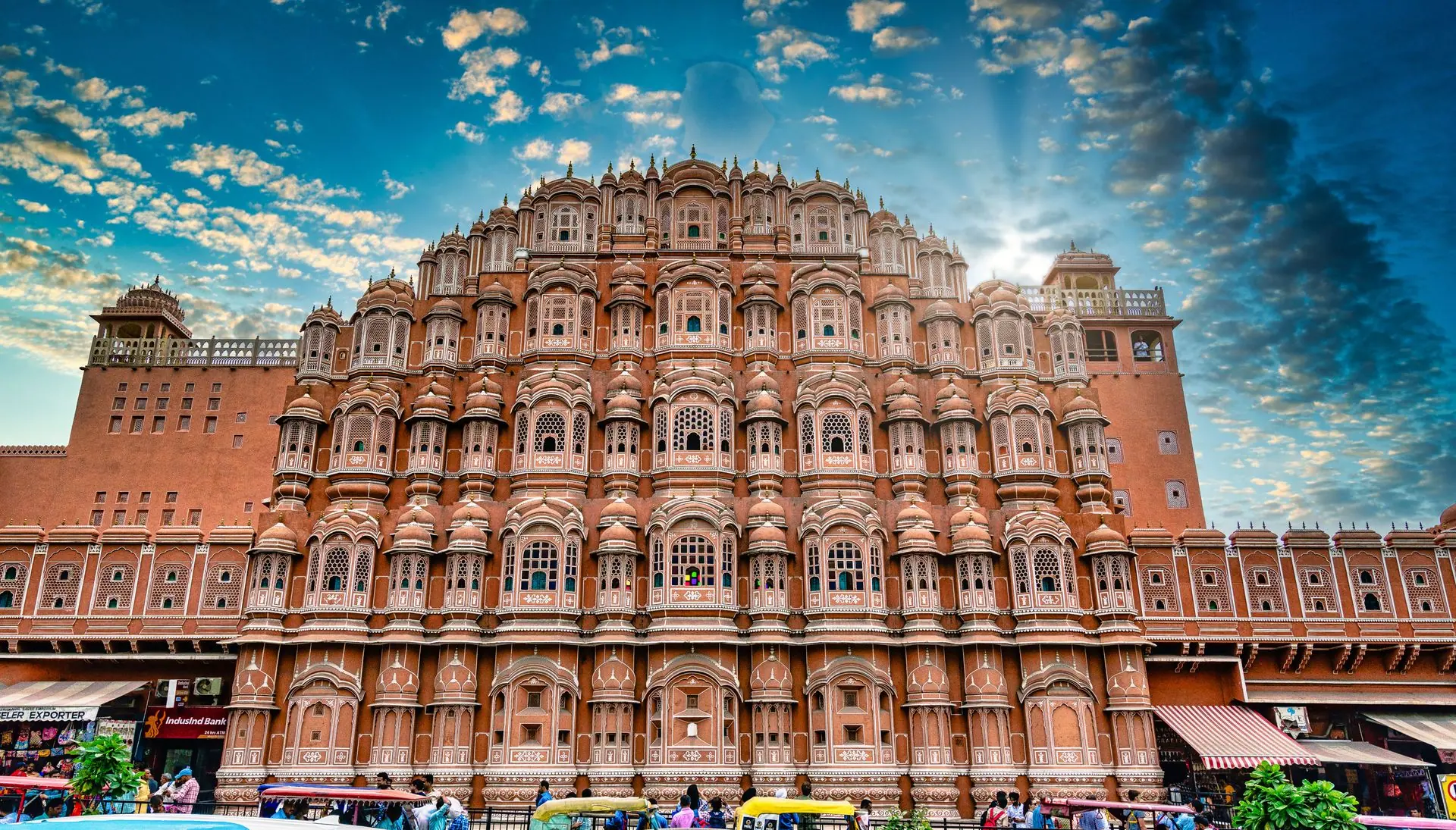
JaipurAmber Fort, Hawa Mahal and the City Palace- Amber Fort, Hawa Mahal and the City Palace
Day 6
Jaipur to UdaipurTravel to Udaipur · +1 more- Travel to Udaipur
- Lake Pichola at dusk
Day 7
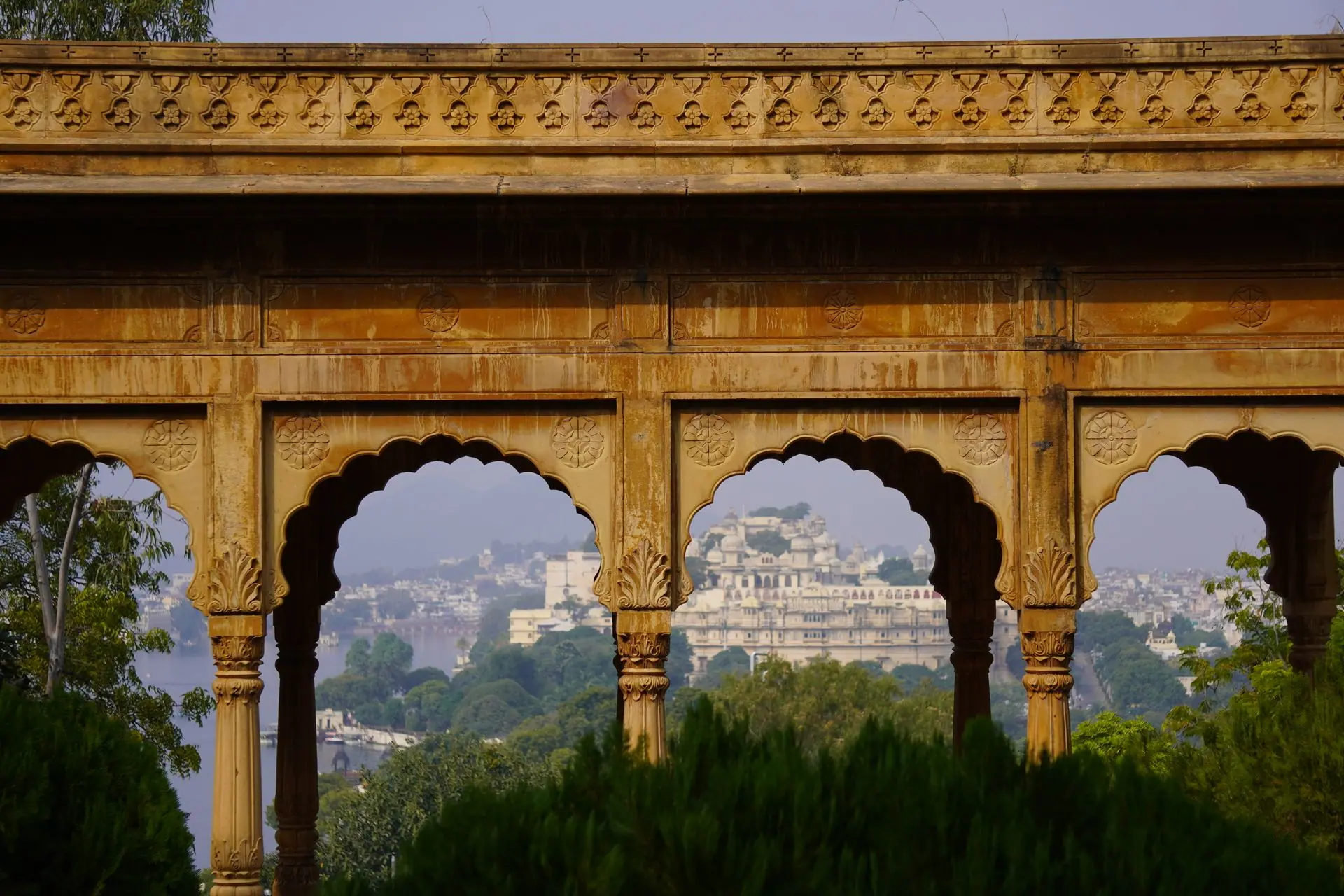
UdaipurThe City Palace · +1 more- The City Palace
- A boat ride on the lake
Day 8
Udaipur to JodhpurMehrangarh Fort and the old blue city- Mehrangarh Fort and the old blue city
Day 9
Free day or a desert detourRest, shopping, or a run out towards Jaisalmer- Rest, shopping, or a run out towards Jaisalmer
Day 10
DepartFly home from Jaipur, Udaipur or Delhi, depending on your route- Fly home from Jaipur, Udaipur or Delhi, depending on your route
Getting around, in brief
Within a region, a private car and driver is what most of our guests use: flexible, door to door, and the easiest way to add an unplanned stop. Between distant regions, a short domestic flight usually beats a very long drive. Trains suit travellers who want the experience itself, not just the transfer, and are worth building a day around rather than rushing.
In cities, metro systems in Delhi, Mumbai and Bengaluru are often the fastest way across a congested centre, and ride-hailing apps have made the rest of it far more predictable than it used to be. None of this is something you need to work out yourself on a guided trip; it is decided for you as part of the itinerary. Our full getting-around guide covers when to use each, and how to book trains as a foreign visitor.
What does a trip to India actually cost
India runs the full range, and a blanket "India is cheap" misleads more than it helps. Our private trips start from about $150 per person per day and cover your hotel, a private guide and a private vehicle; flights, monument tickets and activities are added on top. Here is the honest range.
What actually moves that number, more than the country itself, is the tier of hotel you pick and how many regions you visit. A ten-day, single-region trip at the 4-star tier and a three-week, multi-region trip at the 5-star tier are both "a trip to India", and they cost entirely different amounts. See our full cost guide and our budget guide for how to think about the trade-offs.
4-Star Experience
$150–$250 per person, per day
- Hotel guide and private vehicle
- Hotels such as Sarovar, Lemon Tree, Ramada, Marriott
- Vehicles such as Swift Dzire, Ertiga, Innova Crysta, Tempo Traveller
5-Star Palace Experience
$350–$1,000+ per person, per day
- Hotel guide and private vehicle
- Hotels such as Taj, Leela, Oberoi, Postcard, St Regis, W, Ritz-Carlton, Six Senses, Evolve Back
- Vehicles such as Innova Crysta, Mercedes E-Class, Audi A6, Vellfire, a luxury Urbania or Volvo coach
Is India safe to travel, including for solo women
India is broadly safe for travellers who take normal precautions, and the vast majority of visitors leave with no incident beyond an overcharged rickshaw. The real risks are scams and minor stomach upsets, not violent crime.
Solo women should take extra care after dark and dress modestly at religious sites, and everyone should use verified transport rather than hailing whatever is nearest. A few regions, including parts of Kashmir and some border and north-eastern areas, carry government advisories, so plan those with a local operator rather than alone. Read our full safety and etiquette guide before you go; we would rather you arrived prepared than surprised.
The scams that actually catch travellers out are mundane, not dramatic: an unmetered rickshaw quoting an inflated fare, a shopkeeper insisting the place you asked for "just closed" so they can walk you to one paying them commission, or a lookalike visa website charging several times the government fee. None of these are dangerous, but all of them cost money if you do not see them coming, which is largely what a good local guide is there to prevent.
What to eat, and how to avoid an upset stomach
Food is one of the best reasons to visit India, and it is also where first-timers worry most. A thali, a plate of small curries, rice, bread and pickles, is the easiest way to try a region's food in one sitting, and it is sold everywhere from roadside dhabas to hotel restaurants.
It also changes completely by region, which is part of the reason two regions beats six for a food-focused trip: a Rajasthani thali leans on lentils, buttermilk curries and desert-hardy vegetables; a Kerala sadya is a vegetarian feast served on a banana leaf, built around rice and coconut; a Kashmiri wazwan is a multi-course meat feast built for a wedding. Eating your way through one region properly teaches you more than a single sampler plate in six cities ever will.
The usual advice holds: drink bottled or filtered water, skip ice you cannot vouch for, and eat where the queue is long and the food is cooked hot in front of you. A change of gut flora, not a dangerous infection, is what actually catches out most travellers, and it settles within a day or two for most people. See our glossary for the terms, and our safety guide for the rest of the health basics.
What's overrated
- The three-day Golden Triangle. It is the most-sold India trip and the most-rushed. Delhi, Agra and Jaipur deserve five to six days; crammed into three, you mostly see car windows and queues.
- Sunset at the Taj Mahal. The crowds and the haze are usually worse in the evening. Go at dawn instead.
- A beach-only Goa trip as your one India visit. Goa is lovely, but you can find a beach closer to home; if India is your only trip, spend most of it inland.
- The see-everything grand tour. Six cities in ten days is the fastest way to end up disliking India.
- Shopping-heavy "emporium" stops. If a day has more sanctioned shopping halts than sights, it was built for commissions, not for you.
What's underrated
- Dawn on the Ganges at Varanasi (Kashi) — the Ganga Aarti at first light, without the evening crowds.
- A tiger safari at Ranthambore or Bandhavgarh, rather than treating wildlife as an afterthought.
- Real Panchakarma in Kerala, rather than a hotel spa massage badged as Ayurveda.
- A night in a family homestay instead of one more hotel.
How we plan a trip, and what we tell every first-timer
Experience My India started with our founder guiding visitors around the temples of Vrindavan, and after 50,000+ guests the advice we give first-timers has barely changed: slow down, do two regions well instead of six badly, and travel with someone local who can read the day for you.
India's "chaos" is mostly a system you do not know yet: the queue that is not a queue, the price that is negotiable, the temple that is best at dawn. Our 500+ local, third-generation guides exist for exactly that, to turn the confusion into the experience everyone actually comes for.
The travellers who love India are not the ones who conquered it; they are the ones who let it carry them.
Who India suits, and who it doesn't
India rewards curiosity and a bit of patience. It suits travellers who are happy to have a plan shift on the day, who would rather see two places properly than six at a sprint, and who are genuinely interested in a culture that will not simplify itself for a visitor's convenience.
It is a harder trip for anyone who needs a fixed, predictable schedule down to the hour, who wants five-star polish at every single stop rather than most of them, or who is hoping for a quiet, empty version of the country's best-known sights. None of that is a reason to stay away; it is a reason to plan the trip with someone who can set realistic expectations before you land, not after.
Frequently asked questions
How many days do I need in India?
Ten days is a realistic minimum for a first trip — the Golden Triangle plus one contrasting region. Two weeks or more lets you slow down or add a third region.
Is three days enough for the Golden Triangle?
No. Delhi, Agra and Jaipur are often sold as a three-day trip, but five to six days lets you actually see them rather than mostly the car windows and the queues.
Do I need a visa for India?
Almost certainly, unless you hold an OCI card or are a Nepali or Bhutanese citizen. Most tourists apply for the e-Tourist Visa online at indianvisaonline.gov.in before flying. See our full e-Visa guide.
Is India safe for solo women?
Broadly, yes, with normal precautions: extra care after dark, modest dress at religious sites, and verified transport rather than whatever is nearest. See our safety and etiquette guide and our solo female travel guide.
How much does a trip to India cost?
Our private trips start from about $150 per person per day for a 4-star hotel, private guide and private vehicle; a palace-hotel trip runs from about $350 to $1,000+ per person per day. Flights, tickets and activities are on top.
When is the best time to visit India?
October to March for most of the country. Ladakh and Kashmir flip that, running best from spring into autumn, and Kerala and the south stay pleasant for longer than the north.
North or South India for a first trip?
Both work well. The north gives you the Golden Triangle and Rajasthan's palaces and desert; the south gives you calmer temple towns, Hampi's ruins and Kerala's backwaters. Many second-time visitors do the one they skipped first.
Will the food make me sick?
Not if you take basic care: bottled or filtered water, no ice you cannot vouch for, and food that is cooked hot in front of you. A day or two of an unsettled stomach is more common than anything serious.
Where to go next
The guides and sections this page links to.
Travel guide · Plan Your Trip
India e-Visa Guide: 2026 Fees, Types, and How to Apply
Most foreign visitors need a visa to enter India, and for tourism the simplest is the e-Tourist Visa, applied for online at the official portal. Choose the 30-day, 1-year or 5-year option depending on your trip. One rule matters above all: apply only at indianvisaonline.gov.in, never a lookalike site charging more.
Travel guide · Plan Your Trip
India e-Arrival Card 2026: Who Needs It, and How to Submit (Free)
The e-Arrival Card is a short, free online declaration that replaced the paper disembarkation card, mandatory for OCI cardholders since October 2025 and for all other foreign nationals since 1 April 2026. Submit it within the 72 hours before you land, only at indianvisaonline.gov.in/earrival or the official Su-Swagatam app; it is not your visa.
Travel guide · Plan Your Trip
The Best Time to Visit India, Region by Region
For most of India, October to March is the best time to visit: dry, cooler, and lined up with the big festivals. The Himalaya flips that pattern, with Ladakh and Kashmir at their best from spring into autumn, while Kerala and the south stay pleasant for longer than the north.
Travel guide · Plan Your Trip
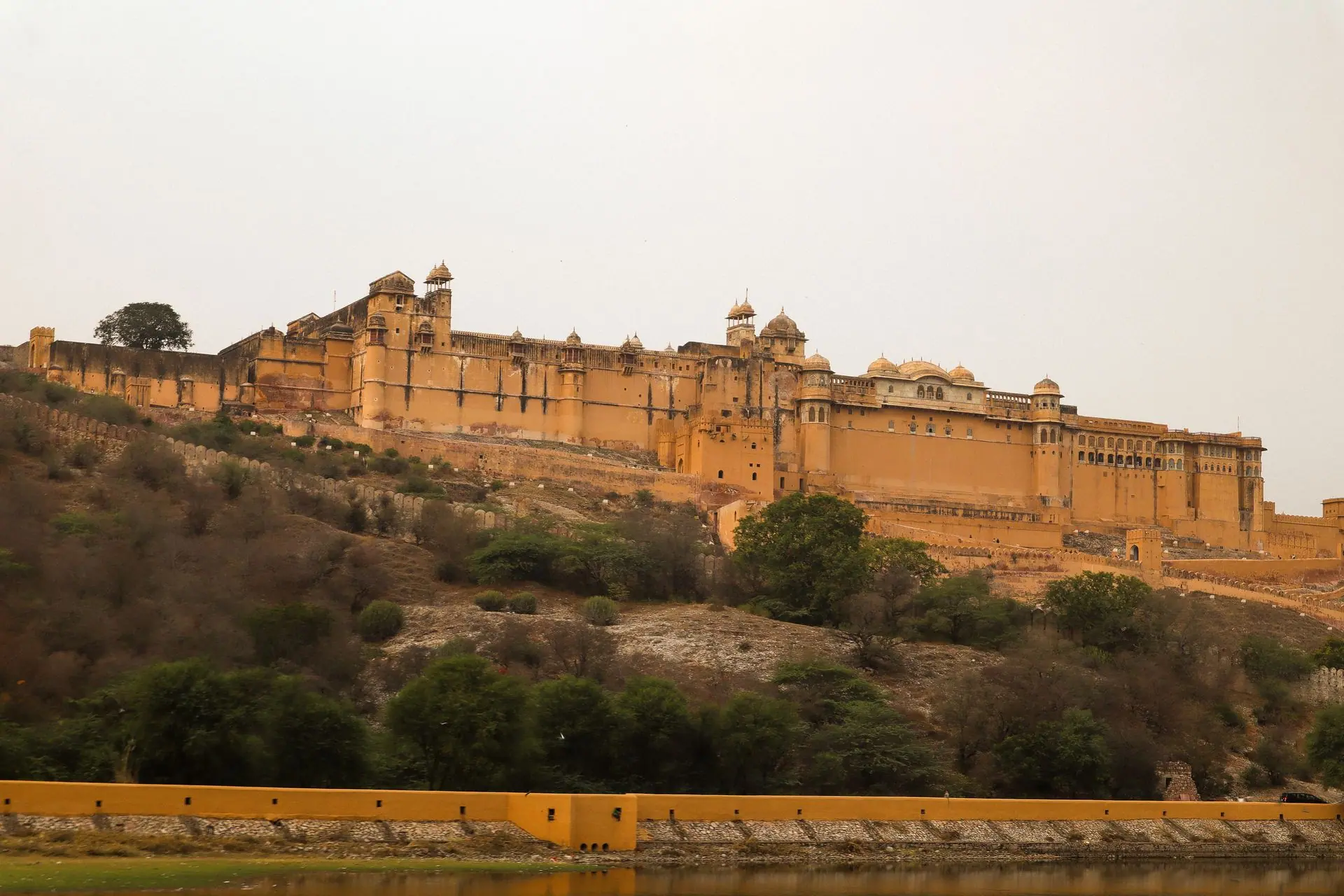
India in January: Weather, Where to Go, and What to Avoid
January is one of the best months to visit most of India: the Golden Triangle, Rajasthan, Kerala and South India are all at their most comfortable. The Himalaya, including Kashmir and Ladakh, is deep in winter and largely closed to touring. Mornings can be genuinely cold and foggy in the north, so pack warm layers even for a warm-day itinerary.
Travel guide · Plan Your Trip
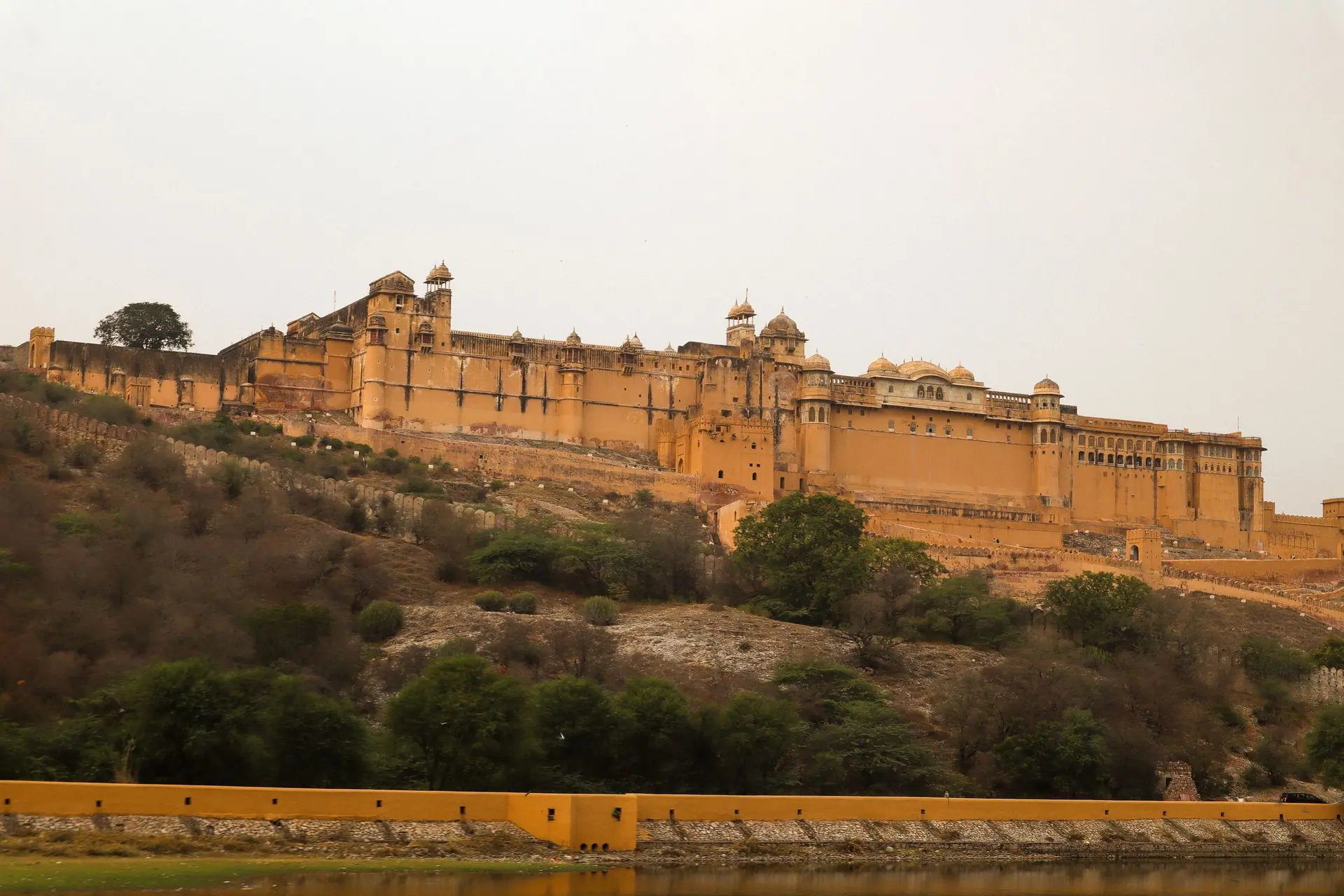
India in February: Weather, Where to Go, and What to Avoid
February is still one of the most comfortable months for most of India, with the Golden Triangle, Rajasthan and South India all at their best before the heat builds. Kashmir stays cold, and Gulmarg is still good for snow, while Ladakh remains largely closed. It is peak season, so book ahead.
Travel guide · Plan Your Trip
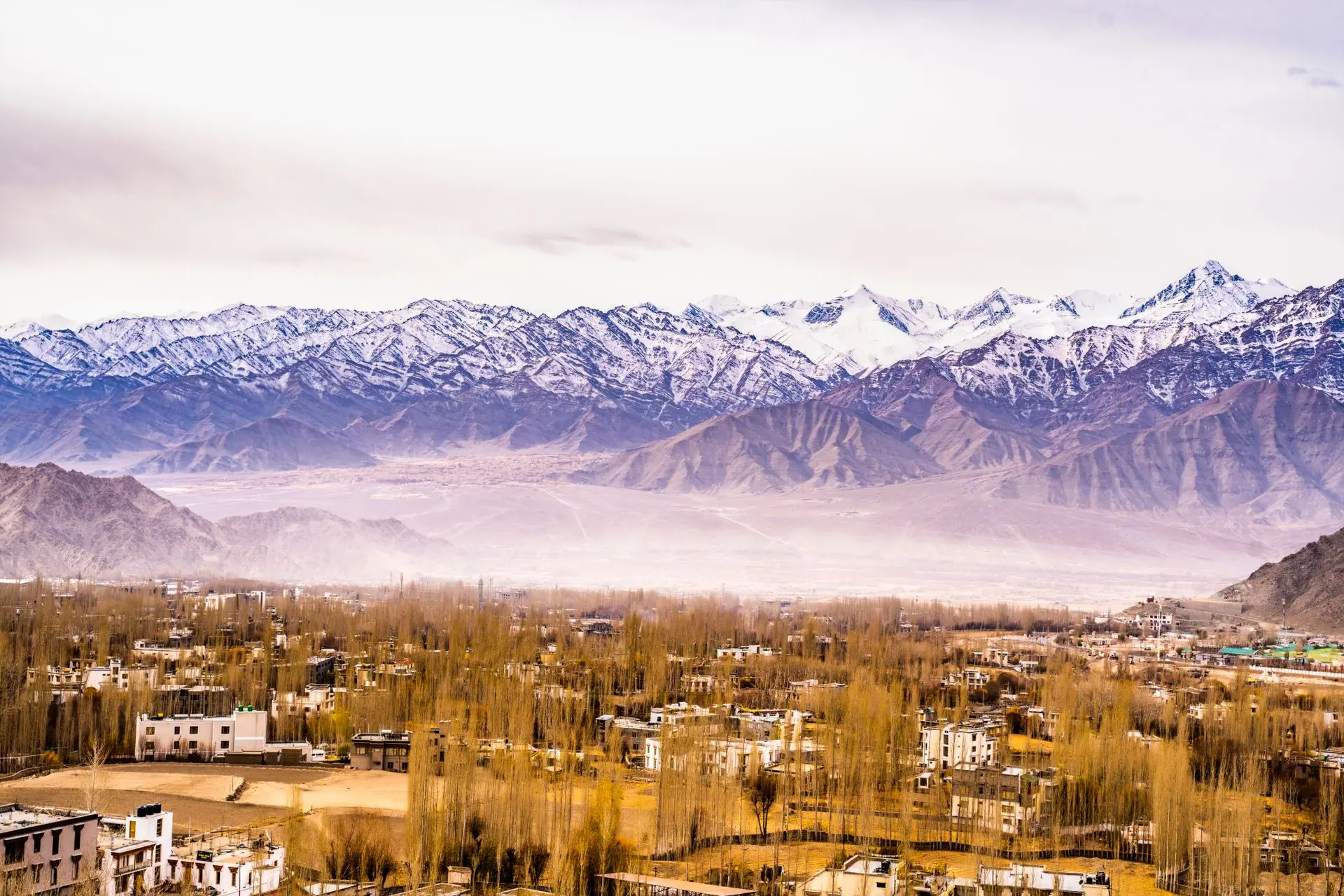
India in March: Weather, Where to Go, and What to Avoid
March is a transitional month: the first half is still comfortable for the Golden Triangle and Rajasthan, but heat builds quickly after Holi. Hill stations in Himachal and Uttarakhand start to wake up, and the south stays warm and increasingly humid.
Travel guide · Plan Your Trip
India in April: Weather, Where to Go, and What to Avoid
April is hot on the north Indian plains, which makes it the moment the Himalayan hill stations of Himachal and Uttarakhand take over as the better choice. Kashmir is at a pleasant spring stage, while Ladakh's high passes are not yet open for the season.
Travel guide · Plan Your Trip
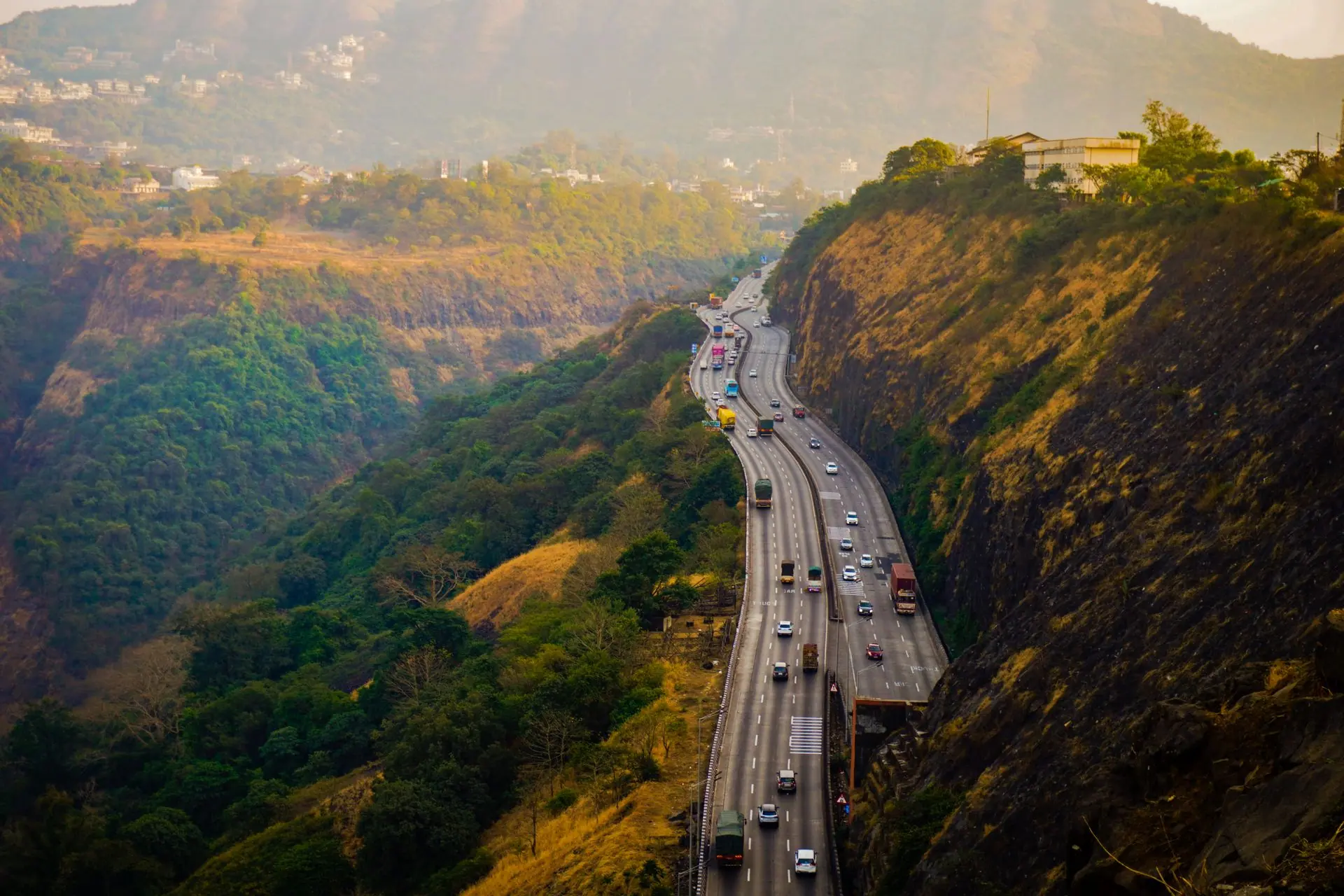
India in May: Weather, Where to Go, and What to Avoid
May is peak heat across the north Indian plains, which is exactly why Ladakh, Kashmir and Himachal Pradesh come into their own this month as an escape. The Golden Triangle and Rajasthan are best avoided unless you have no other choice.
Travel guide · Plan Your Trip
India in June: Weather, Where to Go, and What to Avoid
June is when the monsoon arrives on Kerala's coast and begins moving north through the month, while the north Indian plains stay hot and increasingly humid before the rains break. Ladakh, in the Himalaya's rain shadow, stays dry and is at its best.
Travel guide · Plan Your Trip
India in July: Weather, Where to Go, and What to Avoid
July is deep monsoon season across most of India: Kerala and the Western Ghats turn a dramatic green, and heavy rain is common on the plains. Ladakh stays dry and clear in the Himalaya's rain shadow, making it one of the better regions to travel this month.
Travel guide · Plan Your Trip
India in August: Weather, Where to Go, and What to Avoid
August is still deep monsoon season across most of India, with Kerala green and lush and the northern plains humid with regular rain. Ladakh continues to be one of the more reliably dry regions, and Independence Day, on 15 August, is marked nationwide.
Travel guide · Plan Your Trip
India in September: Weather, Where to Go, and What to Avoid
September is a transitional month, as the monsoon retreats through the country and the more comfortable shoulder season begins. Rishikesh reopens for rafting toward the end of the month, and the west coast starts drying out, though timing varies year to year.
Why book with Experience My India
Government-approved operator
Approved by the Ministry of Tourism, Government of India
500+ vetted local guides
35+ destination specialists plan every trip by hand.
Human help, every day
Mon–Sun, 9:00 AM – 9:00 PM IST · +91 73022 65809
No payment until you approve
You receive a written quote first; nothing is charged to start planning.
Plan a trip
Tailor-made quote from a specialist