
Mount Abu Travel Guide: Nakki Lake, Dilwara Temples and Guru Shikhar
Mount Abu is Rajasthan's only hill station, set in the Aravalli hills. The main places to visit in Mount Abu are Nakki Lake, the white-marble Dilwara Jain temples and Guru Shikhar, the range's highest peak, with Achalgarh Fort, Adhar Devi temple and a wildlife sanctuary close by. A night or two is enough, and the nearest railhead is Abu Road.
By Gurudutt Kaushal · Reviewed by Gurudutt Kaushal
Government-approved operatorApproved by the Ministry of Tourism, Government of India
Places to visit in Mount Abu
Things to do in Mount Abu
Take a boat on Nakki Lake around sunset, walk the trail to Toad Rock, or follow a sanctuary trail to Sunset Point. Two festivals add to a visit. The Summer Festival begins on Buddha Purnima, in May, with folk dances such as Gair, Ghoomar and Daph, a qawwali evening and boat races on Nakki Lake. The Winter Festival, held in December, has a procession, a Deepdaan ceremony at the lake where diyas are floated, kite flying, rowing and fireworks. For tours in the area, see our Udaipur tour packages and Rajasthan tour packages.
Best time to visit Mount Abu
How to reach Mount Abu
By air: Mount Abu has no airport. The nearest is Maharana Pratap Airport at Dabok, Udaipur, roughly 180 km away. Ahmedabad's airport, about 220 km away, has wider national and international connections.
By train: the railhead is Abu Road, 27 to 28 km from the town, on the Delhi–Mumbai line and connected to Jaipur, Ahmedabad, Pune, Bangalore and Chennai. Taxis and buses climb from Abu Road.
By road: Udaipur is about 165 km away, Jodhpur 270 km and Chittorgarh 271 km, and Ahmedabad 225–235 km. State transport and private buses run to Mount Abu. The last 28 km from Abu Road are a hairpin climb. See our guides to Udaipur and Jodhpur, and Ahmedabad for the Gujarat side.
How many days in Mount Abu
Getting around and where to stay
Taxis and autos run from the town to the sanctuary entry points and trailheads, according to Incredible India. Rajasthan Tourism describes the town's buildings as a mix of tribal homes, British-style bungalows and former royal holiday lodges. A base near Nakki Lake, at the heart of the hill station, keeps the lake and the Toad Rock trail close.
Tips
- At the Dilwara temples, wear clothes that cover shoulders and knees, leave cameras, phones and leather items outside, and go after noon.
- Guru Shikhar has about 300 steps at the top, and Adhar Devi 365, plus a crawl; take water and wear shoes with grip.
- In the monsoon expect slippery steps, and leeches on sanctuary trails.
- Navratri brings crowds to Adhar Devi, and the two festivals fall at Buddha Purnima, in May, and in December.
Why book with Experience My India
Government-approved operator
Approved by the Ministry of Tourism, Government of India
500+ vetted local guides
35+ destination specialists plan every trip by hand.
Human help, every day
Mon–Sun, 9:00 AM – 9:00 PM IST · +91 73022 65809
No payment until you approve
You receive a written quote first; nothing is charged to start planning.
Frequently asked questions
Is one day enough for Mount Abu?
One day covers Nakki Lake, the Dilwara temples and a viewpoint, if you start early. The temples open to tourists only from noon, and Guru Shikhar opens at 6 am, so a single day is a squeeze. An overnight stay lets you see Achalgarh and Adhar Devi as well.
What are the Dilwara temples' timings and rules?
Incredible India says the temples open to tourists from noon until about 5 or 6 pm, while Jain devotees enter between 6 am and noon. Entry is free. Cameras, mobile phones and leather items are not allowed, and visitors must cover their shoulders and knees. The complex has five temples.
How do you reach Guru Shikhar?
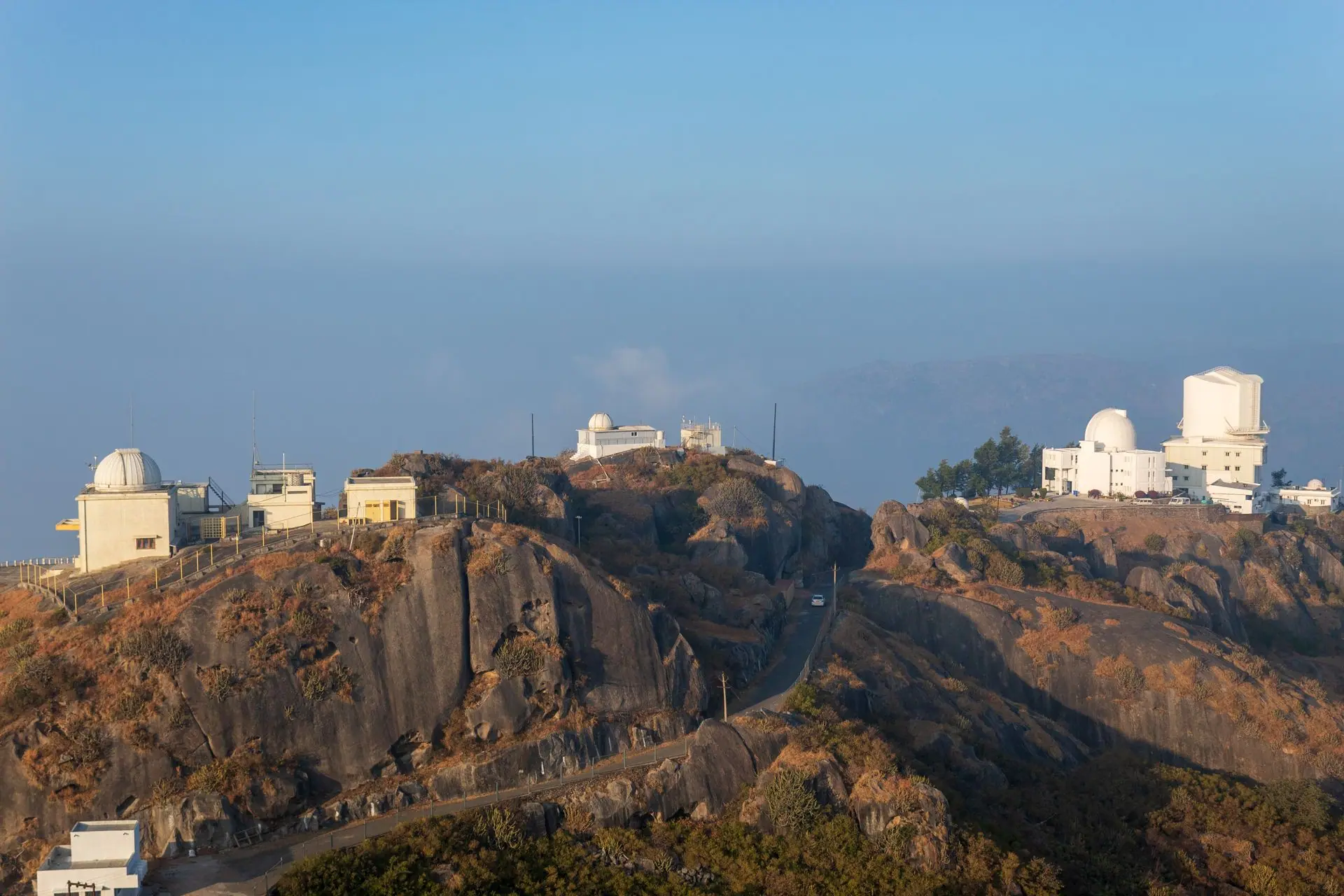
By road up through the forest, then about 300 steps to the Guru Dattatreya temple at the summit. At 1,722 metres it is the highest point of the Aravalli range. Incredible India lists opening at 6 am and says October to March gives the clearest views.
Where can you watch the sunset in Mount Abu?
On a boat on Nakki Lake, which Rajasthan Tourism says gives a view of the sun setting beyond the hills, or from Sunset Point, a viewpoint on a sanctuary trail. Incredible India's wildlife sanctuary page names Sunset Point and Honeymoon Point as trail viewpoints.
How do you get to Mount Abu by train?
Take a train to Abu Road, the railhead, 27 to 28 km below the town. It lies on the Delhi–Mumbai line and has connections to Jaipur, Ahmedabad, Pune, Bangalore and Chennai. From the station, taxis and buses make the hairpin climb of about 28 km to Mount Abu.
What wildlife lives in Mount Abu Wildlife Sanctuary?
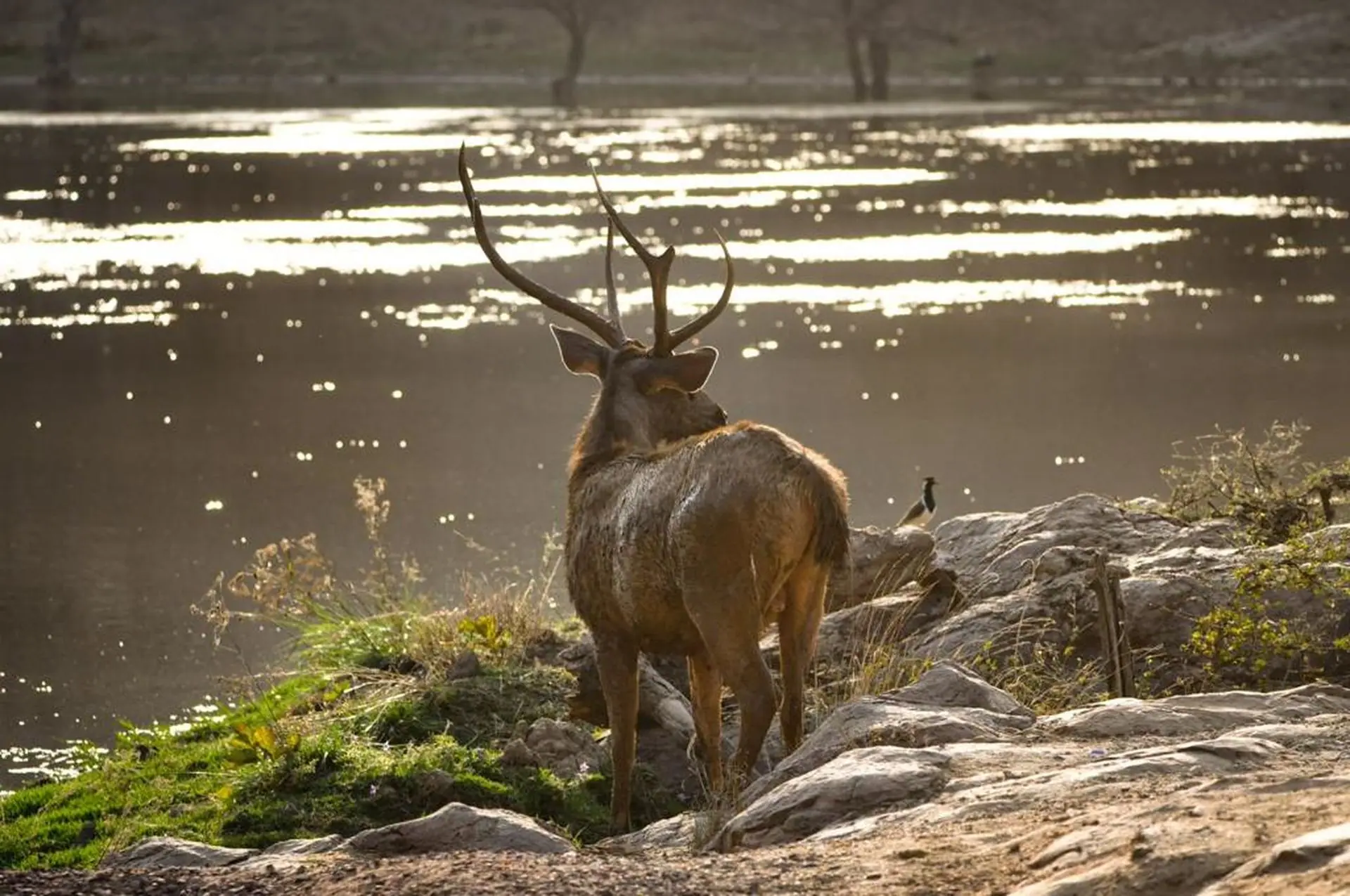
Incredible India lists leopards, sloth bears, sambar deer, chinkara, wild boar, jungle cats, civets, porcupines and striped hyenas, with more than 250 bird species recorded. The sanctuary covers nearly 288 sq km. Sightings are never certain, and the monsoon brings leeches and limited access.
When are Mount Abu's festivals?
The Summer Festival begins on Buddha Purnima, in May, and lasts a few days, with folk dance, a qawwali evening and boat races on Nakki Lake. The Winter Festival is held in December, with a procession, a Deepdaan ceremony, kite flying and fireworks. Dates follow the calendar each year, so check before you go.
Can you visit Mount Abu in the monsoon?
Yes, if you accept the weather. Incredible India says July to September makes the hills lush and scenic, with fewer crowds. Steps and trails get slippery, the sanctuary has leeches and limited access, and Rajasthan Tourism suggests avoiding Trevor's Tank in the monsoon season.
More places in Rajasthan
See all

From the journal: Mount Abu
Journal
Mount Abu Winter Festival 2025: Dates, Venue & Events
Journal
2 Night 3 Days Mount Abu Package Price – Everything You Need to Know Before You Go
3 days
Journal
Explore the Serenity and Splendor of Mount Abu: Rajasthan’s Cool Retreat
Journal
Mount Abu, Rajasthan: what to see
Customer reviews
Experience My India is rated 4.3 on Tripadvisor. We publish guest reviews after each trip.
Plan a trip
Tailor-made quote from a specialist