
Choose a destination
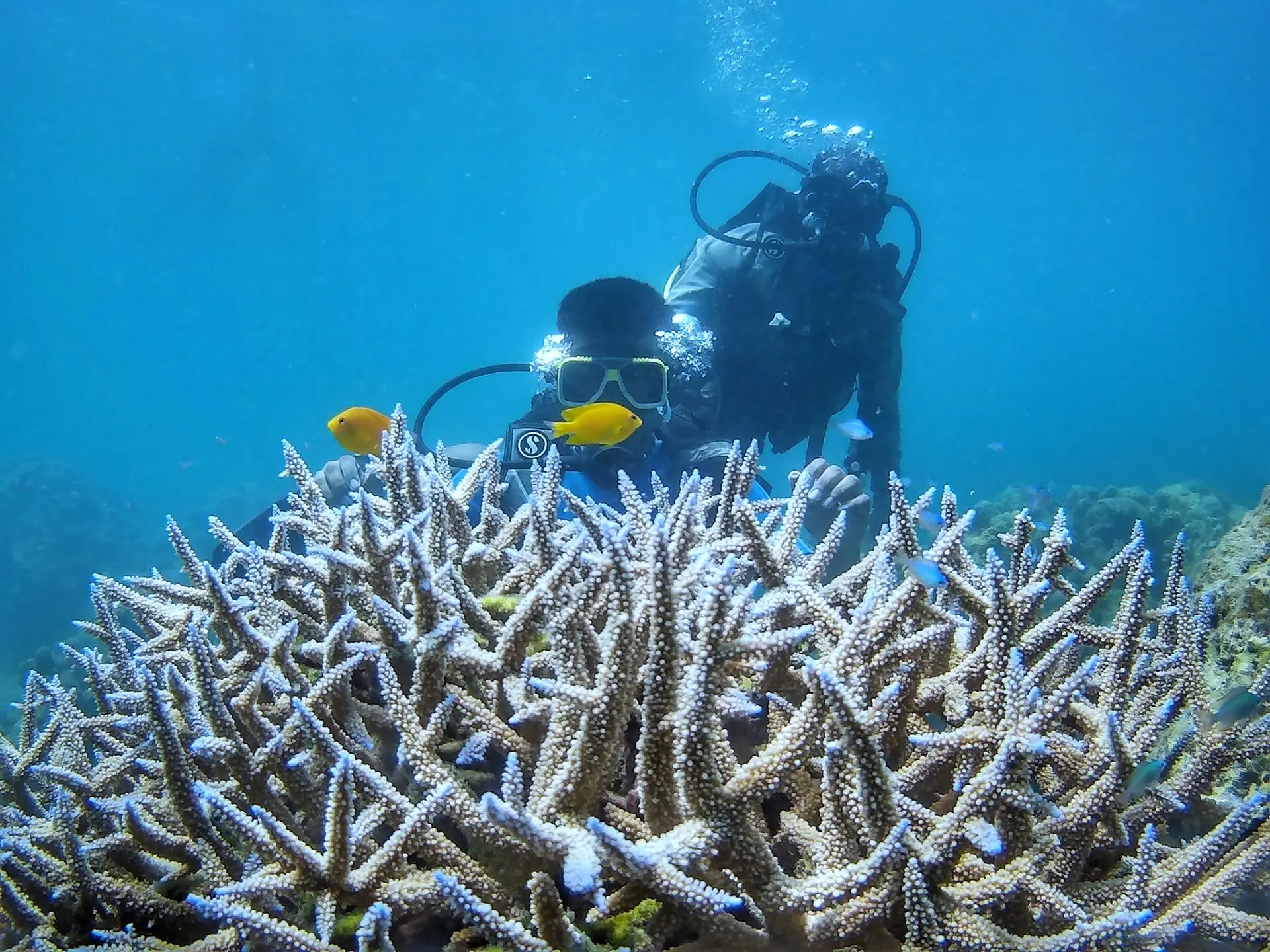 Photo: Kishlay singh · CC BY-SA 4.0 · Wikimedia Commons
Andaman & Nicobar
1 tour or experience
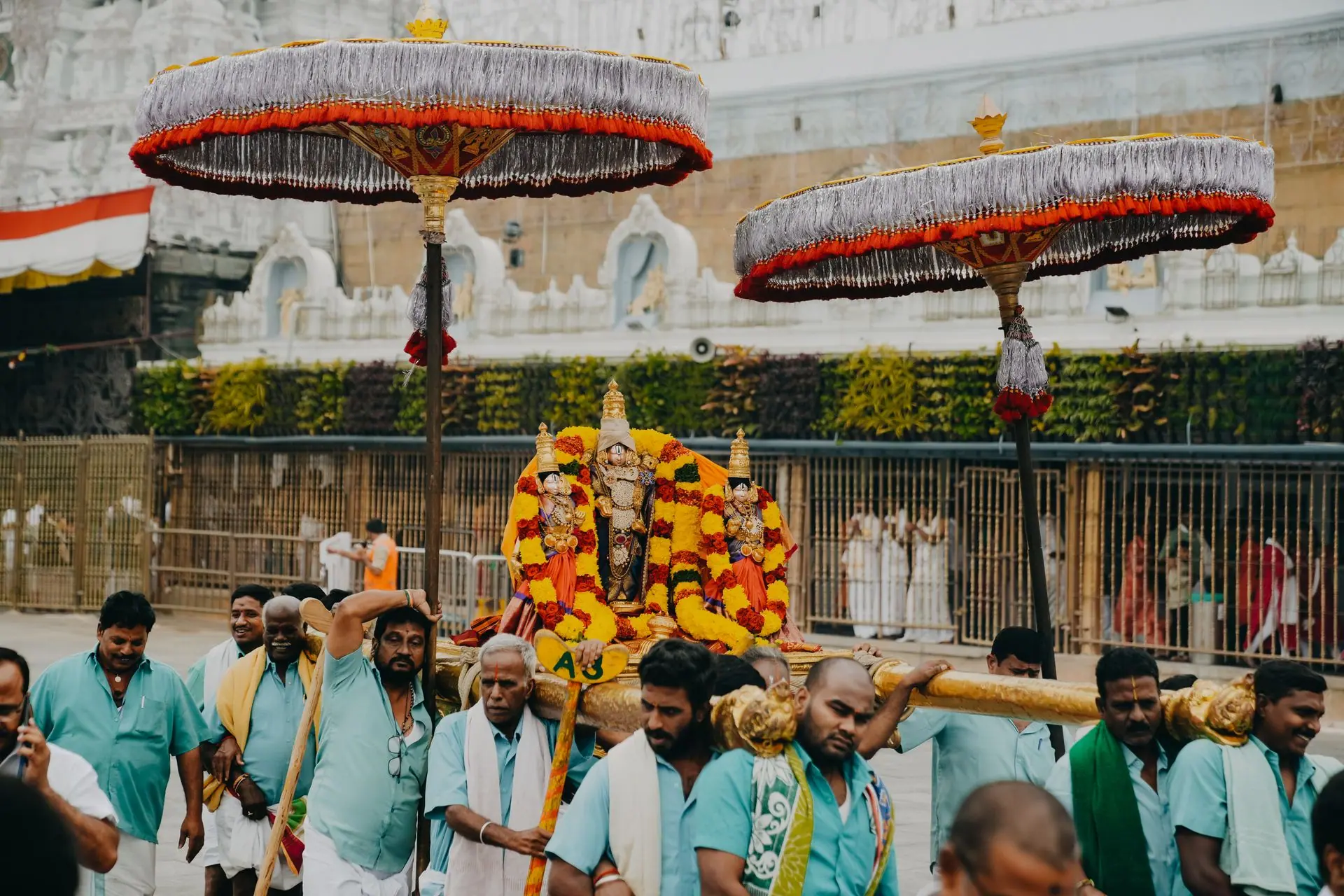
Andhra Pradesh
1 tour or experience
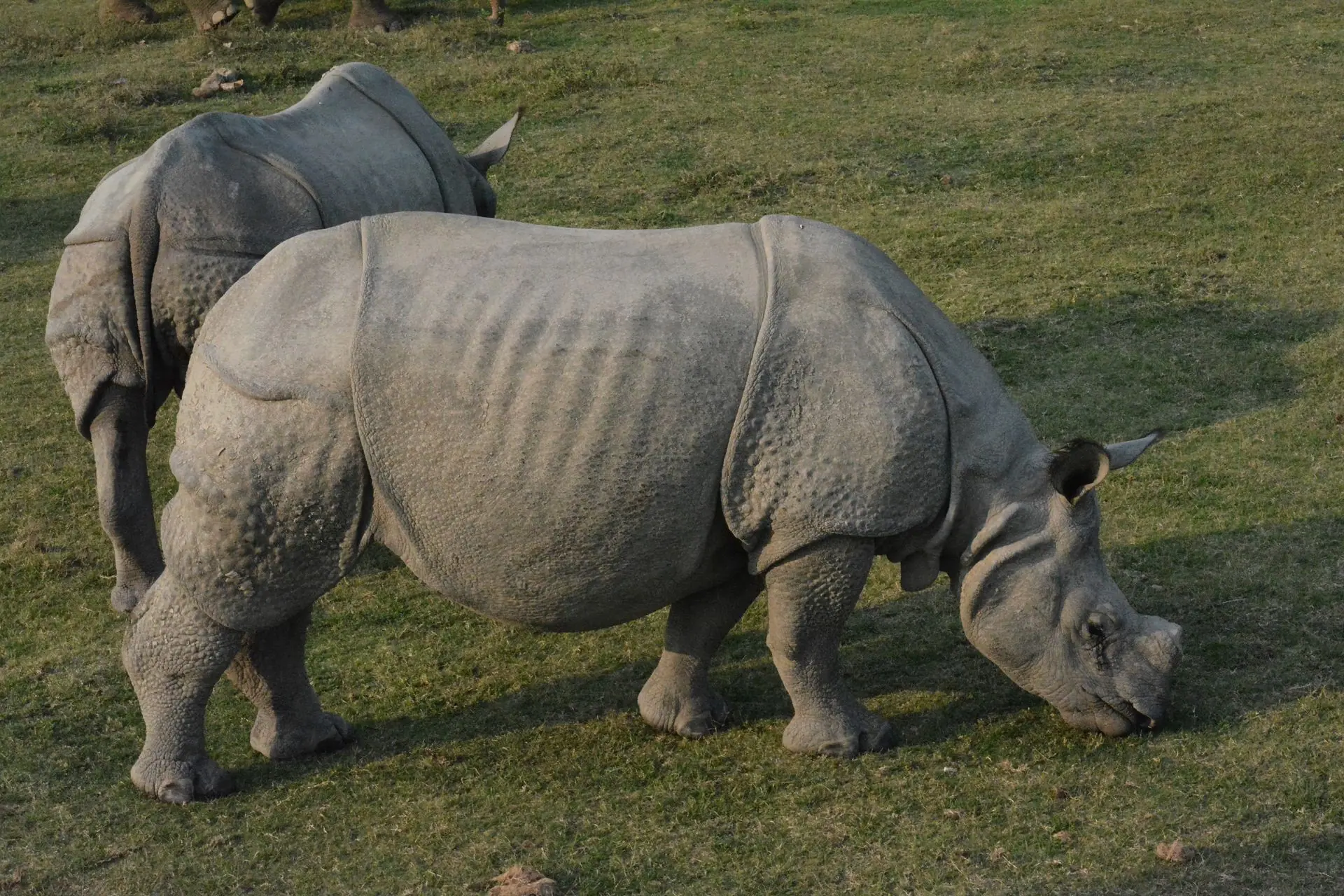
Assam
1 tour or experience
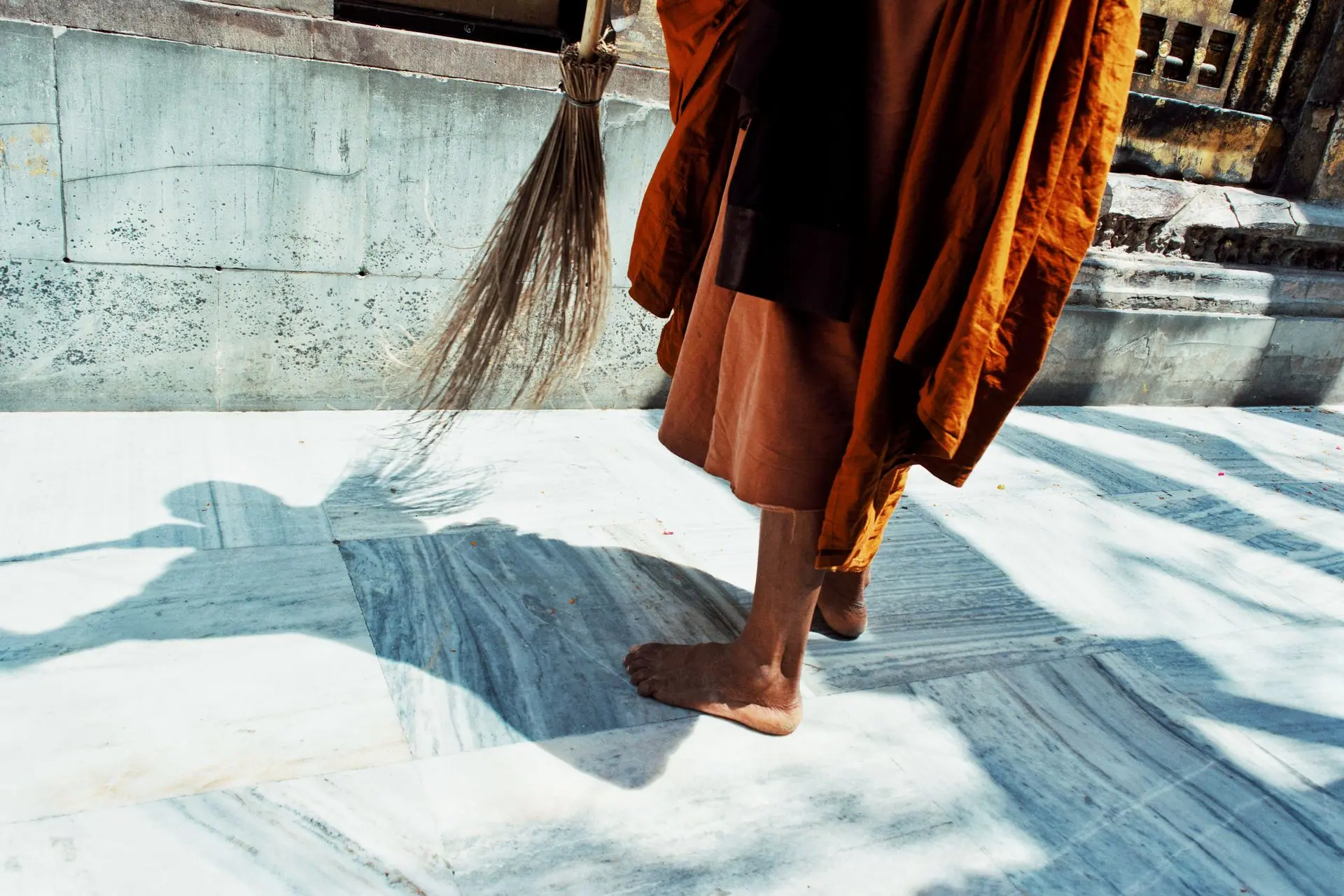
Bihar
1 tour or experience
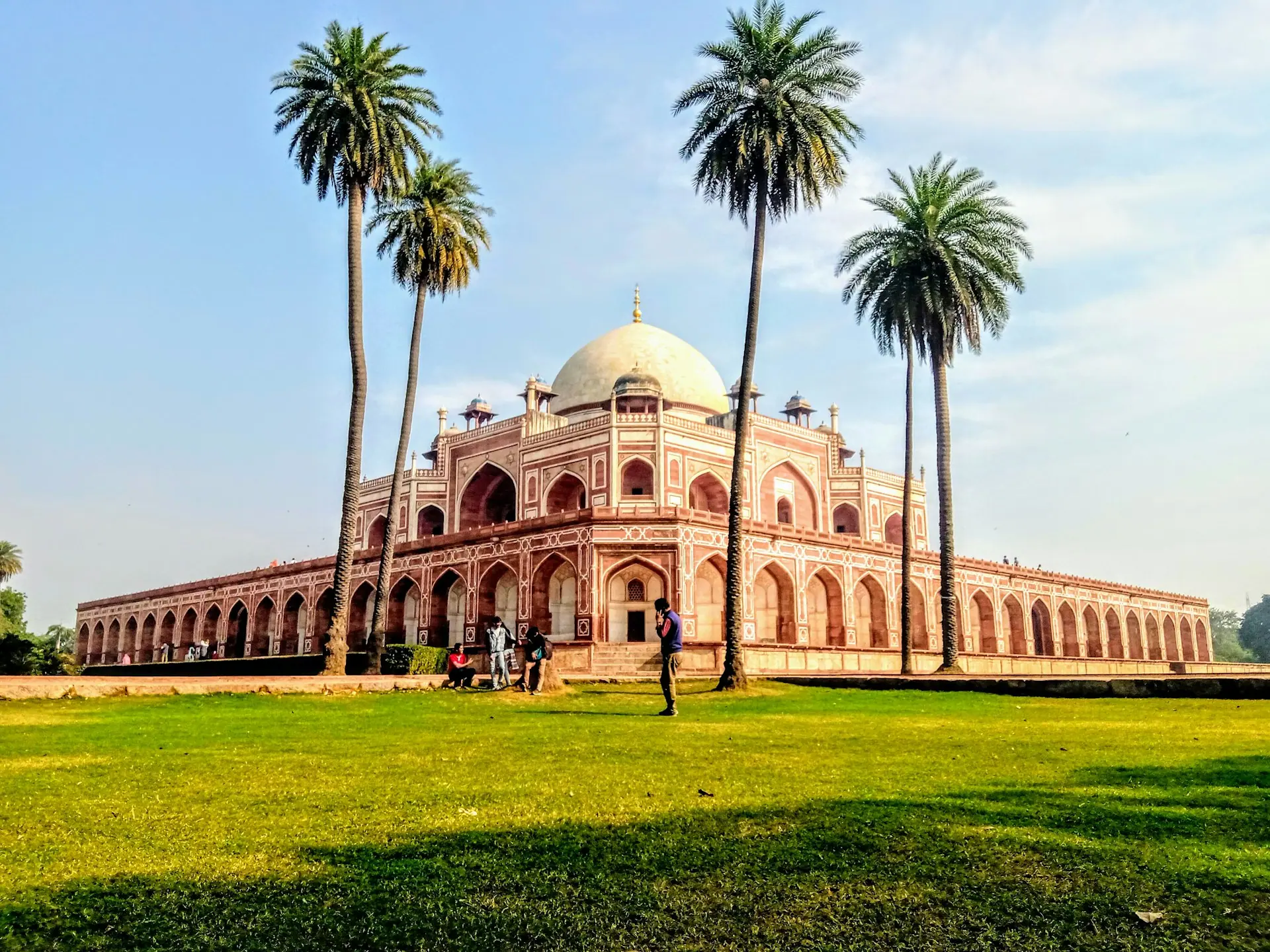
Delhi
6 tours and experiences
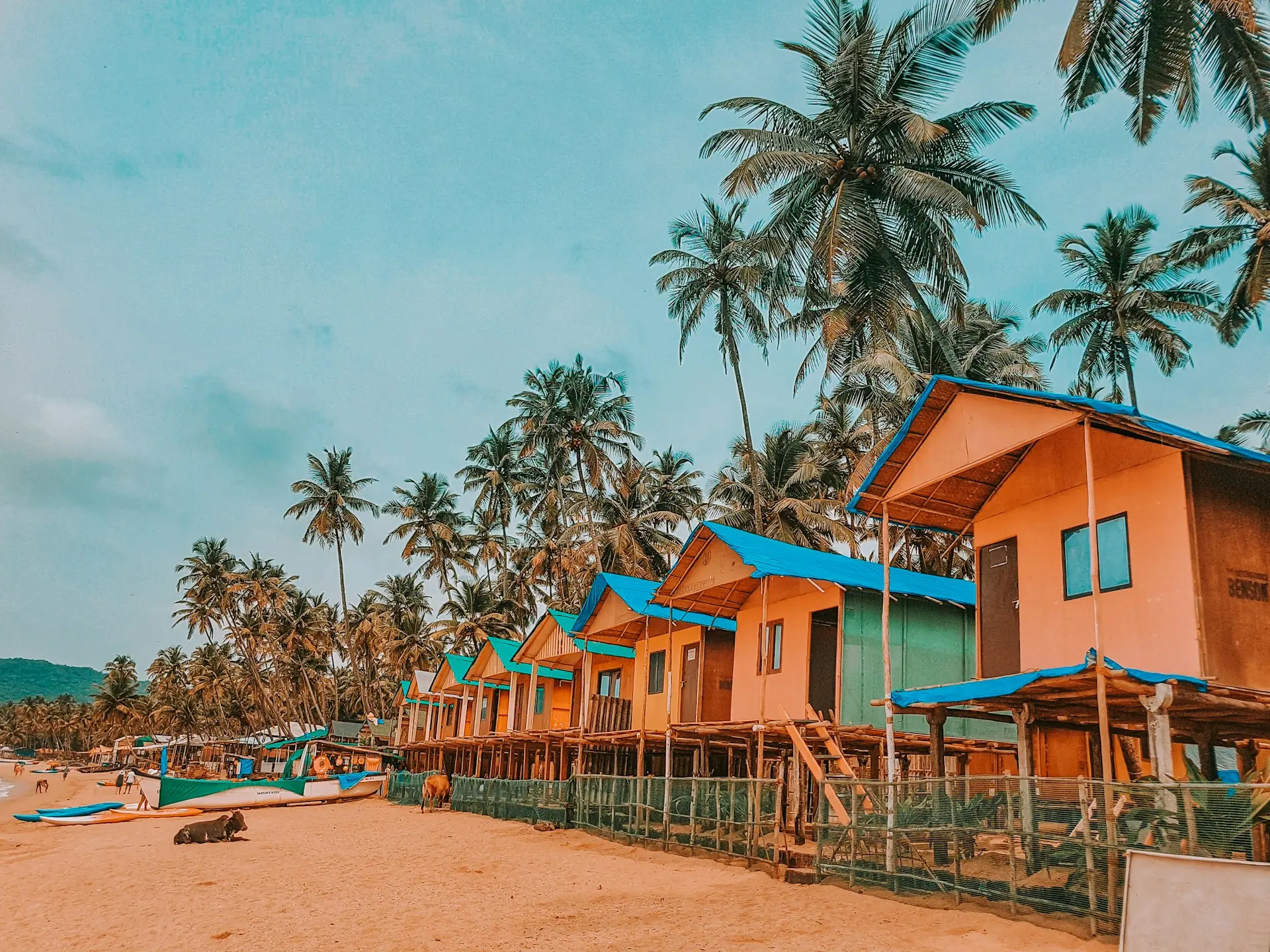
Goa
7 tours and experiences
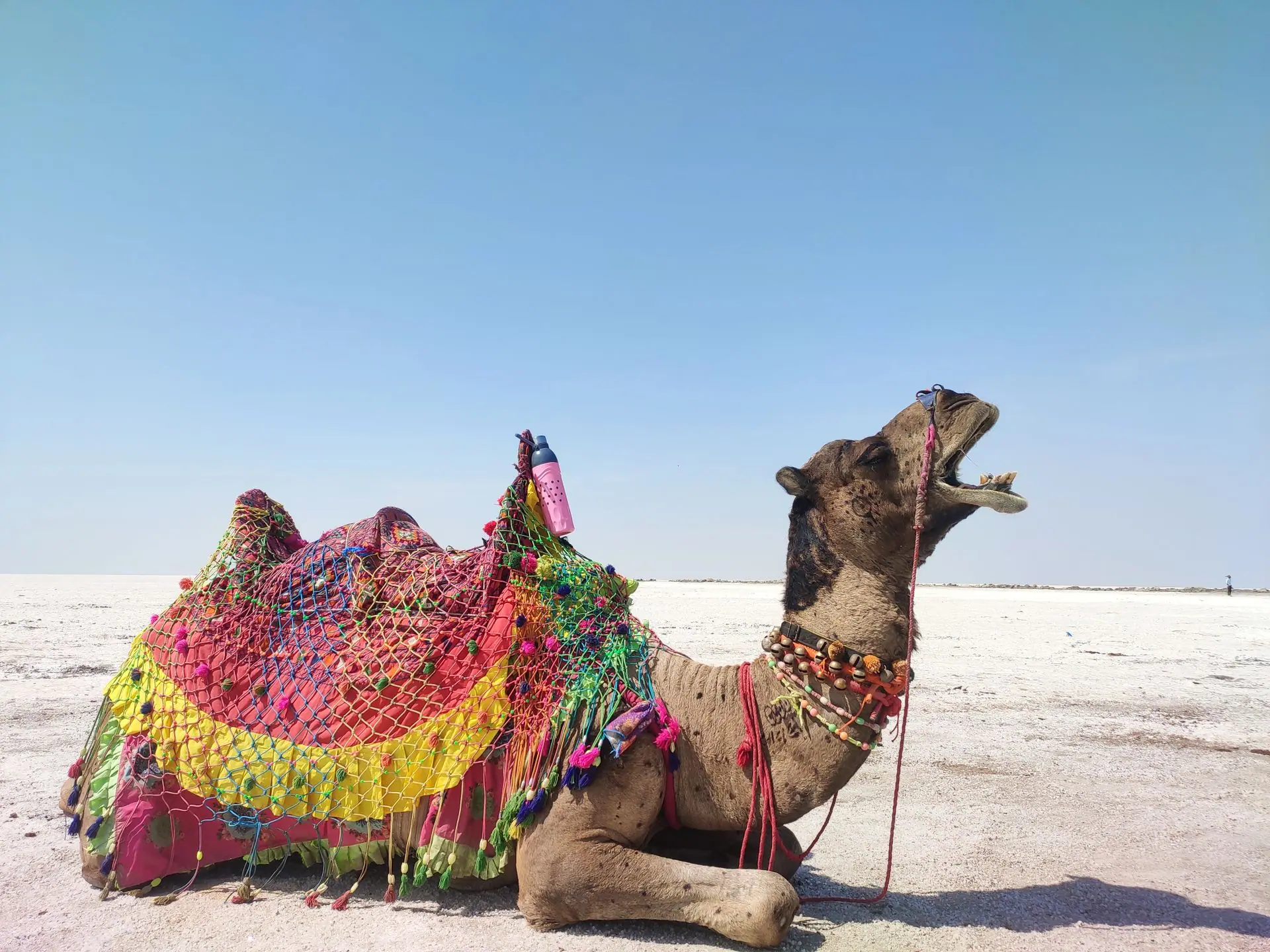
Gujarat
2 tours and experiences
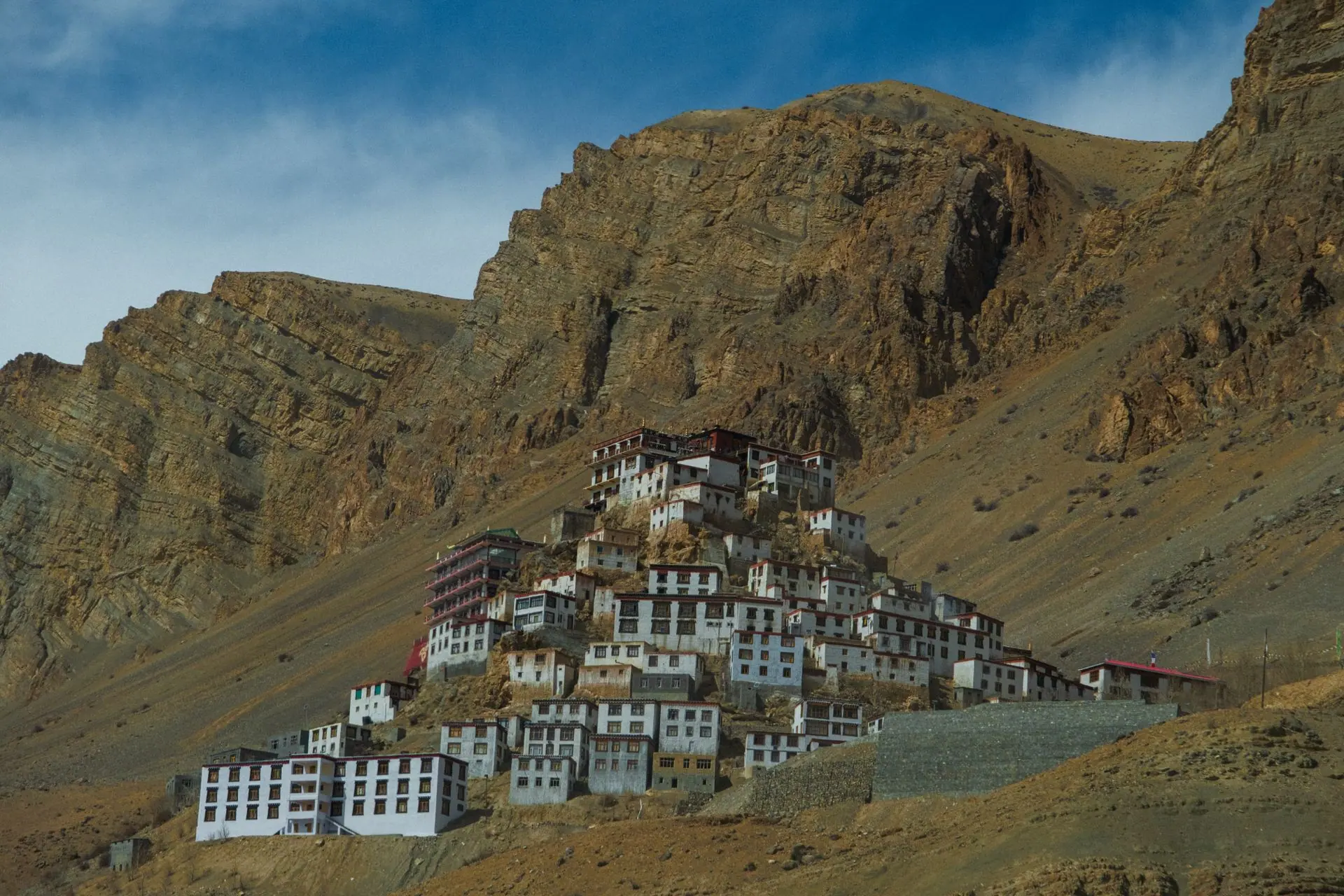
Himachal Pradesh
6 tours and experiences
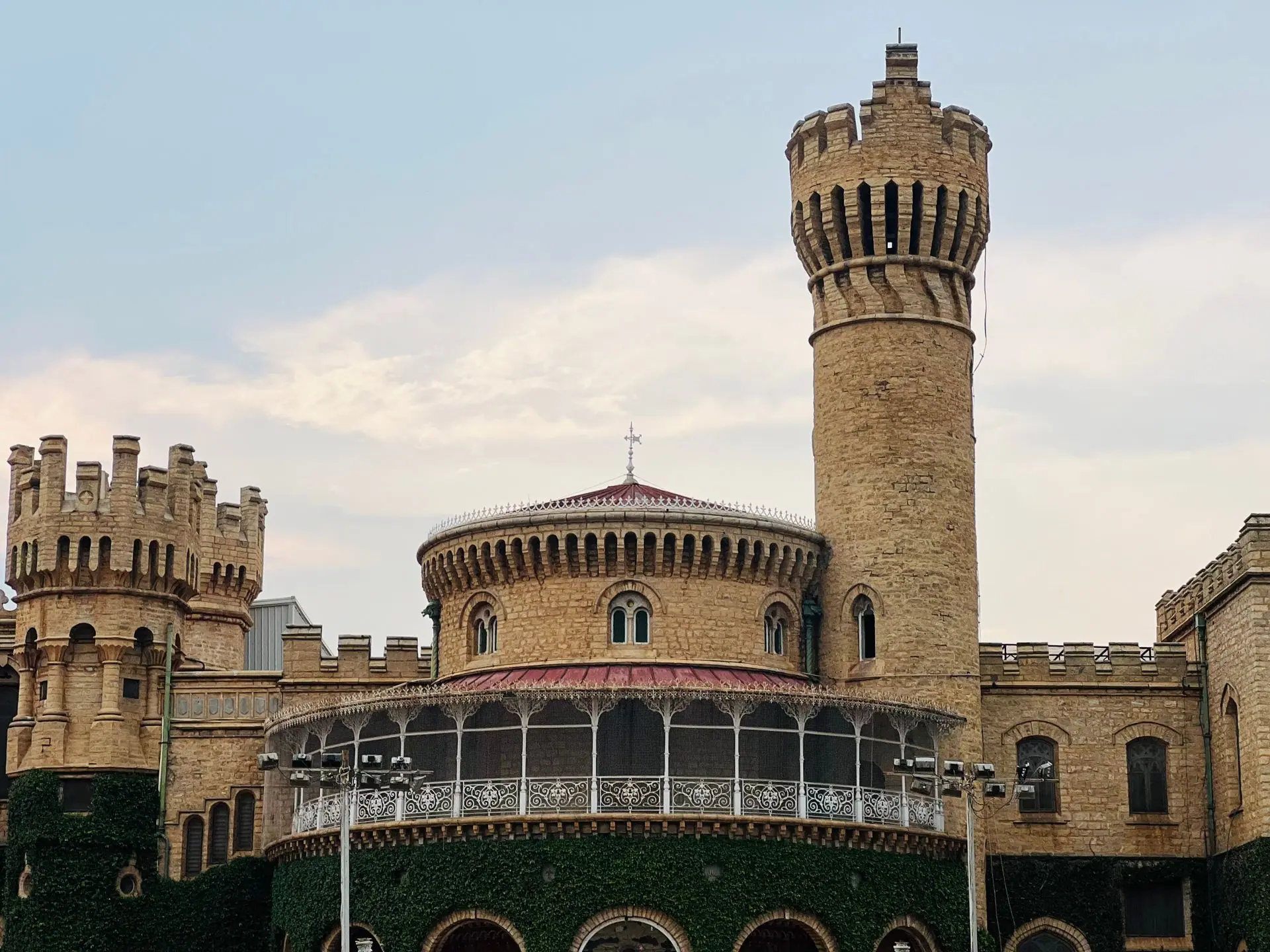
Karnataka
4 tours and experiences
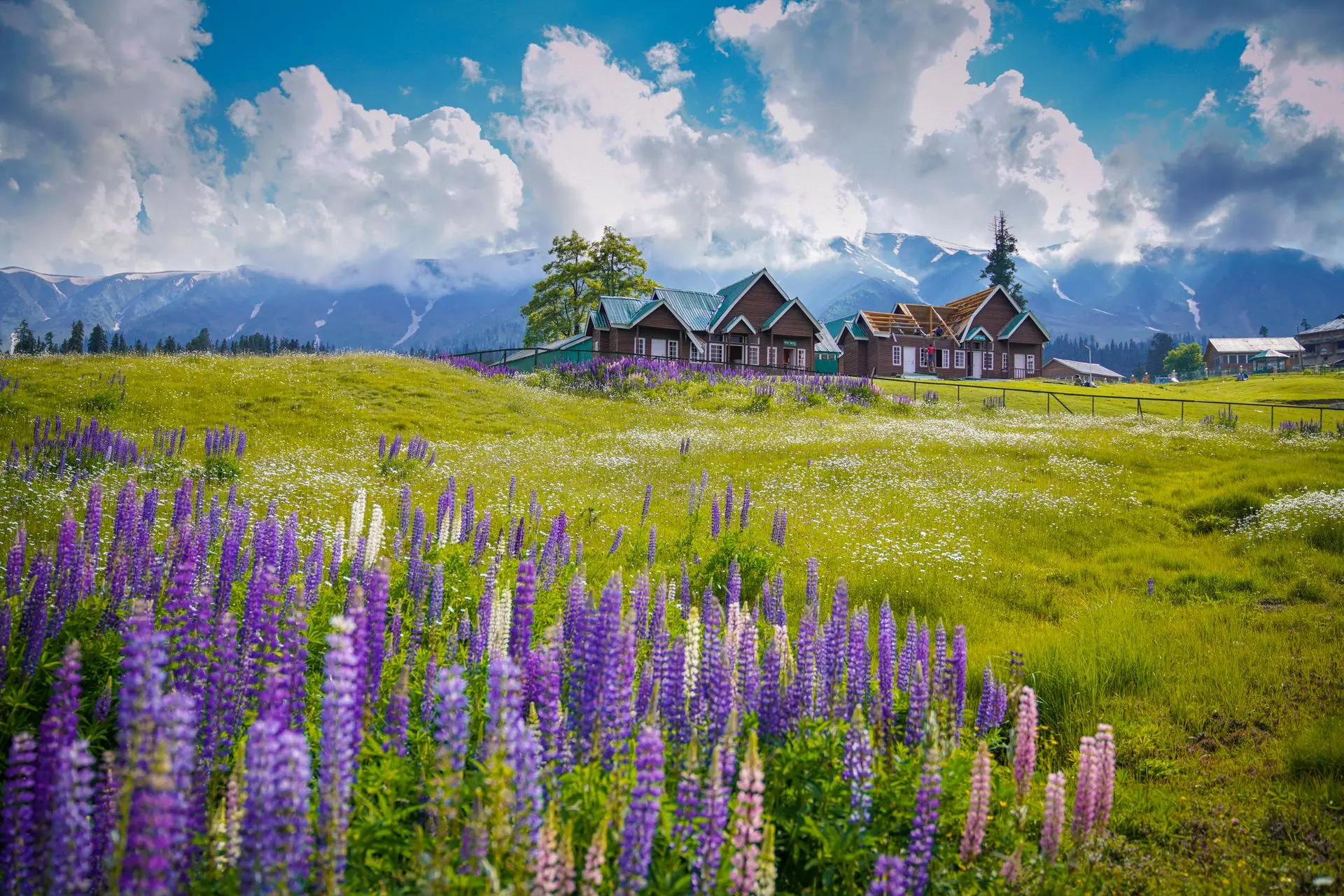
Kashmir
6 tours and experiences
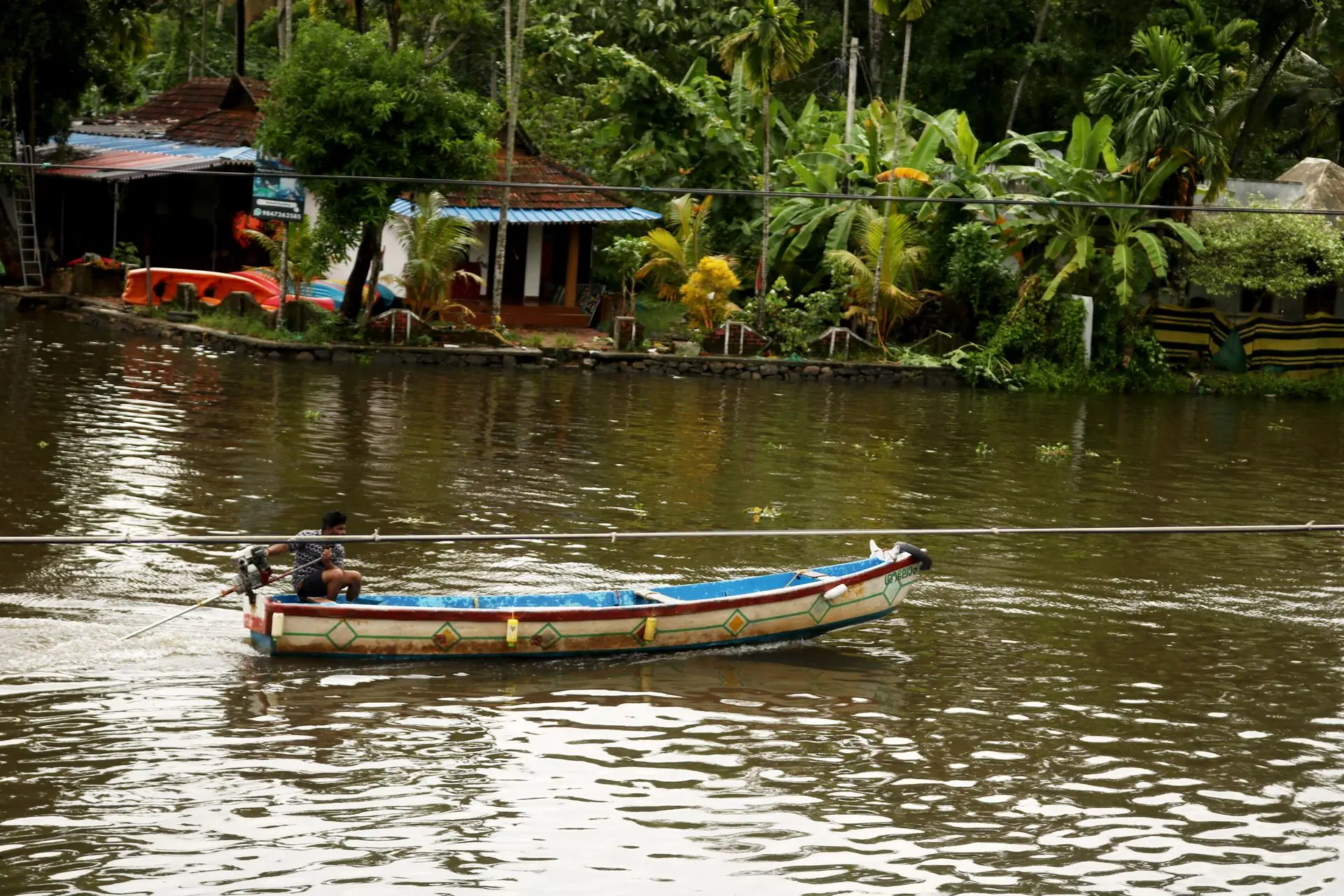
Kerala
14 tours and experiences
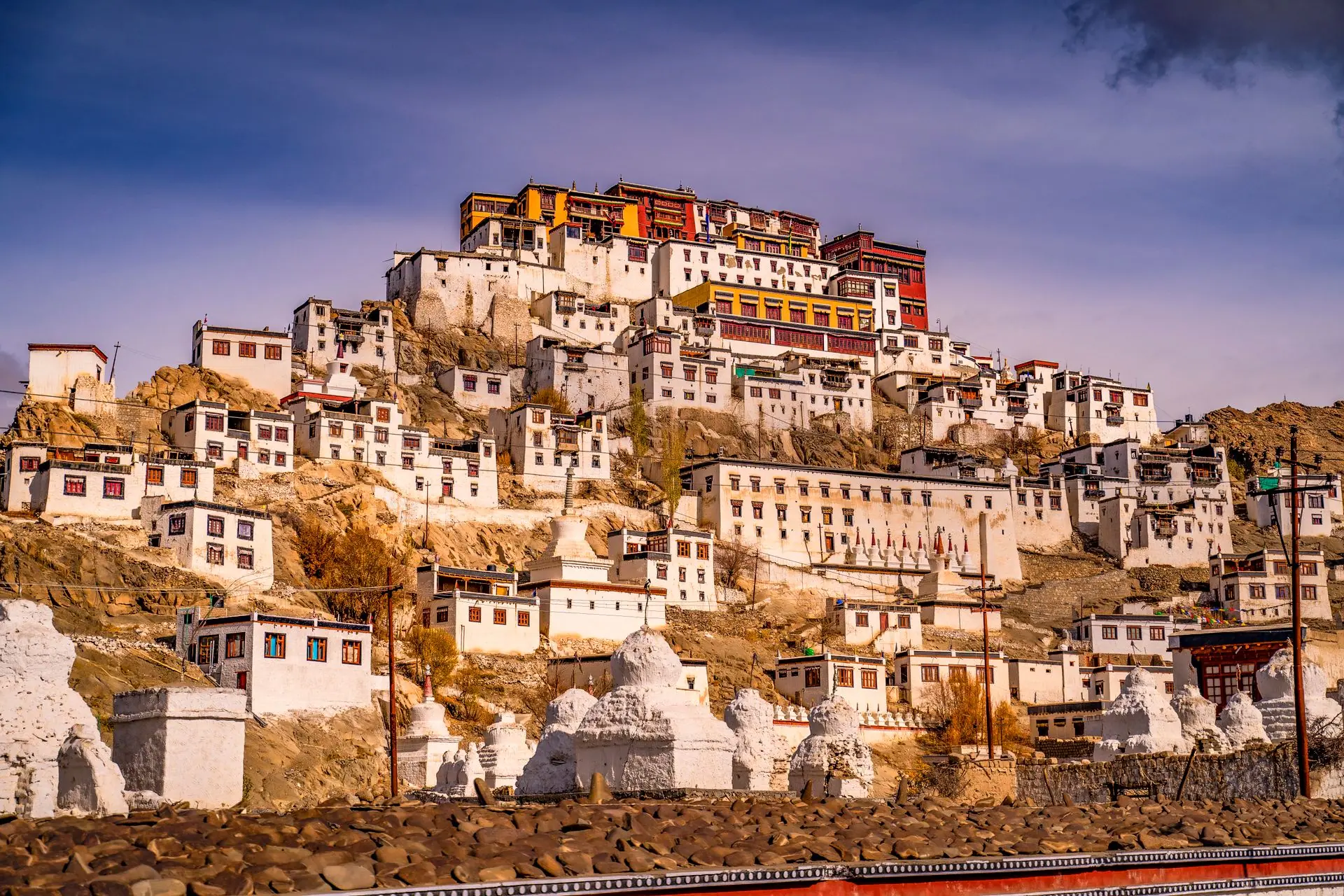
Ladakh
5 tours and experiences
Madhya Pradesh
3 tours and experiences
Maharashtra
3 tours and experiences
Odisha
1 tour or experience
Punjab
2 tours and experiences
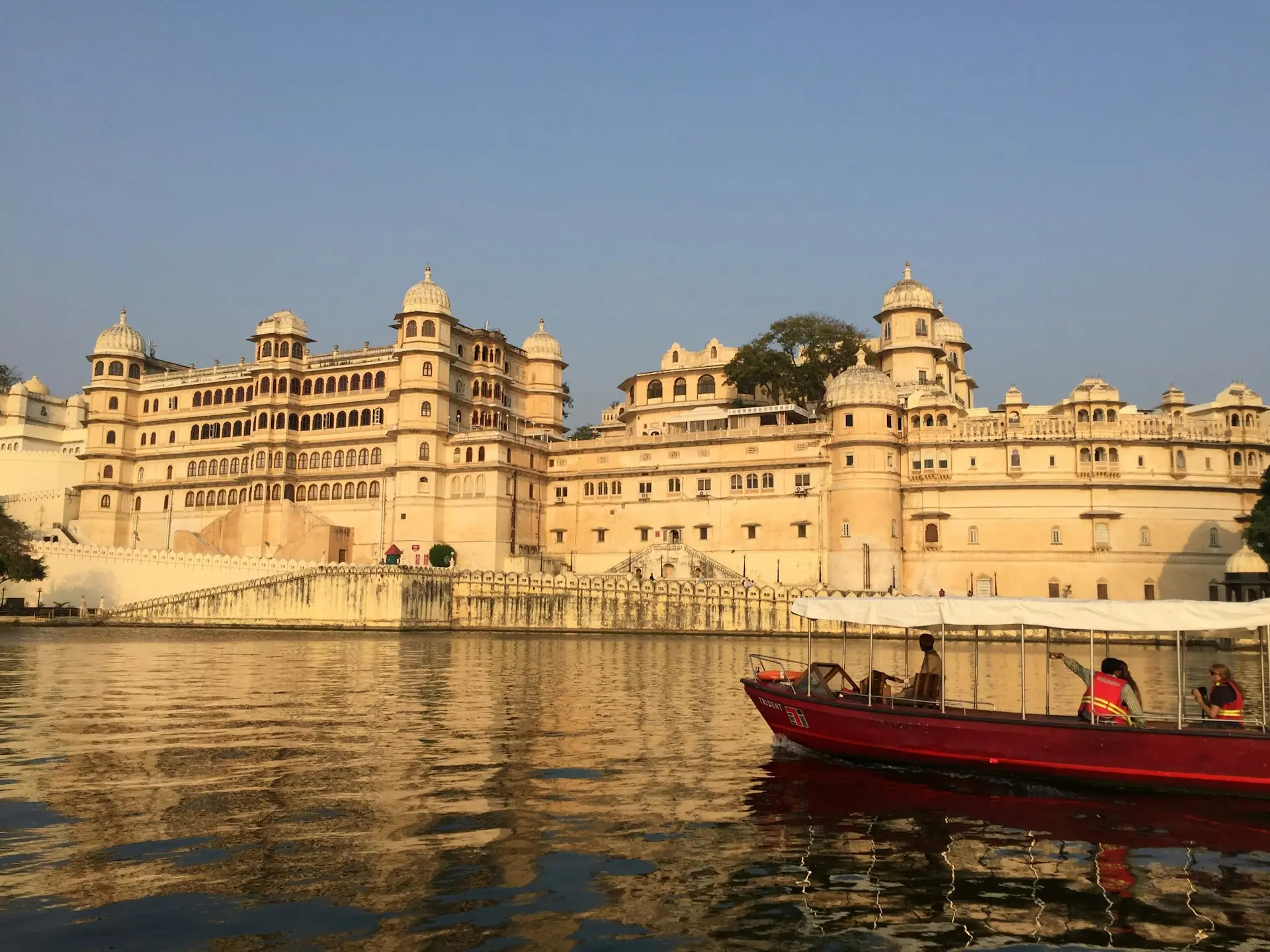
Rajasthan
26 tours and experiences
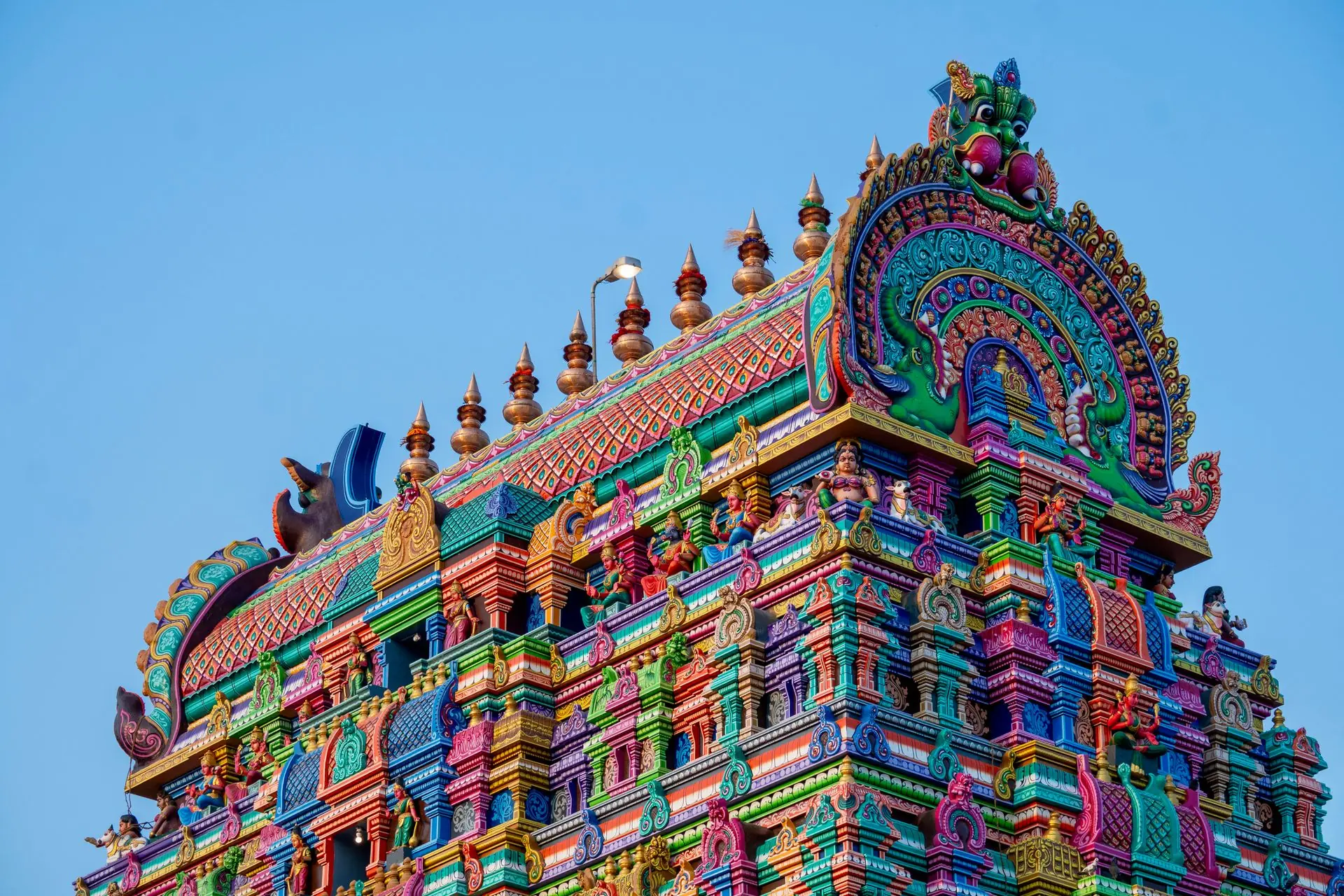
Tamil Nadu
3 tours and experiences
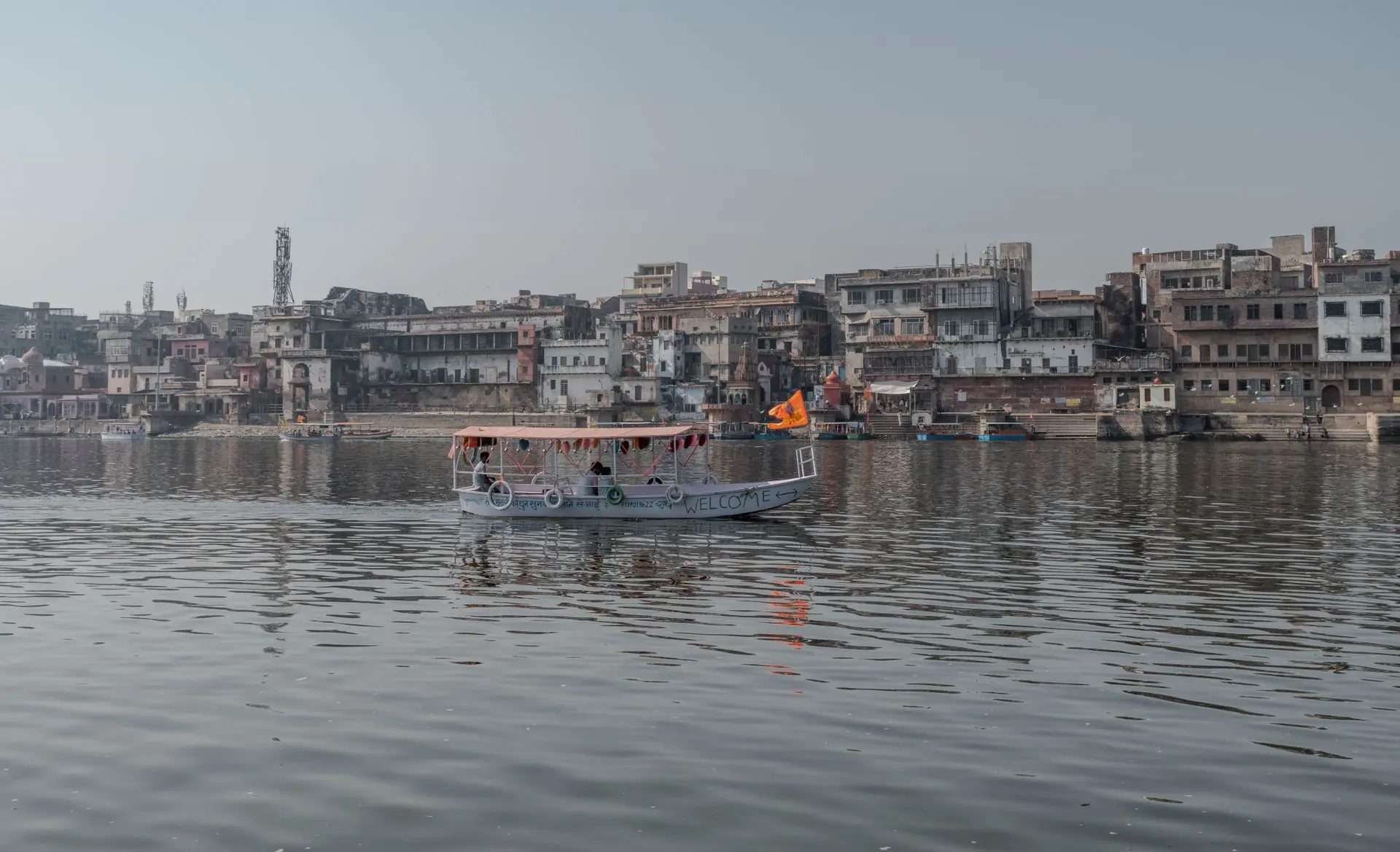
Uttar Pradesh
23 tours and experiences
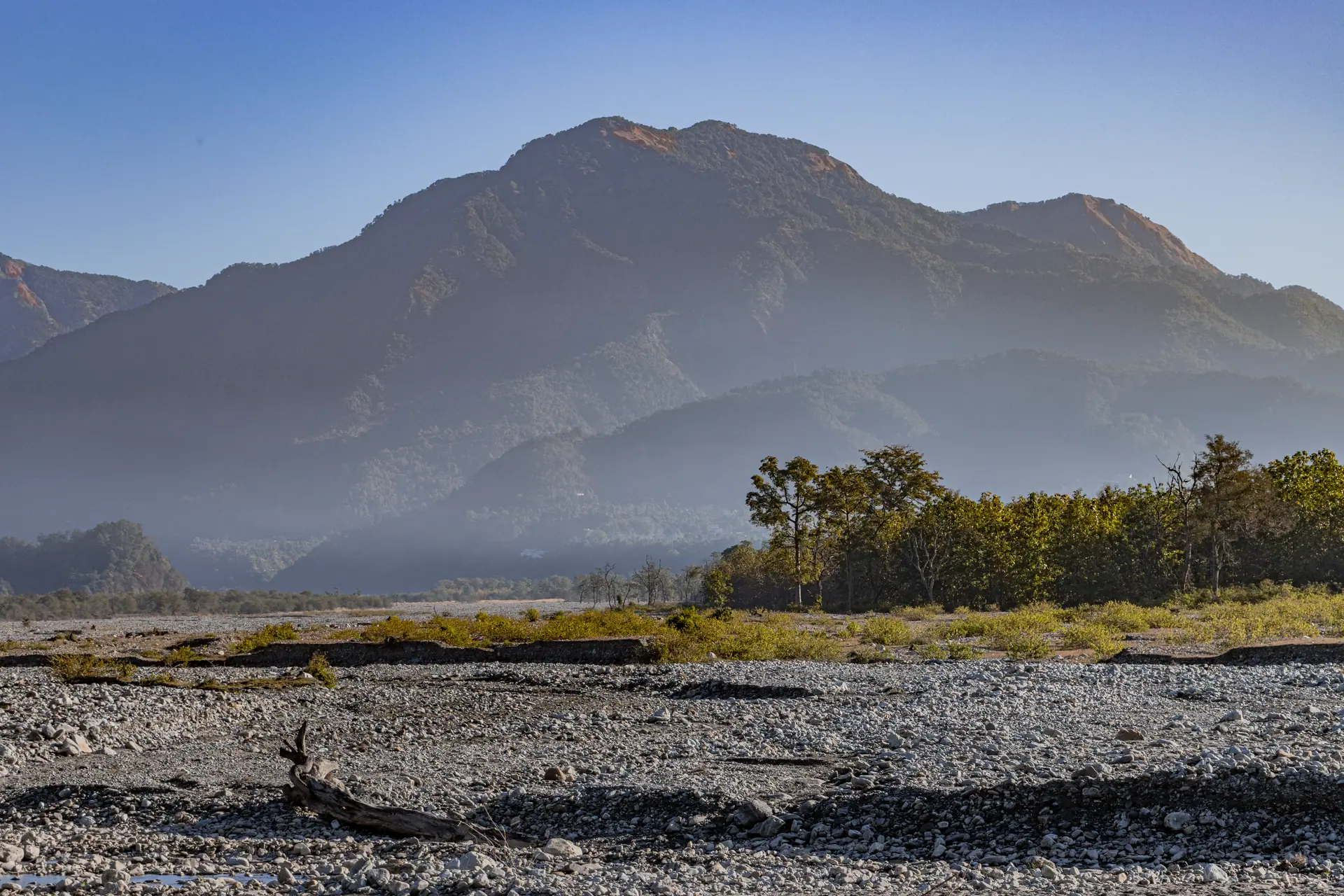
Uttarakhand
13 tours and experiences
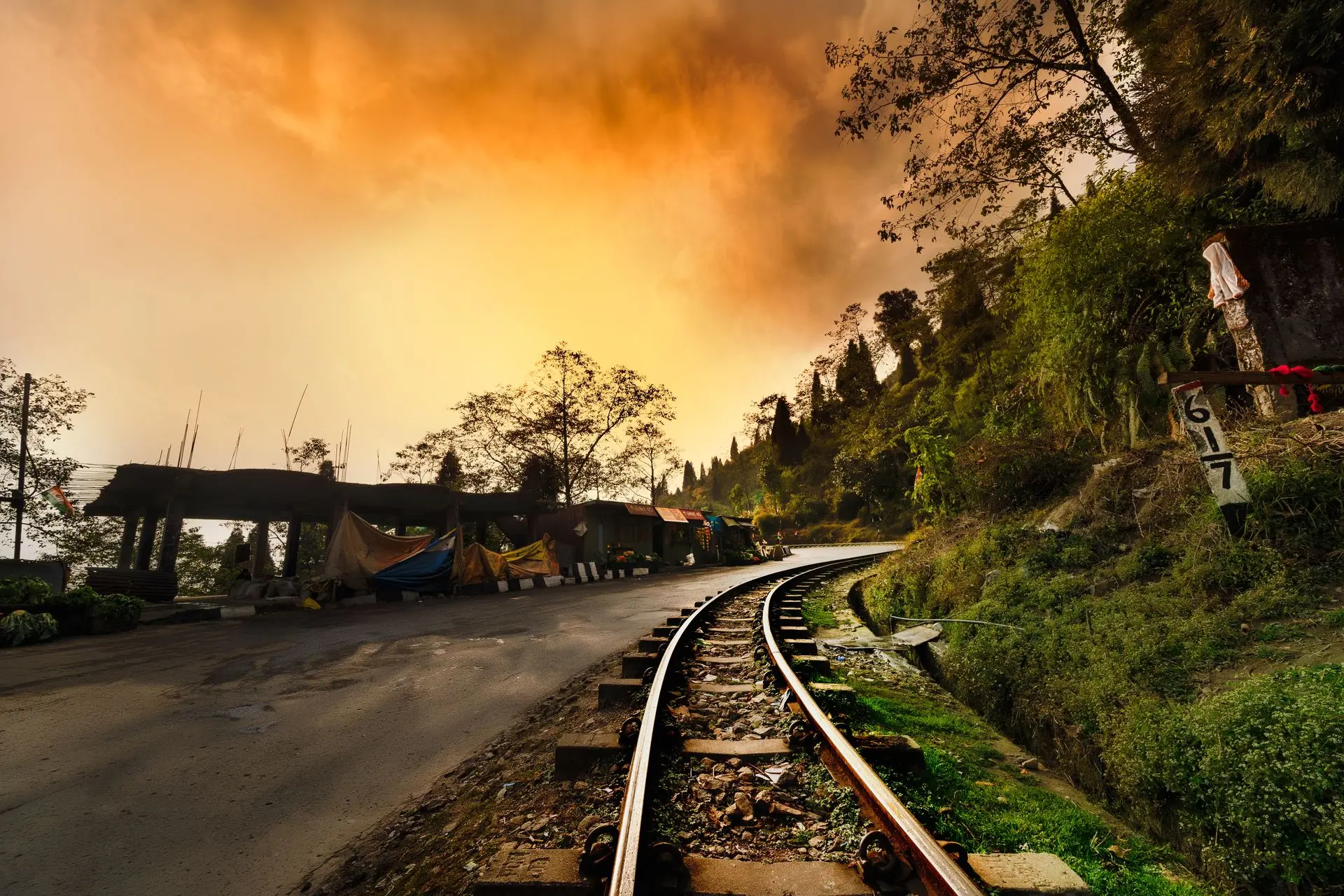
West Bengal
3 tours and experiences
Travel guides
Delhi Travel guide · Destinations
Delhi
Delhi, India's capital, splits neatly into two cities: Old Delhi's Mughal-era lanes, mosques and street food, and New Delhi's wide colonial-era avenues around India Gate and Rashtrapati Bhavan. Two to three days covers both, ideally October to March, and Delhi is the natural start or end point of most North India trips.
Read the guideGoa: The Complete Travel Guide Travel guide · Destinations
Goa: The Complete Travel Guide
Goa is India's smallest state and its beach capital, a laid-back strip of Portuguese heritage, seafood and sand the locals call susegad. Experience My India suggests four to seven days across buzzy North Goa, quiet South Goa and old Panjim, ideally November to February, arranged with local guides and private transport.
Read the guideGujarat Travel guide · Destinations
Gujarat
Gujarat pairs the white salt desert of the Rann of Kutch, the lion sanctuary of Gir, the heritage city of Ahmedabad and the pilgrimage coast of Dwarka and Somnath. November to February is the season, when the Rann Utsav festival runs and the desert is walkable.
Read the guideHimachal Pradesh Travel guide · Destinations
Himachal Pradesh
Himachal Pradesh runs from the easy colonial hill stations of Shimla and Dalhousie, through the trekking and backpacker valleys around Manali and Kasol, to the Tibetan Buddhist town of Dharamshala and the high-altitude desert of Spiti. The hill towns suit April to June and September to November; Spiti has a short June-to-October window.
Read the guideKarnataka Travel guide · Destinations
Karnataka
Karnataka runs from Bengaluru, India's technology capital, through Mysore's royal palace and the boulder-strewn ruins of Hampi, to the coffee-growing hills of Coorg. October to March suits Hampi and Mysore; Coorg is pleasant most of the year outside the heaviest monsoon months.
Read the guideKashmir Travel Guide: How to Plan a Trip to the Kashmir Valley Travel guide · Destinations
Kashmir Travel Guide: How to Plan a Trip to the Kashmir Valley
Kashmir, in the Himalayas, is famous for Srinagar's Dal Lake houseboats and the meadows of Gulmarg and Pahalgam. It is stunning but a sensitive region: check your government's travel advice and insurance before booking, as several advise against travel to the valley. Experience My India plans it with registered local services and flexible bookings.
Read the guideKerala Travel Guide: Backwaters, Tea Hills, Ayurveda and the Coast Travel guide · Destinations
Kerala Travel Guide: Backwaters, Tea Hills, Ayurveda and the Coast
The best of Kerala tourism is its palm-lined backwaters, the Munnar tea hills, its Ayurveda tradition, Kochi's colonial old town and the beaches at Varkala and Kovalam. Experience My India suggests eight to twelve days linking these on a north-to-south route, ideally between October and March, arranged with local guides and private transport.
Read the guideLadakh Travel Guide: How to Plan a Trip to Leh, Nubra and Pangong Travel guide · Destinations
Ladakh Travel Guide: How to Plan a Trip to Leh, Nubra and Pangong
Ladakh, a high-altitude desert in the far Himalaya, is famous for Leh, the Nubra Valley and Pangong Lake. The one rule that matters is to acclimatise. Experience My India builds altitude-first itineraries with a mandatory rest day in Leh, handles the permits, and runs it May to September with a local guide and driver.
Read the guideMadhya Pradesh Travel guide · Destinations
Madhya Pradesh
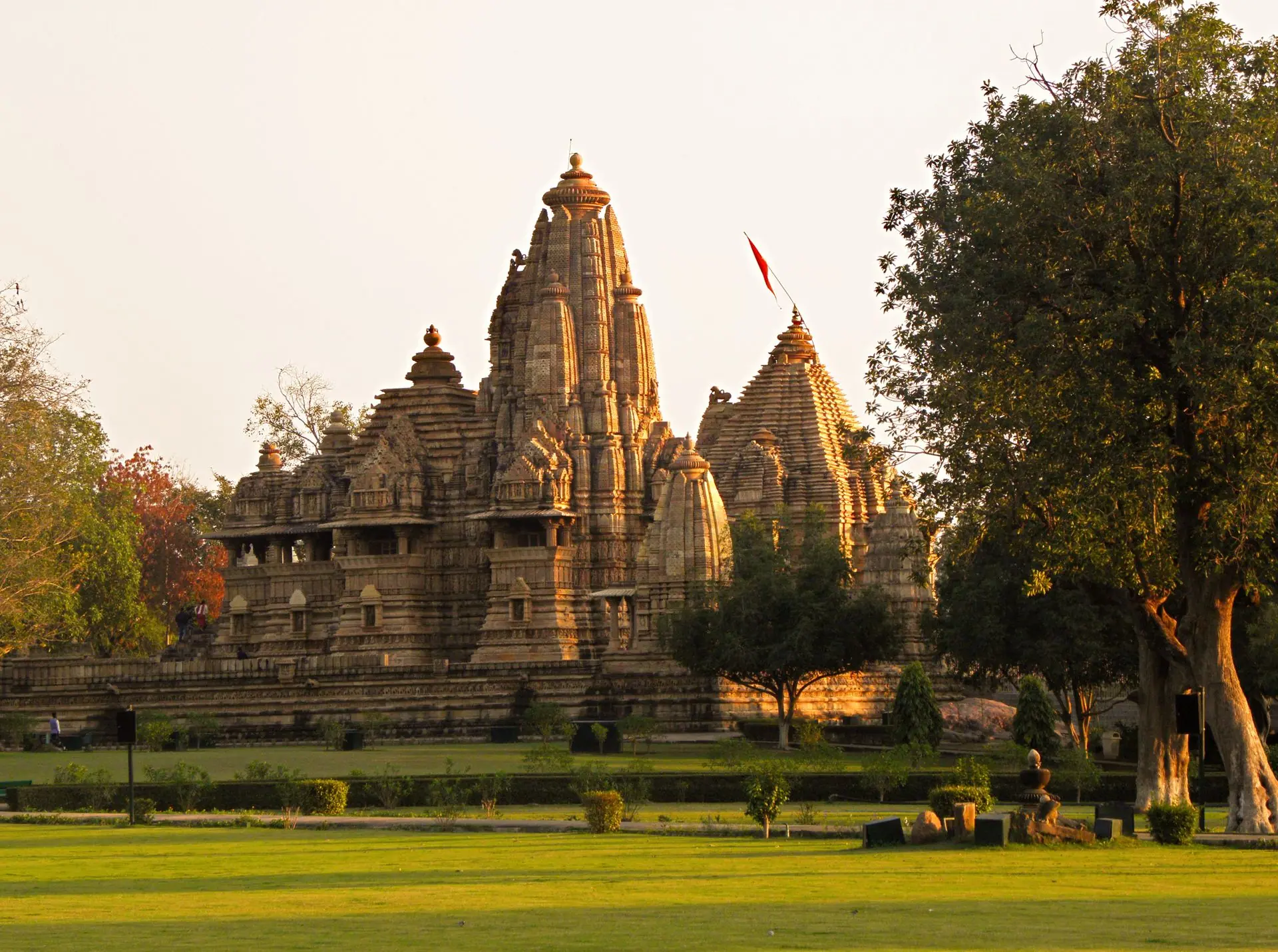
Madhya Pradesh pairs the carved temples of Khajuraho, a UNESCO World Heritage Site, with two of India's best tiger reserves, Bandhavgarh and Kanha. October to March suits Khajuraho; the reserves are typically open October to June, closing through the monsoon.
Read the guideMaharashtra Travel guide · Destinations
Maharashtra
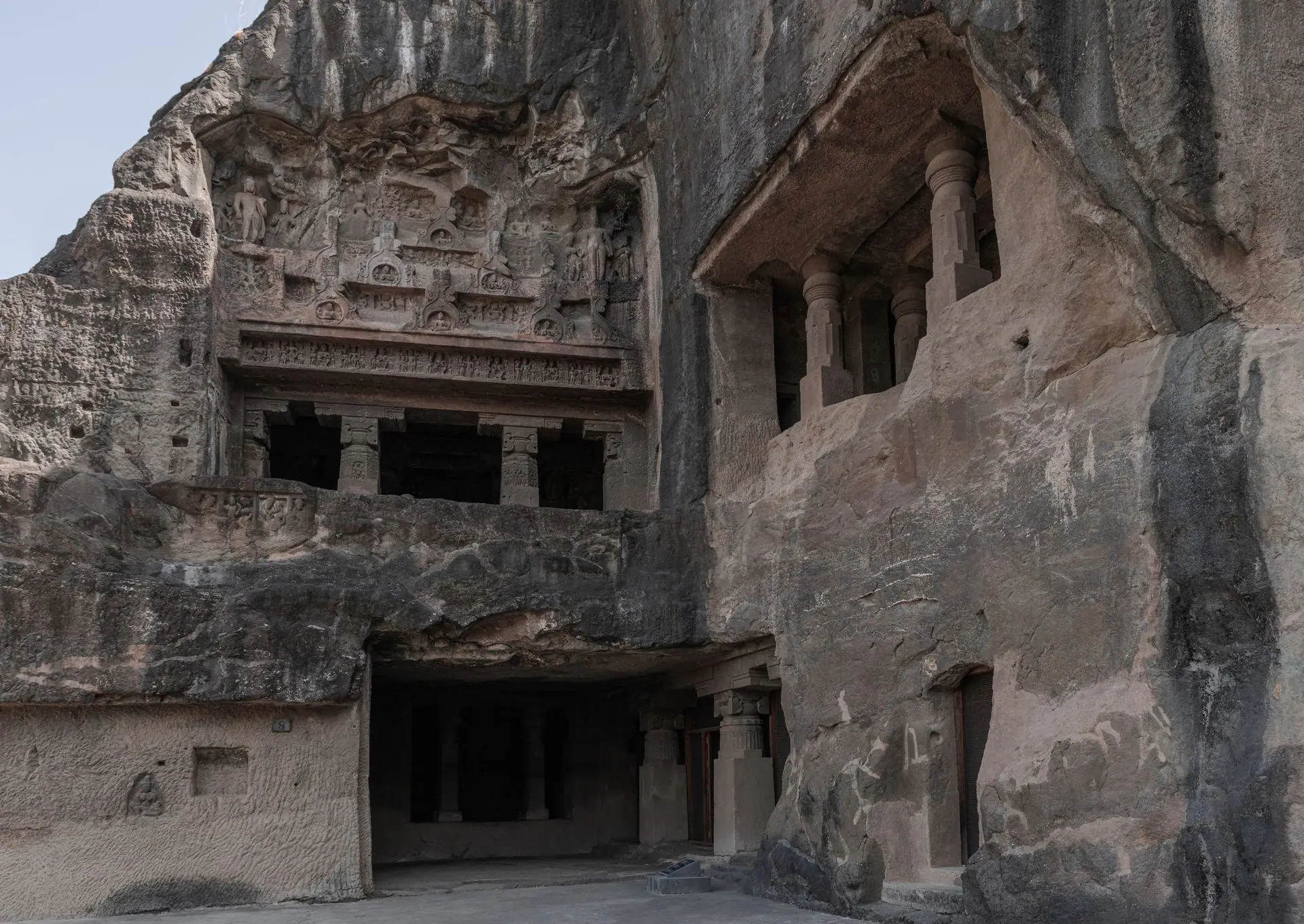
Maharashtra pairs Mumbai, India's financial and film capital, with the UNESCO-listed Ajanta and Ellora rock-cut caves and the Western Ghats hill retreat of Lonavala. October to March suits Mumbai and the caves; Lonavala is at its greenest during the monsoon.
Read the guideOdisha Travel guide · Destinations
Odisha
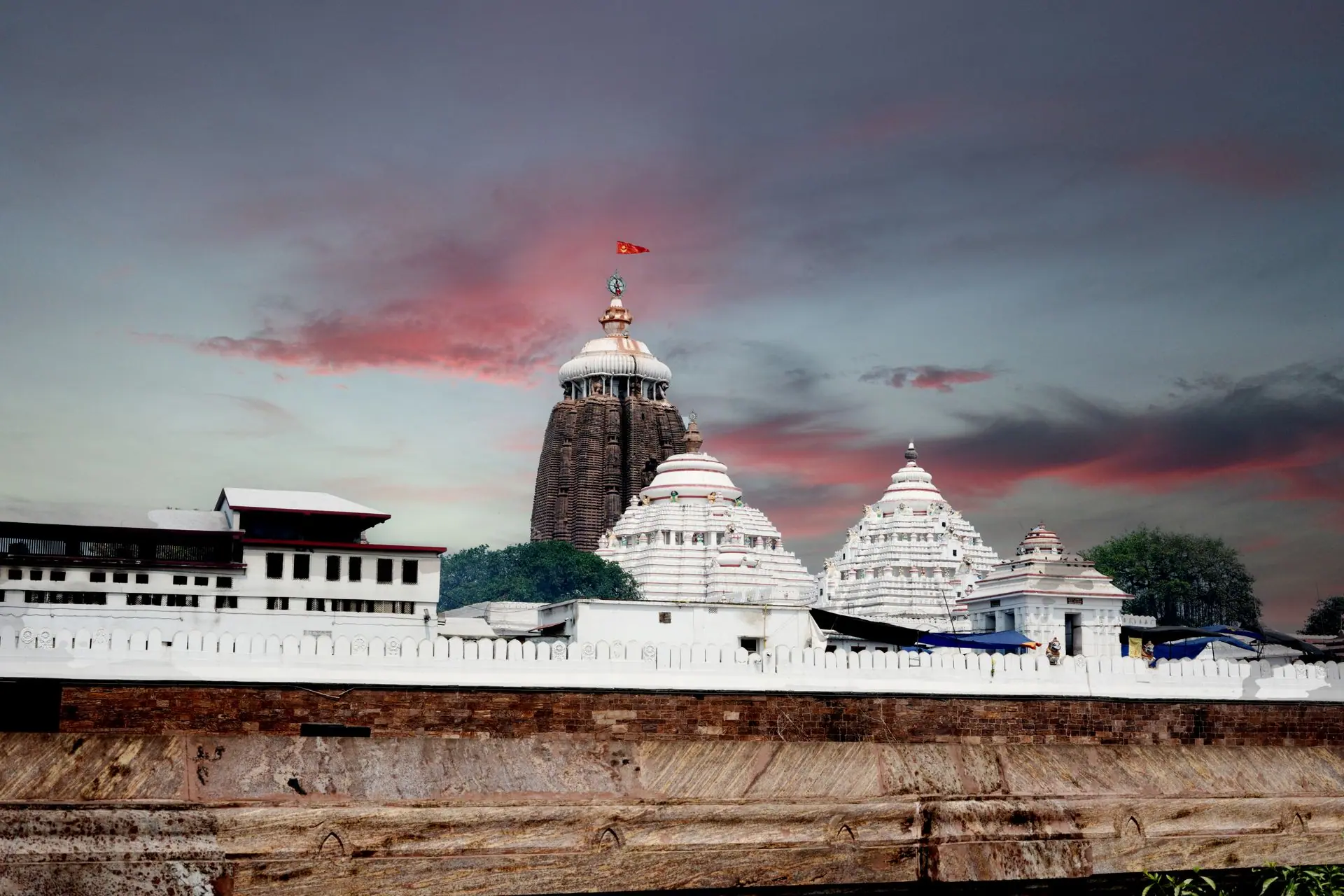
Odisha, on India's east coast, holds Puri's Jagannath Temple and its thunderous Rath Yatra chariot festival, and the temple city of Bhubaneswar close by. October to February is the comfortable season, and both cities can be combined in a short coastal trip.
Read the guidePunjab Travel guide · Destinations
Punjab
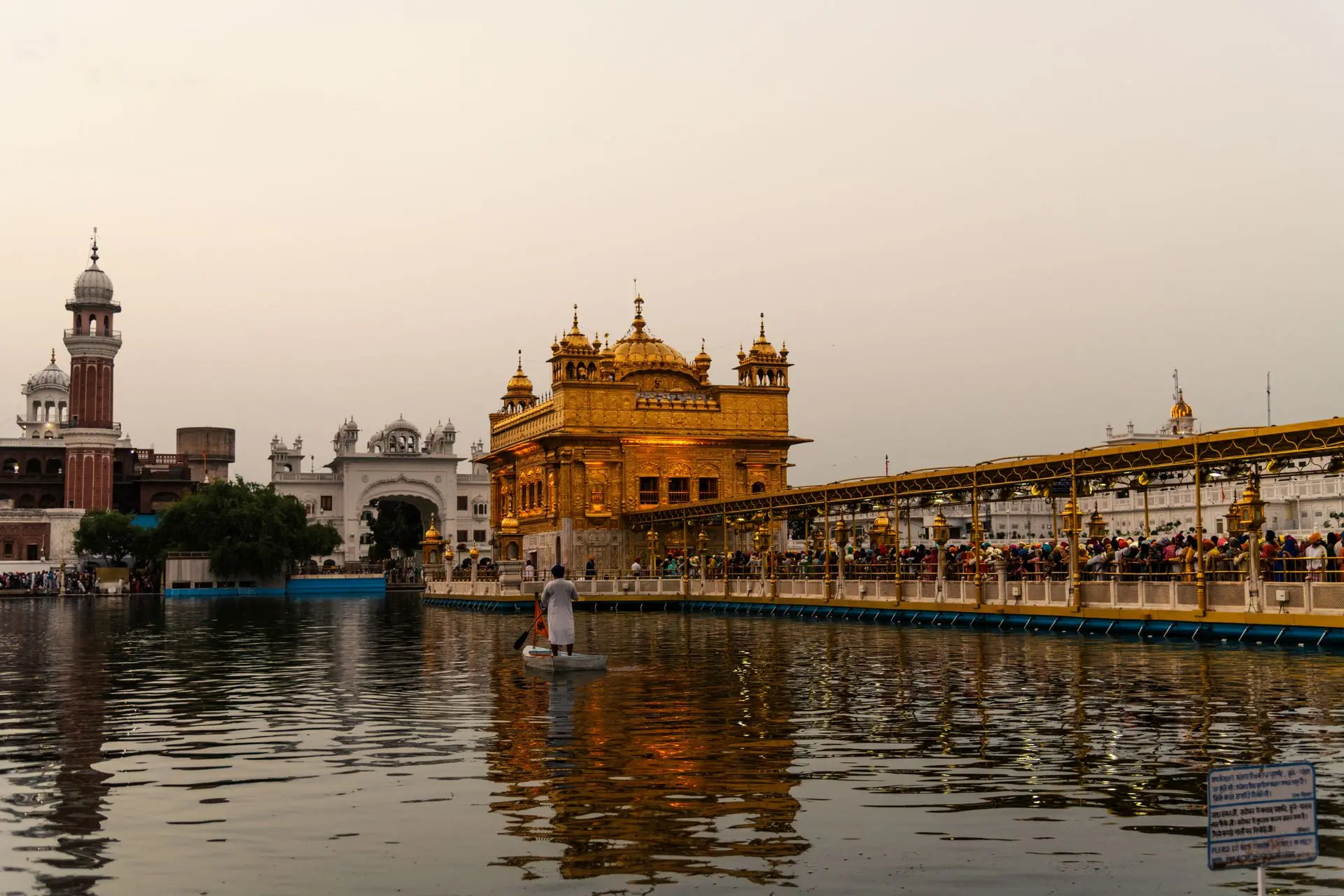
Punjab's main draw for travellers is Amritsar, home to the Golden Temple, Sikhism's holiest shrine, and its free community kitchen that feeds tens of thousands daily. October to March is the comfortable season, and one to two days covers the city.
Read the guideRajasthan Travel Guide: How to Plan a Trip to the Land of Kings Travel guide · Destinations
Rajasthan Travel Guide: How to Plan a Trip to the Land of Kings
Rajasthan is India's Land of Kings, a desert state of pink and blue cities, hilltop forts, lake palaces and the Thar Desert. Experience My India suggests ten to twelve days linking Jaipur, Jodhpur, Jaisalmer and Udaipur, ideally between October and March, arranged with local guides and private transport.
Read the guideTamil Nadu Travel Guide: How to Plan a Trip to the Land of Temples Travel guide · Destinations
Tamil Nadu Travel Guide: How to Plan a Trip to the Land of Temples
Tamil Nadu, in India's deep south, is the Land of Temples: a trail of Dravidian giants from Chennai down through Thanjavur and Trichy to Madurai and Rameswaram, with hill stations, Pondicherry and Chettinad alongside. Experience My India runs the temple trail with knowledgeable guides who bring the architecture alive, October to March, by private car.
Read the guideUttar Pradesh Travel guide · Destinations
Uttar Pradesh
Uttar Pradesh holds India's single most-visited monument, the Taj Mahal at Agra, and its most sacred city, Varanasi, on the Ganges. Between them sit Ayodhya's Ram Mandir, the Krishna towns of Mathura and Vrindavan, the Sangam at Prayagraj and the Nawabi city of Lucknow. October to March is the season for all of it.
Read the guideUttarakhand Travel guide · Destinations
Uttarakhand
Uttarakhand is where the Ganges leaves the Himalaya, and it carries two identities: the spiritual and adventure towns of Rishikesh and Haridwar on the plains' edge, and the high-altitude Char Dham pilgrimage and hill stations further into the mountains. September to April suits the towns; the Char Dham is open only roughly May to October.
Read the guideWest Bengal Travel guide · Destinations
West Bengal
West Bengal pairs Kolkata, India's former colonial capital and a city of strong literary and culinary traditions, with Darjeeling, a Himalayan tea-garden hill station with views of Kanchenjunga. October to March suits Kolkata; Darjeeling is best March to May and October to November.
Read the guide
Frequently asked questions
Which is the most sacred city in India?
Varanasi is the city most Hindus name as India's spiritual heart, the oldest of the seven holy cities (the Sapta Puri: Ayodhya, Mathura, Haridwar, Varanasi, Kanchipuram, Ujjain and Dwarka).
What is the best time to visit India?
October to March suits most of the country. The Himalayan states are the exception: Himachal Pradesh and Uttarakhand's hill towns are best April to June and September to November, and the high-altitude Char Dham and Spiti routes only open through summer.
How many states does this guide cover?
This section covers Uttar Pradesh, Uttarakhand, Himachal Pradesh, Delhi, Gujarat, Maharashtra, Karnataka, Punjab, Madhya Pradesh, West Bengal and Odisha, each with its own state guide and city pages.
Should I plan by state or by theme?
Either works, but going deep in one or two neighbouring states — say Uttar Pradesh and Uttarakhand, or Gujarat on its own — nearly always beats skimming several states in the same trip.
Do I need a guide to visit these places?
Not for entry, but for the meaning: aarti timings, temple etiquette, safari permits and dress codes all vary by state and site, which is exactly where a local guide earns their place.
About India Destinations
India rewards travellers who go deep in one region rather than skimming the whole country. This hub indexes our destination guides by state: the spiritual Ganga belt (Varanasi, Rishikesh, Haridwar, Ayodhya), the Himalayan hill states of Uttarakhand and Himachal Pradesh, Delhi and the Golden Triangle, and the wildlife, temple and coastal states further south and east.
Reviewed by Experience My India Editorial Team · Updated 1 Sept 2026
Explore India your way
India is a continent travelling under one passport, and the states below group loosely into a few journeys. The Ganga belt running through Uttar Pradesh and Uttarakhand is the deepest, most accessible introduction to spiritual India: Varanasi's ghats, Ayodhya's Ram Mandir, Rishikesh's ashrams and Haridwar's evening aarti. The Himalayan states, Uttarakhand and Himachal Pradesh, add hill stations, high-altitude valleys and the demanding Char Dham pilgrimage. Delhi anchors the Golden Triangle with Agra and Rajasthan. Further out, Gujarat, Maharashtra, Karnataka, Madhya Pradesh, Punjab, West Bengal and Odisha each carry a distinct identity: desert salt flats and lion sanctuaries, cave art and hill retreats, temple ruins and coffee estates, erotic temple carvings and tiger reserves, the Golden Temple, colonial Kolkata and tea-garden Darjeeling, and Puri's chariot festival on the Bay of Bengal.
Most of this guide sits October to March, the season that suits the plains and the coasts. The Himalayan states flip that: Himachal and Uttarakhand's high valleys open through summer, and the Char Dham shrines are only accessible roughly May to October before winter snow closes them.
The spiritual Ganga belt
Varanasi, Ayodhya, Prayagraj, Haridwar and Rishikesh, strung along the Ganges through Uttar Pradesh and Uttarakhand.
Delhi and the Golden Triangle
Delhi, Agra and Jaipur, India's most-travelled circuit and most people's first taste of the country.
The Himalayan hill states
Himachal Pradesh and Uttarakhand: Shimla, Manali, Dharamshala, Spiti, Nainital, Mussoorie and Jim Corbett.
The west and the Deccan
Gujarat's Rann of Kutch and Gir, Maharashtra's Mumbai and Ajanta-Ellora caves, and Karnataka's Hampi and coffee hills of Coorg.
The east
Kolkata and Darjeeling in West Bengal, and Puri's Jagannath Temple on the Odisha coast.
Wonders worth building a trip around
A handful of sights are worth planning an entire route around rather than fitting in as a detour. The Taj Mahal at Agra is the obvious one, but Amritsar's Golden Temple, Khajuraho's carved temples, Hampi's boulder-strewn ruins and the Ganga Aarti ceremonies at Varanasi, Haridwar and Rishikesh belong on the same list. Each has its own state guide below, with the practical detail on when to go and how long to stay.
- Taj Mahal and Agra Fort — Uttar Pradesh
- Varanasi's ghats and Ganga Aarti — Uttar Pradesh
- Golden Temple — Punjab
- Hampi's temple ruins — Karnataka
- Khajuraho's temple carvings — Madhya Pradesh
- Char Dham Himalayan shrines — Uttarakhand
Best time to visit, region by region
A rough seasonal map for the states covered here — see each state's own guide for the detail.
- Uttar Pradesh (Agra, Varanasi, Ayodhya): October to March, cool and clear.
- Uttarakhand (Rishikesh, Haridwar): September to April for the towns; the Char Dham is roughly May to October only.
- Himachal Pradesh: April to June and September to November for the hill towns; Spiti is a short June-to-October window.
- Delhi: October to March; summer runs punishingly hot.
- Gujarat (Rann of Kutch): November to February, when the salt desert is walkable and the Rann Utsav festival runs.
- Maharashtra and Karnataka: October to March, avoiding the June-to-September monsoon.
- Madhya Pradesh's tiger reserves: typically open October to June, with the hottest months giving the best sightings.
- West Bengal and Odisha: October to March; Darjeeling's monsoon (June-September) brings landslide risk on the hill roads.
Hidden gems worth the detour
Beyond the headline names, a few places reward travellers who go a little further off the obvious route: the white salt desert of Gujarat's Rann of Kutch under a full moon, the coffee-and-spice hills of Coorg in Karnataka, the high-altitude valley of Spiti in Himachal Pradesh, and the colonial hill station of Darjeeling in West Bengal with its tea gardens and Kanchenjunga views.
Honest picks
- Most intense: Varanasi, for the unbroken continuity of ritual on the ghats.
- Most peaceful: Rishikesh off-season, or the coffee hills of Coorg.
- Best first-timer circuit: Delhi, Agra and Varanasi together.
- Most underrated: Odisha's temple towns and Gujarat's Rann of Kutch, both light on crowds relative to what they offer.
How many days do you actually need
Give each region more time than a rushed package tour allows. A few working lengths:
- Delhi, Agra and Varanasi together: about 8 days is comfortable — see our Golden Triangle with Varanasi tour.
- The Himalayan hill circuit (Himachal Pradesh): around 7 days for Shimla and Manali without rushing.
- The Char Dham Yatra: 10 to 12 days, and genuine fitness for the higher shrines.
- A single state done properly (Gujarat, Karnataka or Madhya Pradesh's tiger reserves): 5 to 7 days.
Plan a trip
Tailor-made quote from a specialist