Skip to content

Dharamshala Travel Guide: McLeod Ganj, Tibetan Culture and Planning

Dharamshala is a hill town in Himachal Pradesh's Kangra district, below the Dhauladhar range, in two parts: Kotwali Bazar in the lower town and McLeod Ganj above it, which Himachal Tourism calls the capital of the Tibetan government in exile. The places to visit in Dharamshala include the Tsuglagkhang, the Tibet Museum, Bhagsunag Falls and the Triund trek. Two to three days covers them.

By Experience My India Editorial Team · Reviewed by Experience My India Editorial Team

See all 1 tour or experience in Dharamshala →

Government-approved operatorApproved by the Ministry of Tourism, Government of India

Places to visit in Dharamshala

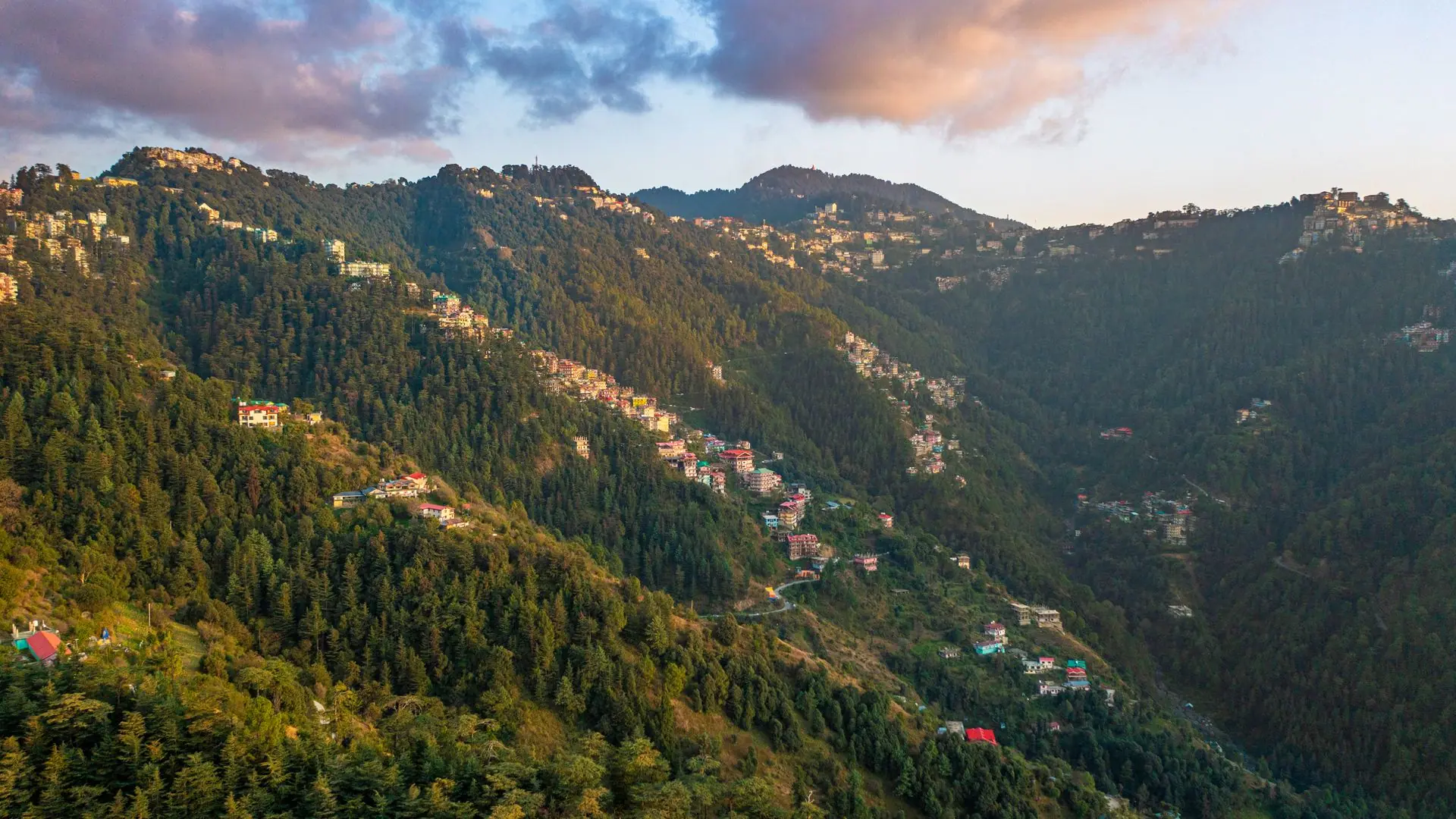
Dharamshala is two places on one hillside. Lower Dharamshala, around Kotwali Bazar, holds the bazaar, the bus stand and the Kangra Art Museum. McLeod Ganj, the upper town, is about 9 km to the north according to Incredible India, at 2,082 metres by Himachal Tourism's figure, among pine, cedar and Himalayan oak. Most of the sights below are in or around McLeod Ganj; the others lie on the road between the two towns. Every trip we run here, tours and experiences together, is on our Dharamshala tours and experiences page.

McLeod Ganj and the Tsuglagkhang

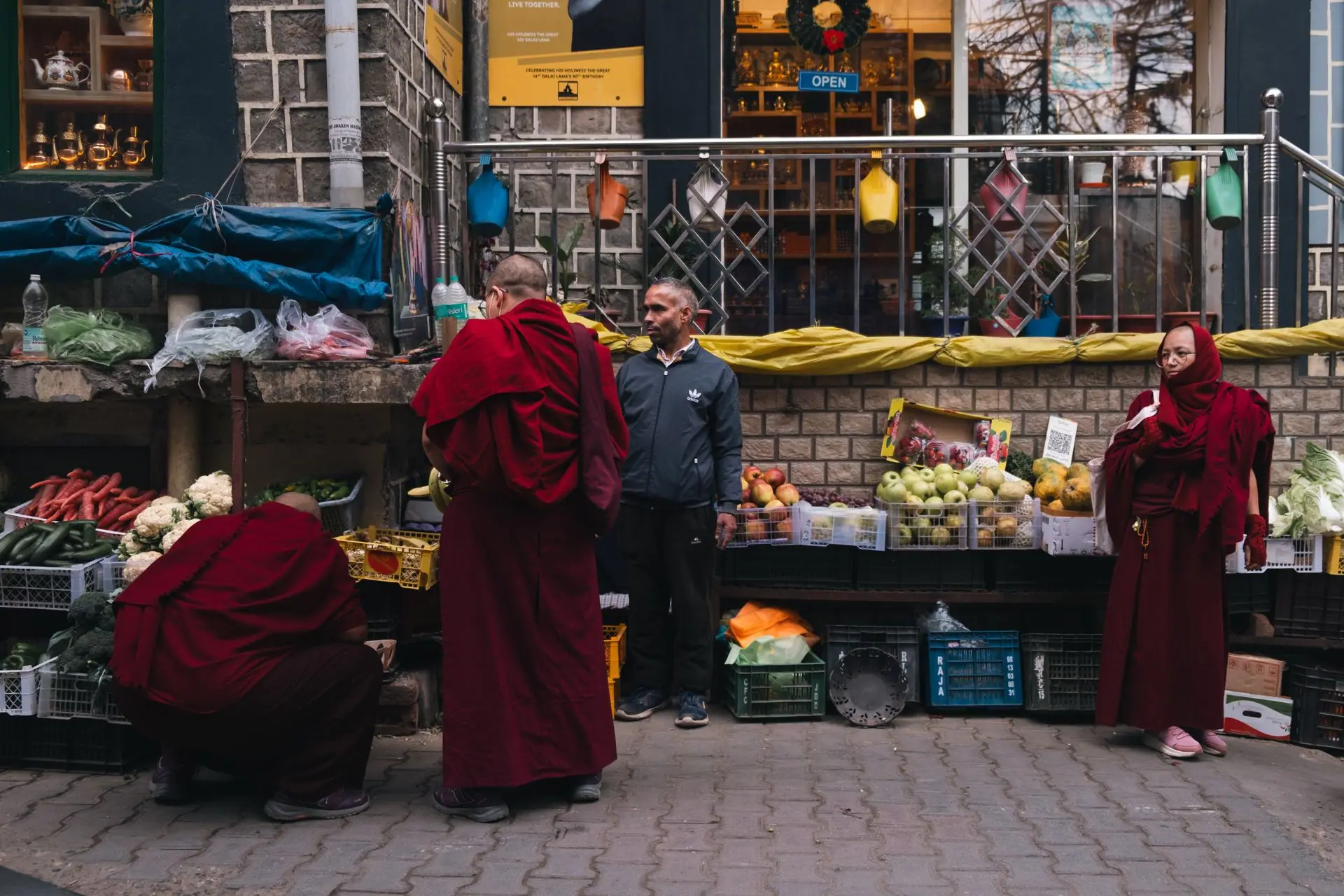
McLeod Ganj takes its name from Donald McLeod, lieutenant governor of the Punjab in 1848, and is now mainly a Tibetan settlement. Himachal Tourism describes a main street lined with Tibetan craft shops and eateries, with much of the market centred on the Tsuglagkhang temple. The Dalai Lama's Office describes the Tsuglagkhang as the temple whose courtyard lies next to his residence. Incredible India lists the Namgyal Monastery, where monks debate in the afternoons, and the Kalachakra Temple, built in 1992, among the complex's buildings, and says the Dalai Lama's residence is not open to visitors. Dress modestly and keep your voice low.

Tibet Museum

The Tibet Museum, set up in 1998 by the Central Tibetan Administration, stands at Gangchen Kyishong, near the Library of Tibetan Works and Archives, and not inside the Tsuglagkhang compound. Its main permanent exhibition, "I Am Tibetan, This Is My Story", runs through ten sections that include early Tibetan history, the Dalai Lama institution and life in exile. The museum says it opens from 9 am to 5 pm, with a lunch break from 1 pm to 2 pm, on every day except Saturdays, and that it also closes for Tibetan festivals and gazetted holidays, so check its visit page before you go.

Norbulingka Institute

Norbulingka is at Sidhpur, a short drive from Dharamshala town, and was founded to preserve Tibetan arts, crafts and culture. It trains young artists under master craftsmen, with studios for thangka painting, appliqué, woodcarving and statue making, and the Kangra district's page says visitors can watch artisans at work. The grounds are laid out as Japanese-style gardens, and the institute also has a temple and the Losel Doll Museum.

Bhagsunag Temple and Waterfall

The Bhagsunag Temple, about 2 km from McLeod Ganj, is built over a spring and commemorates an old agreement between the demon king Bhagsu and the snake god Nag. The spring water runs into a pool where pilgrims bathe. From the temple an uphill walk leads to Bhagsunag Falls, which Himachal Tourism says is at its fullest in the rainy season from July to September, and the Kangra district's page describes the walk as short, of about 15 to 30 minutes, with small cafes and stalls along the way.

St John in the Wilderness

This neo-Gothic church was built in 1852 in a forest at Forsyth Ganj, on the road towards Kotwali Bazar, close to McLeod Ganj. Himachal Tourism says much of it survived the earthquake of 1905, which flattened most of the buildings in the Kangra valley. Lord Elgin, Viceroy from 1862 to 1863, is buried in the grounds, and the church has Belgian stained-glass windows. It is about 8 km from Dharamshala town by Himachal Tourism's distance table.

Dharamkot and Triund

Dharamkot, uphill from McLeod Ganj, is a small village with wide views and the base for the Triund trek. Triund stands at 2,875 metres, just below the snowline, with the Dhauladhar peaks on one side and the Kangra valley on the other. Himachal Tourism calls it a moderate trek through oak, deodar and rhododendron, and the Kangra district's page says almost all age groups can complete it: the first five kilometres are fairly easy and the last kilometre, known as the 22 curves, takes effort, with chai shops on the way. Read the trekking advice under Tips below before you set out.

Dal Lake

Dal Lake is about 4 km from McLeod Ganj and 12 km from Dharamshala town by Himachal Tourism's table, a quiet picnic spot ringed by deodar forest, with the Durveshwar temple on one side. Its setting makes for a pleasant afternoon outing. The lake fills with rainwater in the monsoon, and the Dal Fair is held in Upper Dharamshala in August.

Kareri Lake

Kareri Lake lies at 2,934 metres, about 9 km from Dharamshala, and is fed by snow-melt, with water clear enough to see the lake bed at most places. Himachal Tourism calls it a trekking destination in the Dhauladhars and a base for treks onward towards Chamba, so it suits a longer trip than Triund.

Kangra Art Museum

At Kotwali Bazar, the Kangra Art Museum holds more than 1,500 artefacts and crafts, some dating to the fifth century AD, with a fine collection of Kangra miniature paintings, sculpture, pottery and items on Tibetan culture. It is in the lower town, so it combines easily with a stop at the bus stand or the bazaar.

Kunal Pathri and Indru Nag

Kunal Pathri is a small rock temple to the goddess Durga as Kapaleshwari, about 3 km from Dharamshala, set in the middle of a tea garden, which Himachal Tourism calls ideal for an afternoon walking visit. The Indru Nag temple, dedicated to the snake god, stands on a hilltop about 5 km away and looks out across the Dhauladhars and the Kangra valley.

Day trips from Dharamshala

Kangra Fort

Kangra Fort, about 3 km from Kangra town and about 17 to 18 km from Dharamshala, is one of the largest and oldest forts in the Himalayas, built by the Katoch rulers and once known as Nagarkot. Himachal Tourism says it withstood a Mughal siege and was badly damaged by the 1905 earthquake, and that sculptures and carvings from the fort are kept in the museum at its entrance.

Bir Billing

Bir and Billing, about 50 km from Dharamshala according to the Kangra district site, are called the "Paragliding Capital of India" there: Billing is the take-off and Bir the landing ground. Bir also has a Tibetan refugee settlement with several monasteries and a large stupa. See our Bir Billing travel guide and our paragliding in Bir page.

Paragliding rules

Himachal's Aero Sports Rules, 2022, bar anyone under 12 years old or under 30 kg from flying as a passenger, bar people with heart ailments, epilepsy, lung disorders or asthma and pregnant women, and require that nobody has drunk alcohol or taken drugs in the previous eight hours. The rules also stop flying in bad weather and an hour before sunset or at 6 pm, whichever is earlier. Himachal's safety advice adds that you should fly only with operators that are licensed and registered with the Department of Tourism.

Dharamshala and the Tibetan community

The Dalai Lama left Tibet after the uprising of 1959, and Himachal Tourism says the Tibetans who followed him into exile settled around McLeod Ganj, which people call Little Lhasa. The Central Tibetan Administration dates its own start to 29 April 1959, when the exile administration was set up at Mussoorie, and says it moved to Dharamsala in May 1960. Gangchen Kyishong, midway between the lower and upper towns, is the administrative centre, and the Tibet Museum and the Library of Tibetan Works and Archives stand there. For the Mussoorie end of that story, see our Mussoorie travel guide.

Things to do in Dharamshala

Spend a morning at the Tsuglagkhang and the Tibet Museum, an afternoon at Bhagsunag, and a day on the Triund trail. Eat in the Tibetan cafes and restaurants of McLeod Ganj, which Himachal Tourism says serve fresh dishes with a Tibetan flavour, and shop for Tibetan crafts on the main street. Two of our trips involve Dharamshala:

  • Our Dharamshala meditation retreat runs for a few days to about a week, with meditation and mindfulness sessions at or near a monastery, usually in the morning and again later in the day, led by qualified teachers at the centre. It is meditation-first rather than physical yoga, and leaves free time for McLeod Ganj's Tibetan quarter, its monasteries and cafes, and walks in the hills. The retreat page asks for modest clothing and a quiet manner at monasteries, and says our role is to arrange the stay and the practical side of the trip.
  • Our Himachal Hills Tour, 7 days ends in Dharamshala: day 6 goes from Manali to the upper town, with an evening around the Tibetan quarter and one night there, and day 7 is the departure, by way of Gaggal. The trip page treats the day count and pace as a starting plan, to be confirmed with a specialist once your dates are set.

Best time to visit Dharamshala

Himachal Tourism names March to June and December to February as the best times to be in Dharamshala, with a good chance of snowfall in winter, and gives July to September as the monsoon. Its clothing note adds that spring and autumn bring moderate temperatures, that the lower reaches are warmer in summer and that the upper town is really cold in winter, so bring cotton in summer and heavy woollens in winter.

The board's list does not rate October and November, which come after the rains; if you travel then, check the forecast and pack layers for the upper town. The waterfall at Bhagsunag is at its best in the rains, and the Dal Fair falls in August.

How to reach Dharamshala

By air, Kangra Airport at Gaggal is the nearest, with regular flights from Delhi; Himachal Tourism puts it 14 km from Dharamshala, while the Triund page of the Kangra district site gives about 10 km. By rail, the nearest broad-gauge station is Pathankot, from which a 94-km narrow-gauge line runs to Kangra; Kangra is about 17 to 18 km below Dharamshala. By road, buses run between Dharamshala and Delhi, Chandigarh, Pathankot, Kullu-Manali and Shimla, and taxis are easy to hire. Delhi to Kangra is 456 km, Chandigarh to Kangra 223 km and Shimla to Kangra 220 km by Himachal Tourism's table.

How many days in Dharamshala

Two to three days covers the town. On the first day take in the Tsuglagkhang, the Tibet Museum and McLeod Ganj's main street; on the second, Bhagsunag and Dharamkot, or the full walk to Triund; on the third, Norbulingka, St John in the Wilderness and the Kangra Art Museum, or a day trip to Kangra Fort or Bir. Add a day for Kareri Lake.

Getting around and where to stay

Stay in McLeod Ganj for the Tibetan sights and the walks, and in or near Kotwali Bazar for the buses and the museum. Himachal Tourism lists parking at Bhagsu, in McLeod Ganj and at the Community Hall in Kotwali Bazar. Taxis and buses link the two towns. Dharamkot, uphill from McLeod Ganj, and Bhagsunag, about 2 km away, are the alternatives if you want to be nearer the walks.

Tips

Register your trek. Himachal's Tourism Department runs an online trekking registration system, at trekking.hp.gov.in, so that trekkers tell the authorities their plan in advance, and its safety advice says to inform the local authorities before long or high-altitude treks, to hire only registered guides and porters, and to use only licensed, registered operators for any adventure activity such as trekking or paragliding.

In the rains, the same advice warns of slippery roads, landslides and rockfalls in July and August. Avoid night driving in the hills, never stand at the edge of a cliff or on a boulder by a river for a photograph, because the currents in the state's rivers are strong and deceptive, and bring back your non-biodegradable waste.

Why book with Experience My India

  • Government-approved operator

    Approved by the Ministry of Tourism, Government of India

  • 500+ vetted local guides

    35+ destination specialists plan every trip by hand.

  • Human help, every day

    Mon–Sun, 9:00 AM – 9:00 PM IST · +91 73022 65809

  • No payment until you approve

    You receive a written quote first; nothing is charged to start planning.

Frequently asked questions

Is Dharamshala the same as McLeod Ganj?

No. Dharamshala is the town, in two parts: the lower town around Kotwali Bazar and the upper town, McLeod Ganj, about 9 km to the north. McLeod Ganj is where the Tsuglagkhang, most of the Tibetan shops and cafes and most travellers' guesthouses are, at about 2,082 metres.

Do I need to be Buddhist to visit?

No. The town is a Buddhist pilgrimage centre, but the Tsuglagkhang, the Tibet Museum and Norbulingka are open to visitors, and the museum says it welcomes Tibetans, Indians and international guests. Dress modestly, keep your voice low in the temples and monasteries, and ask before photographing anyone at prayer.

Can you visit the Dalai Lama's residence?

No. Incredible India says the residence in the Tsuglagkhang complex is not open to visitors. You can visit the main temple, the Namgyal Monastery courtyard, where monks debate in the afternoons, and the Kalachakra Temple, and the Tibet Museum is nearby at Gangchen Kyishong.

When did the Tibetan government move to Dharamshala?

The Central Tibetan Administration says it was set up at Mussoorie on 29 April 1959, after the Dalai Lama left Tibet, and moved to Dharamsala in May 1960. So Dharamshala has been the seat of the exile administration since 1960, not 1959.

What is the best time to visit Dharamshala?

Himachal Tourism names March to June and December to February, with a good chance of snow in winter. July to September is the monsoon, and spring and autumn are noted for moderate temperatures. Choose by what you want: clear walking weather, snow, or the full waterfall.

How many days do you need in Dharamshala?

Two to three days covers McLeod Ganj's sights, Bhagsunag, Dharamkot and a visit to Norbulingka. Add a day if you want to walk to Triund and back, or a day trip to Kangra Fort or Bir Billing.

Which airport is nearest to Dharamshala?

Kangra Airport at Gaggal, with regular flights from Delhi. Himachal Tourism puts it 14 km from Dharamshala though another official page gives about 10 km. Pathankot is the nearest broad-gauge railway station.

Is the Triund trek difficult?

Himachal Tourism calls it a moderate trek, and the Kangra district's page says almost all age groups can do it. The first five kilometres are fairly easy; the last kilometre, the 22 curves, is the steep part. Register the trek and tell the local authorities before you go.

What are the paragliding rules near Dharamshala?

Under Himachal's Aero Sports Rules, 2022, passengers must be at least 12 years old and weigh at least 30 kg, people with heart ailments, epilepsy, lung disorders or asthma and pregnant women may not fly, and nobody may have drunk alcohol or taken drugs in the previous eight hours. Flying stops in bad weather and an hour before sunset.

Experiences in Dharamshala

See all
Customer reviews

Experience My India is rated 4.3 on Tripadvisor. We publish guest reviews after each trip.

Read our reviews

Plan a trip

Tailor-made quote from a specialist