
Varanasi Travel Guide: The Ghats, Kashi Vishwanath, Sarnath and Planning Your Days
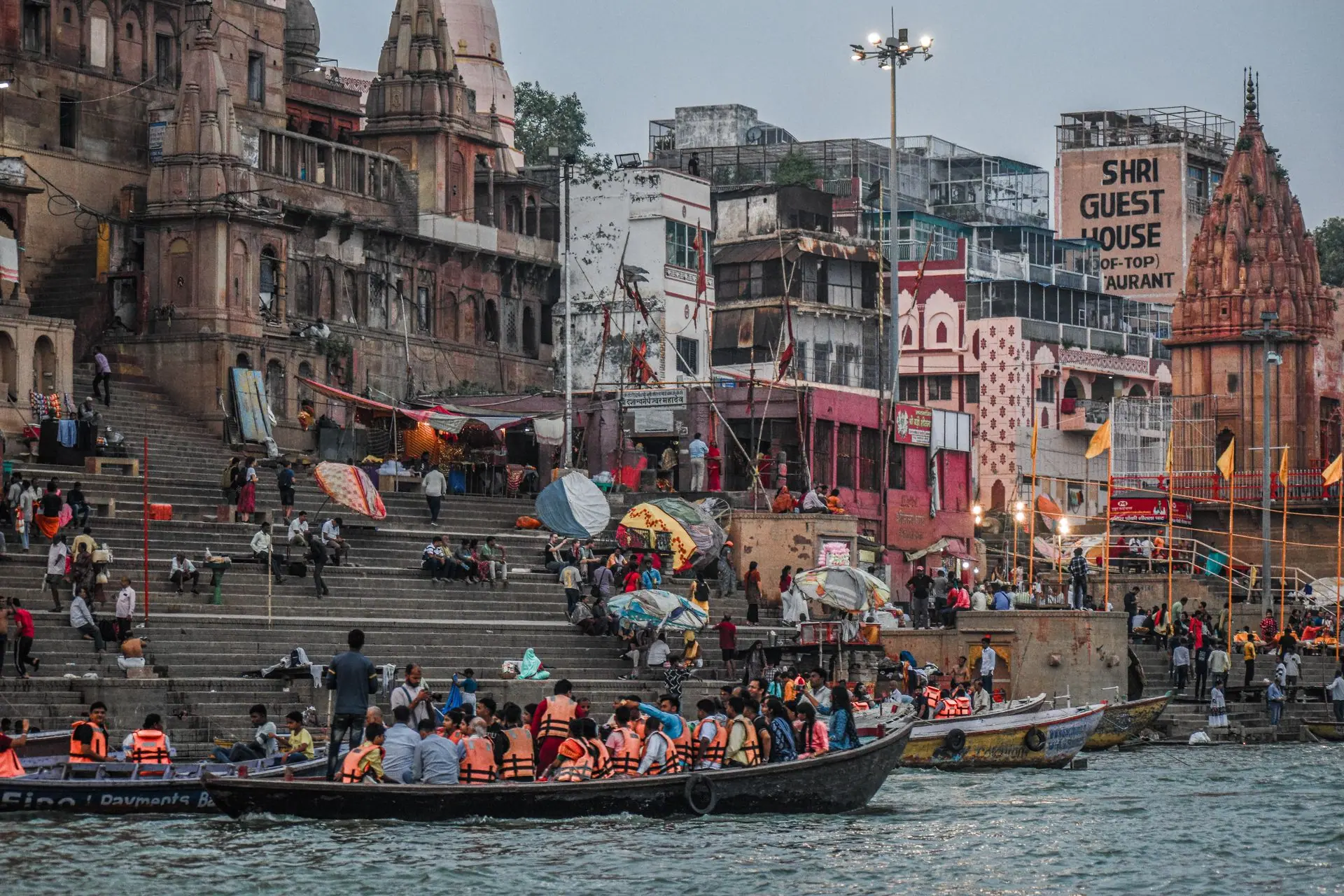
Varanasi, also called Kashi and Banaras, is one of the world's oldest living cities, on the Ganga in Uttar Pradesh. The main places to visit in Varanasi are its riverside ghats, best seen from a boat at dawn, the Ganga Aarti at Dashashwamedh Ghat at dusk, the Kashi Vishwanath Temple, Ramnagar Fort and Sarnath, 10 km away. Allow two days, from October to March.
By Gurudutt Kaushal · Reviewed by Gurudutt Kaushal · Updated 21 Oct 2026
See all 7 tours and experiences in Varanasi →
Government-approved operatorApproved by the Ministry of Tourism, Government of India
Places to visit in Varanasi
Things to do in Varanasi
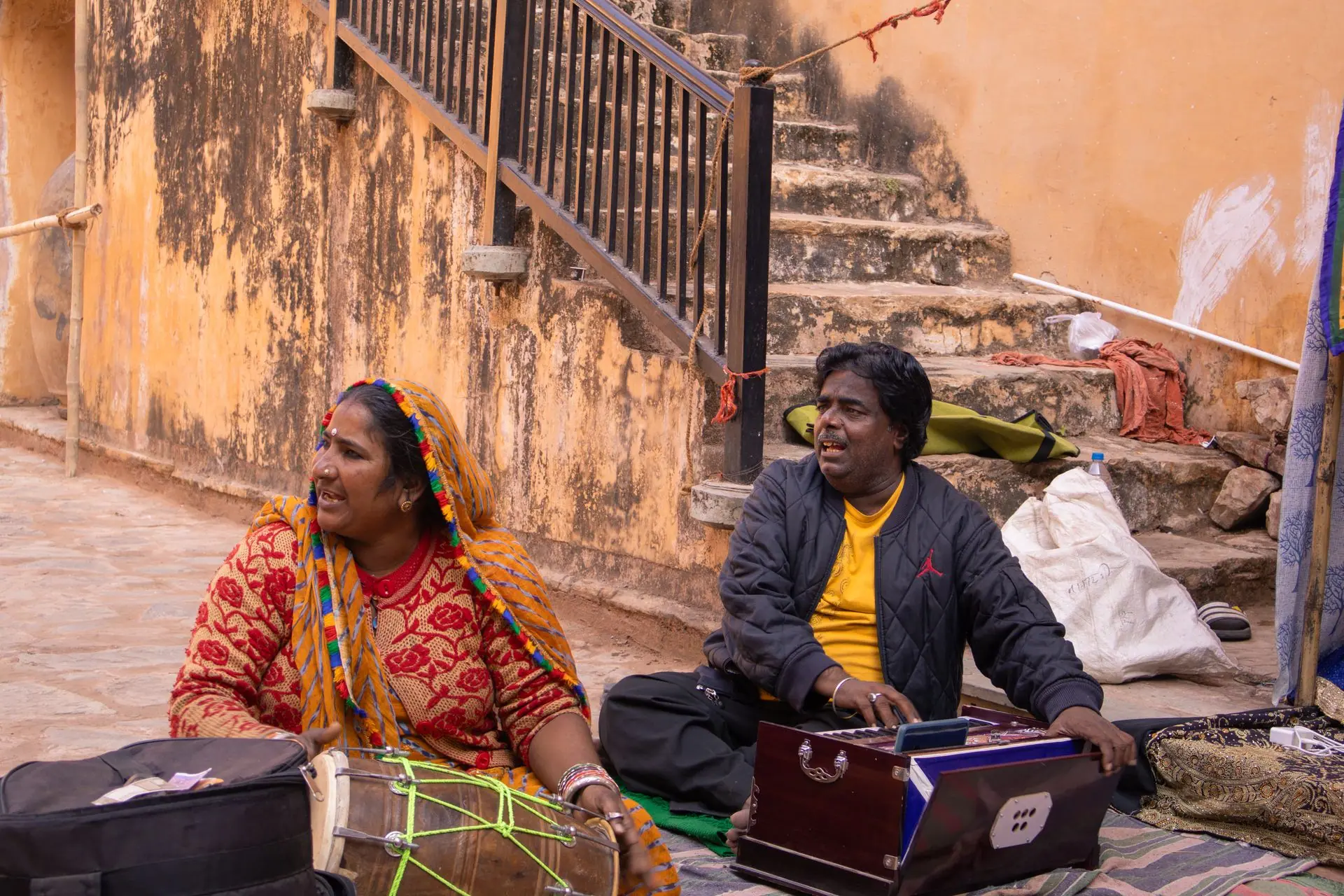
Eat what the city is known for: kachori sabzi, chena dahi vada, litti chokha, tamatar chaat, lassi and a Banarasi paan, and on winter mornings malaiyo, a frothy milk sweet that our Varanasi sweets walk looks for from roughly November to February. See Banarasi silk on the loom: UP Tourism points to the weavers' workshops of the Peeli Kothi area, and a sari can take from fifteen days to six months to make. In the evening, hear the Benares gharana at a classical music evening. The rest is on our Varanasi tours and experiences page.
Best time to visit Varanasi
How to reach Varanasi
How many days in Varanasi
Two full days cover the river and the old city; a third adds Sarnath, Ramnagar and the university.
Day 1: arrive by the afternoon and watch the Ganga Aarti at Dashashwamedh at dusk.
Day 2: a rowing boat along the ghats at dawn, then the walk through the lanes to Kashi Vishwanath, Man Mahal's observatory, and Assi Ghat in the afternoon.
Day 3: Sarnath in the morning, avoiding Fridays if you want the museum, then Bharat Kala Bhavan and Ramnagar Fort across the river. Chunar Fort, about 40 km away on the Ganga, fills another half-day.
All our routes through the city are on our Varanasi tour packages page. To continue across the state, see our guides to Uttar Pradesh, Ayodhya and Prayagraj.
Getting around and where to stay
Why book with Experience My India
Government-approved operator
Approved by the Ministry of Tourism, Government of India
500+ vetted local guides
35+ destination specialists plan every trip by hand.
Human help, every day
Mon–Sun, 9:00 AM – 9:00 PM IST · +91 73022 65809
No payment until you approve
You receive a written quote first; nothing is charged to start planning.
Frequently asked questions
How many ghats are there in Varanasi?
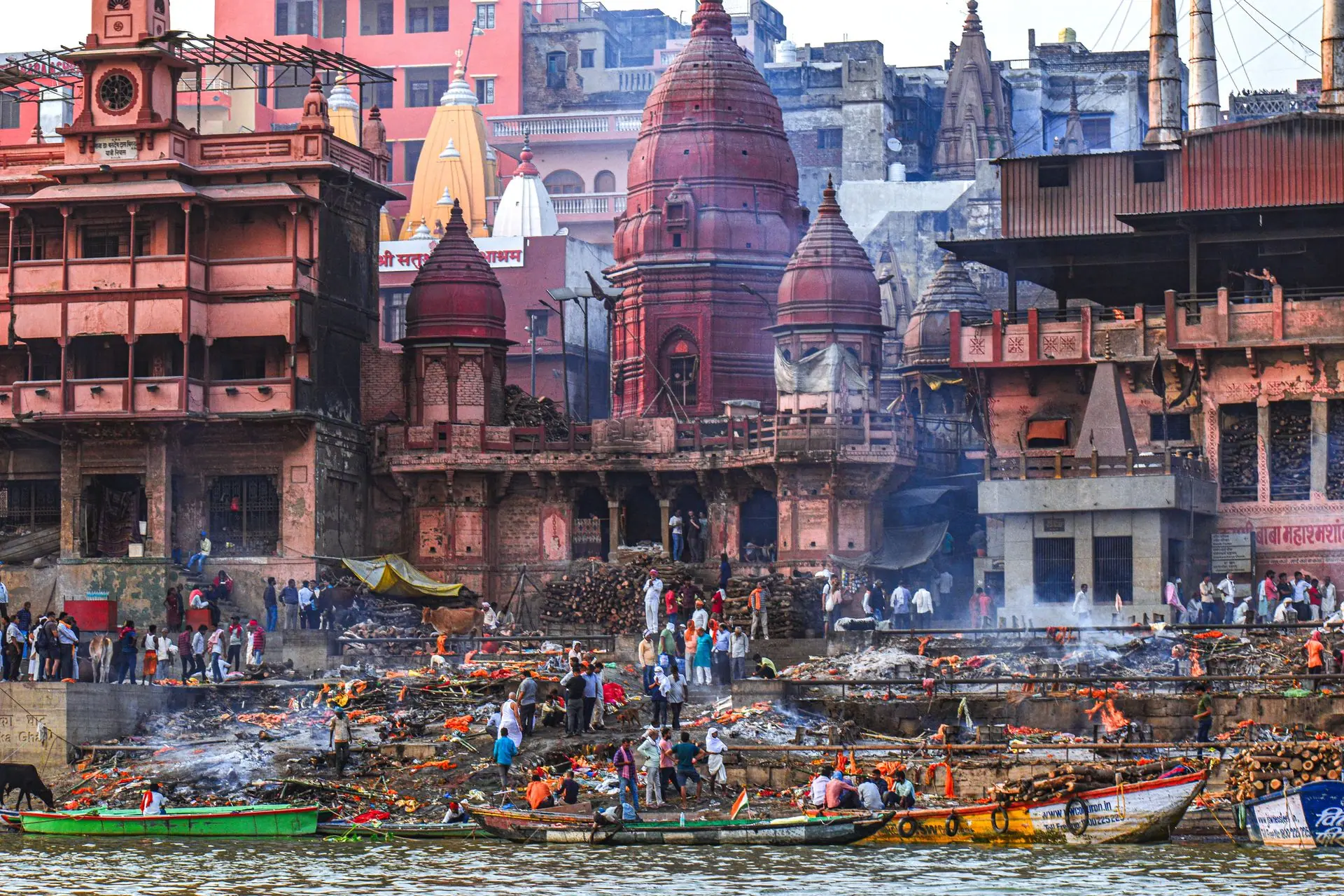
The Varanasi district administration counts 88 ghats, and Incredible India says there are more than eighty. Most are used for bathing and puja and two only for cremation. Among the best known are Dashashwamedh, Assi, Manikarnika, Man Mandir, Scindia, Darbhanga, Chet Singh and Digpatia. Most of the present steps date from after 1700, when Maratha patrons rebuilt them.
What is Varanasi famous for?
Its ghats on the Ganga and the rituals on them, from dawn bathing to the evening Ganga Aarti; the Kashi Vishwanath Temple, one of the twelve Jyotirlingas; and Banarasi silk saris woven with gold and silver zari. UP Tourism counts it among the oldest living cities in the world and a sacred place for Hindus, Jains and Buddhists, with Sarnath, where the Buddha first taught, 10 km away.
Are Varanasi, Kashi and Banaras the same place?
Yes, they are three names for one city. UP Tourism explains Kashi as coming from kash, to shine, and some Puranas derive Varanasi from the two streams that bound it, the Varuna and the Asi. Banaras is the older everyday name, still used by its railway station and its saris. Kashi is also the name the temple and the Dham carry.
Is Varanasi foggy in winter?
Often. IMD's 1981–2010 table for Varanasi counts about 18 days of fog in both December and January and nine or ten in November, and IMD warns that dense fog over Uttar Pradesh can disrupt airports, highways and railway routes. Plan the dawn boat for more than one morning if you can, carry a warm layer, and leave time before an onward flight or train.
What is Dev Deepawali?
Dev Deepawali, the Diwali of the gods, is held on the full moon fifteen days after Diwali. Lamps are lit along the steps of the ghats and floated on the Ganga, and the boats on the river carry lights of their own. In one belief the gods come down to bathe in the river that night; in another it celebrates Shiva's defeat of the demon Tripurasura.
Is the Sarnath Museum open on Fridays?
No. The Sarnath Museum, which holds Ashoka's Lion Capital, now India's national emblem, is closed on Fridays and open from 10 am to 5 pm on other days, according to Incredible India. If the Lion Capital is a reason for going, plan Sarnath for another day; a morning there leaves the afternoon free for the city.
Can you drive to the ghats in Varanasi?
Not to Dashashwamedh. No vehicle reaches the ghat: the usual way is a taxi to Godaulia, then about a kilometre on foot through a crowded market. In the old city, some routes are one-way and closed to auto-rickshaws and larger vehicles, so e-rickshaws, cycle rickshaws and your own feet do the work. Along the river, boats link the ghats.
How far is Ramnagar Fort from Varanasi?
About 14 km, on the opposite bank of the Ganga, according to UP Tourism. The fort-palace of the Maharajas of Banaras was built in the 18th century and has a museum of the royal collection, from vintage cars and palanquins to arms and antique clocks. It makes a good afternoon after a morning at Sarnath or the university.
Tour packages in Varanasi
See all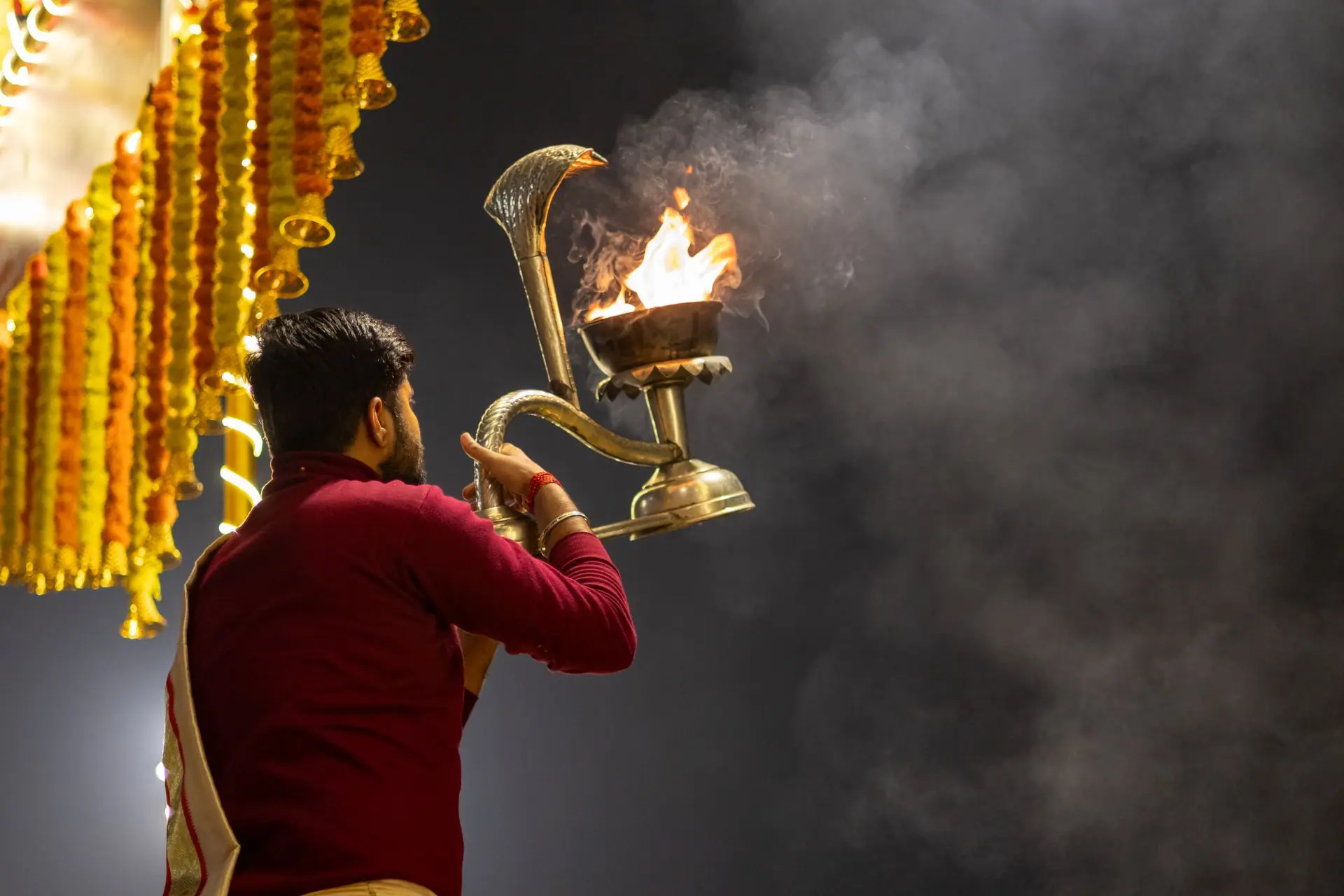
Dashashwamedh Ghat
Varanasi Ganga Aarti tour
Private guide and vehicle in Varanasi
Price on request
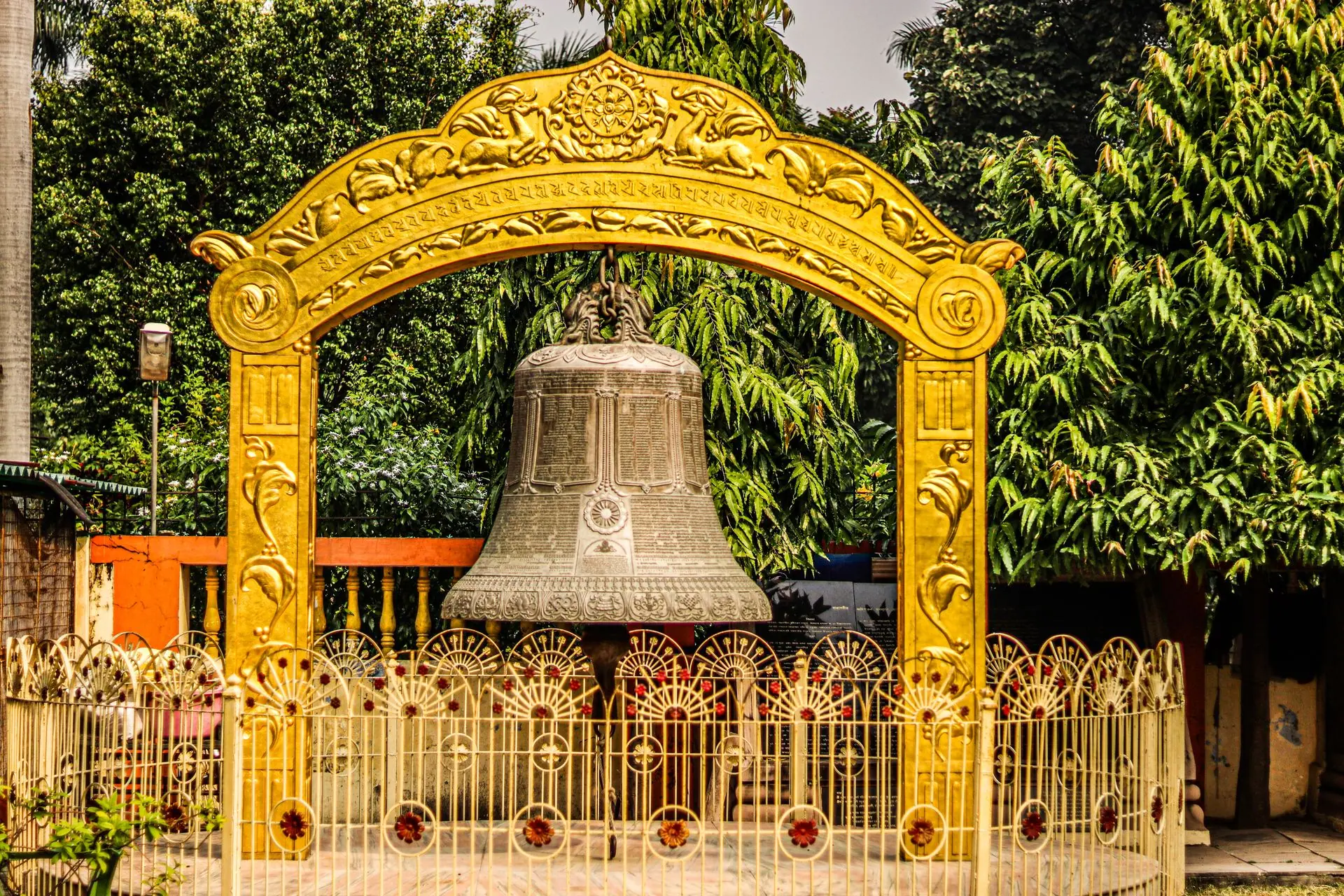
Sarnath
Sarnath from Varanasi
Private guide and vehicle
Price on request
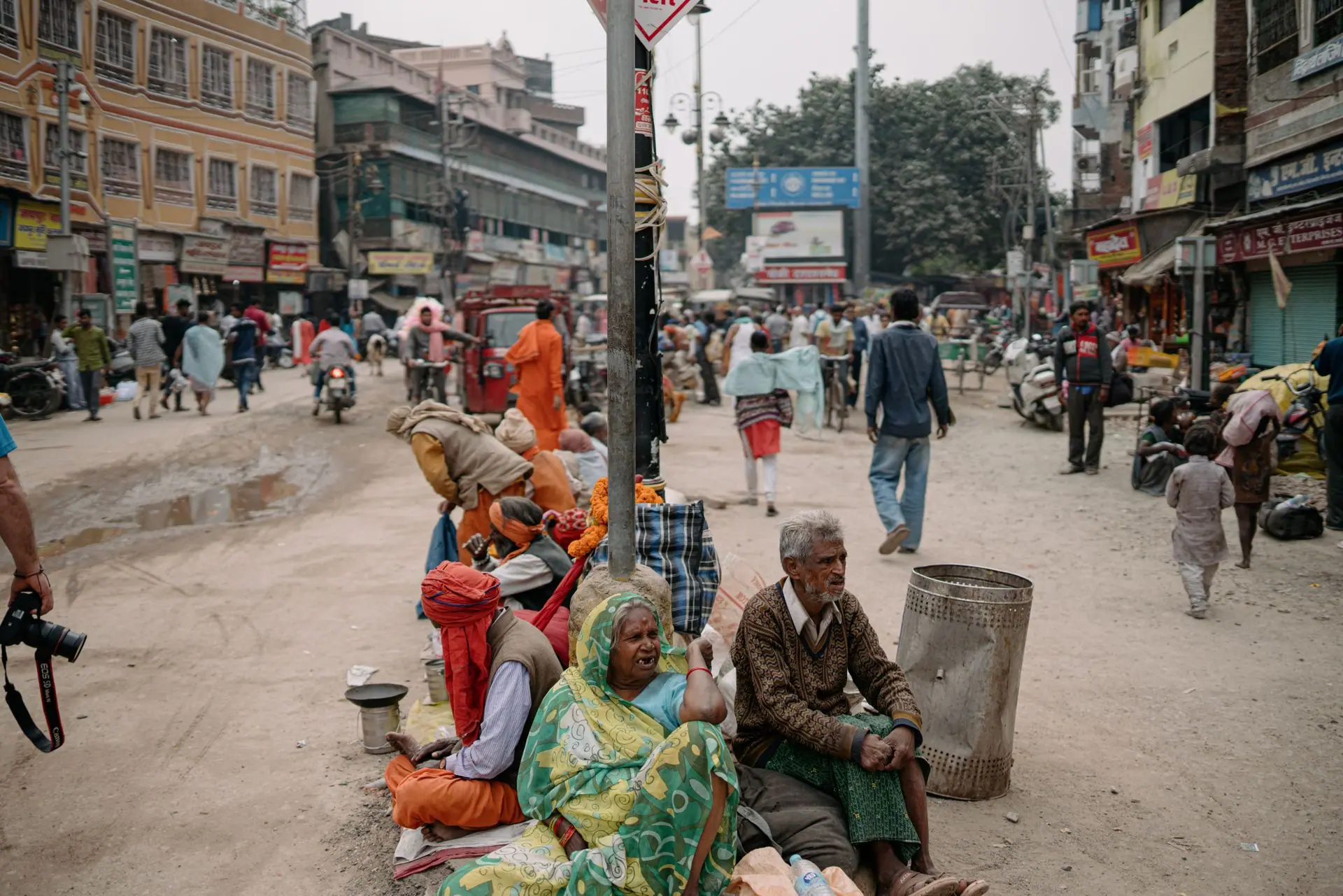
Varanasi
Varanasi photo tour
Price on request
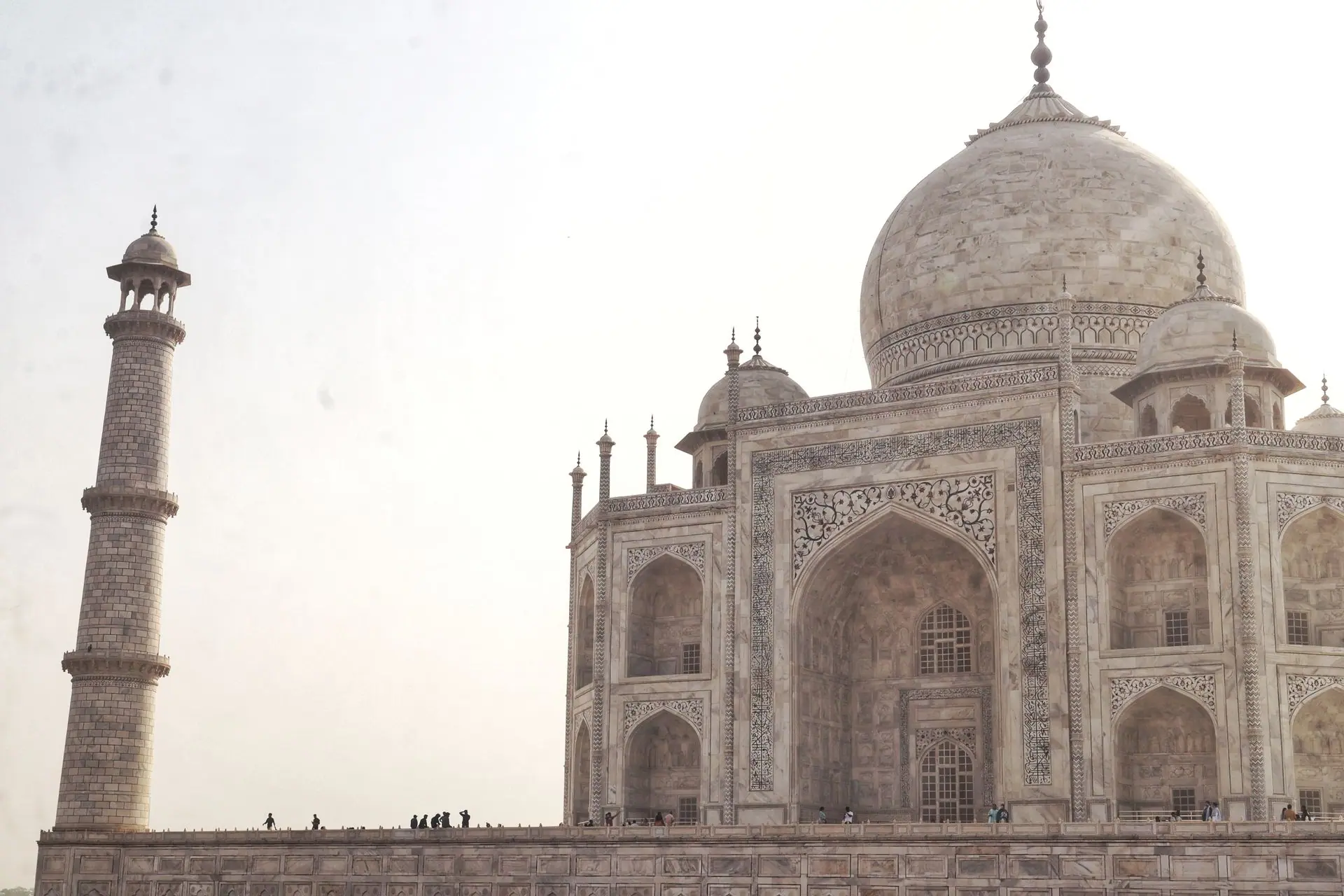
Golden Triangle with Varanasi — 8 days
Golden Triangle with Varanasi — 8 days
8 days / 7 nights • Private guide and vehicle
Price on request
Spiritual India — Varanasi and Rishikesh
Spiritual India — Varanasi and Rishikesh, 8 days
8 days / 7 nights • Private guide and vehicle
Price on request
Experiences in Varanasi
See all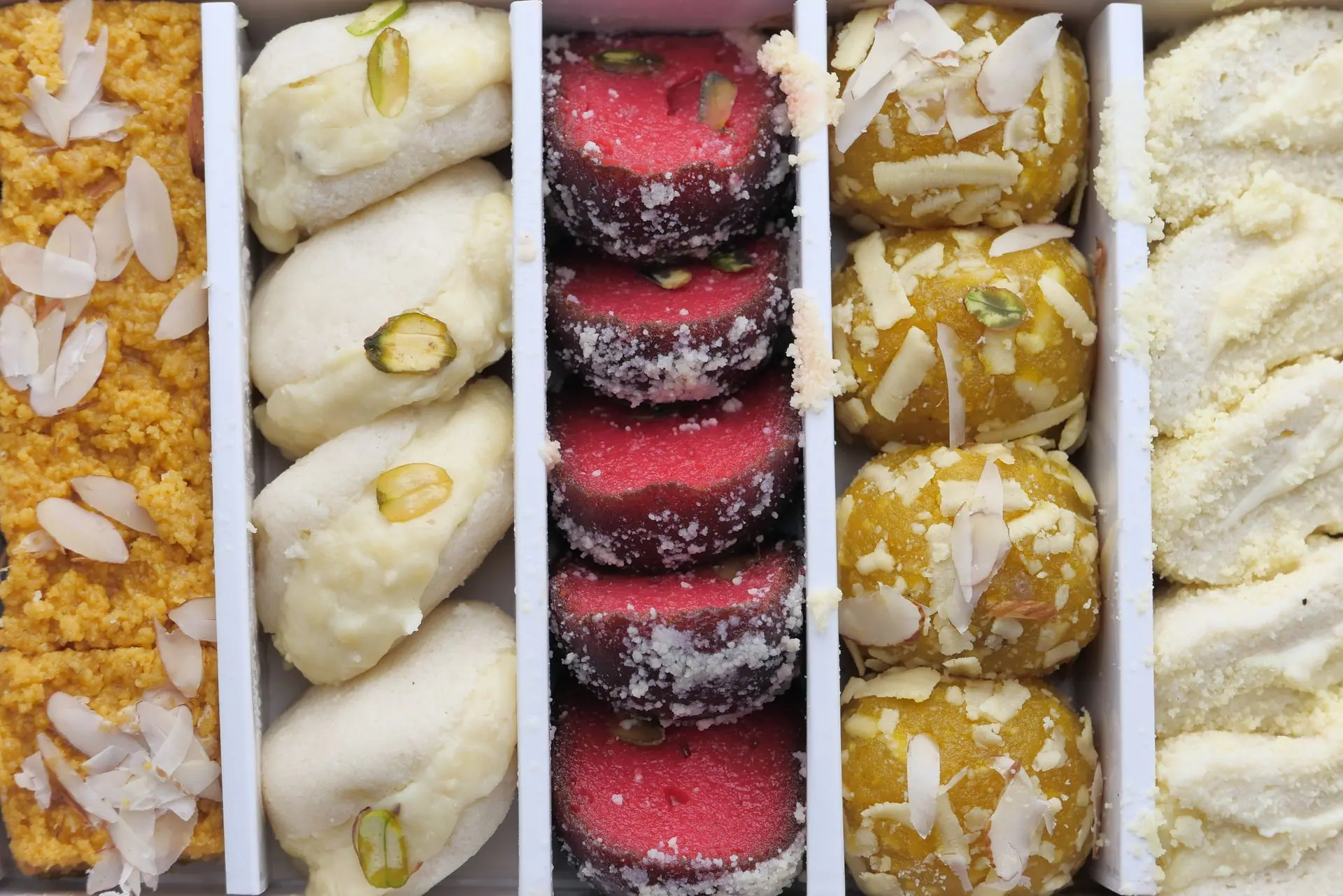
Varanasi
Varanasi sweets walk
Price on request
Varanasi
Varanasi classical music evening
Private guide and vehicle
Price on request
More places in Uttar Pradesh
See all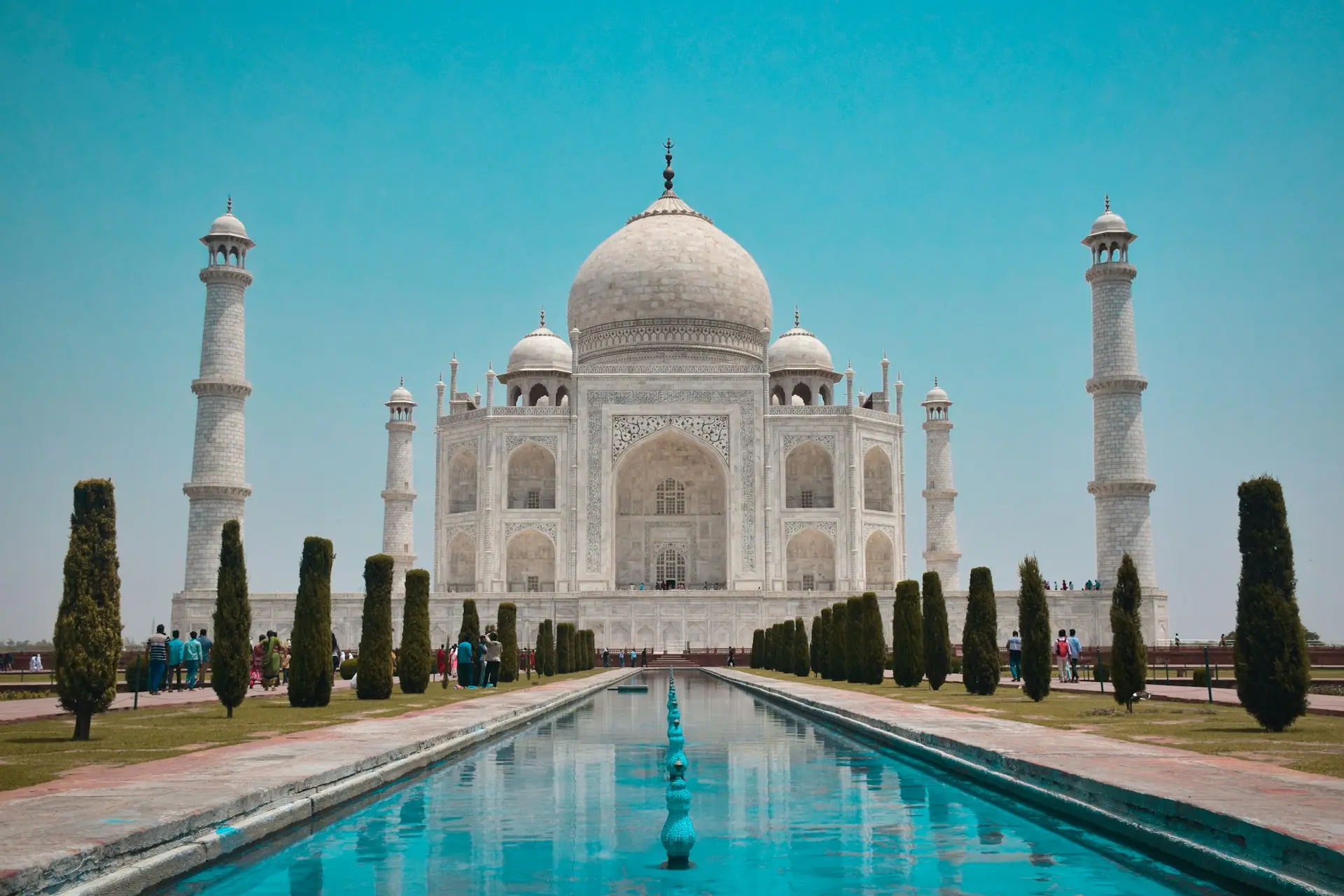
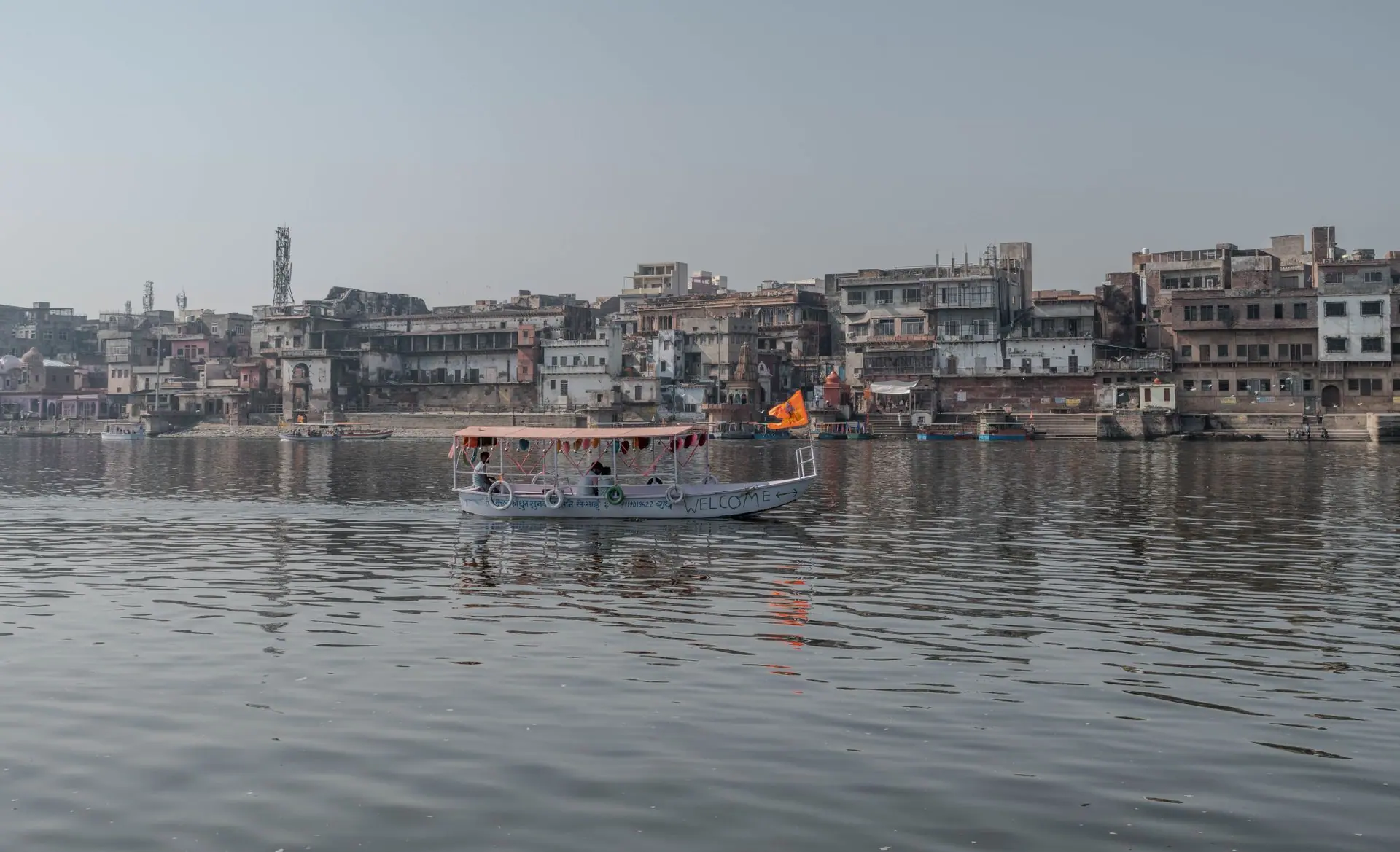
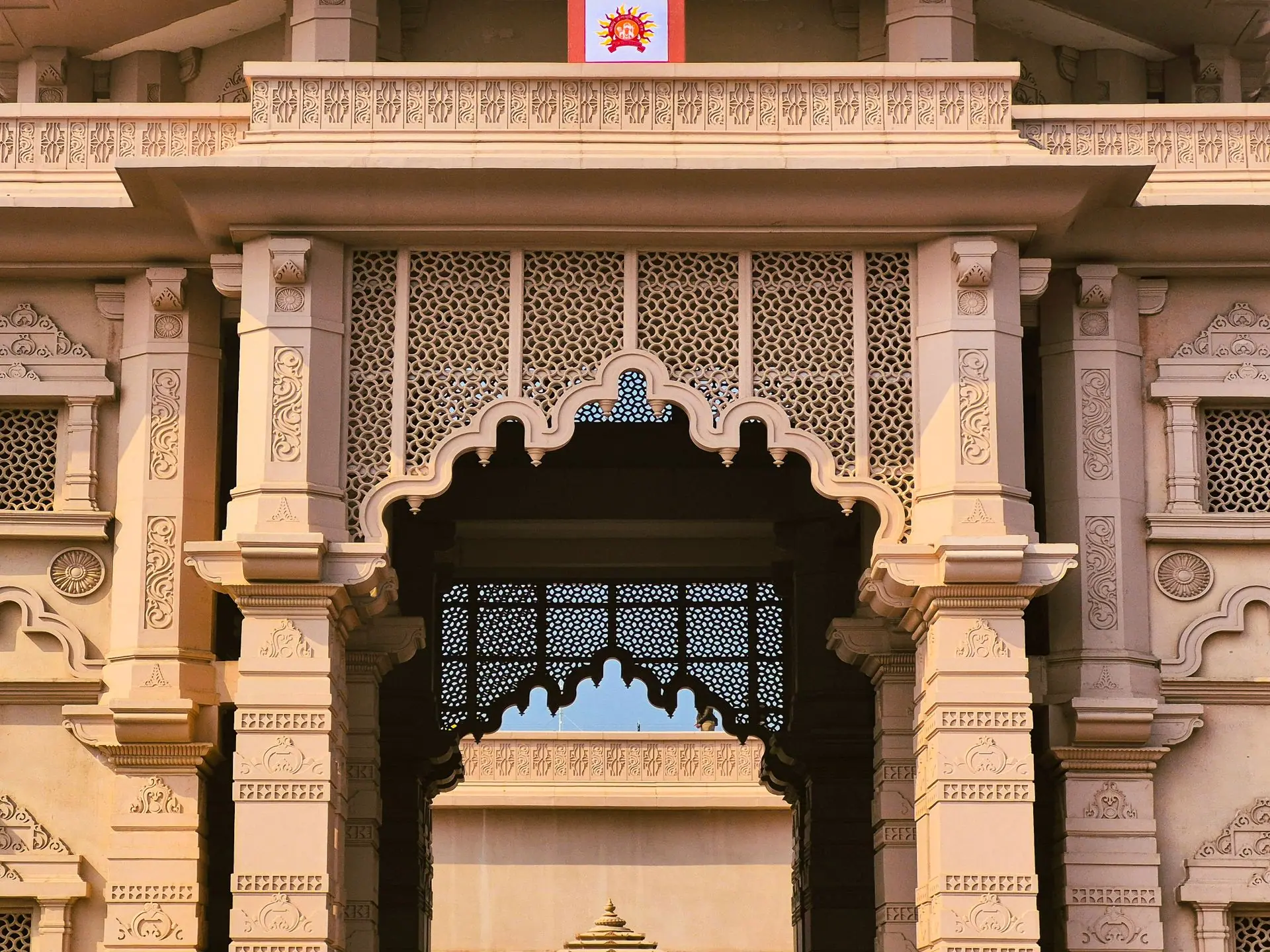
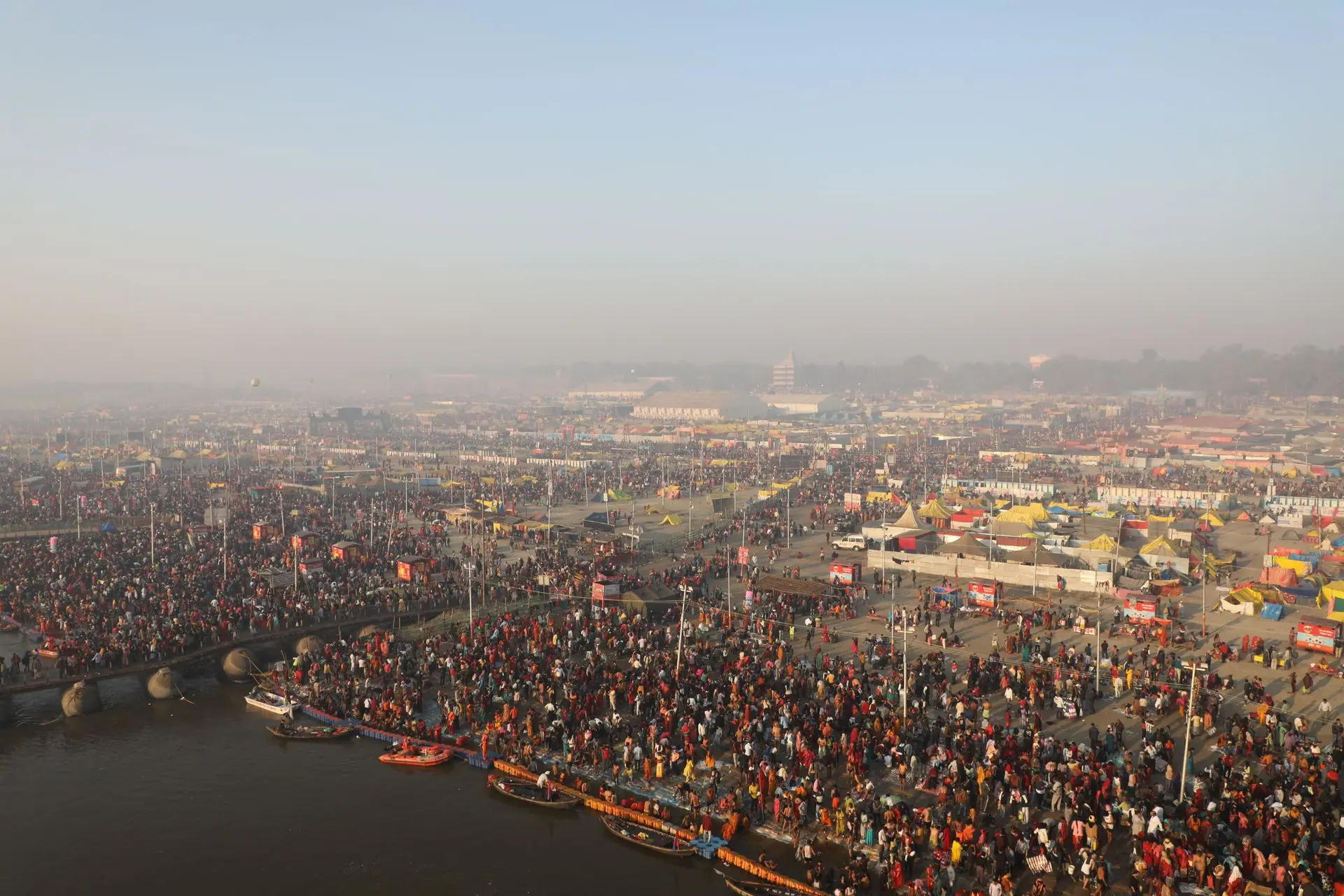
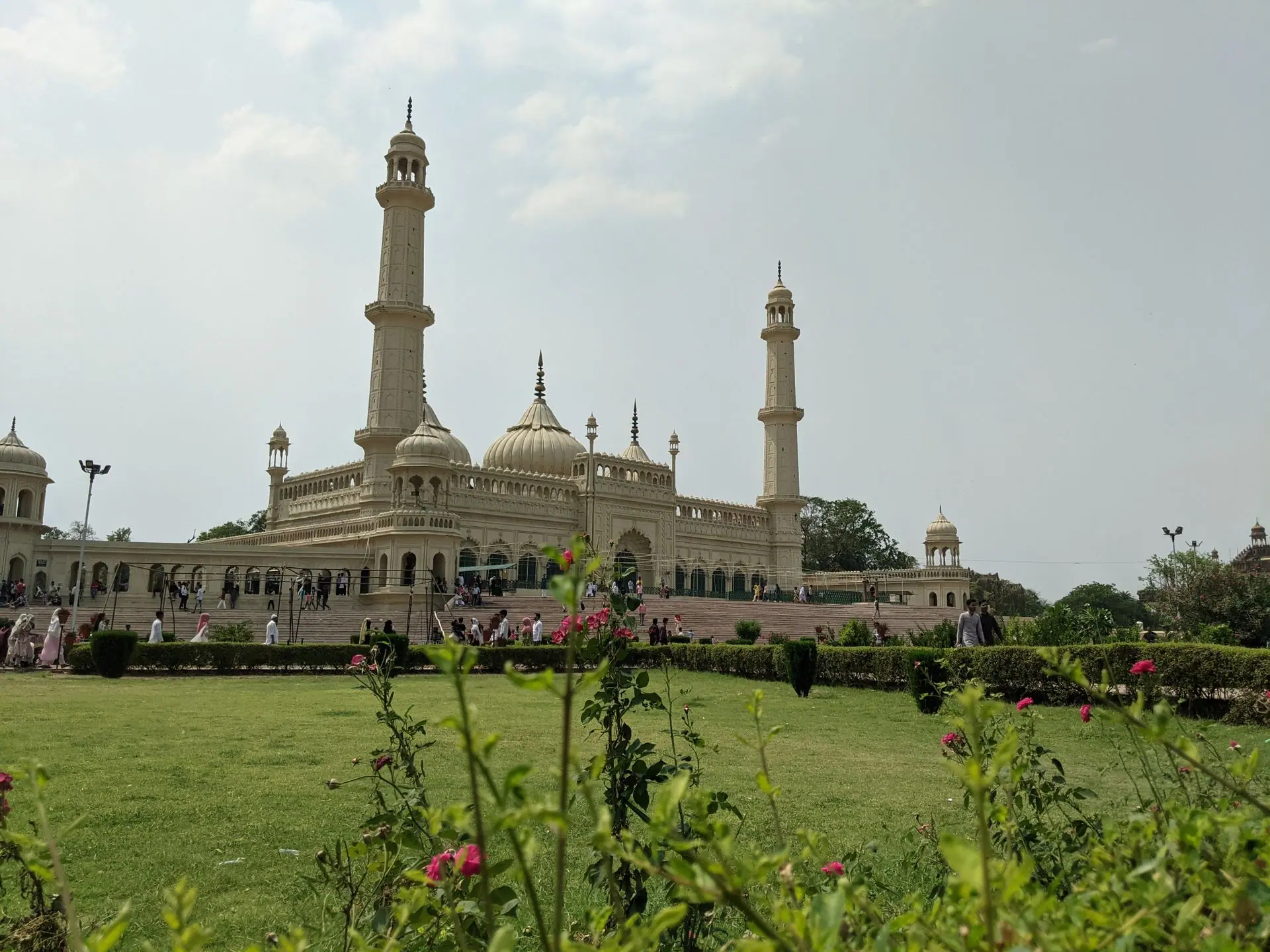
From the journal: Varanasi
Journal
12 Famous Places to Visit in Varanasi
Journal
Manikarnika Ghat in Varanasi: History, Location & More
Journal
Varanasi Tour and Travels: A Spiritual Journey through the Heart of India
Journal
What is Special About Varanasi? Must Visit Places and More
Journal
7 Popular Temples to Visit in Varanasi, Uttar Pradesh
Journal
Assi Ghat, Varanasi | Everything You Need to Know
Journal
Unique Things to Do in Varanasi
Journal
Top Varanasi Tour Places: The Soul of India
Journal
Places to Visit in Varanasi in 2 Days
2 days
Journal
What is Special About Varanasi: A Timeless Journey into the Soul of India
Journal
Kashi Vishwanath Temple: The Spiritual Heart of Varanasi
Journal
Ramnagar Fort: A Glimpse into the Royal Heritage of Varanasi
Customer reviews
Experience My India is rated 4.3 on Tripadvisor. We publish guest reviews after each trip.
Plan a trip
Tailor-made quote from a specialist