
Last updated:
Best Places to Go in India in March: Spring, Rising Heat and Holi
March opens the India Meteorological Department's pre-monsoon season, and the plains warm fast: Jaipur averages 32°C by day, up from 26°C in February. The best places to go in India in March are Tamil Nadu, Kerala and the Andamans while they stay dry, Rajasthan and the Golden Triangle before April's heat, Assam's parks and Kashmir as spring begins. Holi usually falls this month.
By Experience My India Editorial Team
Destination specialists and licensed local guides
March weather: the pre-monsoon season begins
The India Meteorological Department (IMD) treats March to May as the pre-monsoon season, and its heat-wave guidance says India's heat waves occur mainly between March and June. In March the change is plain on the northern plains, where averages climb by 5 to 6°C from February, while Kashmir has its wettest month and the south-east coast its driest.
| Criteria | Average high | Average low | Average rainfall |
|---|---|---|---|
| New Delhi (Safdarjung) | 29.9°C | 15.6°C | 19.1 mm |
| Jaipur | 32.0°C | 17.4°C | 4.4 mm |
| Jaisalmer | 33.4°C | 18.4°C | 5.4 mm |
| Srinagar | 15.5°C | 4.3°C | 104.6 mm |
| Gulmarg | 5.4°C | −2.7°C | 215.6 mm |
| Leh | 9.7°C | −3.2°C | 2.5 mm |
| Shimla | 15.8°C | 7.0°C | 70 mm |
| Panaji (Goa) | 32.3°C | 23.3°C | 2 mm |
| Kochi | 32.6°C | 25.5°C | 38 mm |
| Chennai | 33.1°C | 24.5°C | 2.2 mm |
| Kolkata | 33.6°C | 22.5°C | 35 mm |
March figures for Delhi, Jaipur, Jaisalmer, Srinagar, Gulmarg and Chennai are IMD's 1991–2020 normals; Leh's are from IMD's 2011–2024 table; Shimla, Panaji, Kochi and Kolkata are from IMD's city climate profiles.
The plains and Rajasthan
Delhi averages 29.9°C by day, Agra 32.1°C and Varanasi 32.7°C, and the fog is nearly over: Safdarjung records it on just 3.5 days in an average March. Jaipur's average high of 32.0°C sits between February's 26.1°C and April's 37.6°C, which makes March the last month before the city's averages pass 35°C. IMD's profile of Agra notes that dust storms sometimes occur from March to July.
Kashmir and the Himalaya
March is Srinagar's wettest month in IMD's 1991–2020 normals, with 104.6 mm, and Gulmarg's too, with 215.6 mm. IMD links winter cloud and hail in the western Himalaya to western disturbances, the weather systems that cross from the west. Shimla averages 15.8°C by day and 7.0°C at night. Ladakh is still cold, with a −3.2°C average low in Leh, and both highways into it stay closed until May. Himachal Tourism says heavy snow closes the Rohtang Pass in late November and it reopens by May, while the Atal Tunnel, opened in 2020, connects Manali with the Lahaul valley all year.
The south and the islands
March is Chennai's driest month, with 2.2 mm on average and a 33.1°C high. Panaji averages 2 mm. Kochi averages 38 mm, and IMD's profile notes that thunderstorms there are frequent from March to November. In Thiruvananthapuram, March and April are the hottest months, at about 33°C. Port Blair is still in its drier months, with 23 mm.
The east and the north-east
Kolkata averages 33.6°C by day. In Guwahati, IMD notes that thunderstorms from March to May occasionally bring dust storms, hail and squalls, and in Shillong thunderstorms from January to May sometimes bring hail. Assam Tourism puts Kaziranga's best sightseeing between late February and early April.
Best places to go in India in March
- Tamil Nadu and Kerala. The south-east coast is at its driest, and Kerala's coast is still mostly dry before April's showers. Our Tamil Nadu travel guide covers the temple towns.
- The Andaman Islands. Still in the dry months, and Jolly Buoy island is open to day visits until mid-May; see our Andaman and Nicobar guide.
- Rajasthan and the Golden Triangle. March is the last month of comfortable averages before April's heat, so plan forts and long walks for mornings later in the month.
- Kaziranga. Its best weeks for sightseeing run into early April; our Kaziranga travel guide explains the ranges and safaris.
- Kashmir in spring. The Government of Jammu and Kashmir holds its tulip festival in Srinagar at the onset of spring, in the Indira Gandhi Memorial Tulip Garden on the foothills of the Zabarwan range above Dal Lake. Our Srinagar travel guide and Kashmir tour packages cover the valley.
What changes during March
- The first heat. IMD declares a heat wave on the plains only once a station reaches at least 40°C and departs from its normal by 4.5°C or more, so March rarely qualifies, but late-month afternoons on the plains can already be hot. Keep outdoor sightseeing to the mornings.
- Wet weeks in Kashmir. With the valley's heaviest precipitation of the year, pack waterproofs as well as warm layers for Srinagar and Gulmarg.
- Closed roads in the high Himalaya. The Rohtang Pass and both highways into Ladakh are still shut; flights reach Leh daily from Delhi, and the Leh district's 48-hour acclimatisation rule applies on arrival.
- Holi crowds. On the day of colours, streets in north Indian towns fill with people throwing coloured powder and water, so plan quiet sightseeing for another day if you would rather not join in.
In April the heat moves into the plains in earnest, and the hills take over; see India in April. For the whole year at a glance, see our guide to the best time to visit India.
Holi and the March festivals
- Holi. Incredible India places it on the last full moon day of the Hindu lunisolar month, which usually falls in March; our Holi page explains the bonfire night and the day of colours.
- Braj Holi festival, Rajasthan. Rajasthan Tourism says it is held every year for two days in the bright half of the month of Phalgun, a few days before Holi, at Deeg, Kaman and Bharatpur.
- Hola Mohalla. Punjab Tourism says it is celebrated every March at Anandpur Sahib, immediately after Holi, with martial arts, processions, kirtan and community langar; our Punjab travel guide covers the state.
- Gangaur. Rajasthan Tourism places Gangaur in the month of Chaitra (March–April); in Jaipur its procession leaves the Zanani-Deodhi of the City Palace and passes through Tripolia Bazaar and Chhoti Chaupar.
- The Goa Carnival. In a year when Easter is late, the carnival falls in March rather than February, according to Goa Tourism.
- Ladakh's March festivals. The Leh district lists Stok Guru Tsechu at Stok Palace, Mangtho Nagrang and Shey Rul-lo in March.
Frequently asked questions
Is March a good time to visit India?
Yes, for the south, the coasts and the Andaman Islands, which are dry, and for Rajasthan and the Golden Triangle, which are warm but not yet at April's heat. Assam's Kaziranga is in its best weeks, and Kashmir starts its spring, though March is the valley's wettest month. Ladakh's roads and the Rohtang Pass are still closed.
Is March summer in India?
IMD's calendar does not call it summer: March begins the pre-monsoon season, which runs to May. In practice the plains are warming fast, and IMD's heat-wave guidance says heat waves can occur from March onwards, with May the peak month. Up in the Himalaya, March is still winter, with average lows below freezing at Gulmarg and Leh.
How hot does India get in March?
On IMD's averages, Delhi reaches 29.9°C by day, Jaipur 32.0°C, Jaisalmer 33.4°C, Chennai 33.1°C and Kolkata 33.6°C, while Srinagar averages 15.5°C and Shimla 15.8°C. These are monthly means, so the last week of March is usually warmer than the first, and occasional early hot spells push higher on the plains.
Why is March so wet in Kashmir?
Kashmir's precipitation comes mainly from western disturbances in winter and spring rather than from the monsoon, and IMD's 1991–2020 normals make March the wettest month of the year in both Srinagar, with 104.6 mm, and Gulmarg, with 215.6 mm. By October, Srinagar's driest month, the figure falls to 21.8 mm.
When is Holi?
Holi falls on the last full moon day of the Hindu lunisolar month, which Incredible India says usually falls in March; in some years it comes in late February. The exact date changes every year, so check the current year's calendar before you book. The night before is Holika Dahan, the bonfire.
What is Hola Mohalla?
A Sikh festival at Anandpur Sahib in Punjab, held every March immediately after Holi. Punjab Tourism describes martial arts demonstrations, religious processions, kirtan and community langar, centred on Takht Sri Keshgarh Sahib. It suits travellers interested in Sikh culture; Amritsar and the Golden Temple are a few hours away.
Related guides
Customer reviews
Experience My India is rated 4.3 on Tripadvisor. We publish guest reviews after each trip.
Why book with Experience My India
Government-approved operator
Approved by the Ministry of Tourism, Government of India
500+ vetted local guides
35+ destination specialists plan every trip by hand.
Human help, every day
Mon–Sun, 9:00 AM – 9:00 PM IST · +91 73022 65809
No payment until you approve
You receive a written quote first; nothing is charged to start planning.
Browse experiences by theme
See all
Wildlife Safaris
8 experiences
Heritage & Architecture
2 experiences
Beaches & Islands
5 experiences
Wellness & Ayurveda
1 experience
Yoga & Meditation
4 experiences
Trekking
2 experiences
Adventure
6 experiences
Culinary
5 experiences
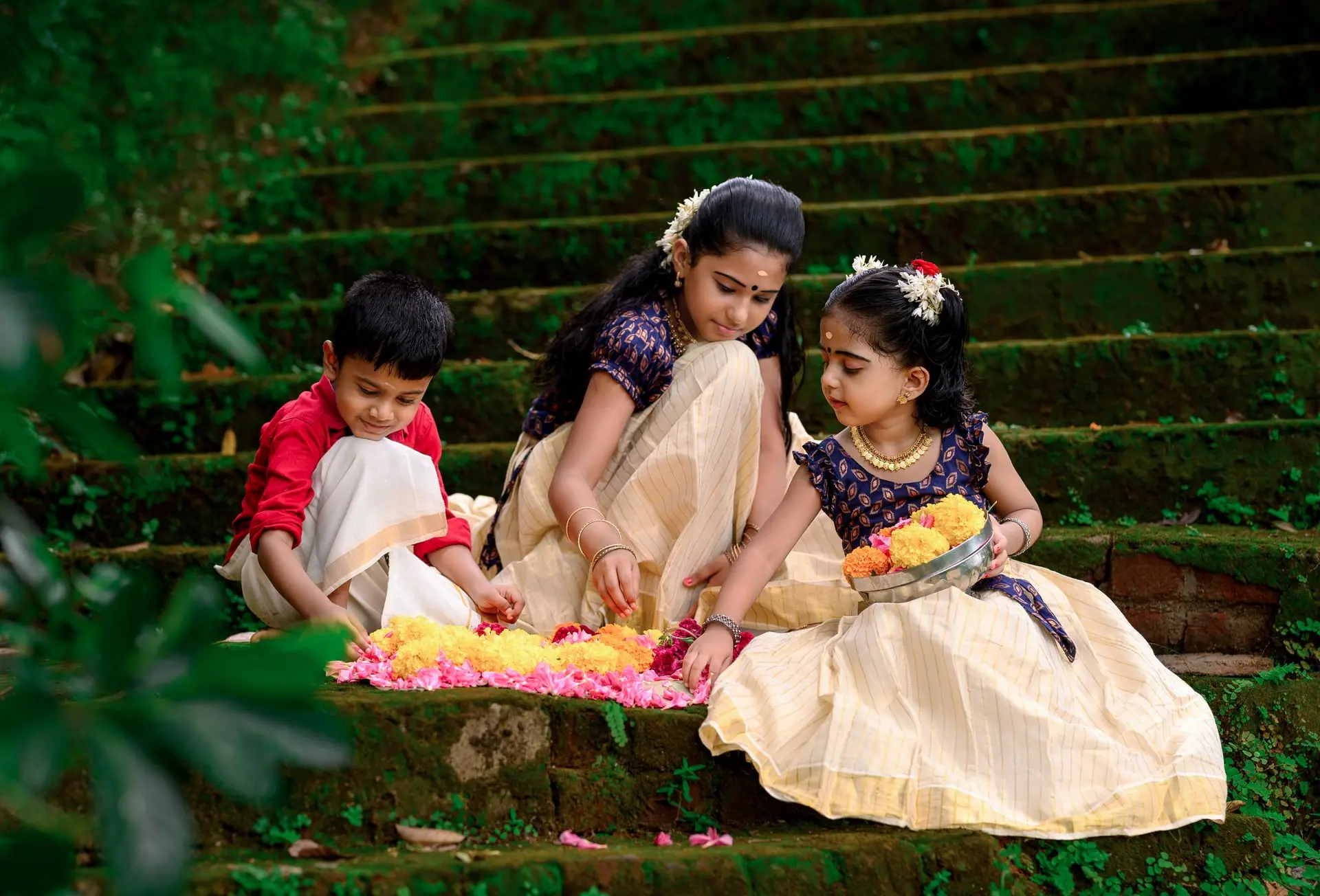
Festivals
8 experiences
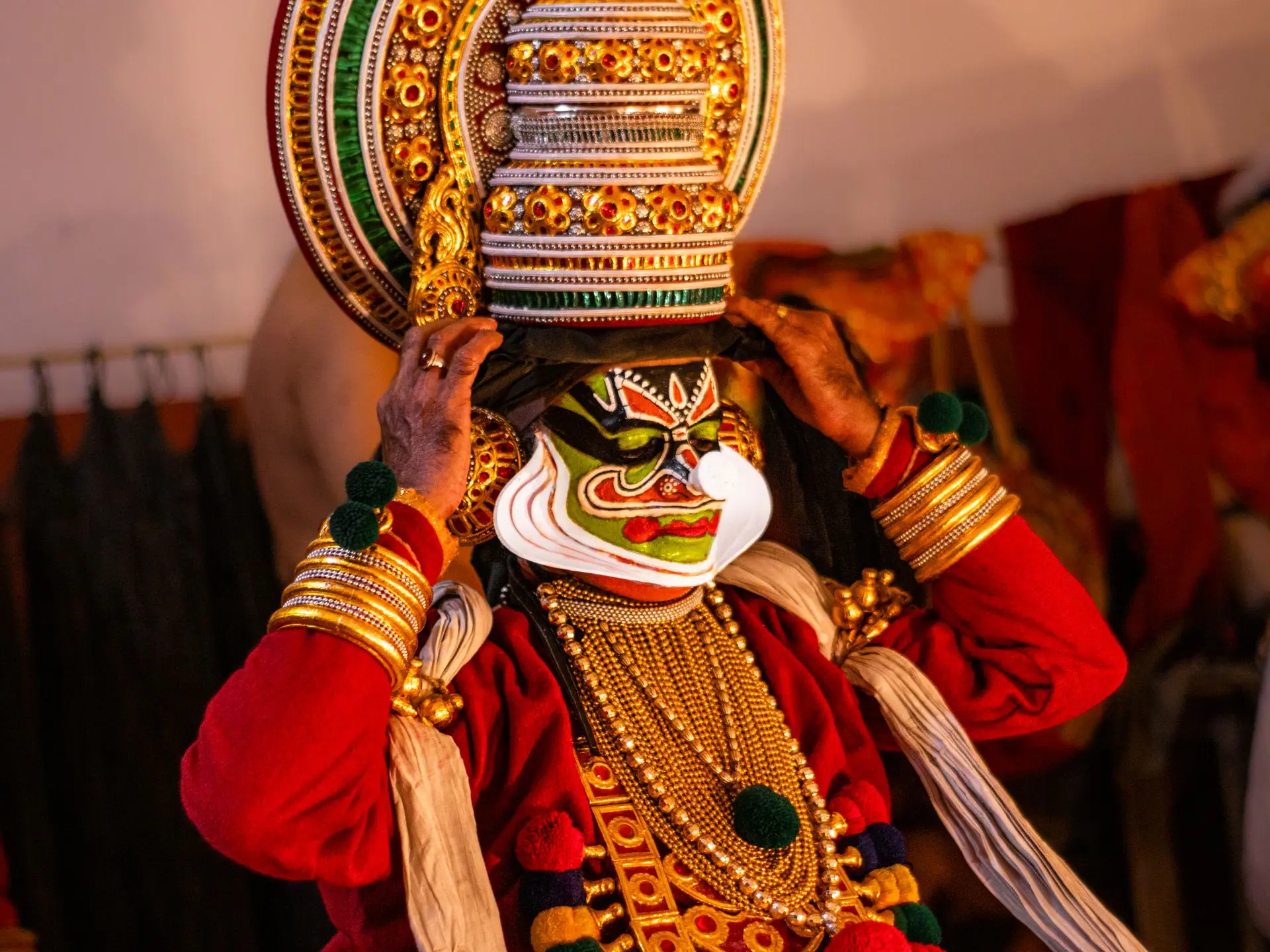
Performing Arts
5 experiences
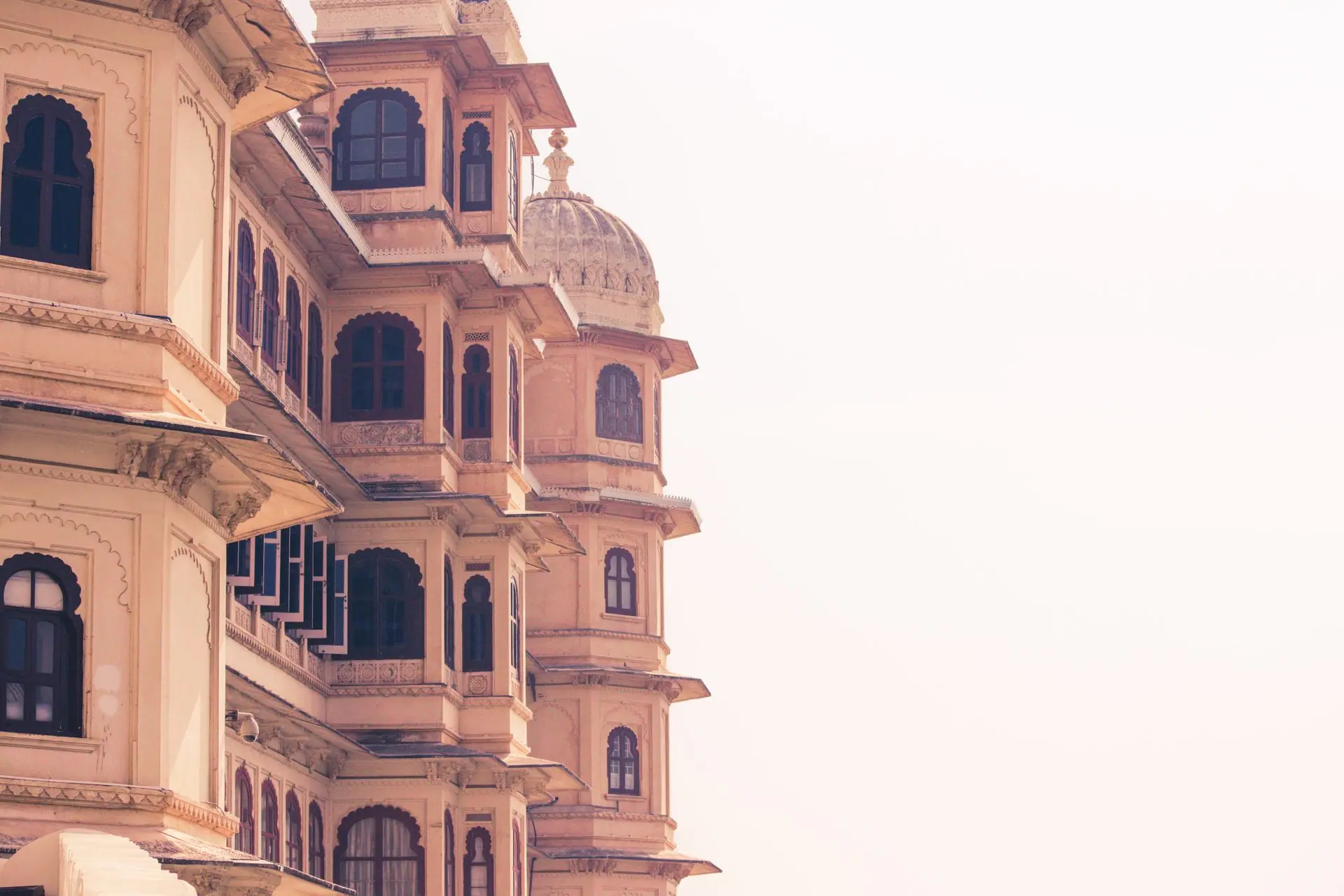
Luxury Trains
4 experiences
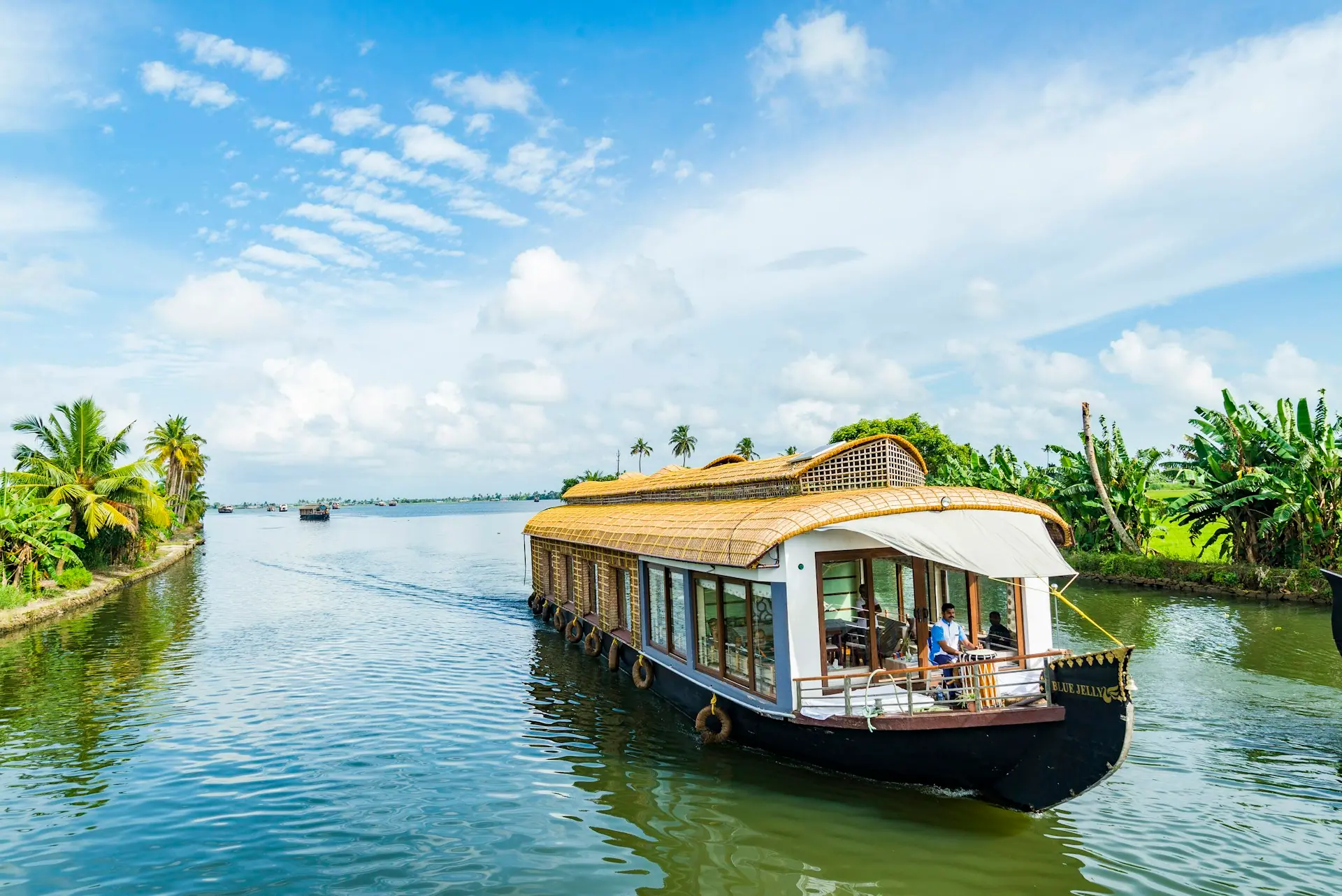
Houseboats
3 experiences
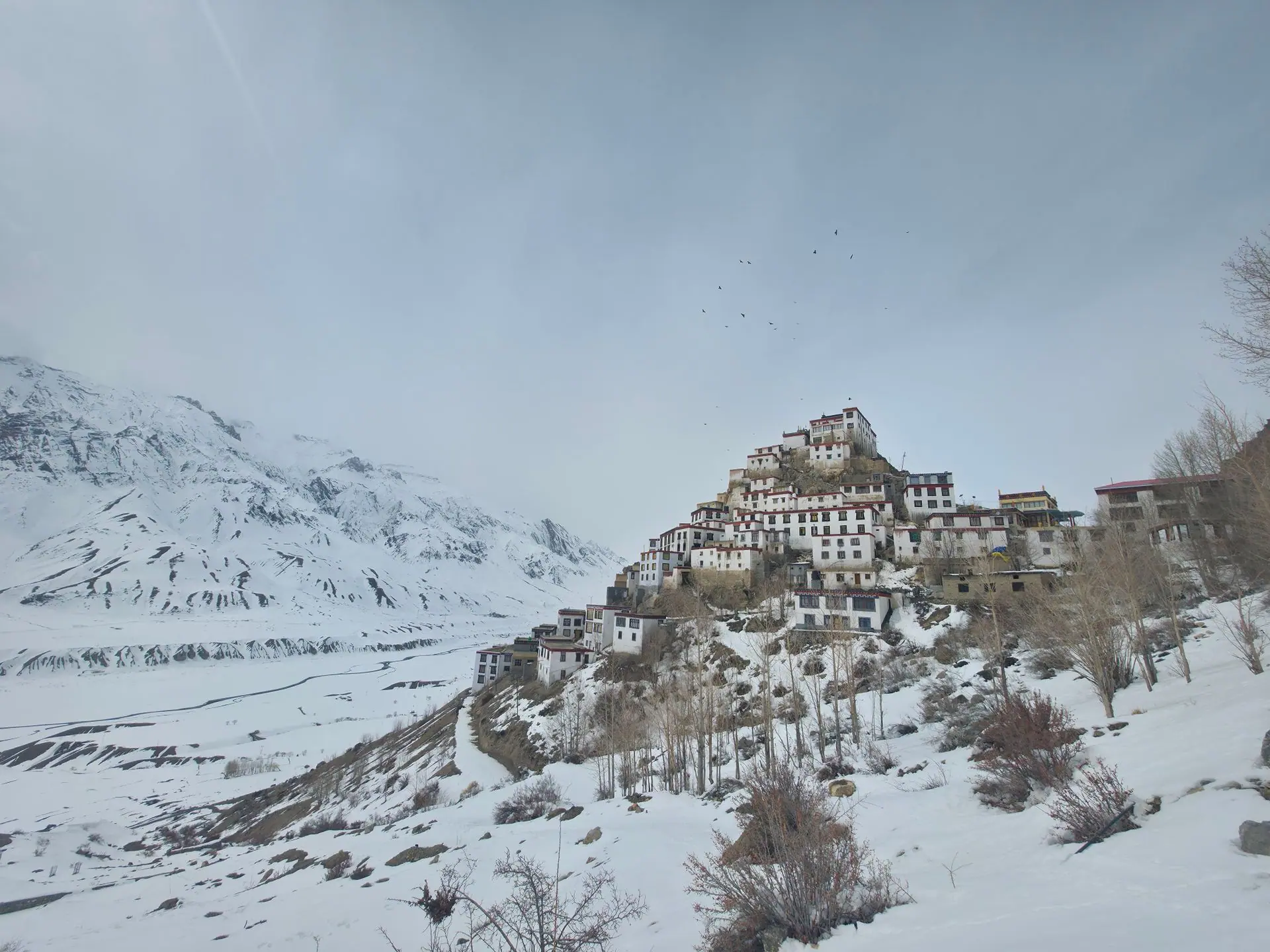
Toy Trains & Railways
1 experience
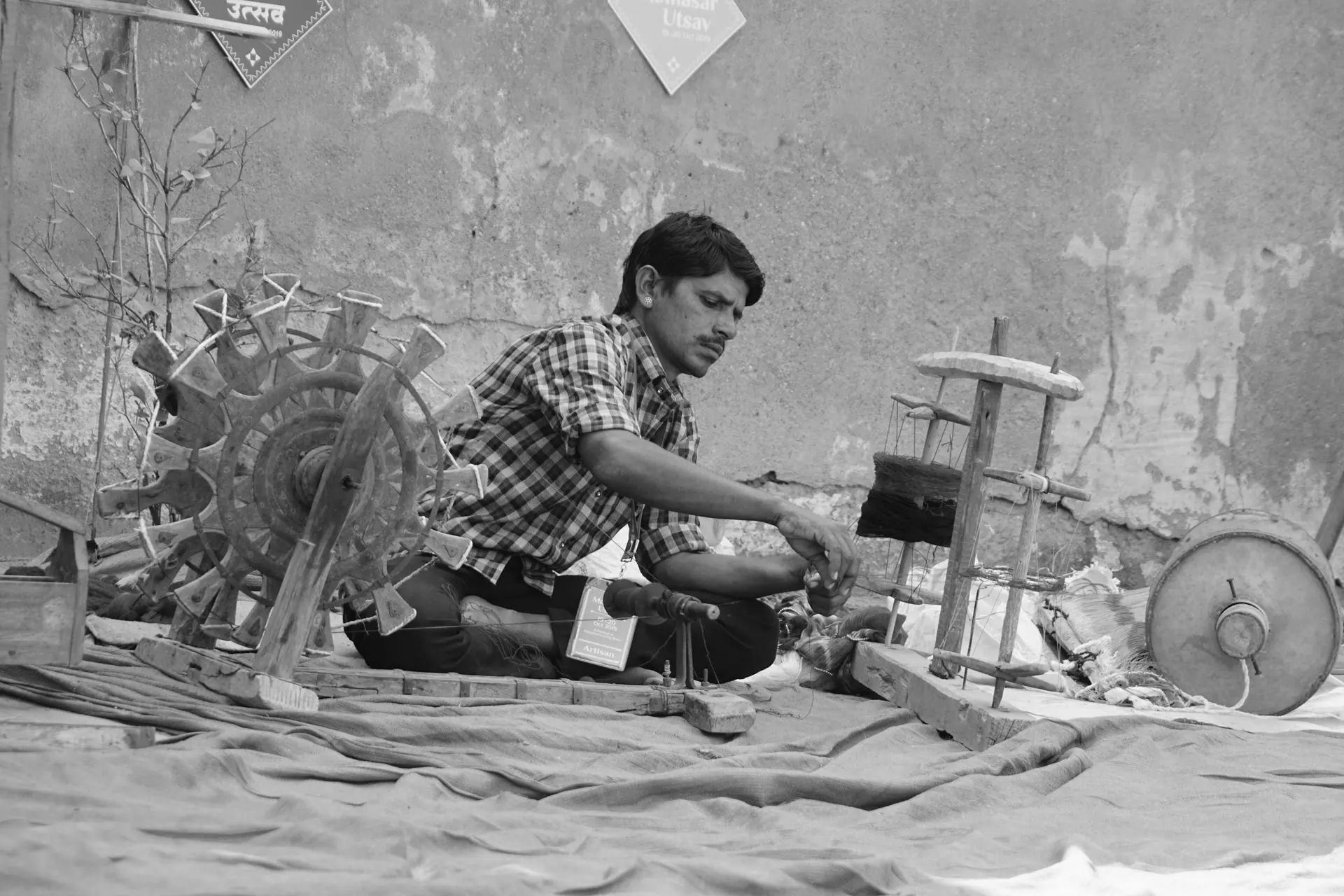
Village & Tribal Tourism
2 experiences
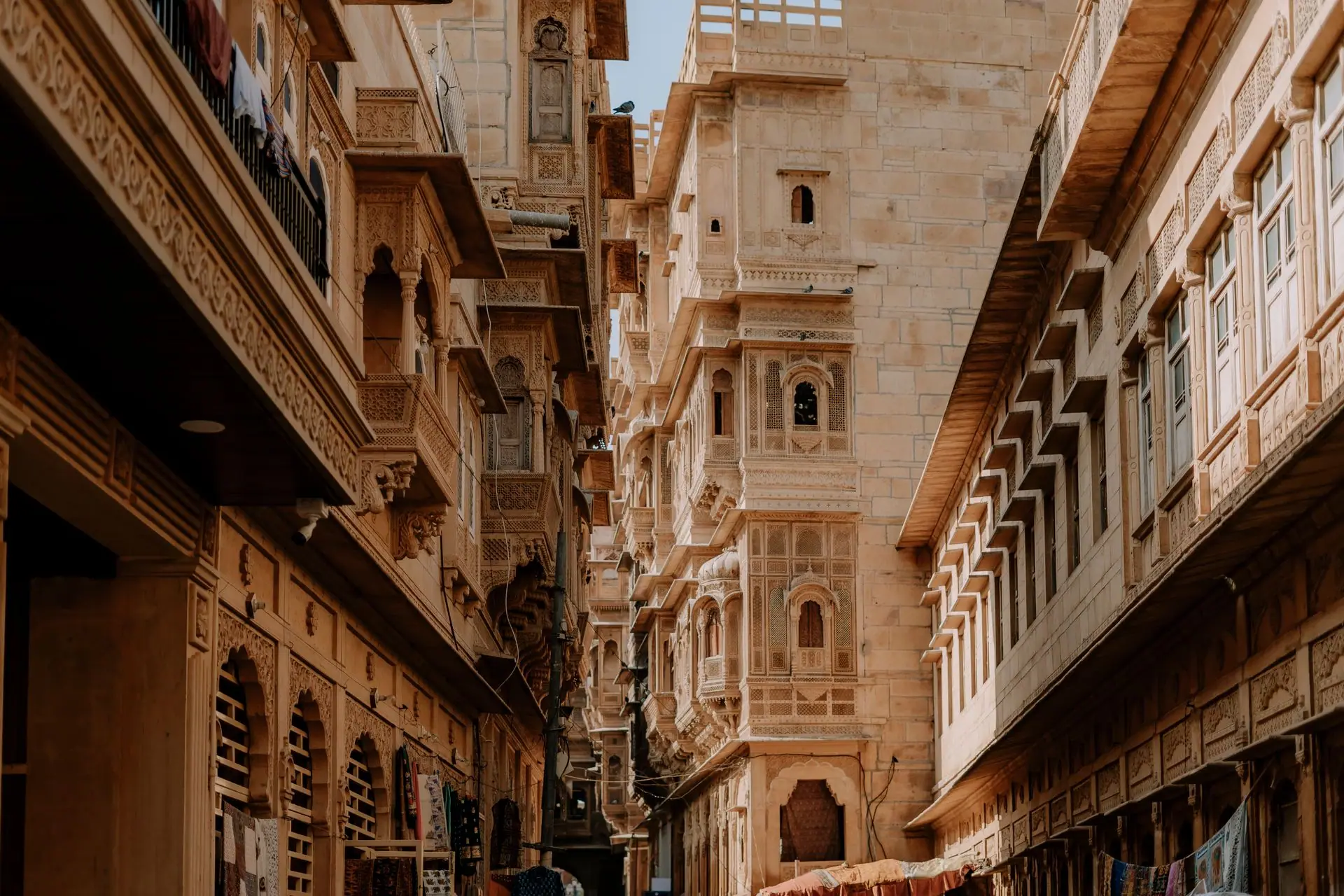
Glamping & Desert
1 experience
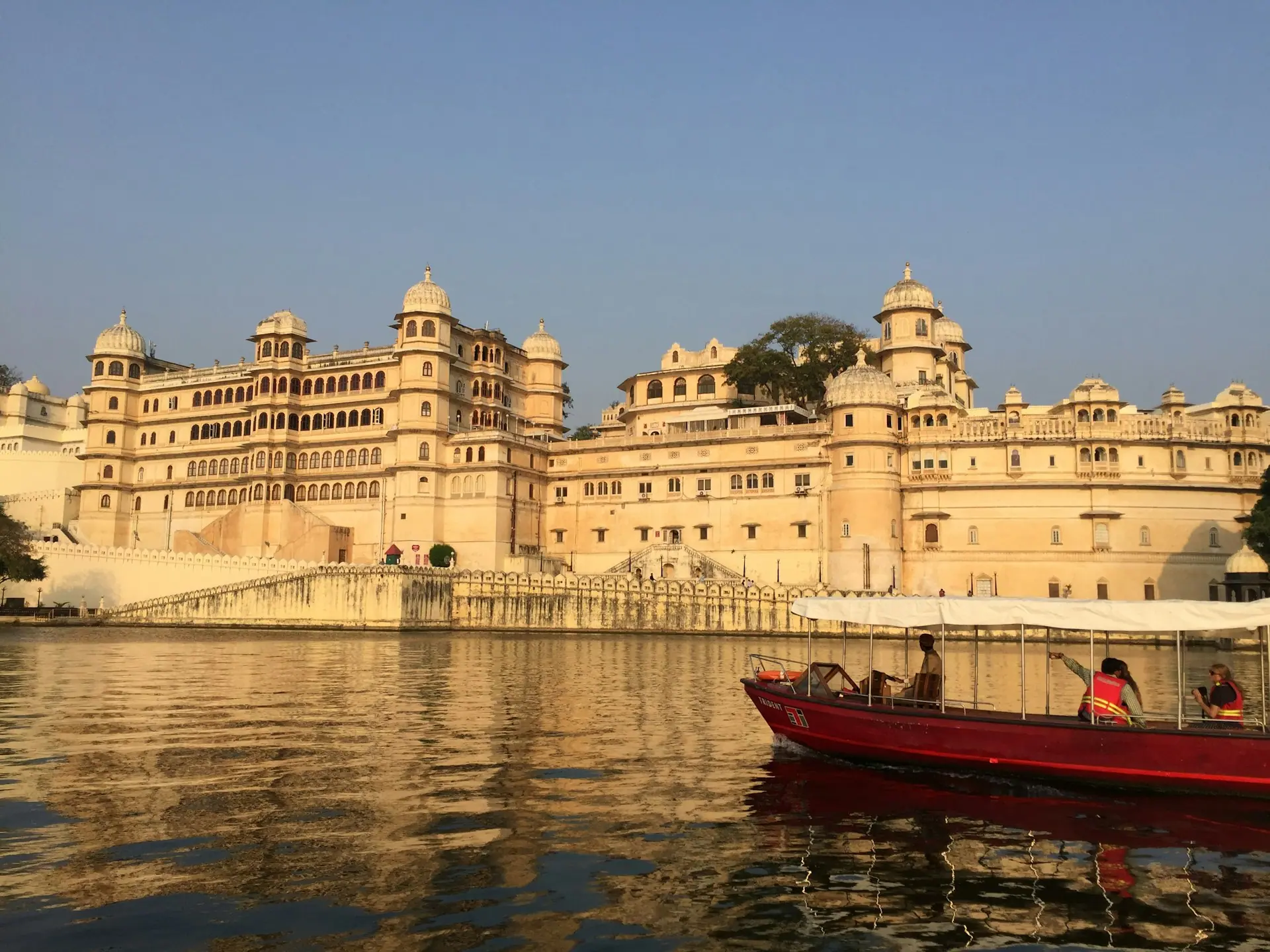
Honeymoon & Romance
3 experiences
VIP & Luxury
2 experiences
Plan a trip
Tailor-made quote from a specialist