
Best Time to Visit Kerala: Month by Month
The best time to visit Kerala is December to March, the dry season, when IMD's state averages show under 35 mm of rain a month. Kerala has two monsoons: the south-west monsoon from June to September, and the north-east monsoon, which makes October one of the wettest months. March to May is the hottest stretch, and the monsoon months suit Ayurveda and the green hills.
By Gurudutt Kaushal · Reviewed by Gurudutt Kaushal
See all 14 tours and experiences in Kerala →
Government-approved operatorApproved by the Ministry of Tourism, Government of India
Kerala's seasons at a glance
Month by month
Which month for which part of Kerala
When to go for Ayurveda
Kerala Tourism's monsoon page says that, according to Ayurveda, the monsoon is the best season for rejuvenation therapies, when the air is cool and free of dust. Centres run all year, so the dry months work too if you are combining treatment with sightseeing. Choose a centre certified by the state's Department of Tourism, as Kerala Tourism advises.
Planning around the seasons
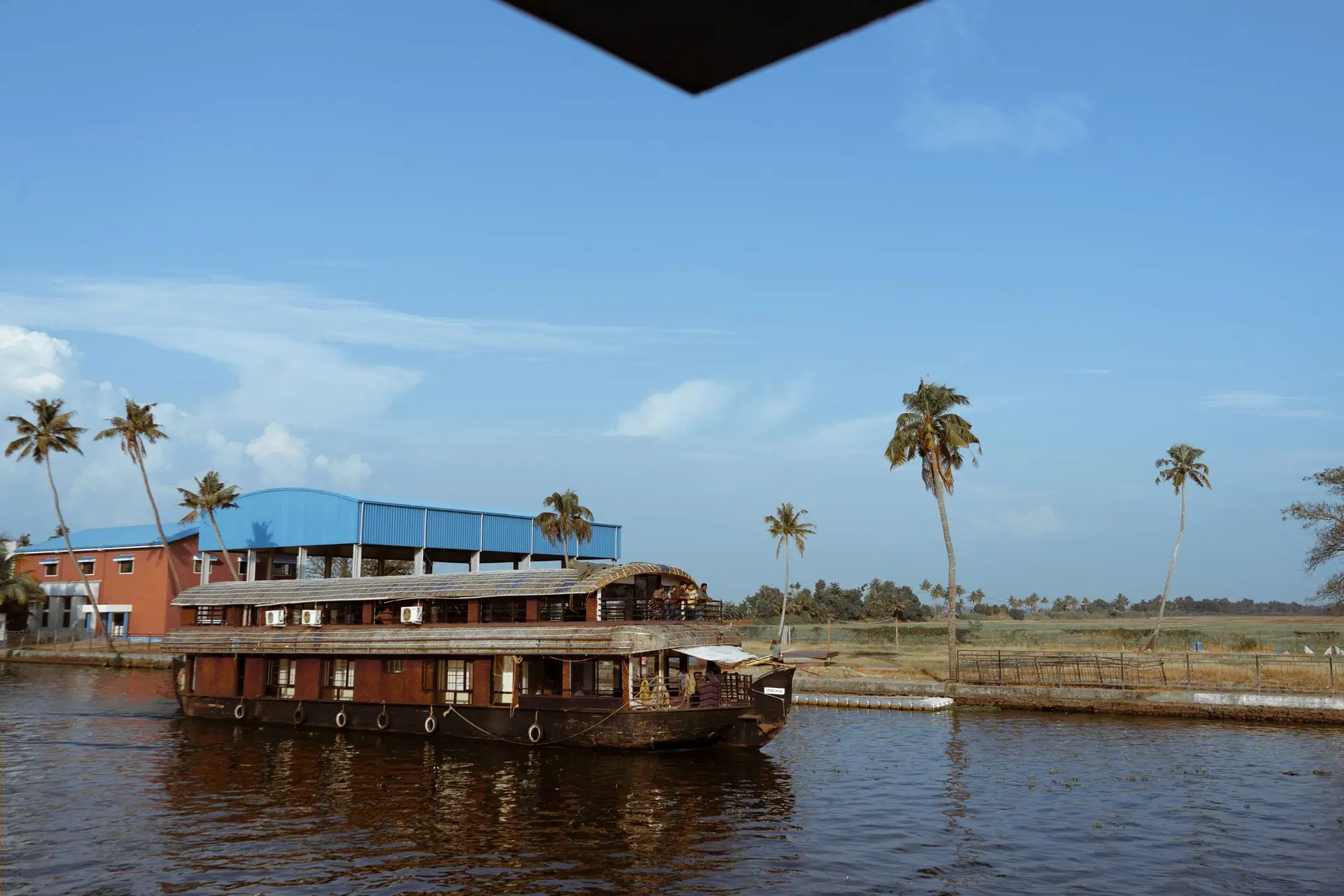
For houseboat decks, beaches and clear hill views, plan for December to March and book early for December and January. For festivals, look to August and September for Onam and the boat races, and October to May for Theyyam. For the monsoon, go for the green hills and Ayurveda, and allow slack for rain. Every season's routes are on our Kerala tour packages page and our Kerala tours and experiences page, and the places themselves are in our Kerala travel guide.
Why book with Experience My India
Government-approved operator
Approved by the Ministry of Tourism, Government of India
500+ vetted local guides
35+ destination specialists plan every trip by hand.
Human help, every day
Mon–Sun, 9:00 AM – 9:00 PM IST · +91 73022 65809
No payment until you approve
You receive a written quote first; nothing is charged to start planning.
Frequently asked questions
Is December a good time to visit Kerala?
Yes. December starts the dry season, with about 35 mm of rain on IMD's state average, and Eravikulam National Park in Munnar is open, which it is not in February and March. It is also one of the two busiest months on the houseboats on our routes, so book early. In the far south, Thiruvananthapuram still averages about 63 mm, and Fort Kochi's carnival fills the old quarter on New Year's Eve.
Can you visit Kerala in March?
Yes; March is one of the driest months, at about 33 mm of rain. It is getting hot, though: IMD's pre-monsoon normals are the year's highest, about 33°C by day on the coast. Eravikulam National Park is closed until 1 April for the Nilgiri tahr's calving season, so Munnar visitors see the tea estates and lakes but not the tahr. Theyyam continues in the north.
How hot does Kerala get in April and May?
IMD's pre-monsoon normals, for March to May, put daytime highs at about 33°C at Kochi, Alappuzha and Thiruvananthapuram, about 34°C at Kannur, and 35 to 36°C inland at Punalur and Palakkad, with nights around 25°C. Humidity makes it feel hotter, and May adds about 224 mm of rain. The hill stations, such as Munnar at about 1,600 metres, are cooler.
Is September a good time to visit Kerala?
It is green and festive rather than dry. September is still the south-west monsoon, at about 260 mm of rain on the state average, though far less than July's 720 mm. Onam can fall in September, and the snake-boat races continue through the month. Travel with spare time for rain; October, at 303 mm, is wetter still.
When is the Theyyam season in North Kerala?
Kerala Tourism puts it at mid-October to late May, in the sacred groves and village shrines of Kannur and Kasaragod. Each shrine keeps its own calendar, and a ritual can run through the night, so dates must be matched to your trip. Our Theyyam ritual begins by finding shrines near your route on your dates.
Tour packages in Kerala
See all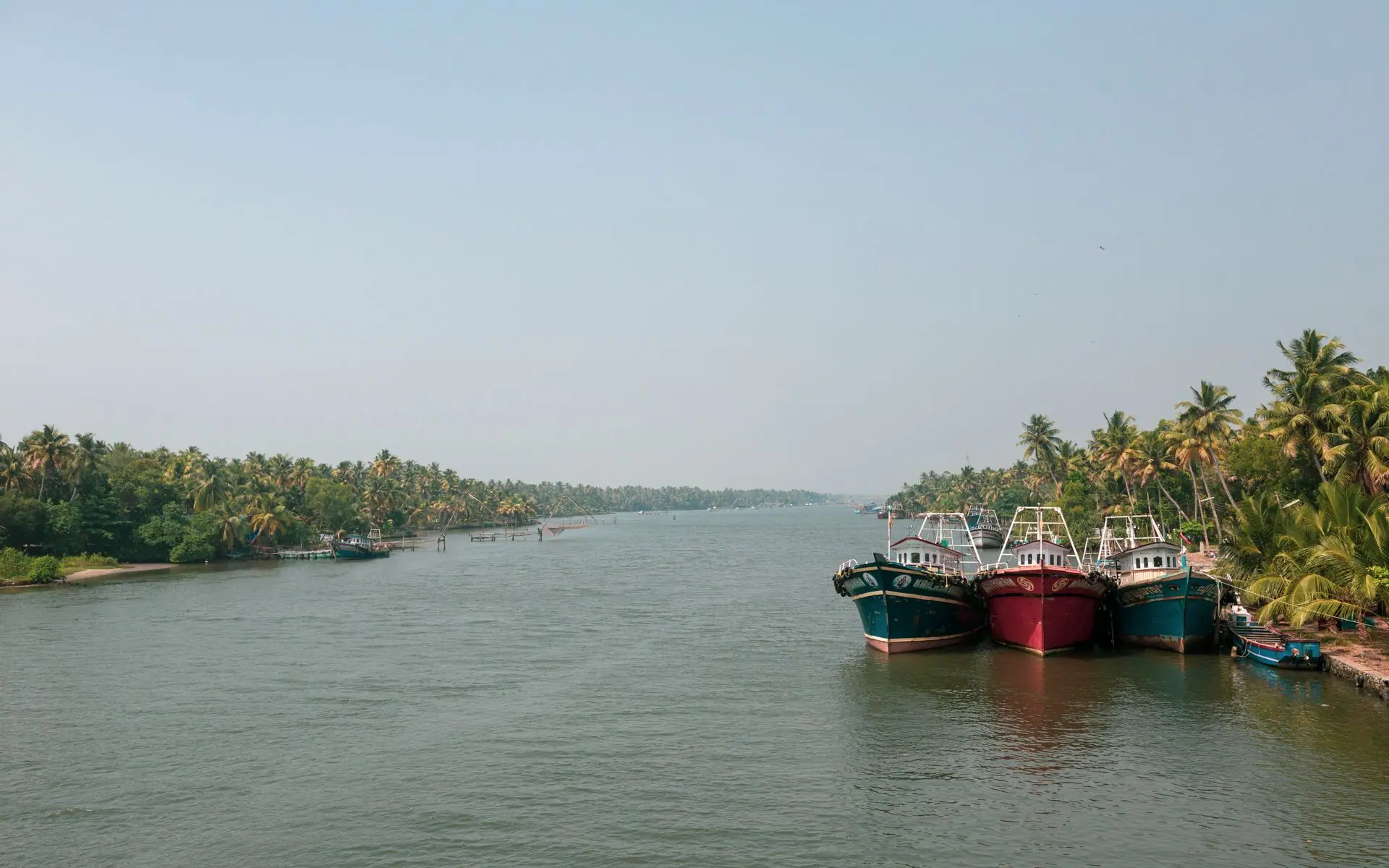
Kerala
Kerala family holiday
Private guide and vehicle throughout
Price on request
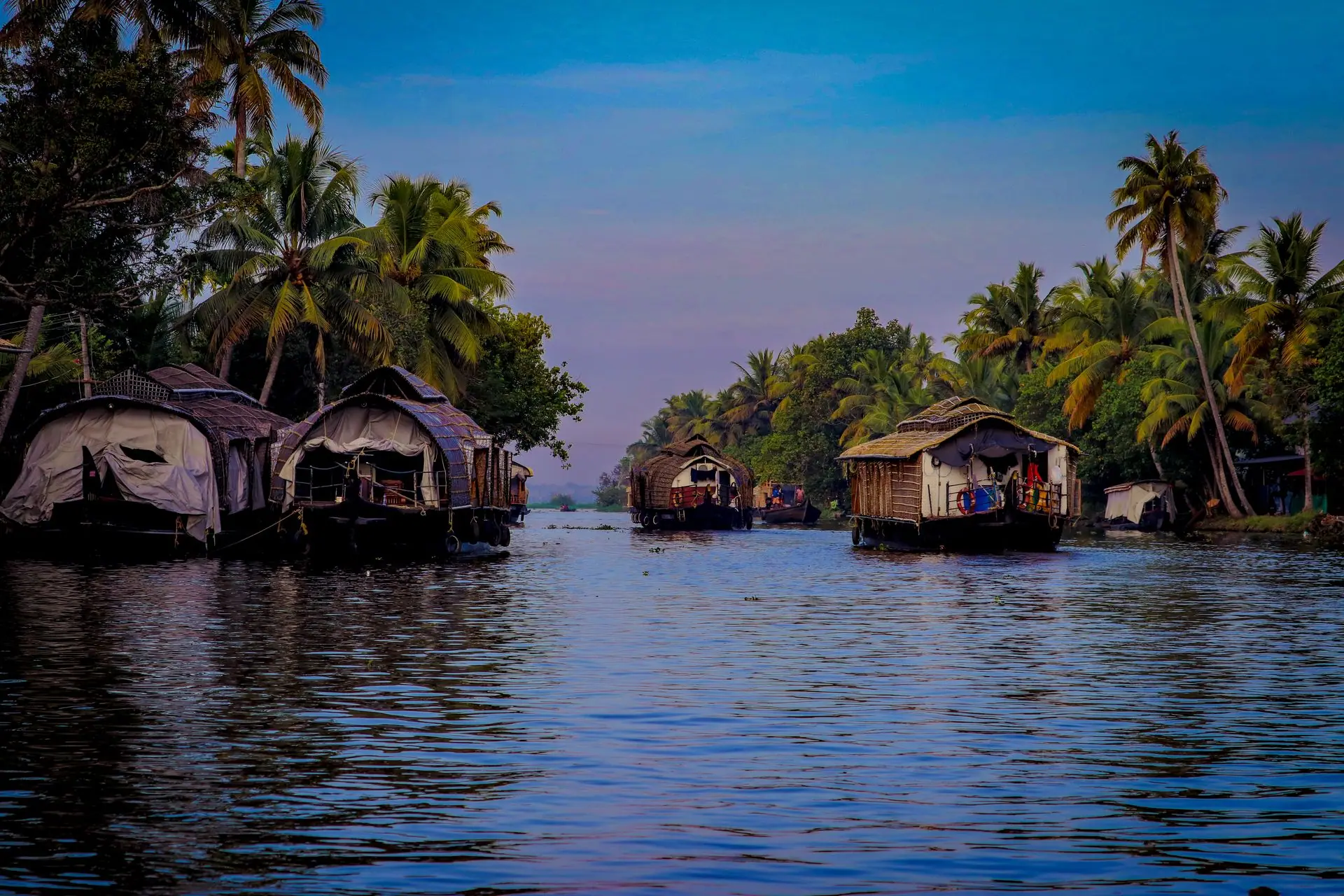
Kerala Backwaters Tour — 7 days
Kerala Backwaters Tour — 7 days
7 days / 6 nights • Private guide and vehicle
Price on request
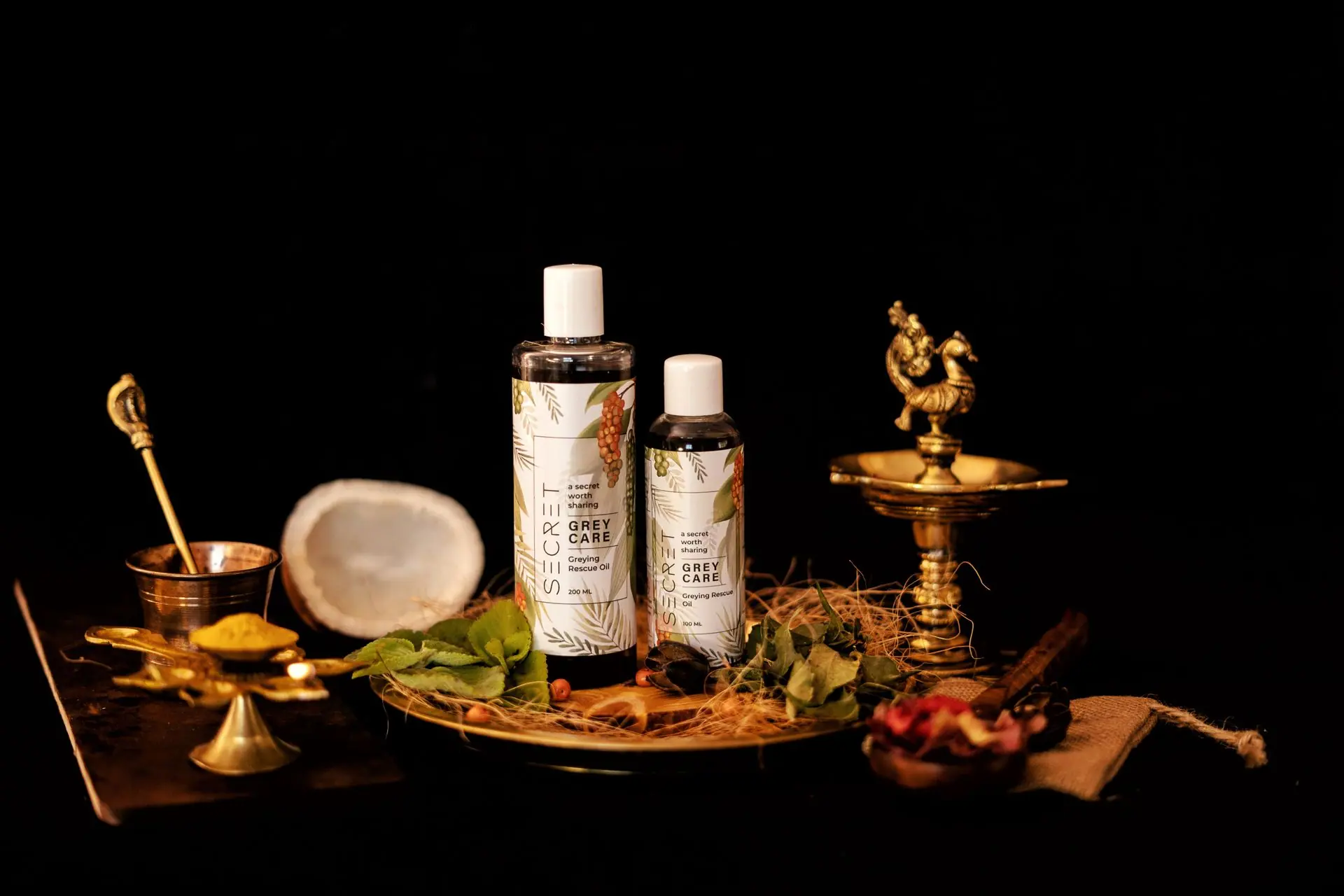
Kerala Ayurveda Retreat — 10 days
Kerala Ayurveda Retreat — 10 days
10 days / 9 nights • Private guide and vehicle
Price on request
Experiences in Kerala
See all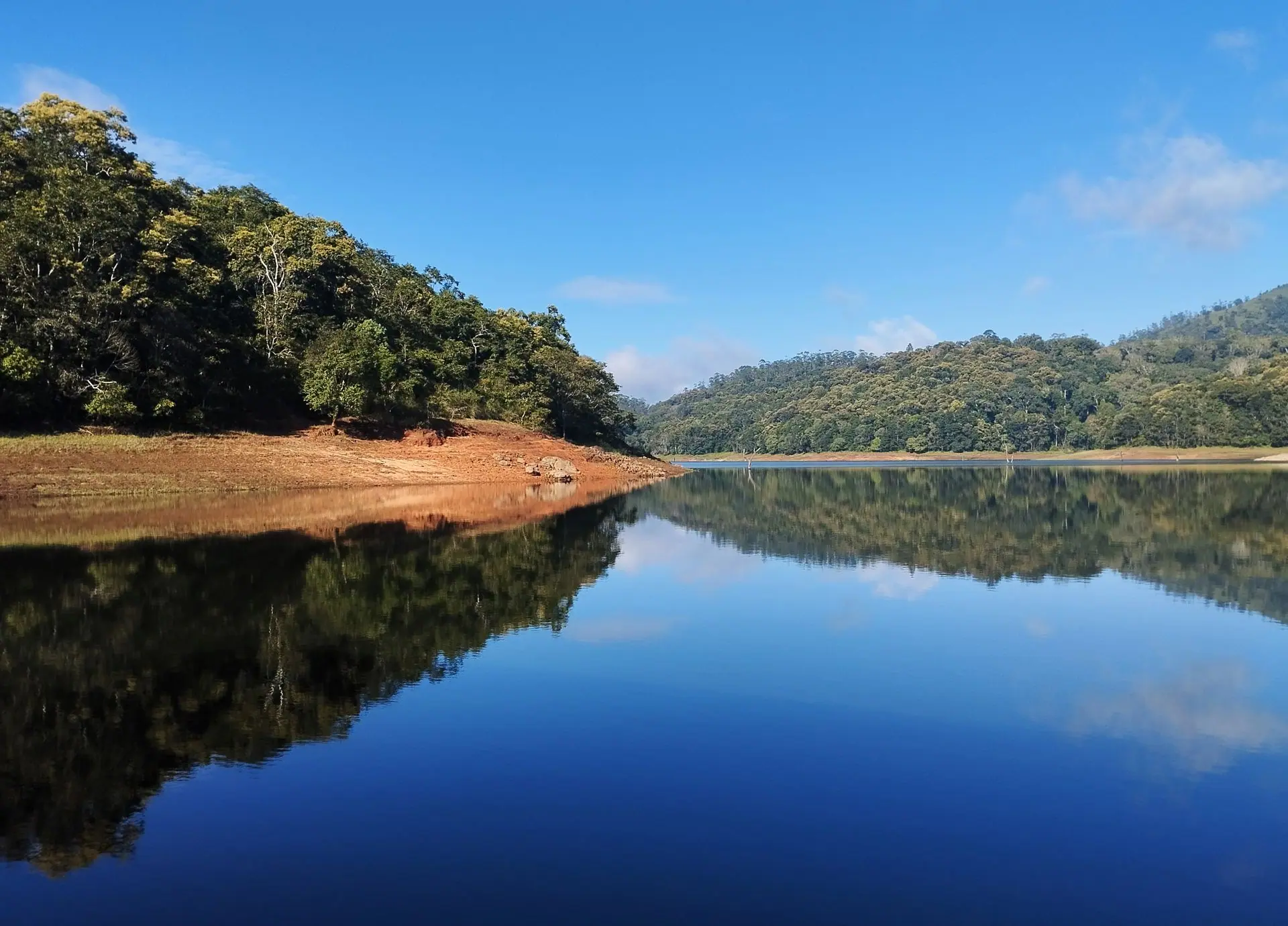
Periyar Tiger Reserve
Periyar boat safari, Thekkady
Private guide throughout
Price on request
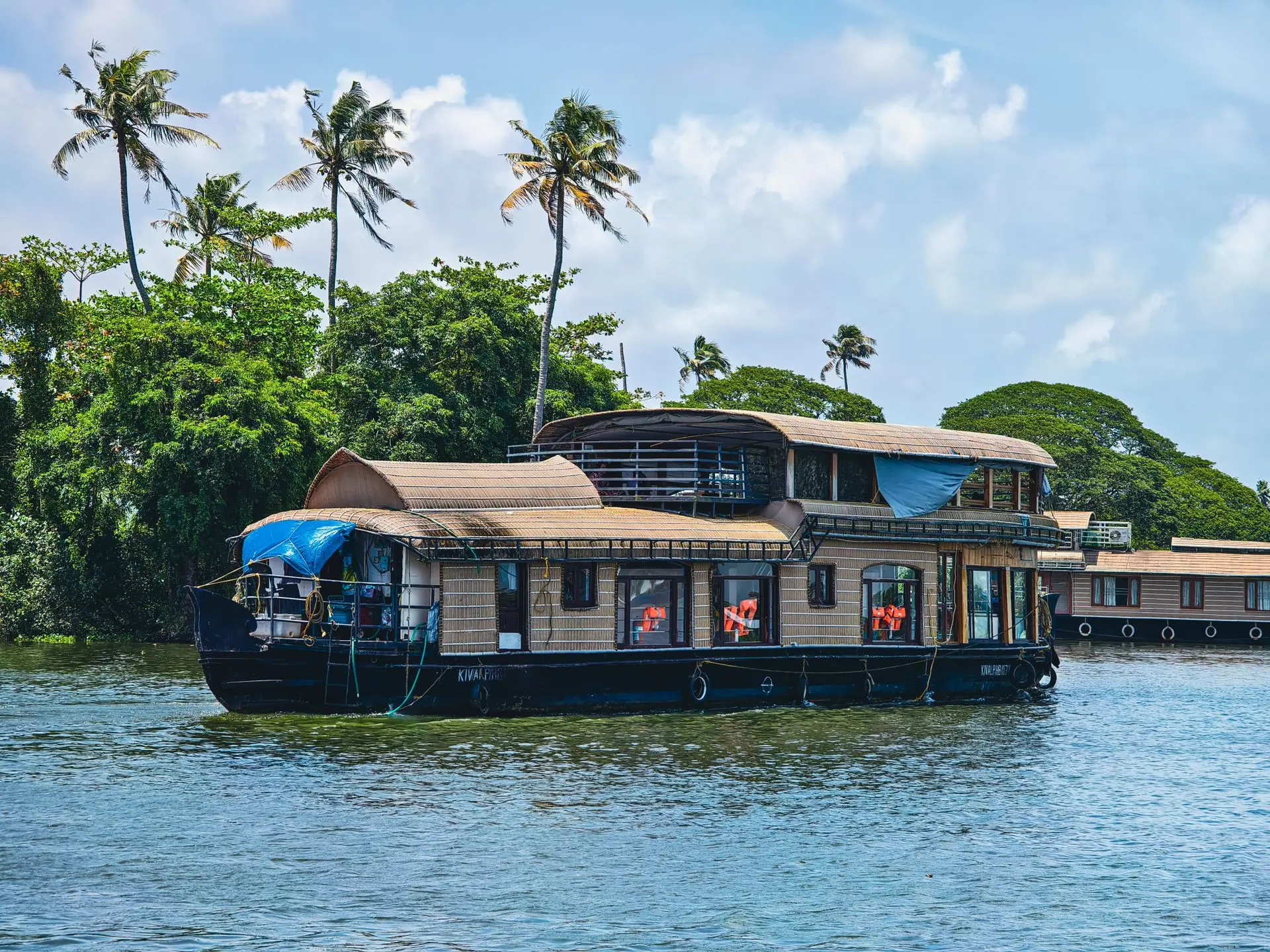
Alleppey
Alleppey houseboat cruise
Private guide and vehicle to and from the boarding jetty
Price on request
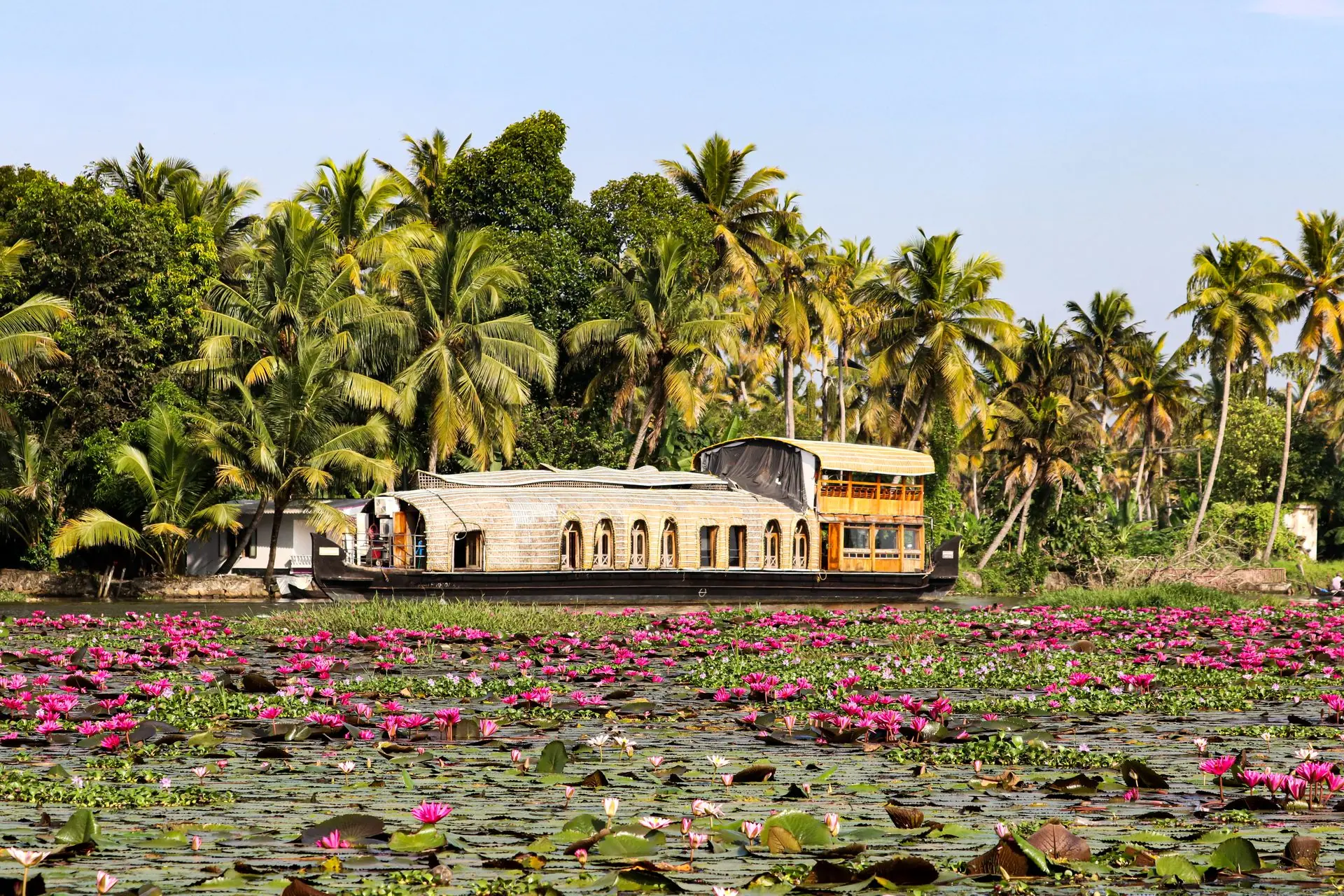
Kumarakom
Kumarakom backwater day cruise
Private guide and vehicle to and from Kumarakom
Price on request
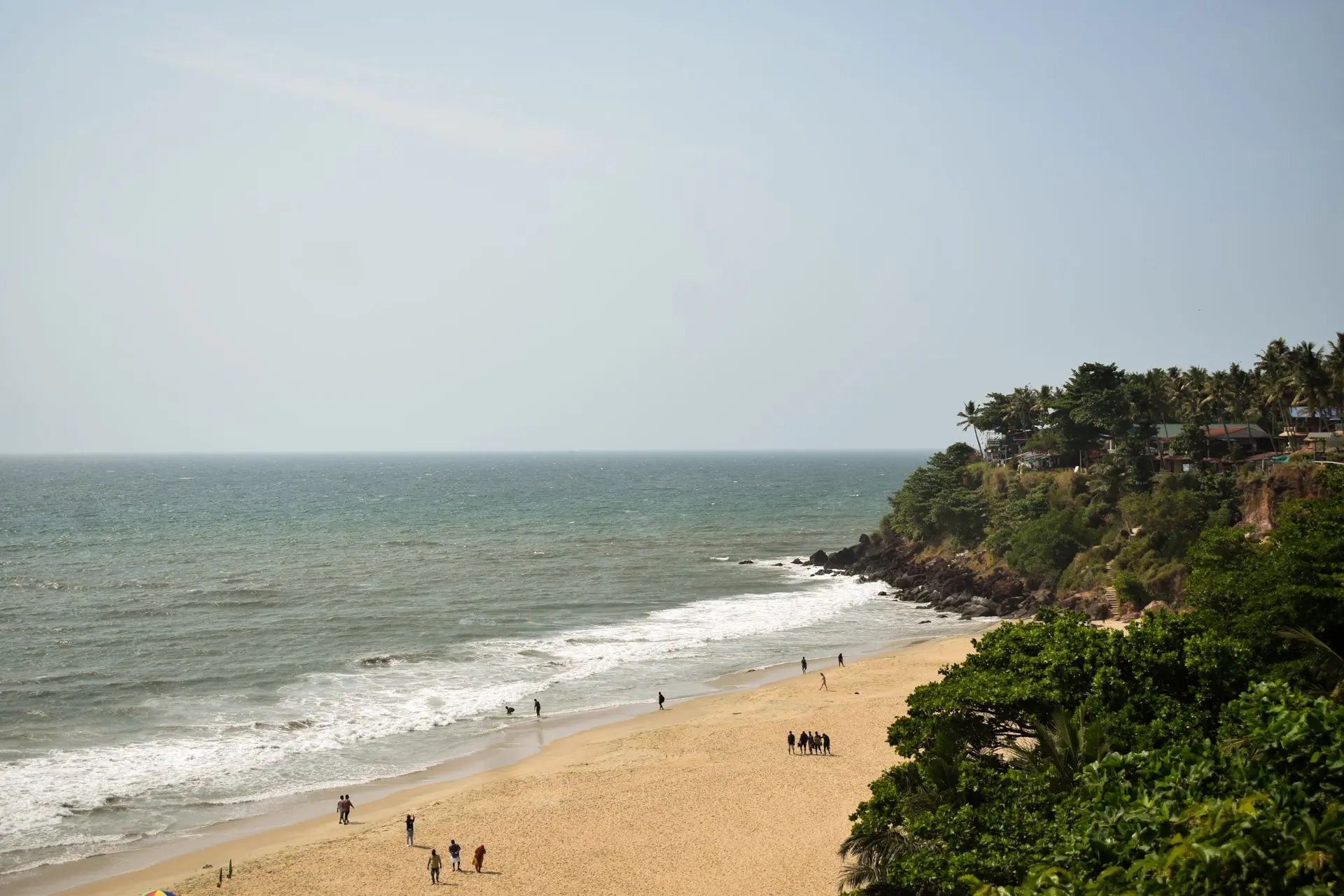
Varkala
Varkala cliff beach day
Private guide and vehicle to and from Varkala
Price on request
Kerala
Kerala Panchakarma retreat
Price on request
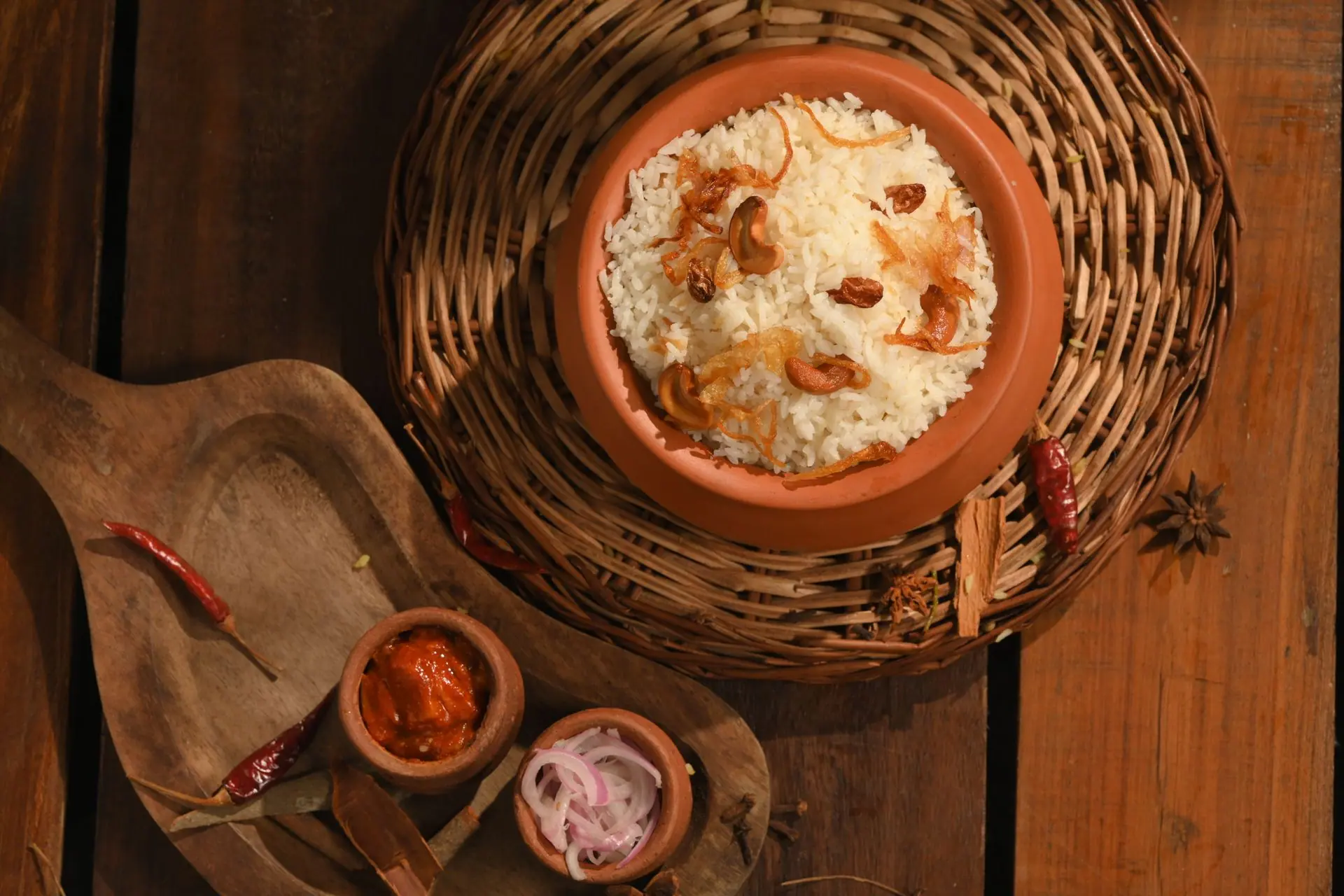
Kerala
Kerala sadya experience
Price on request
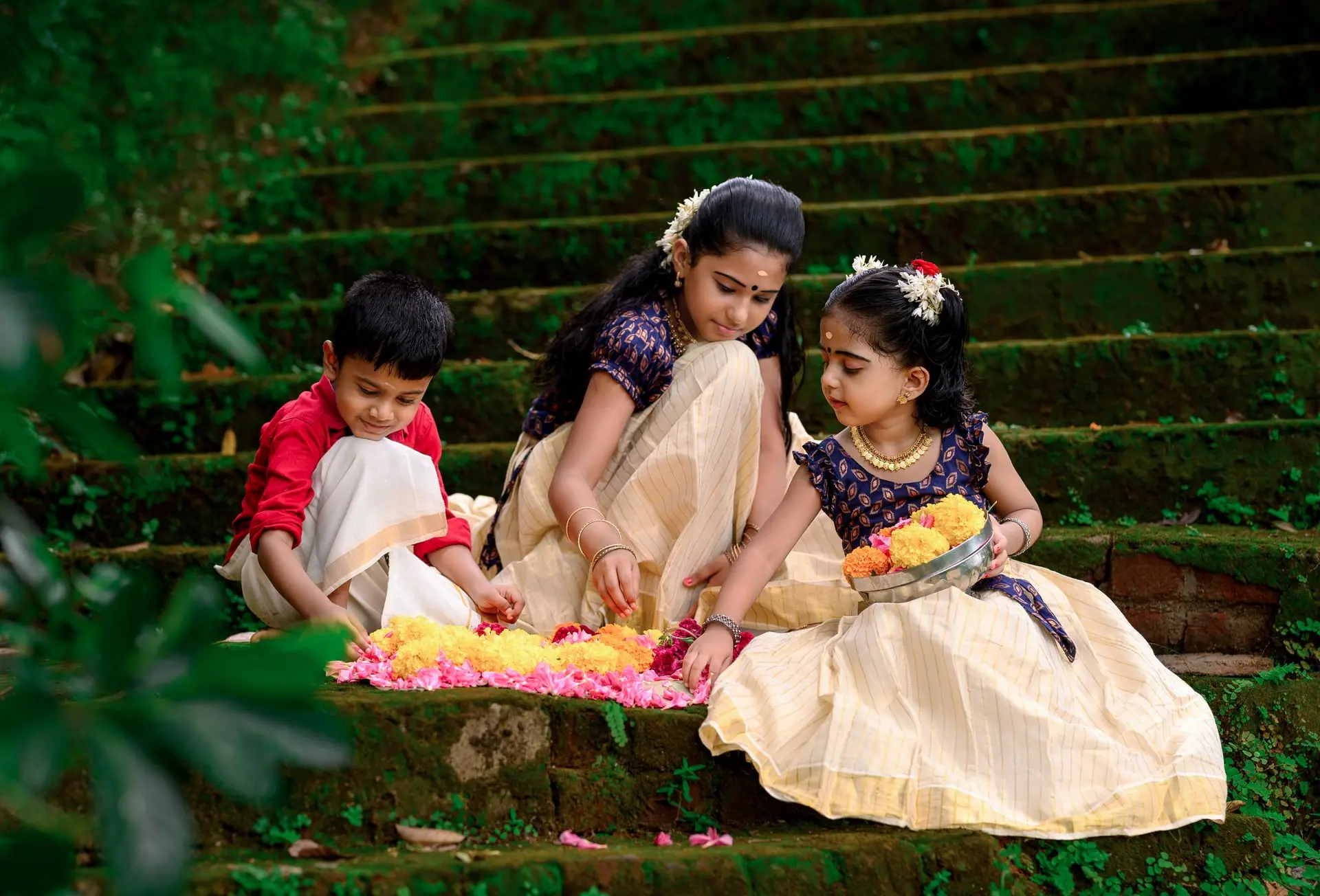
Kerala
Onam in Kerala
Private guide and vehicle
Price on request
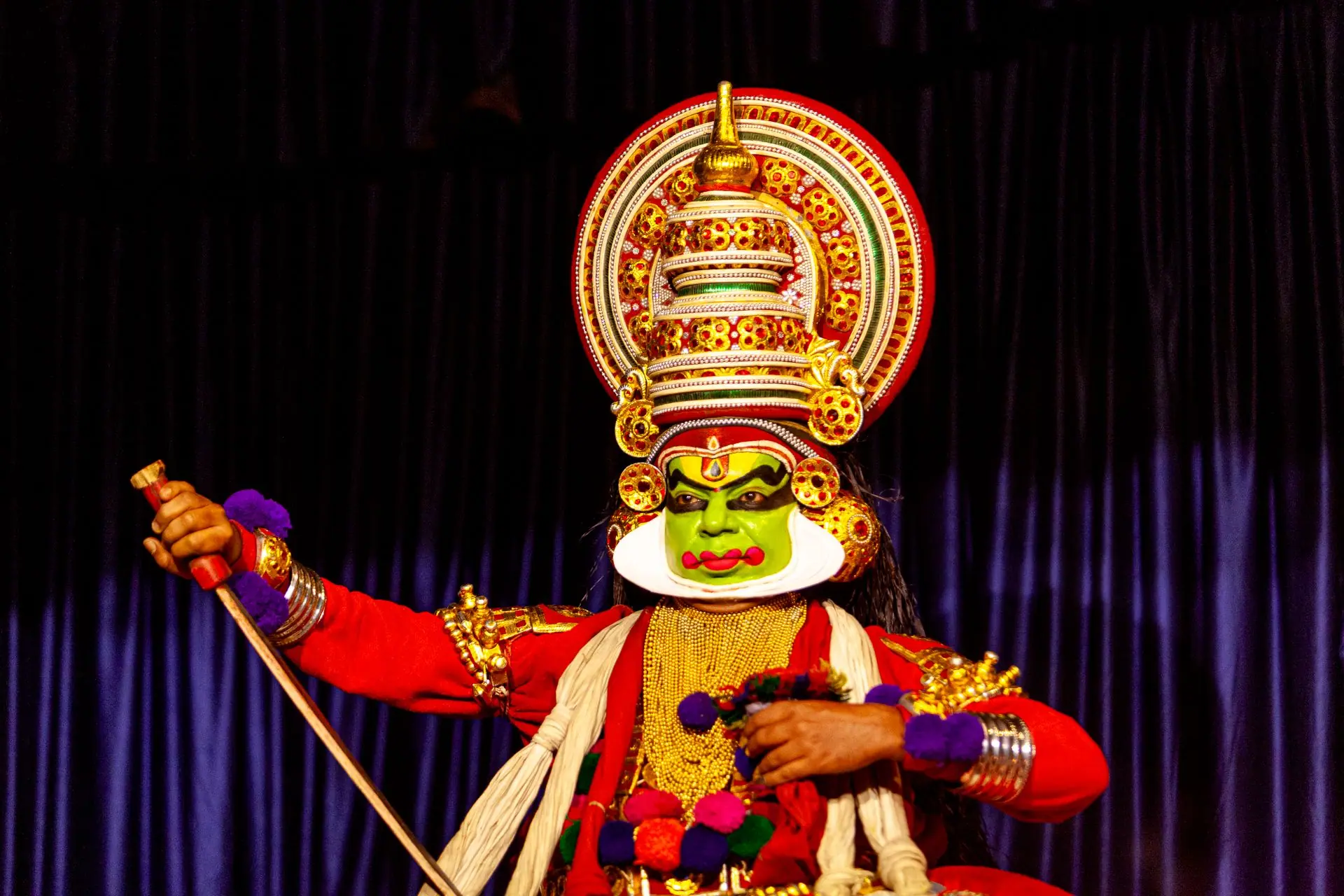
Kochi
Kathakali performance in Kochi
Private guide and vehicle
Price on request
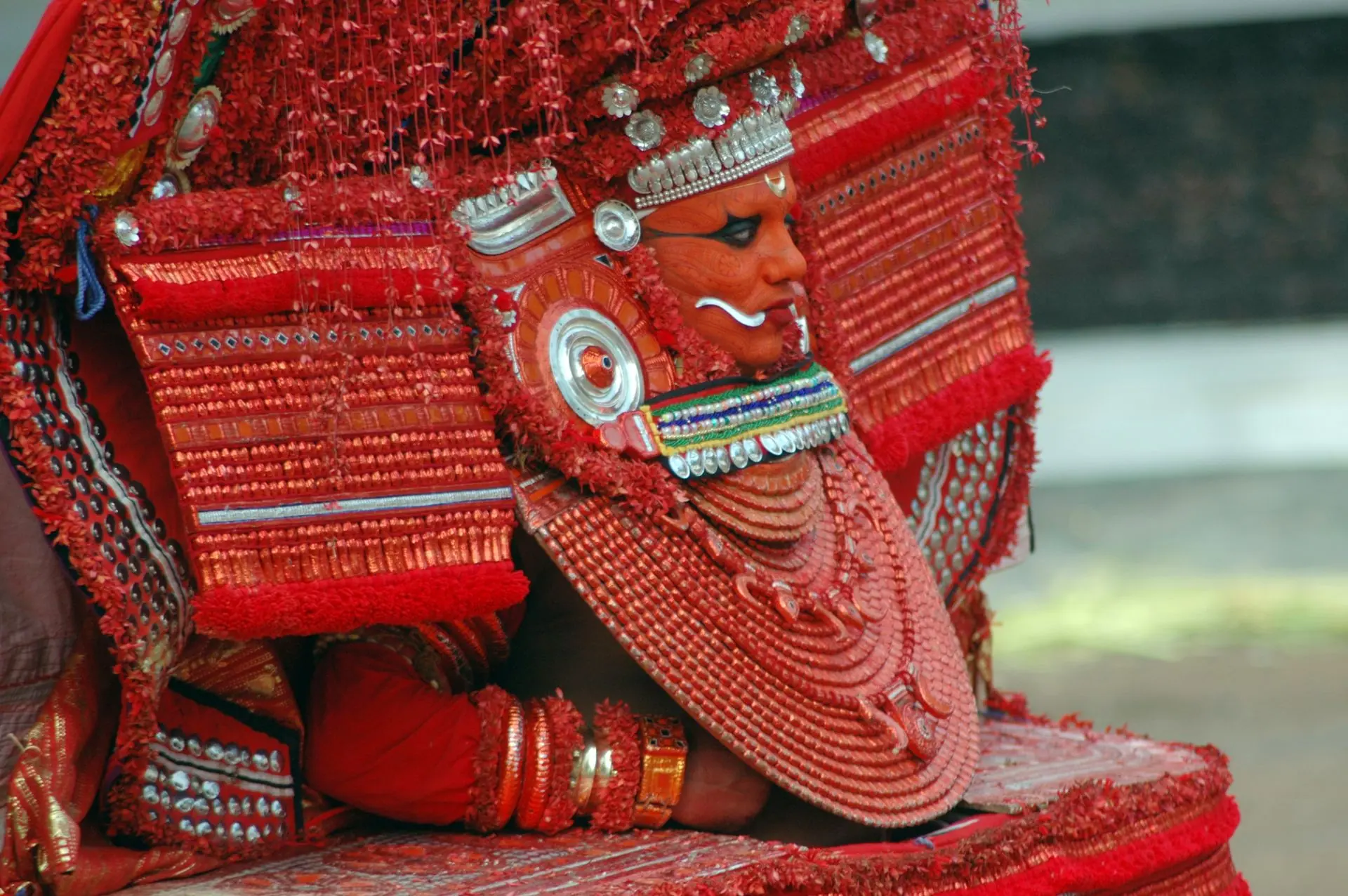
Theyyam
Theyyam ritual in Kerala
Private guide with temple-calendar knowledge
Price on request
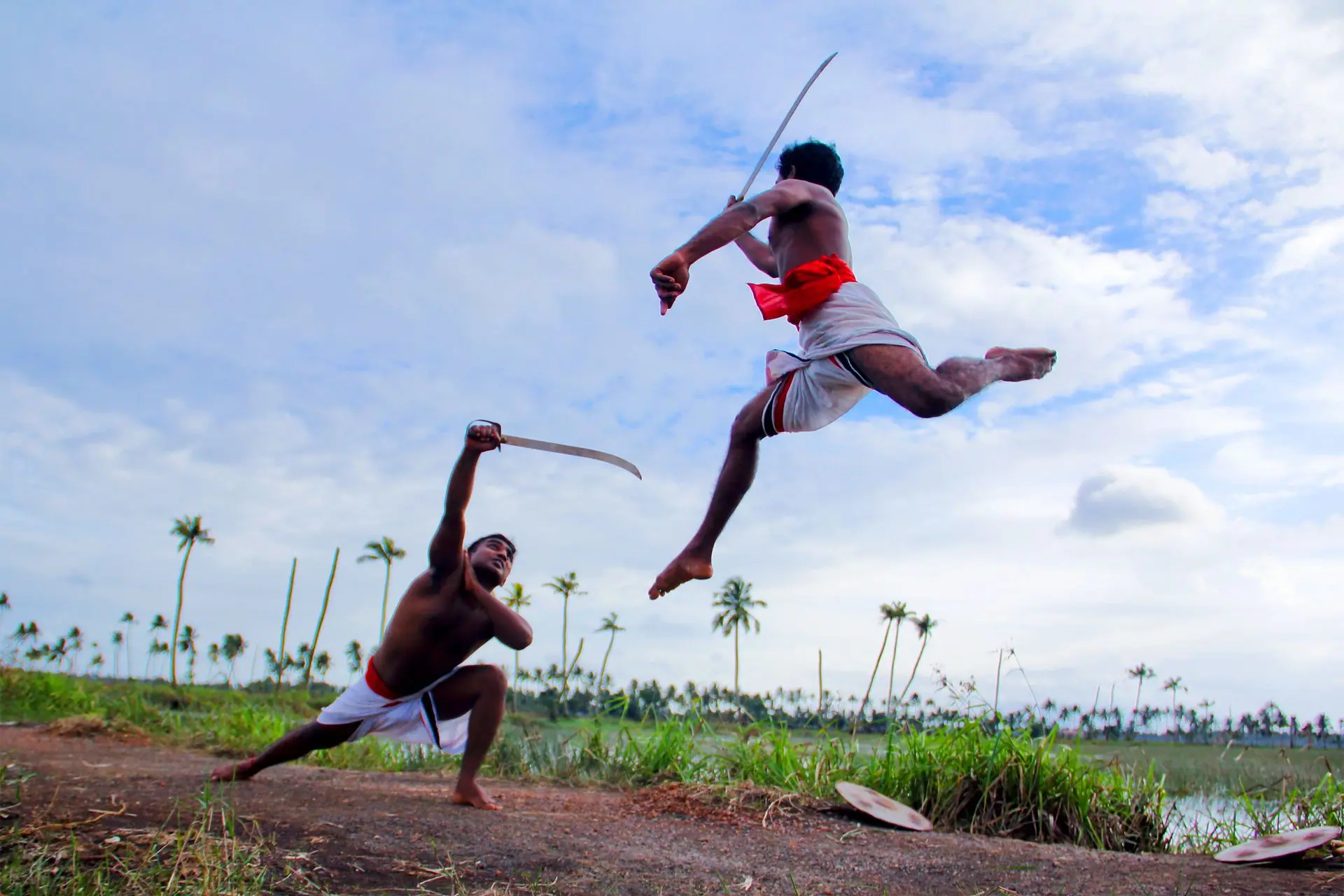
Kalaripayattu
Kalaripayattu show, Kerala
Private guide and vehicle
Price on request
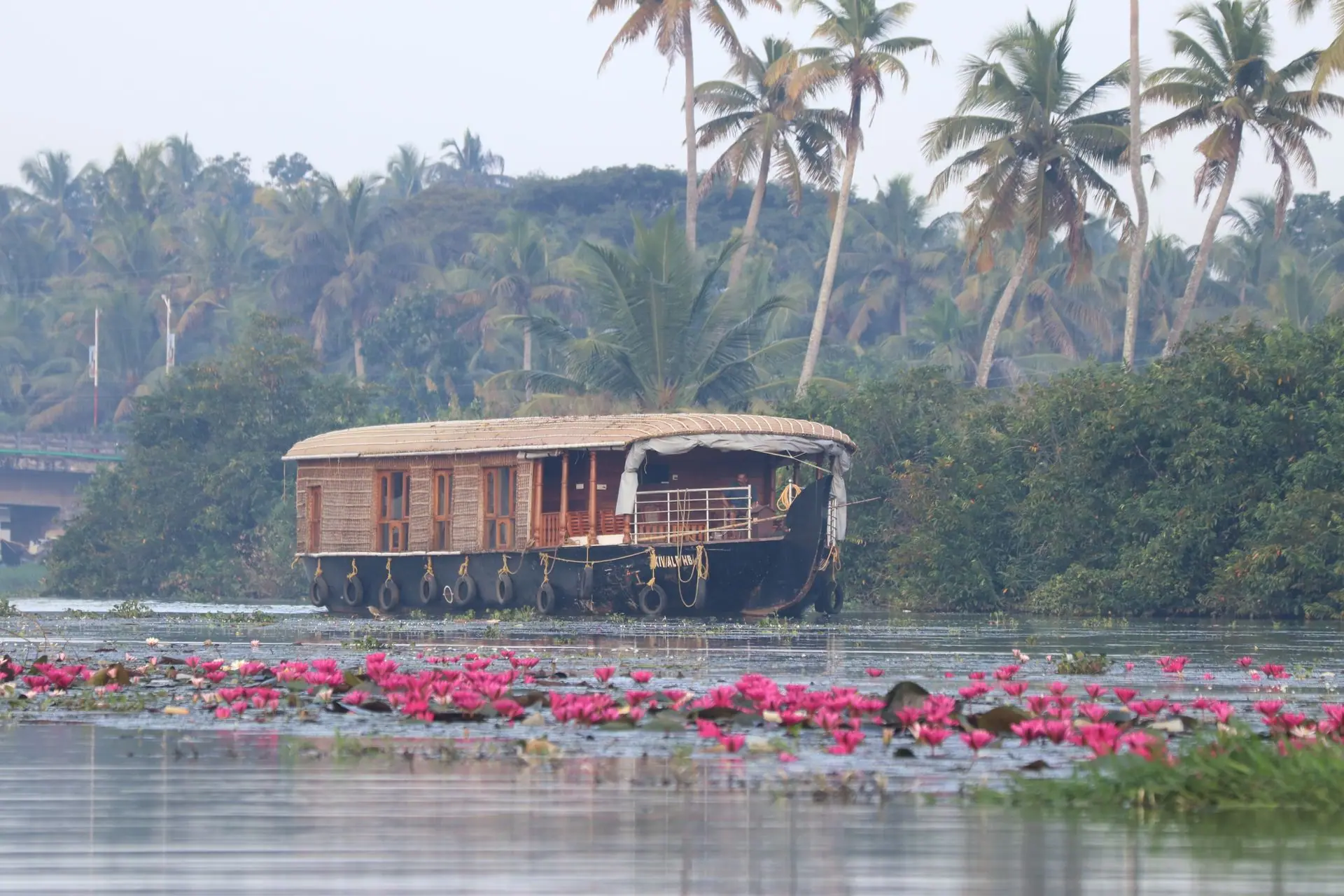
Kerala Backwaters
Kerala honeymoon houseboat
Private houseboat charter, not shared
Price on request
More places in Kerala
See all
From the journal: Kerala
Journal
Top Budget Kerala Houseboat Tour Packages for Couples & Families
Journal
Affordable Monsoon Kerala Tour Packages
Journal
Offbeat Kerala Package Tours – Hidden Gems Beyond the Backwaters
Journal
Best Beaches in Kerala for Honeymoon, Adventure & Relaxation
Journal
8 Important Things to Know About Kerala India That No One Talks About
Journal
Chembra Peak Heart Lake – A Hidden Paradise in Kerala
Journal
Kerala Tour Packages from Thrissur – Explore God’s Own Country
Journal
Discover the Enchanting Charms of South Indian Kerala
Journal
Hidden gems in Kerala
Journal
Kerala tourist places for a one-day trip
Journal
Kerala tours and packages: discover God's own country
Customer reviews
Experience My India is rated 4.3 on Tripadvisor. We publish guest reviews after each trip.
Plan a trip
Tailor-made quote from a specialist