
Places in Rajasthan
More things to do in Rajasthan
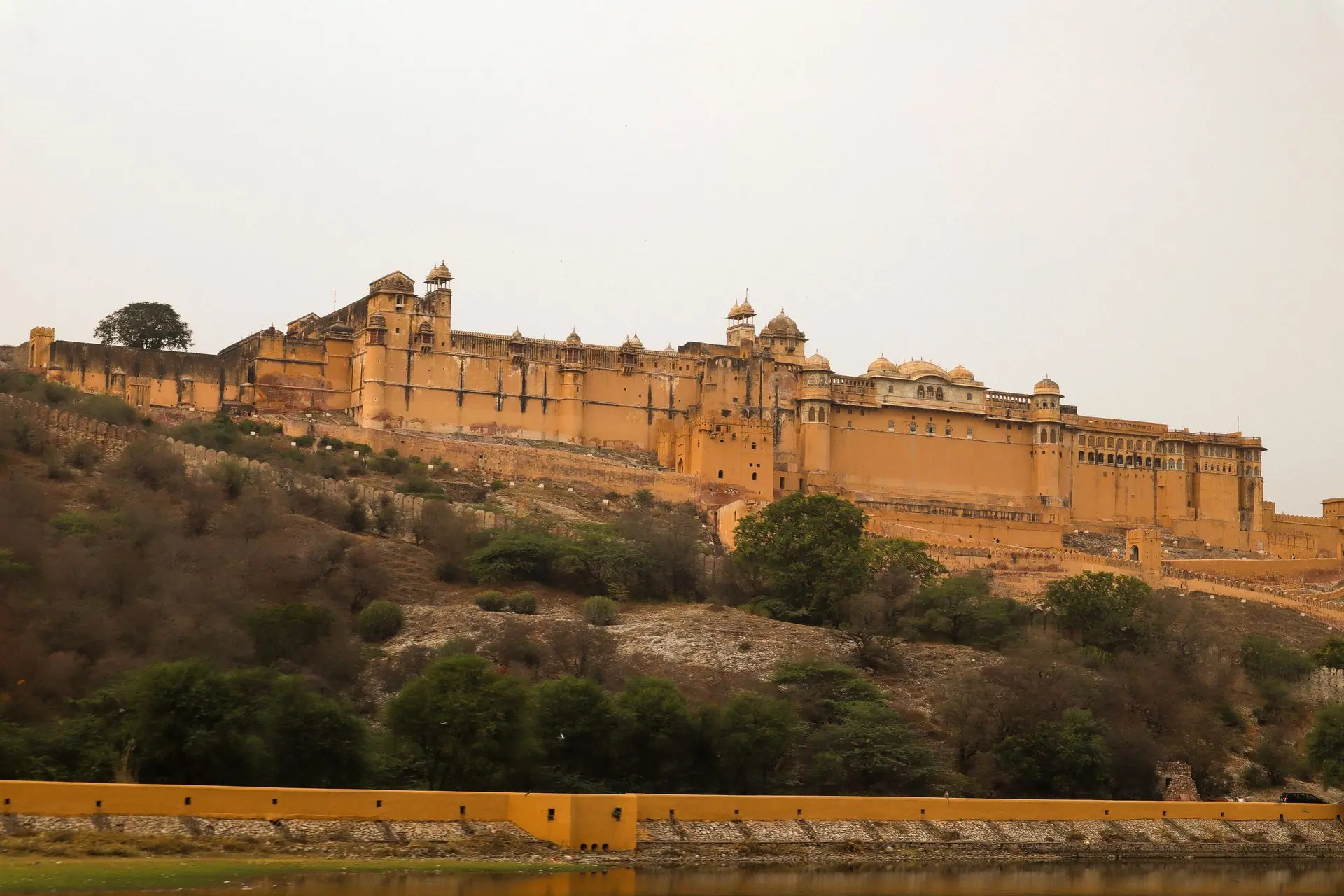
Amber Fort
Amber Fort experience
Price on request
View details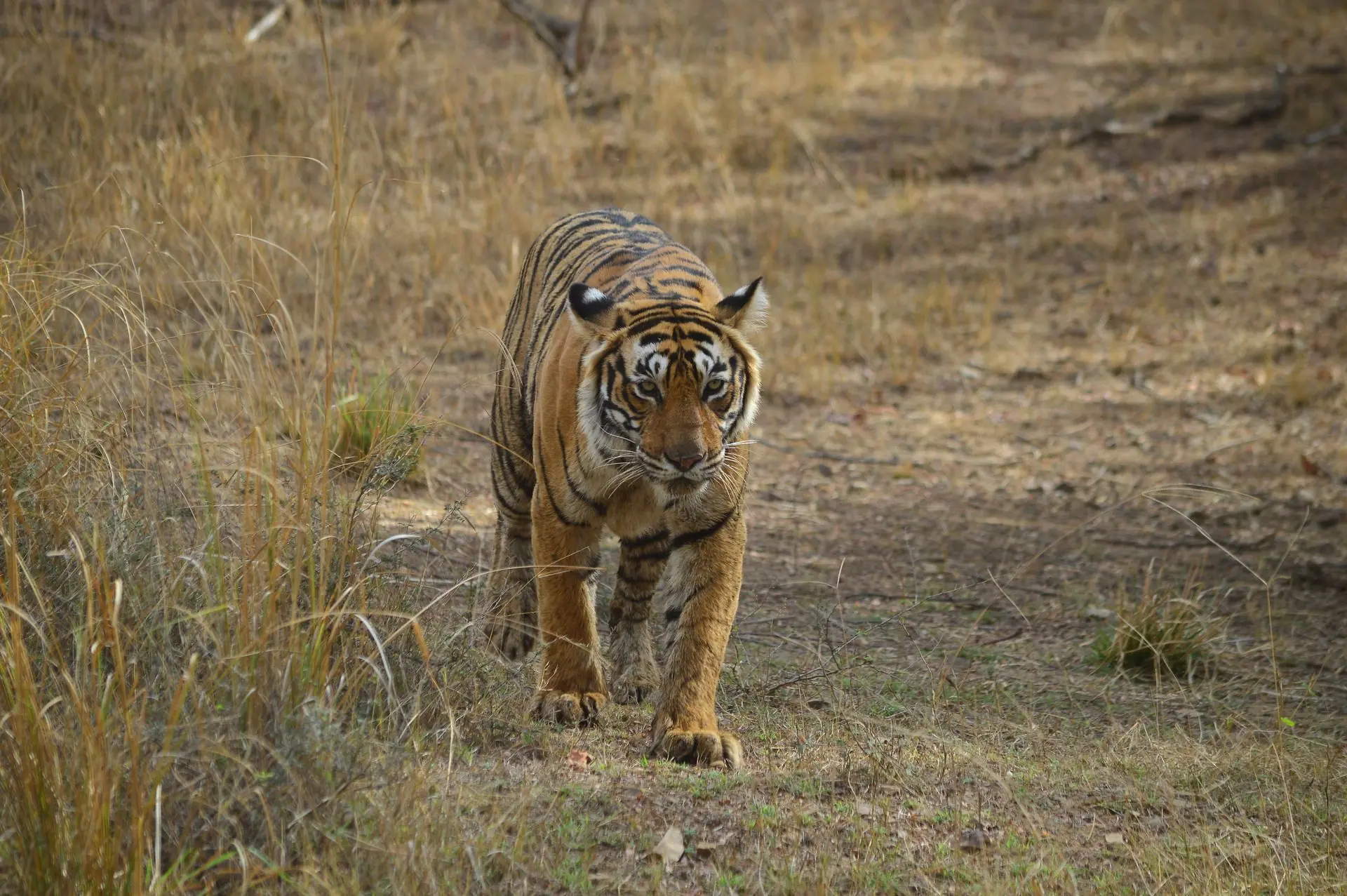
Ranthambore National Park
Ranthambore tiger safari
Price on request
View details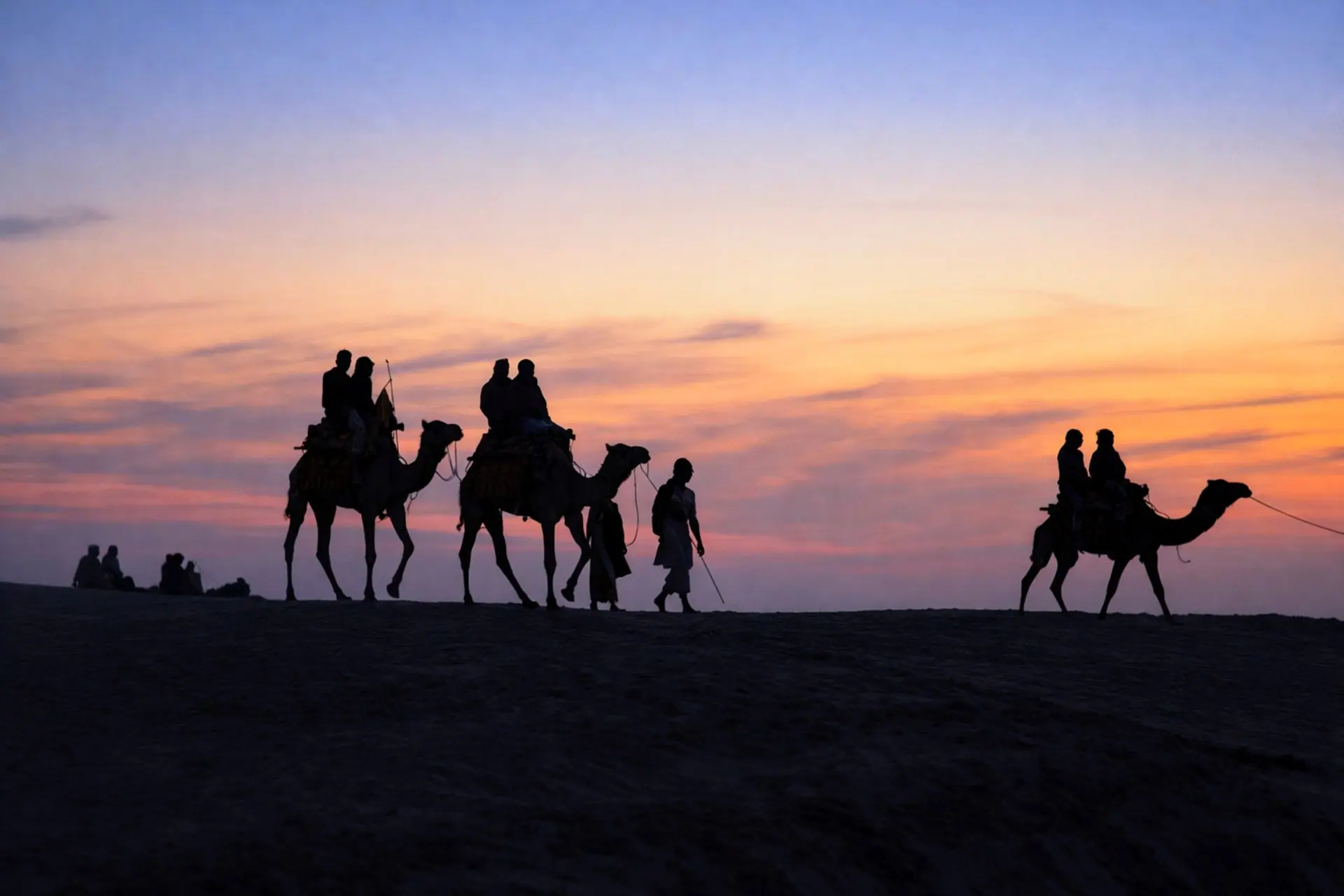
Jaisalmer, Thar Desert
Thar Desert camel safari
Price on request
View details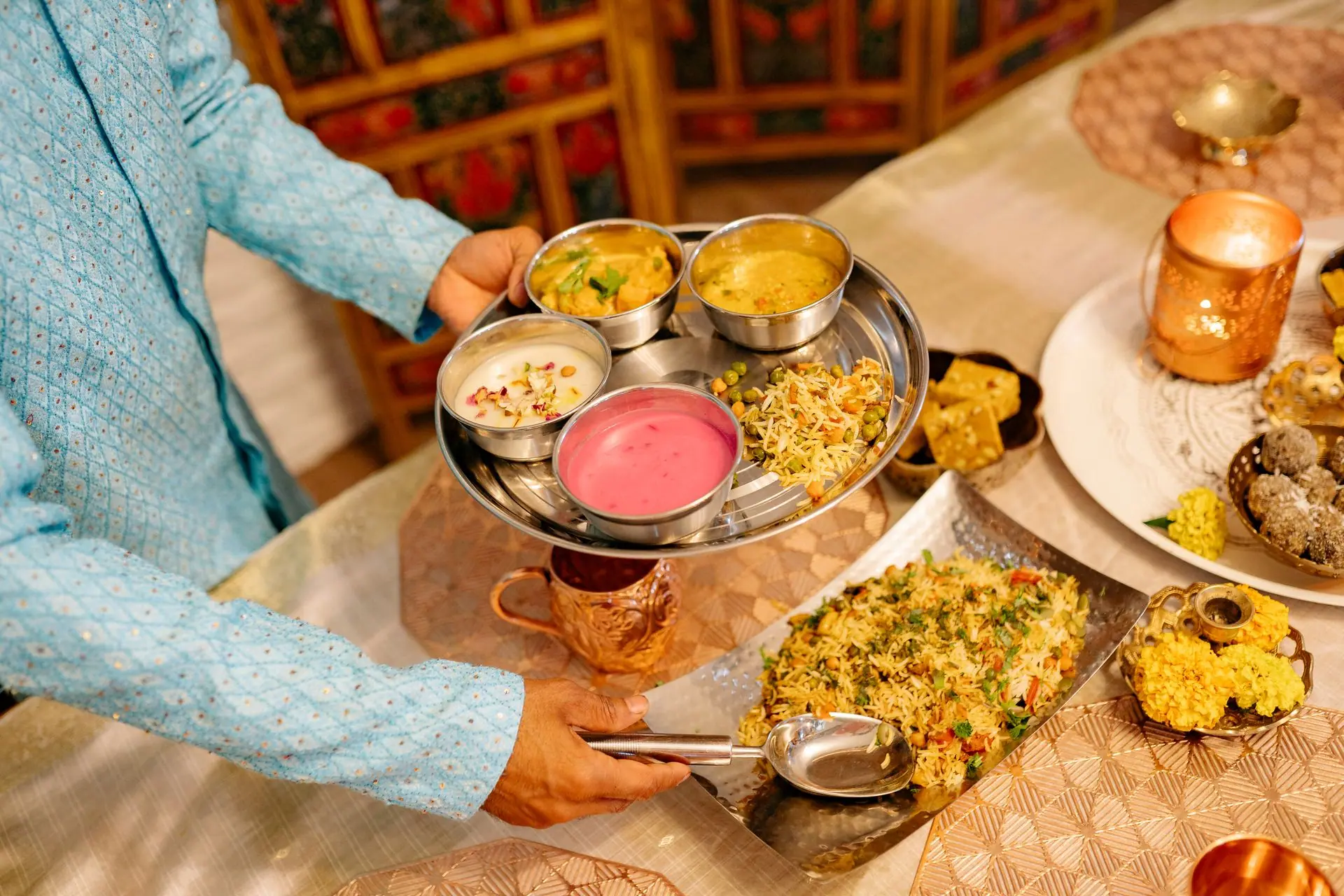
Jaipur, Rajasthan
Jaipur cooking class
Price on request
View details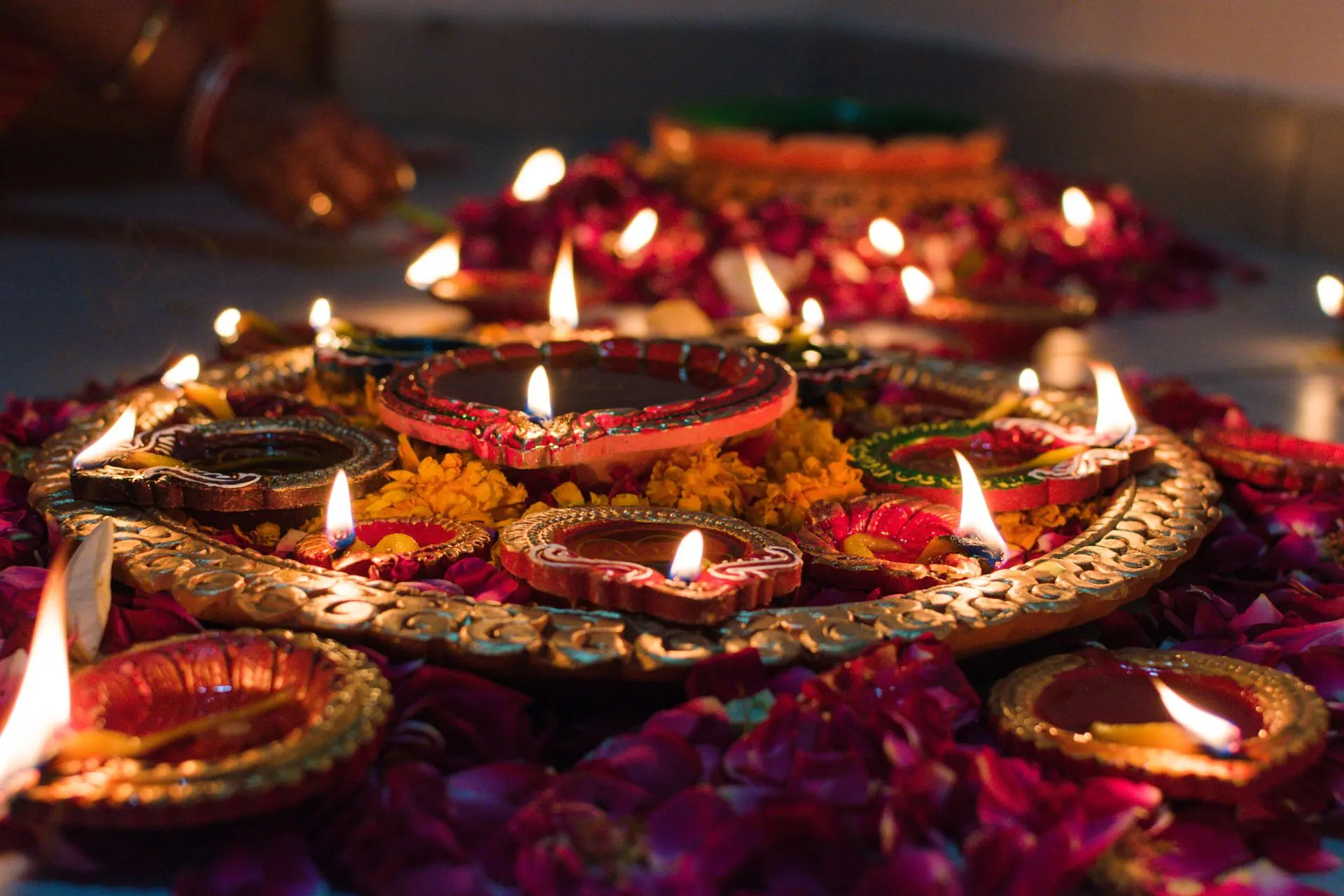
Jaipur
Diwali in Jaipur
Price on request
View details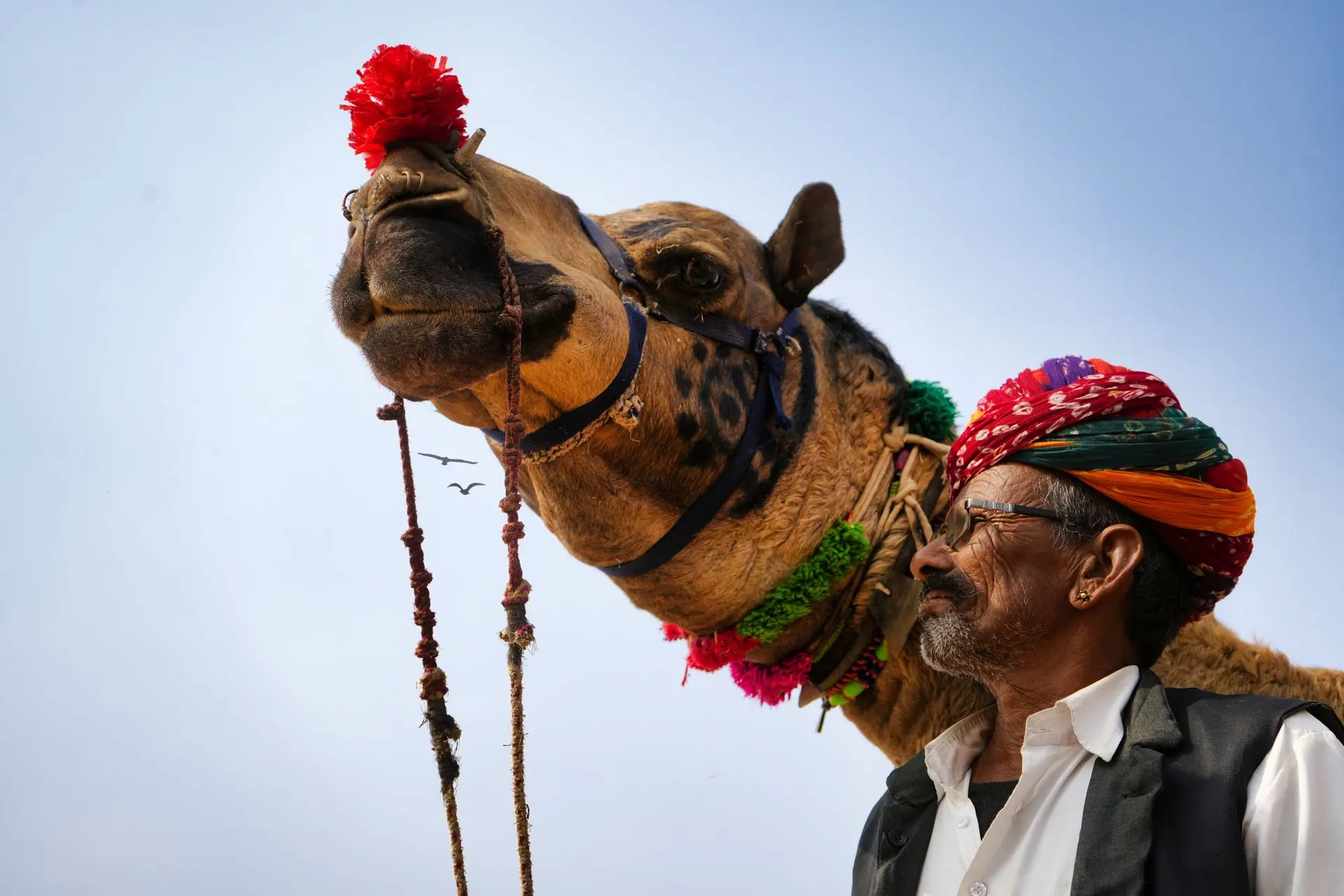
Pushkar
Pushkar Camel Fair trip
Price on request
View details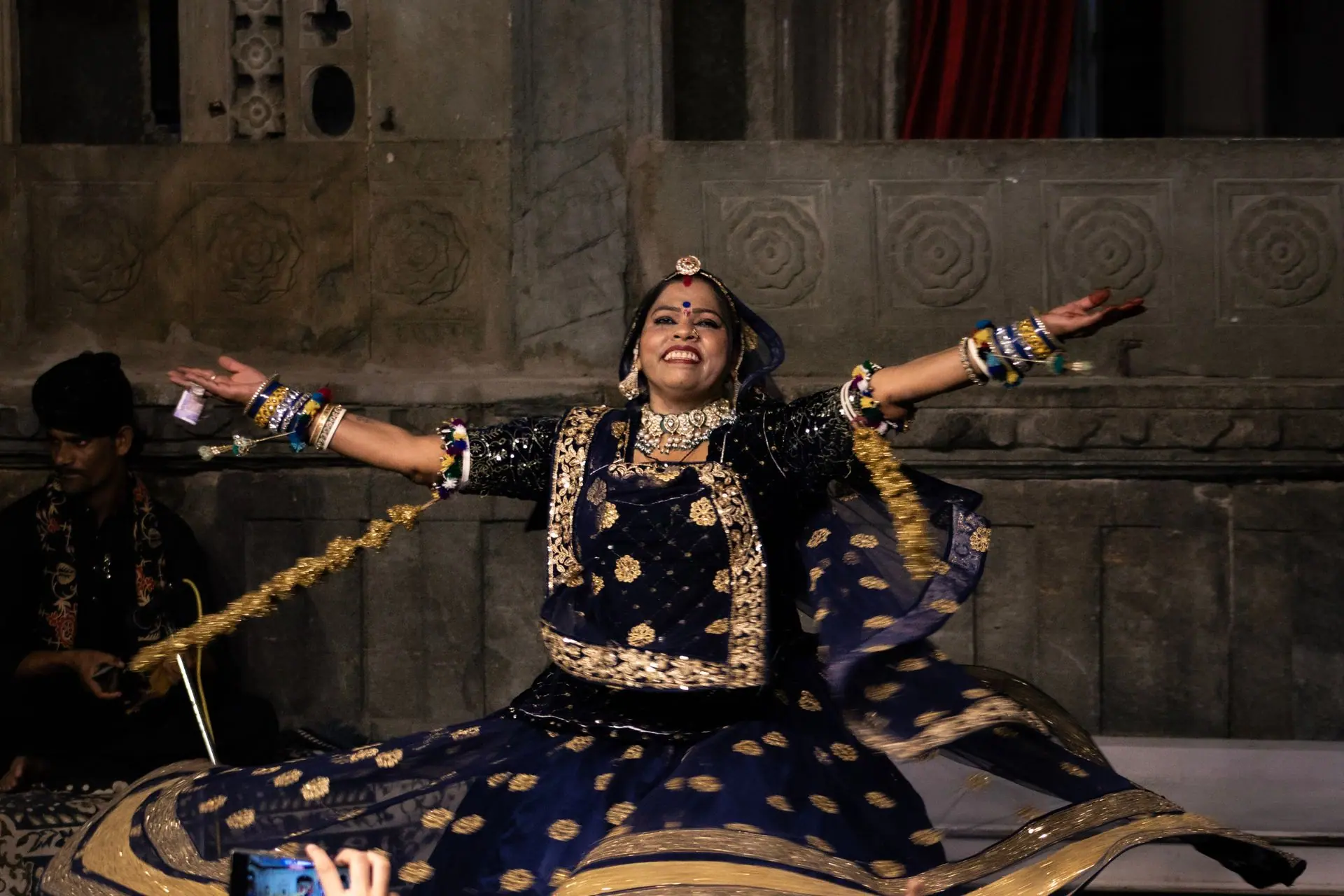
Rajasthan
Rajasthani folk evening
Price on request
View details
Udaipur
Udaipur lake palace experience
Price on request
View detailsFestivals & Events in other states
See all
Frequently asked questions
What are the main festivals of Rajasthan?
Rajasthan Tourism calls Gangaur one of the most important, celebrated in some form all over the state. Its fairs-and-festivals calendar also features Teej, the Desert Festival at Jaisalmer, the Pushkar Fair, the Marwar Festival at Jodhpur and the Kite Festival in January, while Holi and Diwali are celebrated in Rajasthan as across India. Our two festival trips are the Pushkar Fair and Diwali in Jaipur.
How many festivals are there in Rajasthan?
Rajasthan Tourism gives no total, but its own fairs-and-festivals calendar lists more than twenty events across the year, from the Kite Festival in January to the Winter Festival at Mount Abu in December, among them cattle fairs, temple fairs and festivals of music and dance. The festivals kept across India, such as Holi and Diwali, come on top of these.
What is Teej in Rajasthan?
A monsoon festival. Rajasthan Tourism describes Teej as celebrating the arrival of the rains, greenery and birds, kept mainly by women, who sing and dance, wear bright lehariya saris, put henna on their hands and feet and play on swings under the trees; it is dedicated to Goddess Parvati as Teej Mata. In Jaipur a royal procession of the goddess, with camels, folk dancers and palanquins, leaves the City Palace and winds through Tripolia Bazaar and Chhoti Chaupar.
What is Gangaur?
One of Rajasthan's most important festivals, in Rajasthan Tourism's words, celebrating the union of Gan, Shiva, and Gauri, Parvati. Women worship clay images of the two at home from the first day of Chaitra (March to April), and on the eighteenth day the festival itself follows, with henna, processions and the immersion of the images in a lake or pond. In Jaipur the procession leaves the City Palace; in Udaipur the Mewar Festival takes place at the same time.
What is the Kite Festival in Jaipur?
A winter festival that Rajasthan Tourism calls unique to the state: kites fly all across Rajasthan on or around 14 January, and the celebrations peak in Jaipur, where kites lit from within and fireworks fill the evening sky. The Department of Tourism organises its own festival on the occasion, with kite flying for visitors and cultural performances. Our festival trips run in October and November, so this one is a separate journey.
Is the Pushkar Fair or Diwali in Jaipur better for a family?
Diwali in Jaipur, for most families: our Diwali trip is built for couples, families and first-time visitors, with the main evening watched from a private rooftop or courtyard rather than the street. The Pushkar Fair suits families who are happy with dust, crowds and long days on foot, and is less suited to anyone wanting a quiet itinerary with little walking. At Diwali, children upset by loud fireworks may sleep better in a hotel away from the busiest bazaars.
About Festivals & Events in Rajasthan
Many Rajasthan festivals follow the Hindu calendar, so their dates move each year: desert and cattle fairs in winter, Gangaur in spring, Teej in the monsoon, and the Pushkar Fair and Diwali in October or November. Our two festival trips fall in that last season: a few days at the Pushkar camel and livestock fair, and Diwali in Jaipur's lit-up old city, watched from a booked rooftop or courtyard.
Reviewed by Experience My India Editorial Team
How to choose between the Pushkar Fair and Diwali in Jaipur
The Pushkar Camel Fair trip takes you to a working fair. Rajasthan Tourism describes an annual camel and livestock fair, held between October and November and one of the world's largest camel fairs, that has also become an important attraction for visitors, with contests such as matka phod and the longest moustache. Pilgrims bathe at the lake's ghats at the same time. It suits photographers and anyone at ease with dust, crowds and long days on foot, and most people give it two or three days. The fair's own story is on our Pushkar Camel Fair page.
Diwali in Jaipur asks less of you. Incredible India describes Diwali as a five-day festival of clay lamps and fireworks, with families giving thanks to the goddess Lakshmi on the third day. Our trip pairs a guided walk through the bazaars as the diya and sweet sellers fill them with a booked rooftop or haveli courtyard for the main evening, so you watch the lights and fireworks away from the crowds, and adds a temple visit during Lakshmi puja if you want one. It suits couples, families and first-time visitors to India. For the festival itself, see our Diwali page.
Both fall in October or November and both fit into a wider Rajasthan route. Whether one trip can take in both depends on that year's lunar dates, which we confirm when you enquire.
What to expect
- At Pushkar: we book a hotel or tented camp in or near the town well ahead, as rooms and camps sell out months before fair week. Mornings on the fairground are best, when trading is busiest and the light is softest; your guide takes you to the ghats and explains the rituals without intruding on pilgrims; evenings bring folk music, funfair rides and food stalls, with a quieter vantage point if you would rather watch.
- In Jaipur: the bazaar walk comes in the days before Diwali and the booked rooftop or courtyard on the main evening. Firecrackers go off for several nights, the air quality dips, and many shops close for a day around the main evening, though the bazaars that serve visitors generally stay open.
When to go
Rajasthan Tourism publishes each year's dates in its festival calendar; for the weather month by month, see our best time to visit Rajasthan, and for festivals across India, our festival calendar. The pattern, season by season:
- Winter: the Kite Festival on or around 14 January, at its height in Jaipur; the Bikaner Camel Festival on the second weekend of January; the Nagaur cattle fair and the three-day Desert Festival at Jaisalmer, in January or February; and the Winter Festival at Mount Abu in December.
- Spring: the Braj festival in Phalgun, a few days before Holi, then Gangaur in Chaitra (March to April), with Udaipur's Mewar Festival at the same time.
- Monsoon: Teej, and Kajli Teej at Bundi in the month of Bhadra (July to August).
- Autumn: the two-day Marwar Festival at Jodhpur in Ashwin (September to October); the Pushkar Fair between October and November; the Chandrabhaga Fair at Jhalrapatan and the Bundi Festival, both in Kartik; and the Matsya Festival at Alwar in November.
Practical points
- Pushkar is a pilgrimage town. Rajasthan Tourism notes that it serves vegetarian food only, and our trip asks you to dress modestly, take off your shoes at the ghats and ask before photographing pilgrims at prayer. Our Pushkar travel guide covers the lake and temples beyond fair week.
- The fairground is dusty and you walk a good deal there, so wear comfortable closed shoes.
- Pushkar is busiest around the main lunar dates of the fair; book transport as early as your room.
- Around Diwali, anyone sensitive to noise or smoke, or with a breathing condition, should ask us for a quieter neighbourhood and plan around the fireworks.
Plan a trip
Tailor-made quote from a specialist