
Last updated:
Travel India on a Budget: Where to Save, and Where Not To
To travel India on a budget, see one region well rather than several in a rush, avoid the peak weeks, take trains for longer hops where they fit, share a car and guide between more travellers, and spend on hotels only where you stay longest. Do not save on an official visa, on safe transport after dark, or on a good guide at the great sites.
By Experience My India Editorial Team
Destination specialists and licensed local guides
Plan fewer moves
The cheapest change is in the plan itself. Each new region usually means a flight or a long transfer, a fresh hotel and another first day spent finding your feet. A trip that stays in one part of the country, such as Rajasthan, Kerala or the Golden Triangle with Varanasi, spends more of its budget on seeing things and less on getting between them. Two or three nights in each place, rather than one, also means fewer check-ins, fewer transfers and slower, cheaper days.
Our India itineraries are arranged by the time you have and show how much fits into a week or two without rushing.
Travel outside the peak weeks
In our experience, the same hotel can cost noticeably less outside its region's peak season, and the busiest dates of all, Christmas, New Year and the major festivals, are when rooms and cars are hardest to find. The off-peak months are quieter for a reason, usually heat or rain, so pick a region that suits your dates rather than the other way round. Our guide to the best time to visit India sets out the seasons region by region, and travelling in the monsoon covers the rainy months.
Choose transport by distance
- Long distances: a train is usually the cheapest way to cover several hundred kilometres, and an overnight train also saves a hotel night. Book early, because good trains fill up; our guide to train travel for foreign visitors explains how.
- Very long distances: a domestic flight can cost less in time and money than two days on the road.
- Sightseeing days: a car and driver costs much the same for four people as for two, so it gets cheaper per head the more of you share it. Our guide to getting around India compares the options.
Where the money goes on the ground
- Hotels. Spend where you will stay longest and enjoy the hotel, and keep it simple where you only sleep before an early start.
- Food. Busy local restaurants serving freshly cooked food are good value, and a thali is a full meal.
- Tickets. Many monuments charge foreign visitors more than Indian citizens (at the Taj Mahal, many times more), so choose the ones that matter to you rather than ticking off every site; at the Taj Mahal and the other monuments of Agra, children under 15 go in free.
- Money. Find out what your bank charges for payments and withdrawals abroad, draw cash in fewer, larger amounts if fees are per withdrawal, and keep your ATM slips and exchange receipts, which let you change unspent rupees back. NPCI says its UPI One World wallet for visitors charges no onboarding or transaction fee; see UPI for foreigners.
- Tips. Budget for them from the start rather than being caught short; our tipping guide explains who is usually tipped.
Where not to cut corners
- Your visa. Apply only on the Government of India's e-Visa portal, which it says is the only official website for the e-Visa. The portal warns applicants not to fall for look-alike sites. Our India e-Visa guide links the official portal.
- Transport after dark. A reliable car with a known driver is a safety choice, not a luxury, especially on long road days and late arrivals. Our safety guide has more.
- A good guide at the great sites. At the Taj Mahal, the forts of Rajasthan or the temples of the south, a licensed guide turns a crowded visit into an understood one, and saves time in the queues.
- Travel insurance. A medical emergency without cover costs far more than the policy.
If you want to see the full picture of what a trip costs before deciding where to save, read how much a trip to India costs, or ask us for a quote built around a budget you set.
Frequently asked questions
What's the cheapest way to see India?
Stay in one region, travel outside its peak season, use trains for long distances and spend two or three nights in each place rather than one. Share transport between more people, keep hotels simple where you only sleep, and eat in busy local restaurants. What you should not cut is the official visa, safe transport after dark and a good guide at the main sites.
Is shoulder season cheaper for an India trip?
Often, yes. In our experience hotel rates fall in many places outside each region's peak season, and the busiest dates, Christmas, New Year and the big festivals, are the dearest. The quieter months are quieter because of heat or rain, so match the region to the month: somewhere off-season in one part of India can be at its best in another.
Are trains cheaper than a private car in India?
For one or two people covering long distances, usually yes, and an overnight train also saves a hotel night. A car comes into its own on sightseeing days, on routes trains do not serve, and for families or groups, because its cost is shared. Many good-value trips use both: trains between regions, a car and driver within them.
Should I cut out a private guide to save money in India?
We would not, at least at the major sites. A licensed guide explains what you are looking at, steers you through the queues and keeps a long day efficient, and at places such as the Taj Mahal or Fatehpur Sikri that is much of the value of the visit. Save elsewhere instead: on hotels where you only sleep, or on the number of regions you cover.
Is it cheaper to travel India in a group?
On the ground, yes. A car and driver, and a private guide, cost much the same for four people as for two, so each person pays less as the group grows, and two people sharing a room halve the hotel cost each. Flights and entry tickets are per person whatever the size of the group.
Related guides
Customer reviews
Experience My India is rated 4.3 on Tripadvisor. We publish guest reviews after each trip.
Why book with Experience My India
Government-approved operator
Approved by the Ministry of Tourism, Government of India
500+ vetted local guides
35+ destination specialists plan every trip by hand.
Human help, every day
Mon–Sun, 9:00 AM – 9:00 PM IST · +91 73022 65809
No payment until you approve
You receive a written quote first; nothing is charged to start planning.
Browse experiences by theme
See all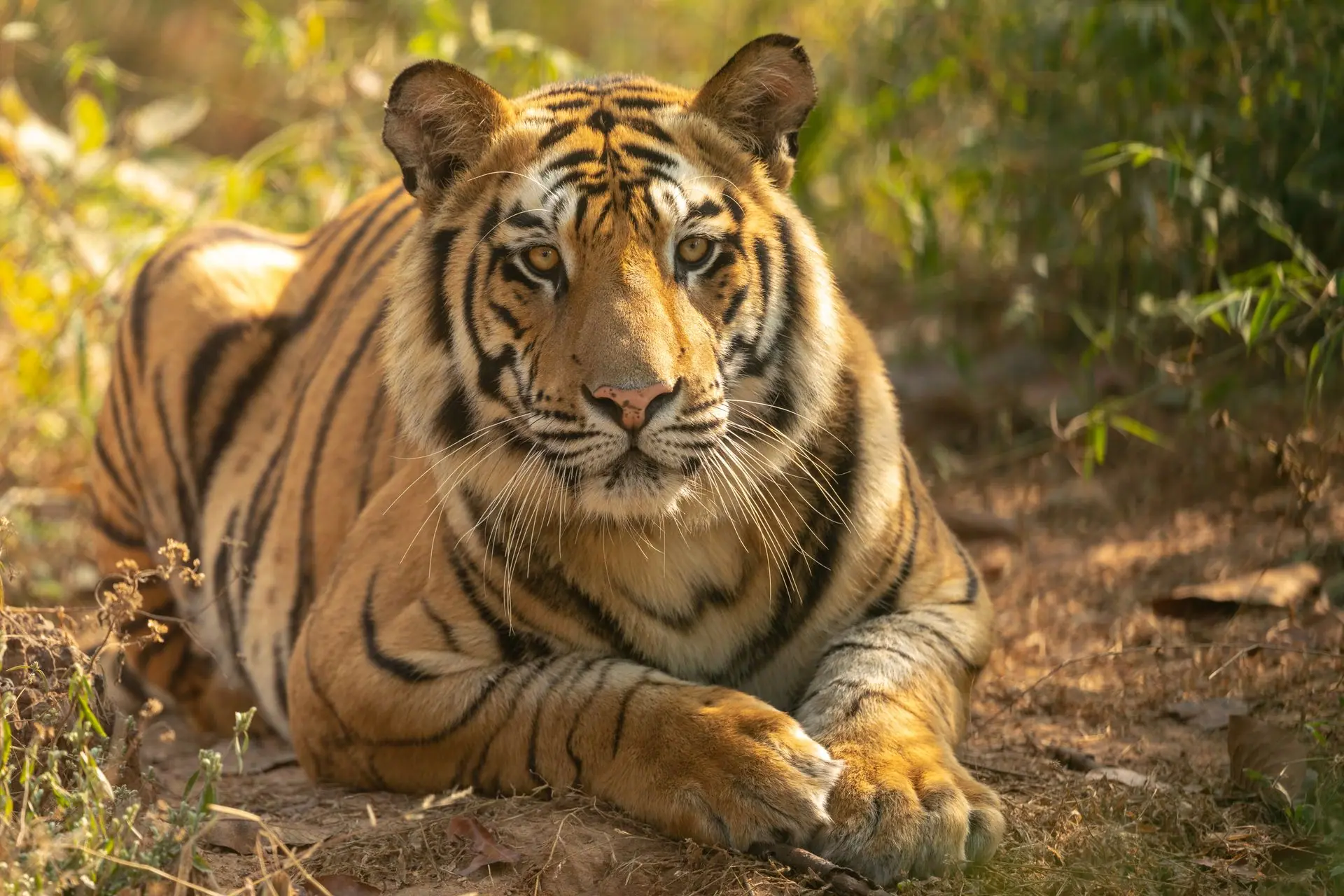
Wildlife Safaris
8 experiences
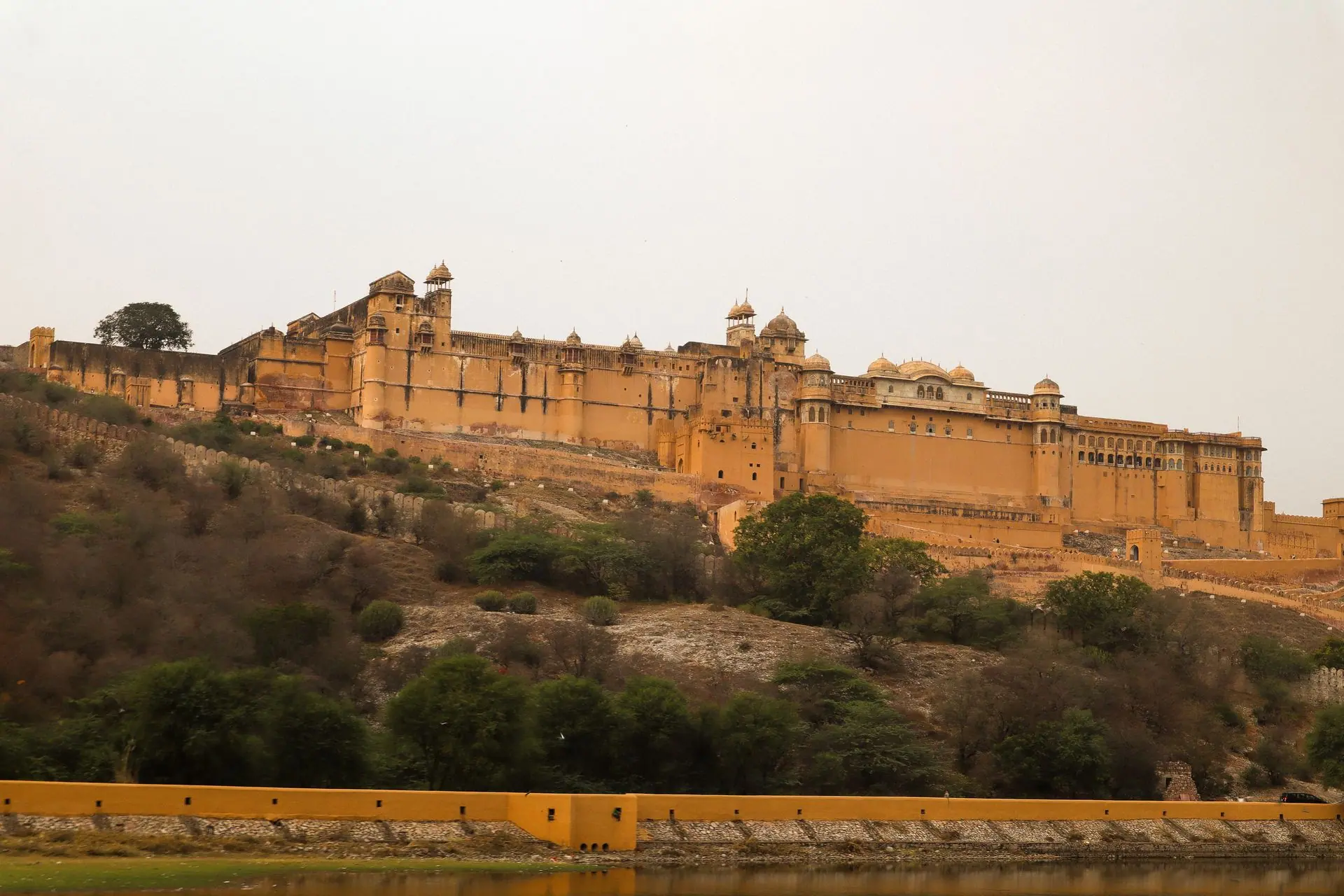
Heritage & Architecture
2 experiences

Beaches & Islands
5 experiences
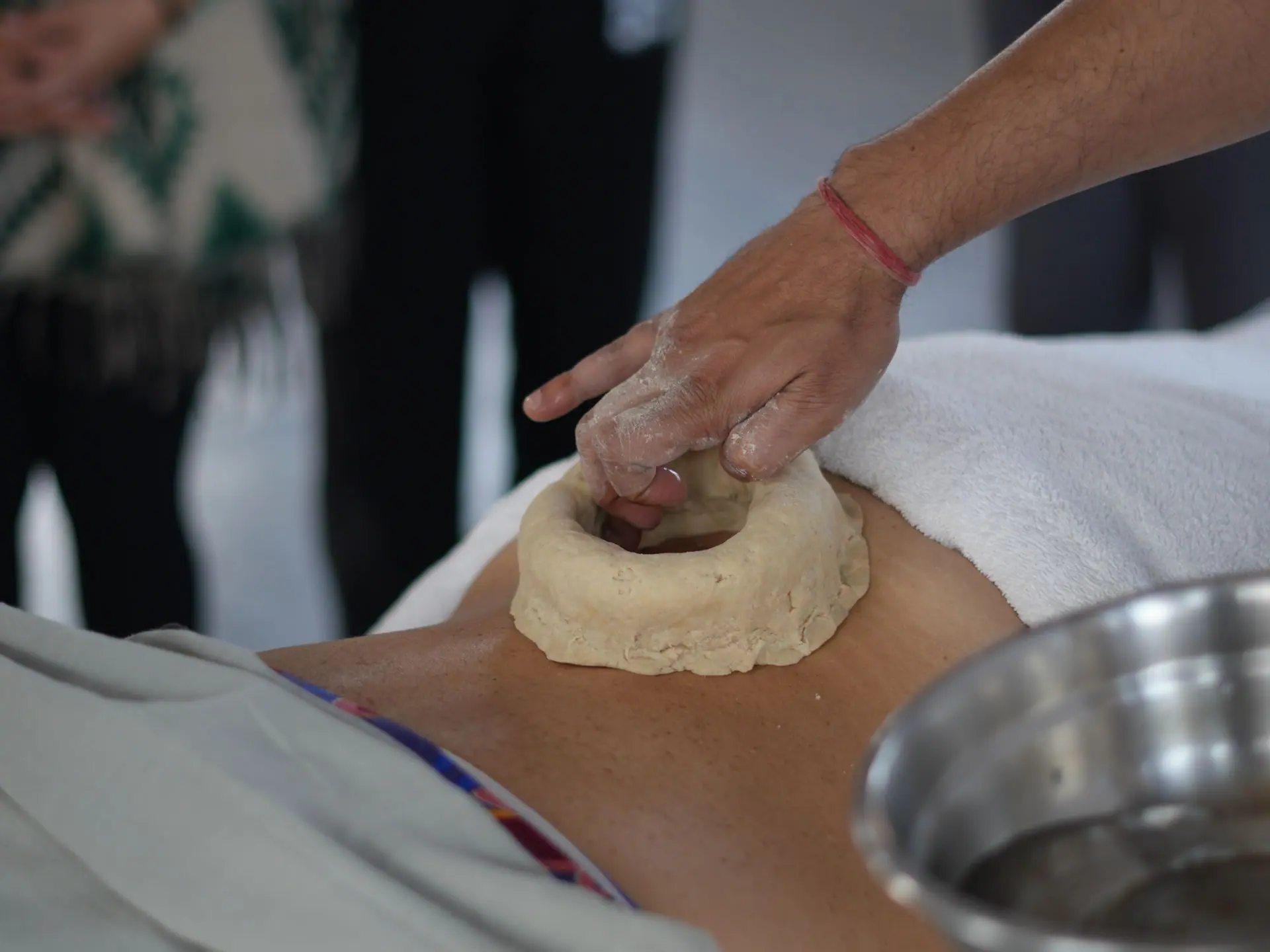
Wellness & Ayurveda
1 experience
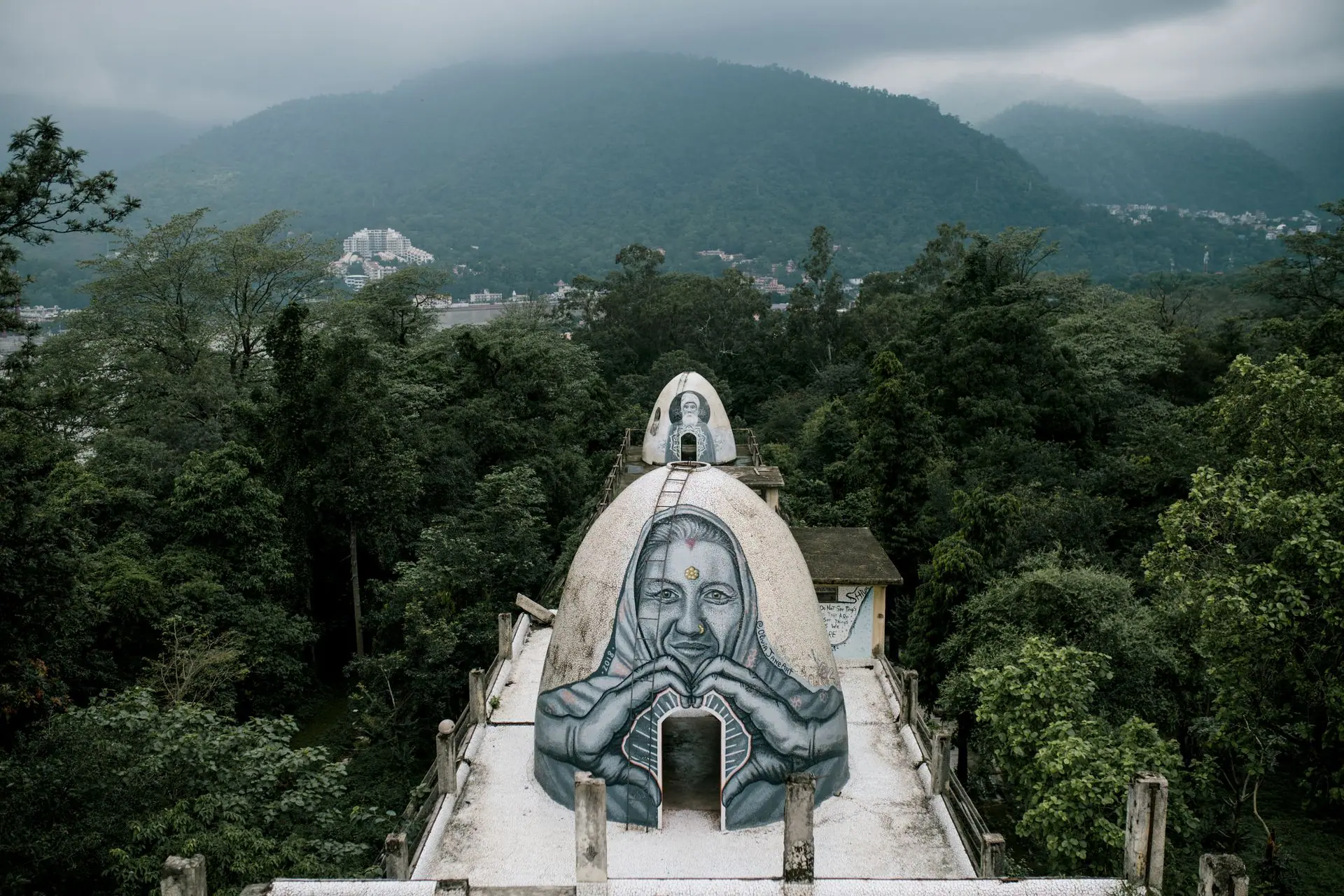
Yoga & Meditation
4 experiences
Trekking
2 experiences

Adventure
6 experiences
Culinary
5 experiences

Festivals
8 experiences
Performing Arts
5 experiences

Luxury Trains
4 experiences
Houseboats
3 experiences
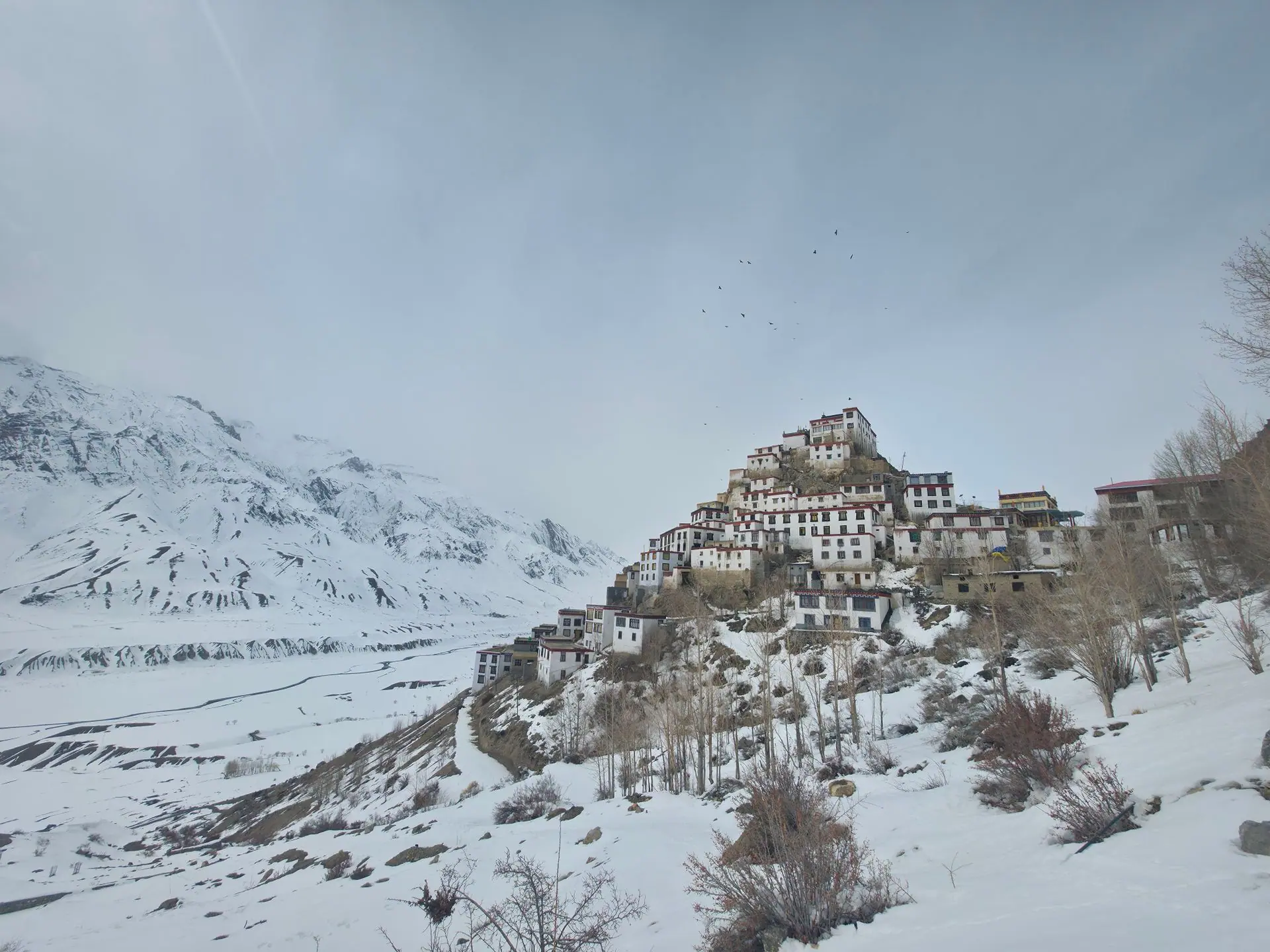
Toy Trains & Railways
1 experience
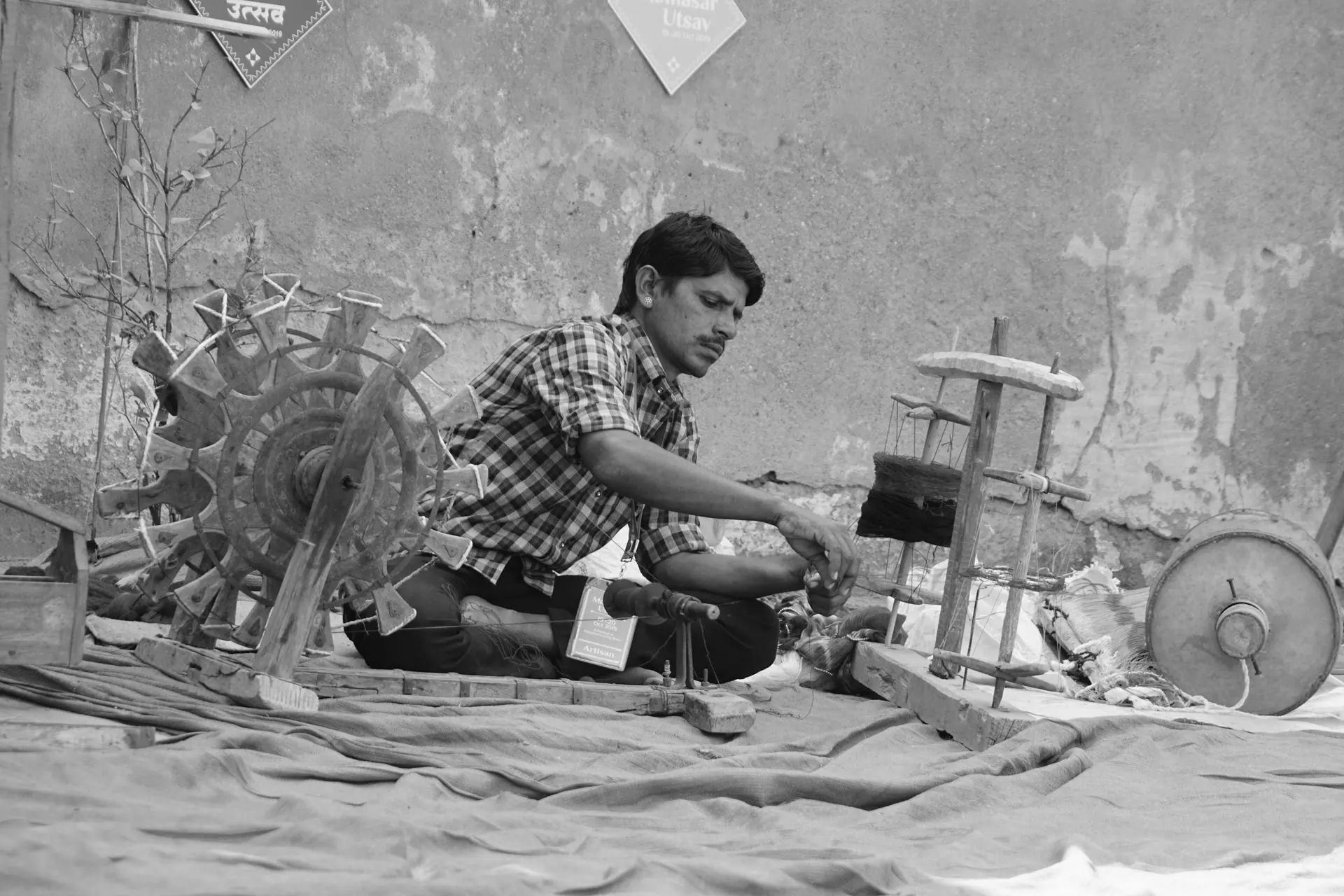
Village & Tribal Tourism
2 experiences
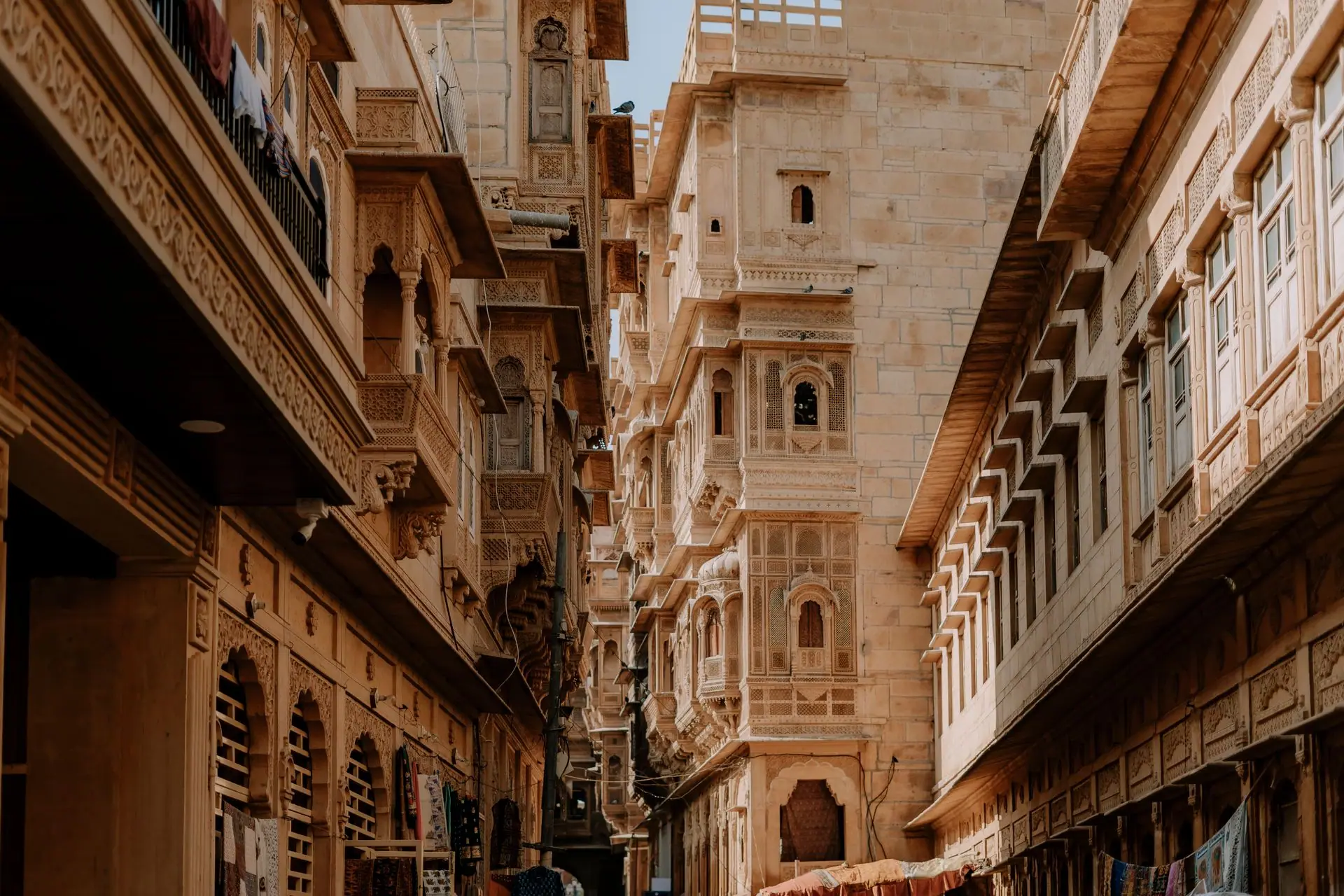
Glamping & Desert
1 experience
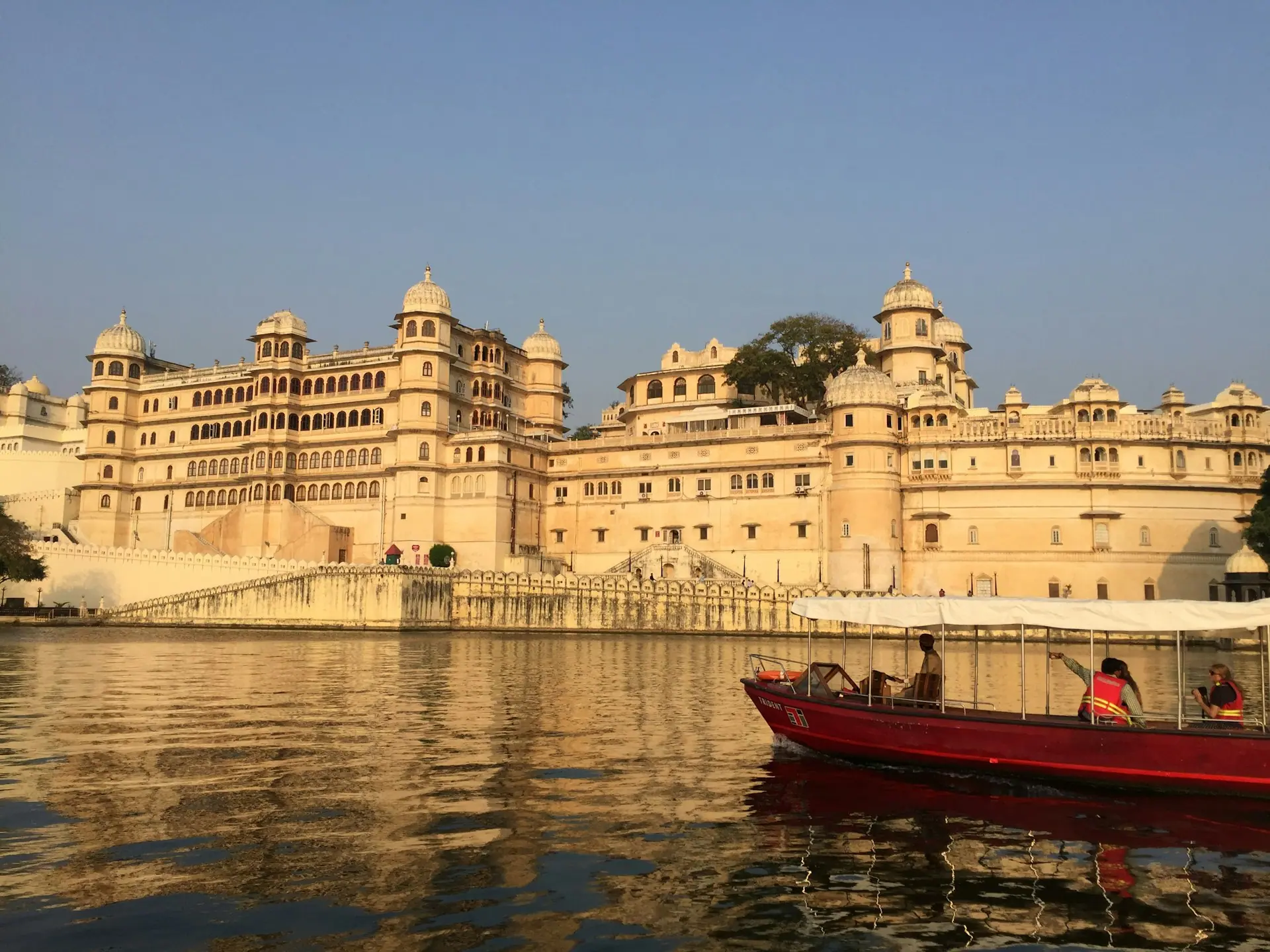
Honeymoon & Romance
3 experiences
VIP & Luxury
2 experiences
Plan a trip
Tailor-made quote from a specialist