
Skip to content

Odisha Travel Guide: Places to Visit, Seasons and Planning

Travel guide1 tour or experience

Odisha, on India's east coast, is best known for the Jagannath Temple at Puri, the Sun Temple at Konark and the temples and caves of Bhubaneswar. Chilika Lake, the craft village of Raghurajpur and the wildlife areas of Bhitarkanika and Similipal widen a trip. Odisha Tourism names October to March as the best months, and Bhubaneswar's airport is the usual gateway.

By Experience My India Editorial Team · Reviewed by Experience My India Editorial Team · Updated 1 Sept 2026

See all 1 tour or experience in Odisha →

Government-approved operatorApproved by the Ministry of Tourism, Government of India

Places to visit in Odisha
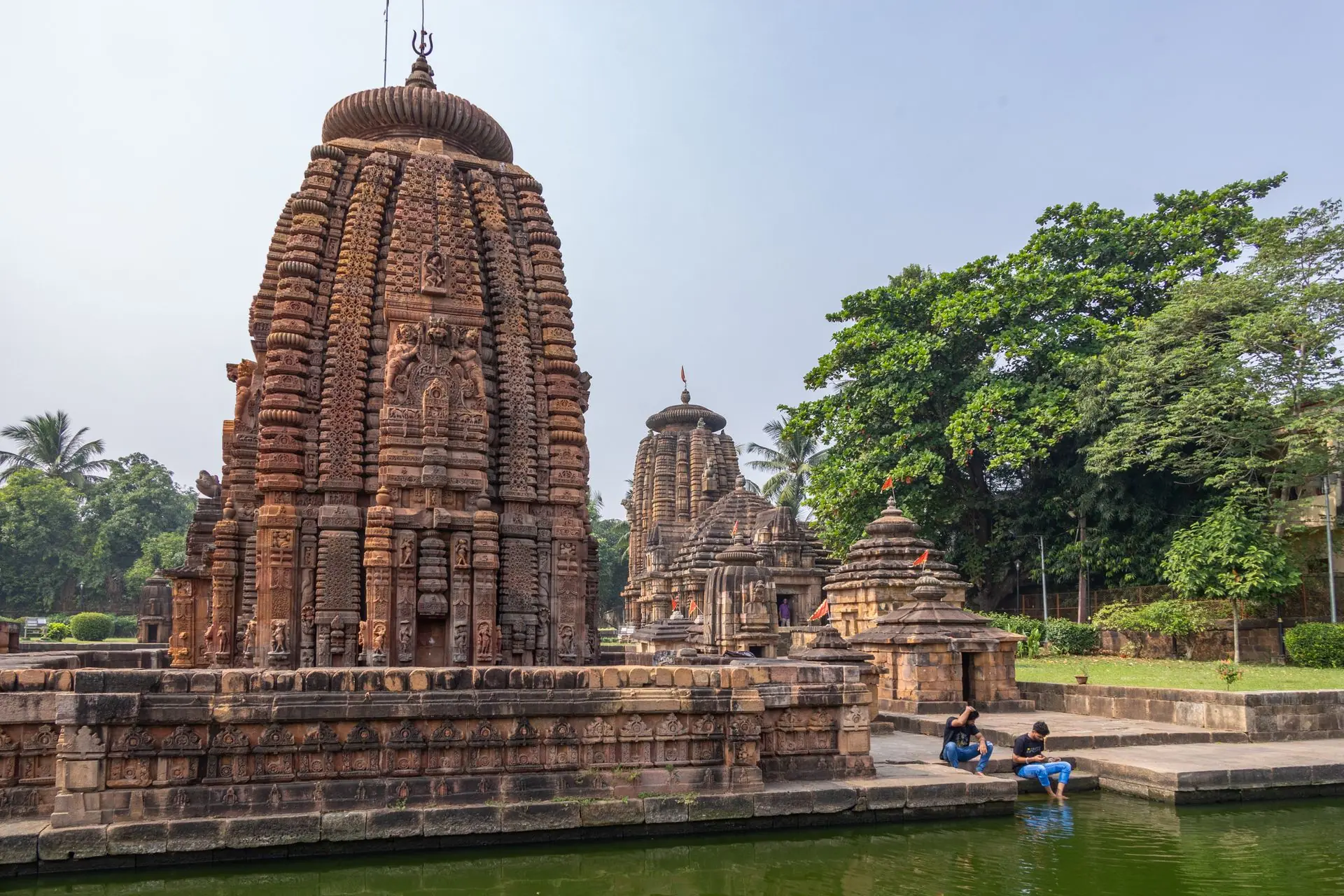
Places to visit in Odisha

Odisha's best-known sights sit along a short stretch of the Bay of Bengal coast. Bhubaneswar, the capital, is about 60 km from Puri, and Konark lies some 35 km beyond Puri's beach, so the three fit into one trip. The lagoon at Chilika, the crafts villages and the two big wildlife areas are the next layer.

Jagannath Temple, Puri

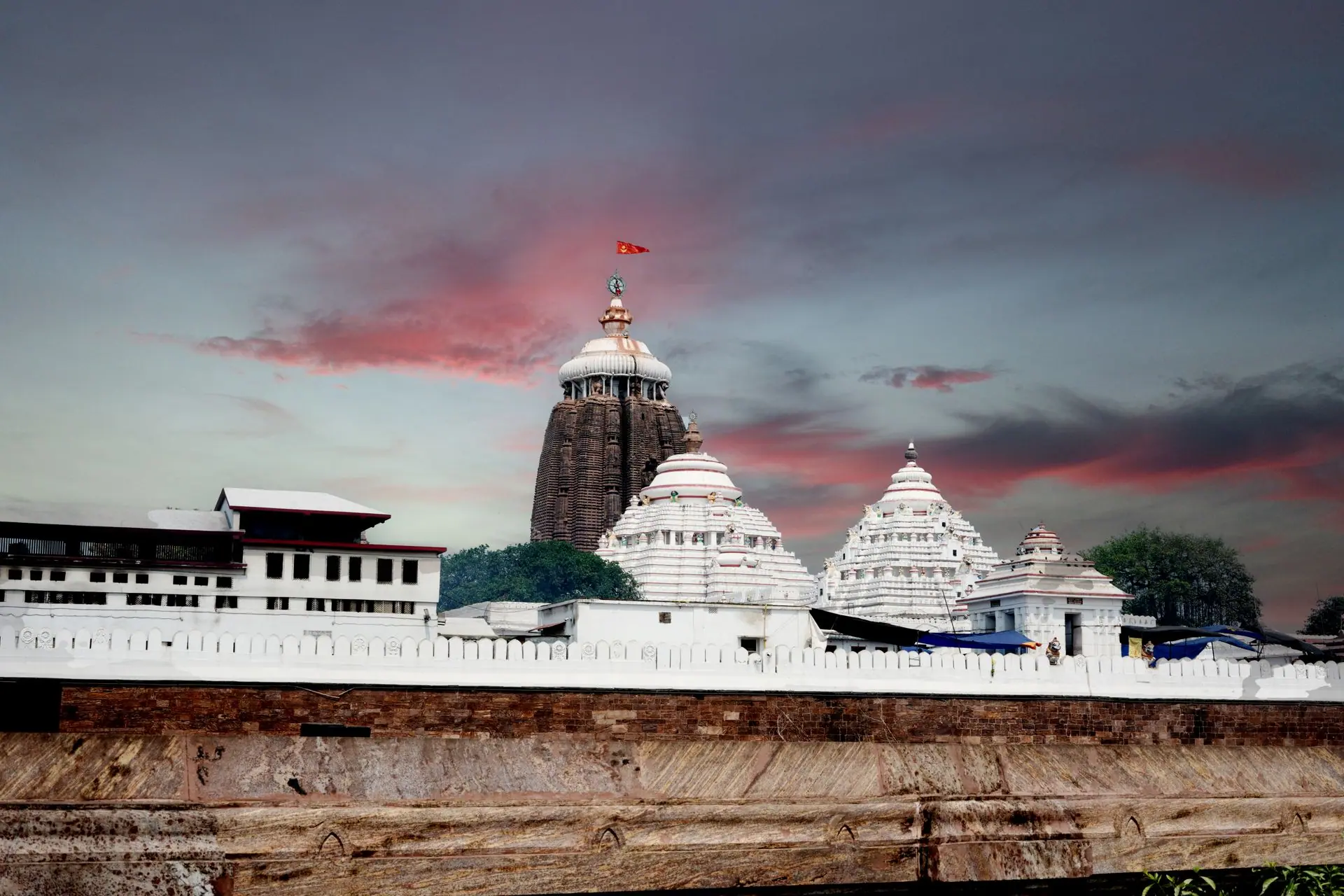
Odisha Tourism dates the Shree Jagannath Temple to the 12th century and counts it among the Char Dham, the four sacred sites of the Hindu tradition. Its three wooden deities, Jagannatha, Balabhadra and Subhadra, are renewed every 12 to 19 years in a ritual called Nabakalebara. Only Hindus are allowed inside, according to the Shree Jagannatha Temple Administration, and devotees enter by the Lion's Gate, the only way in. Everyone else can still walk the Grand Road, see the town and use the beach. Our Puri travel guide explains the rules in full.

Konark Sun Temple

King Narasimha Deva I of the Eastern Ganga dynasty built the Sun Temple in the 13th century as a chariot of the sun god, with 24 carved wheels, each about 3 m across, and seven horses. UNESCO inscribed it in 1984. The main tower has gone, but the pyramid-roofed audience hall still dominates the ruins. Odisha Tourism lists it as open from 6 am to 8 pm, with an evening light and sound show whose start time changes between summer and winter. Chandrabhaga beach is about 3 km away.

Bhubaneswar

Odisha Tourism calls Bhubaneswar the Temple City. The Lingaraj Temple, from the 11th century, admits only Hindus, but a viewing platform outside the complex lets everyone else see it. Smaller temples such as the Mukteswara, built around the 10th century, and the Rajarani, from the 11th, stand within a few kilometres of it. The Udayagiri and Khandagiri caves, cut in the 2nd century BCE, and Dhauli, near where Odisha Tourism says the Kalinga War was fought, complete the day. See our Bhubaneswar travel guide.

Chilika Lake

Odisha Tourism describes Chilika as Asia's largest brackish-water lagoon. In winter it becomes one of the biggest migratory bird habitats on the subcontinent, and Mangalajodi, on the northern fringe, is the wetland birdwatchers head for. Satapada, on the southern edge where the lagoon meets the Bay of Bengal, is the usual boat-ride point: Odisha Tourism calls it one of the most reliable habitats of the endangered Irrawaddy dolphin, though a sighting is never promised. Satapada is reached by road via Puri and Brahmagiri, and it is open from 6 am to 6 pm.

Raghurajpur and Pipili

Raghurajpur, 14 km from Puri, is described by Odisha Tourism as India's first heritage crafts village. Almost every household works in a traditional art: pattachitra paintings, palm-leaf engraving, stone carving, wooden toys and masks. You can watch the artists and buy from them, from 9 am to 6 pm, and Gotipua dance is performed for visitors only occasionally. Pipili, on the Bhubaneswar–Puri highway, is known for appliqué, locally called chandua, which has Geographical Indication status. Its shops sell umbrellas, canopies and wall hangings, and appliqué is used to decorate the chariots at the Rath Yatra.

Cuttack and Barabati Fort

Cuttack, which Odisha Tourism lists as Kataka, has Barabati Fort, covering about 102 acres between the Mahanadi and Kathajodi rivers. Odisha Tourism dates the fort to 987 CE and says later rulers enlarged it. The Archaeological Survey of India protects the site, which is open from 6 am to 6 pm without an entry fee, and a silver filigree hub is listed 2.5 km away.

Bhitarkanika National Park

In Kendrapara district, Bhitarkanika is a maze of creeks and mangroves and a Ramsar site. Odisha Tourism says it has the largest population of saltwater crocodiles in the country, along with water monitors, spotted deer and kingfishers. It is best explored by boat. The park is open from 8 am to 5 pm and closed from 1 May to 31 July for crocodile breeding, so plan around that gap.

Similipal National Park

Similipal, in Mayurbhanj district, covers 2,750 sq km. Odisha Tourism lists melanistic (black) tigers, elephants, gaur and more than 300 bird species, and it names November to June as the best time. The Barehipani and Joranda waterfalls are fullest after the monsoon. It is a longer detour from the coast, so give it its own days rather than a stop.

Things to do in Odisha

Watch a pattachitra painter at work in Raghurajpur, take a boat across Chilika from Satapada, and see the light and sound show at Konark. Taste Puri's food: Odisha Tourism lists Mahaprasad (rice, dal and curries cooked in earthen pots over wood fires), khaja, malpua with rabidi and the fermented rice drink tanka torani, and in Bhubaneswar pakhala, dalama, abhada and rasagola.

Festivals shape the calendar. The Rath Yatra, held on the second day of the bright fortnight of Ashadha according to the temple administration and placed in June or July by Odisha Tourism, sends huge chariots about 3 km to the Gundicha Temple. The Konark Festival of classical dance and the International Sand Art Festival at Chandrabhaga beach both run from 1 to 5 December, and the Toshali crafts mela brings artisans from across the country to Bhubaneswar each winter. For the full list of tours and experiences, see our Odisha tours and experiences page, and for the festival itself the Rath Yatra guide.

Our Jagannath Puri temple tour is a private tour with a vehicle and guide. Entry rules are checked before the plan is final, with a briefing on the rule for non-Hindus, and a day trip to Konark is optional. You can see all our packages on the Odisha tour packages page.

Best time to visit Odisha

Odisha Tourism gives October to March as the best time to explore the state: dry, sunny and pleasant, with temperatures of about 10°C to 27°C and low humidity. March to June is hot, with temperatures often above 40°C, and the tourism board suggests early-morning temple visits, evening beach walks or a retreat to waterfalls and hill stations such as Daringbadi and Koraput. July to September is the monsoon, when waterfalls are at their fullest.

India's Meteorological Department (IMD) puts the hottest month in Bhubaneswar, May, at a mean maximum of 37.2°C, calls the climate humid all year, and records about 75 per cent of the annual rain in the south-west monsoon. For the coast, IMD's normals for Puri show January days averaging 27.4°C and nights 17.6°C. IMD also notes that tropical cyclones from the Bay of Bengal strike the Odisha–West Bengal coast most often in October, so watch the forecast if you travel then.

Time other plans around the calendar. Chilika's birds are at their best from November to February, Bhitarkanika is shut from 1 May to 31 July, and the Konark Festival is in the first week of December.

How to reach Odisha

By air: Biju Patnaik International Airport (BBI) in Bhubaneswar, about 6 km from the city centre, is the main gateway, with regular flights to cities such as Delhi, Mumbai, Kolkata, Chennai, Bengaluru, Hyderabad and Raipur. Veer Surendra Sai Airport is the other airport Odisha Tourism lists, for domestic flights.

By train: Bhubaneswar is a major railhead, with express and superfast trains to cities including Delhi, Kolkata, Mumbai, Chennai, Hyderabad, Bengaluru, Guwahati and Tirupati. Puri, Cuttack (Kataka) and Sambalpur Junction have their own stations.

By road: National Highway 16 links Odisha with Kolkata, Visakhapatnam and Chennai. Puri is 60 km from Bhubaneswar, and the highway between them passes Pipili.

How many days in Odisha

Odisha Tourism suggests two days each for Bhubaneswar and Puri. Three to four days cover the classic coastal loop.

  • Day 1: Bhubaneswar's temples, the Udayagiri and Khandagiri caves and Dhauli.
  • Day 2: Pipili and Raghurajpur on the way to Puri, then Puri's Grand Road and beach.
  • Day 3: Konark's Sun Temple, with the evening show if you can stay for it.
  • Day 4: A boat ride on Chilika from Satapada.

Add two or more days for Bhitarkanika or Similipal, which sit away from this loop. If you only have a weekend, take Bhubaneswar and Puri and leave the rest for another visit.

Tips

  • The Jagannath Temple and the Lingaraj Temple admit only Hindus. Ask before you build a day around going inside.
  • At the Jagannath Temple, shoes, leather items, cameras, mobile phones and umbrellas must stay outside, and shoe and phone stands are free near the Lion's Gate.
  • Check Bhitarkanika's closure and Similipal's season before you book.
  • Odisha Tourism suggests cotton or linen, sunscreen, a hat and sunglasses in summer, and an umbrella or raincoat and waterproof shoes in the monsoon. Leave the umbrella outside the Jagannath Temple.

Why book with Experience My India

  • Government-approved operator

    Approved by the Ministry of Tourism, Government of India

  • 500+ vetted local guides

    35+ destination specialists plan every trip by hand.

  • Human help, every day

    Mon–Sun, 9:00 AM – 9:00 PM IST · +91 73022 65809

  • No payment until you approve

    You receive a written quote first; nothing is charged to start planning.

Frequently asked questions

What is Pipili known for?

Pipili, on the Bhubaneswar–Puri highway (NH-316), is known for appliqué, locally called chandua, which has Geographical Indication status. Its shops sell umbrellas, canopies, handbags, lampshades, cushion covers and wall hangings, and the craft is used to decorate the chariots at the Rath Yatra. Odisha Tourism lists it as open from 9 am to 8 pm with no entry fee.

What is the Konark Sun Temple?

A 13th-century temple built as a stone chariot of the sun god, with 24 wheels and seven horses. It is a UNESCO World Heritage Site, inscribed in 1984, about 35 km from Puri's beach. Odisha Tourism lists it as open from 6 am to 8 pm, with an evening light and sound show, and notes that tickets are sold under Archaeological Survey of India rules.

How far is Bhubaneswar from Puri?

Odisha Tourism gives the distance from Bhubaneswar to Puri as 60 km. The nearest airport to Puri is Bhubaneswar's Biju Patnaik International Airport, and Puri has its own railway station. Most visitors treat the two as one trip, stopping at Pipili for appliqué work on the way.

What is Chilika Lake, and when should you go?

Chilika is Asia's largest brackish-water lagoon, on Odisha's coast. Odisha Tourism names November to February for its migratory birds, and Satapada, on its southern edge, for boat rides and Irrawaddy dolphins. Another Odisha Tourism page gives October to March for Satapada. Boat charges apply, and no dolphin sighting is promised.

What are Odisha's famous foods?

Puri's temple food, Mahaprasad, is rice, dal and curries cooked in earthen pots over wood fires. Odisha Tourism also lists khaja, a layered fried sweet, malpua with rabidi, and tanka torani, a fermented rice drink, for Puri. In Bhubaneswar it lists pakhala, a fermented rice meal, dalama, a lentil and vegetable dish, abhada, the temple meal at Ananta Basudeva, and rasagola.

Is Odisha worth visiting in the monsoon?

Odisha Tourism calls July to September a shoulder season of frequent rain, with waterfalls at their fullest and good scenery for photographers. IMD records about 75 per cent of Bhubaneswar's yearly rain in the monsoon season, Bhitarkanika is closed until 31 July, and Odisha Tourism places the Rath Yatra in June or July. Bay of Bengal cyclones strike this coast most often in October, after the monsoon.

Which of Odisha's wildlife areas are worth visiting?

Bhitarkanika is for mangroves, boat trips and saltwater crocodiles, from October to March. Similipal, which Odisha Tourism lists for black tigers, elephants and waterfalls, is best from November to June. Chilika has birds from November to February and Irrawaddy dolphins around Satapada. Each is a day or more away from the temple coast.

Tour packages in Odisha

See all
From the journal: Odisha

Customer reviews

Experience My India is rated 4.3 on Tripadvisor. We publish guest reviews after each trip.

Read our reviews

Plan a trip

Tailor-made quote from a specialist