
Skip to content

Assam Travel Guide: Kaziranga, Majuli, Kamakhya and the Tea Country

Travel guide1 tour or experience

The main places to visit in Assam are the Kamakhya Temple in Guwahati, Kaziranga National Park and its one-horned rhinoceroses, the Brahmaputra river island of Majuli with its Vaishnavite satras, Manas National Park on the Bhutan border, the Ahom monuments of Sivasagar and the tea estates of Upper Assam. Visits usually begin in Guwahati, and November to April suits the national parks.

By Experience My India Editorial Team · Reviewed by Experience My India Editorial Team · Updated 20 Oct 2026

See all 1 tour or experience in Assam →

Government-approved operatorApproved by the Ministry of Tourism, Government of India

Places to visit in Assam
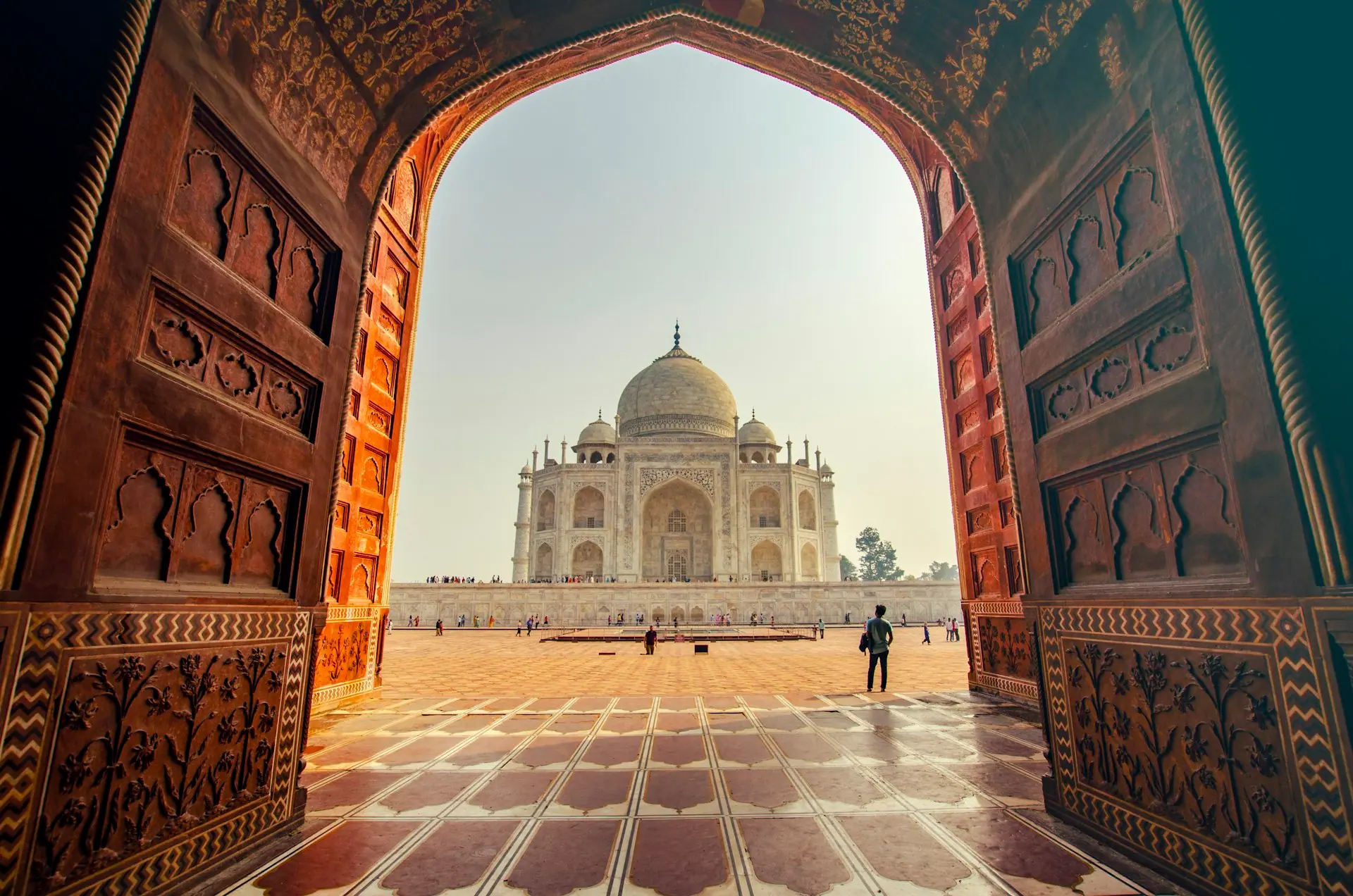
Most routes run east from Guwahati to Kaziranga, Majuli, Sivasagar and the tea country, or west to Manas. Assam has three UNESCO World Heritage Sites: Kaziranga, Manas and the moidams, the royal burial mounds of the Ahom kings, at Charaideo.

Guwahati

Guwahati is the state's gateway, with Lokpriya Gopinath Bordoloi International Airport and a railway station connected to cities across India, and it deserves a day of its own. The Assam State Museum, built in 1940 beside the Dighalipukhuri tank, holds sculpture and stone and copper-plate inscriptions from the 5th to the 12th centuries. The Srimanta Sankardeva Kalakshetra in Panjabari has a museum, an open-air theatre and a recreated Assamese village. The Umananda temple, built in 1694 on Peacock Island in the middle of the Brahmaputra, can be reached only by ferry or motor launch from Umananda Ghat.

Kamakhya Temple

On Nilachal Hill in Guwahati, Kamakhya is one of India's best-known Shakti shrines and a centre of tantric worship. There is no image of the goddess: in the innermost, cave-like chamber, a cleft in the rock kept moist by a natural spring is worshipped as Kamakhya herself. The present temple was rebuilt in 1565 under the Koch dynasty, and the hill also holds temples to the ten Mahavidyas and five Shiva shrines. The four-day Ambubachi Mela in June draws devotees from across India, so plan an ordinary visit for another month.

Kaziranga National Park

About 220 km east of Guwahati by road, Kaziranga protects the grassland and shallow lakes of the Brahmaputra floodplain between the river and the Karbi hills, and UNESCO counts its one-horned rhinoceroses as the largest population of the species anywhere. It is seen on jeep safaris in four ranges and on elephant-back in two, and its visiting season runs from November to April. Our Kaziranga travel guide covers the ranges, seasons and routes in detail, and our private Kaziranga rhino safari pairs a naturalist guide with jeep drives in the park's ranges.

Majuli

Majuli, an island in the Brahmaputra and India's only island district, is the historic centre of Assam's neo-Vaishnavite faith. Its satras, monasteries in the tradition of Srimanta Sankardeva and Madhavdeva, keep up Sattriya dance, devotional music and bhaona theatre; Auniati, Dakhinpat, Garamur, Uttar Kamalabari and Samaguri are among those visitors see, and Samaguri is known for the masks it makes for bhaona. Mising villages of houses on stilts, the potters of Salmora and the island's wetland birds fill a second day. Ferries from Nimati Ghat at Jorhat run only in daylight, from about 7.30 am to 3.30 pm.

Manas National Park

Manas lies in the Himalayan foothills of western Assam and continues across the border as Bhutan's Royal Manas National Park. A game reserve from 1928, it became a tiger reserve in 1974 and a World Heritage Site in 1985, and it shelters the golden langur, the pygmy hog, the hispid hare and the Assam roofed turtle along with tigers, elephants and rhinos. Jeep safaris are the main way to see it, with elephant rides and rafting also offered, and the Bodo villages beside the park weave their own cloth. Guwahati is about 140 km away, and Barpeta Road is the nearest railway station.

Sivasagar and the Charaideo moidams

Sivasagar, 55 km east of Jorhat, keeps the brick monuments of the Ahom kings, who ruled Assam for some six centuries. The Shiva Doul, built in 1734 beside the Borpukhuri tank, still holds daily worship; the Rang Ghar of 1744, a two-storey pavilion with an octagonal base and a roof shaped like an upturned royal boat, is where the court watched games; and the Talatal Ghar palace dates from 1765. Charaideo, 28 km further east and the first Ahom capital, has the moidams, the earthen burial mounds of Ahom royalty listed by UNESCO in 2024. Allow two days.

Tea estates of Upper Assam

Assam grows more than half of India's tea, and Dibrugarh, Tinsukia and Sivasagar districts produce half of the state's crop. In Jorhat, the Tocklai Tea Research Institute, founded in 1911, has a tea museum and a model factory that shows how leaf becomes tea. Dibrugarh, known as the tea city of India, is the base for estate visits and heritage tea bungalows, and some estates keep nine-hole golf courses within their gardens. A stay in a tea garden is the way to see the state's tea culture at close quarters.

Things to do in Assam

Wildlife is the headline. Besides Kaziranga and Manas, Pobitora Wildlife Sanctuary, about 30 km from Guwahati in Morigaon district, keeps one-horned rhinos on a small reserve and offers jeep safaris and elephant rides, which fits into a half day or a long day from the city. Our wildlife safaris in Assam page lists the safari we run here, and every trip we offer in the state is on our Assam tours and experiences page.

On the river, cruises on the Brahmaputra are not permitted while the water is high in summer and the monsoon, so the cruise season runs from October to April. Trips range from short outings to voyages of a week or more, on stretches such as Guwahati to Kaziranga, and the longest sail downstream from Dibrugarh past Guwahati towards Dhubri, where the river leaves India.

Time a visit for a festival if you can. Bihu comes three times a year: Bohag or Rongali Bihu in mid-April, the Assamese New Year, with dancing to the dhol, pepa and gogona; Magh or Bhogali Bihu in mid-January, a harvest feast around meji bonfires; and the quieter Kati Bihu in mid-October, when lamps are lit in the paddy fields. In Majuli, the satras stage Raas, the life of Krishna in dance and drama, at the full moon of October or November.

At the table, try khar, made with the ash of the banana plant, masor tenga, a sour fish curry, and pitha, the rice cakes made for Bihu.

Best time to visit Assam

November to April is the season for wildlife: the Assam Forest Department gives it as the time to visit Kaziranga, Manas, Nameri, Orang and Dibru-Saikhowa, and Kaziranga shuts through the monsoon floods. October to April also covers the river-cruise season and the months the state's tourism board recommends for Sivasagar and Dibrugarh.

Winters are mild: IMD's January averages for Guwahati are about 24°C by day and 11°C at night, and fog is common on winter mornings there and in Dibrugarh. May and June are the hottest months, with Guwahati averaging about 32°C by day. The rains start early. April and May are already wet, June is Guwahati's wettest month, and the June–September monsoon brings about two-thirds of its yearly 1,297 mm; Upper Assam is wetter still, with Dibrugarh averaging about 2,585 mm a year. Low-lying parts of Guwahati's district flood every year between April and October.

For festivals, aim for Bohag Bihu in mid-April, the Ambubachi Mela at Kamakhya in June or Majuli's Raas in October or November. For the rest of the country, our best time to visit India guide goes region by region.

How to reach Assam

By air, Lokpriya Gopinath Bordoloi International Airport at Guwahati is the main gateway to the region. Jorhat (Rowriah), Dibrugarh (Mohanbari), Lakhimpur (Lilabari) and Tezpur (Salonibari) have smaller airports closer to Kaziranga, Majuli, Nameri and the tea country: Jorhat's is about 95 km from Kaziranga, and Dibrugarh's is 16 km from the city. By rail, Guwahati station has trains from across India, and Jorhat is on the railway too. By road, Assam State Transport Corporation and private buses run from Guwahati to Kaziranga and Manas, and overnight buses run from Guwahati to Majuli.

How many days in Assam

A week covers the essentials. Assam Tourism allows two to three days each for Kaziranga, Majuli, Manas and Dibrugarh, two for Sivasagar and a day for Kamakhya. A one-week route: a night in Guwahati for Kamakhya and the river; two nights at Kaziranga; on to Jorhat and the Nimati Ghat ferry for two nights on Majuli; then Sivasagar and Charaideo before flying out of Jorhat or Dibrugarh. Ten days adds Manas at the start or a tea-bungalow stay near Dibrugarh at the end. With four or five days, keep to Guwahati and Kaziranga.

Getting around and where to stay

Distances are long, so a car with a driver is the practical way to link the sights; see our private car and driver service. By road, Kohora, Kaziranga's central range, is 219 km from Guwahati and 89 km from Jorhat; Sivasagar is 55 km beyond Jorhat and Charaideo 28 km beyond that; Manas is about 140 km from Guwahati. Majuli is reached by ferry from Jorhat or by road over the Bogibeel bridge from Dibrugarh. Stay in Guwahati for the city, around Kohora or Bokakhat for Kaziranga, in Majuli's homestays, bamboo cottages or satra guest houses, and in a tea bungalow in Upper Assam.

Why book with Experience My India

  • Government-approved operator

    Approved by the Ministry of Tourism, Government of India

  • 500+ vetted local guides

    35+ destination specialists plan every trip by hand.

  • Human help, every day

    Mon–Sun, 9:00 AM – 9:00 PM IST · +91 73022 65809

  • No payment until you approve

    You receive a written quote first; nothing is charged to start planning.

Frequently asked questions

What is Assam famous for?

Tea, rhinos and a culture of its own. Assam grows more than half of India's tea; Kaziranga has the world's largest population of one-horned rhinoceroses; and Bihu, celebrated three times a year, is the state's great festival. Majuli's satras keep the music, dance and theatre of Srimanta Sankardeva's neo-Vaishnavite tradition, and Kamakhya in Guwahati is one of India's major Shakti shrines.

How many national parks are there in Assam?

The Assam Forest Department lists seven: Kaziranga, Manas, Dibru-Saikhowa, Nameri, Orang, Dehing Patkai and Raimona. Kaziranga and Manas are also World Heritage Sites and offer both jeep and elephant safaris. Nameri, near Tezpur, is known for rafting on the Jia Bhoroli river, and Dibru-Saikhowa, visited from Tinsukia, for its migratory birds.

How many UNESCO World Heritage Sites are in Assam?

Three. Kaziranga National Park and Manas Wildlife Sanctuary were inscribed in 1985 for their wildlife and habitats, and the moidams of Charaideo, the mound burials of the Ahom dynasty, followed in 2024 as the state's first cultural site. Charaideo lies 28 km east of Sivasagar, so it fits easily into a day there.

How do I get to Majuli?

From Jorhat, ferries cross the Brahmaputra from Nimati Ghat to Kamalabari or Afalamukh ghats on the island, and the Majuli district advises booking passenger and vehicle tickets online in advance with Assam Inland Water Transport. From the north bank, a 15-minute ferry crosses the Subansiri from Dhunaguri Ghat near Bihpuria, and the island can also be reached by road from Dibrugarh over the Bogibeel bridge.

What is a satra?

A satra is a neo-Vaishnavite monastery in the tradition of Srimanta Sankardeva, the Assamese saint and reformer who lived from 1449 to 1568. Each is headed by a satradhikar, with the devotees, or bhakats, living in rows of houses around the prayer hall. Satras teach and perform Sattriya dance, devotional song and bhaona theatre, visitors can attend the daily prayers at satras such as Auniati, and Majuli is the hub of the tradition.

Can I stay on a tea estate in Assam?

Yes. Assam Tourism promotes a stay in a tea garden as the way to experience the state's tea culture, many estates have planters' bungalows, and Dibrugarh lists heritage tea bungalows among its attractions. Some estates also have nine-hole golf courses. Ask about plucking and factory visits when you book, as these depend on the estate.

Is the Kamakhya Temple open during the Ambubachi Mela?

Not for worship. During the four-day Ambubachi Mela in June, which marks the goddess's yearly menstruation, the shrine is closed while devotees chant through the night outside; when it reopens, prasad of spring water and red cloth is given out. The festival draws devotees from across India, so for an ordinary visit choose another time of year.

Can I combine Assam with Meghalaya?

Yes, because Guwahati serves both. Meghalaya Tourism puts Shillong about 100 km, roughly three hours by road, from Guwahati airport along National Highway 40, so two or three nights in Shillong fit before or after Kaziranga. Allow at least a week for the two states together.

Experiences in Assam

See all
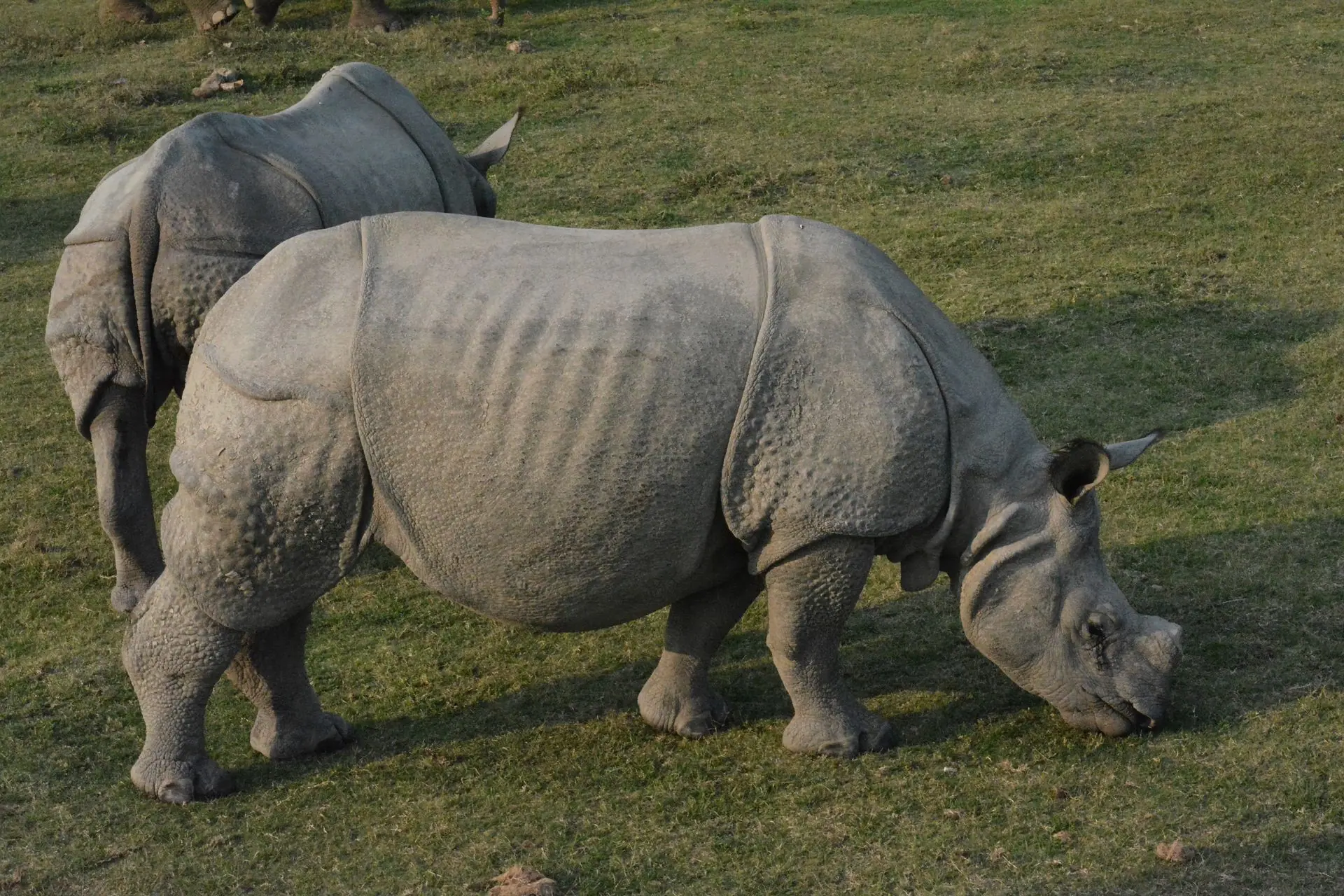
Kaziranga rhino safari

Kaziranga National Park

Kaziranga rhino safari

Private naturalist guide and vehicle throughout

Price on request

Customer reviews

Experience My India is rated 4.3 on Tripadvisor. We publish guest reviews after each trip.

Read our reviews

Plan a trip

Tailor-made quote from a specialist