
Last updated:
Monsoon in India: the Months, Region by Region, and Where to Travel
The south-west monsoon brings India's main rains from June to September. On IMD's normal dates it reaches Kerala around 1 June, covers the whole country by 8 July, starts to withdraw from the north-west around 17 September and has left most of India by 15 October. Tamil Nadu's coast gets its main rain later, from the north-east monsoon, October to December.
By Experience My India Editorial Team
Destination specialists and licensed local guides
Monsoon months in India, region by region
The India Meteorological Department (IMD) counts June to September as the south-west monsoon season, the country's chief rainy season, which brings about three-quarters of India's yearly rain. The rains do not arrive everywhere at once: they reach the south-west coast first and spread north and west over about five weeks, then pull back from the north-west first.
In 2020 IMD published new normal dates, worked out from the onsets of 1961–2019 and the withdrawals of 1971–2019. These are the average dates for some of the places travellers go:
- Kerala (Kochi and Thiruvananthapuram): the monsoon arrives around 1 June. It has no withdrawal date here, because the north-east monsoon follows it.
- Goa (Panjim): 5 June to 14 October.
- Mumbai: 11 June to 8 October.
- Puri, on the Odisha coast: 14 June to 14 October.
- Dehradun and Shimla, in the Himalayan foothills: 20 and 22 June, leaving on 27 and 24 September.
- Varanasi: 23 June to 4 October.
- Delhi and Agra: 27 June, leaving on 25 and 28 September.
- Jaipur: 29 June to 23 September; Jodhpur, on the edge of the Thar, 2 July to 19 September.
They are averages, not a timetable. In any one year the rains can come a week or two early or late, and IMD declares the onset and the withdrawal for each region as they happen. For your own dates, read the month pages: India in June, July, August and September.
The second monsoon: Tamil Nadu and the south-east
Tamil Nadu sits in the rain shadow of the south-west monsoon, which gives it only about 36 per cent of its yearly rain. Its main rainy season comes after, from October to December, when the north-east monsoon brings 48 per cent of the state's rain. IMD's normal date for that monsoon to set in over the Tamil Nadu coast is 20 October, and the same three months are the main cyclone season over the Bay of Bengal and the Arabian Sea. Kerala Tourism notes that the north-east monsoon reaches Kerala in mid-October as well, so south Kerala has two rainy seasons. Chennai is wettest in November, as India in October explains.
What a monsoon day is like
Rain in the monsoon usually comes in spells, not without a break, but the totals vary enormously from one region to another. IMD's long-term averages give an idea:
- The west coast takes the most. Goa averages about 907 mm in July, with rain on 26 days of the month, and Mumbai (Santacruz) about 841 mm.
- The northern plains get their rain in bursts between days of humid heat. New Delhi (Safdarjung) averages 196 mm in July and 227 mm in August, on about ten rainy days each month, with afternoons still around 34–36°C.
- The desert stays fairly dry. Jaisalmer averages 64 mm in July and 73 mm in August.
- Ladakh hardly gets any: about 14 mm in July and 9 mm in August at Leh.
Kerala Tourism describes its monsoon in the same way: the rain falls for a few hours with sunny interludes, and only now and then sets in for a few days.
Where the monsoon is a good time to travel
Ladakh
Leh's district administration describes Ladakh's climate as mainly dry, with little or no rain, and IMD's averages for Leh bear that out. Both roads in are normally open in the monsoon months: the district gives May or June to September or October for the Manali–Leh highway, and May to November or December for the Srinagar–Leh highway. One caution: IMD lists flash floods, mudslides and heavy rain among Ladakh's main hazards, so a spare day in the plan is sensible. Our Ladakh travel guide covers acclimatisation and routes, and our Ladakh tour packages run in these months.
Spiti
Spiti lies in the rain shadow of the Himalaya and gets scanty rain, according to the Lahaul and Spiti district administration, which gives mid-May to mid-October as the best time to visit. The same district rates Spiti's landslide and flood risk as high, and the Kinnaur district warns that the road in from Shimla can be blocked in places in the rainy season. The Kunzum route from Manali usually opens only around June or July. See our Spiti Valley travel guide.
Kerala, for the rains themselves
Kerala Tourism presents the monsoon as a season in its own right, and says that, according to Ayurveda, the monsoon is the best season for rejuvenation therapies, as the air is cool and free of dust. The backwaters and the hills turn green, but the coast is no place for a beach holiday: Kochi averages about 700 mm in June and 576 mm in July. Our guide to the best time to visit Kerala weighs the monsoon against the dry months.
Tamil Nadu's temple towns
Because Tamil Nadu is in the rain shadow, its temple towns stay comparatively dry through the south-west monsoon: Chennai averages about 102 mm in July. Expect heat instead, with July afternoons around 36°C.
Where monsoon travel gets hard
- Hill roads in the Himalaya. The Geological Survey of India says landslides strike every year, mostly during the monsoon. About 0.14 million sq km of the north-west Himalaya (Uttarakhand, Himachal Pradesh and Jammu and Kashmir) and 0.18 million sq km of the north-east Himalaya, including Darjeeling and Sikkim, are prone to them. A road can close for hours or days, so leave slack between hill stops, keep to daylight driving and check the state's road status before each long drive.
- The Western Ghats and the Konkan. The same survey counts about 0.09 million sq km of landslide-prone hills there, from Maharashtra and Goa down to Kerala and Tamil Nadu.
- Beach holidays on the west coast. With Goa's averages of 892 mm in June and 907 mm in July, a beach trip belongs in the dry season.
- Wildlife in the north-east. The Assam Forest Department gives November to April as the season for Kaziranga, so the monsoon is the wrong time for it.
Planning and packing for the monsoon
Leave a spare day in any route through the mountains and a little slack around flights and long drives everywhere. IMD publishes district-wise weather warnings on its website, mausam.imd.gov.in; check them the day before a long drive. Every trip we run can be cancelled with a full refund up to 24 hours before it starts.
Pack for rain and heat together: a light rain jacket or poncho rather than an umbrella you carry all day, quick-drying clothes, sandals or shoes that can get wet, and a dry bag for your phone, passport and papers. For Ladakh and Spiti add warm layers for the evenings. Our packing list for India has the rest.
Frequently asked questions
When is the monsoon season in India?
June to September for most of the country, the season IMD calls the south-west monsoon. On its normal dates the rains reach Kerala around 1 June, cover all of India by 8 July and begin to withdraw from the north-west around 17 September, leaving most of the country by 15 October. The Tamil Nadu coast has a second rainy season, the north-east monsoon, from October to December.
Is it worth visiting India during the monsoon?
Yes, if you choose the region. Ladakh and Spiti are in the rain shadow and are in season; Kerala is green and, by Kerala Tourism's account, at its best for Ayurvedic rejuvenation therapies; Tamil Nadu's temple towns stay fairly dry. A beach holiday on the west coast, a wildlife trip to Kaziranga or a long drive through the Himalayan foothills is better saved for the dry months.
Is Ladakh dry during the monsoon?
Mostly. IMD's averages for Leh are about 14 mm of rain in July and 9 mm in August, against more than 190 mm in each month at Delhi. It is not risk-free: IMD lists flash floods and mudslides among Ladakh's main hazards, and a burst of rain can close a road for a while, so build a spare day into the trip.
Is it dangerous to travel in India during the monsoon?
Not in itself, but hill roads carry a real risk. The Geological Survey of India says landslides occur every year, mostly in the monsoon, and large parts of the Himalaya and the Western Ghats are prone to them. Drive in daylight, allow spare days in the mountains, check the state's road status and IMD's district warnings, and follow any closure the local authorities order.
Does the whole of India get monsoon rain at the same time?
No. The monsoon reaches the south-west first and spreads north and west: by IMD's normal dates it is over Kerala around 1 June, Mumbai on 11 June, Delhi on 27 June and the whole country by 8 July. It withdraws in the same direction, starting in the north-west around 17 September, and has left most of India by 15 October.
What is the north-east monsoon?
It is the second, smaller rainy season of southern India, from October to December, when the winds turn north-easterly after the main monsoon withdraws. It brings Tamil Nadu 48 per cent of its yearly rain, against 36 per cent from the summer monsoon. IMD's normal date for it to set in over the Tamil Nadu coast is 20 October, and the same months are the main cyclone season.
Related guides
Customer reviews
Experience My India is rated 4.3 on Tripadvisor. We publish guest reviews after each trip.
Why book with Experience My India
Government-approved operator
Approved by the Ministry of Tourism, Government of India
500+ vetted local guides
35+ destination specialists plan every trip by hand.
Human help, every day
Mon–Sun, 9:00 AM – 9:00 PM IST · +91 73022 65809
No payment until you approve
You receive a written quote first; nothing is charged to start planning.
Browse experiences by theme
See all
Wildlife Safaris
8 experiences
Heritage & Architecture
2 experiences
Beaches & Islands
5 experiences
Wellness & Ayurveda
1 experience
Yoga & Meditation
4 experiences
Trekking
2 experiences
Adventure
6 experiences
Culinary
5 experiences

Festivals
8 experiences
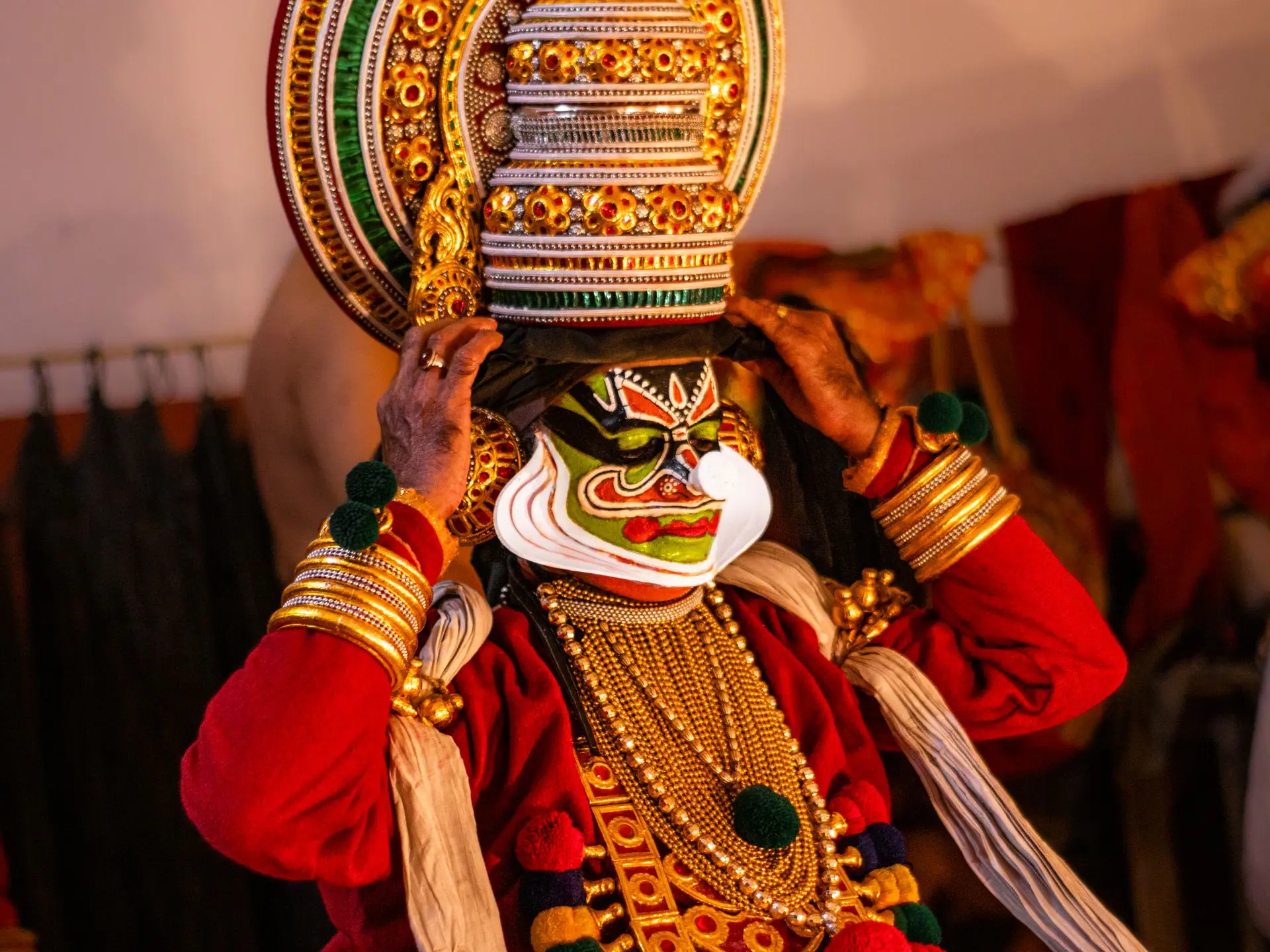
Performing Arts
5 experiences
Luxury Trains
4 experiences
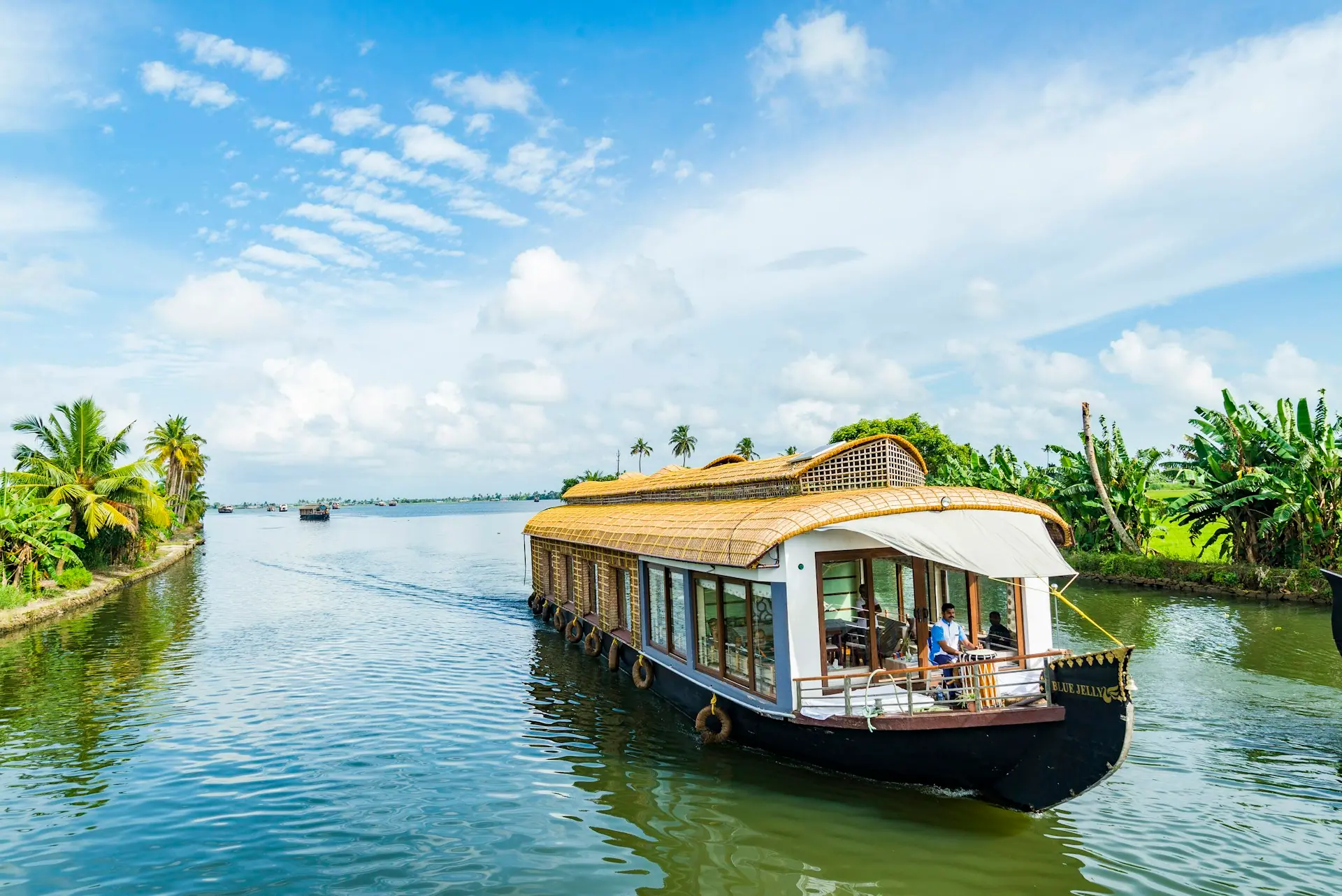
Houseboats
3 experiences
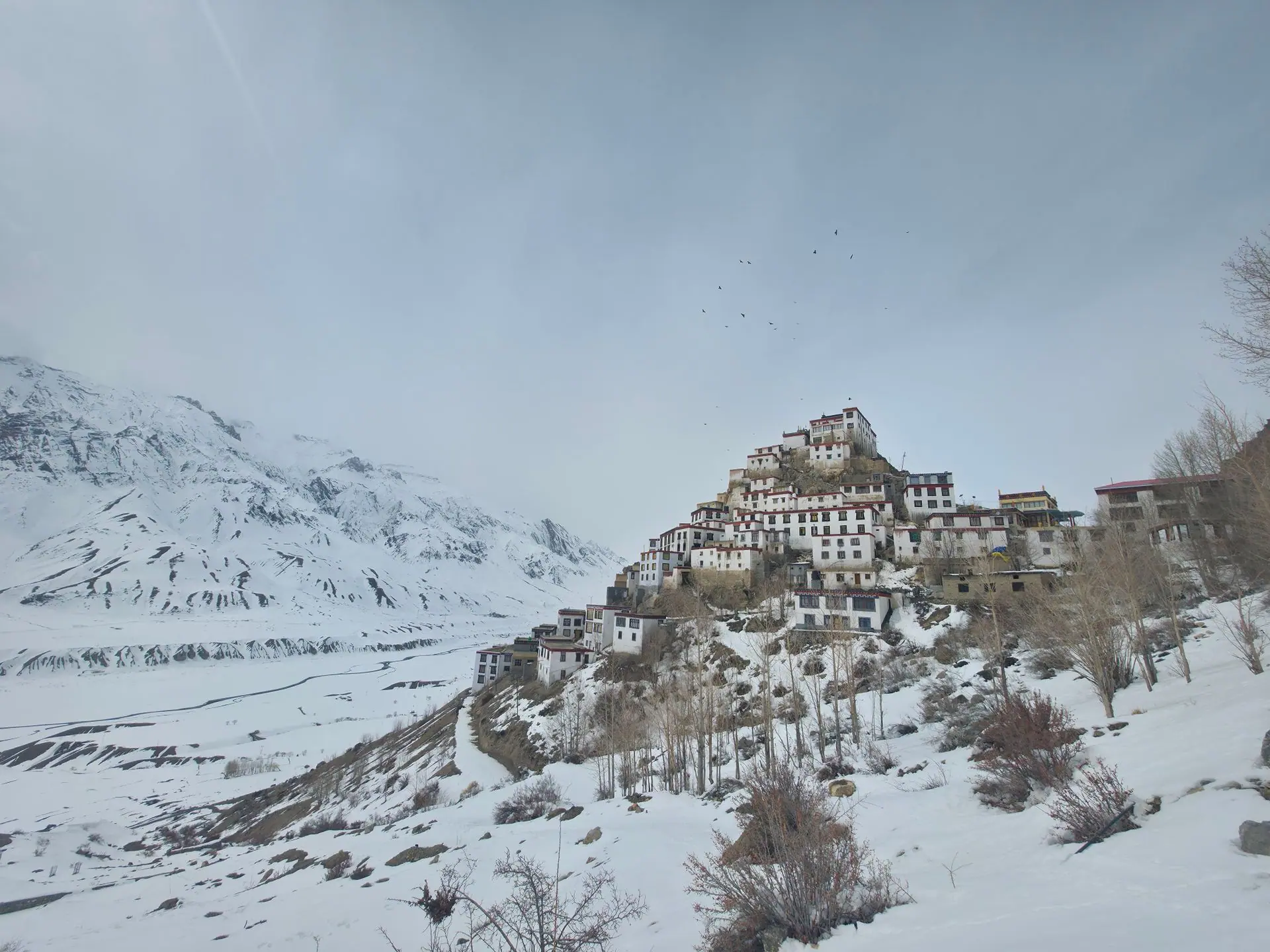
Toy Trains & Railways
1 experience
Village & Tribal Tourism
2 experiences
Glamping & Desert
1 experience
Honeymoon & Romance
3 experiences
VIP & Luxury
2 experiences
Plan a trip
Tailor-made quote from a specialist