
Last updated:
Accessible Travel in India: An Honest Guide
We found no official national list of wheelchair accessible places in India, so confirm each site before you go. Some help is on record: the Taj Mahal keeps wheelchairs at its ASI office and runs battery buses from its car parks, and Indian Railways' 2024 guidelines provide help booths with wheelchairs and coaches for disabled passengers, introduced station by station.
By Experience My India Editorial Team
Destination specialists and licensed local guides
What India's official programmes promise
The Department of Empowerment of Persons with Disabilities launched the Accessible India Campaign, Sugamya Bharat Abhiyan, on 3 December 2015, as a nationwide initiative towards universal accessibility. It covers three areas: buildings and public spaces, transport (air travel, buses, taxis and railways), and information and communication.
Under the disability rules that followed, ministries have notified their own accessibility standards, among them the Ministry of Civil Aviation's standards for airports and airlines, the Ministry of Culture's standards for the culture sector, and Indian Railways' guidelines for stations and trains. The Ministry of Tourism has also issued Accessible Tourism Guidelines for India.
A standard says what a place should provide; it does not tell you what a particular fort, station or hotel has today. Indian Railways says so itself: its facilities depend on each station's category, and improving them "is a continuous process". Treat every promise below as something to confirm for your dates.
Monuments: what is confirmed, site by site
- The Taj Mahal, Agra: according to its official site, wheelchairs for disabled visitors are available at the ASI office at the Taj, and battery buses and golf carts run from the car parks to the gates; no polluting vehicles are allowed within 500 metres of the monument. Parking is at Shilpgram for the east gate and Amrood ka Teela for the west gate. The Taj opens 30 minutes before sunrise, is closed every Friday, and the official site gives October to March as the best season. The Agra travel guide covers the rest of the visit.
- The Hawa Mahal, Jaipur: Incredible India notes that it has no front entrance, only a rear one, and that ramps rather than stairs lead to its upper floors. A ramp is not the same as wheelchair access, so ask about gradients and surfaces before you go. See the Jaipur travel guide.
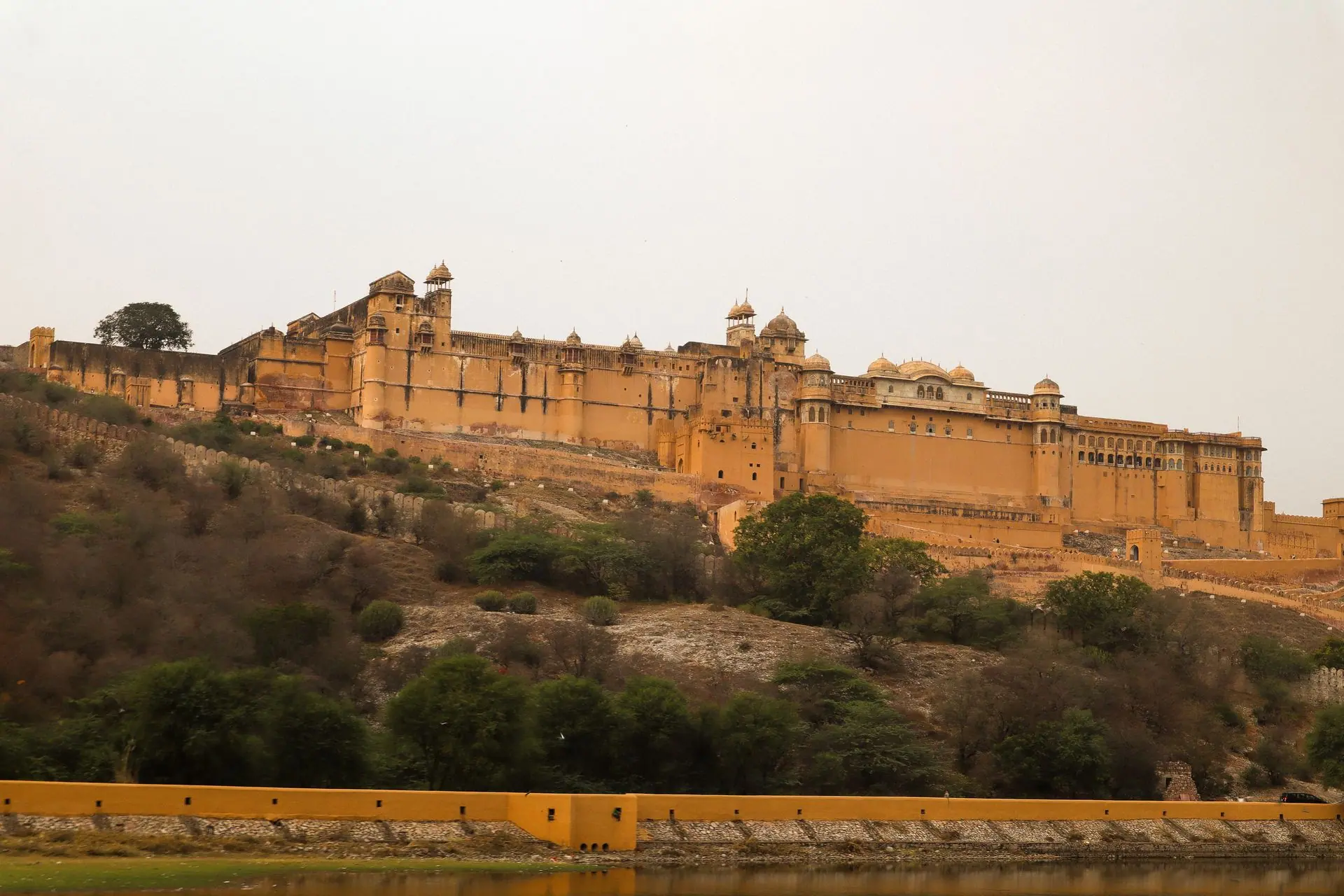
- Other forts, palaces, temples and ghats: we found no official accessibility statement for them. Many were built on hilltops, with stairs and uneven stone, so plan each one with your guide in advance rather than on the day.
Trains and stations
Indian Railways' accessibility guidelines, notified in the Gazette of India on 8 March 2024, set out what stations and trains should provide for passengers with disabilities:
- help booths near the station entrance that lend wheelchairs and other aids, staffed by Divyangjan Sahayaks (assistants for disabled passengers) at the larger stations;
- ramps at station entrances, and footbridges with ramps or lifts, "to be provided progressively", with the larger stations first;
- Divyang-friendly coaches, reserved for passengers with disabilities and their escorts, fitted with stoppers to hold a wheelchair during the journey;
- at least one wider door on new coaches for wheelchair users, and grab rails in coach toilets;
- the 139 helpline and Rail Madad, which the guidelines say may be used for the needs of passengers with disabilities.
Because these arrive station by station, ask what your departure and arrival stations offer before you book. Our guide to Indian trains for foreign visitors explains booking.
Flights and airports
The Ministry of Civil Aviation's accessibility standards for airports and airlines are notified under the disability rules, but we could not read their text, so we state none of their details here. In practice, ask for wheelchair or boarding assistance when you book each flight, confirm it again at check-in, and tell the airline about any mobility aid you are bringing.
Hotels, cars and the pace of the trip
No official register says which Indian hotel rooms are accessible. Ask each hotel specific questions in writing: the width of the bathroom door, whether there is a roll-in shower, the number of steps at the entrance, and whether a lift reaches your floor. Photographs of the room and bathroom answer more than a label.
Plan fewer sights a day, with a rest afternoon, and avoid the plains in May and June: on the India Meteorological Department's 1991–2020 averages, Delhi's daytime highs reach 39.9°C in May. Our guide to getting around India compares cars, trains and flights, and the India itinerary ideas show how far apart the regions are. How we check hotels, guides and transport is set out in how we vet, and any trip with us can be cancelled for a full refund until 24 hours before it starts.
Frequently asked questions
Is India accessible for wheelchair users?
In parts, and unevenly. India launched its Accessible India Campaign in 2015 and has notified accessibility standards for transport and culture, but a standard is not a guarantee at any given site. Some help is confirmed, such as wheelchairs and battery buses at the Taj Mahal and wheelchair-lending help booths at railway stations, while many forts and ghats involve stairs. Check every site before you go.
Is the Taj Mahal wheelchair accessible?
Partly confirmed. The official Taj Mahal site says wheelchairs for disabled visitors are kept at the ASI office at the Taj, and that battery buses and golf carts carry visitors from the car parks at Shilpgram and Amrood ka Teela to the gates. It does not describe access inside the complex, so ask the ASI office about the routes to the mausoleum platform before your visit.
Does the Hawa Mahal have ramps?
Yes. Incredible India, the national tourism site, says the Hawa Mahal in Jaipur has no front entrance, only a rear one, and that ramps rather than stairs lead to its upper floors. That makes it easier than most palaces for visitors who cannot manage steps, but a ramp may still be steep or uneven, so ask about the gradient before relying on it with a wheelchair.
Can wheelchair users travel on Indian trains?
Yes, with planning. Indian Railways' 2024 accessibility guidelines provide for Divyang-friendly coaches reserved for passengers with disabilities and their escorts, with stoppers to secure a wheelchair, and at least one wider door on new coaches. Stations are to lend wheelchairs from help booths, with ramps and lifts added progressively. Ask what your two stations offer before booking.
How do I ask for help at an Indian railway station?
Go to the help booth, which the 2024 guidelines place near the station entrance and which lends wheelchairs and other aids; larger stations have staff called Divyangjan Sahayaks there. You can also call the 139 helpline or use Rail Madad, which the guidelines say may be used for the needs of passengers with disabilities. Arrive early so there is time to arrange help.
What is the Accessible India Campaign?
It is the Government of India's nationwide programme for accessibility, Sugamya Bharat Abhiyan, launched by the Department of Empowerment of Persons with Disabilities on 3 December 2015. It works on three fronts: buildings and public spaces, transport including air travel, buses, taxis and railways, and information and communication. Its standards describe what should be provided, not what every site has today.
Are Indian hotels generally accessible?
There is no official register to tell you, so ask each hotel directly. Request the width of the bathroom door, whether the shower is roll-in, how many steps lead to the entrance and the restaurant, and whether a lift reaches your floor, with photographs if possible. Get the answers in writing before you book, and ask your operator to confirm them again close to the date.
Related guides
Customer reviews
Experience My India is rated 4.3 on Tripadvisor. We publish guest reviews after each trip.
Why book with Experience My India
Government-approved operator
Approved by the Ministry of Tourism, Government of India
500+ vetted local guides
35+ destination specialists plan every trip by hand.
Human help, every day
Mon–Sun, 9:00 AM – 9:00 PM IST · +91 73022 65809
No payment until you approve
You receive a written quote first; nothing is charged to start planning.
Browse experiences by theme
See all
Wildlife Safaris
8 experiences
Heritage & Architecture
2 experiences

Beaches & Islands
5 experiences
Wellness & Ayurveda
1 experience

Yoga & Meditation
4 experiences
Trekking
2 experiences
Adventure
6 experiences
Culinary
5 experiences

Festivals
8 experiences
Performing Arts
5 experiences

Luxury Trains
4 experiences
Houseboats
3 experiences

Toy Trains & Railways
1 experience
Village & Tribal Tourism
2 experiences
Glamping & Desert
1 experience
Honeymoon & Romance
3 experiences
VIP & Luxury
2 experiences
Plan a trip
Tailor-made quote from a specialist