
Jim Corbett National Park Travel Guide: Zones, Seasons and Places to Visit
Jim Corbett National Park is a tiger reserve in the foothills of Uttarakhand, set up in 1936 as India's first national park. It has eight tourism zones: Jhirna and Dhela stay open through the year, while Dhikala opens from 15 November to 15 June. Allow two to three days, book permits only on the reserve's official website, and leave your phone in the bag inside the core zones.
By Experience My India Editorial Team · Reviewed by Experience My India Editorial Team
See all 1 tour or experience in Jim Corbett National Park →
Government-approved operatorApproved by the Ministry of Tourism, Government of India
Places to visit in Jim Corbett National Park
Things to do in Jim Corbett National Park
Safari rules and how to book
Best time to visit Jim Corbett National Park
Zone dates decide the season. Dhikala is open from 15 November to 15 June. Durga Devi, Sonanadi and Pakhro are open from 15 October to 15 June. Bijrani runs from mid-November to June. Jhirna and Dhela are open all year, subject to road and weather conditions. In the monsoon, from July to September, most of the park is closed, and Corbett Falls is listed as closed too.
So the practical choice is between the main season, from about mid-November to mid-June, when most zones are open, and the monsoon months, when only Jhirna and Dhela are listed as open and the roads decide the rest. Zone dates can change from one year to the next, so confirm them on the reserve's website when you book.
How to reach Jim Corbett National Park
By road, Uttarakhand Tourism puts Corbett about 295 km from Delhi and about six hours' drive; our trip page gives a drive of roughly five to six hours. The nearest railway station is Ramnagar, the terminus of the Delhi to Moradabad to Ramnagar branch line. The nearest domestic airport is Pantnagar, about 50 km away, and Delhi is the nearest international airport.
Corbett lies near Nainital, and the two are easy to join in one trip: the Corbett Museum at Kaladhungi is reached from Nainital by way of Khurpatal. See our Nainital travel guide for the hill-station half.
How many days in Jim Corbett National Park
Two to three days is the practical minimum for a safari trip. A single safari lasts about four hours and a permit covers one zone and one slot, so a stay that includes several drives across different zones gives you more chances to see wildlife than one rushed visit. No safari can guarantee a tiger. A third day is useful if you also want the museum at Kaladhungi or to travel on to Nainital.
Where to stay near Jim Corbett National Park
Inside the reserve, the night-stay choices on its website are the Dhikala Forest Rest House and rest houses in the Bijrani and Jhirna zones. Outside it, most visitors base themselves in and around Ramnagar. Book anything inside the park only through the reserve's official website.
Why book with Experience My India
Government-approved operator
Approved by the Ministry of Tourism, Government of India
500+ vetted local guides
35+ destination specialists plan every trip by hand.
Human help, every day
Mon–Sun, 9:00 AM – 9:00 PM IST · +91 73022 65809
No payment until you approve
You receive a written quote first; nothing is charged to start planning.
Frequently asked questions
Can I use my phone inside Corbett National Park?
Not in the core tourism zones. The reserve states that mobile phones may not be used within the tourism zones of the core habitat of tiger reserves, citing an order of the Supreme Court. Bring a camera if you want pictures, and put the phone away before you reach the gate.
What are the eight tourism zones of Corbett?
Bijrani, Jhirna, Dhikala, Durga Devi, Dhela, Garjiya, Sonanadi and Pakhro. They are entered through the Amdanda, Dhela, Dhangari, Durgadevi, Ringora, Vatanvasa and Pakhro gates, and Jhirna and Dhela share the Dhela gate. Each zone has its own opening dates, set out above.
Is Sitabani a safari zone in Corbett?
No. Sitabani is a forest about 5 km from Ramnagar, known for bird-watching and for its temple, but it is not one of the reserve's eight tourism zones. Uttarakhand Tourism says it can be covered during a jungle safari, so ask your operator how a visit is arranged.
Which Corbett zones are open all year?
Jhirna and Dhela, according to the reserve, subject to road and weather conditions. The other zones close for the monsoon: Dhikala is open from 15 November to 15 June, Durga Devi, Sonanadi and Pakhro from 15 October to 15 June, and Bijrani from mid-November to June.
Can I drive my own car into the safari zones?
No. The reserve says private vehicles are not allowed for tourism purposes. You travel in a jeep or canter provided for the safari, or in a light vehicle registered with the reserve. Your own car takes you to the gate, not through it.
How long does a Corbett safari last?
About four hours, whether you choose a jeep, which takes up to six passengers, or a canter, which takes up to 16. Safaris run in two shifts a day, so a morning and an afternoon drive are different bookings and may be in different zones.
Where should I book Corbett safari permits?
Only on the reserve's own website, corbettgov.org, which it calls the only official Corbett Tiger Reserve website. It publishes a list of unauthorised sites that sell permits. You upload photo identification when you book, and it is checked when you enter.
When is Jim Corbett National Park open?
Most zones are open from mid-November or 15 November to 15 June, and some from 15 October. The park is closed to most visitors in the monsoon, apart from Jhirna and Dhela, which stay open through the year when roads and weather allow. Confirm the dates for your travel year with the reserve.
Will I definitely see a tiger at Corbett?
No. A safari can show you tigers, elephants and many birds, but no operator or permit can promise a sighting on any single drive. Several safaris across different zones give you more chances than one.
Can I combine Jim Corbett with Nainital?
Yes. The two are close together in the foothills, and the road from Nainital by way of Khurpatal brings you to Kaladhungi and the Corbett Museum. Many travellers pair them, with a night or two in each.
Experiences in Jim Corbett National Park
See all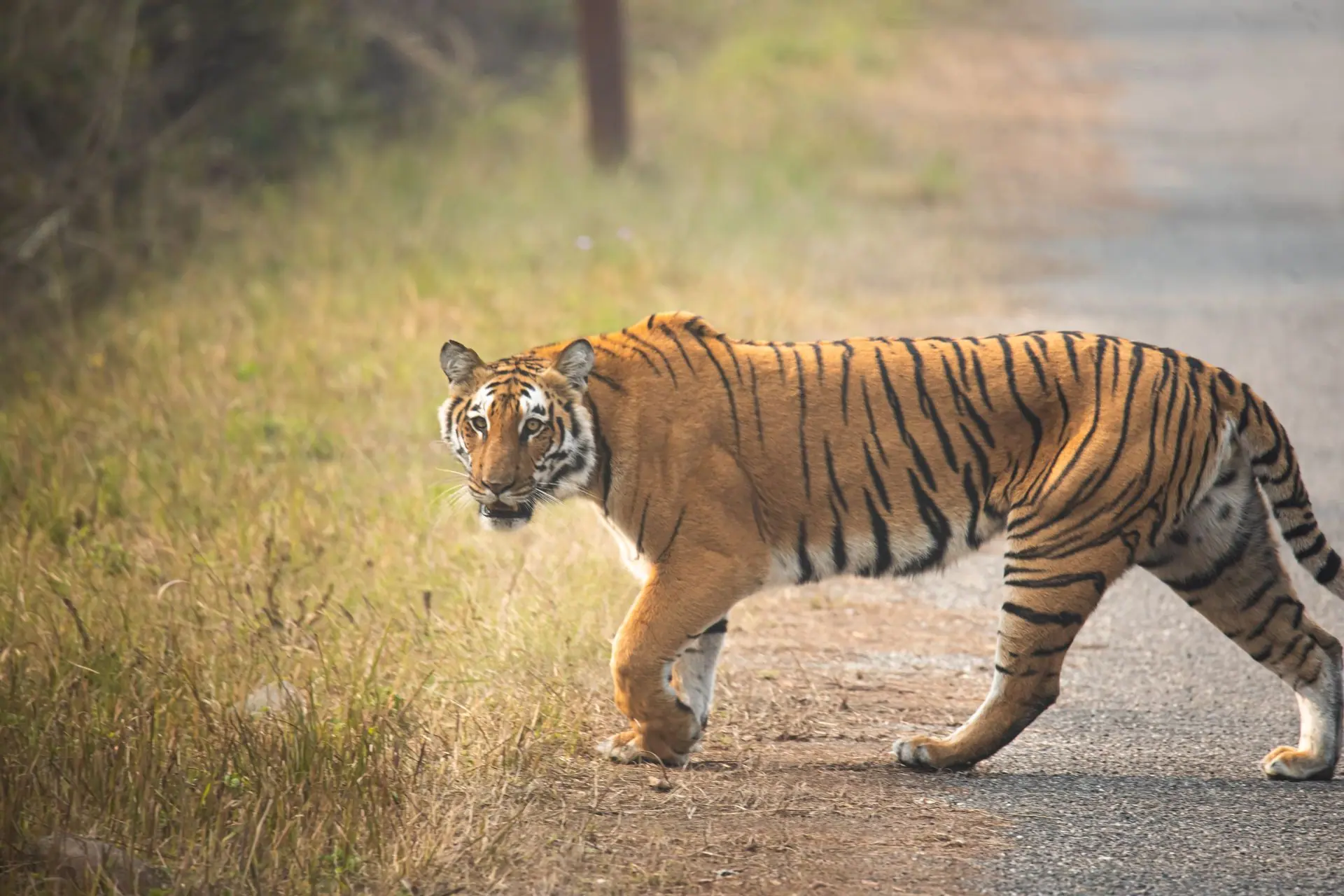
Jim Corbett National Park
Jim Corbett tiger safari
Private naturalist guide and vehicle throughout
Price on request
More places in Uttarakhand
See all
Customer reviews
Experience My India is rated 4.3 on Tripadvisor. We publish guest reviews after each trip.
Plan a trip
Tailor-made quote from a specialist